
2407 Results for "

decrease

" in MedChemExpress (MCE) Product Catalog:
Products (2407)

2407 Results for "decrease" in MCE Product Catalog:

6
6 Cited Publications
Cat. No.: HY-138794
CAS No.: 2417089-74-6
Purity:  99.60%
Research Areas:  

Cancer

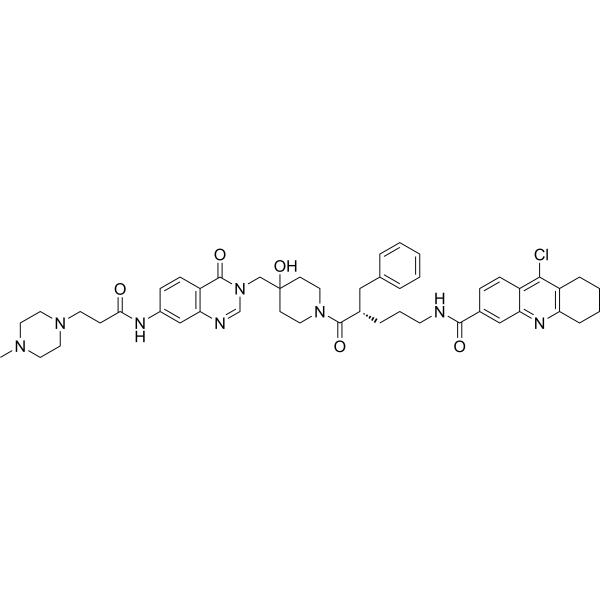
XL177A is a covalent USP7 inhibitor that blocks the deubiquitinase activity of USP7. XL177A destabilizes non-canonical PRC1 complexes or KDM6A and reduces chromatin deposition of H2AK119Ub, thereby relieving the repression of neuronal differentiation programs. Meanwhile, XL177A also regulates the ELOF1-UVSSA-USP7-nuclear β-catenin axis, decreasing the transcription levels of related proteins and the accumulation of nuclear β-catenin. XL177A exerts antiviral effects by reducing the expression levels of coronavirus receptors, and exhibits inhibitory activity against APC-mutated colorectal cancer cells, neuroblastoma, and coronaviruses including SARS-CoV-2 variants. XL177A is mainly used in studies related to colorectal cancer, neuroblastoma, and coronavirus infections .
loading...
    loading...
6
6 Cited Publications
Cat. No.: HY-B0366A
CAS No.: 969-33-5
Synonyms: Cyproheptadine HCl
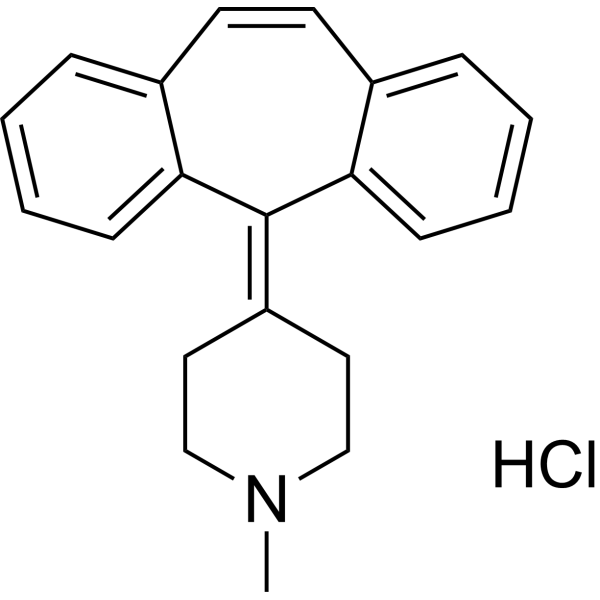
Cyproheptadine hydrochloride (Cyproheptadine HCl) acts as a p38 MAP kinase activator, CHK2 activator, histamine H1 receptor inhibitor and serotonin receptor inhibitor. Cyproheptadine hydrochloride mediates cell cycle arrest via G1 phase arrest, G1/S transition arrest, G0/G1 phase arrest, reduced expression of cyclins D1/D2/D3, upregulated expression of HBP1, p16, p21, p27, and decreased phosphorylation of retinoblastoma protein. Cyproheptadine hydrochloride induces Apoptosis by increasing PARP and cleaved PARP, as well as activating the mitochondrial caspase pathway. Cyproheptadine hydrochloride inhibits tumor growth with extremely low toxicity to normal cells. Cyproheptadine hydrochloride can be used in research related to hepatocellular carcinoma, multiple myeloma and acute myeloid leukemia .
loading...
    loading...
6
6 Cited Publications
Cat. No.: HY-B1622
CAS No.: 129-03-3
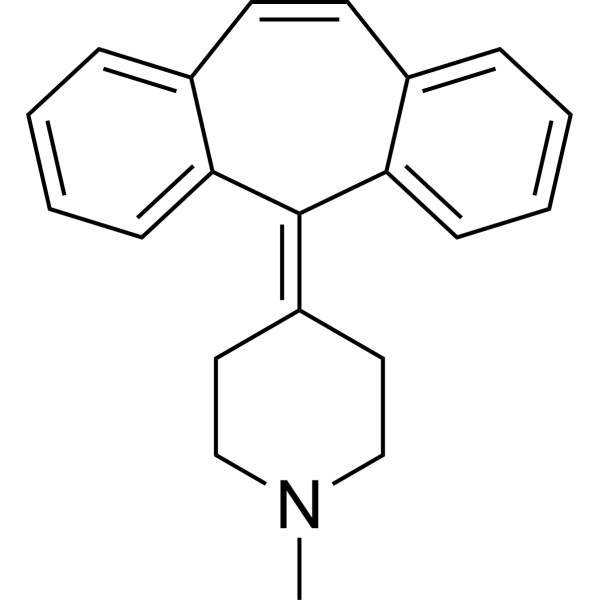
Cyproheptadine acts as a p38 MAP kinase activator, CHK2 activator, histamine H1 receptor inhibitor and serotonin receptor inhibitor. Cyproheptadine mediates cell cycle arrest via G1 phase arrest, G1/S transition arrest, G0/G1 phase arrest, reduced expression of cyclins D1/D2/D3, upregulated expression of HBP1, p16, p21, p27, and decreased phosphorylation of retinoblastoma protein. Cyproheptadine induces Apoptosis by increasing PARP and cleaved PARP, as well as activating the mitochondrial caspase pathway. Cyproheptadine inhibits tumor growth with extremely low toxicity to normal cells. Cyproheptadine can be used in research related to hepatocellular carcinoma, multiple myeloma and acute myeloid leukemia .
loading...
    loading...
6
6 Cited Publications
Cat. No.: HY-B1165
CAS No.: 41354-29-4
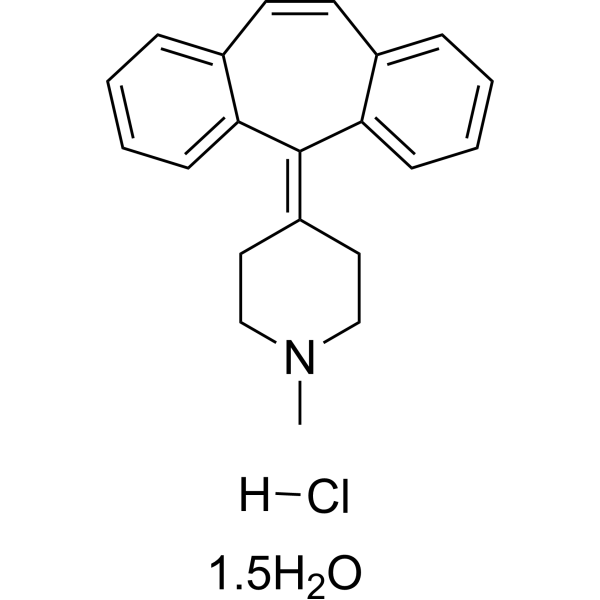
Cyproheptadine hydrochloride sesquihydrate acts as a p38 MAP kinase activator, CHK2 activator, histamine H1 receptor inhibitor and serotonin receptor inhibitor. Cyproheptadine hydrochloride sesquihydrate mediates cell cycle arrest via G1 phase arrest, G1/S transition arrest, G0/G1 phase arrest, reduced expression of cyclins D1/D2/D3, upregulated expression of HBP1, p16, p21, p27, and decreased phosphorylation of retinoblastoma protein. Cyproheptadine hydrochloride sesquihydrate induces Apoptosis by increasing PARP and cleaved PARP, as well as activating the mitochondrial caspase pathway. Cyproheptadine hydrochloride sesquihydrate inhibits tumor growth with extremely low toxicity to normal cells. Cyproheptadine hydrochloride sesquihydrate can be used in research related to hepatocellular carcinoma, multiple myeloma and acute myeloid leukemia .
loading...
    loading...
5
5 Cited Publications
Cat. No.: HY-N1427
CAS No.: 16409-34-0
Synonyms: Sodium glycyldeoxycholate
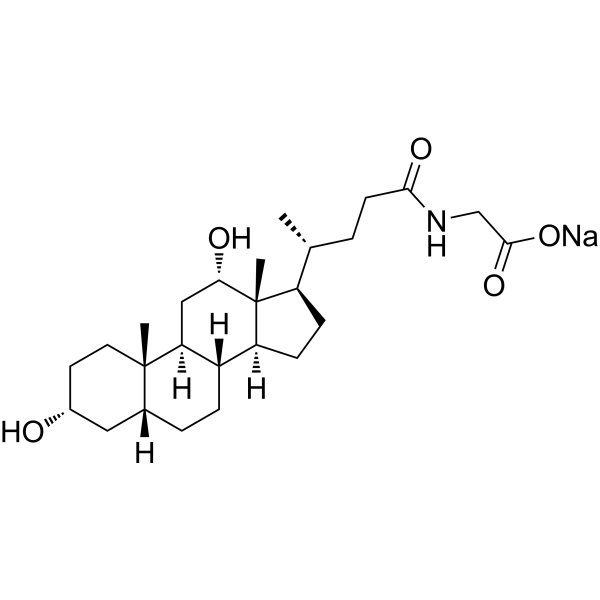
Glycodeoxycholate Sodium (Sodium glycyldeoxycholate) is a bile salt. Glycodeoxycholate Sodium has cytotoxicity to cancer cell, changes the permeability of the pancreatic duct and decreases glucose levels .
loading...
    loading...
5
5 Cited Publications
Cat. No.: HY-17629
CAS No.: 54863-37-5
Research Areas:  

Inflammation/Immunology Cancer

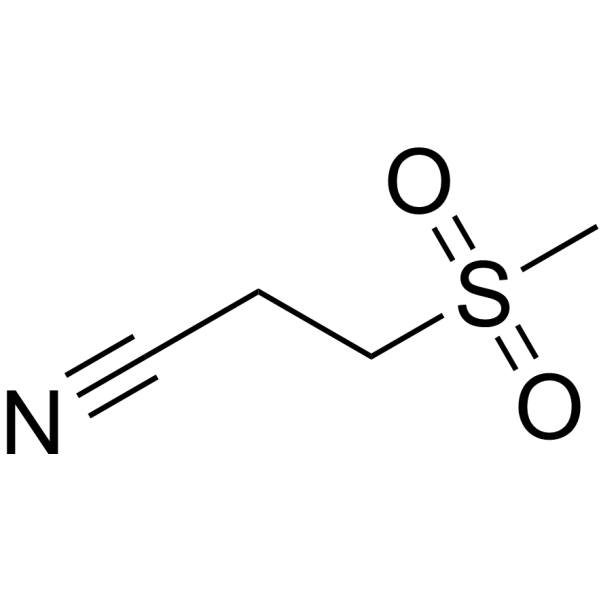
Dapansutrile is a potent, orally active and selective NLRP3 inflammasome inhibitor. Dapansutrile has anti-inflammatory activity and decreases immune factor levels. Dapansutrile can be used for research of inflammatory diseases .
loading...
    loading...
5
5 Cited Publications
Cat. No.: HY-105930
CAS No.: 135558-11-1
Purity:  ≥98.0%
Synonyms: D-19466
Research Areas:  

Cancer

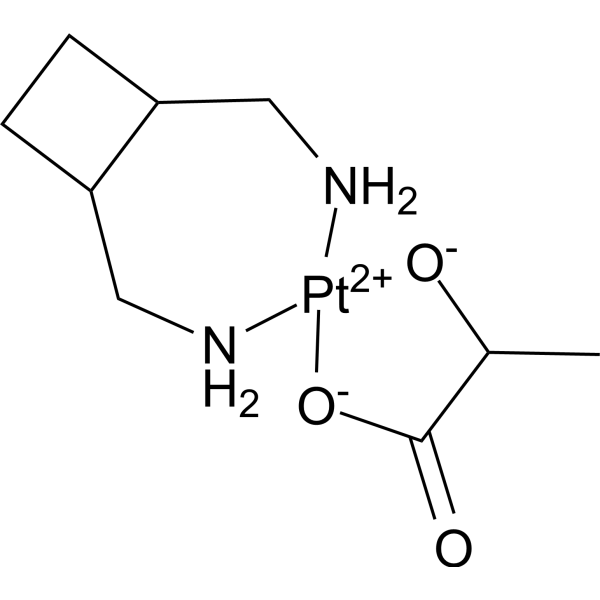
Lobaplatin (D-19466) is a diastereometric mixture of platinum(II) complexe. Lobaplatin arrests cell cycle at G1 and G2/M phase. Lobaplatin induces apoptosis by increasing expressions of caspase and Bax, decreasing expression of Bcl-2. Lobaplatin can be used for research of cancer .
loading...
    loading...
5
5 Cited Publications
Cat. No.: HY-P99188
CAS No.: 915404-94-3
Synonyms: CNTO 888

Target:  

CCR

Research Areas:  

Cancer

Carlumab (CNTO 888) is a human anti-CCL2 (chemokine ligand 2) monoclonal antibody. Carlumab binds and neutralises profibrotic activities of human CCL2. Carlumab inhibits tumor growth by reducing macrophage infiltration and decreasing tumor microvascular density. Carlumab can be used for the research of cancer, suah as prostate cancer .
loading...
    loading...
5
5 Cited Publications
Cat. No.: HY-18700
CAS No.: 1440209-96-0
Target:  

HDAC

Research Areas:  

Cancer

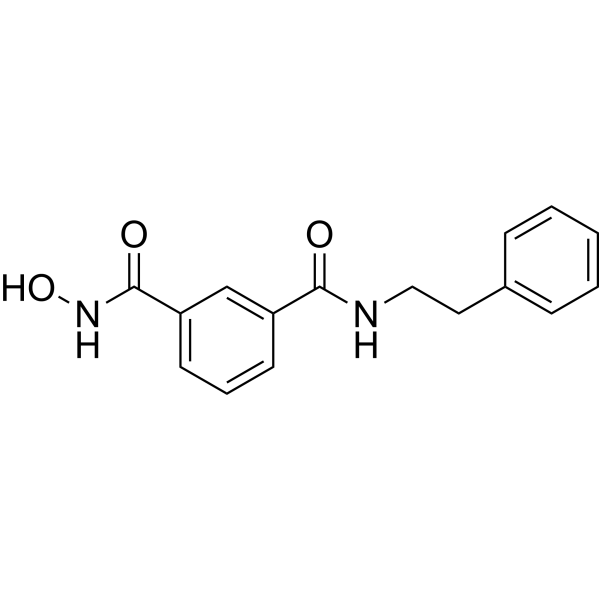
BRD73954 is a potent HDAC inhibitor and selectively inhibiting both HDAC6 and HDAC8 with IC50 values of 0.0036, 0.12, 9, 12, 23 µM for HDAC6, HDAC8, HDAC2, HDAC1 and HDAC3, respectively. BRD73954 decreases the levels of HDAC6, associated with upregulation of Ac-Tubulin .
loading...
    loading...
5
5 Cited Publications
Cat. No.: HY-N9965
CAS No.: 41263-94-9
Synonyms: 2'-FL
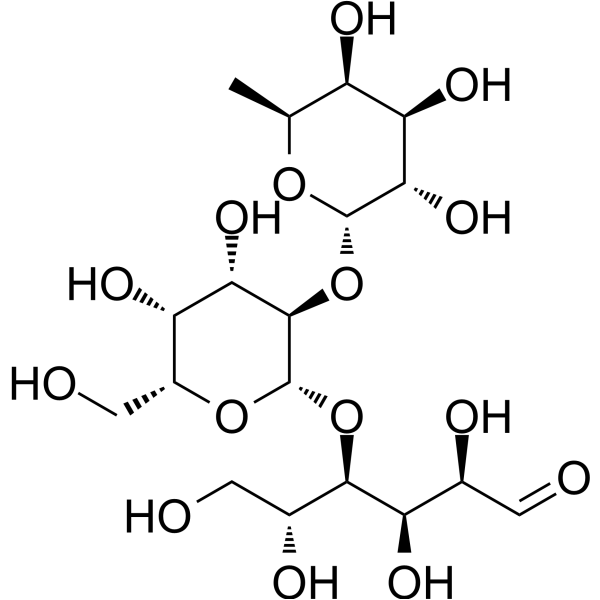
2'-Fucosyllactose (2'-FL) is an oligosaccharide that could be derived from human milk. 2'-Fucosyllactose regulates the expression of CD14, alleviates colitis and regulates the gut microbiome. 2'-Fucosyllactose stimulates T cells to increase IFN-γ production and decreases IL-6, IL-17, and TNF-α production of cytokines .
loading...
    loading...
5
5 Cited Publications
Cat. No.: HY-B0642
CAS No.: 16051-77-7
Synonyms: Isosorbide-5-mononitrate
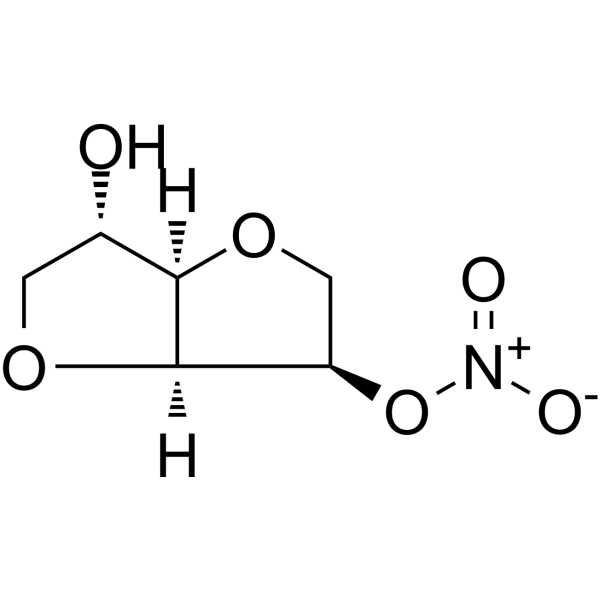
Isosorbide mononitrate (Isosorbide-5-mononitrate) is an orally active nitric acid compound used for angina pectoris by dilating blood vessels and lowering blood pressure. Isosorbide mononitrate increases the viability and proliferation of HUVECs by decreasing Apoptosis and elevated the expressions of vedf, kdrl, pdgfr in zebrafish embryos. Isosorbide mononitrate is promising for research of heart failure and coronary heart disease .
loading...
    loading...
5
5 Cited Publications
Cat. No.: HY-100432
CAS No.: 877963-94-5
Purity:  ≥98.0%
Target:  

PDI

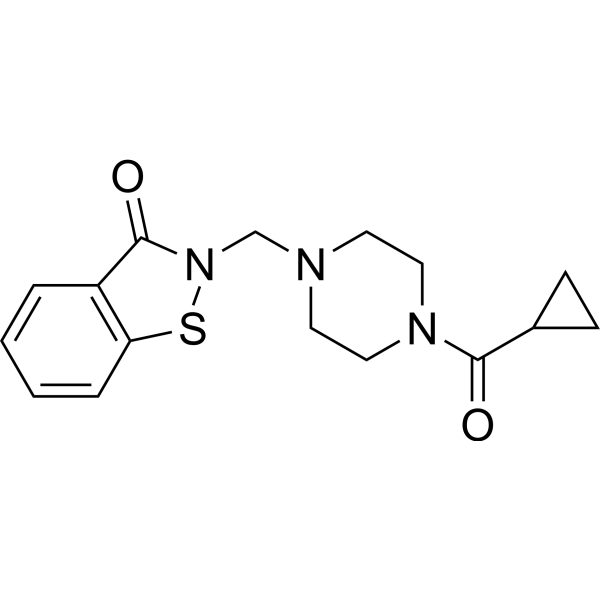
LOC14 is a potent Protein disulfide isomerase (PDI) inhibitor with EC50 and Kd values of 500 nM and 62 nM, respectively. LOC14 exhibits high stability in mouse liver microsomes and blood plasma, low intrinsic microsome clearance, and low plasma-protein binding . LOC14 inhibits PDIA3 activity, decreases intramolecular disulfide bonds and subsequent oligomerization (maturation) of HA in lung epithelial cells .
loading...
    loading...
5
5 Cited Publications
Cat. No.: HY-13440
CAS No.: 1253573-53-3
Purity:  99.38%
Target:  

PI3K

Research Areas:  

Cancer

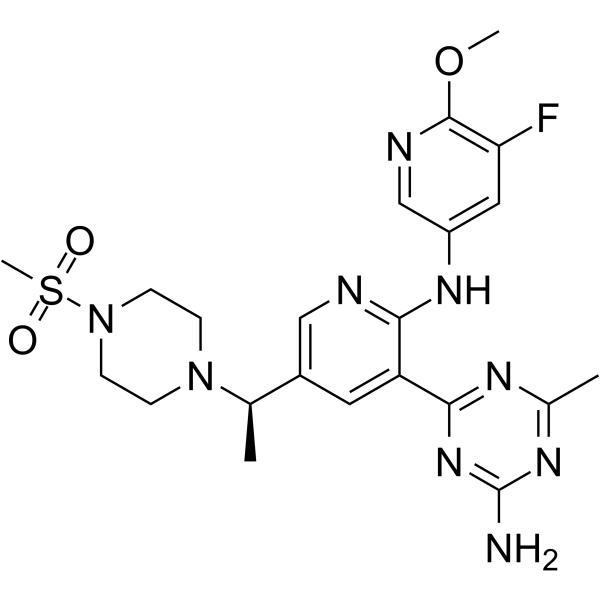
AMG 511 is a potent and orally available pan inhibitor of class I PI3Ks, with Kis of 4 nM, 6 nM, 2 nM and 1 nM for PI3Kα, β, δ and γ, respectively. AMG 511 significantly suppresses PI3K signaling that is indicated by p-Akt (Ser473) decrease. AMG 511 exhibits anti-tumor activity in mouse glioblastoma xenograft model .
loading...
    loading...
5
5 Cited Publications
Cat. No.: HY-D0034
CAS No.: 307554-62-7
Synonyms: ABMDMA
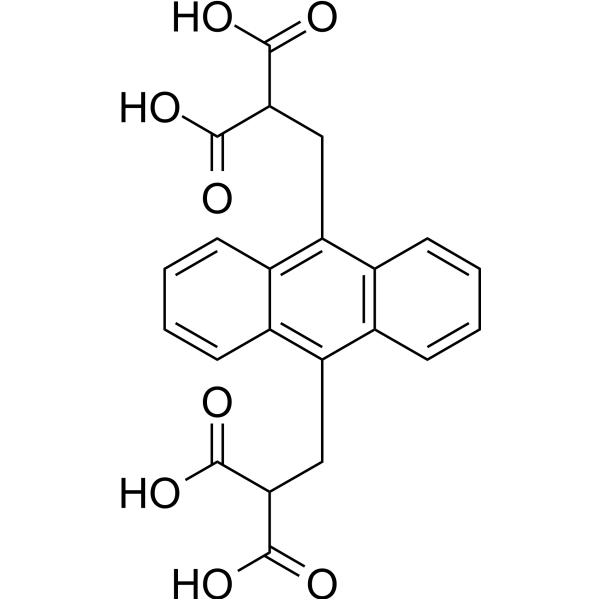
9,10-Anthracenediyl-bis(methylene)dimalonic acid (ABMDMA) is a biological dye and indicator used to detect singlet oxygen generation (SOG). 9,10-Anthracenediyl-bis(methylene)dimalonic acid is water-soluble derivative of anthracene. 9,10-Anthracenediyl-bis(methylene)dimalonic acid can be photobleached by singlet oxygen to its corresponding endoperoxide. This reaction can be monitored spectrophotometrically by recording the decrease of absorbance at 400 nm .
loading...
    loading...
5
5 Cited Publications
Cat. No.: HY-76474A
CAS No.: 1615197-10-8
Target:  

Apoptosis Syk

Research Areas:  

Inflammation/Immunology Cancer

BAY 61-3606 hydrochloride is an orally available, ATP-competitive, reversible and highly selective Syk inhibitor with a Ki of 7.5 nM and an IC50 of 10 nM . BAY 61-3606 hydrochloride reduces ERK1/2 and Akt phosphorylation in neuroblastoma cell. BAY 61-3606 hydrochloride induces a large decrease of Syk phosphorylation in K-rn cell lysates. BAY 61-3606 hydrochloride sensitizes TRAIL-induced apoptosis by downregulating Mcl-1 in breast cancer cells.
loading...
    loading...
5
5 Cited Publications
Cat. No.: HY-N0619
CAS No.: 102841-42-9
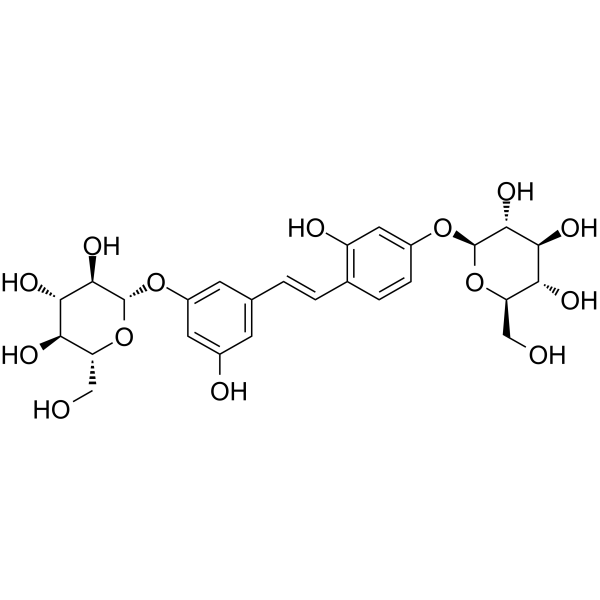
Mulberroside A is one of the main bioactive constituent in mulberry (Morus alba L.) . Mulberroside A decreases the expressions of TNF-α, IL-1β, and IL-6 and inhibits the activation of NALP3, caspase-1, and NF-κB and the phosphorylation of ERK, JNK, and p38, exhibiting anti-inflammatory antiapoptotic effects . Mulberroside A shows inhibitory activity against mushroom tyrosinase with an IC50 of 53.6 μM .
loading...
    loading...
5
5 Cited Publications
Cat. No.: HY-117037
CAS No.: 107530-18-7
Purity:  99.90%
FR900359 is a depsipeptide selective inhibitor of Gαq/11/14 in mammalia, can inhibits ERK pathway. FR900359 suppresses the proliferation of melanoma cells and decreases of blood pressure. FR900359 also protected against airway hyperreactivity in murine models of allergen sensitization in Ovalbumin, low endotoxin (HY-W250978A)-induced sensitization model of asthma. FR900359 can be used for cancer and cardiovascular disease research .
loading...
    loading...
5
5 Cited Publications
Cat. No.: HY-112540
CAS No.: 541-50-4
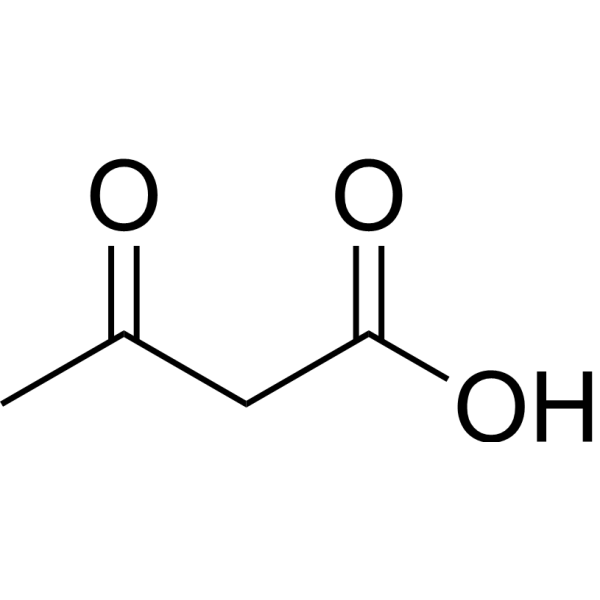
Acetoacetic acid is an oxidative stress inducer that affects the antioxidant enzyme system and lipoprotein metabolism. Acetoacetic acid induces oxidative stress by decreasing the mRNA expression and activity of superoxide dismutase (SOD), catalase (CAT), and glutathione peroxidase (GSH-Px), increasing MDA content, and inhibiting very low density lipoprotein (VLDL) assembly by downregulating apolipoprotein ApoB100, ApoE, and low density lipoprotein receptor (LDLR), leading to triglyceride (TG) accumulation in hepatocytes. Acetoacetic acid can be used to study metabolic diseases .
loading...
    loading...
5
5 Cited Publications
Cat. No.: HY-112540B
CAS No.: 623-58-5
Purity:  ≥98.0%
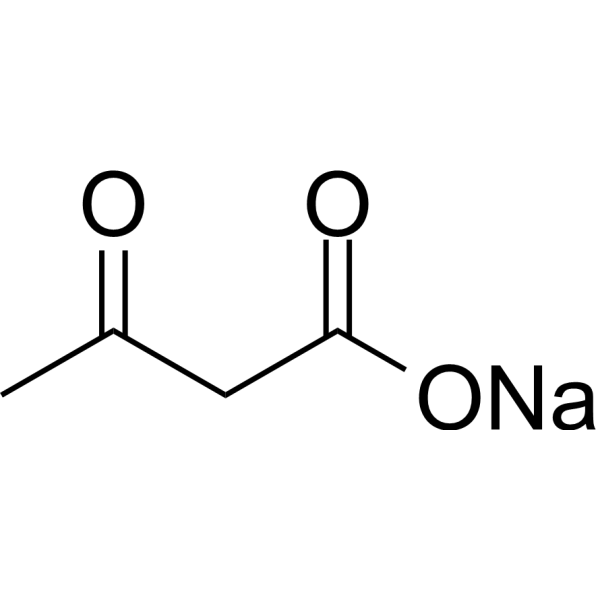
Acetoacetic acid sodium is an oxidative stress inducer that affects the antioxidant enzyme system and lipoprotein metabolism. Acetoacetic acid sodium induces oxidative stress by decreasing the mRNA expression and activity of superoxide dismutase (SOD), catalase (CAT), and glutathione peroxidase (GSH-Px), increasing MDA content, and inhibiting very low density lipoprotein (VLDL) assembly by downregulating apolipoprotein ApoB100, ApoE, and low density lipoprotein receptor (LDLR), leading to triglyceride (TG) accumulation in hepatocytes. Acetoacetic acid sodium can be used to study metabolic diseases .
loading...
    loading...
5
5 Cited Publications
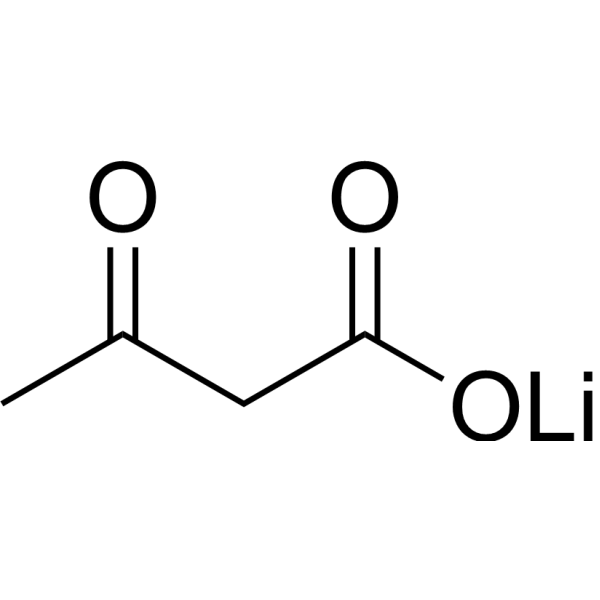
Cat. No.: HY-112540A
CAS No.: 3483-11-2
Purity:  ≥98.0%
Acetoacetic acid lithium is an oxidative stress inducer that affects the antioxidant enzyme system and lipoprotein metabolism. Acetoacetic acid lithium induces oxidative stress by decreasing the mRNA expression and activity of superoxide dismutase (SOD), catalase (CAT), and glutathione peroxidase (GSH-Px), increasing MDA content, and inhibiting very low density lipoprotein (VLDL) assembly by downregulating apolipoprotein ApoB100, ApoE, and low density lipoprotein receptor (LDLR), leading to triglyceride (TG) accumulation in hepatocytes. Acetoacetic acid lithium can be used to study metabolic diseases .
loading...
    loading...

