



Ginkgolide B
Based on 14 publication(s) in Google Scholar
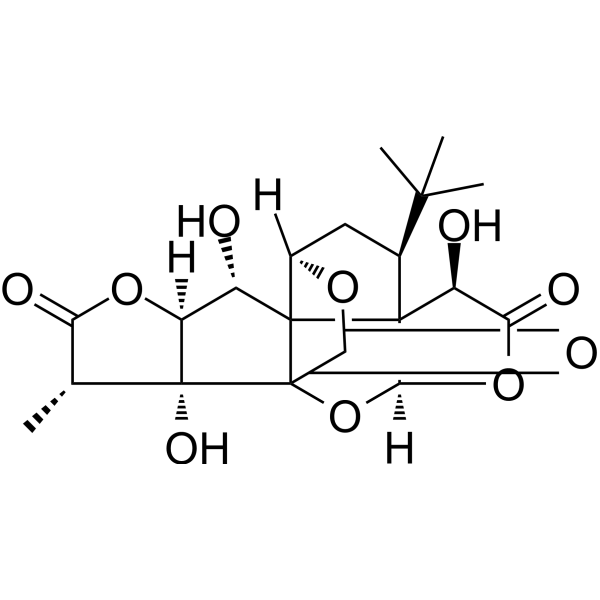
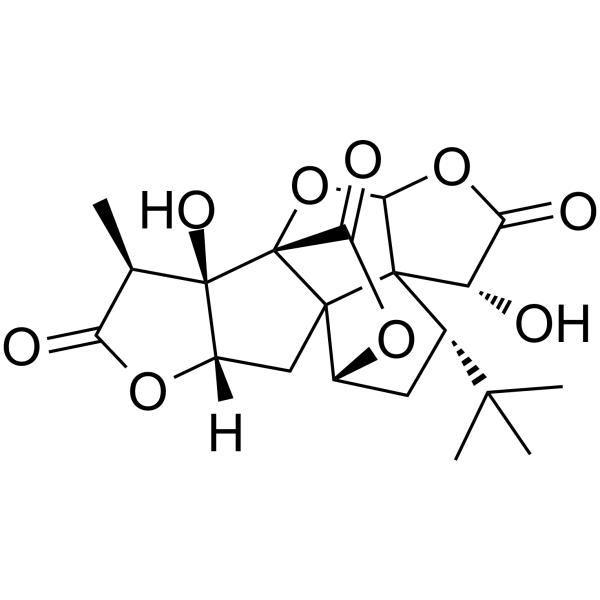
Ginkgolide B (BN-52021), a terpene lactone, is a potent platelet activating factor antagonist. Ginkgolide B protects endothelial cells via the activation of PXR from injuries induced by xeno- and endobiotics. Ginkgolide B can pass through the brain-blood barrier. Ginkgolide B has anti-oxidant, anti-inflammatory, anti-tumor, and anti-apoptotic activity. Ginkgolide B has marked neuroprotective effects against ischemia-induced impairments.
Nur für Forschungszwecke. Wir verkaufen nicht an Patienten.
- Reinheit : 99.84%
- CAS. Nr.: 15291-77-7
- Formel: C20H24O10
- Molecular Weight:424.40
-
Speicherung:Powder -20°C, 3 years , 4°C, 2 years ; In solvent -80°C, 2 years , -20°C, 1 year

To place orders, for customer services and technical support, please contact: MedChemExpress USA
Tel: 609-228-6898 E-mail: [email protected] [email protected]


-
 Biologische Aktivität
-
Chemical Information
-
Lösungsmittel & Löslichkeit
- Protokoll
- Reinheit & Dokumentation
- Verweise
-
 Help & FAQs


-
HY-B0355
Ginkgolide AGABA Antagonist -
HY-N0785
Ginkgolide CFlavone -
HY-N0076
BilobalideNeuroprotective Sesquiterpene -
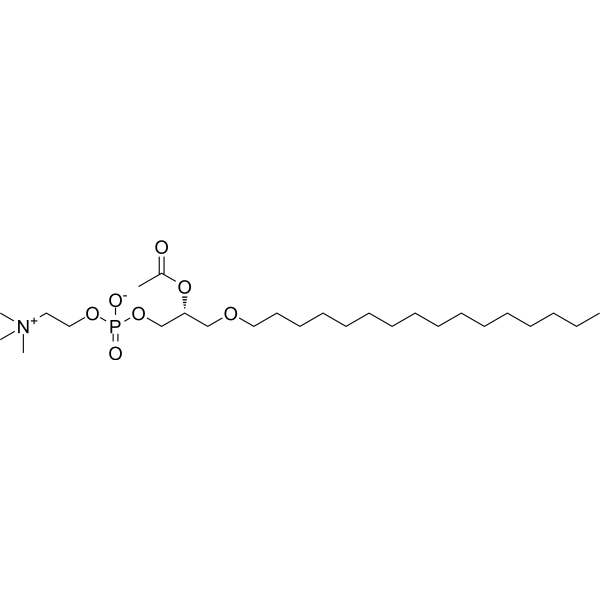
HY-108635
C16-PAFPAFR Activator -
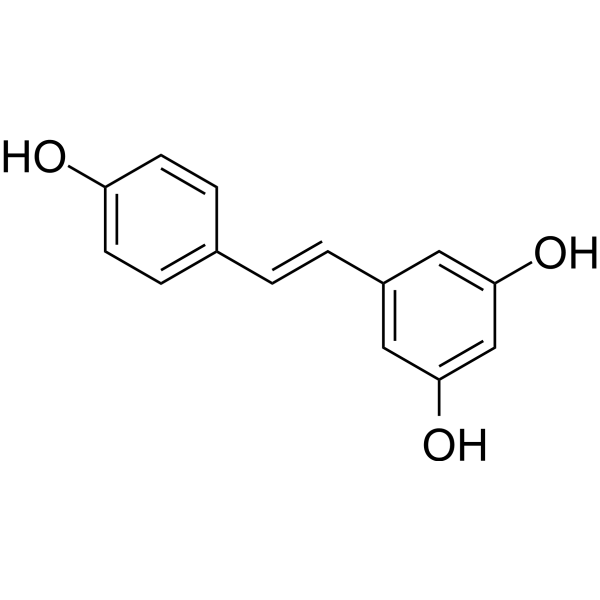
HY-16561
ResveratrolPolyphenolic Phytoalexin -
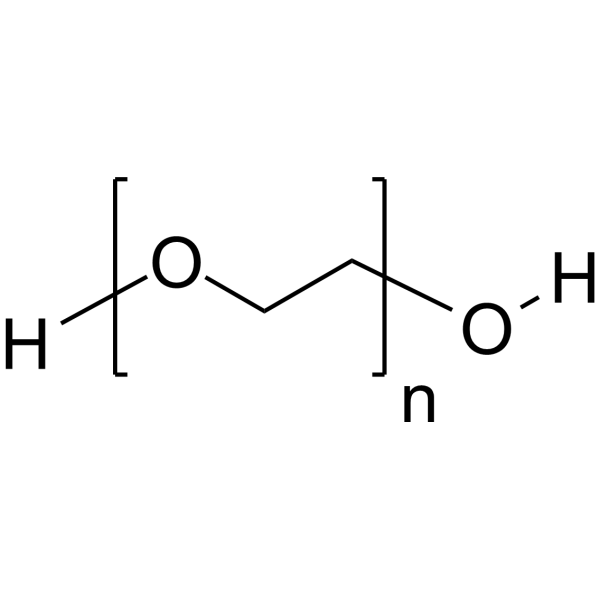
HY-Y0873
PEG300Neutral Polymer -
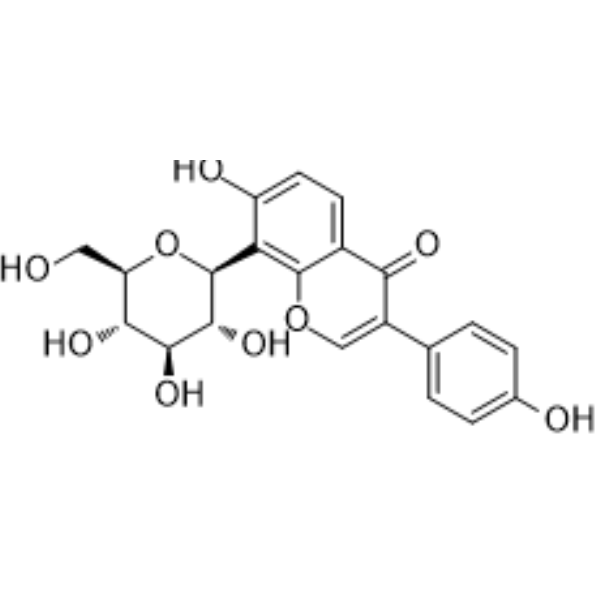
HY-N0145
Puerarin5-HT Receptor Antagonist -

HY-N0784R
Ginkgolide B (Standard)Platelet Activating Factor Antagonist -
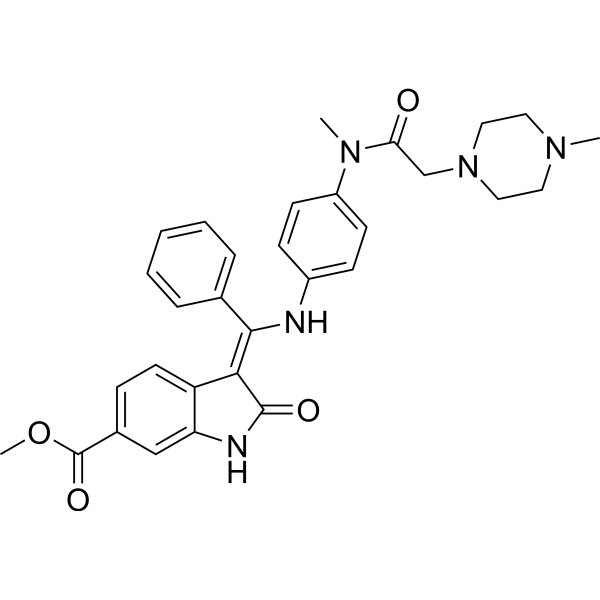
HY-50904
NintedanibPDGFR/VEGFR/FGFR Inhibitor -
HY-Y1891
Tween 80 -
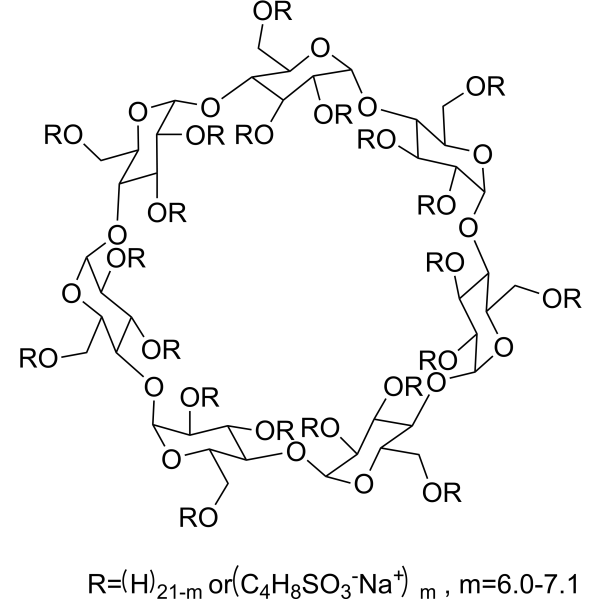
HY-17031
SBE-β-CDExcipient -
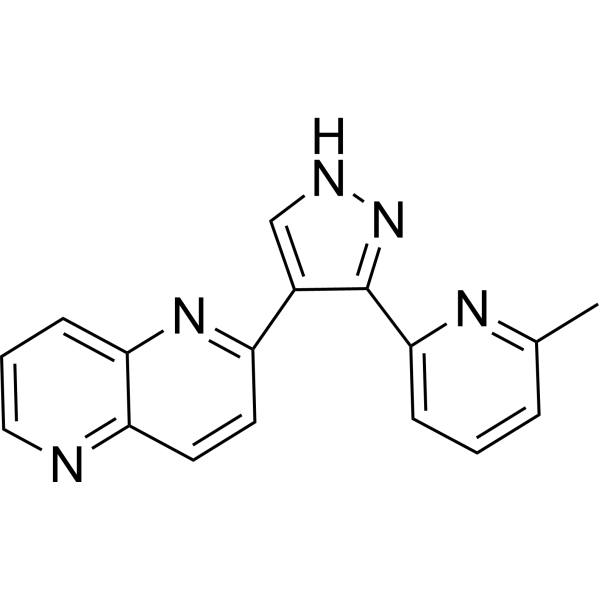
HY-13012
RepSoxTGFβR-1/ALK5 Inhibitor
Publications Citing Use of MedChemExpress (MCE) Ginkgolide B
More- Adv Healthc Mater. 2026 Jun;15(21):e05595. [Abstract]
- Free Radic Biol Med. 2026 Aug 11:S0891-5849(26)01020-8.
- J Agric Food Res. 2025 Nov 24.
- Neurobiol Dis. 2025 Sep:213:107020. [Abstract]
- Int Immunopharmacol. 2026 May 1:176:116479. [Abstract]
- Biofactors. 2019 Nov;45(6):950-958. [Abstract]
- Neuropharmacology. 2024 Jun 1:250:109907. [Abstract]
- Brain Res Bull. 2026 Jun 1:239:111854. [Abstract]
- Hum Genomics. 2024 Dec 21;18(1):139. [Abstract]
- Bone. 2025 Mar:192:117348. [Abstract]
- Toxicol Appl Pharmacol. 2025 Jan 22:495:117237. [Abstract]
- Biomed Pharmacother. 2025 Dec:193:118804. [Abstract]
- Biomed Pharmacother. 2024 Aug:177:117006. [Abstract]
- Research Square Print. 2022 Jun.
 Customer Validation & Images

-
WB
-
RT-PCR
-
IHC
-
Cell Proliferation/Viability Assay
-
Histological Imaging/Staining


Biologische Aktivität
Beschreibung
In Vitro
Ginkgolide B (BN-52021; 30-150 μM; 24 h) inhibits the up-regulation of VCAM-1 and E-selectin protein expression induced by TNF-α (10 ng/mL)[1].
Ginkgolide B (30-150 μM; 24, 48 h) increases CYP3A4 mRNA and MDR1 expression[1].
Ginkgolide B (30-150 μM; pretreated for 24 h) reduces Staurosporine-induced (500 nM; 6 h) apoptosis compared with the positive controls, which exhibited marked apoptosis compared with negative controls. Ginkgolide B does not affect Doxorubicin (5 μM; 24 h) induced apoptosis[1].
Ginkgolide B regulates PXR activity and does not affect PXR expression[1].
MedChemExpress (MCE) has not independently confirmed the accuracy of these methods. They are for reference only.
-
Cell Line:HUVECs
-
Concentration:30, 60, 150 μM
-
Incubation Time:24 h
-
Result:Inhibited the up-regulation of VCAM-1 and E-selectin protein expression induced by TNF-α.
-
Cell Line:HUVECs
-
Concentration:30, 60, 150 μM
-
Incubation Time:24, 48 h
-
Result:Increased CYP3A4 mRNA and MDR1 expression after 24 h, and this effect was dose-dependent after 48 h.
In Vivo
MedChemExpress (MCE) has not independently confirmed the accuracy of these methods. They are for reference only.
-
Animal Model:Male clean healthy Sprague-Dawley rats, weighing 250-280 g and aged 8 weeks[2]
-
Dosage:20 mg/kg
-
Administration:Intraperitoneally; immediately and 6 hours after ischemia, and thereafter once daily; 14 days
-
Result:Decreased the neurological deficit score, increased the proportion of nestin-, neuron-specific enolase- and glial fibrillary acid protein-positive cells.
Caused down-regulation of NSE protein at day 14.


Chemical Information
-
CAS. Nr. 15291-77-7
-
Appearance Solid
-
Molecular Weight 424.40
-
Formel C20H24O10
-
Color White to off-white
-
SMILES
O[C@@H]1C(C2([C@H]3O)[C@](OC3=O)([H])O4)([C@@](O5)([H])C[C@H]2C(C)(C)C)C4(C5=O)[C@@](O)([C@@H]6C)[C@@]1([H])OC6=O
-
Synonyms
BN-52021
-
Structure Classification
-
Initial Source
-
Versand
Room temperature in continental US; may vary elsewhere.
-
Speicherung
Powder -20°C 3 years 4°C 2 years In solvent -80°C 2 years -20°C 1 year


Publications (14)
-
Journal Impact Factor
-
Most Recent
-
Adv Healthc Mater
Designed Liquid Crystalline Nanoassemblies From Clinically Validated Polyunsaturated Lipids for Combined Antioxidant, Anti-Apoptotic, and Neurotrophic Treatments. [Abstract]2026 Jun;15(21):e05595. PMID: 41937329 -
-
-
Neurobiol Dis
Nuclear localization of platelet activating factor receptor accounts for microglial phagocytosis in ischemic stroke. [Abstract]2025 Sep:213:107020. PMID: 40623479 -
Int Immunopharmacol
Ginkgolide B attenuates post-stroke cognitive impairment via exosomal miR-299a-3p regulation of the TRIL/PI3K/AKT pathway. [Abstract]2026 May 1:176:116479. PMID: 41819672 -
Biofactors
Ginkgolide B and bilobalide promote the growth and increase β-catenin expression in hair follicle dermal papilla cells of American minks. [Abstract]2019 Nov;45(6):950-958. PMID: 31520488 -
Neuropharmacology
Ginkgolide B can alleviate spinal cord glymphatic system dysfunction and provide neuroprotection in painful diabetic neuropathy rats by inhibiting matrix metalloproteinase-9. [Abstract]2024 Jun 1:250:109907. PMID: 38492884 -
Brain Res Bull
Ginkgolide B alleviates cerebral ischemia-reperfusion injury by antagonizing TRIM45 to reduce microglia-mediated neuronal damage. [Abstract]2026 Jun 1:239:111854. PMID: 41921864 -
Hum Genomics
Identifying PTAFR as a hub gene in atherosclerosis: implications for NETosis and disease progression. [Abstract]2024 Dec 21;18(1):139. PMID: 39709510 -
Bone
2025 Mar:192:117348. PMID: 39617111 -
Toxicol Appl Pharmacol
Ginkgolide B binds to GPX4 and FSP1 to alleviate cerebral ischemia/reperfusion injury in rats. [Abstract]2025 Jan 22:495:117237. PMID: 39855311 -
Biomed Pharmacother
Antagonizing epigenetically controlled PAF/PAF-R pathway improves liver function during experimental cirrhosis. [Abstract]2025 Dec:193:118804. PMID: 41270474
Ginkgolide B purchased from MedChemExpress. Usage Cited in: Biomed Pharmacother. 2025 Dec:193:118804. [Abstract]
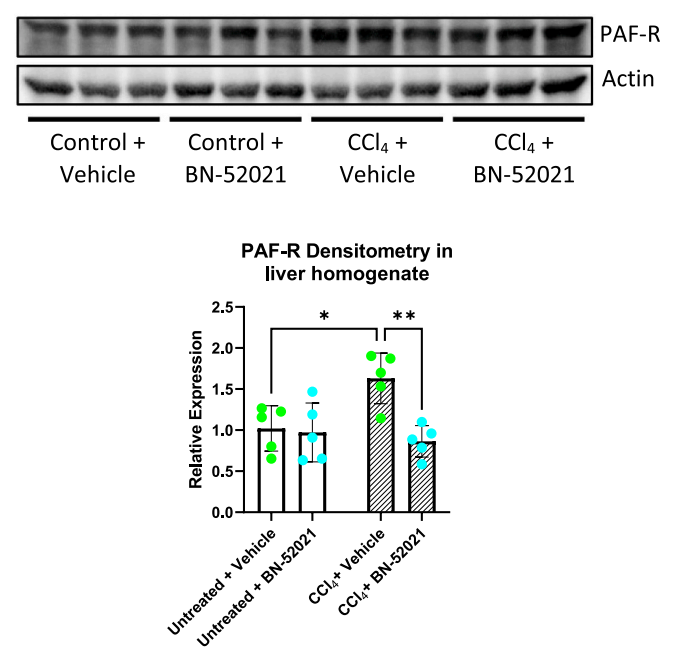
Representative images of western blot of whole liver lysates from control and cirrhotic mice intraperitoneally injected with Ginkgolide B (BN-52021) (15 mg/kg; i.p.; three times a week for 2 weeks) or DMSO as vehicle, both diluted in sterile PBS; and band densitometry of PAF-R signal with relative quantification respect to loading control β-actin.
Ginkgolide B purchased from MedChemExpress. Usage Cited in: Biomed Pharmacother. 2025 Dec:193:118804. [Abstract]
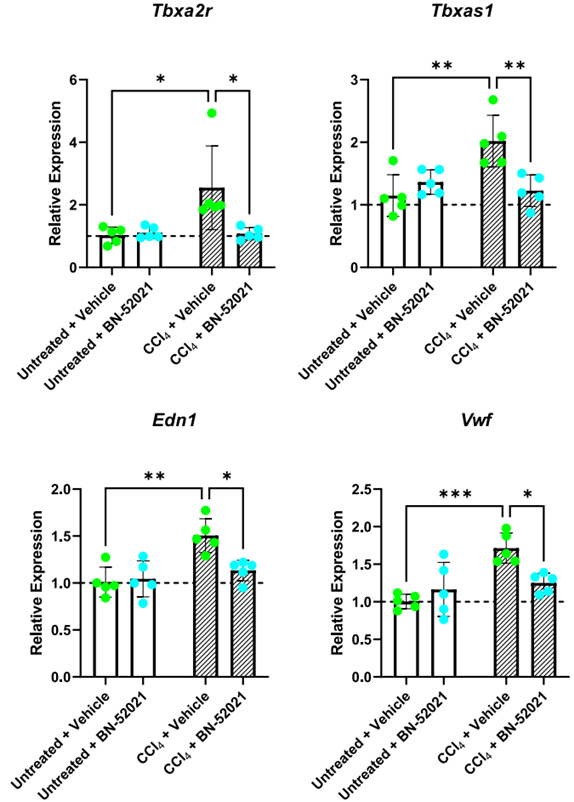
mRNA relative expression of Tbxa2r, Tbxas1, Edn1, Vwf in mice total liver homogenates respect to housekeeping gene β-actin. Ginkgolide B (BN-52021) (15 mg/kg; i.p.; three times a week for 2 weeks) improved endothelial function in cirrhotic mice by antagonizing PAF, as evidenced by significantly reduced expression levels of Tbxa2r, Tbxas1, Edn1, and Vwf.
Ginkgolide B purchased from MedChemExpress. Usage Cited in: Biomed Pharmacother. 2025 Dec:193:118804. [Abstract]
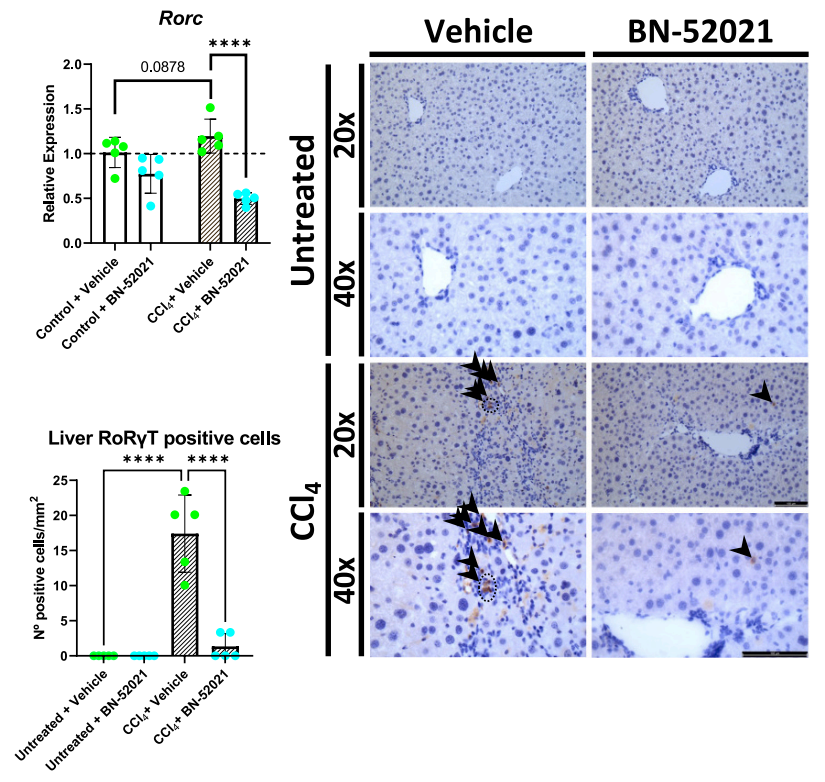
mRNA relative expression, normalized to housekeeping gene β-actin of Rorc. Respectively, representative images of RorγT staining in liver and their respective quantifications are shown in the same panels. Signal from the immunohistochemistry staining experiments was blindly measured as number of positive cells/mm2 (pointed by arrowheads) in user-specified regions of interest (ROIs) as brown stained nuclear signals colocalizing with blue haematoxylin-stained nuclei. Scale bar = 100 µm. The results showed that the expression of RorgTand the number of RorgT⁺ cells were significantly reduced in the livers of Ginkgolide B (BN-52021) (15 mg/kg; i.p.; three times a week for 2 weeks)-treated cirrhotic mice compared with untreated cirrhotic controls.
-
Biomed Pharmacother
Ginkgolide B effectively mitigates neuropathic pain by suppressing the activation of the NLRP3 inflammasome through the induction of mitophagy in rats. [Abstract]2024 Aug:177:117006. PMID: 38908197
Ginkgolide B purchased from MedChemExpress. Usage Cited in: Biomed Pharmacother. 2024 Aug:177:117006. [Abstract]
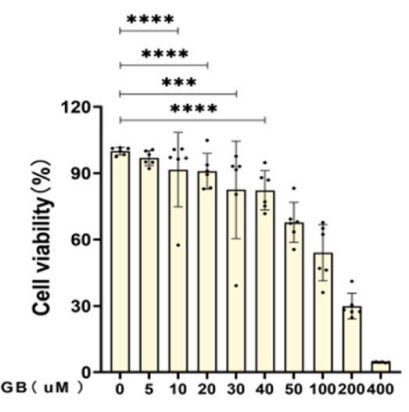
The effects of varying Ginkgolide B (GB) concentrations (5, 10, 20, 30, 40, 50, 100, 200, and 400 μM) for 24 h on microglial cell viability (n=6) were assessed.
Ginkgolide B purchased from MedChemExpress. Usage Cited in: Biomed Pharmacother. 2024 Aug:177:117006. [Abstract]
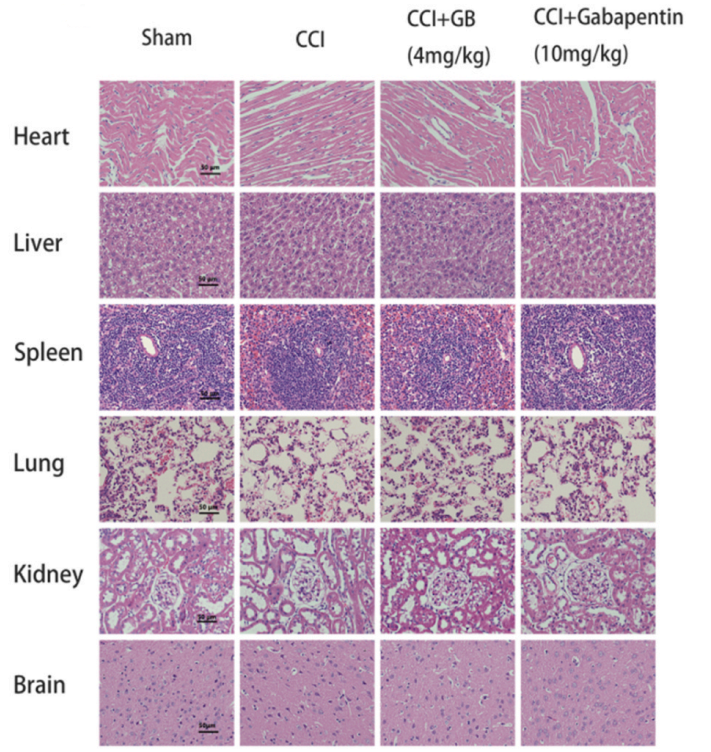
HE staining images of the heart, liver, spleen, lungs, kidneys, and brain of rats intraperitoneally injected with 4 mg/kg Ginkgolide B (GB) (twice daily) or 10 mg/kg gabapentin were used to assess drug toxicity. Scale bar = 50 μm (n=3). H&E staining of animal models s confirmed that the therapeutic concentration of GB exerted no drug toxicity.
Ginkgolide B purchased from MedChemExpress. Usage Cited in: Biomed Pharmacother. 2024 Aug:177:117006. [Abstract]
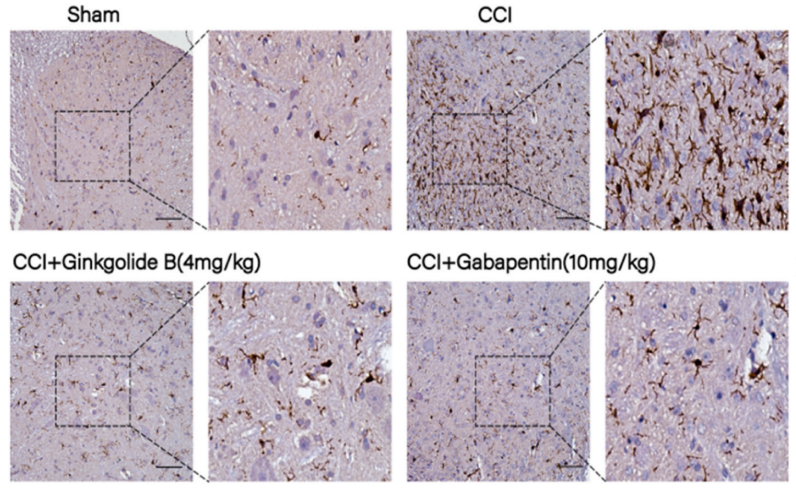
Immunohistochemical images and quantification of Iba-1 in the dorsal horn of the spinal cord of rats intraperitoneally injected with 4 mg/kg Ginkgolide B (GB) (twice daily) or 10 mg/kg gabapentin. Scale bar = 100 μm (n=3).
Ginkgolide B purchased from MedChemExpress. Usage Cited in: Biomed Pharmacother. 2024 Aug:177:117006. [Abstract]
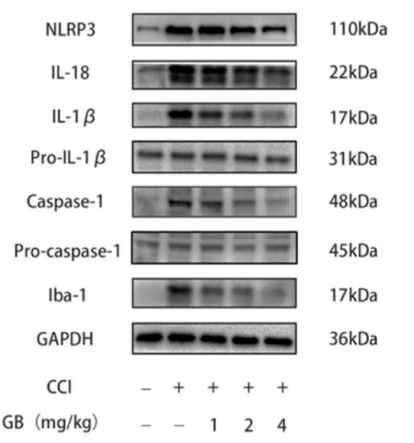
Ginkgolide B (GB, 1–4 mg/kg, i.p.) suppressed the levels of IL-1β, Caspase-1, IL-18, Iba-1, and NLRP3 in a dose-dependent manner in the rat spinal cord.
Ginkgolide B purchased from MedChemExpress. Usage Cited in: Biomed Pharmacother. 2024 Aug:177:117006. [Abstract]
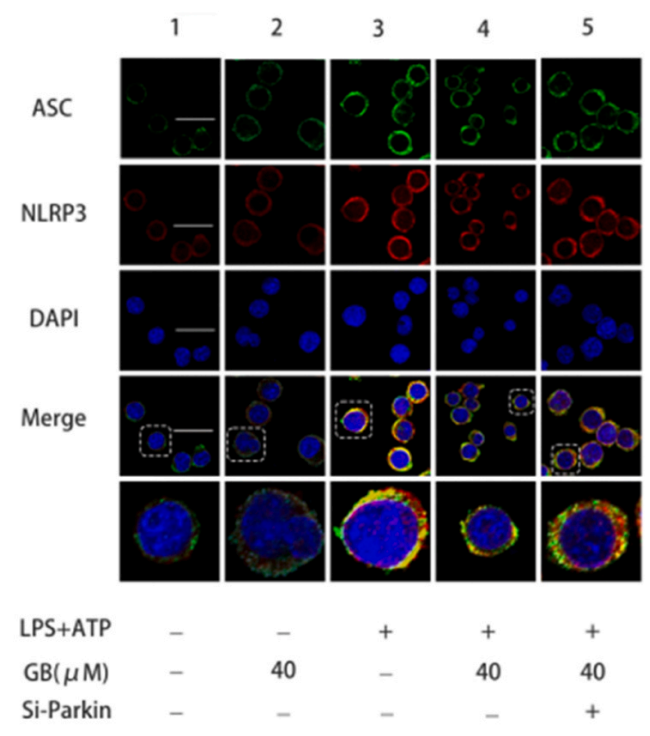
Immunofluorescence images of co-localisation of ASC (green) and NLRP3 (red) in microglial cells after pretreatment with LPS (500 ng/mL; 4 h), ATP (5 mM; 10 min), Ginkgolide B (GB) (40 μM; 2 h) or Si-Parkin. Scale bar = 25 μm (n=3).
-


Lösungsmittel & Löslichkeit
In Vitro:
DMSO : ≥ 100 mg/mL (235.63 mM; Hygroscopic DMSO has a significant impact on the solubility of product, please use newly opened DMSO)
* "≥" means soluble, but saturation unknown.
Please refer to the solubility information to select the appropriate solvent. Once prepared, please aliquot and store the solution to prevent product inactivation from repeated freeze-thaw cycles.
Storage method and period of stock solution: -80°C, 2 years; -20°C, 1 year. When stored at -80°C, please use it within 2 years. When stored at -20°C, please use it within 1 year.
Please refer to the solubility information to select the appropriate solvent. Once prepared, please aliquot and store the solution to prevent product inactivation from repeated freeze-thaw cycles.
Storage method and period of stock solution: -80°C, 2 years; -20°C, 1 year. When stored at -80°C, please use it within 2 years. When stored at -20°C, please use it within 1 year.
Konzentration (Stammlösung) × Volumen (Stammlösung) = Konzentration (Ziellösung) × Volumen (Ziellösung)
In Vivo:
Select the appropriate dissolution method based on your experimental animal and administration route.
- For the following dissolution methods, please ensure to first prepare a clear stock solution using an In Vitro approach and then sequentially add co-solvents:
- To ensure reliable experimental results, the clarified stock solution can be appropriately stored based on storage conditions. As for the working solution for In Vivo experiments, it is recommended to prepare freshly and use it on the same day.
- The percentages shown for the solvents indicate their volumetric ratio in the final prepared solution. If precipitation or phase separation occurs during preparation, heat and/or sonication can be used to aid dissolution.
Add each solvent one by one: 10% DMSO 40% PEG300 5% Tween-80 45% Saline
Solubility: ≥ 2.5 mg/mL (5.89 mM); Clear solution
This protocol yields a clear solution of ≥ 2.5 mg/mL (saturation unknown).
Taking 1 mL working solution as an example, add 100 μL DMSO stock solution (25.0 mg/mL) to 400 μL PEG300, and mix evenly; then add 50 μL Tween-80 and mix evenly; then add 450 μL Saline to adjust the volume to 1 mL.
Preparation of Saline: Dissolve 0.9 g sodium chloride in ddH₂O and dilute to 100 mL to obtain a clear Saline solution.
Add each solvent one by one: 10% DMSO 90% (20% SBE-β-CD in Saline)
Solubility: ≥ 2.5 mg/mL (5.89 mM); Clear solution
This protocol yields a clear solution of ≥ 2.5 mg/mL (saturation unknown).
Taking 1 mL working solution as an example, add 100 μL DMSO stock solution (25.0 mg/mL) to 900 μL 20% SBE-β-CD in Saline, and mix evenly.
Preparation of 20% SBE-β-CD in Saline (4°C, storage for one week): 2 g SBE-β-CD powder is dissolved in 10 mL Saline, completely dissolve until clear.
For the following dissolution methods, please prepare the working solution directly:
It is recommended to prepare fresh solutions and use them promptly within a short period of time.
The percentages shown for the solvents indicate their volumetric ratio in the final prepared solution. If precipitation or phase separation occurs during preparation, heat and/or sonication can be used to aid dissolution.
Add each solvent one by one: 0.5% CMC-Na/saline water
Solubility: 5 mg/mL (11.78 mM); Suspended solution; Need ultrasonic and warming and heat to 44°C
In Vivo Dissolution Calculator
Please enter the basic information of animal experiments:
-
-
-
-
Recommended: Prepare an additional quantity of animals to account for potential losses during experiments.
Please enter your animal formula composition:
-
%DMSO +
Recommended: Keep the proportion of DMSO in working solution below 2% if your animal is weak.
-
%+
-
+%Tween-80 + +
-
%Saline +
The co-solvents required include: DMSO, . All of co-solvents are available by MedChemExpress (MCE). , Tween 80. All of co-solvents are available by MedChemExpress (MCE).
Working solution concentration: 0.22 mg/mL
Method for preparing stock solution: mg drug dissolved in μL DMSO. Stock solution concentration: mg/mL.
1. Take μL DMSO stock solution;
2. Add μL .
μL , mix evenly;
3. Then add μL Tween 80, mix evenly;
4. Then add μL
Please ensure that the stock solution in the first step is dissolved to a clear state, and add co-solvents in sequence. You can use ultrasonic heating (ultrasonic cleaner, recommended frequency 20-40 kHz), vortexing, etc. to assist dissolution.


Reinheit & Dokumentation
-
Data Sheet (283 KB)
-
SDS (393 KB)
- English - EN (393 KB)
- Français - FR (393 KB)
- Deutsch - DE (393 KB)
- Norwegian - NO (393 KB)
- Español - ES (393 KB)
- Swedish - SV (393 KB)
- Italian - IT (393 KB)
- Korean - KR (393 KB)
- Portuguese - PT (393 KB)
-
Handling Instructions (2659 KB)
Verweise
[1]. Tao Zhou, et al. Ginkgolide B protects human umbilical vein endothelial cells against xenobiotic injuries via PXR activation. Acta Pharmacol Sin. 2016 Feb;37(2):177-86. [Content Brief]
[2]. Pei-Dong Zheng, et al. Ginkgolide B promotes the proliferation and differentiation of neural stem cells following cerebral ischemia/reperfusion injury, both in vivo and in vitro. Neural Regen Res. 2018 Jul;13(7):1204-1211. [Content Brief]


Complete Stock Solution Preparation Table
Please refer to the solubility information to select the appropriate solvent. Once prepared, please aliquot and store the solution to prevent product inactivation from repeated freeze-thaw cycles.
Storage method and period of stock solution: -80°C, 2 years; -20°C, 1 year. When stored at -80°C, please use it within 2 years. When stored at -20°C, please use it within 1 year.
| Optional Solvent | Concentration Solvent Mass | 1 mg | 5 mg | 10 mg | 25 mg |
|---|---|---|---|---|---|
| DMSO | 1 mM | 2.3563 mL | 11.7813 mL | 23.5627 mL | 58.9067 mL |
| 5 mM | 0.4713 mL | 2.3563 mL | 4.7125 mL | 11.7813 mL | |
| 10 mM | 0.2356 mL | 1.1781 mL | 2.3563 mL | 5.8907 mL | |
| 15 mM | 0.1571 mL | 0.7854 mL | 1.5708 mL | 3.9271 mL | |
| 20 mM | 0.1178 mL | 0.5891 mL | 1.1781 mL | 2.9453 mL | |
| 25 mM | 0.0943 mL | 0.4713 mL | 0.9425 mL | 2.3563 mL | |
| 30 mM | 0.0785 mL | 0.3927 mL | 0.7854 mL | 1.9636 mL | |
| 40 mM | 0.0589 mL | 0.2945 mL | 0.5891 mL | 1.4727 mL | |
| 50 mM | 0.0471 mL | 0.2356 mL | 0.4713 mL | 1.1781 mL | |
| 60 mM | 0.0393 mL | 0.1964 mL | 0.3927 mL | 0.9818 mL | |
| 80 mM | 0.0295 mL | 0.1473 mL | 0.2945 mL | 0.7363 mL | |
| 100 mM | 0.0236 mL | 0.1178 mL | 0.2356 mL | 0.5891 mL |


Ginkgolide B Related Classifications
HY-N0784 Related Classifications
 Powered by Bioz