
988 Results for "

trigger

" in MedChemExpress (MCE) Product Catalog:
Products (988)

988 Results for "trigger" in MCE Product Catalog:

158
158 Publications Verification
Art. -Nr.: HY-10087A1
CAS. Nr.: 1093851-28-5
Synonyms: ABT-263 dihydrochloride
Navitoclax dihydrochloride (ABT-263 dihydrochloride) is an orally active BH3 mimetic and an inhibitor of Bcl-2, Bcl-xL, and Bcl-w, with a Ki value of <1 nM for each target. Navitoclax dihydrochloride triggers endogenous Apoptosis and downregulates the expression of Survivin and TGFβ2. Navitoclax dihydrochloride alleviates fibrosis and induces thrombocytopenia. Navitoclax dihydrochloride exhibits anticancer activity against a variety of tumors and enhances the efficacy of chemotherapy and radiotherapy. Navitoclax dihydrochloride can be used in the research of acute lymphoblastic leukemia, ovarian cancer, and fibrotic diseases .
loading...
    loading...
77
77 Cited Publications
Art. -Nr.: HY-N0488A
CAS. Nr.: 57-22-7
Synonyms: Leurocristine; NSC-67574; 22-Oxovincaleukoblastine
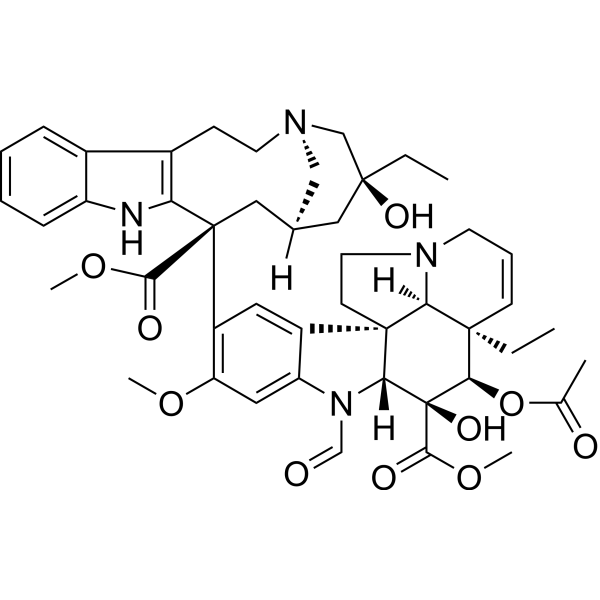
Vincristine (Leurocristine; NSC-67574; 22-Oxovincaleukoblastine) is a microtubule inhibitor that disrupts microtubule polymerization by binding to β-tubulin (with a Ki of 85 nM in bovine), arrests the cell cycle and induces apoptosis. Vincristine inhibits cell replication, tumor blood flow and the proliferation of various cancer cells, while triggering effects such as oxidative stress, inflammation, calcium overload, epithelial-mesenchymal transition and peripheral neuropathic pain. Vincristine upregulates the expression of various transporters and nuclear receptors, and enriches gastric cancer stem-like cells. Vincristine is used in research related to various tumors including acute lymphoblastic leukemia, lymphoma, melanoma, gastric cancer, solid tumors and sarcomas .
loading...
    loading...
77
77 Cited Publications
Art. -Nr.: HY-N0488
CAS. Nr.: 2068-78-2
Synonyms: Leurocristine sulfate; NSC-67574 sulfate; 22-Oxovincaleukoblastine sulfate
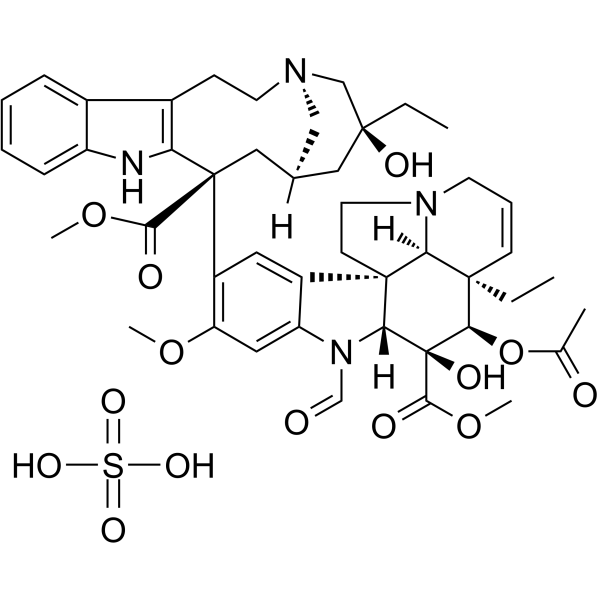
Vincristine (Leurocristine; NSC-67574; 22-Oxovincaleukoblastine) sulfate is a microtubule inhibitor that disrupts microtubule polymerization by binding to β-tubulin (with a Ki of 85 nM in bovine), arrests the cell cycle and induces apoptosis. Vincristine sulfate inhibits cell replication, tumor blood flow and the proliferation of various cancer cells, while triggering effects such as oxidative stress, inflammation, calcium overload, epithelial-mesenchymal transition and peripheral neuropathic pain. Vincristine sulfate upregulates the expression of various transporters and nuclear receptors, and enriches gastric cancer stem-like cells. Vincristine sulfate is used in research related to various tumors including acute lymphoblastic leukemia, lymphoma, melanoma, gastric cancer, solid tumors and sarcomas .
loading...
    loading...
71
71 Cited Publications
Art. -Nr.: HY-135748
CAS. Nr.: 42424-50-0
Reinheit:  99.4%
Synonyms: Poly(I:C) sodium
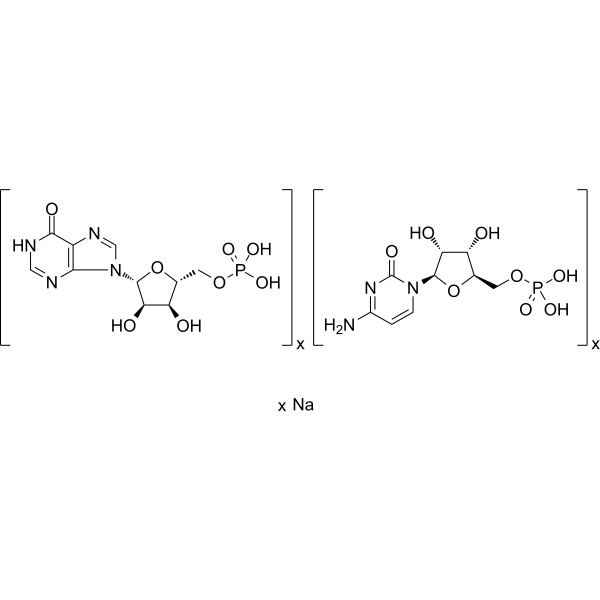
Polyinosinic-polycytidylic acid (Poly(I:C)) sodium is a synthetic analog of double-stranded RNA and an agonist of toll-like receptor 3 (TLR3) and retinoic acid inducible gene I (RIG-I)-like receptors (RIG-I and MDA5). Polyinosinic-polycytidylic acid sodium can be used as a vaccine adjuvant to enhance innate and adaptive immune responses, and to alter the tumor microenvironment. Polyinosinic-polycytidylic acid sodium can directly trigger cancer cells to undergo apoptosis .
loading...
    loading...
70
70 Cited Publications
Art. -Nr.: HY-107202
CAS. Nr.: 24939-03-5
Reinheit:  99.40%
Synonyms: Poly(I:C)
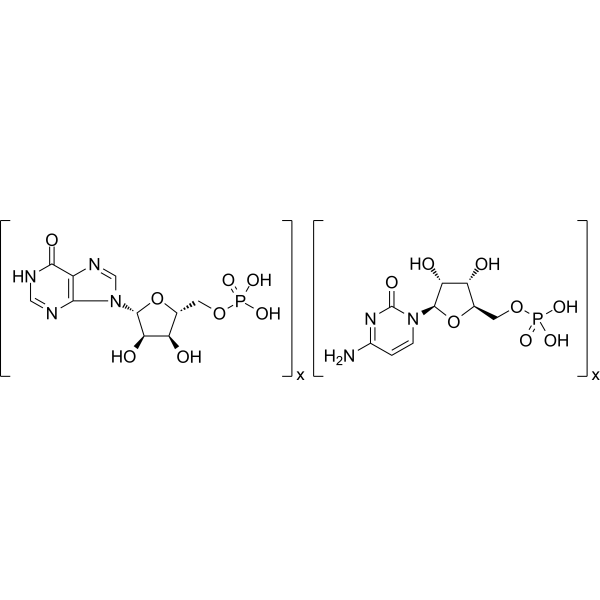
Polyinosinic-polycytidylic acid (Poly(I:C)) is a synthetic analog of double-stranded RNA and an agonist of toll-like receptor 3 (TLR3) and retinoic acid inducible gene I (RIG-I)-like receptors (RIG-I and MDA5). Polyinosinic-polycytidylic acid can be used as a vaccine adjuvant to enhance innate and adaptive immune responses, and to alter the tumor microenvironment. Polyinosinic-polycytidylic acid can directly trigger cancer cells to undergo apoptosis .
loading...
    loading...
52
52 Cited Publications
Art. -Nr.: HY-15676
CAS. Nr.: 1229705-06-9
Reinheit:  99.93%
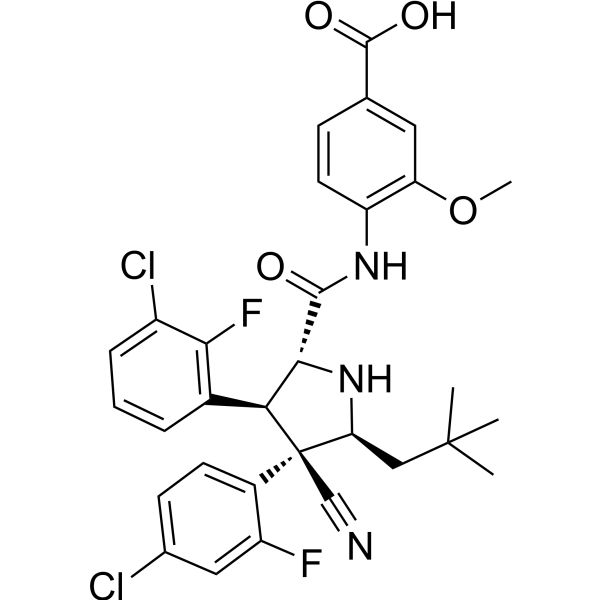
Synonyms: RG7388
Idasanutlin (RG7388) is an orally bioavailable MDM2 inhibitor with an IC50 of 6 nM. Idasanutlin disrupts MDM2-p53 binding, stabilizes and activates p53, triggering cell cycle arrest, apoptosis, and reduced cancer cell viability. Idasanutlin reduces EGFR protein expression and phosphorylation, suppresses downstream SHP2, MEK1/2, ERK1/2, AKT, mTOR, p70(S6K1), and S6 signaling. Idasanutlin induces mitochondrial ROS production, drives p38 MAPK phosphorylation, upregulates NOXA, and mediates caspase-3-dependent apoptosis and gasdermin E-mediated pyroptosis. Idasanutlin can be used for the research of TP53-mutant non-small cell lung cancer, T-cell acute lymphoblastic leukemia, colorectal carcinoma, melanoma, diffuse large B-cell lymphoma, mantle cell lymphoma, non-Hodgkin lymphoma, severe fever with thrombocytopenia syndrome, neuroblastoma, acute lymphoblastic leukemia, relapsed or refractory acute myeloid leukemia, osteosarcoma, solid tumors, and hematological tumors .
loading...
    loading...
40
40 Cited Publications
Art. -Nr.: HY-15921
CAS. Nr.: 367-93-1
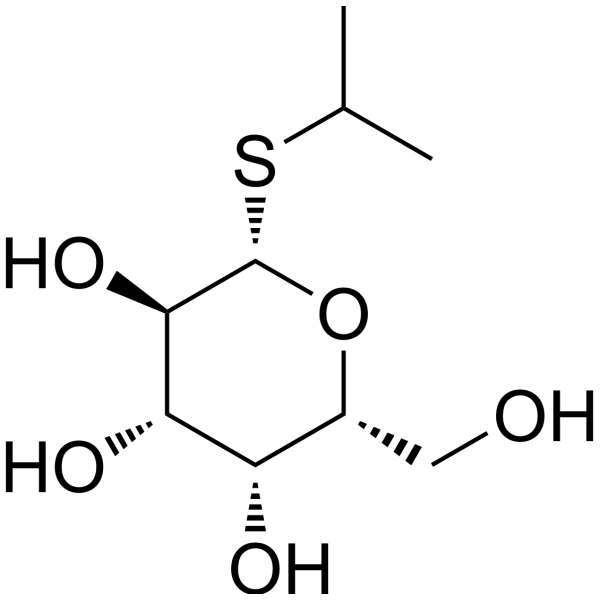
Synonyms: Isopropyl β-D-thiogalactoside
IPTG is a molecular mimic of allolactose, a lactose metabolite that triggers transcription of the lac operon, and it is therefore used to induce protein expression where the gene is under the control of the lac operator.
loading...
    loading...
31
31 Cited Publications
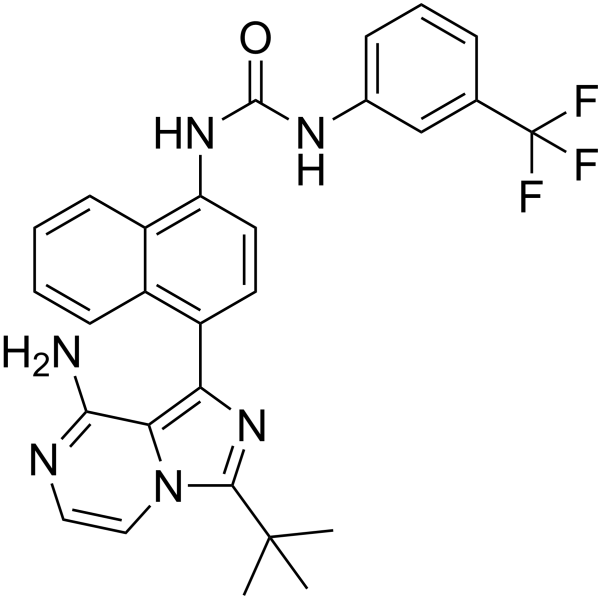
Art. -Nr.: HY-19708
CAS. Nr.: 1589527-65-0
Target:  

IRE1

KIRA6 is an advanced small-molecule IRE1α RNase kinase inhibitor with an IC50 of 0.6 µM . KIRA6 can trigger an apoptotic response .
loading...
    loading...
27
27 Cited Publications
Art. -Nr.: HY-12512
CAS. Nr.: 849214-04-6
Reinheit:  98.28%
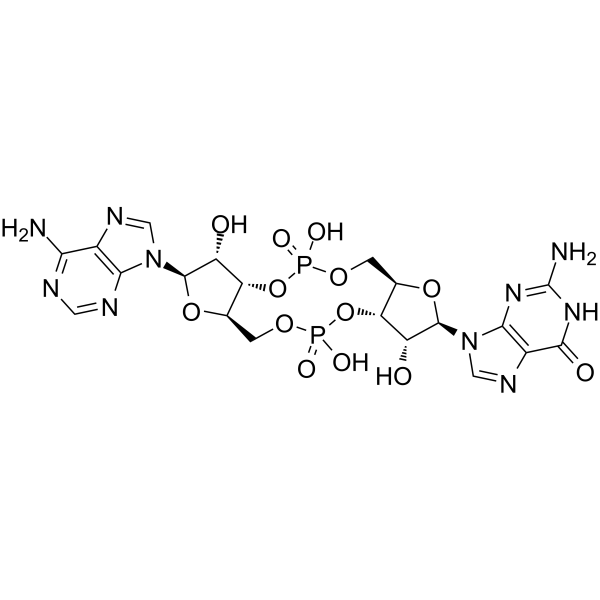
Synonyms: Cyclic GMP-AMP; 3',3'-cGAMP
Target:  

STING

Forschungsgebiete:  

Inflammation/Immunology

cGAMP (Cyclic GMP-AMP) functions as an endogenous second messenger in metazoans and triggers interferon production in response to cytosolic DNA. cGAMP activates stimulator of interferon genes (STING), which activates a signaling cascade leading to the production of type I interferons and other immune mediators .
loading...
    loading...
27
27 Cited Publications
Art. -Nr.: HY-110385
CAS. Nr.: 2407516-83-8
Reinheit:  98.47%
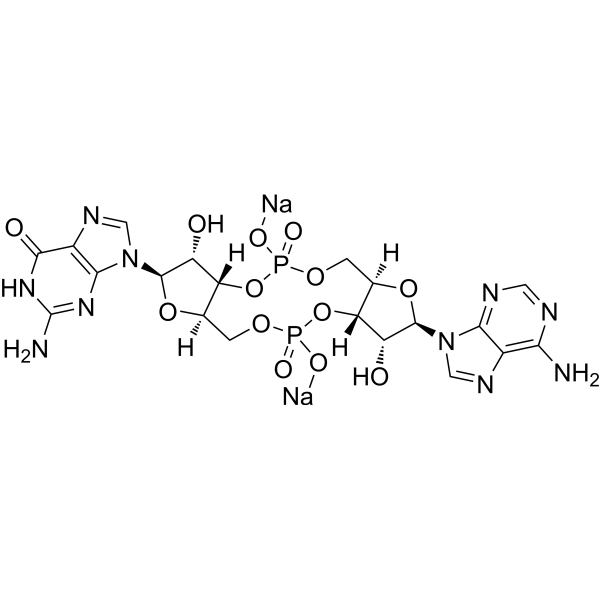
Synonyms: Cyclic GMP-AMP disodium; 3',3'-cGAMP disodium
cGAMP (Cyclic GMP-AMP) disodium functions as an endogenous second messenger in metazoans and triggers interferon production in response to cytosolic DNA. cGAMP diammonium activates stimulator of interferon genes (STING), which activates a signaling cascade leading to the production of type I interferons and other immune mediators .
loading...
    loading...
27
27 Cited Publications
Art. -Nr.: HY-110385A
Reinheit:  95.19%
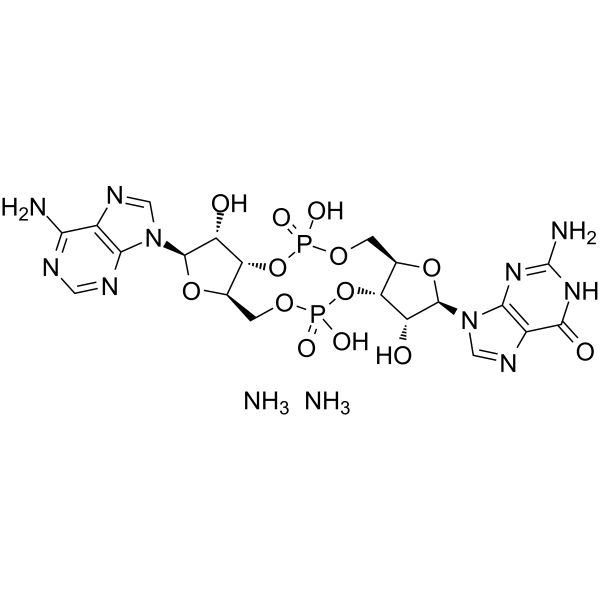
Synonyms: Cyclic GMP-AMP diammonium; 3',3'-cGAMP diammonium
cGAMP (Cyclic GMP-AMP) diammonium functions as an endogenous second messenger in metazoans and triggers interferon production in response to cytosolic DNA. cGAMP diammonium activates stimulator of interferon genes (STING), which activates a signaling cascade leading to the production of type I interferons and other immune mediators .
loading...
    loading...
27
27 Cited Publications
Art. -Nr.: HY-P1363
Synonyms: Amyloid β-peptide (1-42) (human) TFA
Target:  

Amyloid-β

Forschungsgebiete:  

Neurological Disease

β-Amyloid (1-42) (Amyloid β-peptide (1-42), human TFA, a 42-amino acid peptide that has not been treated with HFIP, is a brain-penetrant amyloid protein fragment, which can be used in research on Alzheimer's disease and Down’s syndrome. β-Amyloid (1-42), human TFA remaining as a monomer exhibits antioxidant and neuroprotective effects. β-Amyloid (1-42), human TFA, after being monomericized by HFIP and dissolved in DMSO to form the stock solution, on the one hand, can form soluble oligomers (AβOs) when incubated at 4 °C, which have synaptic toxicity and neurotoxicity; on the other hand, it can be incubated at 37 °C to form insoluble fibrils, with lower neurotoxicity, and participating in the oxidative damage process. Aβ42 oligomers bind to various neuronal surface receptors (such as PrPc, mGluR5, NMDA receptors, etc.), triggering oxidative stress, calcium homeostasis imbalance, and synaptic toxicity via activating downstream signaling pathways, leading to neuronal dysfunction and death .
loading...
    loading...
27
27 Cited Publications
Art. -Nr.: HY-P1363A
CAS. Nr.: 107761-42-2
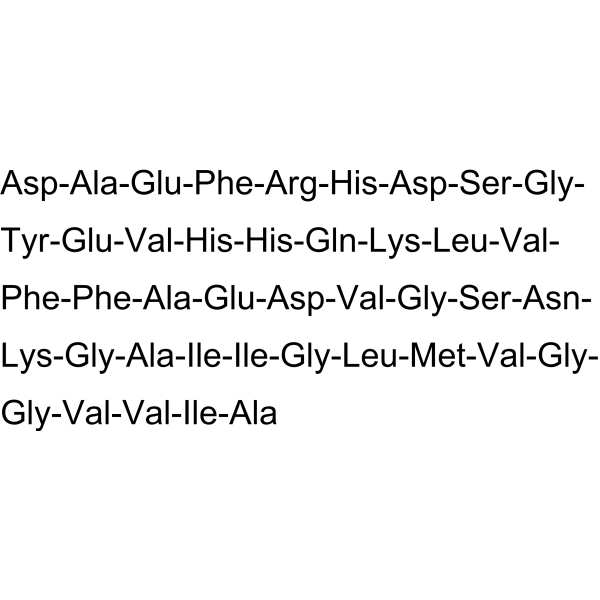
Synonyms: Amyloid β-peptide (1-42) (human)
Target:  

Amyloid-β

Forschungsgebiete:  

Neurological Disease

β-Amyloid (1-42) (Amyloid β-peptide (1-42)), human, a 42-amino acid peptide that has not been treated with HFIP, is a brain-penetrant amyloid protein fragment, which can be used in research on Alzheimer's disease and Down’s syndrome. β-Amyloid (1-42), human remaining as a monomer exhibits antioxidant and neuroprotective effects. β-Amyloid (1-42), human, after being monomericized by HFIP and dissolved in DMSO to form the stock solution, on the one hand, can form soluble oligomers (AβOs) when incubated at 4 °C, which have synaptic toxicity and neurotoxicity; on the other hand, it can be incubated at 37 °C to form insoluble fibrils, with lower neurotoxicity, and participating in the oxidative damage process. Aβ42 oligomers bind to various neuronal surface receptors (such as PrPc, mGluR5, NMDA receptors, etc.), triggering oxidative stress, calcium homeostasis imbalance, and synaptic toxicity via activating downstream signaling pathways, leading to neuronal dysfunction and death .
loading...
    loading...
27
27 Cited Publications
Art. -Nr.: HY-P1363B
CAS. Nr.: 107761-42-2
Target:  

Amyloid-β

Forschungsgebiete:  

Neurological Disease

β-Amyloid (1-42), human, HFIP-treated, a 42-amino acid peptide that has been treated with HFIP from β-Amyloid (1-42), human (HY-P1363A), is a brain-penetrant amyloid protein fragment, which can be used in research on Alzheimer's disease and Down’s syndrome. β-Amyloid (1-42), human, HFIP-treated remaining as a monomer exhibits antioxidant and neuroprotective effects. β-Amyloid (1-42), human, HFIP-treated, after being dissolved in DMSO to form the stock solution, on the one hand, can form soluble oligomers (AβOs) when incubated at 4°C, which have synaptic toxicity and neurotoxicity; on the other hand, it can be incubated at 37°C to form insoluble fibrils, with lower neurotoxicity, and participating in the oxidative damage process. Aβ42 oligomers bind to various neuronal surface receptors (such as PrPc, mGluR5, NMDA receptors, etc.), triggering oxidative stress, calcium homeostasis imbalance, and synaptic toxicity via activating downstream signaling pathways, leading to neuronal dysfunction and death .
loading...
    loading...
25
25 Cited Publications
Art. -Nr.: HY-13817
CAS. Nr.: 314245-33-5
Reinheit:  99.30%
IU1 is a selective, reversible USP14 inhibitor with an IC50 of 4-5 μM. IU1 binds USP14’s catalytic cleft to block deubiquitinase activity. IU1 induces calpain-dependent Tau cleavage, causes ATP deficits, reduces E1~Ub thioester levels and 26S proteasome assembly. IU1 enhances 26S proteasome chymotrypsin-like activity, modulates LC3B-dependent autophagy flux, reduces cancer cell proliferation and migration, and blocks G0/G1 to S phase cell cycle transition in follicular thyroid cancer cells. IU1 activates autophagy-lysosomal and ubiquitin-proteasome pathways, triggers apoptosis, and reduces cervical cancer cell growth. IU1 enhances degradation of proteasome substrates linked to neurodegenerative disease, accelerates oxidized protein degradation, and increases oxidative stress resistance. IU1 can be used for the research of Alzheimer’s disease, follicular thyroid cancer, ischemic stroke, cervical cancer, and neurodegenerative disease .
loading...
    loading...
20
20 Cited Publications
Art. -Nr.: HY-16438
CAS. Nr.: 925206-65-1
Synonyms: Nibrozetone
Target:  

CD47 Apoptosis Parasite

Forschungsgebiete:  

Infection Inflammation/Immunology Cancer

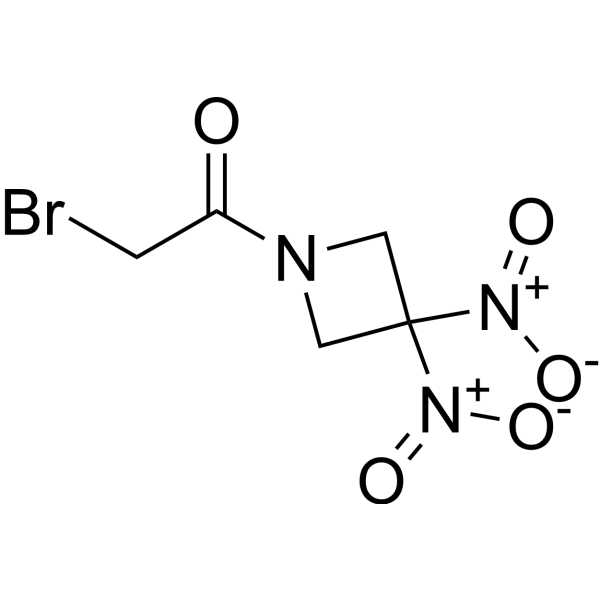
RRx-001, a hypoxia-selective epigenetic agent and studied as a radio- and chem-sensitizer, triggers apoptosis and overcomes agent resistance in myeloma. RRx-001 exhibits potent anti-tumor activity with minimal toxicity . RRx-001 is a dual small molecule checkpoint inhibitor by downregulating CD47 and SIRP-α . RRx-001 is a potent inhibitor of G6PD and shows potent antimalarial activity .
loading...
    loading...
19
19 Cited Publications
Art. -Nr.: HY-B0968
CAS. Nr.: 13171-25-0
Target:  

Autophagy

Forschungsgebiete:  

Cardiovascular Disease

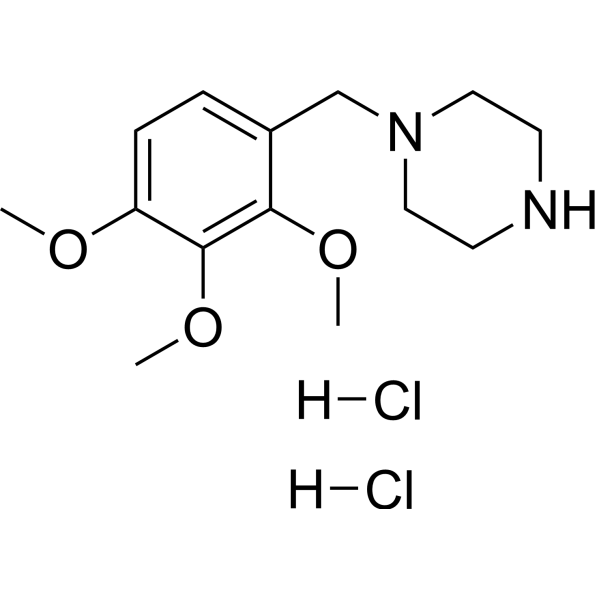
Trimetazidine dihydrochloride is a selective long chain 3-ketoyl coenzyme A thiolase inhibitor with an IC50 of 75 nM, which can inhibit β-oxidation of free fatty acid (FFA). Trimetazidine dihydrochloride is an effective antianginal agent and a cytoprotective agent, has anti-oxidant, anti-inflammatory, antinociceptive and gastroprotective properties. Trimetazidine dihydrochloride triggers autophagy. Trimetazidine dihydrochloride is also a 3-hydroxyacyl-CoA dehydrogenase (HADHA) inhibitor .
loading...
    loading...
19
19 Cited Publications
Art. -Nr.: HY-B0968A
CAS. Nr.: 5011-34-7
Target:  

Autophagy

Forschungsgebiete:  

Cardiovascular Disease

Trimetazidine is a selective long chain 3-ketoyl coenzyme A thiolase inhibitor with an IC50 of 75 nM, which can inhibit β-oxidation of free fatty acid (FFA). Trimetazidine is an effective antianginal agent and a cytoprotective agent, has anti-oxidant, anti-inflammatory, antinociceptive and gastroprotective properties. Trimetazidine triggers autophagy. Trimetazidine is also a 3-hydroxyacyl-CoA dehydrogenase (HADHA) inhibitor .
loading...
    loading...
19
19 Cited Publications
Art. -Nr.: HY-107910
CAS. Nr.: 37326-33-3
Synonyms: Hyaluronate 4-glycanohydrolase, Bovine testes; Hyaluronoglucosaminidase, Bovine testes
Target:  

NF-κB

Forschungsgebiete:  

Inflammation/Immunology Cancer

Hyaluronidase, Bovine testes (Hyaluronate 4-glycanohydrolase; Hyaluronoglucosaminidase) is an endoglycosidase that depolymerizes Hyaluronic acid (HA) (HY-B0633A) by cleavage of glycosidic bonds. Hyaluronidase degrades HA and activates membrane receptors that trigger pathways converging in NF-κB activation. Hyaluronidase is employed in the research of granulomatous foreign body reactions, soft-tissue necrosis caused by vascular compromise and uncomplicated nodules, overcorrection, inflamed nodules or tissue ischemia associated with HA filler injection .
loading...
    loading...
19
19 Cited Publications
Art. -Nr.: HY-12326A
CAS. Nr.: 2734909-87-4
Synonyms: Cyclic diadenylate disodium; Cyclic-di-AMP disodium
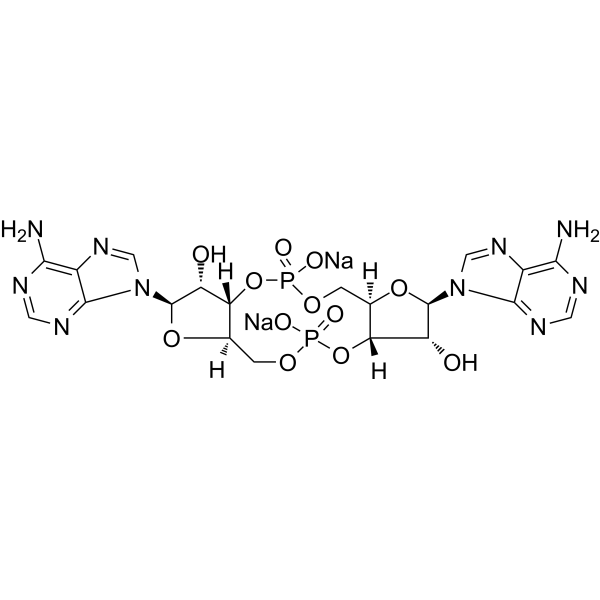
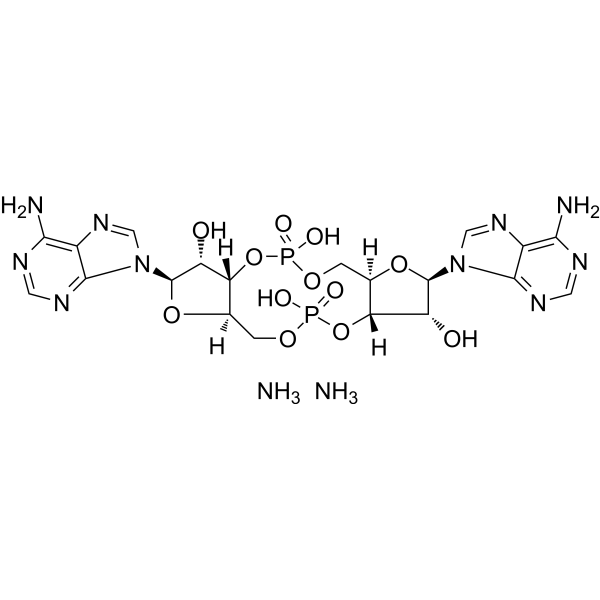
c-di-AMP (Cyclic diadenylate) sodium is a STING agonist, which binds to the transmembrane protein STING thereby activating the TBK3-IRF3 signaling pathway, subsequently triggering the production of type I IFN and TNF. c-di-AMP sodium is also a bacterial second messenger, which regulates cell growth, survival, and virulence, primarily within Gram-positive bacteria, and also regulates host immune response. c-di-AMP sodium acts as a potent mucosal adjuvant stimulating both humoral and cellular responses .
loading...
    loading...

