



Paroxetine
Based on 19 publication(s) in Google Scholar
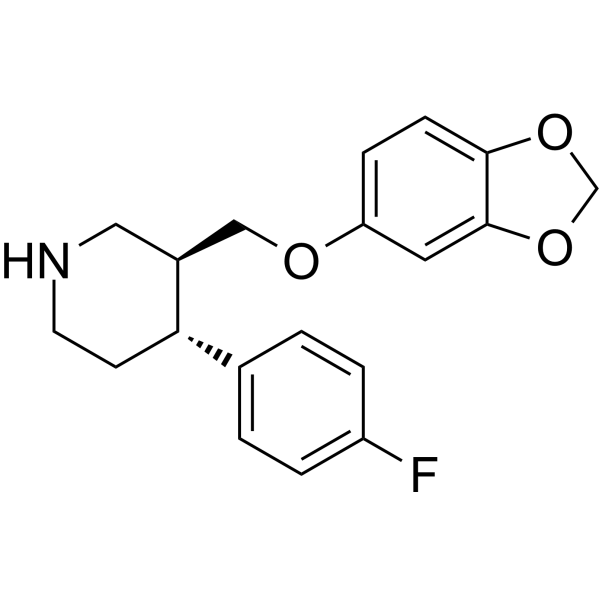
Paroxetine (BRL29060) is an orally active and selective serotonin reuptake inhibitor (SSRI) and apoptosis inducer with blood-brain barrier permeability. Paroxetine inhibits nitric oxide synthase and CYP2D6, induces desensitization of 5-HT1A/1B/1D autoreceptors, downregulates 5-HT2 receptors, and promotes the production of inflammatory cytokines. Paroxetine is a weak norepinephrine (NE) uptake inhibitor and possesses antitumor activity. Paroxetine is widely used in research concerning depression, obsessive-compulsive disorder, panic disorder, social phobia, generalized anxiety disorder, post-traumatic stress disorder, premenstrual dysphoric disorder, hot flashes, and related conditions.
For research use only. We do not sell to patients.
- Purity: 99.66%
- CAS No.: 61869-08-7
- Formula: C19H20FNO3
- Molecular Weight:329.37
-
Storage:
4°C, protect from light
* In solvent : -80°C, 6 months; -20°C, 1 month (protect from light)

To place orders, for customer services and technical support, please contact: MedChemExpress USA
Tel: 609-228-6898 E-mail: [email protected] [email protected]


-
 Biological Activity
-
Chemical Information
-
Solvent & Solubility
- Purity & Documentation
- References
-
 Help & FAQs
-

Apoptosis Compound Library
HY-L003
-
GPCR/G Protein Compound Library
HY-L006
-
Immunology/Inflammation Compound Library
HY-L007
-
Metabolism/Protease Compound Library
HY-L012
-
Neuronal Signaling Compound Library
HY-L013
-
FDA-Approved Drug Library
HY-L022
-
Anti-Cancer Compound Library
HY-L025
-
CNS-Penetrant Compound Library
HY-L028
-
Anti-Aging Compound Library
HY-L034
-
Drug Repurposing Compound Library
HY-L035
-
Antioxidant Compound Library
HY-L037
-
Anti-diabetic Compound Library
HY-L040
-
Oxygen Sensing Compound Library
HY-L045
-
NMPA-Approved Drug Library
HY-L053
-
Orally Active Compound Library
HY-L061
-
Neurotransmitter Receptor Compound Library
HY-L062
-
FDA Approved & Pharmacopeial Drug Library
HY-L066
-
Anti-Alzheimer's Disease Compound Library
HY-L069
-
Neuroprotective Compound Library
HY-L070
-
Anti-Breast Cancer Compound Library
HY-L074
-
Anti-Parkinson's Disease Compound Library
HY-L085
-
Neurodegenerative Disease-related Compound Library
HY-L086
-
Angiogenesis-Related Compound Library
HY-L088
-
Mitochondria-Targeted Compound Library
HY-L089
-
Rare Diseases Drug Library
HY-L102
-
Antidepressant Compound Library
HY-L108
-
5-HT Receptor Compound Library
HY-L121
-
FDA-Approved Anticancer Drug Library
HY-L122
-
Human Metabolite Library
HY-L123
-
Anti-Pulmonary Fibrosis Compound Library
HY-L125
-
Nuclear Receptor Compound Library
HY-L126
-
Coagulation and Anti-coagulation Compound Library
HY-L136
-
Heterocyclic Compound Library
HY-L138
-
Off-patent Drug Library
HY-L141
-
Mitochondrial Protection Compound Library
HY-L144
-
Metabolic Enzyme Compound Library
HY-L146
-
Membrane Protein-targeted Compound Library
HY-L149
-
Membrane Receptor-targeted Compound Library
HY-L150
-
Mitochondrial Toxicity Compound Library
HY-L155
-
Highly Selective Inhibitors Library
HY-L158
-
Highly Selective Activators Library
HY-L159
-
Cell Death Library
HY-L162
-
Multi-Target Compound Library
HY-L176
-
Radioprotector Library
HY-L178
-
Bioactive Compound Library Max
HY-L181
-
MCE Bioactive Compound Library
HY-L001V
-
Drug Repurposing Compound Library Plus
HY-L035P
-
FDA-Approved Drug Library Plus
HY-L022P
-
FDA-Approved Drug Library Mini
HY-L022M
-
Bioactive Compound Library
HY-L001
-
Non-Alcoholic Fatty Liver Disease (NAFLD) Compound Library
HY-L199
-
High-Throughput Bioactive Compound Library
HY-L205
-
Mass Spectrometry Human Metabolite Library
HY-L215
-
Nephrotoxicity Compound Library
HY-L229
-
Lactylation Compound Library
HY-L249


Publications Citing Use of MedChemExpress (MCE) Paroxetine
More- Cell. 2021 Apr 15;184(8):2167-2182.e22. [Abstract]
- Autophagy. 2025 May;21(5):934-956. [Abstract]
- NPJ Digit Med. 2025 Nov 17;8(1):663. [Abstract]
- Cell Rep Med. 2026 Jan 20;7(1):102537. [Abstract]
- Cell Rep. 2025 Apr 2;44(4):115489. [Abstract]
- J Chem Inf Model. 2021 Aug 23;61(8):3804-3813. [Abstract]
- Drug Des Devel Ther. 2026 Jan 27;20:1-16.
- Drug Des Devel Ther. 2026 Jan 27:20:561725. [Abstract]
- Pharmaceuticals (Basel). 2026 Apr 21;19(4):645. [Abstract]
- Int J Mol Sci. 2025 Mar 31;26(7):3236. [Abstract]
- Front Pharmacol. 2024 Jul 31:15:1389761. [Abstract]
- Front Pharmacol. 2022 Jun 22:13:920643. [Abstract]
- ACS Omega. 2025 Oct 17;10(42):50208-50217. [Abstract]
- Sci Rep. 2025 Oct 21;15(1):36797. [Abstract]
- Brain Res. 2019 Oct 1:1720:146296. [Abstract]
- Biochem Biophys Res Commun. 2024 Jun 13:725:150263. [Abstract]
- J Mol Cell Cardiol Plus. 2024 Mar 26:8:100072. [Abstract]
- University of South Carolina. 2025.
- Patent. US20250127769A1.
 Customer Validation & Images

-
Cell Proliferation/Viability Assay
-
Histological Imaging/Staining
-
In Vivo Efficacy Study
-
Bio/Physico-chemical Assay
-
In Vivo Efficacy Study
All 5-HT Receptor Isoforms
More

Biological Activity
|
CYP2D6 |
5-HT2 Receptor |
|
Cell Line

|
Type | Value | Description | References |
|---|---|---|---|---|
| BTI-TN-5B1-4 | IC50 |
1.38 μM
Compound: Paroxetine
|
Inhibition of full length C-terminal hexahistidine tagged GRK2 (unknown origin) S670A mutant expressed in High Five cells using Bac to Bac insect cell expression system using tubulin as substrate by SDS-PAGE method
Inhibition of full length C-terminal hexahistidine tagged GRK2 (unknown origin) S670A mutant expressed in High Five cells using Bac to Bac insect cell expression system using tubulin as substrate by SDS-PAGE method
|
[PMID: 27050625] |
| CHO | IC50 |
0.56 nM
Compound: Paroxetine
|
Inhibition of human SERT expressed in CHO cell membranes assessed as reduction in [3H]serotonin uptake preincubated for 10 mins followed by [3H]serotonin addition measured after 20 mins by liquid scintillation counting method
Inhibition of human SERT expressed in CHO cell membranes assessed as reduction in [3H]serotonin uptake preincubated for 10 mins followed by [3H]serotonin addition measured after 20 mins by liquid scintillation counting method
|
[PMID: 27865645] |
| CHO | IC50 |
3.9 μM
Compound: paroxetine
|
Inhibition of Cav1.2 current measured using QPatch automatic path clamp system in CHO cells expressing Cav1.2, beta-2 and alpha-2/delta-1 subunits
Inhibition of Cav1.2 current measured using QPatch automatic path clamp system in CHO cells expressing Cav1.2, beta-2 and alpha-2/delta-1 subunits
|
[PMID: 23812503] |
| HEK293 | IC50 |
0.2 nM
Compound: paroxetine
|
Displacement of [125I]RTI-55 from human recombinant SERT expressed in HEK293 cells after 1 hr by scintillation counting analysis
Displacement of [125I]RTI-55 from human recombinant SERT expressed in HEK293 cells after 1 hr by scintillation counting analysis
|
[PMID: 23477943] |
| JAR | IC50 |
2 nM
Compound: 2
|
Inhibition of serotonin uptake at human SERT expressed in JAR cells
Inhibition of serotonin uptake at human SERT expressed in JAR cells
|
[PMID: 18771916] |
| MDCK | IC50 |
100 nM
Compound: 2
|
Inhibition of norepinephrine uptake at human NET expressed in MDCK cells
Inhibition of norepinephrine uptake at human NET expressed in MDCK cells
|
[PMID: 18771916] |
| U-373MG ATCC | IC50 |
900 nM
Compound: paroxetine
|
Displacement of [125I]substance P from human recombinant NK1 receptor expressed in human U373 cells after 1 hr by scintillation counting analysis
Displacement of [125I]substance P from human recombinant NK1 receptor expressed in human U373 cells after 1 hr by scintillation counting analysis
|
[PMID: 23477943] |
| Vero C1008 | IC50 |
7.45 μM
Compound: Paroxetine
|
Antiviral activity against Ebolavirus infected in african green monkey Vero E6 cells assessed as reduction in virus entry after 48 hrs by by Celltiter-Glo luminescent assay
Antiviral activity against Ebolavirus infected in african green monkey Vero E6 cells assessed as reduction in virus entry after 48 hrs by by Celltiter-Glo luminescent assay
|
[PMID: 29272110] |
Paroxetine potently and selectively inhibits serotonin reuptake in rat brain synaptosomes, with a Ki of 1.1 nmol/L, and shows much weaker activity against norepinephrine and dopamine reuptake[1].
Paroxetine has no significant affinity for most tested neurotransmitter receptors in rat brain tissue, only showing weak binding to muscarinic cholinergic receptors with a Ki of 89 nmol/L[1].
Paroxetine (76 nM) exhibits high affinity for the muscarinic M1 receptor, resulting in greater anticholinergic effects than other SSRIs[2].
Paroxetine exhibits estrogenic activity in an in vitro assay that identifies chemicals disrupting aromatase and estrogen balance in humans, which may promote estrogen-sensitive breast tumor growth[2].
Paroxetine (10-20 μM; 6-24 h) differentially modulates LPS-induced cytokine production in Raw264.7 mouse macrophages, potently inhibiting IL-6 production and enhancing TNFα production at 10 μM and 20 μM concentrations after 6 and 24 hours of incubation[3].
Paroxetine (10-20 μM; 6-24 h) differentially modulates LPS-induced cytokine production in thioglycollate-elicited primary mouse peritoneal macrophages, potently inhibiting IL-6 production and enhancing TNFα production at 10 μM and 20 μM concentrations after 6 and 24 hours of incubation[3].
Paroxetine (20 μM; 24 h) inhibits LPS-induced IL-6 production independent of 5-HT2/5-HT7 receptors and enhances LPS-induced TNFα production via 5-HT2/5-HT7 receptors in Raw264.7 mouse macrophages after 24 hours of incubation[3].
Paroxetine (20 μM) modulates LPS-induced IL-6 and TNFα production in Raw264.7 mouse macrophages independently of GRK2, as its inhibitory effect on IL-6 and enhancing effect on TNFα are retained in GRK2-knockdown cells[3].
Paroxetine (10-30 μM, 72 h) reduces the viability of MCF-7 cells in a time- and dose-dependent manner[4].
Paroxetine (10-30 μM, 1-12 h) induces mitochondrial-mediated apoptosis in MCF-7, increasing ROS generation[4].
MedChemExpress (MCE) has not independently confirmed the accuracy of these methods. They are for reference only.
-
Cell Line:Raw264.7 mouse macrophages
-
Concentration:10 μM; 20 μM
-
Incubation Time:6 h; 24 h
-
Result:Reduced LPS-induced IL-6 production to ~75% of LPS-only levels at 6 hours with 10 μM.
Reduced LPS-induced IL-6 production to ~50% of LPS-only levels at 6 hours with 20 μM.
Reduced LPS-induced IL-6 production to ~80% of LPS-only levels at 24 hours with 10 μM.
Reduced LPS-induced IL-6 production to ~60% of LPS-only levels at 24 hours with 20 μM.
Increased LPS-induced TNFα production to ~155% of LPS-only levels at 6 hours with 10 μM.
Increased LPS-induced TNFα production to ~195% of LPS-only levels at 6 hours with 20 μM.
Increased LPS-induced TNFα production to ~120% of LPS-only levels at 24 hours with 10 μM.
Increased LPS-induced TNFα production to ~145% of LPS-only levels at 24 hours with 20 μM.
-
Cell Line:Raw264.7 mouse macrophages pretreated with 5-HT2/5-HT7 receptor antagonist LY215840
-
Concentration:20 μM
-
Incubation Time:24 h
-
Result:Reduced LPS-induced IL-6 production to ~45% of LPS-only levels.
Increased LPS-induced TNFα production to ~180% of LPS-only levels.
Co-treatment with LY215840 (10 nM, 100 nM, 1 μM) further reduced IL-6 levels to below ~20% of LPS-only levels.
Co-treatment with LY215840 (10 nM, 100 nM, 1 μM) reversed TNFα enhancement, reducing levels to ~80%, ~40%, and ~40% of LPS-only levels, respectively (for 100 nM and 1 μM LY215840).
Paroxetine exerts no significant dopaminergic, sedative, or ethanol-potentiating effects in healthy rodent models[1].
Paroxetine produces extremely mild cardiovascular effects in healthy cats, rabbits, and dogs compared with tricyclic antidepressants, and exhibits weak quinidine-like activity only at serotonin reuptake-blocking doses[1].
Combination of Paroxetine with monoamine oxidase inhibitors (MAOIs) or serotonin precursors induces serotonin syndrome in rats[1].
Paroxetine modulates the hypothalamic-pituitary-adrenal axis and prolactin-related endocrine activity in healthy rats[1].
Acute treatment with Paroxetine (5 mg/kg) increases extracellular serotonin levels in the brain of healthy rats[1].
Paroxetine antagonizes apomorphine-induced hypothermia in rats, indicating that it exhibits noradrenergic activity at high doses[1].
Combination treatment with Paroxetine (for 3 consecutive weeks) and Pravastatin (HY-B0165) increases the blood glucose level of prediabetic, insulin-resistant mice from 128 mg/dl to 193 mg/dl[2].
Paroxetine (10 mg/kg, i.p., once a day for 14 days) reduces neurogenic pain in rats both before and after sciatic nerve injury[5].
Paroxetine (0.3-10 mg/kg, orally, single dose) has anti-anxiety and antidepressant effects in rats, increasing social interaction time[6].
MedChemExpress (MCE) has not independently confirmed the accuracy of these methods. They are for reference only.
-
Animal Model:Male Sprague-Dawley rats[6]
-
Dosage:0.3, 1, 3, 10 mg/kg; single dose
-
Administration:p.o.
-
Result:Reduced the synthesis rate of serotonin and increased the social time of rats, but had no effect on motor activity. The motor activity of animals taking the drug for a long time was slightly lower than that of animals taking the drug for a short time.


Chemical Information
-
CAS No. 61869-08-7
-
Appearance Liquid (Density: 1.213±0.06 g/cm3)
-
Molecular Weight 329.37
-
Formula C19H20FNO3
-
Color Colorless to light yellow
-
SMILES
FC1=CC=C(C=C1)[C@H]2[C@@H](CNCC2)COC3=CC=C4OCOC4=C3
-
Synonyms
BRL29060
-
Shipping
Room temperature in continental US; may vary elsewhere.
-
Storage
4°C, protect from light
* In solvent : -80°C, 6 months; -20°C, 1 month (protect from light)


Publications (19)
-
Journal Impact Factor
-
Most Recent
-
Cell
2021 Apr 15;184(8):2167-2182.e22. PMID: 33811809 -
Autophagy
2025 May;21(5):934-956. PMID: 39663580 -
NPJ Digit Med
Tandospirone augments cisplatin treatment by lowering cholesterol and managing distress in NSCLC patients. [Abstract]2025 Nov 17;8(1):663. PMID: 41249389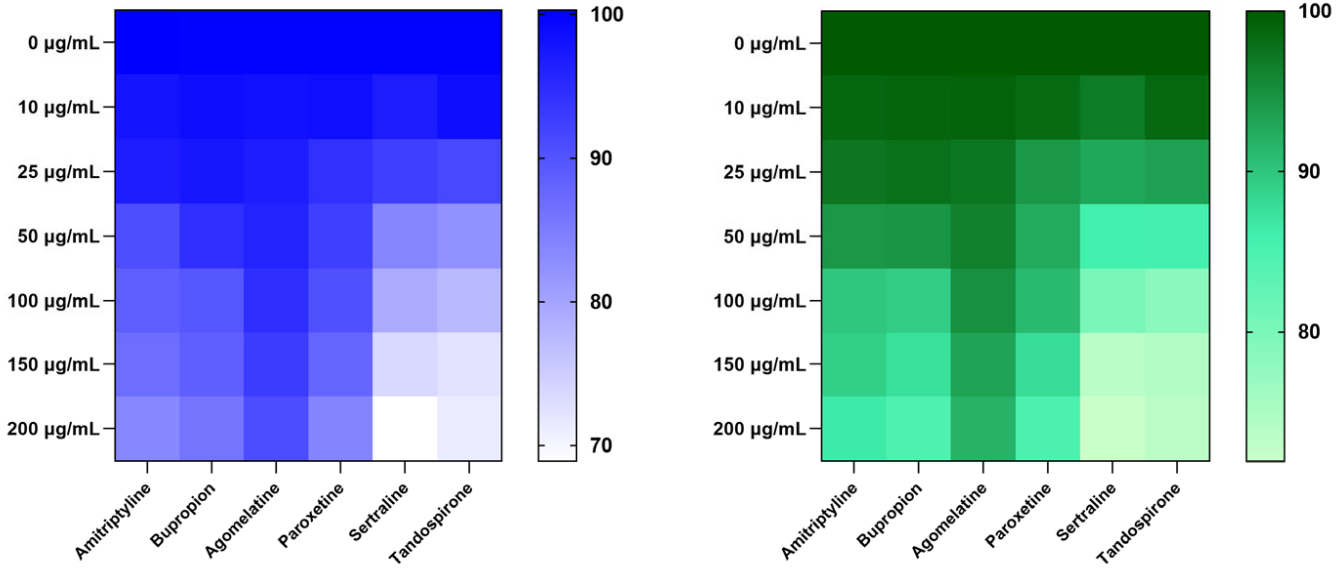
Paroxetine purchased from MedChemExpress. Usage Cited in: NPJ Digit Med. 2025 Nov 17;8(1):663. [Abstract]
Heat map display of cell viabilities of A549 (Left) and H1299 (Right) cells after incubation with different concentrations of anti-ED compounds (Paroxetine (10–200 μg/mL), et al.) for 48 h. The results showed that paroxetine did not significantly promote tumor cell proliferation; instead, it exerted a mild inhibitory effect on cell growth at higher concentrations.
-
Cell Rep Med
5-HT reuptake blockade induces pyroptosis in BRAFV600E-mutated melanomas via remodeling histone serotonylation. [Abstract]2026 Jan 20;7(1):102537. PMID: 41494533
Paroxetine purchased from MedChemExpress. Usage Cited in: Cell Rep Med. 2026 Jan 20;7(1):102537. [Abstract]
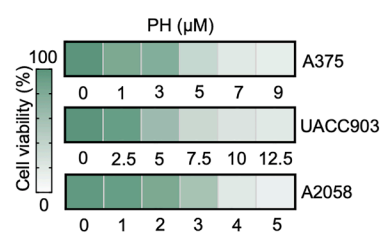
IC50 of Paroxetine hydrochloride (1-12.5 μM) in the indicated cell lines.
Paroxetine purchased from MedChemExpress. Usage Cited in: Cell Rep Med. 2026 Jan 20;7(1):102537. [Abstract]
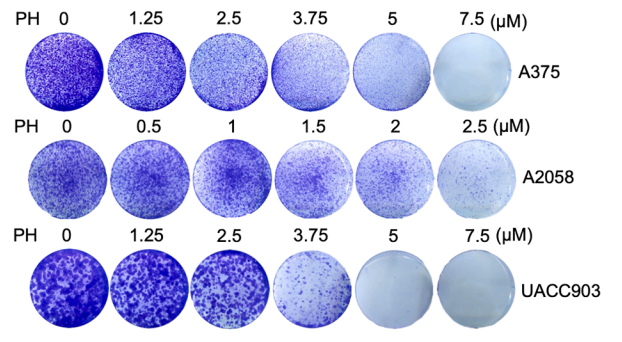
Colony formation assays in the indicated cells treated with DMSO or gradient doses of Paroxetine hydrochloride (0.5-7.5 μM).
Paroxetine purchased from MedChemExpress. Usage Cited in: Cell Rep Med. 2026 Jan 20;7(1):102537. [Abstract]
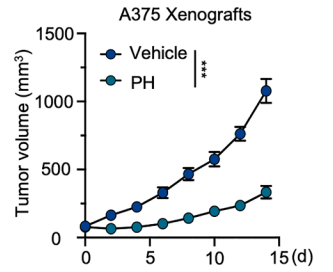
A375 xenografts were established and treated with vehicle or Paroxetine hydrochloride (25 mg/kg daily intraperitoneally [i.p.]) for 14 days. Tumors in each group were individually recorded every 2 days. n = 8 tumors per group.
Paroxetine purchased from MedChemExpress. Usage Cited in: Cell Rep Med. 2026 Jan 20;7(1):102537. [Abstract]
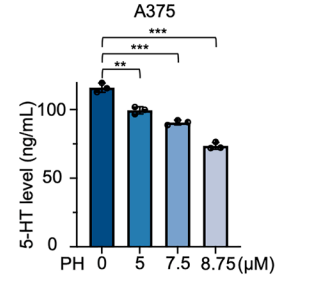
5-HT levels in A375 cells treated with DMSO or the indicated Paroxetine hydrochloride treatment for 24 h.
Paroxetine purchased from MedChemExpress. Usage Cited in: Cell Rep Med. 2026 Jan 20;7(1):102537. [Abstract]
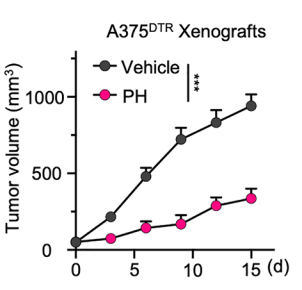
A375DTR xenografts were established and treated with vehicle or PH (25 mg/kg daily i.p. injection) for 15 days. The tumors in each group were individually recorded every 3 days. n = 8 tumors per group.
-
Cell Rep
LAMP2A-mediated neuronal hyperexcitability by enhancing NKAβ1 degradation underlies depression-induced allodynia. [Abstract]2025 Apr 2;44(4):115489. PMID: 40178973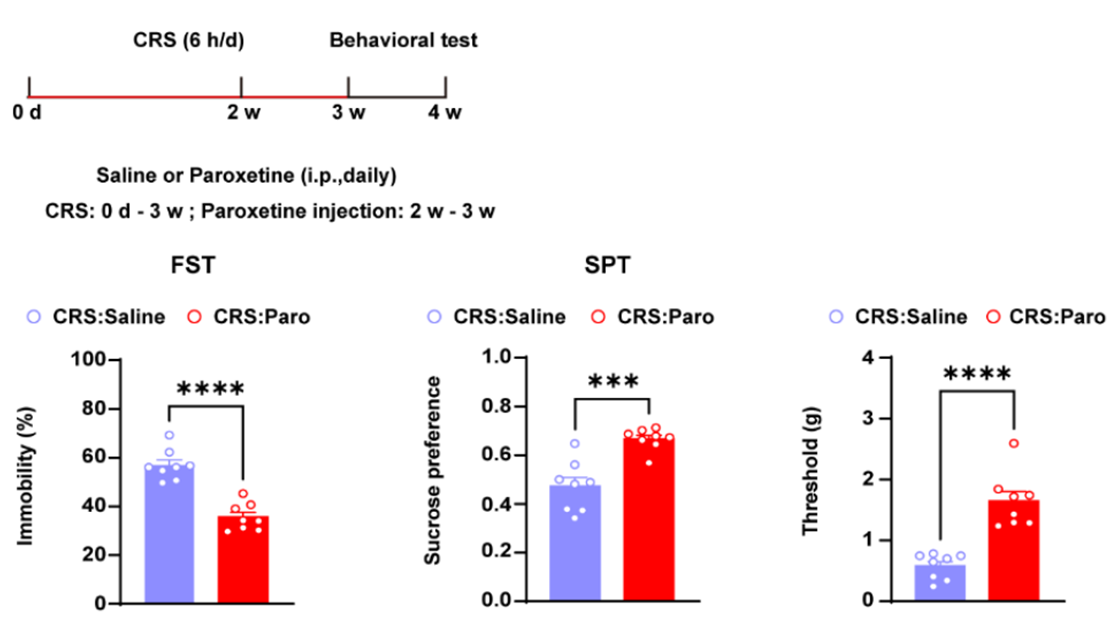
Paroxetine purchased from MedChemExpress. Usage Cited in: Cell Rep. 2025 Apr 2;44(4):115489. [Abstract]
Paroxetine (5 mg/kg; i.p.; once daily for 2–3 weeks) alleviated pain and depression-like symptoms in mice subjected to chronic restraint stress (CRS).
-
J Chem Inf Model
Development of Machine Learning Models and the Discovery of a New Antiviral Compound against Yellow Fever Virus. [Abstract]2021 Aug 23;61(8):3804-3813. PMID: 34286575 -
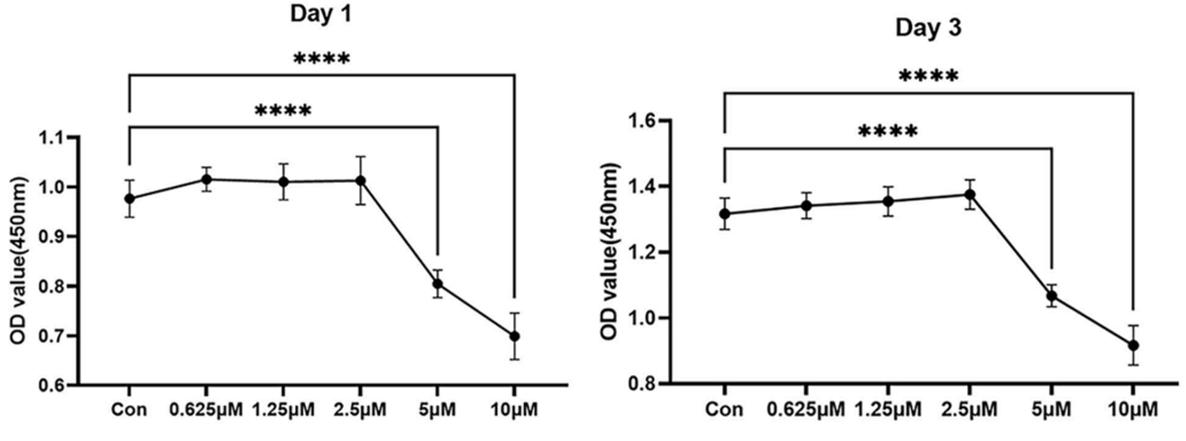
Paroxetine purchased from MedChemExpress. Usage Cited in: Drug Des Devel Ther. 2026 Jan 27;20:1-16.
CCK-8 assay was performed with different concentrations of Paroxetine (0.0625-10 μM) in BMMs for 1 day and 3 days.
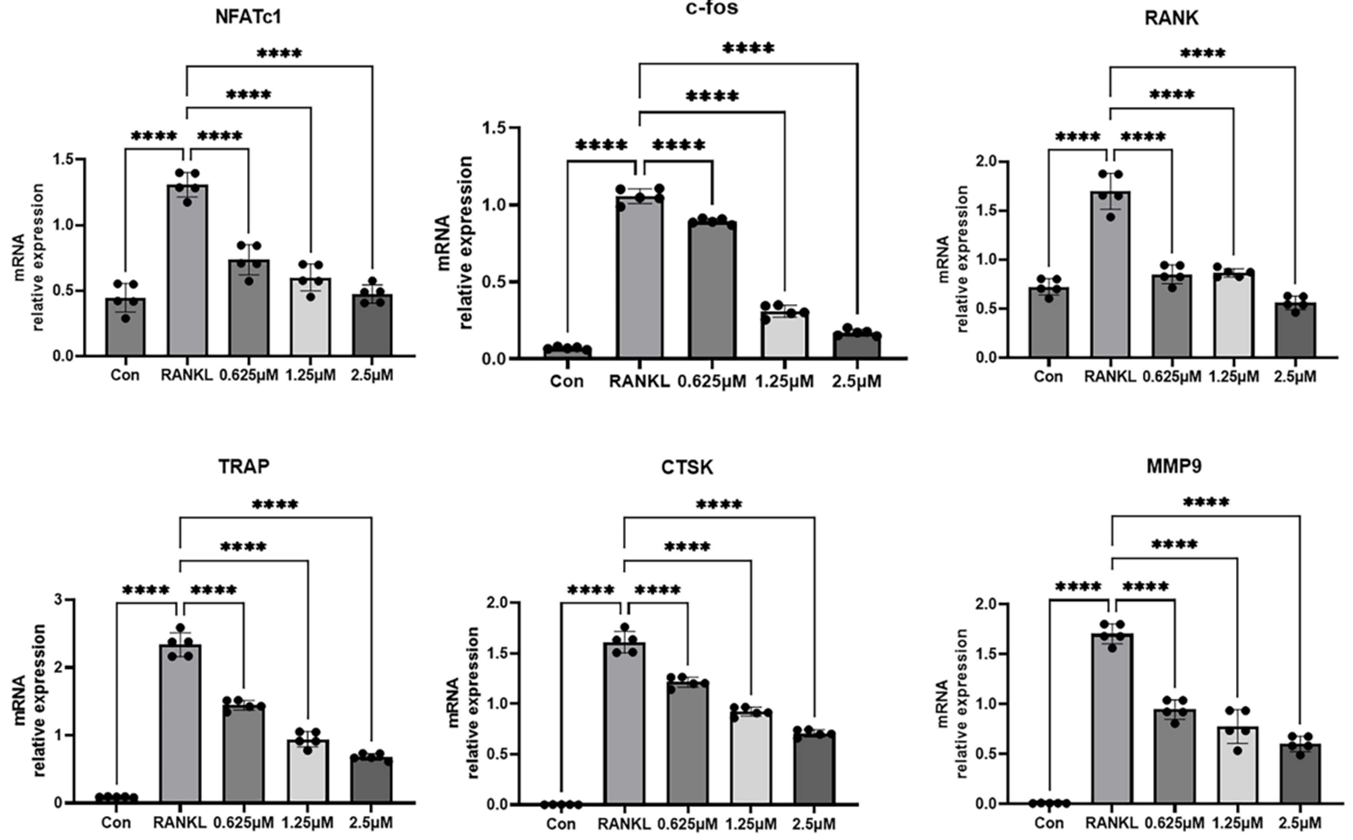
Paroxetine purchased from MedChemExpress. Usage Cited in: Drug Des Devel Ther. 2026 Jan 27;20:1-16.
Assessment of mRNA expression levels of osteoclastogenesis-associated marker genes after administration with Paroxetine (0.0625-2.5 μM) by RT-qPCR, including NFATc1, c-fos, RANK, TRAP, Cathepsin K, and MMP9. he results showed that Paroxetine inhibited the expression of NFATc1, c-fos, RANK, TRAP, Cathepsin K, and MMP9 genes in a concentration-dependent manner.
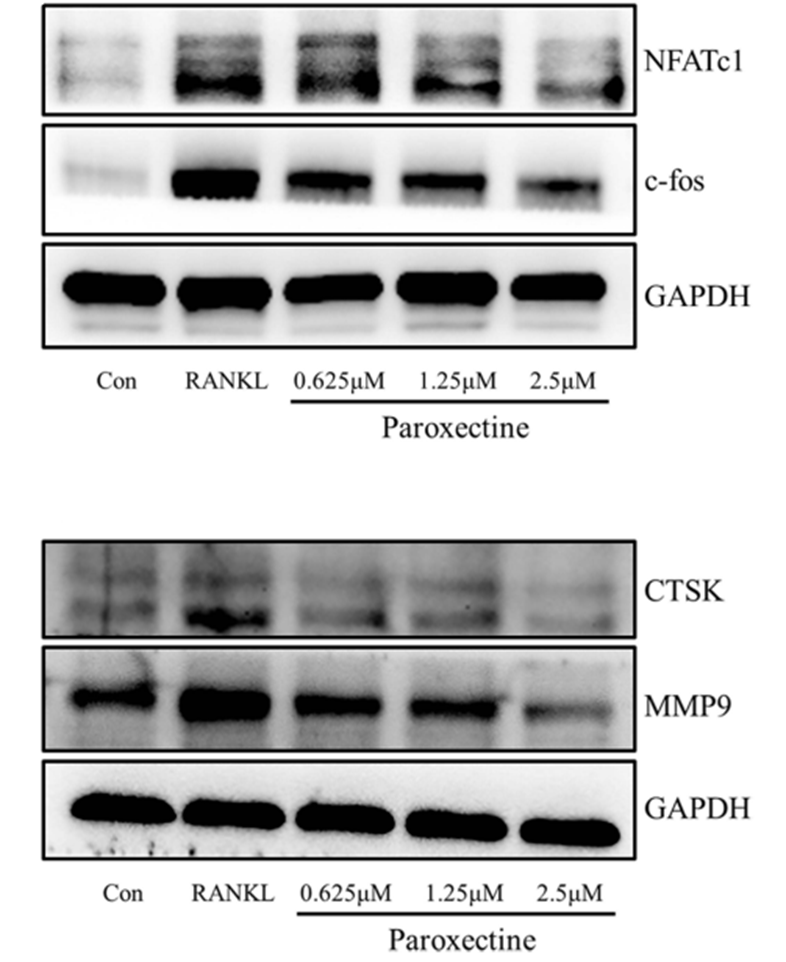
Paroxetine purchased from MedChemExpress. Usage Cited in: Drug Des Devel Ther. 2026 Jan 27;20:1-16.
Assessment of protein expression levels of NFATc1, c-fos, Cathepsin K and MMP9 after administration with Paroxetine (0.0625-2.5 μM; pretreatment 2 h before stimulation+ 3 d after stimulation) by Western blot. The results demonstrated that, following RANKL stimulation, the protein expression levels of NFATc1, c-fos, CTSK, and MMP9 significantly increased. However, Paroxetine reduced the expression levels of these proteins in osteoclasts in a concentration-dependent manner.
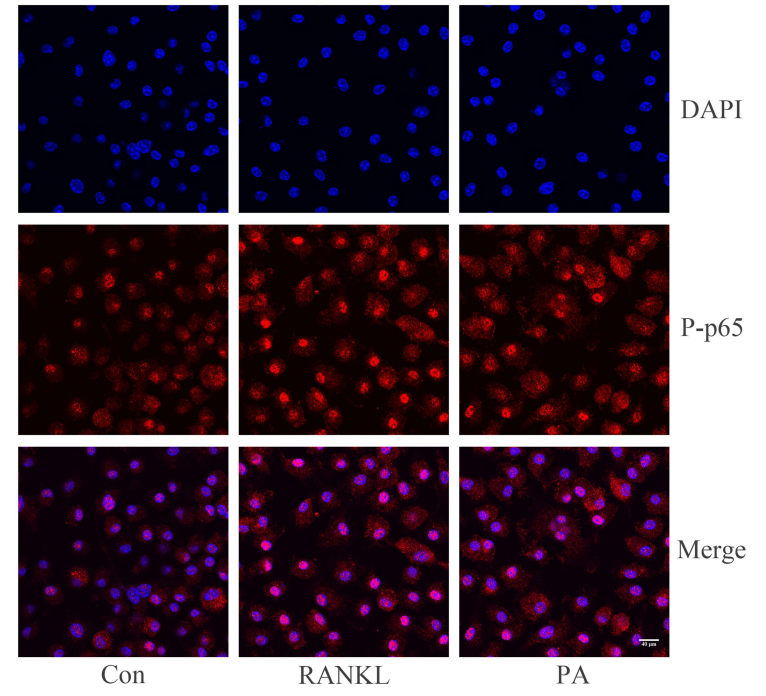
Paroxetine purchased from MedChemExpress. Usage Cited in: Drug Des Devel Ther. 2026 Jan 27;20:1-16.
Representative fluorescence images of P65 nuclear translocation following RANKL stimulation without or with Paroxetine (PA) (pretreatment 6 h). The results showed that RANKL stimulation led to a significant increase in the mean nuclear fluorescence intensity of p65, whereas Paroxetine treatment attenuated this effect.
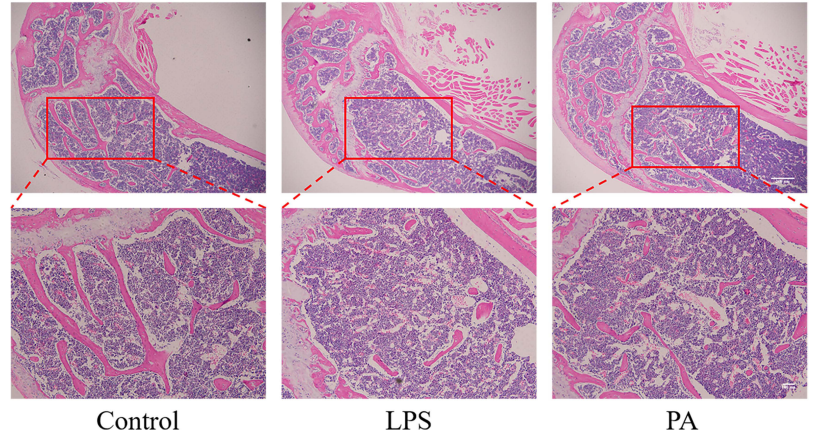
Paroxetine purchased from MedChemExpress. Usage Cited in: Drug Des Devel Ther. 2026 Jan 27;20:1-16.
Histopathology photographs of femoral samples after HE-stained sections. The results revealed that the trabecular bone in the distal femoral region of mice in the LPS group became sparse and thin. In contrast, Paroxetine (PA, 20 mg/kg; i.p.; once daily for 10 days) effectively alleviated bone loss, as evidenced by the intact and well-ordered arrangement of trabeculae in mice of this group.
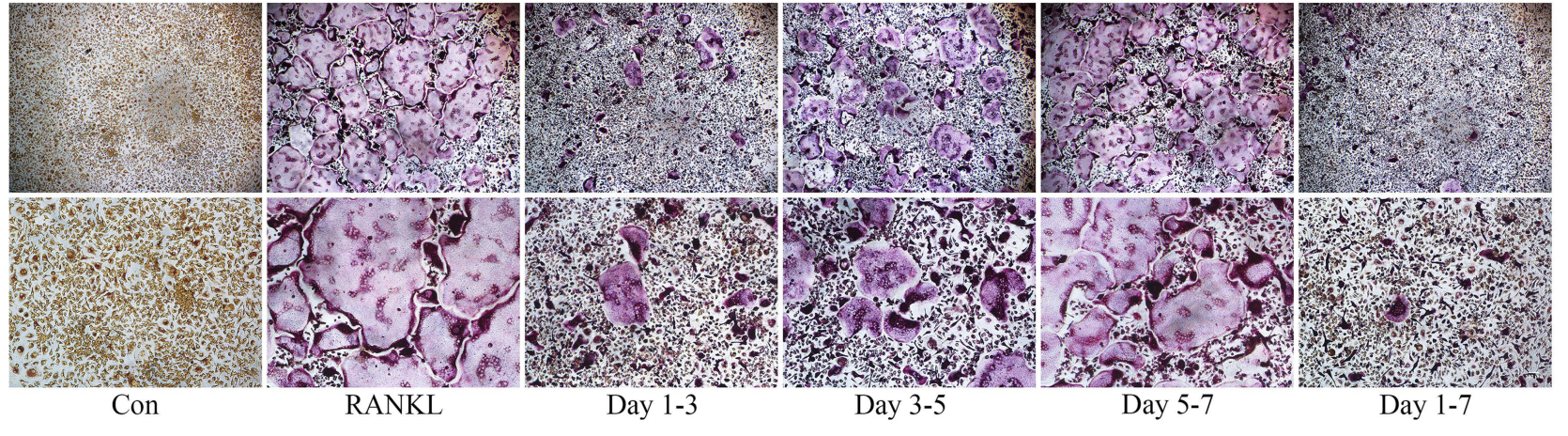
Paroxetine purchased from MedChemExpress. Usage Cited in: Drug Des Devel Ther. 2026 Jan 27;20:1-16.
Representative TRAP staining images of RANKL-induced osteoclasts treated with Paroxetine (2.5 μM) on specified days. The results showed that the addition of Paroxetine during the early stage of differentiation (days 1-3) significantly inhibited osteoclast formation. In contrast, when bone marrow-derived macrophages (BMMs) were exposed to Paroxetine from days 3-5 or days 5-7, the number of osteoclasts was also reduced, but the inhibitory effect was less pronounced compared to the early-stage (days 1–3) exposure.
-
Drug Des Devel Ther
Paroxetine as a Therapeutic Agent in Inflammatory Osteolysis: Mechanistic Insights and Efficacy. [Abstract]2026 Jan 27:20:561725. PMID: 41868178 -
Pharmaceuticals (Basel)
Comparative Pharmacological Profiling of Psychotherapeutic Drugs Reveals a Functional Taxonomy Based on Direct Inhibition of Smooth Muscle Excitability. [Abstract]2026 Apr 21;19(4):645. PMID: 42075900 -
Int J Mol Sci
Lidocaine Modulates Cytokine Production and Reprograms the Tumor Immune Microenvironment to Enhance Anti-Tumor Immune Responses in Gastric Cancer. [Abstract]2025 Mar 31;26(7):3236. PMID: 40244064 -
Front Pharmacol
N-demethylsinomenine metabolite and its prototype sinomenine activate mast cells via MRGPRX2 and aggravate anaphylaxis. [Abstract]2024 Jul 31:15:1389761. PMID: 39144634 -
Front Pharmacol
2022 Jun 22:13:920643. PMID: 35814244 -
ACS Omega
2025 Oct 17;10(42):50208-50217. PMID: 41179162 -
Sci Rep
Paroxetine suppresses 27-hydroxycholesterol-induced responses in THP-1 human monocytic cells by regulating the AKT/mTORC1 pathway. [Abstract]2025 Oct 21;15(1):36797. PMID: 41120475 -
Brain Res
Serum miR-221-3p as a new potential biomarker for depressed mood in perioperative patients. [Abstract]2019 Oct 1:1720:146296. PMID: 31211948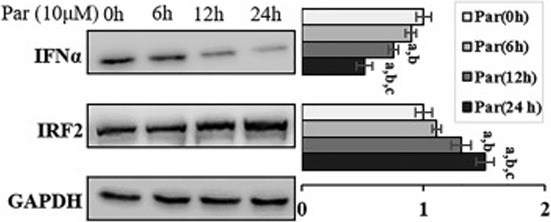
Paroxetine purchased from MedChemExpress. Usage Cited in: Brain Res. 2019 Oct 1:1720:146296. [Abstract]
Protein levels of IFNα and IRF2(B) are detected in HA1800 Cells at 6 h, 12 h and 24 h after paroxetine (10μM) treatment by RT-qPCR and western blot respectively.
-
Biochem Biophys Res Commun
Screening of potential drugs for the treatment of diabetic kidney disease using single-cell transcriptome sequencing and connectivity map data. [Abstract]2024 Jun 13:725:150263. PMID: 38905995 -
J Mol Cell Cardiol Plus
The selective serotonin reuptake inhibitor paroxetine improves right ventricular systolic function in experimental pulmonary hypertension. [Abstract]2024 Mar 26:8:100072. PMID: 39802918 -
-


Solvent & Solubility
DMSO : 50 mg/mL (151.80 mM; Need ultrasonic; Hygroscopic DMSO has a significant impact on the solubility of product, please use newly opened DMSO)
Please refer to the solubility information to select the appropriate solvent. Once prepared, please aliquot and store the solution to prevent product inactivation from repeated freeze-thaw cycles.
Storage method and period of stock solution: -80°C, 6 months; -20°C, 1 month (protect from light). When stored at -80°C, please use it within 6 months. When stored at -20°C, please use it within 1 month.
Please refer to the solubility information to select the appropriate solvent. Once prepared, please aliquot and store the solution to prevent product inactivation from repeated freeze-thaw cycles.
Storage method and period of stock solution: -80°C, 6 months; -20°C, 1 month (protect from light). When stored at -80°C, please use it within 6 months. When stored at -20°C, please use it within 1 month.
Concentration (start) × Volume (start) = Concentration (final) × Volume (final)
Select the appropriate dissolution method based on your experimental animal and administration route.
- For the following dissolution methods, please ensure to first prepare a clear stock solution using an In Vitro approach and then sequentially add co-solvents:
- To ensure reliable experimental results, the clarified stock solution can be appropriately stored based on storage conditions. As for the working solution for In Vivo experiments, it is recommended to prepare freshly and use it on the same day.
- The percentages shown for the solvents indicate their volumetric ratio in the final prepared solution. If precipitation or phase separation occurs during preparation, heat and/or sonication can be used to aid dissolution.
Add each solvent one by one: 10% DMSO 40% PEG300 5% Tween-80 45% Saline
Solubility: ≥ 2.5 mg/mL (7.59 mM); Clear solution
This protocol yields a clear solution of ≥ 2.5 mg/mL (saturation unknown).
Taking 1 mL working solution as an example, add 100 μL DMSO stock solution (25.0 mg/mL) to 400 μL PEG300, and mix evenly; then add 50 μL Tween-80 and mix evenly; then add 450 μL Saline to adjust the volume to 1 mL.
Preparation of Saline: Dissolve 0.9 g sodium chloride in ddH₂O and dilute to 100 mL to obtain a clear Saline solution.
Please enter the basic information of animal experiments:
-
-
-
-
Recommended: Prepare an additional quantity of animals to account for potential losses during experiments.
Please enter your animal formula composition:
-
%DMSO +
Recommended: Keep the proportion of DMSO in working solution below 2% if your animal is weak.
-
%+
-
+%Tween-80 + +
-
%Saline +
The co-solvents required include: DMSO, . All of co-solvents are available by MedChemExpress (MCE). , Tween 80. All of co-solvents are available by MedChemExpress (MCE).
Working solution concentration: 0.22 mg/mL
Method for preparing stock solution: mg drug dissolved in μL DMSO. Stock solution concentration: mg/mL. * In solvent : -80°C, 6 months; -20°C, 1 month (protect from light)
1. Take μL DMSO stock solution;
2. Add μL .
μL , mix evenly;
3. Then add μL Tween 80, mix evenly;
4. Then add μL
Please ensure that the stock solution in the first step is dissolved to a clear state, and add co-solvents in sequence. You can use ultrasonic heating (ultrasonic cleaner, recommended frequency 20-40 kHz), vortexing, etc. to assist dissolution.


Purity & Documentation
-
Data Sheet (287 KB)
-
SDS (394 KB)
- English - EN (394 KB)
- Français - FR (394 KB)
- Deutsch - DE (394 KB)
- Norwegian - NO (394 KB)
- Español - ES (394 KB)
- Swedish - SV (394 KB)
- Italian - IT (394 KB)
- Korean - KR (394 KB)
- Portuguese - PT (394 KB)
-
Handling Instructions (2659 KB)
References
[1]. Bourin M, et al. Paroxetine: a review[J]. CNS drug reviews, 2001, 7(1): 25-47.
[2]. Nevels RM, et al. Paroxetine-The Antidepressant from Hell? Probably Not, But Caution Required. Psychopharmacology bulletin. 2016 Mar 01;46(1):77-104. [Content Brief]
[3]. Durairaj H, et al. Paroxetine differentially modulates LPS-induced TNFα and IL-6 production in mouse macrophages. International immunopharmacology. 2015 Apr;25(2):485-92. [Content Brief]
[4]. Young-Woo Cho, et al. Paroxetine Induces Apoptosis of Human Breast Cancer MCF-7 Cells through Ca2+-and p38 MAP Kinase-Dependent ROS Generation. Cancers (Basel). 2019 Jan 9;11(1):64. [Content Brief]
[5]. Malek Zarei, et al. Paroxetine attenuates the development and existing pain in a rat model of neurophatic pain. Iran Biomed J. 2014;18(2):94-100. [Content Brief]
[6]. S Lightowler, et al. Anxiolytic-like effect of paroxetine in a rat social interaction test. Pharmacol Biochem Behav. 1994 Oct;49(2):281-5. [Content Brief]


Complete Stock Solution Preparation Table
Please refer to the solubility information to select the appropriate solvent. Once prepared, please aliquot and store the solution to prevent product inactivation from repeated freeze-thaw cycles.
Storage method and period of stock solution: -80°C, 6 months; -20°C, 1 month (protect from light). When stored at -80°C, please use it within 6 months. When stored at -20°C, please use it within 1 month.
| Optional Solvent | Concentration Solvent Mass | 1 mg | 5 mg | 10 mg | 25 mg |
|---|---|---|---|---|---|
| DMSO | 1 mM | 3.0361 mL | 15.1805 mL | 30.3610 mL | 75.9025 mL |
| 5 mM | 0.6072 mL | 3.0361 mL | 6.0722 mL | 15.1805 mL | |
| 10 mM | 0.3036 mL | 1.5180 mL | 3.0361 mL | 7.5902 mL | |
| 15 mM | 0.2024 mL | 1.0120 mL | 2.0241 mL | 5.0602 mL | |
| 20 mM | 0.1518 mL | 0.7590 mL | 1.5180 mL | 3.7951 mL | |
| 25 mM | 0.1214 mL | 0.6072 mL | 1.2144 mL | 3.0361 mL | |
| 30 mM | 0.1012 mL | 0.5060 mL | 1.0120 mL | 2.5301 mL | |
| 40 mM | 0.0759 mL | 0.3795 mL | 0.7590 mL | 1.8976 mL | |
| 50 mM | 0.0607 mL | 0.3036 mL | 0.6072 mL | 1.5180 mL | |
| 60 mM | 0.0506 mL | 0.2530 mL | 0.5060 mL | 1.2650 mL | |
| 80 mM | 0.0380 mL | 0.1898 mL | 0.3795 mL | 0.9488 mL | |
| 100 mM | 0.0304 mL | 0.1518 mL | 0.3036 mL | 0.7590 mL |


Paroxetine Related Classifications
HY-122272 Related Classifications
 Powered by Bioz
- Paroxetine
- 61869-08-7
- BRL29060
- BRL 29060
- BRL-29060
- Cytochrome P450
- 5-HT Receptor
- NO Synthase
- Apoptosis
- Serotonin Transporter
- Estrogen Receptor/ERR
- 5-HT2 receptors
- Raw264.7 mouse macrophages
- nitric oxide synthase
- 5-HT1B/1D autoreceptors
- serotonin reuptake transporter
- cytochrome P450 3A4
- 5-HT1A autoreceptor
- norepinephrine reuptake transporter
- cytochrome P450 2D6
- muscarinic cholinergic receptor
- Inhibitor
- inhibitor
- inhibit