



Chromium picolinate
Based on 3 publication(s) in Google Scholar
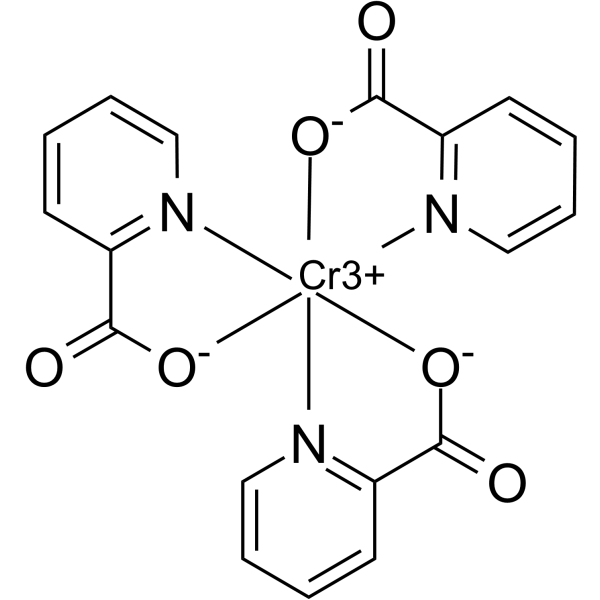
Chromium picolinate (Chromium (III) picolinate) is a compound that has oral activity. Chromium picolinate induces apoptosis. Chromium picolinate is the activator of p38 MAPK. Chromium picolinate has antioxidant activity. Chromium picolinate can be used in research on type 2 diabetes.
For research use only. We do not sell to patients.
- Purity : 99.76%
- CAS No.: 14639-25-9
- Formula: C18H12CrN3O6
- Molecular Weight:418.30
-
Storage:Powder -20°C, 3 years , 4°C, 2 years ; In solvent -80°C, 2 years , -20°C, 1 year

To place orders, for customer services and technical support, please contact: MedChemExpress USA
Tel: 609-228-6898 E-mail: [email protected] [email protected]


-
 Biological Activity
-
Chemical Information
-
Solvent & Solubility
- Protocols
- Purity & Documentation
- References
-
 Help & FAQs


-
HY-10256
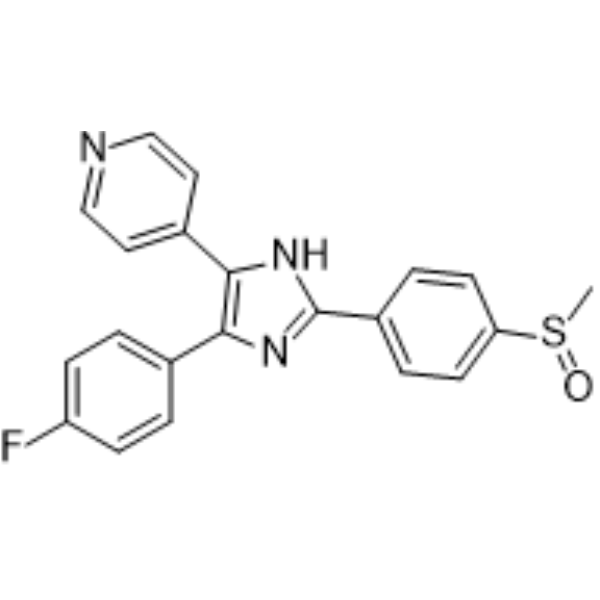
Adezmapimodp38 MAPK Inhibitor -
HY-18982
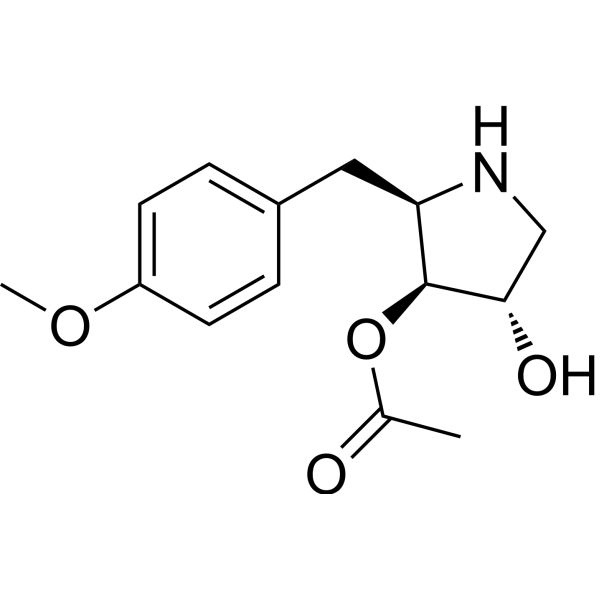
AnisomycinProtein Synthesis Inhibitor -
HY-18739
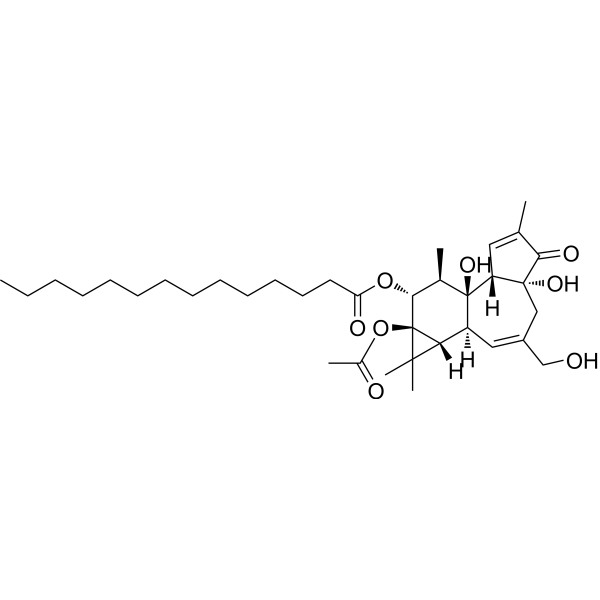
Phorbol 12-myristate 13-acetatePKC Activator -
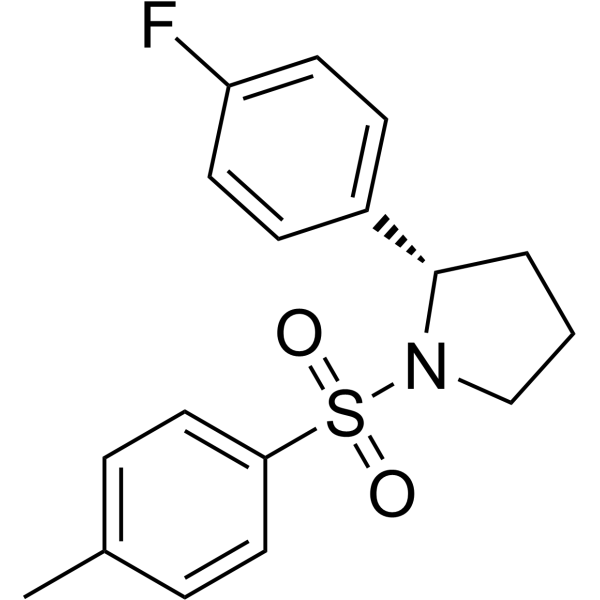
HY-100403
Ro 67-7476mGluR1 PAM -
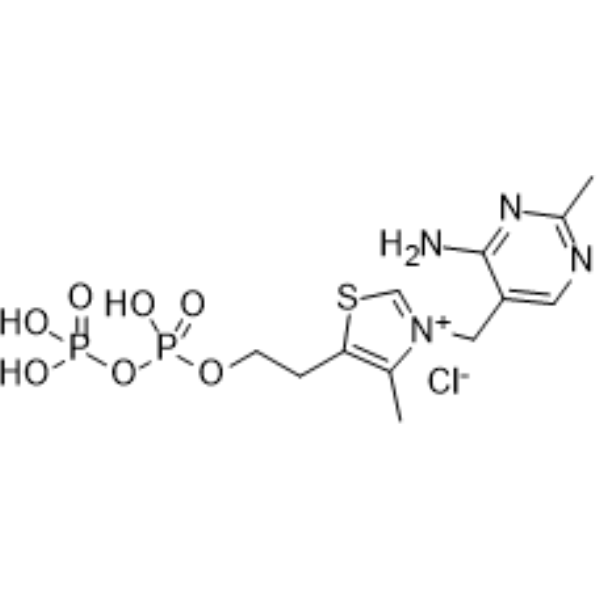
HY-113076
Thiamine pyrophosphateEndogenous Metabolite -
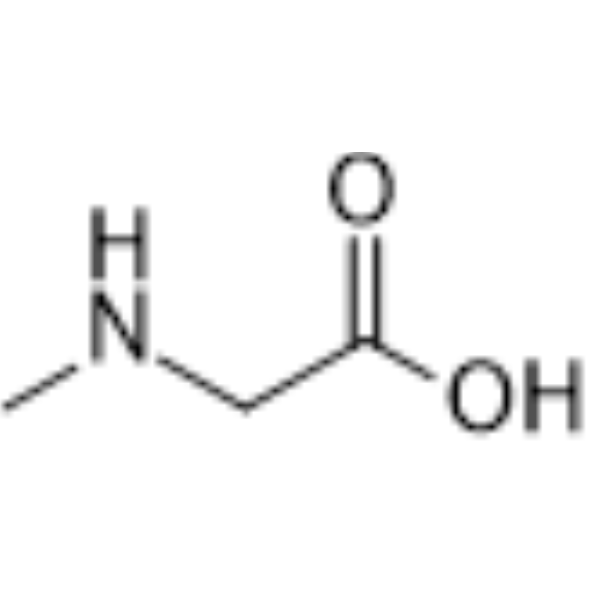
HY-101037
SarcosineGlyT1 Inhibitor -
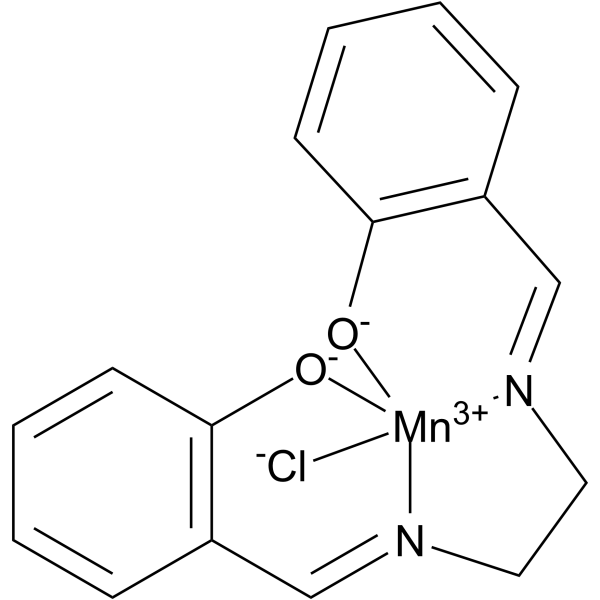
HY-W001583
Manganese(salen) chlorideAntioxidant -

HY-125588R
Chromium picolinate (Standard)Insulin Resistance Reducer -
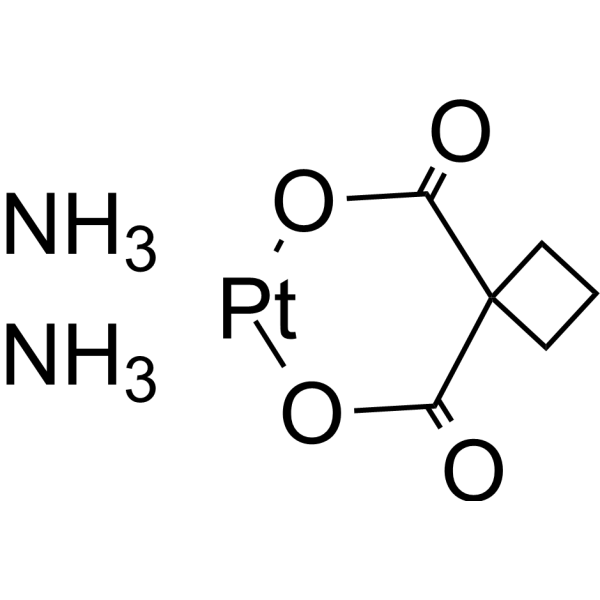
HY-17393
CarboplatinDNA Synthesis Inhibitor -
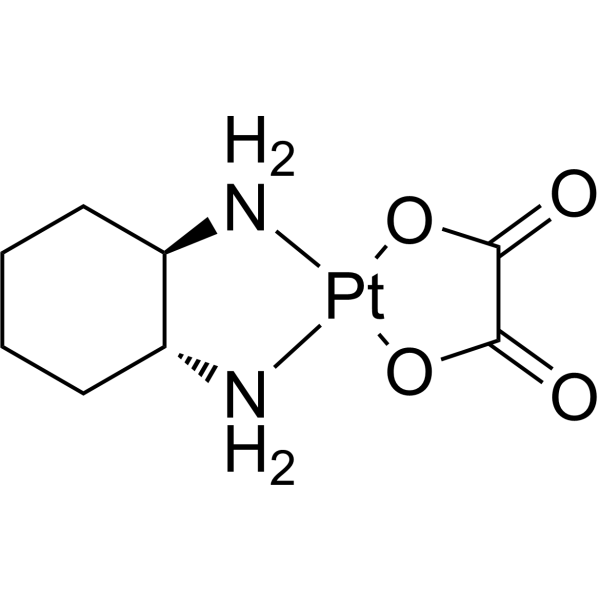
HY-17371
OxaliplatinDNA Synthesis Inhibitor -

HY-W088074A
Chromium(III)oxide, 99.9% trace metals basisBiochemical Assay Reagent -
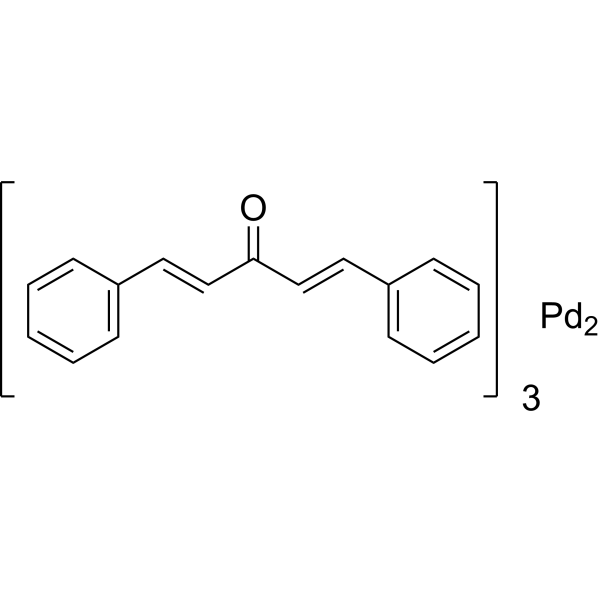
HY-W018864
Tris(dibenzylideneacetonyl)bis-palladiumCatalyst
Publications Citing Use of MedChemExpress (MCE) Chromium picolinate
More

Biological Activity
Description
In Vitro
Chromium picolinate (5-100 μM, 24-72 h) induces lymphocyte apoptosis through ROS and mitochondrial events[1].
Chromium picolinate (100 nM, 24 h) exerts hypoglycemic effects in insulin-resistant 3T3-L1 adipocytes by activating p38 MAPK[2].
MedChemExpress (MCE) has not independently confirmed the accuracy of these methods. They are for reference only. Further protocols information, click here.
-
Cell Line:lymphocytes
-
Concentration:5,10, 25, 50, 75, 100 μM
-
Incubation Time:24-72 h
-
Result:Inhibited cell viability from concentration of 25 μM.
-
Cell Line:lymphocytes
-
Concentration:50, 100 μM
-
Incubation Time:24 h
-
Result:Increased the expression of Bax. and cytochrome. Increased the activity of caspase-3.
In Vivo
Chromium picolinate (1 mg/kg/day, orally, once a daily for 4 weeks) can reduce the oxidative stress response of hyperglycemia induced by streptozotocin (HY-13753) in diabetic rats[4].
MedChemExpress (MCE) has not independently confirmed the accuracy of these methods. They are for reference only.
-
Animal Model:Goto-Kakizaki diabetic rats [3]
-
Dosage:100 mg/kg
-
Administration:p.o.
-
Result:Increased body weight. The glucose levels were significantly lower in GK-CrP rats compared with GK-control rats.
-
Animal Model:Streptozotocin-induced diabetic rats[4]
-
Dosage:1 mg/kg
-
Administration:p.o.
-
Result:Attenuated hyperglycemia and lowered lipid peroxidation in diabetic rats. Restored the activity of SOD, catalase, GR, antioxidant capacity, ALT and AST.
Clinical Trial
| NCT Number | Sponsor | Condition | Start Date |
Phase

|
|---|---|---|---|---|
| NCT01329991 | Plexxikon| | 2011-05 | PHASE1 |


Chemical Information
-
CAS No. 14639-25-9
-
Appearance Solid
-
Molecular Weight 418.30
-
Formula C18H12CrN3O6
-
Color Pink to red
-
SMILES
O=C1[O-][Cr+3]([N]2=C(C=CC=C2)C3=O)([O-]3)([N]4=C(C=CC=C4)C5=O)([O-]5)[N]6=C1C=CC=C6
-
Synonyms
Chromium (III) picolinate; Cr(Pic)3
-
Shipping
Room temperature in continental US; may vary elsewhere.
-
Storage
Powder -20°C 3 years 4°C 2 years In solvent -80°C 2 years -20°C 1 year


Publications (3)
-
Journal Impact Factor
-
Most Recent
-
Cell Biol Toxicol
TEAD4-mediated upregulation of LPAR3 augments hepatic stellate cell activation in portal hypertension. [Abstract]2025 Jul 1;41(1):110. PMID: 40591004 -
Biol Trace Elem Res
Antagonizing Effects of Chromium Against Iron-Decreased Glucose Uptake by Regulating ROS-Mediated PI3K/Akt/GLUT4 Signaling Pathway in C2C12. [Abstract]2024 Feb;202(2):701-712. PMID: 37156991 -
Clin Immunol
PLK2 facilitates Mycobacterium tuberculosis clearance via p38 MAPK-mediated ROS production. [Abstract]2026 Jun:285:110705. PMID: 41962814


Solvent & Solubility
In Vitro:
DMSO : 7.81 mg/mL (18.67 mM; Need ultrasonic; Hygroscopic DMSO has a significant impact on the solubility of product, please use newly opened DMSO)
Please refer to the solubility information to select the appropriate solvent. Once prepared, please aliquot and store the solution to prevent product inactivation from repeated freeze-thaw cycles.
Storage method and period of stock solution: -80°C, 2 years; -20°C, 1 year. When stored at -80°C, please use it within 2 years. When stored at -20°C, please use it within 1 year.
Please refer to the solubility information to select the appropriate solvent. Once prepared, please aliquot and store the solution to prevent product inactivation from repeated freeze-thaw cycles.
Storage method and period of stock solution: -80°C, 2 years; -20°C, 1 year. When stored at -80°C, please use it within 2 years. When stored at -20°C, please use it within 1 year.
Concentration (start) × Volume (start) = Concentration (final) × Volume (final)

Protocols
-
Apoptosis
Apoptosis, also called programmed cell death, is generally characterized by distinct morphological characteristics.
-
TUNEL staining for apoptotic DNA fragmentation
TUNEL staining detects DNA strand breaks by using terminal deoxynucleotidyl transferase to add labeled nucleotides to exposed 3′-OH DNA termini, generating either microscopic staining in fixed cells or tissue sections, or fluorescence/cytometric signal in cell suspensions. TUNEL positivity reflects DNA fragmentation but should not be interpreted alone as definitive apoptosis, because TUNEL can also label necrotic, autolytic, mechanically damaged, or DNA-repair-associated DNA breaks.
-
Annexin V plus membrane-impermeant dye apoptosis staining
Annexin V-based apoptosis assays rely on the detection of phosphatidylserine (PS) externalization from the inner leaflet of the plasma membrane to the outer leaflet, an early biochemical hallmark of apoptosis. Fluorescently labeled Annexin V binds PS in a calcium-dependent manner, enabling identification of early apoptotic cells by flow cytometry or fluorescence microscopy. When combined with a membrane-impermeant DNA-binding dye (e. g. , propidium iodide), this approach allows discrimination between viable (Annexin V−/dye−), early apoptotic (Annexin V+/dye−), and late apoptotic or necrotic (Annexin V+/dye+) cell populations by assessing membrane integrity and PS exposure.
-
Apoptosis Solutions
Apoptosis is a regulated, generally non-lytic cell-death pathway that removes unwanted, damaged, infected, or abnormal cells through coordinated morphological changes, caspase activation, DNA fragmentation, and membrane remodeling. The intrinsic apoptosis pathway is controlled mainly by mitochondrial outer membrane permeabilization, BCL-2 family proteins, cytochrome c release, apoptosome formation, caspase-9 activation, and downstream executioner caspase-3/7 activation. The extrinsic apoptosis pathway is initiated by death receptors such as Fas, TNFR, and TRAIL receptors, which recruit adaptor proteins and activate caspase-8 before engaging executioner caspases or mitochondrial amplification through BID cleavage. Apoptosis is linked to many phenotypes, including cancer cell killing, tissue homeostasis, immune regulation, neurodegeneration, infection response, and treatment-induced cytotoxicity; unresolved questions include how apoptosis interacts with necroptosis, pyroptosis, ferroptos
-
Research Protocol for Metabolic Diseases
AMP-activated protein kinase, AMPK, is a conserved cellular energy sensor that responds to reduced cellular energy status and coordinates metabolism by increasing ATP-generating catabolic pathways while suppressing ATP-consuming anabolic processes. In metabolic disease research, the AMPK pathway is experimentally relevant because it regulates hepatic lipid synthesis, fatty acid oxidation, glucose production, skeletal-muscle glucose disposal, mTORC1-linked biosynthesis, autophagy, mitochondrial homeostasis, and whole-body energy balance. The central pathway logic is that energy stress, metformin, exercise-like stimulation, or direct AMPK activators increase AMPKα Thr172 phosphorylation and downstream substrate phosphorylation, including ACC and RAPTOR. Phosphorylation of ACC suppresses lipogenesis and supports fatty acid oxidation, whereas phosphorylation of RAPTOR suppresses mTORC1 signaling and links cellular energy status to growth and protein synthesis control. The pathway is linked


Purity & Documentation
-
Data Sheet (287 KB)
-
SDS (393 KB)
- English - EN (393 KB)
- Français - FR (393 KB)
- Deutsch - DE (393 KB)
- Norwegian - NO (393 KB)
- Español - ES (393 KB)
- Swedish - SV (393 KB)
- Italian - IT (393 KB)
- Korean - KR (393 KB)
- Portuguese - PT (393 KB)
-
Handling Instructions (2659 KB)
References
[1]. Jana M, et al. Chromium picolinate induced apoptosis of lymphocytes and the signaling mechanisms thereof. Toxicol Appl Pharmacol. 2009 Jun 15;237(3):331-44. [Content Brief]
[2]. Wang YQ, et al. Effects of chromium picolinate on glucose uptake in insulin-resistant 3T3-L1 adipocytes involve activation of p38 MAPK. J Nutr Biochem. 2009 Dec;20(12):982-91. [Content Brief]
[3]. Kim DS, et al. Chromium picolinate supplementation improves insulin sensitivity in Goto-Kakizaki diabetic rats. J Trace Elem Med Biol. 2004;17(4):243-7. [Content Brief]
[4]. Sundaram B, et al. Chromium picolinate attenuates hyperglycemia-induced oxidative stress in streptozotocin-induced diabetic rats. J Trace Elem Med Biol. 2013 Apr;27(2):117-21. [Content Brief]


Complete Stock Solution Preparation Table
Please refer to the solubility information to select the appropriate solvent. Once prepared, please aliquot and store the solution to prevent product inactivation from repeated freeze-thaw cycles.
Storage method and period of stock solution: -80°C, 2 years; -20°C, 1 year. When stored at -80°C, please use it within 2 years. When stored at -20°C, please use it within 1 year.
| Optional Solvent | Concentration Solvent Mass | 1 mg | 5 mg | 10 mg | 25 mg |
|---|---|---|---|---|---|
| DMSO | 1 mM | 2.3906 mL | 11.9531 mL | 23.9063 mL | 59.7657 mL |
| 5 mM | 0.4781 mL | 2.3906 mL | 4.7813 mL | 11.9531 mL | |
| 10 mM | 0.2391 mL | 1.1953 mL | 2.3906 mL | 5.9766 mL | |
| 15 mM | 0.1594 mL | 0.7969 mL | 1.5938 mL | 3.9844 mL |


Chromium picolinate Related Classifications
HY-125588 Related Classifications
 Powered by Bioz