



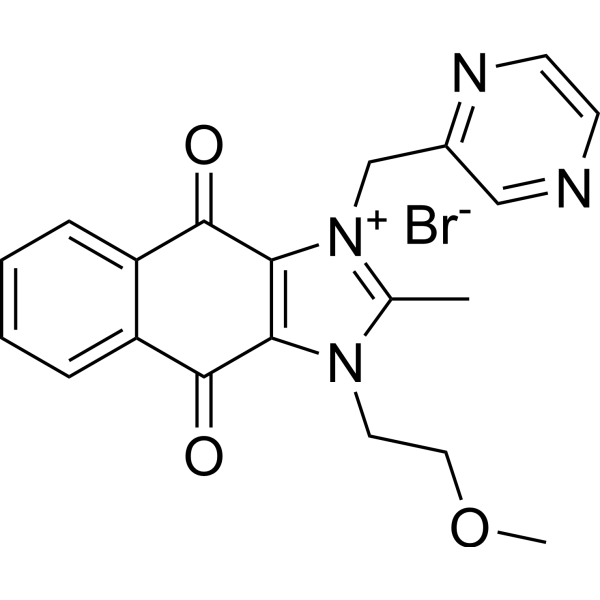
Sepantronium bromide
Based on 24 publication(s) in Google Scholar
Sepantronium bromide (YM-155) is a survivin inhibitor with an IC50 of 0.54 nM.
For research use only. We do not sell to patients.
- Purity : 99.55%
- CAS No.: 781661-94-7
- Formula: C20H19BrN4O3
- Molecular Weight:443.29
-
Storage:
4°C, sealed storage, away from moisture
* In solvent : -80°C, 1 year; -20°C, 6 months (sealed storage, away from moisture)

To place orders, for customer services and technical support, please contact: MedChemExpress USA
Tel: 609-228-6898 E-mail: [email protected] [email protected]


-
 Biological Activity
-
Chemical Information
-
Solvent & Solubility
- Purity & Documentation
- References
-
 Help & FAQs


-
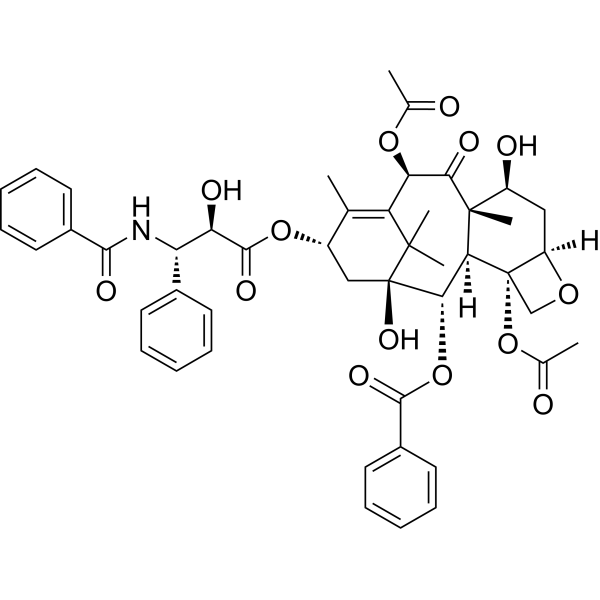
HY-B0015
PaclitaxelAntitumor Agent -
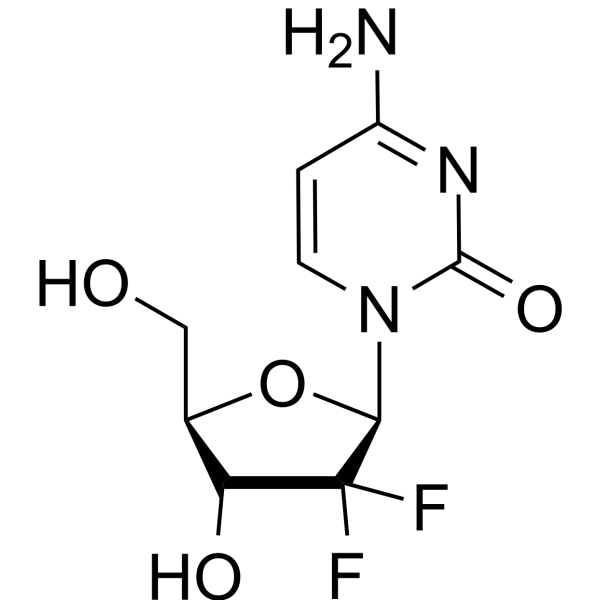
HY-17026
GemcitabineDNA Synthesis Inhibitor -
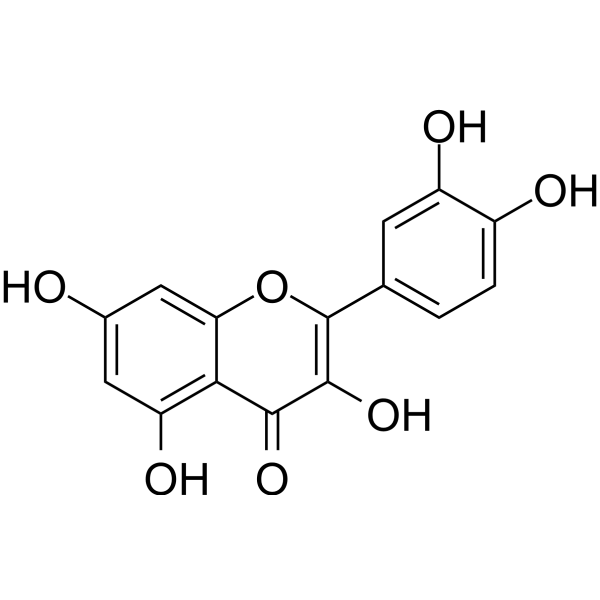
HY-18085
QuercetinFlavonoid Antioxidant -
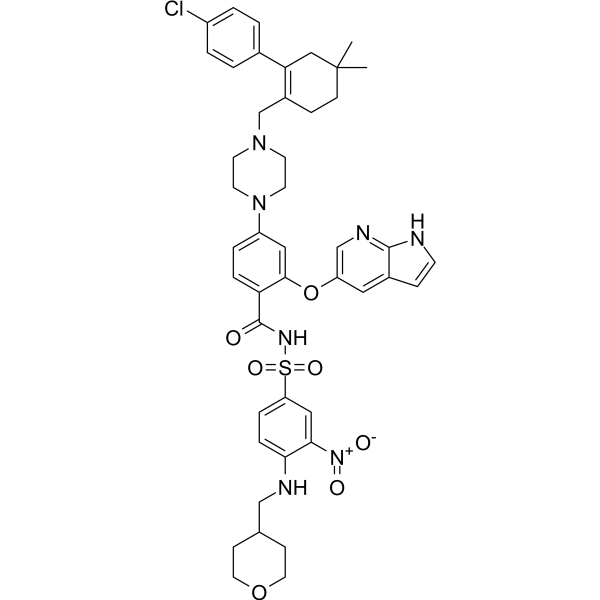
HY-15531
VenetoclaxBCL-2 Inhibitor -
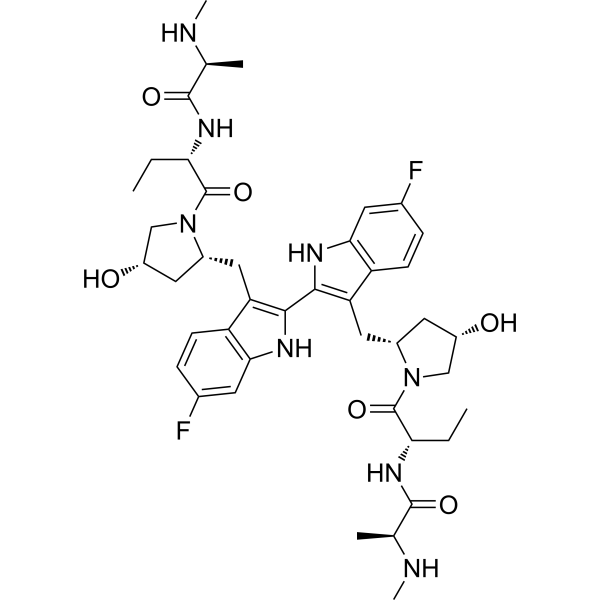
HY-16591
BirinapantXIAP/cIAP1 Antagonist -
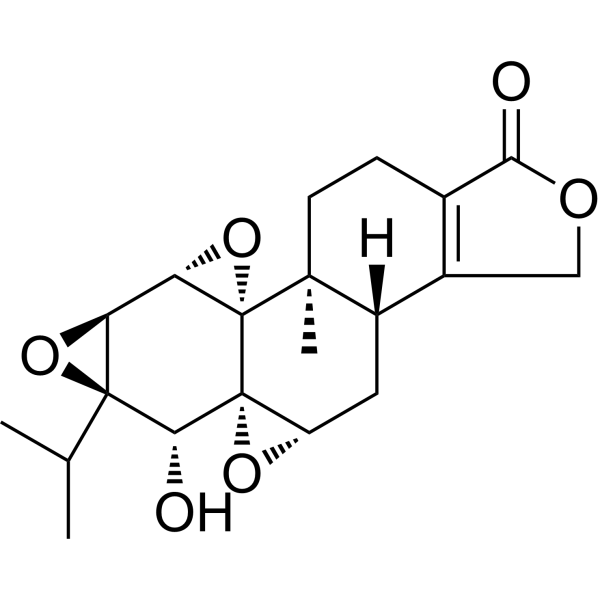
HY-32735
TriptolideImmunosuppressive Agent -
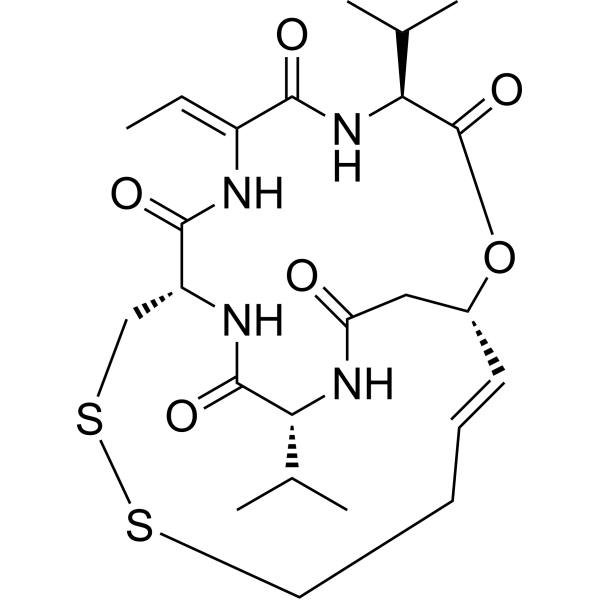
HY-15149
RomidepsinHDAC Inhibitor -
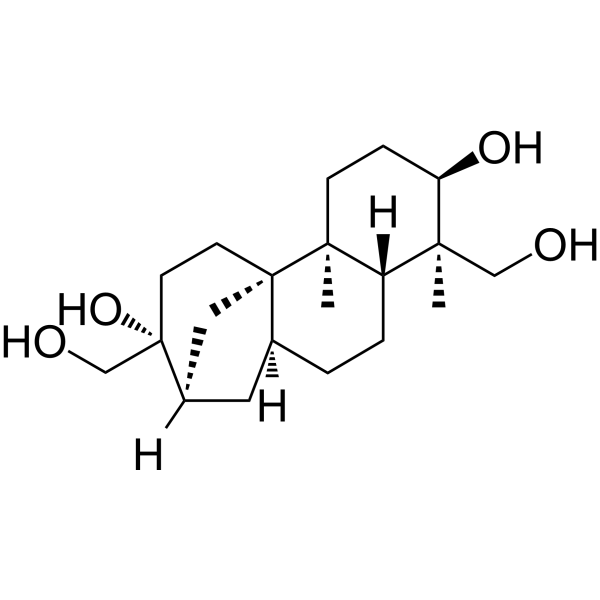
HY-N6733
AphidicolinDNA Polymerase Inhibitor -
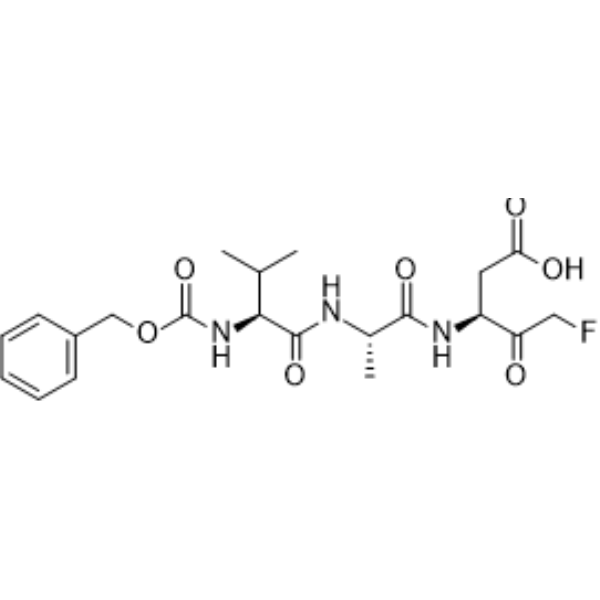
HY-16658B
Z-VAD-FMKPan-Caspase Inhibitor -
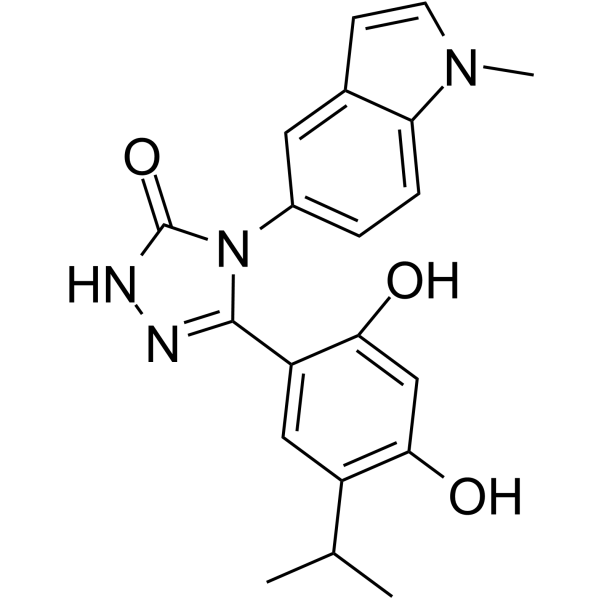
HY-15205
GanetespibHSP90 Inhibitor -
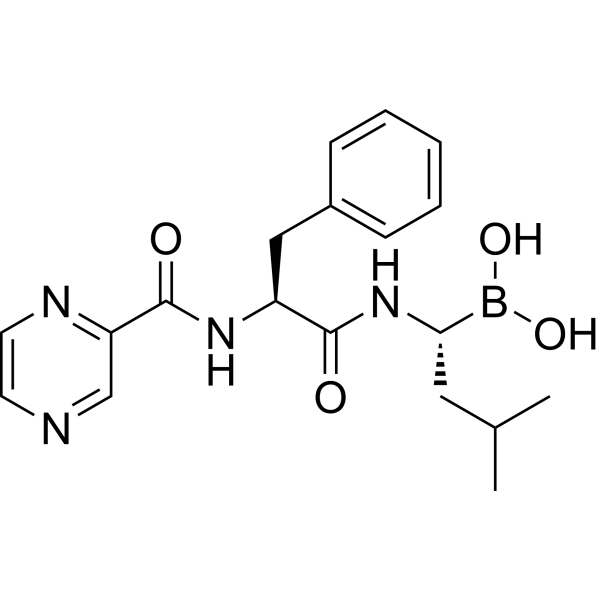
HY-10227
BortezomibProteasome Inhibitor -
HY-12163
EntinostatHDAC Class I Inhibitor
Publications Citing Use of MedChemExpress (MCE) Sepantronium bromide
More- Adv Sci (Weinh). 2025 Mar;12(12):e2409769. [Abstract]
- Cell Death Dis. 2020 Nov 15;11(11):982. [Abstract]
- Cancer Lett. 2018 Jul 1:425:54-64. [Abstract]
- Stem Cell Res Ther. 2020 Jun 10;11(1):229. [Abstract]
- Drug Deliv Transl Res. 2025 Oct 29. [Abstract]
- Mol Cancer Ther. 2025 Apr 28:OF1-OF13. [Abstract]
- Biochem Pharmacol. 2024 Jun:224:116242. [Abstract]
- Nutrients. 2018 Mar 15;10(3):353. [Abstract]
- Int Immunopharmacol. 2026 Apr 15:175:116421. [Abstract]
- Sci Rep. 2019 Aug 21;9(1):12149. [Abstract]
- Cancers (Basel). 2024 Sep 5;16(17):3090. [Abstract]
- Cancers (Basel). 2019 Oct 14;11(10):1550. [Abstract]
- Cancers (Basel). 2019 Jul 5;11(7):947. [Abstract]
- BMC Complement Med Ther. 2020 Sep 3;20(1):269. [Abstract]
- Cancer Res Commun. 2025 Jun 1;5(6):1034-1048. [Abstract]
- Toxicol Appl Pharmacol. 2020 Jun 15:397:115013. [Abstract]
- Anticancer Res. 2019 Sep;39(9):4817-4828. [Abstract]
- Anticancer Res. 2019 Feb;39(2):609-617. [Abstract]
- Anticancer Res. 2018 Dec;38(12):6699-6706. [Abstract]
- Biomed Pharmacother. 2026 Sep:202:119803.
- bioRxiv. 2026 May 1.
- bioRxiv. 2024 Aug 6:2024.03.21.586169. [Abstract]
- Res Sq. 2023 Dec 23:rs.3.rs-3770403. [Abstract]
- Research Square Preprint. 2021 Jul.
 Customer Validation & Images

-
WB
-
Cell Imaging/Staining
-
In Vivo Efficacy Study
-
In Vivo Efficacy Study
-
IHC


Biological Activity
Description
IC50 & Target
IC50: 0.54 nM (Survivin)[1]
Cellular Effect
|
Cell Line

|
Type | Value | Description | References |
|---|---|---|---|---|
| 143B | IC50 |
0.32 μM
Compound: YM155
|
Antiproliferative activity against human 143B cells assessed as inhibition of cell growth measured after 48 hrs by MTT assay
Antiproliferative activity against human 143B cells assessed as inhibition of cell growth measured after 48 hrs by MTT assay
|
[PMID: 38079530] |
| 5637 | IC50 |
0.11 μM
Compound: YM155
|
Antiproliferative activity against human 5637 cells assessed as inhibition of cell growth measured after 48 hrs by MTT assay
Antiproliferative activity against human 5637 cells assessed as inhibition of cell growth measured after 48 hrs by MTT assay
|
[PMID: 38079530] |
| A-375 | IC50 |
0.006 μM
Compound: 1; YM155
|
Anticancer activity against human A375 cells assessed as reduction in cell viability incubated for 72 hrs by MTT assay
Anticancer activity against human A375 cells assessed as reduction in cell viability incubated for 72 hrs by MTT assay
|
[PMID: 38092421] |
| A549 | IC50 |
0.0134 μM
Compound: YM155
|
Growth inhibition of human A549 cells
Growth inhibition of human A549 cells
|
[PMID: 28814374] |
| A549 | IC50 |
0.01 μM
Compound: YM155
|
Antiproliferative activity against human A549 cells assessed as inhibition of cell growth measured after 48 hrs by MTT assay
Antiproliferative activity against human A549 cells assessed as inhibition of cell growth measured after 48 hrs by MTT assay
|
[PMID: 38079530] |
| ASPC1 | IC50 |
0.51 μM
Compound: YM155
|
Antiproliferative activity against human ASPC1 cells assessed as inhibition of cell growth measured after 48 hrs by MTT assay
Antiproliferative activity against human ASPC1 cells assessed as inhibition of cell growth measured after 48 hrs by MTT assay
|
[PMID: 38079530] |
| BXPC-3 | IC50 |
0.09 μM
Compound: YM155
|
Antiproliferative activity against human BXPC-3 cells assessed as inhibition of cell growth measured after 48 hrs by MTT assay
Antiproliferative activity against human BXPC-3 cells assessed as inhibition of cell growth measured after 48 hrs by MTT assay
|
[PMID: 38079530] |
| CWR22R | IC50 |
0.011 μM
Compound: 1; YM155
|
Cytotoxicity against human 22Rv1 cells assessed as cell growth inhibition
Cytotoxicity against human 22Rv1 cells assessed as cell growth inhibition
|
[PMID: 38092421] |
| DU-145 | EC50 |
13.8 nM
Compound: YM155
|
Cytotoxicity against human DU145 cells by MTT assay
Cytotoxicity against human DU145 cells by MTT assay
|
[PMID: 28774426] |
| DU-145 | IC50 |
0.004 μM
Compound: 1; YM155
|
Cytotoxicity against human DU-145 cells assessed as reduction in cell viability by SRB assay
Cytotoxicity against human DU-145 cells assessed as reduction in cell viability by SRB assay
|
[PMID: 38092421] |
| HeLa | IC50 |
1.8 μM
Compound: YM155
|
Antiproliferative activity against human HeLa cells assessed as inhibition of cell growth measured after 48 hrs by MTT assay
Antiproliferative activity against human HeLa cells assessed as inhibition of cell growth measured after 48 hrs by MTT assay
|
[PMID: 38079530] |
| HepG2 | IC50 |
3.72 μM
Compound: YM155
|
Antiproliferative activity against human HepG2 cells assessed as inhibition of cell growth measured after 48 hrs by MTT assay
Antiproliferative activity against human HepG2 cells assessed as inhibition of cell growth measured after 48 hrs by MTT assay
|
[PMID: 38079530] |
| HUVEC | IC50 |
0.5 nM
Compound: YM155
|
Antiangiogenic activity in HUVEC
Antiangiogenic activity in HUVEC
|
[PMID: 28814374] |
| HUVEC | IC50 |
0.5 nmol
Compound: YM155
|
Antiangiogenic activity in HUVEC
Antiangiogenic activity in HUVEC
|
[PMID: 28814374] |
| HUVEC | IC50 |
0.92 μM
Compound: YM155
|
Antiproliferative activity against human HUVEC cells assessed as inhibition of cell growth measured after 48 hrs by MTT assay
Antiproliferative activity against human HUVEC cells assessed as inhibition of cell growth measured after 48 hrs by MTT assay
|
[PMID: 38079530] |
| MCF7 | IC50 |
0.01 μM
Compound: YM155
|
Antiproliferative activity against human MCF7 cells assessed as inhibition of cell growth measured after 48 hrs by MTT assay
Antiproliferative activity against human MCF7 cells assessed as inhibition of cell growth measured after 48 hrs by MTT assay
|
[PMID: 38079530] |
| MDA-MB-435 | IC50 |
>1 μM
Compound: YM-155
|
Antiproliferative activity against human MDA-MB-435/LCC6MDR cells assessed as inhibition of cell growth incubated for 72 hrs by MTS assay
Antiproliferative activity against human MDA-MB-435/LCC6MDR cells assessed as inhibition of cell growth incubated for 72 hrs by MTS assay
|
[PMID: 34371464] |
| MDA-MB-435 | IC50 |
2.4 μM
Compound: YM-155
|
Antiproliferative activity against human MDA-MB-435 cells assessed as inhibition of cell growth incubated for 72 hrs by MTS assay
Antiproliferative activity against human MDA-MB-435 cells assessed as inhibition of cell growth incubated for 72 hrs by MTS assay
|
[PMID: 34371464] |
| MRC5 | IC50 |
1.94 μM
Compound: YM155
|
Antiproliferative activity against human MRC5 cells assessed as inhibition of cell growth measured after 48 hrs by MTT assay
Antiproliferative activity against human MRC5 cells assessed as inhibition of cell growth measured after 48 hrs by MTT assay
|
[PMID: 38079530] |
| NCI-H1299 | IC50 |
0.12 μM
Compound: YM155
|
Antiproliferative activity against human NCI-H1299 cells assessed as inhibition of cell growth measured after 48 hrs by MTT assay
Antiproliferative activity against human NCI-H1299 cells assessed as inhibition of cell growth measured after 48 hrs by MTT assay
|
[PMID: 38079530] |
| NCI-H460 | IC50 |
0.1 μM
Compound: YM155
|
Antiproliferative activity against human NCI-H460 cells assessed as inhibition of cell growth measured after 48 hrs by MTT assay
Antiproliferative activity against human NCI-H460 cells assessed as inhibition of cell growth measured after 48 hrs by MTT assay
|
[PMID: 38079530] |
| NIH3T3 | IC50 |
13.6 μM
Compound: YM155
|
Antiproliferative activity against mouse NIH3T3 cells assessed as inhibition of cell growth measured after 48 hrs by MTT assay
Antiproliferative activity against mouse NIH3T3 cells assessed as inhibition of cell growth measured after 48 hrs by MTT assay
|
[PMID: 38079530] |
| PANC-1 | IC50 |
0.01 μM
Compound: YM155
|
Antiproliferative activity against human PANC-1 cells assessed as inhibition of cell growth measured after 48 hrs by MTT assay
Antiproliferative activity against human PANC-1 cells assessed as inhibition of cell growth measured after 48 hrs by MTT assay
|
[PMID: 38079530] |
| PC-3 | EC50 |
92 nM
Compound: YM155
|
Cytotoxicity against human PC3 cells by MTT assay
Cytotoxicity against human PC3 cells by MTT assay
|
[PMID: 28774426] |
| SK-MEL-5 | IC50 |
0.004 μM
Compound: 1; YM155
|
Antiproliferative activity against human SK-MEL-5 cells assessed as reduction in cell viability
Antiproliferative activity against human SK-MEL-5 cells assessed as reduction in cell viability
|
[PMID: 38092421] |
| TE-1 | IC50 |
0.008 μM
Compound: YM155
|
Antiproliferative activity against human TE-1 cells assessed as inhibition of cell growth measured after 48 hrs by MTT assay
Antiproliferative activity against human TE-1 cells assessed as inhibition of cell growth measured after 48 hrs by MTT assay
|
[PMID: 38079530] |
| Vero C1008 | CC50 |
400 μM
Compound: 27; YM155
|
Cytotoxicity against African green monkey Vero E6 cells assessed as cell viability treated for 24 hrs by CCK8 assay
Cytotoxicity against African green monkey Vero E6 cells assessed as cell viability treated for 24 hrs by CCK8 assay
|
[PMID: 35620927] |
In Vitro
Sepantronium bromide (YM155; 30 μM) is not sensitive to survivn gene promoter-driven luciferase reporter activity. Sepantronium bromide shows significant supression on endogenous survivin expression in PC-3 and PPC-1 human HRPC cells with deficient p53 via transcriptional inhibition of the survivin gene promoter. Sepantronium bromide (100 nM) does not affect protein expression of c-IAP2, XIAP, Bcl-2, Bcl-xL, Bad, α-actin, and β-tubulin. Sepantronium bromide potently inhibits human cancer cell lines (mutated or truncated p53) such as PC-3, PPC-1, DU145, TSU-Pr1, 22Rv1, SK-MEL-5 and A375 with IC50s ranging from 2.3 to 11 nM, respectively[1].
Sepantronium bromide (YM155) resultin in an increase in sensitivity of NSCLC cells to γ-radiation. Sepantronium bromide combined with γ-radiation increases both the number of apoptotic cells and the activity of caspase-3. In addition, Sepantronium bromide delays the repair of radiation-induced double-strand breaks in nuclear DNA[2].
MedChemExpress (MCE) has not independently confirmed the accuracy of these methods. They are for reference only. .
In Vivo
Sepantronium bromide (YM155) in combination with γ-radiation shows potent antitumor activity against H460 or Calu6 xenografts in nude mice[2].
In this orthotopic renal and metastatic lung tumors models, Sepantronium bromide (YM-155) and IL-2 additively decreases tumor weight, lung metastasis, and luciferin-stained tumor images[3].
MedChemExpress (MCE) has not independently confirmed the accuracy of these methods. They are for reference only.


Chemical Information
-
CAS No. 781661-94-7
-
Appearance Solid
-
Molecular Weight 443.29
-
Formula C20H19BrN4O3
-
Color Light yellow to green yellow
-
SMILES
O=C1C2=C(C(C3=CC=CC=C31)=O)[N+](CC4=NC=CN=C4)=C(C)N2CCOC.[Br-]
-
Synonyms
YM-155
-
Shipping
Room temperature in continental US; may vary elsewhere.
-
Storage
4°C, sealed storage, away from moisture
* In solvent : -80°C, 1 year; -20°C, 6 months (sealed storage, away from moisture)


Publications (24)
-
Journal Impact Factor
-
Most Recent
-
Adv Sci (Weinh)
Chromosome Missegregation Triggers Tumor Cell Pyroptosis and Enhances Anti-Tumor Immunotherapy in Colorectal Cancer. [Abstract]2025 Mar;12(12):e2409769. PMID: 39903759 -
Cell Death Dis
A small natural molecule CADPE kills residual colorectal cancer cells by inhibiting key transcription factors and translation initiation factors. [Abstract]2020 Nov 15;11(11):982. PMID: 33191401 -
Cancer Lett
Survivin-targeted drug screening platform identifies a matrine derivative WM-127 as a potential therapeutics against hepatocellular carcinoma. [Abstract]2018 Jul 1:425:54-64. PMID: 29608986
Sepantronium bromide purchased from MedChemExpress. Usage Cited in: Cancer Lett. 2018 Jul 1:425:54-64. [Abstract]
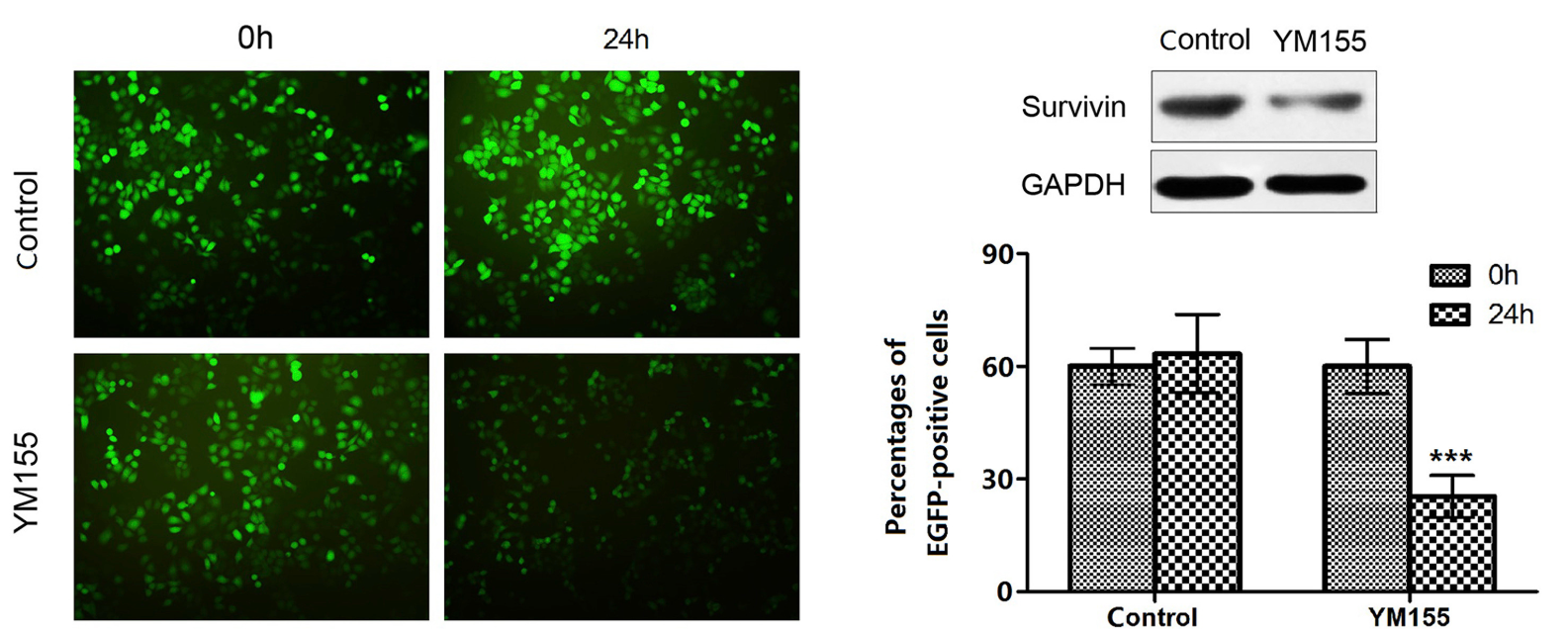
The cell model HepG2-Sur5P-EGFP-Sur3U was treated with Sepantronium bromide (YM155) at a final concentration of 100 nmol/ml. After 24 h later, the fluorescence strength of EGFP was recorded and the expression of Survivin was examined.
Sepantronium bromide purchased from MedChemExpress. Usage Cited in: Cancer Lett. 2018 Jul 1:425:54-64. [Abstract]
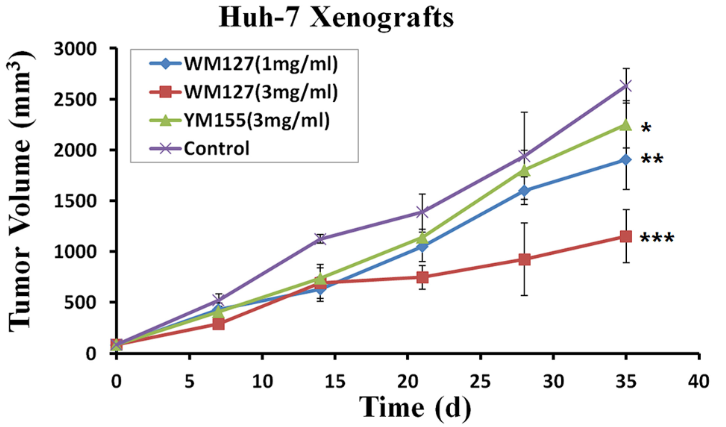
Huh-7 cell xenograft models were established by subcutaneously injection of 1 × 10⁶ cells per mouse in 4 groups of nude mice (n = 5/group). After five intratumoral injections of Sepantronium bromide (YM155) at 3 mg/ml, the tumor volume was counted weekly.
Sepantronium bromide purchased from MedChemExpress. Usage Cited in: Cancer Lett. 2018 Jul 1:425:54-64. [Abstract]
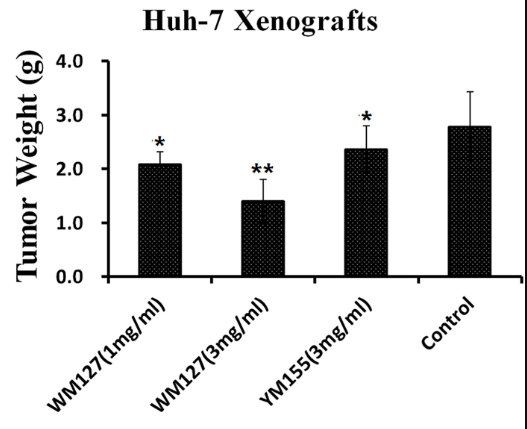
Huh-7 cell xenograft models were established by subcutaneously injection of 1 × 10⁶. cells per mouse in 4 groups of nude mice (n = 5/group). After five intratumoral injections of Sepantronium bromide (YM155) at 3 mg/ml. The xenografted tumors were weighed and compared.
Sepantronium bromide purchased from MedChemExpress. Usage Cited in: Cancer Lett. 2018 Jul 1:425:54-64. [Abstract]
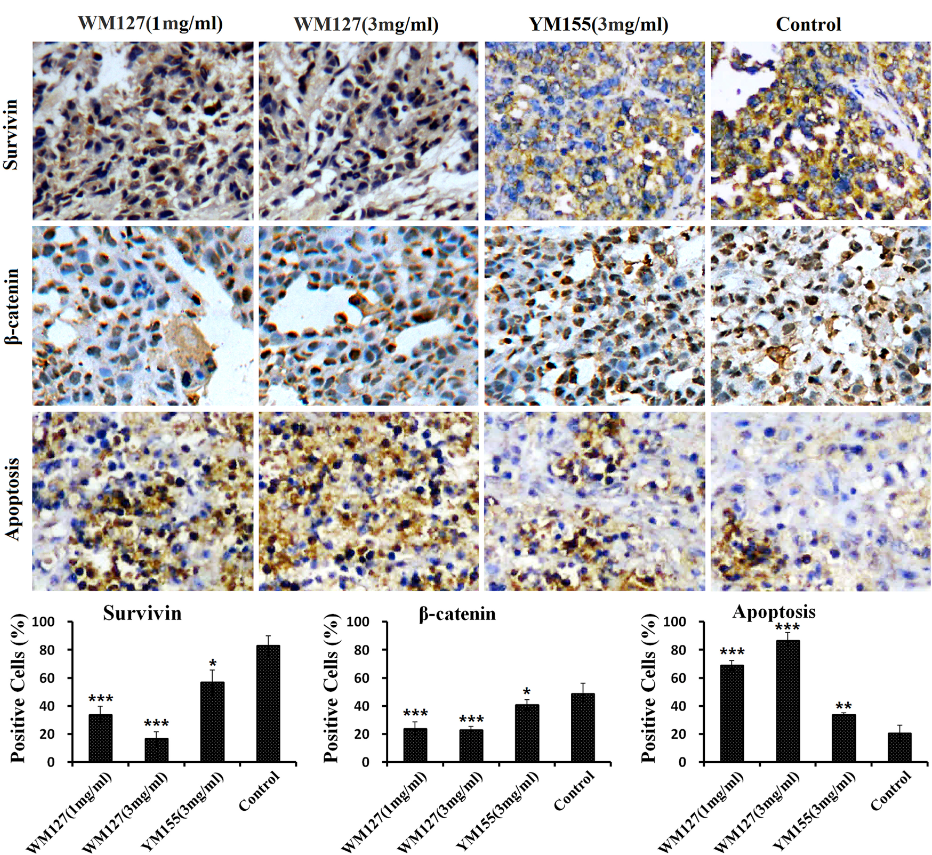
Sepantronium bromide (YM-155, 3mg/mL)The xenograft tumor sections were examined by immunohistochemistry and TUNEL labeling. The expression levels of Survivin and the percentages of apoptotic cells in xenografted tumors were quantified within 5 high-power fields under microscope and showed in histograms.
-
Stem Cell Res Ther
Pulp stem cells with hepatocyte growth factor overexpression exhibit dual effects in rheumatoid arthritis. [Abstract]2020 Jun 10;11(1):229. PMID: 32522231 -
Drug Deliv Transl Res
Leveraging quantum chemical properties in transfer learning for predicting blood-brain barrier permeability of drugs. [Abstract]2025 Oct 29. PMID: 41160380 -
Mol Cancer Ther
Navitoclax, a Bcl-2/xL Inhibitor, and YM155, a Survivin Inhibitor, in Combination with Carboplatin, Effectively Inhibit Ovarian Cancer Tumor Growth. [Abstract]2025 Apr 28:OF1-OF13. PMID: 40293279 -
Biochem Pharmacol
ONC212 enhances YM155 cytotoxicity by triggering SLC35F2 expression and NOXA-dependent MCL1 degradation in acute myeloid leukemia cells. [Abstract]2024 Jun:224:116242. PMID: 38679209 -
Nutrients
Glycycoumarin Sensitizes Liver Cancer Cells to ABT-737 by Targeting De Novo Lipogenesis and TOPK-Survivin Axis. [Abstract]2018 Mar 15;10(3):353. PMID: 29543705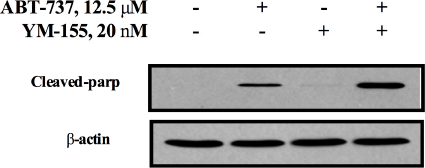
Sepantronium bromide purchased from MedChemExpress. Usage Cited in: Nutrients. 2018 Mar 15;10(3):353. [Abstract]
Influences of YM155, a chemical inhibitor of survivin on ABT-737-induced apoptosis are analyzed by western blot.
-
Int Immunopharmacol
A multi-omics R-loop-linked risk program highlights CKS2-positive proliferative tumor cells as drivers of glioma growth. [Abstract]2026 Apr 15:175:116421. PMID: 41763168 -
Sci Rep
Extracorporeal shock waves protect cardiomyocytes from doxorubicin-induced cardiomyopathy by upregulating survivin via the integrin-ILK-Akt-Sp1/p53 axis. [Abstract]2019 Aug 21;9(1):12149. PMID: 31434946 -
Cancers (Basel)
Molecular Insights into the Anticancer Activity of Withaferin-A: The Inhibition of Survivin Signaling. [Abstract]2024 Sep 5;16(17):3090. PMID: 39272948 -
Cancers (Basel)
Spironolactone, a Classic Potassium-Sparing Diuretic, Reduces Survivin Expression and Chemosensitizes Cancer Cells to Non-DNA-Damaging Anticancer Drugs. [Abstract]2019 Oct 14;11(10):1550. PMID: 31614999 -
Cancers (Basel)
Brexpiprazole, a Serotonin-Dopamine Activity Modulator, Can Sensitize Glioma Stem Cells to Osimertinib, a Third-Generation EGFR-TKI, via Survivin Reduction. [Abstract]2019 Jul 5;11(7):947. PMID: 31284441 -
BMC Complement Med Ther
Myricanol 5-fluorobenzyloxy ether regulation of survivin pathway inhibits human lung adenocarcinoma A549 cells growth in vitro. [Abstract]2020 Sep 3;20(1):269. PMID: 32883260 -
Cancer Res Commun
Histone Deacetylase Inhibitors Target DNA Replication Regulators and Replication Stress in Ewing Sarcoma Cells. [Abstract]2025 Jun 1;5(6):1034-1048. PMID: 40478628 -
Toxicol Appl Pharmacol
Arsenic trioxide-induced p38 MAPK and Akt mediated MCL1 downregulation causes apoptosis of BCR-ABL1-positive leukemia cells. [Abstract]2020 Jun 15:397:115013. PMID: 32305283 -
Anticancer Res
Brexpiprazole Reduces Survivin and Reverses EGFR Tyrosine Kinase Inhibitor Resistance in Lung and Pancreatic Cancer. [Abstract]2019 Sep;39(9):4817-4828. PMID: 31519584 -
Anticancer Res
2019 Feb;39(2):609-617. PMID: 30711936
Sepantronium bromide purchased from MedChemExpress. Usage Cited in: Anticancer Res. 2019 Feb;39(2):609-617. [Abstract]
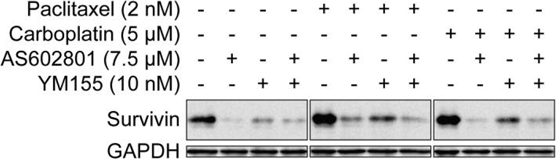
A2780 CSLCs are treated in the presence or absence of AS602801 (7.5 μM) and/or YM155 (10 nM) for 3 days, and then subjected to western blot analysis of survivin and glyceraldehyde 3-phosphate dehydrogenase (GAPDH).
-
Anticancer Res
AS602801, an Anticancer Stem Cell Candidate Drug, Reduces Survivin Expression and Sensitizes A2780 Ovarian Cancer Stem Cells to Carboplatin and Paclitaxel. [Abstract]2018 Dec;38(12):6699-6706. PMID: 30504379 -
-
-
bioRxiv
2024 Aug 6:2024.03.21.586169. PMID: 38586030 -
Res Sq
Targeting mTOR and Survivin Concurrently Potentiates Radiation Therapy in Renal Cell Carcinoma by Suppressing DNA Damage Repair and Amplifying Mitotic Catastrophe. [Abstract]2023 Dec 23:rs.3.rs-3770403. PMID: 38196607 -


Solvent & Solubility
In Vitro:
H2O : 50 mg/mL (112.79 mM; Need ultrasonic)
DMSO : 11.67 mg/mL (26.33 mM; ultrasonic and warming and heat to 60°C; Hygroscopic DMSO has a significant impact on the solubility of product, please use newly opened DMSO)
Please refer to the solubility information to select the appropriate solvent. Once prepared, please aliquot and store the solution to prevent product inactivation from repeated freeze-thaw cycles.
Storage method and period of stock solution: -80°C, 1 year; -20°C, 6 months (sealed storage, away from moisture). When stored at -80°C, please use it within 1 year. When stored at -20°C, please use it within 6 months.
* Note: If you choose water as the stock solution, please dilute it to the working solution, then filter and sterilize it with a 0.22 μm filter before use.
Please refer to the solubility information to select the appropriate solvent. Once prepared, please aliquot and store the solution to prevent product inactivation from repeated freeze-thaw cycles.
Storage method and period of stock solution: -80°C, 1 year; -20°C, 6 months (sealed storage, away from moisture). When stored at -80°C, please use it within 1 year. When stored at -20°C, please use it within 6 months.
* Note: If you choose water as the stock solution, please dilute it to the working solution, then filter and sterilize it with a 0.22 μm filter before use.
Concentration (start) × Volume (start) = Concentration (final) × Volume (final)
In Vivo:
Select the appropriate dissolution method based on your experimental animal and administration route.
- For the following dissolution methods, please ensure to first prepare a clear stock solution using an In Vitro approach and then sequentially add co-solvents:
- To ensure reliable experimental results, the clarified stock solution can be appropriately stored based on storage conditions. As for the working solution for In Vivo experiments, it is recommended to prepare freshly and use it on the same day.
- The percentages shown for the solvents indicate their volumetric ratio in the final prepared solution. If precipitation or phase separation occurs during preparation, heat and/or sonication can be used to aid dissolution.
Add each solvent one by one: 10% DMSO 40% PEG300 5% Tween-80 45% Saline
Solubility: ≥ 2 mg/mL (4.51 mM); Clear solution
This protocol yields a clear solution of ≥ 2 mg/mL (saturation unknown).
Taking 1 mL working solution as an example, add 100 μL DMSO stock solution (20.0 mg/mL) to 400 μL PEG300, and mix evenly; then add 50 μL Tween-80 and mix evenly; then add 450 μL Saline to adjust the volume to 1 mL.
Preparation of Saline: Dissolve 0.9 g sodium chloride in ddH₂O and dilute to 100 mL to obtain a clear Saline solution.
For the following dissolution methods, please prepare the working solution directly:
It is recommended to prepare fresh solutions and use them promptly within a short period of time.
The percentages shown for the solvents indicate their volumetric ratio in the final prepared solution. If precipitation or phase separation occurs during preparation, heat and/or sonication can be used to aid dissolution.
Add each solvent one by one: PBS
Solubility: 50 mg/mL (112.79 mM); Clear solution; Need ultrasonic
In Vivo Dissolution Calculator
Please enter the basic information of animal experiments:
-
-
-
-
Recommended: Prepare an additional quantity of animals to account for potential losses during experiments.
Working solution concentration: 0.22 mg/mL
This product has good water solubility, please refer to the measured solubility data in water/PBS/Saline for details.


Purity & Documentation
-
Data Sheet (286 KB)
-
SDS (394 KB)
- English - EN (394 KB)
- Français - FR (394 KB)
- Deutsch - DE (394 KB)
- Norwegian - NO (394 KB)
- Español - ES (394 KB)
- Swedish - SV (394 KB)
- Italian - IT (394 KB)
- Korean - KR (394 KB)
- Portuguese - PT (394 KB)
-
Handling Instructions (2659 KB)
References
[1]. Nakahara T, et al. YM155, a novel small-molecule survivin suppressant, induces regression of established human hormone-refractory prostate tumor xenografts. Cancer Res. 2007 Sep 1;67(17):8014-21. [Content Brief]
[2]. Iisa T, et al. Radiosensitizing effect of YM155, a novel small-molecule survivin suppressant, in non-small cell lung cancer cell lines. Clin Cancer Res. 2008 Oct 15;14(20):6496-504. [Content Brief]
[3]. Guo K, et al. A combination of YM-155, a small molecule survivin inhibitor, and IL-2 potently suppresses renal cell carcinoma in murine model. Oncotarget. 2015 Aug 28;6(25):21137-47. [Content Brief]


Complete Stock Solution Preparation Table
Please refer to the solubility information to select the appropriate solvent. Once prepared, please aliquot and store the solution to prevent product inactivation from repeated freeze-thaw cycles.
Storage method and period of stock solution: -80°C, 1 year; -20°C, 6 months (sealed storage, away from moisture). When stored at -80°C, please use it within 1 year. When stored at -20°C, please use it within 6 months.
| Optional Solvent | Concentration Solvent Mass | 1 mg | 5 mg | 10 mg | 25 mg |
|---|---|---|---|---|---|
| DMSO / H2O | 1 mM | 2.2559 mL | 11.2793 mL | 22.5586 mL | 56.3965 mL |
| 5 mM | 0.4512 mL | 2.2559 mL | 4.5117 mL | 11.2793 mL | |
| 10 mM | 0.2256 mL | 1.1279 mL | 2.2559 mL | 5.6396 mL | |
| 15 mM | 0.1504 mL | 0.7520 mL | 1.5039 mL | 3.7598 mL | |
| 20 mM | 0.1128 mL | 0.5640 mL | 1.1279 mL | 2.8198 mL | |
| 25 mM | 0.0902 mL | 0.4512 mL | 0.9023 mL | 2.2559 mL | |
| H2O | 30 mM | 0.0752 mL | 0.3760 mL | 0.7520 mL | 1.8799 mL |
| 40 mM | 0.0564 mL | 0.2820 mL | 0.5640 mL | 1.4099 mL | |
| 50 mM | 0.0451 mL | 0.2256 mL | 0.4512 mL | 1.1279 mL | |
| 60 mM | 0.0376 mL | 0.1880 mL | 0.3760 mL | 0.9399 mL | |
| 80 mM | 0.0282 mL | 0.1410 mL | 0.2820 mL | 0.7050 mL | |
| 100 mM | 0.0226 mL | 0.1128 mL | 0.2256 mL | 0.5640 mL |
* Note: If you choose water as the stock solution, please dilute it to the working solution, then filter and sterilize it with a 0.22 μm filter before use.


Sepantronium bromide Related Classifications
HY-10194 Related Classifications
 Powered by Bioz