



DPN (Standard)
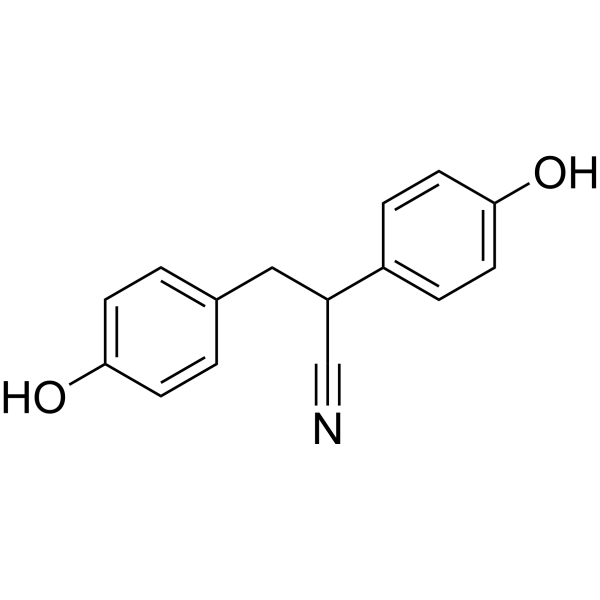
DPN (Standard) is the analytical standard of DPN. This product is intended for research and analytical applications. DPN (Diarylpropionitrile) is a non-steroidal estrogen receptor β (ERβ) selective ligand, with an EC50 of 0.85 nM. DPN has neuroprotective effects in a number of neurological diseases.
For research use only. We do not sell to patients.
- Purity : 95%
- CAS No.: 1428-67-7
- Formula: C15H13NO2
- Molecular Weight:239.27
-
Storage:
Please store the product under the recommended conditions in the Certificate of Analysis.


To place orders, for customer services and technical support, please contact: MedChemExpress USA
Tel: 609-228-6898 E-mail: [email protected] [email protected]


-
 Product Information
-
Chemical Information
- Purity & Documentation
-
 Help & FAQs


-
HY-12452
DPNERβ Agonist -
HY-13636
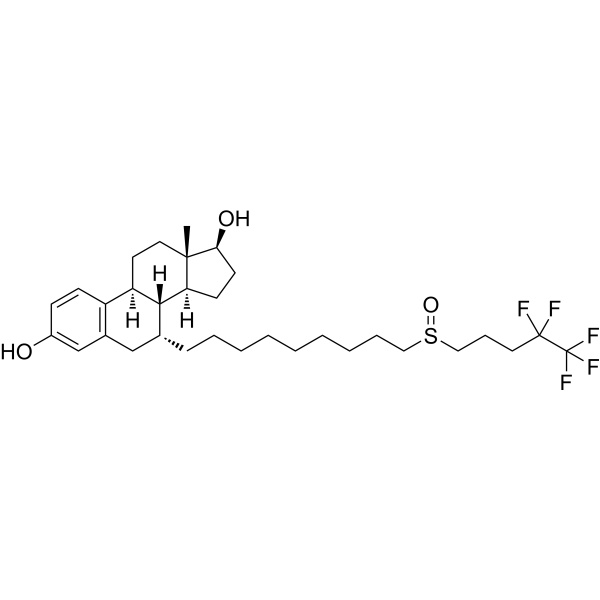
FulvestrantEstrogen Receptor Antagonist -
HY-100689
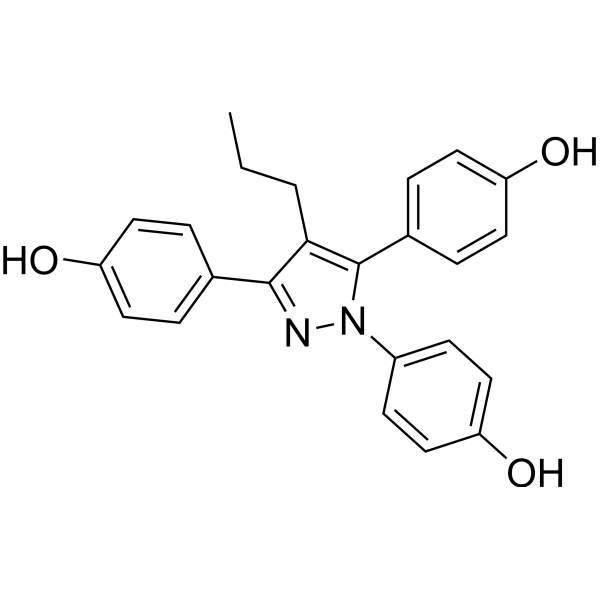
Propyl pyrazole triolERα Agonist -
HY-B0141
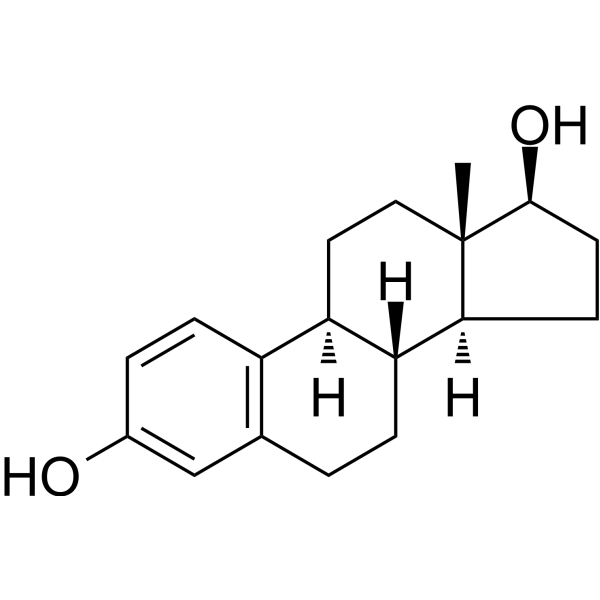
EstradiolHuman Endogenous Metabolite -
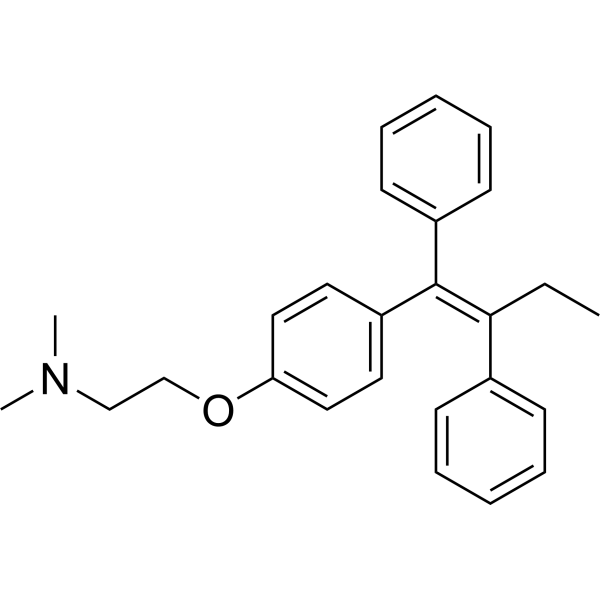
HY-13757A
TamoxifenEstrogen Receptor Modulator -
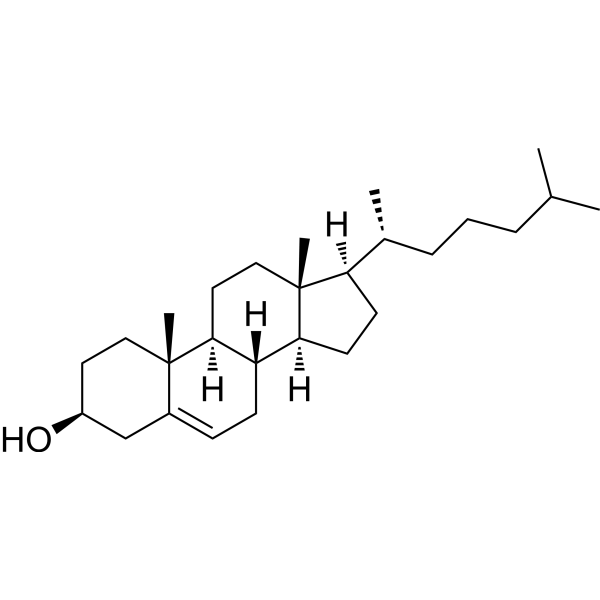
HY-N0322
Cholesterol (from animal)ERRα Agonist -
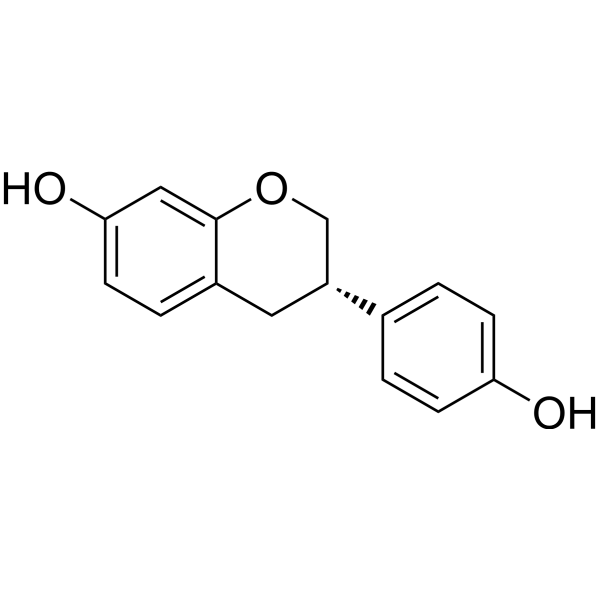
HY-100583
(-)-(S)-EquolEstrogen Receptor β Ligand -
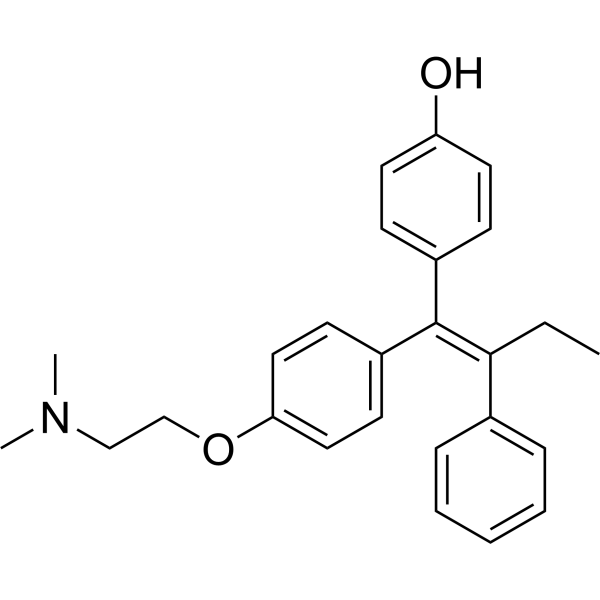
HY-16950
4-HydroxytamoxifenEstrogen Receptor Modulator -
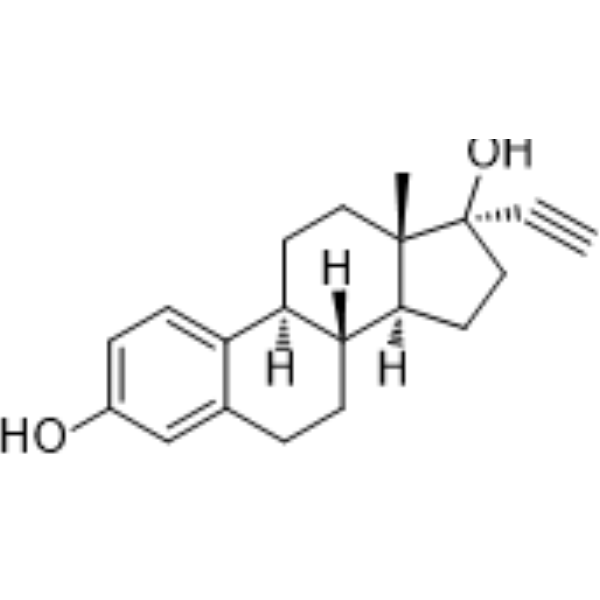
HY-B0216
EthinylestradiolEndogenous Metabolite -
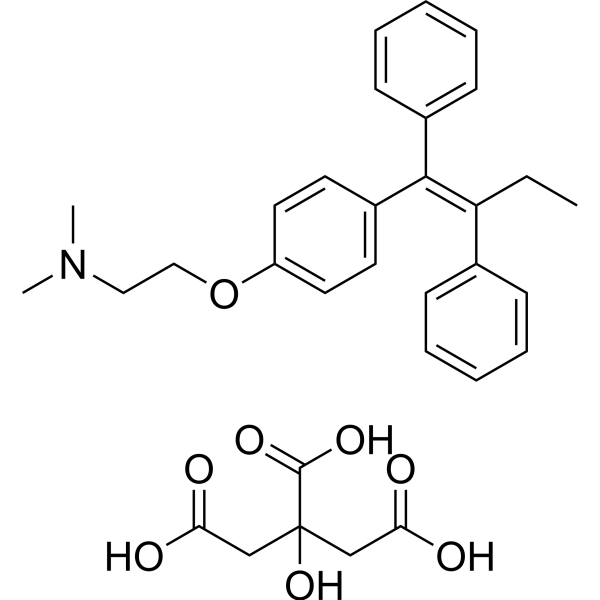
HY-13757
Tamoxifen CitrateEstrogen Receptor Modulator -
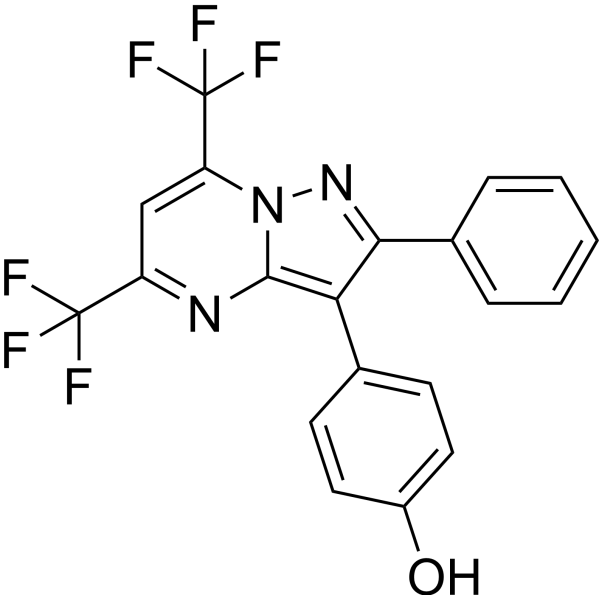
HY-103456
PHTPPERβ Antagonist -
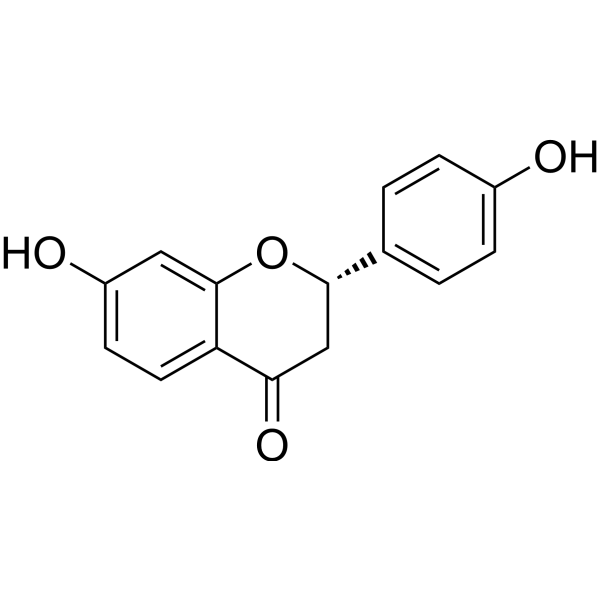
HY-N0377
LiquiritigeninEstrogen Receptor/ERR Agonist


Product Information
Information
Application
The compound is the grade of analytical standard, which is the reference standard supplied assay. It is commonly used in qualitative, quantitative and methodological research experiments in HPLC, GC and MS.


Chemical Information
-
CAS No. 1428-67-7
-
Molecular Weight 239.27
-
Formula C15H13NO2
-
SMILES
OC1=CC=C(CC(C#N)C2=CC=C(O)C=C2)C=C1
-
Synonyms
Diarylpropionitrile (Standard)
-
Shipping
Room temperature in continental US; may vary elsewhere.
-
Storage
Please store the product under the recommended conditions in the Certificate of Analysis.


Purity & Documentation
References
[1]. Meyers, M. J., et al. Estrogen Receptor-β Potency-Selective Ligands: Structure−Activity Relationship Studies of Diarylpropionitriles and Their Acetylene and Polar Analogues. Journal of Medicinal Chemistry, 2001. 44(24), 4230–4251. [Content Brief]
[2]. Suwanna N, et al. Neuroprotective effects of diarylpropionitrile against β-amyloid peptide-induced neurotoxicity in rat cultured cortical neurons. Neurosci Lett. 2014 Aug 22;578:44-9. [Content Brief]
[3]. Fuzhong Yang, et al. Physiological dosages of estradiol and diarylpropionitrile decrease depressive behavior and increase tryptophan hydroxylase expression in the dorsal raphe nucleus of rats subjected to the forced swim test. Neuroreport. 2019 Jan 16;30(2):66-70. [Content Brief]
[4]. Sherry A. Said, et al. Effects of long-term dietary administration of estrogen receptor-beta agonist diarylpropionitrile on ovariectomized female ICR (CD-1) mice. GeroScience. 2018 Aug; 40(4): 393–403. [Content Brief]

Calculators
Concentration (start) × Volume (start) = Concentration (final) × Volume (final)


DPN (Standard) Related Classifications
HY-12452R Related Classifications
 Powered by Bioz