



2MD
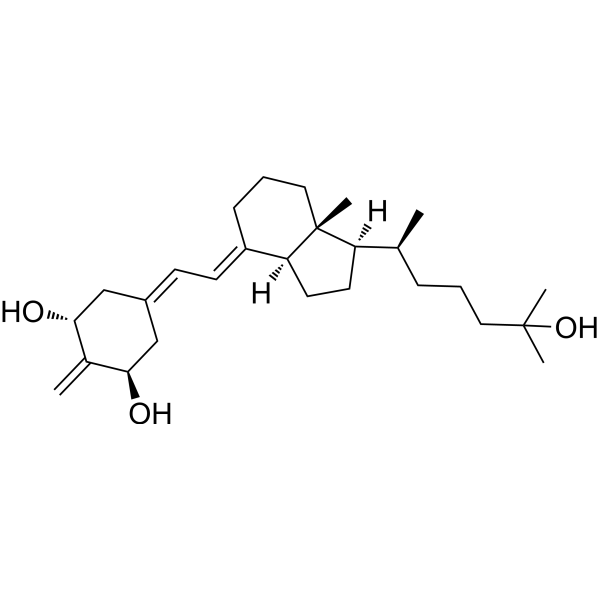
2MD is an orally active vitamin D analog. 2MD stimulates periosteal bone formation and decreases trabecular bone resorption. Thus 2MD restores trabecular and cortical bone mass and strength. 2MD also regulates intraocular pressure (IOP)-relative genes and reduces IOP in non-human primates.
연구목적의 판매만을 진행합니다. 환자를 대상으로 한 판매는 하지 않습니다.
- CAS No.: 213250-70-5
- 화학식: C27H44O3
- 분자량:416.64
-
보관:
Please store the product under the recommended conditions in the Certificate of Analysis.

To place orders, for customer services and technical support, please contact: MedChemExpress USA
Tel: 609-228-6898 E-mail: [email protected] [email protected]


-
 Biological Activity
-
Chemical Information
- Protocol
- 순도&문서
- References
-
 Help & FAQs


-
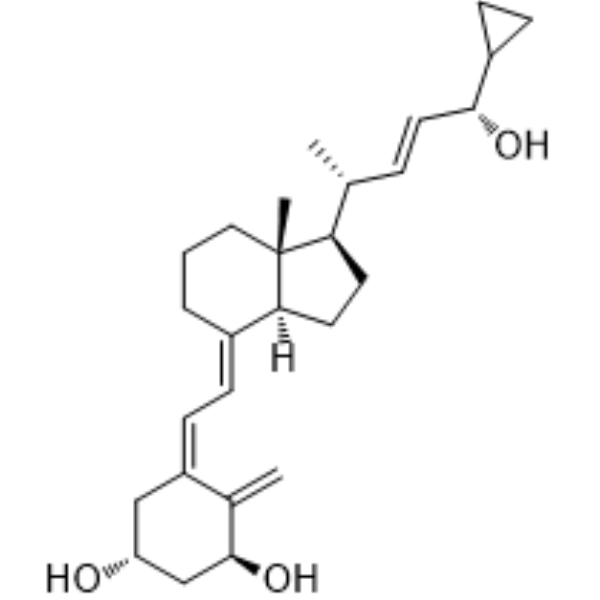
HY-10001
CalcipotriolVitamin D3 Analog -
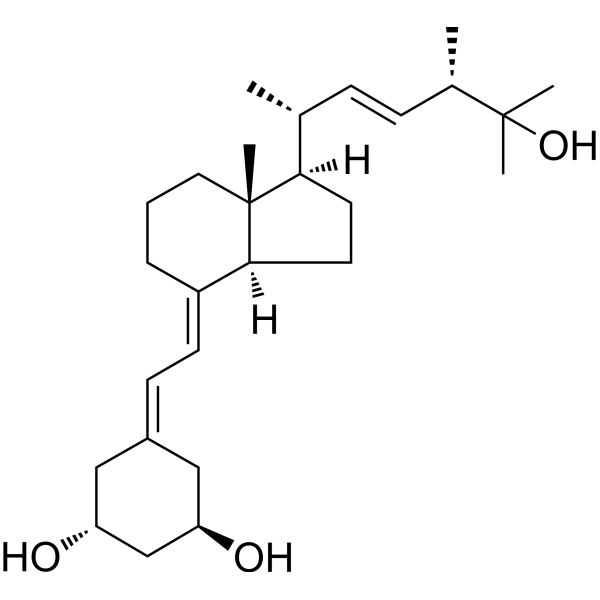
HY-50919
ParicalcitolVitamin D Receptor Agonist -
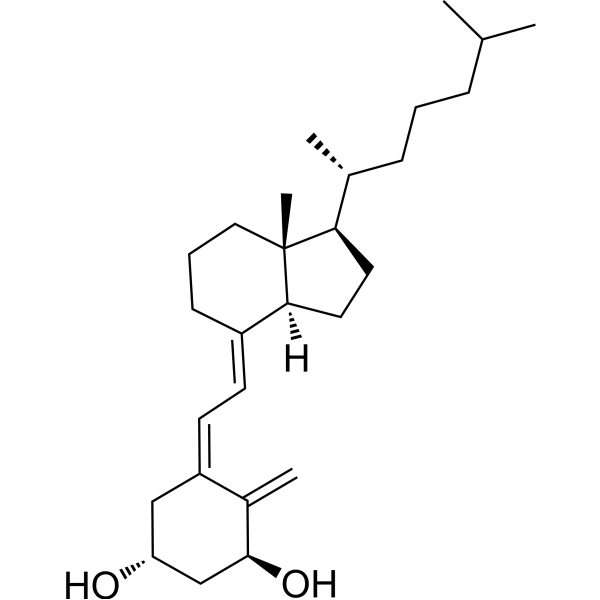
HY-10003
AlfacalcidolVDR Activator -
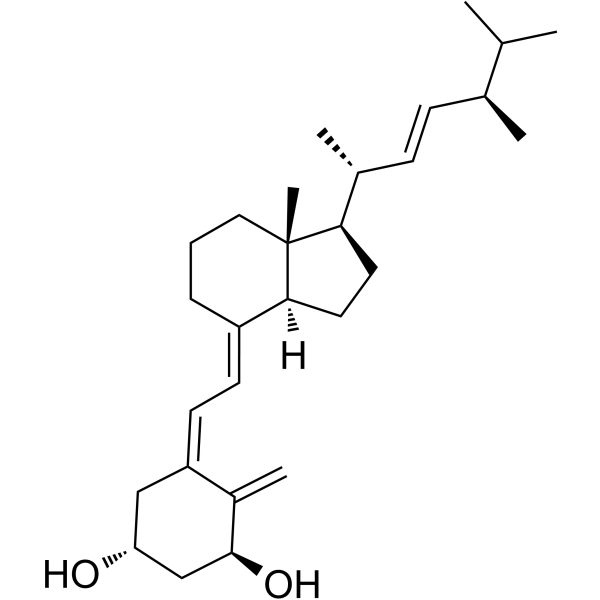
HY-32348
DoxercalciferolVD/VDR Activator -
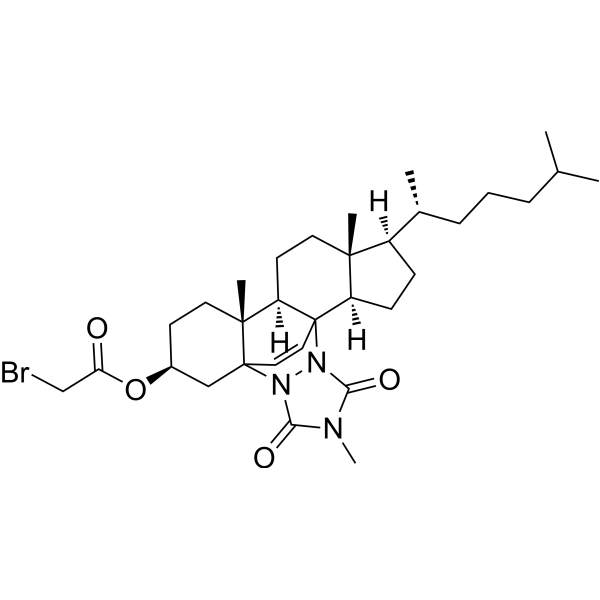
HY-147337
MeTC7VDR Antagonist -
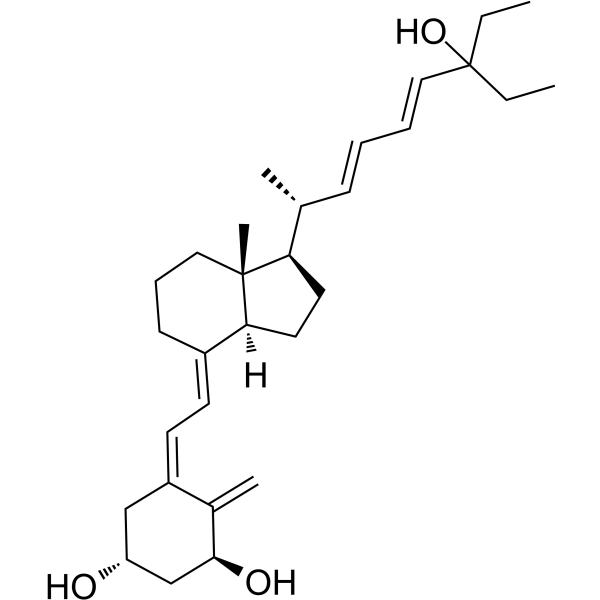
HY-32341
SeocalcitolVitamin D Agonist -
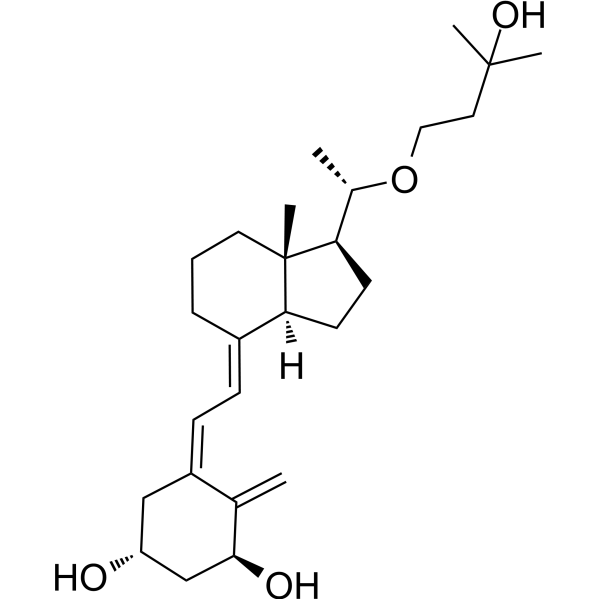
HY-32339
MaxacalcitolVDR Agonist -
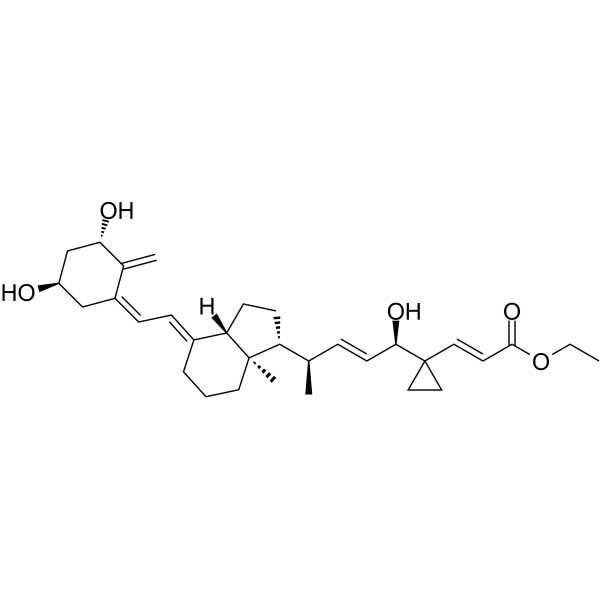
HY-12407
ZK168281VDR Antagonist -
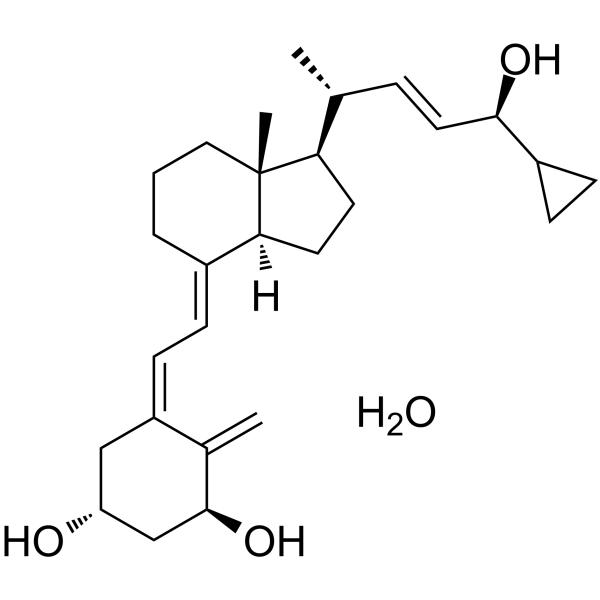
HY-10001A
Calcipotriol monohydrateVitamin D3 Analog -
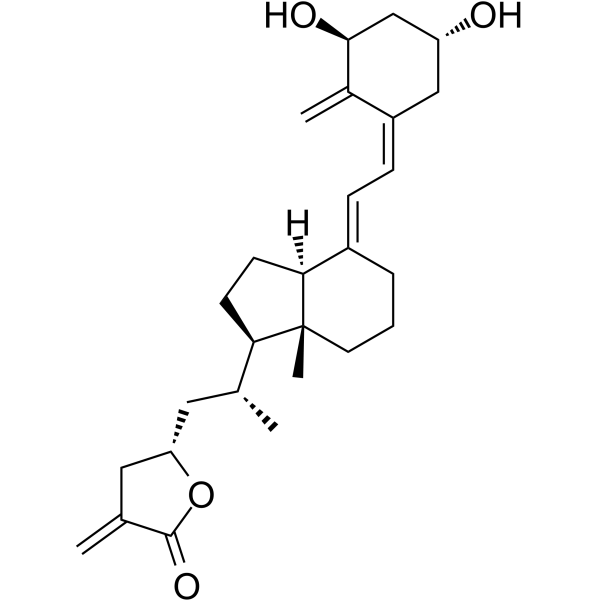
HY-12398
TEI-9647VDR Antagonist -
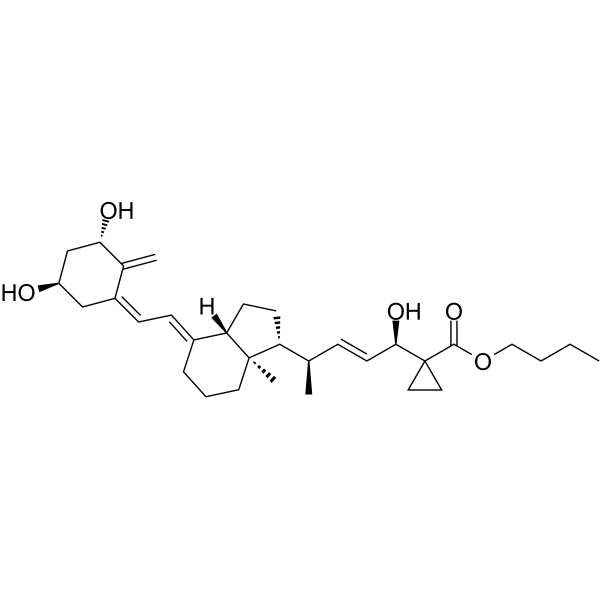
HY-12397
ZK159222VDR Antagonist -
HY-32342
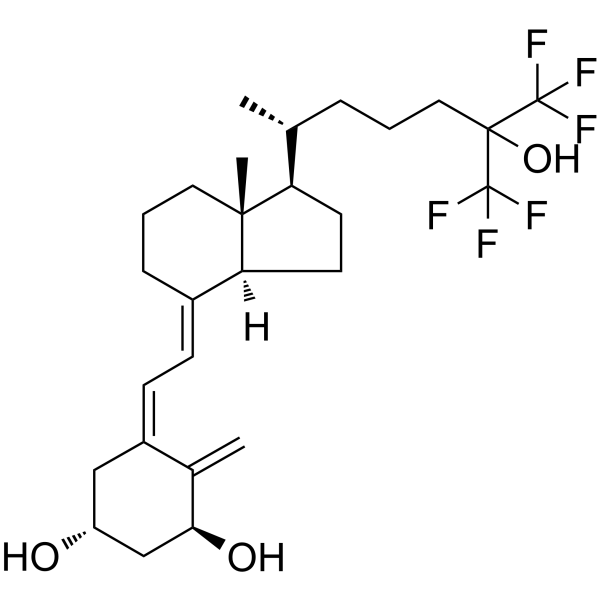
FalecalcitriolVD/VDR Activator


Biological Activity
제품 설명
Cellular Effect
|
Cell Line

|
Type | Value | Description | References |
|---|---|---|---|---|
| HL-60 | ED50 |
0.08 nM
Compound: 2, 2MD
|
Induction of human HL60 cell differentiation after 4 days by NBT reduction assay
Induction of human HL60 cell differentiation after 4 days by NBT reduction assay
|
[PMID: 22490010] |
| HL-60 | ED50 |
1.5 x 10⁻¹⁰M
Compound: 6b
|
Induced differentiation of human promyelocyte HL-60 cells into monocytes
Induced differentiation of human promyelocyte HL-60 cells into monocytes
|
[PMID: 9804706] |
In Vivo
2MD (0.5-10 ng/kg, 0,1 mL/day; p.o.; once daily for 16 weeks) not only restores both trabecular and cortical bone mass, but also increases bone mass and strength in osteopenic ovariectomized (OVX) rats by stimulating bone formation on the periosteal surface and decreasing bone resorption on the trabecular surface in rats[2].
MedChemExpress (MCE) has not independently confirmed the accuracy of these methods. They are for reference only.
-
Animal Model:Ovariectomized (OVX) rats model (Sprague-Dawley female rats; 4-month-old)[2]
-
Dosage:0.5, 1, 2.5, 5, and 10 ng/kg, 0,1 mL/day
-
Administration:Oral gavage; once daily for 16 weeks
-
Result:Significantly increased serum calcium at 2.5, 5, or 10 ng/kg/day.
Dose-dependent reduction in osteoclast number and trabecular osteoclast surface, and dose-dependent increased in periosteal bone formation.
Clinical Trial
| NCT Number | Sponsor | Condition | Start Date |
Phase
|
|---|---|---|---|---|
| NCT01329991 | Plexxikon| | 2011-05 | PHASE1 |


Chemical Information
-
CAS No. 213250-70-5
-
분자량 416.64
-
화학식 C27H44O3
-
SMILES
C[C@@]12[C@](CC[C@]2([H])[C@@H](C)CCCC(C)(O)C)([H])/C(CCC1)=C/C=C3C[C@H](C([C@@H](C\3)O)=C)O
-
선적
Room temperature in continental US; may vary elsewhere.
-
보관
Please store the product under the recommended conditions in the Certificate of Analysis.


순도&문서
References
[1]. Kutuzova GD, et al. 1α,25-Dihydroxyvitamin D(3) and its analog, 2-methylene-19-nor-(20S)-1α,25-dihydroxyvitamin D(3) (2MD), suppress intraocular pressure in non-human primates. Arch Biochem Biophys. 2012 Feb 1;518(1):53-60. [Content Brief]
[2]. Ke HZ, et al. A new vitamin D analog, 2MD, restores trabecular and cortical bone mass and strength in ovariectomized rats with established osteopenia. J Bone Miner Res. 2005 Oct;20(10):1742-55. [Content Brief]

Calculators
Concentration (start) × Volume (start) = Concentration (final) × Volume (final)


2MD Related Classifications
HY-148698 Related Classifications
 Powered by Bioz