



SN003
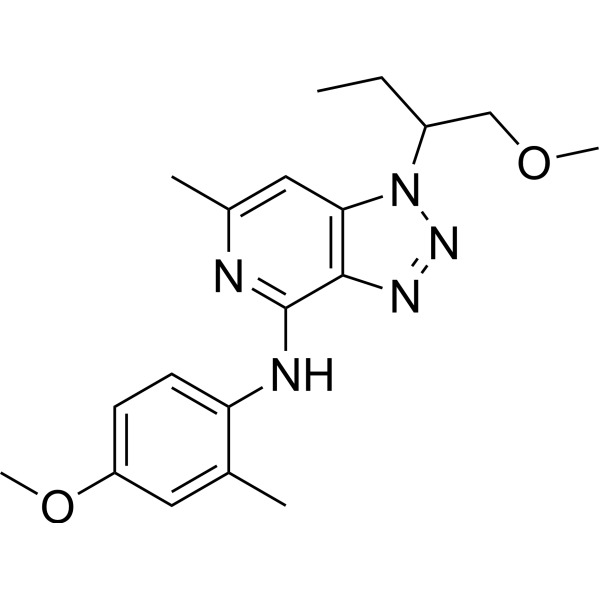
SN003 is a reversible antagonist of corticotropin releasing factor receptor 1 (CRFR 1) (IC50 = 241 nM) that displays more than 1000-fold selectivity over CRFR 2. SN003 suppresses CRF-induced ACTH release in vitro. SN003 attenuates depressive-like behavior in rat.
연구목적의 판매만을 진행합니다. 환자를 대상으로 한 판매는 하지 않습니다.
- CAS No.: 197801-88-0
- 화학식: C19H25N5O2
- 분자량:355.43
-
보관:
Please store the product under the recommended conditions in the Certificate of Analysis.

To place orders, for customer services and technical support, please contact: MedChemExpress USA
Tel: 609-228-6898 E-mail: [email protected] [email protected]


-
 Biological Activity
-
Chemical Information
- Protocol
- 순도&문서
- References
-
 Help & FAQs


-
HY-103377
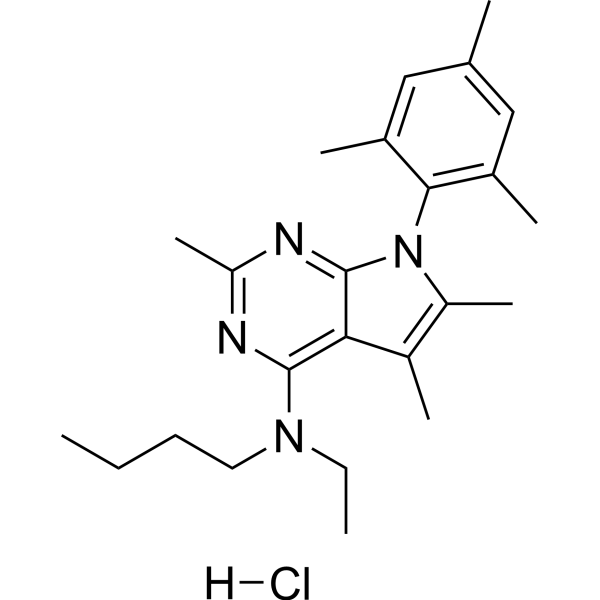
Antalarmin hydrochlorideCRHR1 Antagonist -

HY-12129
CP 154526 hydrochlorideCRF1 Antagonist -
HY-103378
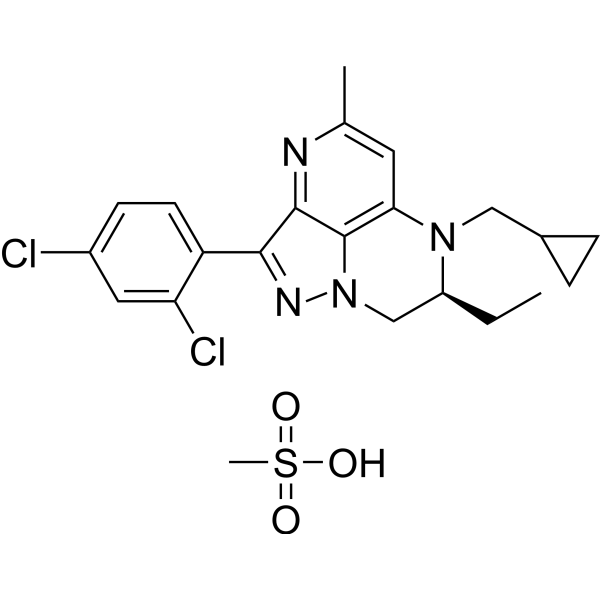
NBI 35965 methanesulfonateCRF1 Antagonist -

HY-103377R
Antalarmin hydrochloride (Standard)CRHR1 Antagonist -
HY-103376
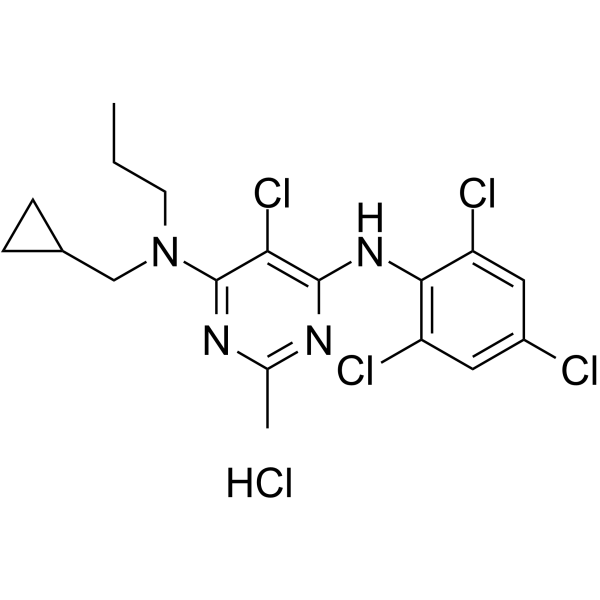
NBI-27914 hydrochlorideCRF1 Receptor Antagonist -
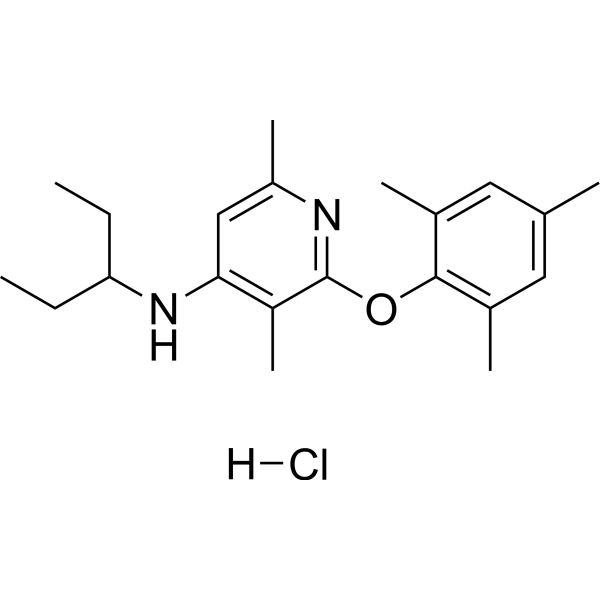
HY-103379
CP 376395 hydrochlorideCRF1 Receptor Antagonist -
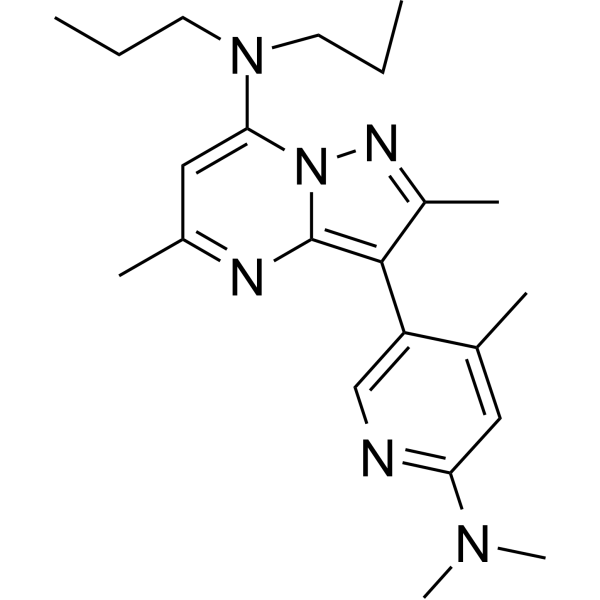
HY-14127
R121919CRF1 Receptor Antagonist -
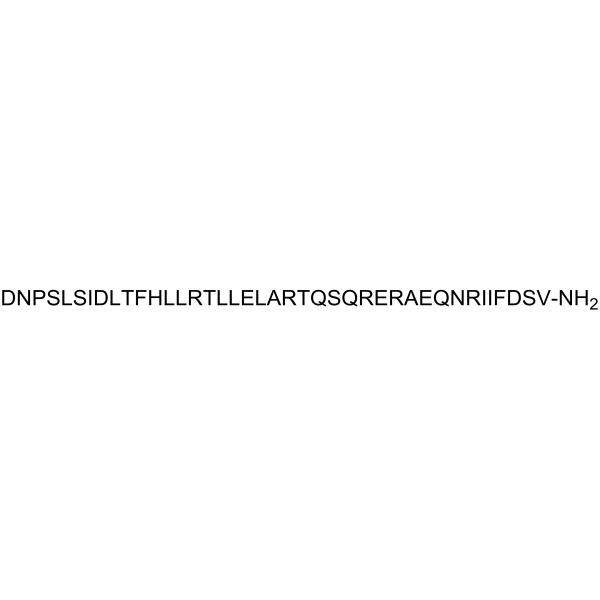
HY-P1295
Urocortin, humanCRF Receptor Agonist -
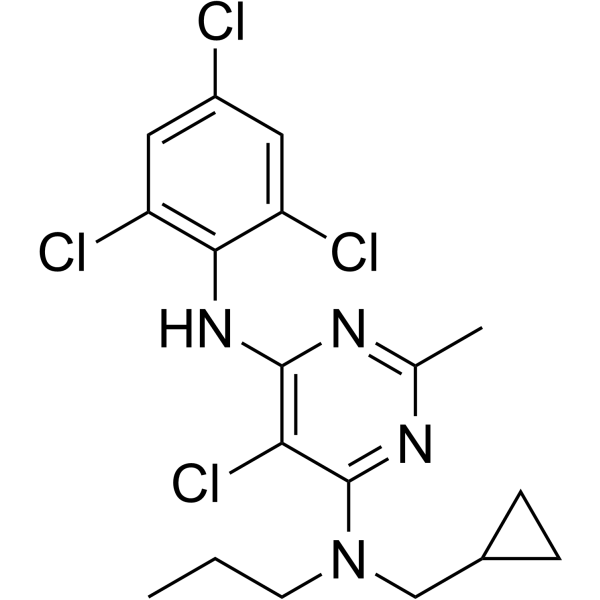
HY-135542
NBI-27914CRFR1 Antagonist -
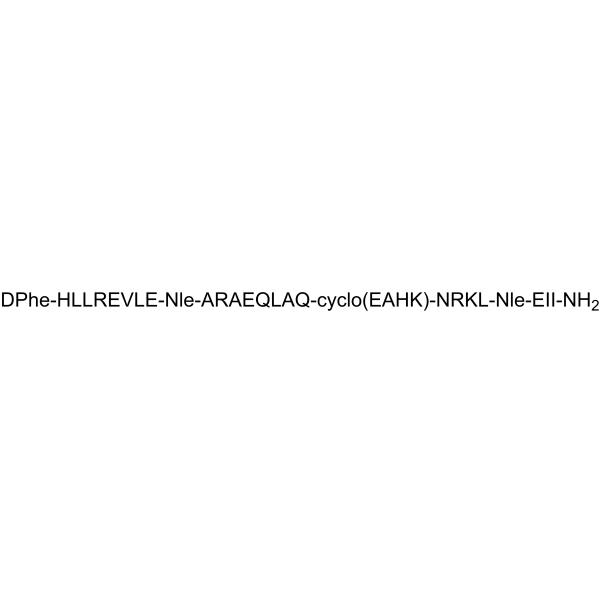
HY-P0257
AstressinCRF Antagonist -
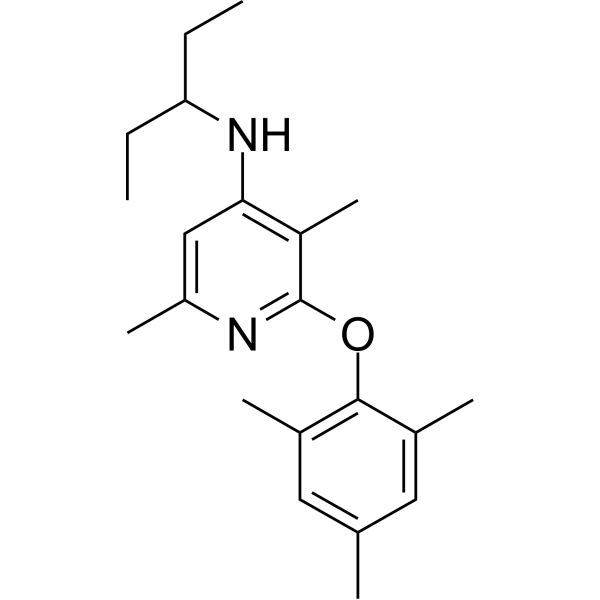
HY-14130
CP 376395CRF1 Receptor Antagonist -
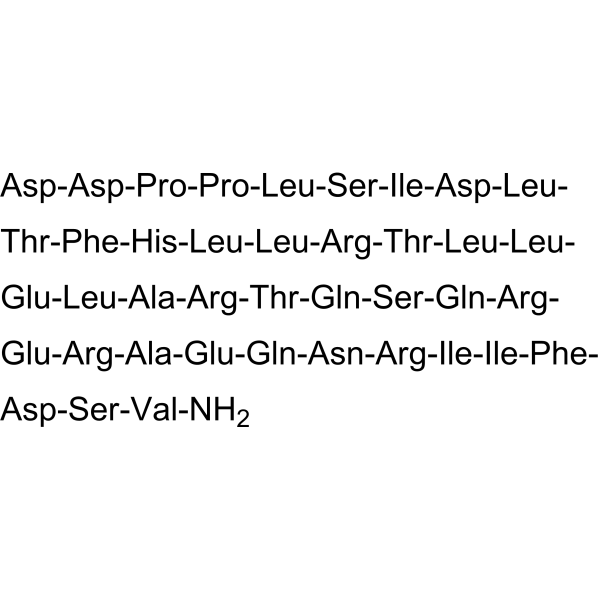
HY-P1296
Urocortin, ratCRFR Agonist


Biological Activity
제품 설명


Chemical Information
-
CAS No. 197801-88-0
-
분자량 355.43
-
화학식 C19H25N5O2
-
SMILES
CC1=CC(N(C(COC)CC)N=N2)=C2C(NC3=CC=C(OC)C=C3C)=N1
-
선적
Room temperature in continental US; may vary elsewhere.
-
보관
Please store the product under the recommended conditions in the Certificate of Analysis.

Protocol
-
Protocol for Tail Suspension Test (TST)
The Tail Suspension Test is a mouse behavioral assay in which an animal is suspended by the tail in an inescapable position, causing alternating escape-directed activity and immobility; the main readout is immobility time, and antidepressant-like treatments generally reduce immobility compared with vehicle controls. The assay detects behavioral response to acute inescapable stress rather than a molecular event; immobility is interpreted as passive stress-coping behavior, while reduced immobility is used as a predictive screen for antidepressant-like activity, with important limitations related to strain, locomotor activity, and tail-climbing behavior.
-
Protocol for Forced Swim Test (FST)
The Forced Swim Test is a rodent behavioral assay in which a mouse or rat is placed in an inescapable cylinder of water, and the main readout is the time spent immobile versus active escape-related behaviors such as swimming or climbing. Reduced immobility after treatment has historically been interpreted as antidepressant-like activity, but the assay should be interpreted as a behavioral response to acute inescapable stress rather than a complete model of human depression.
-
Protocol for Sucrose Preference Test (SPT)
The Sucrose Preference Test is a rodent two-bottle choice assay used to estimate reward-related behavior by measuring preference for a sweet sucrose solution over water. Reduced sucrose preference is commonly interpreted as an anhedonia-like phenotype in stress-based depression models, but it can also be affected by thirst, hunger, body weight, learning, motivation, and general fluid intake.


순도&문서
References
[1]. J S Dileep Kumar, et al. Synthesis and in vivo evaluation of [11C]SN003 as a PET ligand for CRF1 receptors. Bioorg Med Chem. 2006 Jun 15;14(12):4029-34. [Content Brief]
[2]. Andrzej Wróbel, et al. Inhibition of the CRF1 receptor influences the activity of antidepressant drugs in the forced swim test in rats. Naunyn Schmiedebergs Arch Pharmacol. 2017 Aug;390(8):769-774. [Content Brief]
[3]. Simeon J Ramsey, et al. Quantitative pharmacological analysis of antagonist binding kinetics at CRF1 receptors in vitro and in vivo. Br J Pharmacol. 2011 Oct;164(3):992-1007. [Content Brief]

Calculators
Concentration (start) × Volume (start) = Concentration (final) × Volume (final)


SN003 Related Classifications
HY-103375 Related Classifications
 Powered by Bioz