



Mozavaptan hydrochloride (Standard)
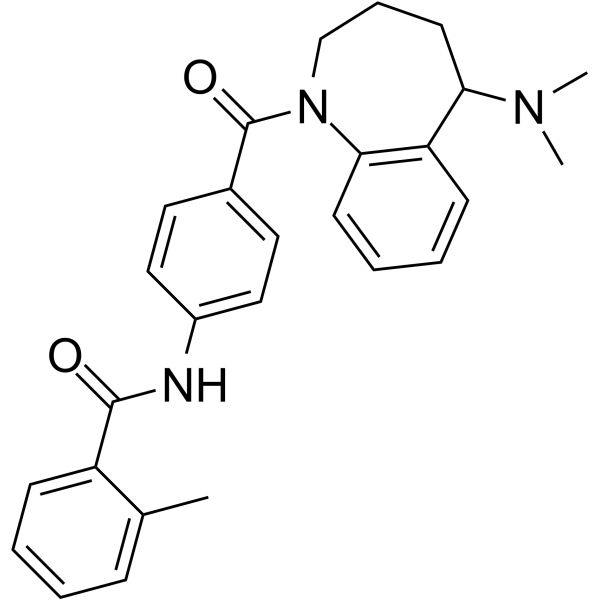
Mozavaptan (hydrochloride) (Standard) is the analytical standard of Mozavaptan (hydrochloride). This product is intended for research and analytical applications. Mozavaptan hydrochloride (OPC-31260 hydrochloride) is a benzazepine derivative and a potent, selective, competitive and orally active vasopressin V2 receptor antagonist with an IC50 of 14 nM. Mozavaptan hydrochloride shows ~85-fold selectivity for V2 receptor over V1 receptor (IC50 of 1.2 μM), and can antagonize the antidiuretic action of arginine vasopressin (AVP) in vivo. Mozavaptan hydrochloride has the potential for hyponatremia, syndrome of inappropriate antidiuretic hormone (SIADH), and congestive heart failure treatment.
For research use only. We do not sell to patients.
- Purity : 98%
- CAS No.: 138470-70-9
- Formula: C27H30ClN3O2
- Molecular Weight:464.00
-
Storage:
Please store the product under the recommended conditions in the Certificate of Analysis.


To place orders, for customer services and technical support, please contact: MedChemExpress USA
Tel: 609-228-6898 E-mail: [email protected] [email protected]


-
 Product Information
-
Chemical Information
- Purity & Documentation
-
 Help & FAQs


-
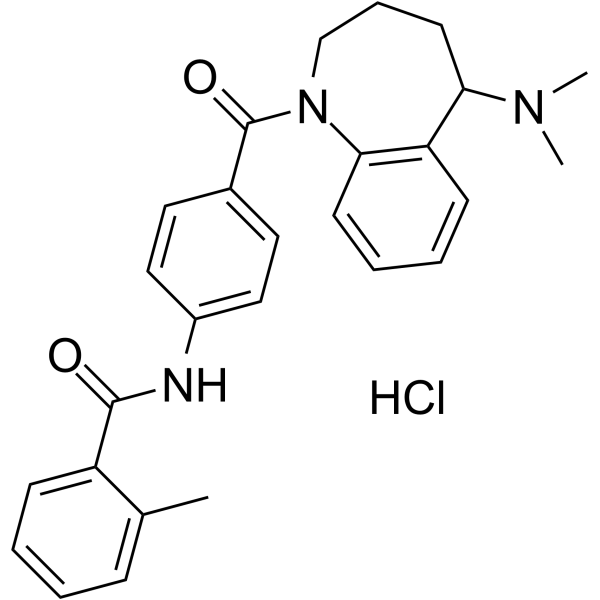
HY-123593
Mozavaptan hydrochlorideVasopressin V2 Receptor Antagonist -
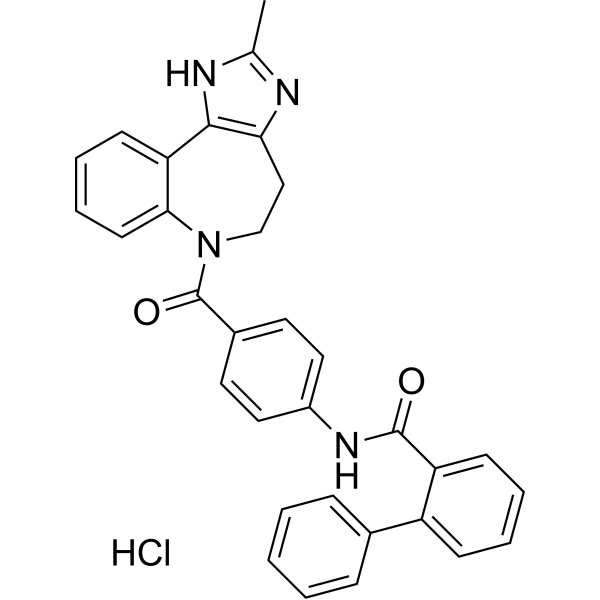
HY-18347A
Conivaptan hydrochlorideVasopressin V1a/V2 Receptor Antagonist -
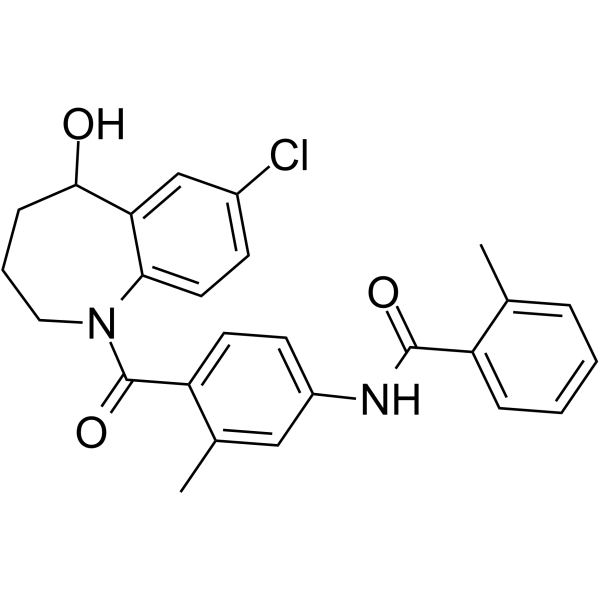
HY-17000
TolvaptanV2R Antagonist -
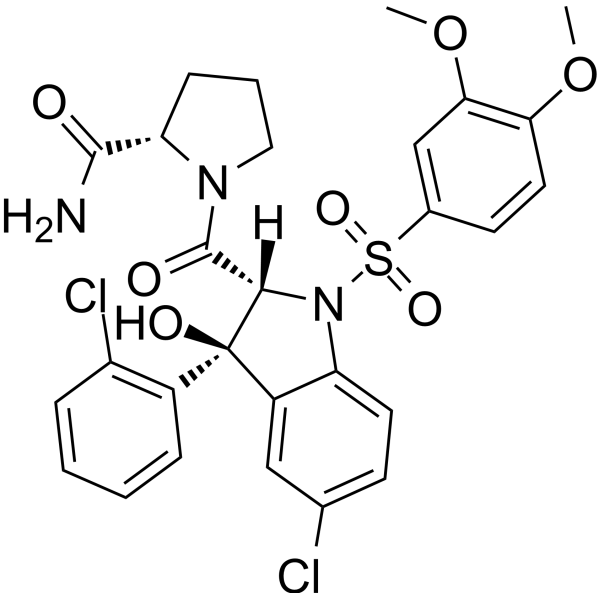
HY-18345
SR 49059Vasopressin V1a Antagonist -
HY-18346
MozavaptanVasopressin V2 Receptor Antagonist -
HY-14185
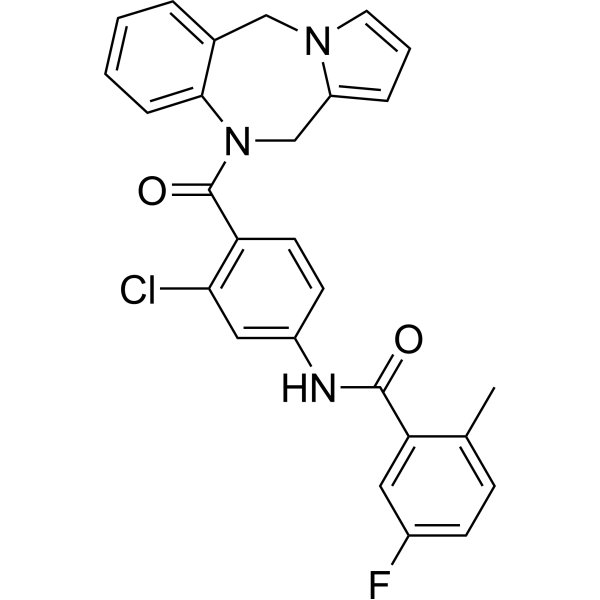
LixivaptanV2 Antagonist -
HY-12554A
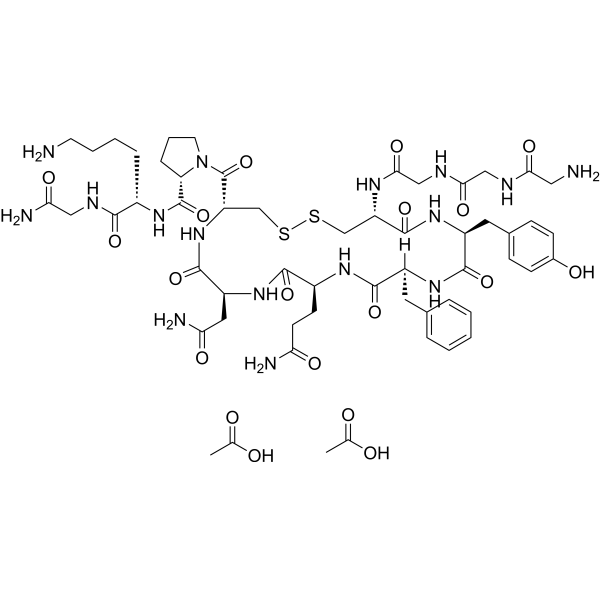
Terlipressin diacetateVasopressin V1 Receptor Agonist -
HY-109024
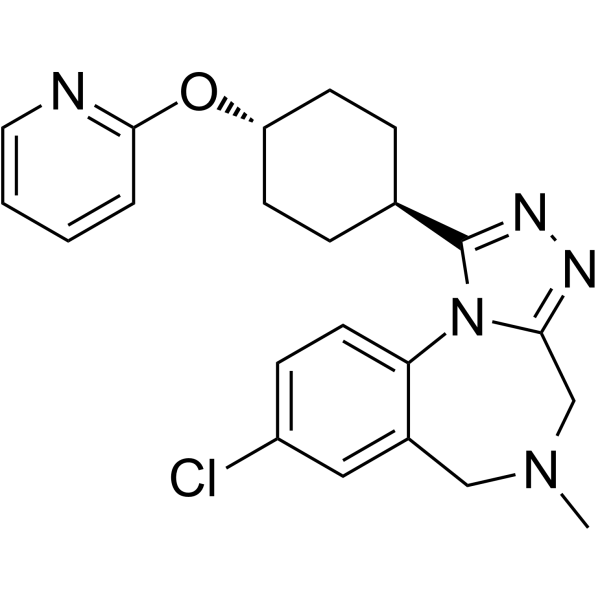
BalovaptanhV1a Receptor Antagonist -
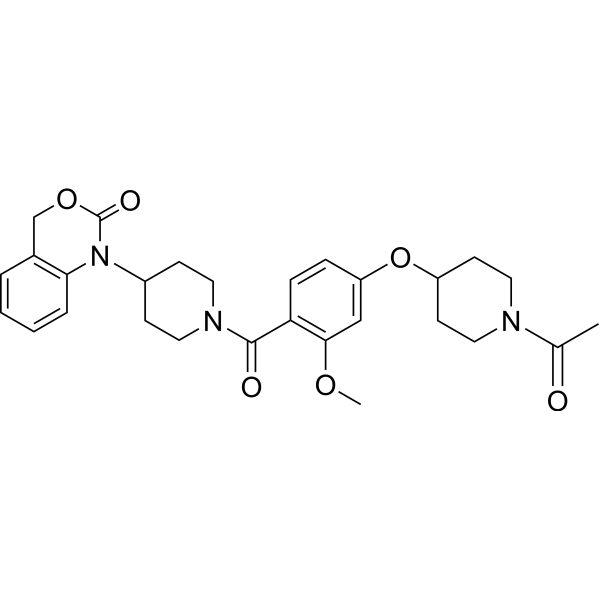
HY-15010
L-371,257Oxytocin Receptor Antagonist -
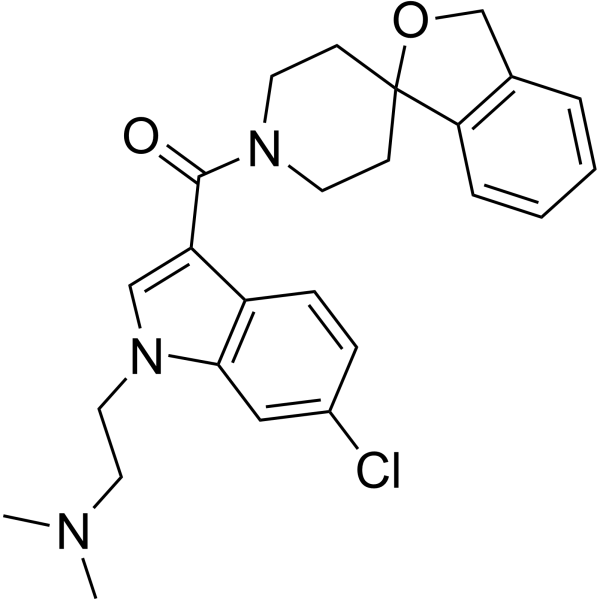
HY-12981
RG7713Vasopressin Receptor Antagonist -
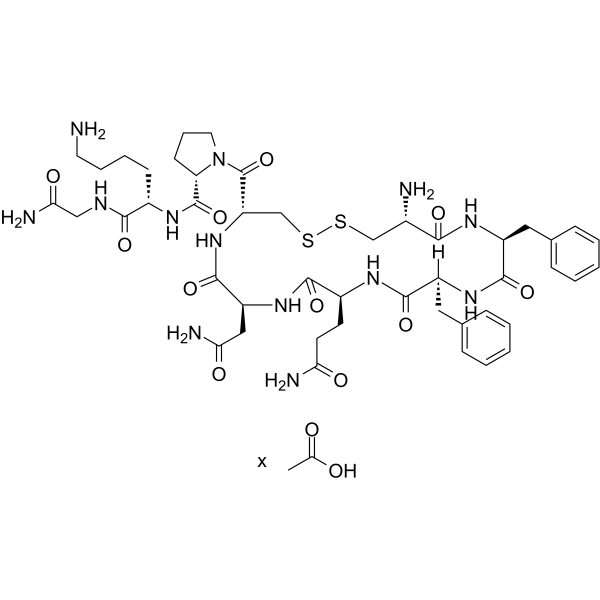
HY-A0182A
Felypressin acetateVasopressin 1 Agonist -
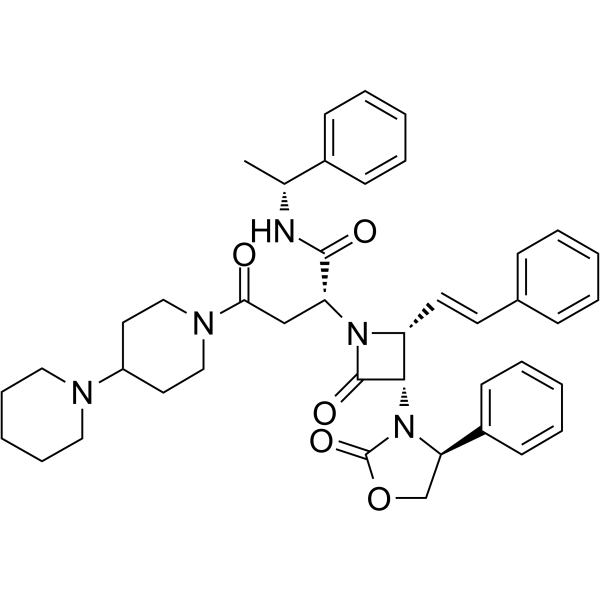
HY-105685
SRX246Vasopressin 1a Receptor Antagonist


Product Information
Information
Application
The compound is the grade of analytical standard, which is the reference standard supplied assay. It is commonly used in qualitative, quantitative and methodological research experiments in HPLC, GC and MS.


Chemical Information
-
CAS No. 138470-70-9
-
Molecular Weight 464.00
-
Formula C27H30ClN3O2
-
SMILES
CC1=CC=CC=C1C(NC2=CC=C(C(N3C(C=CC=C4)=C4C(N(C)C)CCC3)=O)C=C2)=O.Cl
-
Synonyms
OPC-31260 hydrochloride (Standard)
-
Shipping
Room temperature in continental US; may vary elsewhere.
-
Storage
Please store the product under the recommended conditions in the Certificate of Analysis.


Purity & Documentation
References
[1]. Yamamura Y, et al. Characterization of a novel aquaretic agent, OPC-31260, as an orally effective, nonpeptide vasopressin V2 receptor antagonist. Br J Pharmacol. 1992 Apr;105(4):787-91. [Content Brief]
[2]. Yamaguchi K, et al. Clinical implication of the antidiuretic hormone (ADH) receptor antagonist mozavaptan hydrochloride in patients with ectopic ADH syndrome. Jpn J Clin Oncol. 2011 Jan;41(1):148-52. [Content Brief]

Calculators
Concentration (start) × Volume (start) = Concentration (final) × Volume (final)


Mozavaptan hydrochloride (Standard) Related Classifications
HY-123593R Related Classifications
 Powered by Bioz