232 Results for "

iNOS expression

" in MedChemExpress (MCE) Product Catalog:
Products (232)

232 Results for "iNOS expression" in MCE Product Catalog:

Cat. No.: HY-14519S1
Purity:  99.69%
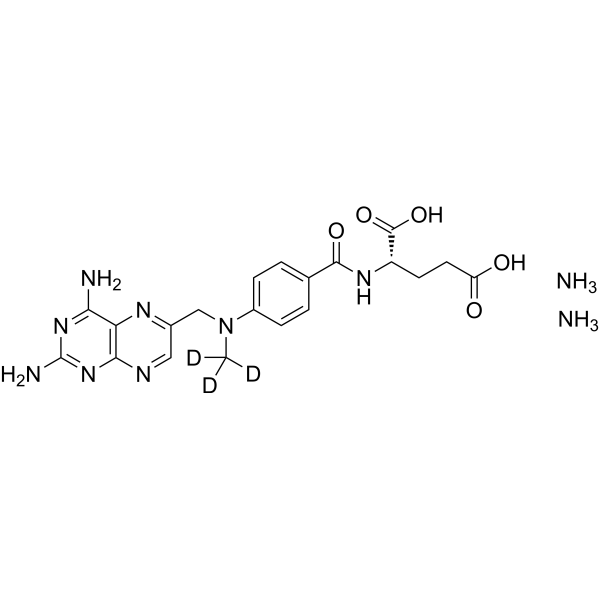
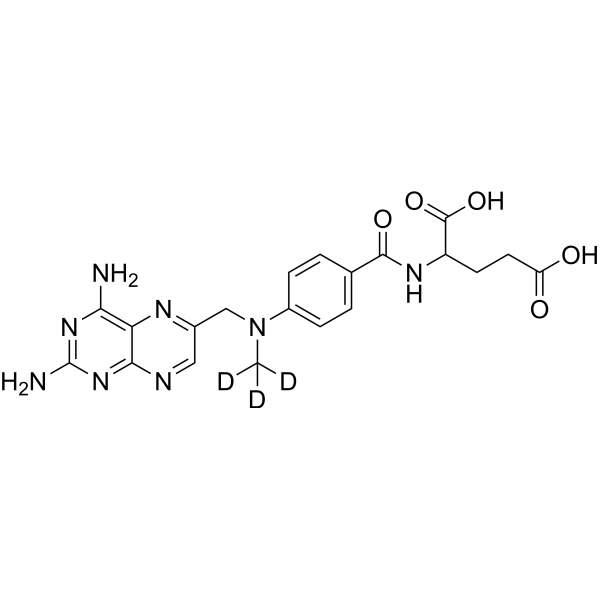
Methotrexate-d3 diammonium is the deuterated-labeled Methotrexate (HY-14519). Methotrexate (Amethopterin; CL14377; WR19039) is an orally active antifolate (Antifolate). Methotrexate inhibits dihydrofolate reductase (DHFR), blocks tetrahydrofolate production, suppresses purine/pyrimidine synthesis and transmethylation, and causes intracellular accumulation of AICAR. Methotrexate promotes extracellular adenosine release, regulates the cytokine network, and inhibits the alarmin function of HMGB1. Methotrexate induces apoptosis and cytotoxicity, upregulates the expression of iNOS and COX-2, suppresses hippocampal neurogenesis, and induces pulmonary fibrosis. Methotrexate is used in the research of various immune and inflammation-related diseases such as arthritis, psoriasis, systemic lupus erythematosus, as well as pulmonary fibrosis and breast cancer .
loading...
    loading...
Cat. No.: HY-149542
Research Areas:  

Neurological Disease

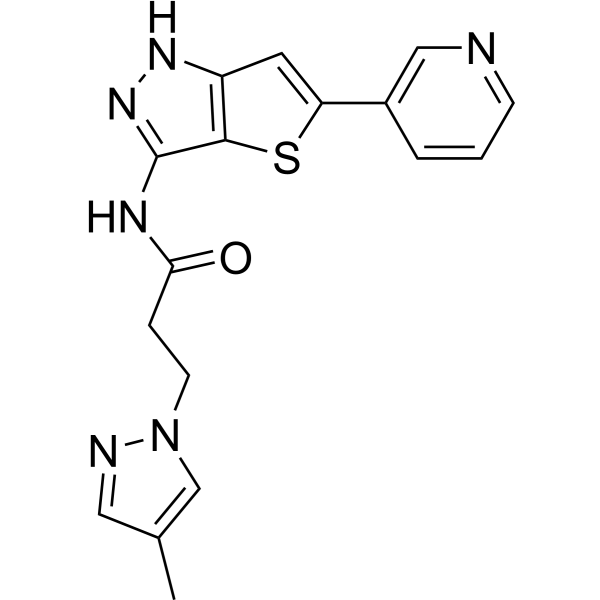
GSK-3β inhibitor 15 (Compound 54) is a GSK-3β inhibitor (IC50: 3.4 nM). GSK-3β inhibitor 15 inhibits Aβ1-42-induced GSK-3β and tau protein phosphorylation. GSK-3β inhibitor 15 inhibits LPS-induced iNOS expression. GSK-3β inhibitor 15 has neuroprotective effects on Aβ1-42-induced neurotoxicity. GSK-3β inhibitor 15 can be used for research of Alzheimer’s disease (AD) .
loading...
    loading...
Cat. No.: HY-182064
Research Areas:  

Cancer

EGFR-IN-206 is an orally active EGFR inhibitor. EGFR-IN-206 inhibits the phosphorylation of the key tumor growth protein EGFR, and suppresses the proliferation, migration and invasion of EGFR triple-mutant tumor cell lines. EGFR-IN-206 downregulates the expression of inflammation-related proteins iNOS, COX-2 and NF-κB (p65). EGFR-IN-206 promotes the secretion of NO. EGFR-IN-206 reduces the secretion of IL-6. EGFR-IN-206 induces apoptosis (apoptosis) of EGFR triple-mutant tumor cells. EGFR-IN-206 exerts antitumor activity in EGFR triple-mutant mice. EGFR-IN-206 is applicable to the research of non-small cell lung cancer .
loading...
    loading...
Cat. No.: HY-N0043R
CAS No.: 52705-93-8
Synonyms: Gypenoside VIII (Standard)
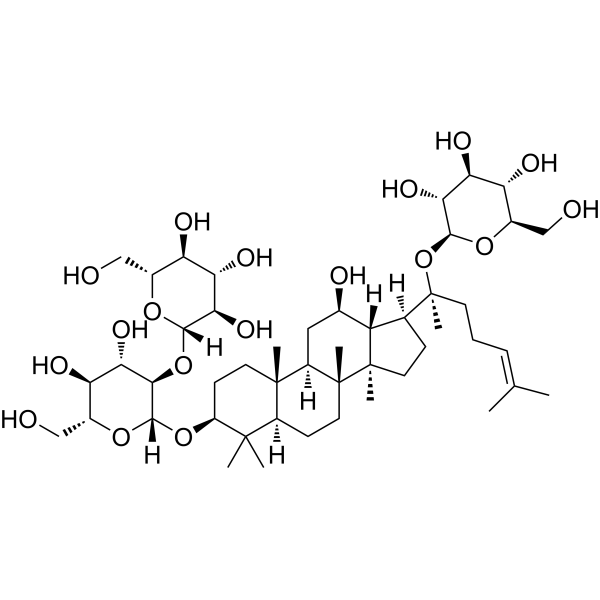
Ginsenoside Rd (Standard) is the analytical standard of Ginsenoside Rd. This product is intended for research and analytical applications. Ginsenoside Rd inhibits TNFα-induced NF-κB transcriptional activity with an IC50 of 12.05±0.82 μM in HepG2 cells. Ginsenoside Rd inhibits expression of COX-2 and iNOS mRNA. Ginsenoside Rd also inhibits Ca2+ influx. Ginsenoside Rd inhibits CYP2D6, CYP1A2, CYP3A4, and CYP2C9, with IC50s of 58.0±4.5 μM, 78.4±5.3 μM, 81.7±2.6 μM, and 85.1±9.1 μM, respectively.
loading...
    loading...
Cat. No.: HY-N7064
CAS No.: 256-96-2
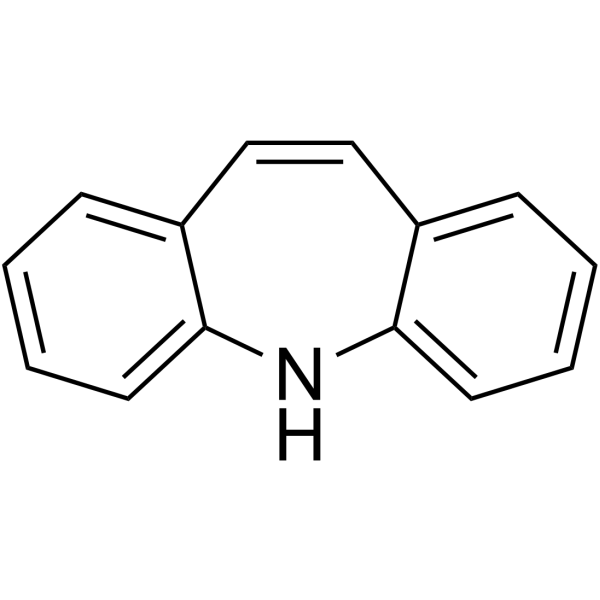
Iminostilbene is a chemical precursor of carbamazepine. Additionally, Iminostilbene is an orally active inhibitor of PKM2 (Pyruvate Kinase M2) and COX2 (Cyclooxygenase-2). Iminostilbene exerts its effects by inhibiting PKM2 and its interaction with HIF-1α and STAT3, reducing COX2 and iNOS expression, and decreasing LPS-induced release of IL-1β, IL-6, TNF-α, and MCP-1, thereby suppressing macrophage-mediated inflammatory responses and improving myocardial ischemia/reperfusion (MI/R) injury. Iminostilbene holds promise for research in inflammation regulation, cardiovascular diseases (such as MI/R injury), and macrophage-mediated immune-related diseases .
loading...
    loading...
Cat. No.: HY-W010066R
CAS No.: 28822-73-3
3,4-Dihydroxyphenylglycol (Standard) is the analytical standard of 3,4-Dihydroxyphenylglycol (HY-W010066). This product is intended for research and analytical applications. 3,4-Dihydroxyphenylglycol is a phenolic compound and antioxidant. 3,4-Dihydroxyphenylglycol can be extracted from olive oil. 3,4-Dihydroxyphenylglycol downregulates the expression of proinflammatory enzymes (iNOS, COX-2) and prevents the degradation of IκBα. 3,4-Dihydroxyphenylglycol has antioxidant properties. 3,4-Dihydroxyphenylglycol has shown positive effects on frozen-thawed ram sperm. 3,4-Dihydroxyphenylglycol can be used in the study of inflammatory-related diseases (such as ulcerative colitis) and reproductive health (sperm cryopreservation) .
loading...
    loading...
Cat. No.: HY-W040045R
CAS No.: 18466-51-8
Synonyms: Pelargonidin-3-O-glucoside chloride (Standard)
Callistephin (Pelargonidin 3-O-glucoside) chloride (Standard) is the analytical standard of Callistephin chloride (HY-W040045). This product is intended for research and analytical applications. Callistephin chloride is an anthocyanin. Callistephin chloride regulates the expression of inflammatory (reducing iNOS/TNF-α/COX-2) and apoptosis-related proteins by inhibiting p38 phosphorylation, and enhances the protective effect of Isoflurane (HY-A0134) on microglial cell damage. Callistephin chloride significantly reduces ROS levels, eliminates DPPH free radicals, protects retinal pigment epithelial cells, and inhibits lipid peroxidation. Callistephin chloride can alleviate glutamate excitotoxicity, reduce neuronal apoptosis, and protect cerebellar granule neurons. Callistephin chloride can inhibit the proliferation and metastasis of breast cancer cells by inducing apoptosis.
loading...
    loading...
Cat. No.: HY-N9541
CAS No.: 1399690-75-5
Chaetoglobosin Vb is a novel cytotoxic alkaloid with anti-inflammatory and antioxidant activities. Chaetoglobosin Vb can inhibit oxidative stress induced by LPS stimulation, reduce the production of reactive oxygen species and increase the expression of the antioxidant enzyme superoxide dismutase (SOD). Chaetoglobosin Vb significantly reduced the gene and protein expression of inducible nitric oxide synthase (iNOS) and cyclooxygenase-2 (COX-2) induced by LPS, and alleviated the production of proinflammatory cytokines such as TNF-α, IL-6 and IL-1β. Chaetoglobosin Vb exerts its biological activity through the TLR4-mediated MyD88-dependent signaling pathway and the TRIF-dependent signaling pathway, which is specifically manifested by inhibiting the phosphorylation of p38, ERK, and JNK MAPK and the translocation of NF-κB p65 subunit to the nucleus. Chaetoglobosin Vb showed no cytotoxic effect in the concentration range of 25-100 μM and promoted SOD enzyme activity and phosphorylation of p38, ERK1/2 and JNK in a dose-dependent manner .
loading...
    loading...
Cat. No.: HY-14519R
CAS No.: 59-05-2
Synonyms: Amethopterin (Standard); CL14377 (Standard); WR19039 (Standard)
Methotrexate (Standard) (Amethopterin (Standard); CL14377 (Standard); WR19039 (Standard)) is the analytical standard of Methotrexate (HY-14519). This product is intended for research and analytical applications. Methotrexate (Amethopterin; CL14377; WR19039) is an orally active antifolate (Antifolate). Methotrexate inhibits dihydrofolate reductase (DHFR), blocks tetrahydrofolate production, suppresses purine/pyrimidine synthesis and transmethylation, and causes intracellular accumulation of AICAR. Methotrexate promotes extracellular adenosine release, regulates the cytokine network, and inhibits the alarmin function of HMGB1. Methotrexate induces apoptosis and cytotoxicity, upregulates the expression of iNOS and COX-2, suppresses hippocampal neurogenesis, and induces pulmonary fibrosis. Methotrexate is used in the research of various immune and inflammation-related diseases such as arthritis, psoriasis, systemic lupus erythematosus, as well as pulmonary fibrosis and breast cancer .
loading...
    loading...
Cat. No.: HY-146066
CAS No.: 2108714-20-9
Purity:  99.54%
α7 nAchR-JAK2-STAT3 agonist 1 is a potent α7 nAchR-JAK2-STAT3 agonist, with an IC50 value of 0.32 μM for nitric oxide (NO). α7 nAchR-JAK2-STAT3 agonist 1 effectively suppresses the expression of iNOS, IL-1β, and IL-6 in murine RAW264.7 macrophages. α7 nAchR-JAK2-STAT3 agonist 1 can inhibit LPS-induced NO release, NF-κB activation and cytokine production. α7 nAchR-JAK2-STAT3 can be used for researching sepsis .
loading...
    loading...
Cat. No.: HY-184324
CAS No.: 2975573-18-1
Anti-inflammatory agent 116 is an anti-inflammatory agent. Anti-inflammatory agent 116 inhibits the abnormal activation of the NF-κB/MAPK signaling pathway. Anti-inflammatory agent 116 binds to the p50 subunit and impairs the DNA-binding ability of the p65-p50 heterodimer. Anti-inflammatory agent 116 inhibits LPS-induced production of NO and MtROS, secretion of IL-1β and TNF-α, expression of iNOS and COX-2, phosphorylation of IKK, IκB, p65, p38, ERK and JNK, as well as nuclear translocation of p65. Anti-inflammatory agent 116 alleviates sepsis-associated acute liver injury in mice. Anti-inflammatory agent 116 can be used for the research of sepsis-associated acute liver injury .
loading...
    loading...
Cat. No.: HY-184698
CAS No.: 3072761-08-8
Nrf2/HO-1 activator 4 is a Nrf2/HO-1 activator. Nrf2/HO-1 activator 4 inhibits nitric oxide production and the expression of pro-inflammatory cytokines IL-1β, IL-6, TNF-α, as well as upstream inflammatory enzymes COX-2 and iNOS. Nrf2/HO-1 activator 4 reduces ROS accumulation, and restores GSH levels and SOD activity. Nrf2/HO-1 activator 4 ameliorates depression-like behaviors in mice. Nrf2/HO-1 activator 4 can be used for research on major depressive disorder .
loading...
    loading...
Cat. No.: HY-N7700
CAS No.: 15769-56-9
Synonyms: G2013
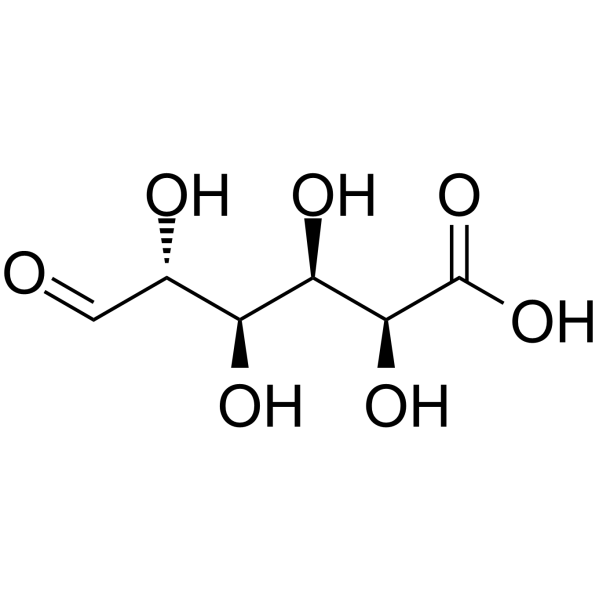
Guluronic acid (G2013) is an orally active oxidative stress regulator and anti-inflammatory agent that exerts pharmacological effects by down-regulating various pro-inflammatory and oxidative stress-related genes (such as TLR4, NF-κB, iNOS, etc.) and inhibiting the activities of COX-2, MMPs and VEGF. Low-dose Guluronic acid up-regulates the expression of immunoregulatory genes SHIP1 and SOCS1, thereby effectively inhibiting cancer-related inflammation, tumor angiogenesis, cell adhesion and metastasis, while reducing the accumulation of immunosuppressive cells. Guluronic acid significantly prolongs the survival time of tumor-bearing hosts within a concentration range without direct cytotoxicity, demonstrating favorable safety. Guluronic acid has involved in the research of multiple sclerosis, ankylosing spondylitis, breast cancer and other inflammatory diseases .
loading...
    loading...
Cat. No.: HY-W753956
CAS No.: 3044090-39-0
Iminostilbene-d10 is the deuterium labeled Iminostilbene (HY-N7064). Iminostilbene is a chemical precursor of carbamazepine. Additionally, Iminostilbene is an orally active inhibitor of PKM2 (Pyruvate Kinase M2) and COX2 (Cyclooxygenase-2). Iminostilbene exerts its effects by inhibiting PKM2 and its interaction with HIF-1α and STAT3, reducing COX2 and iNOS expression, and decreasing LPS-induced release of IL-1β, IL-6, TNF-α, and MCP-1, thereby suppressing macrophage-mediated inflammatory responses and improving myocardial ischemia/reperfusion (MI/R) injury. Iminostilbene holds promise for research in inflammation regulation, cardiovascular diseases (such as MI/R injury), and macrophage-mediated immune-related diseases .
loading...
    loading...
Cat. No.: HY-W923189
CAS No.: 106-26-3
Neral is a plant-derived anti-inflammatory, antioxidant and anticancer agent. Neral inhibits the phosphorylation of ERK1/2, p38 MAPK and IκB in macrophages induced by LPS (HY-D1056), suppresses the secretion of TNF-α and IL-6, as well as the expression of pro-IL-1β, iNOS and COX-2 in cells, and reduces the production of ROS in cells. Neral inhibits the activation of the NLRP3 inflammasome, and decreases the activation of caspase-1 and the secretion of IL-1β in mouse macrophages. Neral induces autophagy, and exhibits antiproliferative activity both in in vitro breast cancer cell models and mouse xenograft models. Neral regulates brassinosteroid, jasmonic acid and ethylene signaling pathways, and induces the expression of AP2/ERF-ERF and bHLH family genes in rice roots. Neral acts as a herbicide safener, alleviates the damage induced by Fenoxaprop-P-ethyl (HY-B2013), and promotes the elongation of rice roots. Neral can be used in research related to breast cancer, inflammatory and immune system diseases, and herbicide safeners .
loading...
    loading...
Cat. No.: HY-121151S
Synonyms: (±)-Amethopterin-d3; (±)-CL14377-d3; (±)-WR19039-d3
(±)-Methotrexate-d3 ((±)-Amethopterin-d3; (±)-CL14377-d3; (±)-WR19039-d3) is the deuterated-labeled (±)-Methotrexate (HY-121151). (±)-Methotrexate is the racemate of Methotrexate (HY-14519). Methotrexate is an orally active antifolate (Antifolate). Methotrexate inhibits dihydrofolate reductase (DHFR), blocks tetrahydrofolate production, suppresses purine/pyrimidine synthesis and transmethylation, and causes intracellular accumulation of AICAR. Methotrexate promotes extracellular adenosine release, regulates the cytokine network, and inhibits the alarmin function of HMGB1. Methotrexate induces apoptosis and cytotoxicity, upregulates the expression of iNOS and COX-2, suppresses hippocampal neurogenesis, and induces pulmonary fibrosis. Methotrexate is used in the research of various immune and inflammation-related diseases such as arthritis, psoriasis, systemic lupus erythematosus, as well as pulmonary fibrosis and breast cancer .
loading...
    loading...
Cat. No.: HY-173518
CAS No.: 3064262-80-9
SIN 14, a derivative of Sinomenine (HY-15122), is an orally active HO-1 activator (KD = 17.2 μM). SIN 14 binds to the catalytic core domain of HO-1 and induces HO-1 activation in catalysis. SIN 14 significantly increases HO-1 stability. SIN 14 has anti-inflammatory effects and inhibits M1 macrophage polarization while promoting M2 polarization in LPS (Lipopolysaccharides)(HY-D1056)-induced RAW264.7 cells. SIN 14 inhibits inflammatory mediator production (eg: NO, IL-6, IL-1β and CCL2, inhibits production of ROS and down-regulates the expression of COX-2 and iNOS. SIN 14 can inhibit RA-related inflammatory edema in collagen-induced arthritis (ClA) mice .
loading...
    loading...
Cat. No.: HY-P1181
CAS No.: 868247-72-7
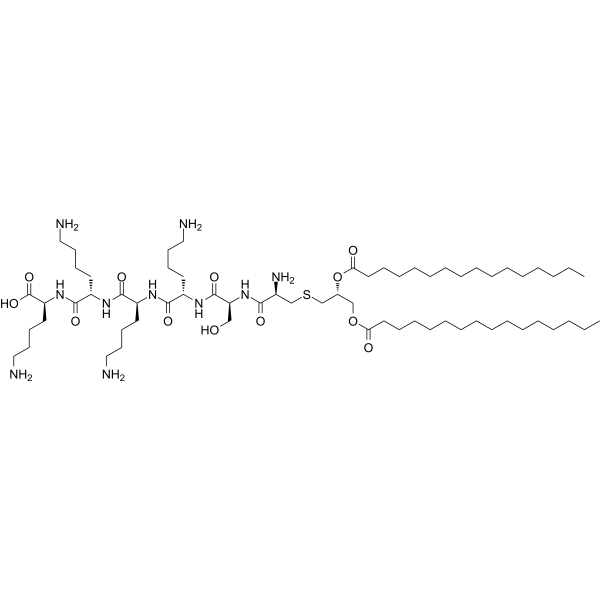
Pam2CSK4 is a TLR2 agonist. Pam2CSK4 induces the expression of iNOS and NO in macrophage cell lines via TBK1 and MyD88 molecules. Pam2CSK4 activates the NF-κB and Bruton's tyrosine kinase signaling pathways in platelets, and promotes platelet-endothelial cell interactions. TLR2 activation triggered by Pam2CSK4 expands myeloid-derived suppressor cells (MDSCs) and suppresses anti-tumor immune responses in the tumor microenvironment. Pam2CSK4 acts as a Th2-polarizing adjuvant in mouse vaccine models against Leishmania major and Brugia malayi. Pam2CSK4 can be used in the research of various diseases, including thromboinflammatory diseases, sepsis, atherosclerosis, heart failure, influenza, lymphoma, melanoma, cutaneous leishmaniasis and lymphatic filariasis .
loading...
    loading...
Cat. No.: HY-118160
CAS No.: 65240-86-0
Synonyms: NSC 73233
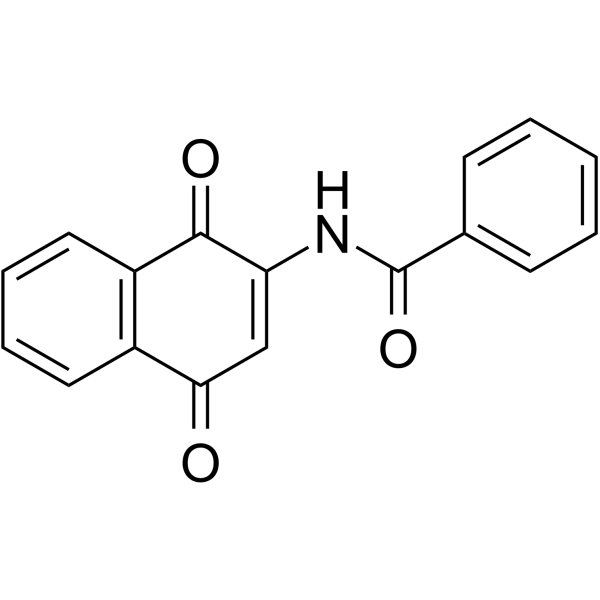
PPM-18 (NSC 73233) is a Vitamin K (HY-B2172) analog. PPM-18 prevents LPS-induced IκBα degradation, thereby inhibiting NF-κB activation and nuclear translocation of NF-κB. PPM-18 inhibits LPS-induced nitrite production and iNOS expression. PPM-18 inhibits HDAC6. PPM-18 induces ROS accumulation, activates AMPK, inhibits the mTORC1 and PI3K/AKT pathways, initiates Autophagy, and induces Apoptosis. PPM-18 suppresses seizures in zebrafish and mouse epilepsy models. PPM-18 prevents LPS-induced lethal toxicity and delayed hypotension. PPM-18 exhibits anticancer activity against leukemia and bladder cancer. PPM-18 can be used in research related to septic shock, bladder cancer and atherosclerosis .
loading...
    loading...
Cat. No.: HY-14519AR
CAS No.: 7413-34-5
Synonyms: Amethopterin disodium (Standard); CL14377 disodium (Standard); WR19039 disodium (Standard)
Methotrexate disodium (Standard) (Amethopterin disodium (Standard); CL14377 disodium (Standard); WR19039 disodium (Standard)) is the analytical standard of Methotrexate disodium (HY-14519A). This product is intended for research and analytical applications. Methotrexate disodium (Amethopterin disodium; CL14377 disodium; WR19039 disodium) is an orally active antifolate (Antifolate). Methotrexate disodium inhibits dihydrofolate reductase (DHFR), blocks tetrahydrofolate production, suppresses purine/pyrimidine synthesis and transmethylation, and causes intracellular accumulation of AICAR. Methotrexate disodium promotes extracellular adenosine release, regulates the cytokine network, and inhibits the alarmin function of HMGB1. Methotrexate disodium induces apoptosis and cytotoxicity, upregulates the expression of iNOS and COX-2, suppresses hippocampal neurogenesis, and induces pulmonary fibrosis. Methotrexate disodium is used in the research of various immune and inflammation-related diseases such as arthritis, psoriasis, systemic lupus erythematosus, as well as pulmonary fibrosis and breast cancer .
loading...
    loading...

