250 Results for "

precursor cells

" in MedChemExpress (MCE) Product Catalog:
Products (250)

250 Results for "precursor cells" in MCE Product Catalog:

Cat. No.: HY-106000
CAS No.: 720691-69-0
Purity:  99.09%
Target:  

Histamine Receptor

Research Areas:  

Neurological Disease

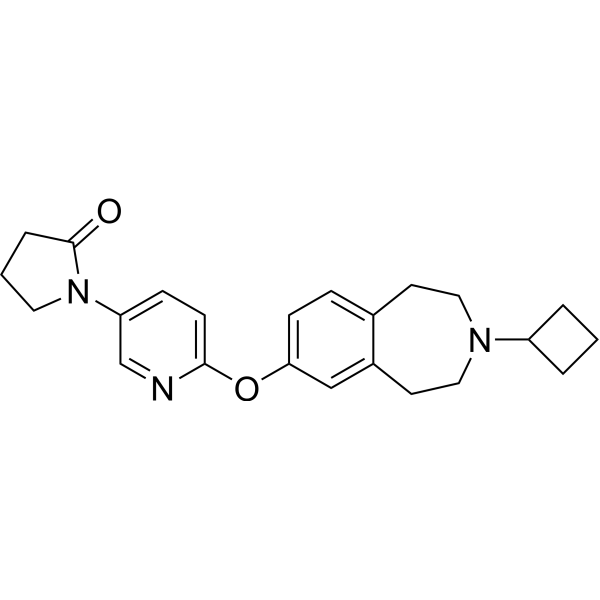
GSK239512 is a blood-brain barrier-permeable, orally active H3 receptor antagonist, with a human pKi ranging from <5.5 to 9.92 and a murine pKi ranging from 9.44 to 9.83. GSK239512 modulates cholinergic and monoaminergic neurotransmission, blocks the inhibitory feedback of H3 receptors, and increases the release of pro-cognitive neurotransmitters. GSK239512 induces oligodendrocyte precursor cell differentiation and restores myelin gene expression at the cellular level. GSK239512 reverses Scopolamine (HY-N0296)-induced memory deficits and improves recognition memory in animal models. GSK239512 can be used in research related to Alzheimer's disease, chronic traumatic encephalopathy, relapsing-remitting multiple sclerosis, and schizophrenia .
loading...
    loading...
Cat. No.: HY-136500
CAS No.: 42935-17-1
Purity:  ≥95.0%
Synonyms: PGH2
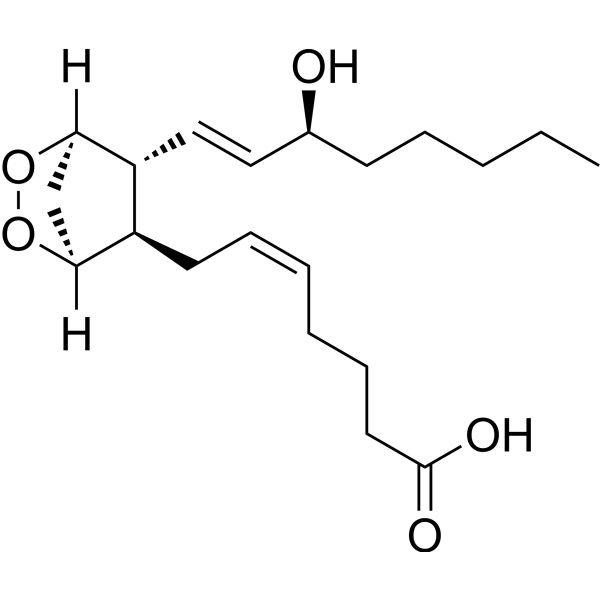
Prostaglandin H2 (PGH2) is an endothelium-derived contracting factor. Prostaglandin H2 can cause vasoconstriction. Prostaglandin H2 is the common precursor of all PGs and is produced by several cells that express cyclooxygen-ases. Prostaglandin H2 can activate PGD2 receptors CRTH2 and DP via interacting directly with the receptors and/or by giving rise to PGD2 after catalytic conversion by plasma proteins. Prostaglandin H2 can induce eosinophils migration and inhibit platelet aggregation. Prostaglandin H2 can accelerate the formation of dimers and higher oligomers of amyloid β1-42. Prostaglandin H2 can be used for the researches of inflammation and neurological disease, such as Alzheimer disease .
loading...
    loading...
Cat. No.: HY-141581S
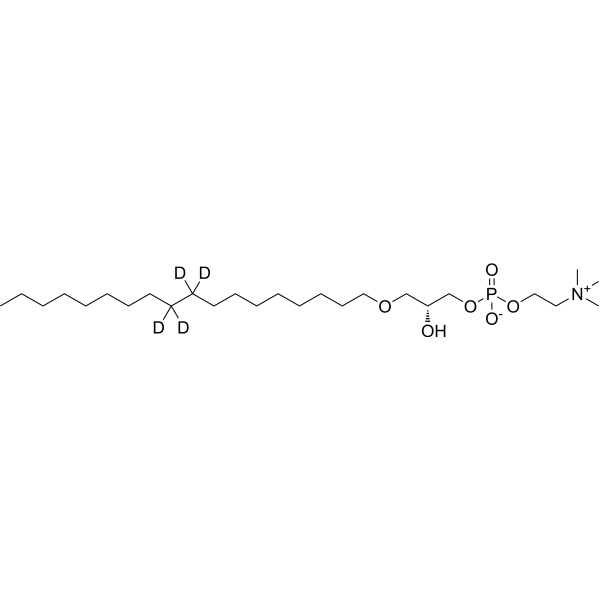
Lyso-PAF C-18-d4 is the deuterated-labeled Lyso-PAF C-18 (HY-141581). Lyso-PAF C-18 is a single-chain ether phospholipid with membrane regulatory activity, and Lyso-PAF is the deacetylated inactive precursor of PAF. Lyso-PAF C-18 regulates the activity of plasma membrane Ca 2+-ATPase, and its mechanism of action may involve altering the lipid microenvironment of this enzyme. Lyso-PAF C-18 activates the calcium ATPase in rat synaptosomal membranes and inhibits the calcium ATPase in rat leukocyte membranes. Lyso-PAF C-18 can be used in cell membrane-related research .
loading...
    loading...
Cat. No.: HY-17431R
CAS No.: 226700-81-8
Synonyms: GW433908G (Standard)
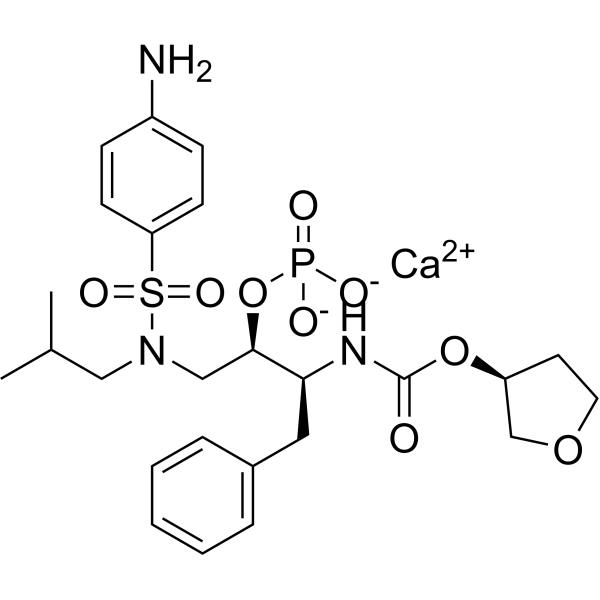
Fosamprenavir Calcium Salt (GW433908G) (Standard) is the analytical standard of Fosamprenavir Calcium Salt (HY-17431R). This product is intended for research and analytical applications. Fosamprenavir Calcium Salt (GW433908G) is an orally active inhibitor targeting HIV-1 protease and is a prodrug of Amprenavir (HY-17430). Fosamprenavir Calcium Salt is hydrolyzed into Amprenavir (VX-478) by cell phosphatases in the intestinal epithelium. Amprenavir binds to the active site of HIV-1 protease, preventing the processing of viral gag and gag-pol polyprotein precursors, thereby inhibiting the formation of mature infectious virus particles and exerting anti-HIV-1 infection activity. Fosamprenavir Calcium Salt can be used for the study of human immunodeficiency virus (HIV-1) infection .
loading...
    loading...
Cat. No.: HY-P11853
Research Areas:  

Cancer

cRY9M is a cyclic peptide that binds to FGFR1, with a KD value of 58 nM. cRY9M binds specifically to FGFR1, exhibits enhanced in vivo stability, and shows extremely low degradation in blood, urine and liver homogenate after injection. cRY9M displays significant specific uptake in FGFR1-positive tumor xenograft models, while its uptake decreases in FGFR1-negative tumor models and blocking models. The NOTA-chelated precursor of cRY9M can be labeled with 68Ga to obtain [ 68Ga]Ga-NOTA-cRY9M, which is used for research on non-invasive imaging of FGFR1 expression in non-small cell lung cancer .
loading...
    loading...
Cat. No.: HY-P11853A
Research Areas:  

Cancer

cRY9M acetate is a cyclic peptide that binds to FGFR1, with a KD value of 58 nM. cRY9M acetate binds specifically to FGFR1, exhibits enhanced in vivo stability, and shows extremely low degradation in blood, urine and liver homogenate after injection. cRY9M acetate displays significant specific uptake in FGFR1-positive tumor xenograft models, while its uptake decreases in FGFR1-negative tumor models and blocking models. The NOTA-chelated precursor of cRY9M acetate can be labeled with 68Ga to obtain [ 68Ga]Ga-NOTA-cRY9M, which is used for research on non-invasive imaging of FGFR1 expression in non-small cell lung cancer .
loading...
    loading...
Cat. No.: HY-W107616R
CAS No.: 7541-49-3
3,7,11,15-Tetramethyl-2-hexadecen-1-ol (Standard) is the analytical standard of 3,7,11,15-Tetramethyl-2-hexadecen-1-ol (HY-W107616). This product is intended for research and analytical applications. 3,7,11,15-Tetramethyl-2-hexadecen-1-ol can be used to synthesize vitamin E and vitamin E's precursor vitamin K1. 3,7,11,15-Tetramethyl-2-hexadecen-1-ol regulates transcription in cells through the transcription factor PPAR-alpha and the retinoid X receptor (RXR)43 .
loading...
    loading...
Cat. No.: HY-Y0075R
CAS No.: 66-99-9
2-Naphthaldehyde (Standard) is the analytical standard of 2-Naphthaldehyde (HY-Y0075). This product is intended for research and analytical applications. 2-Naphthaldehyde is a naphthalene-based bi-aromatic aldehyde compound. 2-Naphthaldehyde scavenges DPPH and ABTS + free radicals, and exerts reductive effects by donating hydrogen atoms to terminate free radical chain reactions. 2-Naphthaldehyde inhibits the growth and proliferation of colon cancer cells. 2-Naphthaldehyde serves as a substrate for NAD +-dependent salicylaldehyde dehydrogenase from Pseudomonas strain C6 and is catalytically oxidized to 2-naphthoic acid. 2-Naphthaldehyde acts as a precursor material for the chemical synthesis of antioxidant Schiff bases .
loading...
    loading...
Cat. No.: HY-L064
1,827 compounds

Glutamine is an important metabolic fuel that helps rapidly proliferating cells meet the increased demand for ATP, biosynthetic precursors, and reducing agents. Glutamine Metabolism pathway involves the initial deamination of glutamine by glutaminase(GLS), yielding glutamate and ammonia. Glutamate is converted to the TCA cycle intermediate α-ketoglutarate (α-KG) by either glutamate dehydrogenase (GDH) or by the alanine or aspartate transaminases (TAs), to produce both ATP and anabolic carbons for the synthesis of amino acids, nucleotides and lipids. During periods of hypoxia or mitochondrial dysfunction, α-KG can be converted to citrate in a reductive carboxylation reaction catalyzed by IDH2. The newly formed citrate exits the mitochondria where it is used to synthesize fatty acids and amino acids and produce the reducing agent, NADPH.

Cancer cells display an altered metabolic circuitry that is directly regulated by oncogenic mutations and loss of tumor suppressors. Mounting evidence indicates that altered glutamine metabolism in cancer cells has critical roles in supporting macromolecule biosynthesis, regulating signaling pathways, and maintaining redox homeostasis, all of which contribute to cancer cell proliferation and survival. Thus, intervention in glutamine metabolic processes could provide novel approaches to improve cancer treatment.

MCE owns a unique collection of 1,827 compounds targeting the mainly proteins and enzymes involved in glutamine metabolism pathway. Glutamine Metabolism compound library is a useful tool for intervention in glutamine metabolic processes.

Cat. No.: HY-B1580A
CAS No.: 4075-81-4
Synonyms: Bioban-C, meets analytical specification of E282
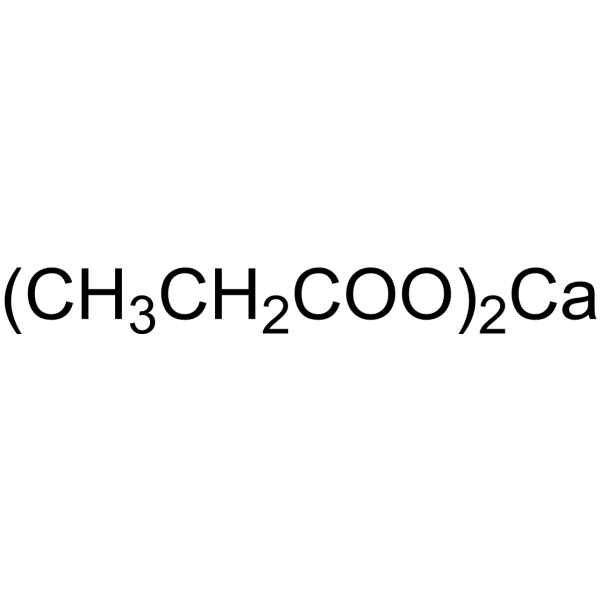
Calcium propionate, meets analytical specification of E282 (Bioban-C, meets analytical specification of E282) is a calcium salt of Propionic acid with oral activity, which can be hydrolyzed into propionate and calcium ions. Calcium propionate, meets analytical specification of E282 elevates intracellular ROS levels in tumor cells, depletes GSH, reduces mitochondrial membrane potential, and thereby induces tumor cell apoptosis. In mouse colitis models, Calcium propionate, meets analytical specification of E282 modulates inflammatory factors such as IFN-γ, calprotectin, and Pglyrp3, ameliorating intestinal inflammation and metabolic disorders. In ruminants, Calcium propionate, meets analytical specification of E282 serves as a gluconeogenic precursor, regulating rumen fermentation and microbial diversity; in high-fat diet rats, it alters gut microbiota composition and affects blood biochemical parameters. Calcium propionate, meets analytical specification of E282 is commonly used as a food and feed additive, and is also used in research related to hypocalcemia, dyslipidemia, colitis, and lung cancer .
loading...
    loading...
Cat. No.: HY-112747
CAS No.: 97281-51-1
Synonyms: LPI; PE (soy)
Target:  

Phospholipase

Research Areas:  

Infection

Soy PE (LPI) is the most abundant phospholipid in prokaryotes and the second most abundant found in the membrane of mammalian, plant, and yeast cells, comprising approximately 25% of total mammalian phospholipids. In the brain, phosphatidylethanolamine comprises almost half of the total phospholipids. It is synthesized mainly through the cytidine diphosphate-ethanolamine and phosphatidylserine decarboxylation pathways, which occur in the endoplasmic reticulum (ER) and mitochondrial membranes, respectively. It is a precursor in the synthesis of phosphatidylcholine and arachidonoyl ethanolamide and is a source of ethanolamine used in various cellular functions. In E.coli, phosphatidylethanolamine deficiency prevents proper assembly of lactose permease, suggesting a role as a lipid chaperone. It is a cofactor in the propagation of prions in vitro and can convert recombinant mammalian proteins into infectious molecules even in the absence of RNA. This product contains phosphatidylethanolamine molecular species with variable fatty acyl chain lengths at the sn-1 and sn-2 positions .
loading...
    loading...
Cat. No.: HY-15843
CAS No.: 1311982-88-3
Purity:  99.57%
Target:  

MicroRNA Apoptosis

Research Areas:  

Cancer

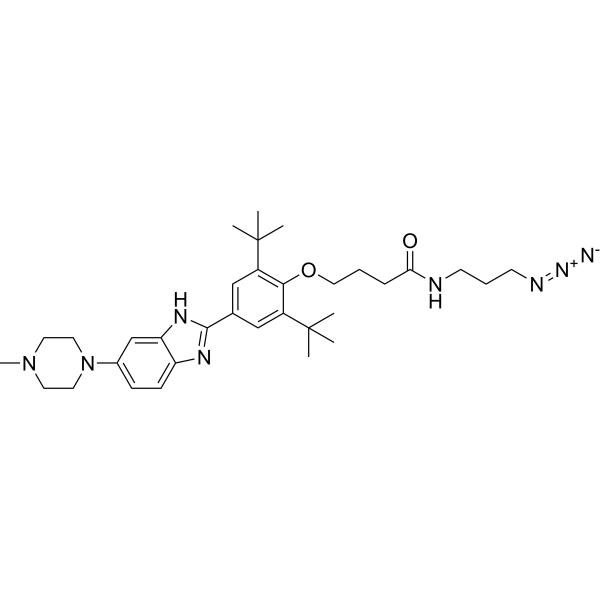
MIR96-IN-1 targets the Drosha site in the miR-96 (miRNA-96, microRNA-96) hairpin precursor, inhibiting its biogenesis, derepressing downstream targets, and triggering apoptosis in breast cancer cells. MIR96-IN-1 binds to RNAs with Kds of 1.3, 9.4, 3.4, 1.3 and 7.4 μM for RNA1, RNA2, RNA3, RNA4 and RNA5, respectively . MIR96-IN-1 is a click chemistry reagent, it contains an Azide group and can undergo copper-catalyzed azide-alkyne cycloaddition reaction (CuAAc) with molecules containing Alkyne groups. It can also undergo strain-promoted alkyne-azide cycloaddition (SPAAC) reactions with molecules containing DBCO or BCN groups.
loading...
    loading...
Cat. No.: HY-171906A
Synonyms: 1-Arachidonoyl-sn-glycerol 3-phosphate sodium; 1-Arachidonoyl LPA sodium; LPA (20:4) sodium
Target:  

LPL Receptor

Research Areas:  

Cancer

1-Arachidonoyl-2-hydroxy-sn-glycero-3-PA (sodium) (1-Arachidonoyl-sn-glycerol 3-phosphate (sodium)) is a phospholipid with arachifonic acid at the sn-1 position. 1-Arachidonoyl-2-hydroxy-sn-glycero-3-PA (sodium) binds to the LPA2/EDG4 receptor (EC50 of 10 nM). 1-Arachidonoyl-2-hydroxy-sn-glycero-3-PA (sodium) can be found in rat brain as 37% of the arachidoinic acid-containing lysophosphatidic acid species. 1-Arachidonoyl-2-hydroxy-sn-glycero-3-PA (sodium) is the precursor to 1-arachidonoyl glycerol. 1-Arachidonoyl-2-hydroxy-sn-glycero-3-PA (sodium) can prevent TNF-α and IL-6 secretion in wild type LPS-stimulated dendritic cells. 1-Arachidonoyl-2-hydroxy-sn-glycero-3-PA (sodium) reduces differentiation of HT-29 colon carcinoma cells into goblet cells when sodium butyrate is present .
loading...
    loading...
loading...
    loading...
Cat. No.: HY-B1580B
CAS No.: 4075-81-4
Synonyms: Bioban-C (Pharmaceutical primary standard, USP)
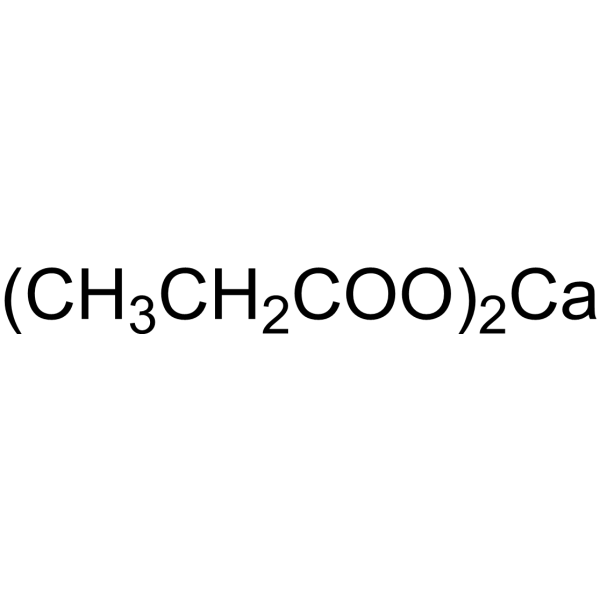
Calcium propionate, United States Pharmacopeia (USP) Reference Standard (Bioban-C (Pharmaceutical primary standard, USP)) is a calcium salt of Propionic acid with oral activity, which can be hydrolyzed into propionate and calcium ions. Calcium propionate, United States Pharmacopeia (USP) Reference Standard elevates intracellular ROS levels in tumor cells, depletes GSH, reduces mitochondrial membrane potential, and thereby induces tumor cell apoptosis. In mouse colitis models, Calcium propionate, United States Pharmacopeia (USP) Reference Standard modulates inflammatory factors such as IFN-γ, calprotectin, and Pglyrp3, ameliorating intestinal inflammation and metabolic disorders. In ruminants, Calcium propionate, United States Pharmacopeia (USP) Reference Standard serves as a gluconeogenic precursor, regulating rumen fermentation and microbial diversity; in high-fat diet rats, it alters gut microbiota composition and affects blood biochemical parameters. Calcium propionate, United States Pharmacopeia (USP) Reference Standard is commonly used as a food and feed additive, and is also used in research related to hypocalcemia, dyslipidemia, colitis, and lung cancer .
loading...
    loading...
Cat. No.: HY-D2984
CAS No.: 1308789-62-9
Synonyms: SNAP-PEG-NH2
Target:  

Fluorescent Dye

Research Areas:  

Others

BG-PEG-NH2 (SNAP-PEG-NH2) is an amino-terminal fluorescent probe building block and a precursor for site-specific labeling of SNAP-tag fusion proteins. BG-PEG-NH2 undergoes one-step coupling with activated carboxyl esters to form customized SNAP-tag substrates, which covalently bind to SNAP tags via a thioether bond formed at the Cys145 site. After coupling with a caged carboxyfluorescein, BG-PEG-NH2 forms a probe with Ex/Em = 500/524 nm following ultraviolet uncaging. Coupling of BG-PEG-NH2 with SeTau-647-NHS enables visualization of GPCR signal transduction. BG-PEG-NH2 is suitable for coupling reactions in aqueous phases or buffers, conjugation of labels, and labeling of intracellular or cell-surface proteins .
loading...
    loading...
Cat. No.: HY-N10159
CAS No.: 60941-76-6
1-Benzyl-I3C is a NEDD4-1 inhibitor with significant anticancer activity. 1-Benzyl-I3C can directly inhibit the ubiquitination activity of NEDD4-1 with an IC50 of 12.3μM, which is significantly better than its precursor compound I3C of 284μM. 1-Benzyl-I3C and its analogs showed good effects in inhibiting the proliferation of human melanoma cells, which is roughly related to their potency as NEDD4-1 enzyme inhibitors. By combining in vitro ubiquitination experiments and thermal stability analysis, 1-Benzyl-I3C was shown to be able to bind to the catalytic HECT domain of NEDD4-1 .
loading...
    loading...
Cat. No.: HY-W338819
CAS No.: 25122-41-2
Clobetasol is a glucocorticoid and Smoothened agonist that can cross the blood-brain barrier. Clobetasol induces Smo-dependent activation of the Shh signaling pathway and nuclear translocation of Gli1. Clobetasol promotes remyelination and reduces myelin loss in lesions of neuromyelitis optica (NMO). Clobetasol may cause adrenal suppression, cushingoid appearance, and local adverse reactions including dysgeusia, xerostomia, and gastroesophageal burning. Clobetasol can be used in research related to neurodegenerative diseases, oral lichen planus, mucous membrane pemphigoid, and neuromyelitis optica .
loading...
    loading...
Cat. No.: HY-W129441
CAS No.: 91281-32-2
Synonyms: N-Ac-4-S-CAP
Research Areas:  

Others

N-Acetyl-4-S-mercaptoaminophenol (N-Ac-4-S-CAP) is a compound that is selectively cytotoxic to melanocytes of black mouse hair follicles. It can cause 98% depigmentation of black mouse hair follicles. N-Ac-4-S-CAP can produce visible changes in hair follicle melanocytes 4 hours after intraperitoneal injection, including aggregation of melanin granules and nuclear condensation. Electron microscopy observations showed that it caused progressive destruction of melanocytes, including swelling of membranous organelles, nuclear condensation, and cytoplasmic vacuolation, ultimately leading to complete cell necrosis. N-Ac-4-S-CAP has a specific cytotoxic effect on melanocytes that actively produce eumelanin, but may not affect precursor or dormant melanocytes. These properties suggest that N-Ac-4-S-CAP may have potential application value in the treatment of melanoma or skin whitening.
loading...
    loading...
Cat. No.: HY-103538
CAS No.: 62252-26-0
Target:  

Amyloid-β γ-secretase

Research Areas:  

Neurological Disease

JLK-6 is a rhomboid protease GlpG inhibitor. JLK-6 reduces the production of Amyloid β-peptide by altering the cleavage of β-amyloid precursor protein by γ-secretase, with no effect on the cleavage of Notch receptors. JLK-6 can be used in research related to Alzheimer's disease .
loading...
    loading...

