273 Results for "

elevated

" in MedChemExpress (MCE) Product Catalog:
Products (273)

273 Results for "elevated" in MCE Product Catalog:

Cat. No.: HY-W800702
CAS No.: 2770422-53-0
BP Fluor 555 Azide is a water-soluble, bright orange-fluorescent dye with excitation ideally suited for the 532 nm or 555 nm laser lines and visualized with TRITC (tetramethylrhodamine) filter sets. BP Fluor 555 conjugates of antibodies, peptides, and proteins are pH insensitive from pH 4 to pH 10. AF 555 conjugates ideally suited for detection of low abundance targets. BP Fluor 555 Azide can be reacted with terminal alkynes via a copper-catalyzed click reaction (CuAAC). It also reacts with strained cyclooctyne via a copper-free “click chemistry” reaction to form a stable triazole and does not require Cu-catalyst or elevated temperatures. The brightness and photostability of this dye are best suited to direct imaging of low-abundance targets.
loading...
    loading...
Cat. No.: HY-109546
CAS No.: 95382-33-5
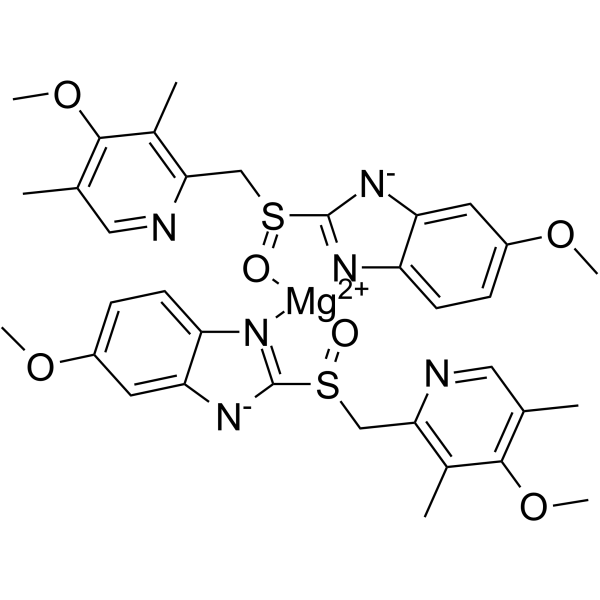
Omeprazole (H 16868) magnesium is an orally active H +,K +-ATPase inhibitor and a proton pump inhibitor. Omeprazole magnesium competitively inhibits CYP2C19, CYP3A4, and CYP2C9 activity. Omeprazole magnesium inhibits gastric acid secretion and can be used for acid-related gastrointestinal disorders. Omeprazole magnesium inhibits pancreatic cancer cell proliferation, induces apoptosis, autophagosome accumulation (elevated LC3-I and LC3-II levels), oxidative stress, and cytogenetic imbalance, modulates lysosomal transport, reduces inflammatory cytokines. Omeprazole magnesium alters small intestinal morphology and magnesium absorption, and induces gastric mucosa morphologic changes. Omeprazole magnesium also has neuroprotective and antibacterial effects .
loading...
    loading...
Cat. No.: HY-119976R
CAS No.: 188425-85-6
Boscalid (Standard) is the analytical standard of Boscalid. This product is intended for research and analytical applications. Boscalid is a succinate dehydrogenase (SDHI) inhibitor with antifungal activity. Boscalid binds to the ubiquinone-binding site of fungal mitochondrial complex II, blocks ATP production and aerobic respiration, exhibits good control efficacy against a variety of plant fungal diseases including gray mold, sclerotinia rot and powdery mildew, and is widely used for disease control in agriculture. Boscalid induces apoptosis, altered lipid metabolism, mitochondrial dysfunction, respiratory impairment, oxidative stress, ROS accumulation and neurodevelopmental disorders in zebrafish. Boscalid reduces foraging ability, shortens median death time and causes chronic toxicity in exposed honeybees. Boscalid also possesses genotoxicity, cytotoxicity, elevated mitochondrial superoxide levels and early-stage apoptosis .
loading...
    loading...
Cat. No.: HY-B0113AR
CAS No.: 95510-70-6
Synonyms: H 16868 sodium (Standard)
Omeprazole (sodium) (Standard) is the analytical standard of Omeprazole (sodium). This product is intended for research and analytical applications. Omeprazole sodium (H 16868) is an orally active H +,K +-ATPase inhibitor and a proton pump inhibitor. Omeprazole sodium competitively inhibits CYP2C19, CYP3A4, and CYP2C9 activity. Omeprazole sodium inhibits gastric acid secretion and can be used for acid-related gastrointestinal disorders. Omeprazole sodium inhibits pancreatic cancer cell proliferation, induces apoptosis, autophagosome accumulation (elevated LC3-I and LC3-II levels), oxidative stress, and cytogenetic imbalance, modulates lysosomal transport, reduces inflammatory cytokines. Omeprazole sodium alters small intestinal morphology and magnesium absorption, and induces gastric mucosa morphologic changes. Omeprazole sodium also has neuroprotective and antibacterial effects .
loading...
    loading...
Cat. No.: HY-B0113R
CAS No.: 73590-58-6
Synonyms: H 16868 (Standard)
Omeprazole (Standard) is the analytical standard of Omeprazole. This product is intended for research and analytical applications. Omeprazole (H 16868) is an orally active H +,K +-ATPase inhibitor and a proton pump inhibitor. Omeprazole competitively inhibits CYP2C19, CYP3A4, and CYP2C9 activity. Omeprazole inhibits gastric acid secretion and can be used for acid-related gastrointestinal disorders. Omeprazole inhibits pancreatic cancer cell proliferation, induces apoptosis, autophagosome accumulation (elevated LC3-I and LC3-II levels), oxidative stress, and cytogenetic imbalance, modulates lysosomal transport, reduces inflammatory cytokines. Omeprazole alters small intestinal morphology and magnesium absorption, and induces gastric mucosa morphologic changes. Omeprazole also has neuroprotective and antibacterial effects .
loading...
    loading...
Cat. No.: HY-B0113S4
Synonyms: H 16868-d3 sodium
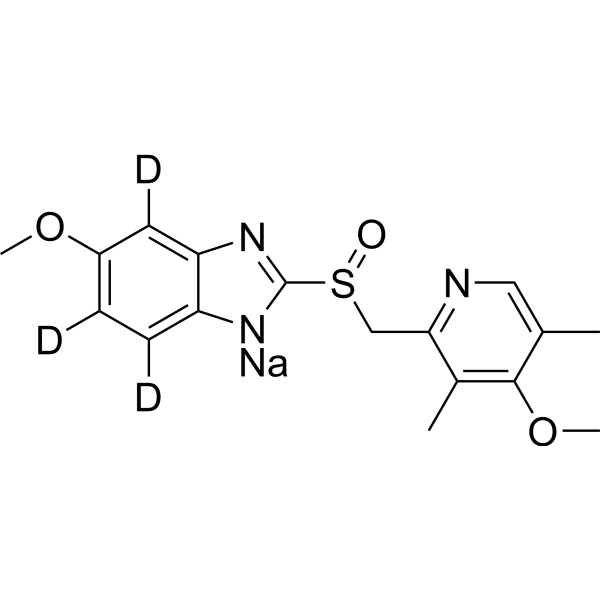
Omeprazole-d3 sodium is deuterated labeled Omeprazole (HY-B0113). Omeprazole sodium (H 16868) is an orally active H +,K +-ATPase inhibitor and a proton pump inhibitor. Omeprazole sodium competitively inhibits CYP2C19, CYP3A4, and CYP2C9 activity. Omeprazole sodium inhibits gastric acid secretion and can be used for acid-related gastrointestinal disorders. Omeprazole sodium inhibits pancreatic cancer cell proliferation, induces apoptosis, autophagosome accumulation (elevated LC3-I and LC3-II levels), oxidative stress, and cytogenetic imbalance, modulates lysosomal transport, reduces inflammatory cytokines. Omeprazole sodium alters small intestinal morphology and magnesium absorption, and induces gastric mucosa morphologic changes. Omeprazole sodium also has neuroprotective and antibacterial effects .
loading...
    loading...
Cat. No.: HY-D3186
CAS No.: 2163840-29-5
HMRef-βGal is a fluorescent probe and a substrate responsive to β-galactosidase (β-galactosidase) (Ex/Em=498 nm/505-600 nm). After being cleaved by β-galactosidase, HMRef-βGal triggers significant fluorescence enhancement via intramolecular spirocyclic function regulation. HMRef-βGal generates bright fluorescence in cancer cells with elevated β-galactosidase activity, enabling visualization of tiny peritoneal metastases in mouse models. HMRef-βGal exhibits low in vitro cytotoxicity and low acute in vivo toxicity in mice. HMRef-βGal can be used for preclinical fluorescence-guided diagnosis and cytoreductive surgery of peritoneal metastases, including compatibility with real-time naked-eye detection and endoscopic imaging, as well as for studies related to peritoneal metastases of ovarian cancer .
loading...
    loading...
Cat. No.: HY-G0017S1
Synonyms: Norimatinib-d4; Imatinib metabolite N-Desmethyl imatinib-d4; CGP 74588-d4
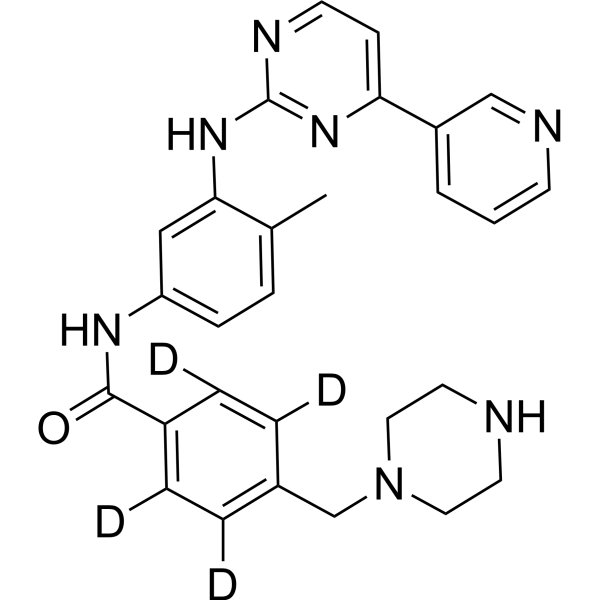
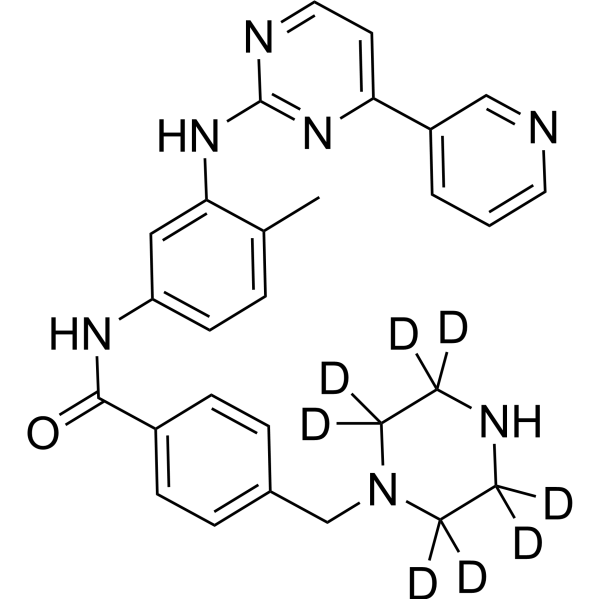
N-Desmethyl imatinib-d4 is the deuterium-labeled N-Desmethyl imatinib (HY-G0017). N‑Desmethyl imatinib (Norimatinib) is an active metabolite of Imatinib (HY-15463), a selective c‑Abl inhibitor, and a substrate of P‑glycoprotein. N-Desmethyl imatinib binds to the c-Abl catalytic domain to prevent substrate phosphorylation, inhibits c-Abl-mediated α-synuclein activation and downstream inflammatory signaling pathways. N-Desmethyl imatinib induces apoptosis in K562 human leukemia cells. N-Desmethyl imatinib exhibits significantly elevated plasma levels in gastrointestinal stromal tumor (GIST) settings following mild SARS CoV 2 infection. N-Desmethyl imatinib can be used for the research of Parkinson’s disease, gastrointestinal stromal tumor, and chronic myeloid leukemia .
loading...
    loading...
Cat. No.: HY-W581820
CAS No.: 10030-90-7
Synonyms: Ferrous succinate
Research Areas:  

Cardiovascular Disease

Iron(II) succinate (Ferrous succinate) is an orally active and organic acid iron supplement (ferrous salt). Iron(II) succinate improves hematological parameters in iron-deficiency anemia rats, including hemoglobin, red blood cells, hematocrit, mean corpuscular volume, mean corpuscular hemoglobin, and mean corpuscular hemoglobin concentration. Iron(II) succinate increases serum ferritin, serum iron levels, and transferrin saturation, while decreasing total iron-binding capacity in iron-deficiency anemia rats. Iron(II) succinate reduces the elevated heart, spleen, and kidney coefficients, and increases the decreased liver coefficient in iron-deficiency anemia rats. Iron(II) succinate replenishes the depleted iron content in the liver and spleen of iron-deficiency anemia rats. Iron(II) succinate can be used for the research of iron-deficiency anemia .
loading...
    loading...
Cat. No.: HY-W738639
CAS No.: 379-68-0
Synonyms: 18-OH-DOC; 11-Deoxy-18-hydroxycorticosterone
18-Hydroxy-11-deoxy corticosterone (18-OH-DOC) is a mineralocorticoid whose synthesis is regulated by adrenocorticotropic hormone (ACTH) and angiotensin II. 18-Hydroxy-11-deoxy corticosterone is an intermediate in the metabolism of progesterone and plays an important role in regulating blood pressure and water-salt balance. Continuous infusion of 18-Hydroxy-11-deoxy corticosterone can increase systolic blood pressure in rats, and plasma levels of 18-Hydroxy-11-deoxy corticosterone are significantly elevated in the db/db mouse model of type 2 diabetes, suggesting its potential involvement in metabolic dysregulation and diabetes-related regulation. 18-Hydroxy-11-deoxy corticosterone holds promise for research in areas such as hypertension, diabetes, and other related fields .
loading...
    loading...
Cat. No.: HY-147240
CAS No.: 1824609-67-7
Purity:  99.92%
Synonyms: ADX-629
Target:  

Interleukin Related

Research Areas:  

Inflammation/Immunology

Acloproxalap (ADX-629) is an orally active reactive aldehyde species (RASP) inhibitor. Acloproxalap binds covalently to free aldehydes, sequesters reactive aldehyde species, malondialdehyde, acetaldehyde and preformed malondialdehyde-acetaldehyde adducts, and reduces elevated RASP levels. Acloproxalap decreases the formation of aldehyde adducts, reduces liver and serum triglyceride levels, hepatic fat accumulation, circulating anti-malondialdehyde-acetaldehyde adduct antibody levels, and inhibits the release of IL-6 and MCP-1. Acloproxalap improves cell viability of liver slices exposed to ethanol. Acloproxalap blocks ethanol-induced damage in animal models of alcoholic liver disease. Acloproxalap is applicable to research related to alcoholic liver disease, alcoholic fatty liver disease, non-alcoholic steatohepatitis, chronic cough, rheumatoid arthritis, ulcerative colitis and mild atopic asthma .
loading...
    loading...
Cat. No.: HY-153830S
CAS No.: 2097249-92-6
Synonyms: C16 Lactosylceramide (d18:1/16:0)-d3
LacCer (d18:1/16:0) (C16 Lactosylceramide (d18:1/16:0))-d3 is the deuterium labeled LacCer (d18:1/16:0) (HY-153830). LacCer (d18:1/16:0) is an endogenous bioactive sphingolipid that can form membrane microdomains with Lyn kinase and the αi subunits of inhibitory G protein-coupled receptors (GPCRs). LacCer (d18:1/16:0) are elevated in the plasma of insulin-resistant cattle. LacCer (d18:1/16:0) is also upregulated in a mouse model of Niemann-Pick type C1 disease (a neurodegenerative cholesterol-sphingolipid lysosomal storage disorder). LacCer (d18:1/16:0) can be used in research on metabolic diseases and neurodegenerative diseases .
loading...
    loading...
Cat. No.: HY-183905
CAS No.: 1401564-00-8
KR-67607 is a selective 11β-HSD1 inhibitor, with an IC50 value of 4.8 nM against h11β-HSD1 and 7.1 nM against mouse 11β-HSD1. KR-67607 inhibits stress-induced Glucocorticoid receptor nuclear translocation, reduces cortisol levels, suppresses the expression of ROS and proinflammatory cytokines, and enhances Nrf-2-mediated antioxidant gene transcription. KR-67607 maintains trabecular meshwork structure and reverses elevated intraocular pressure. KR-67607 improves ocular antioxidant activity and mucus secretion, reverses ocular surface damage, and prevents ischemia-reperfusion induced ocular injury. KR-67607 can be used in research related to glaucoma and dry eye disease .
loading...
    loading...
Cat. No.: HY-B0113S2
CAS No.: 1189891-71-1
Synonyms: Omeprazole sulphone (methoxy-d3)
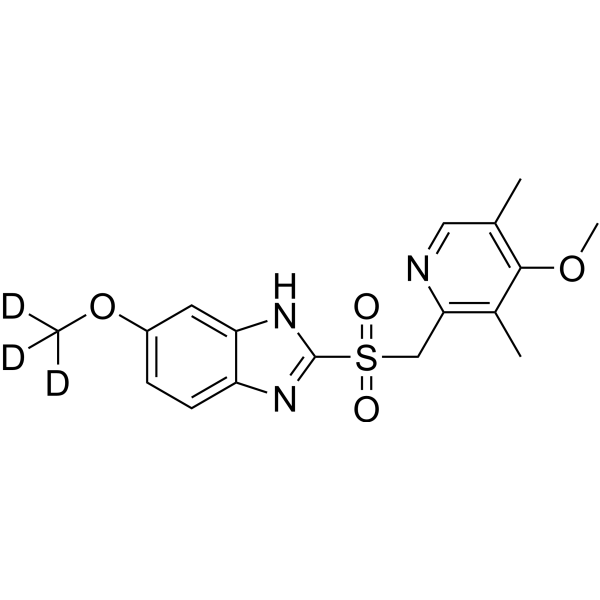
Omeprazole sulfone (methoxy-d3) is the deuterium labeled Omeprazole sulfone. Omeprazole sulfone (H 16868) is an orally active H +,K +-ATPase inhibitor and a proton pump inhibitor. Omeprazole sulfone competitively inhibits CYP2C19, CYP3A4, and CYP2C9 activity. Omeprazole sulfone inhibits gastric acid secretion and can be used for acid-related gastrointestinal disorders. Omeprazole sulfone inhibits pancreatic cancer cell proliferation, induces apoptosis, autophagosome accumulation (elevated LC3-I and LC3-II levels), oxidative stress, and cytogenetic imbalance, modulates lysosomal transport, reduces inflammatory cytokines. Omeprazole sulfone alters small intestinal morphology and magnesium absorption, and induces gastric mucosa morphologic changes. Omeprazole sulfone also has neuroprotective and antibacterial effects .
loading...
    loading...
Cat. No.: HY-B0113S3
CAS No.: 1261395-28-1
Synonyms: H 16868-13C,d3
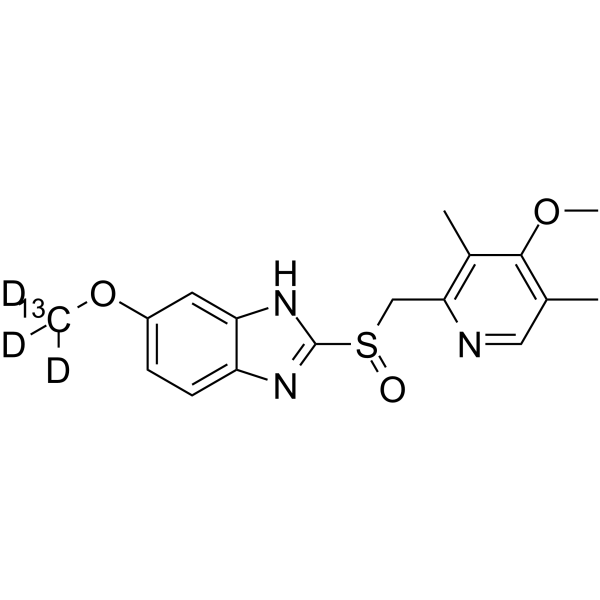
Omeprazole- 13C,d3 is a 13C-labeled and deuterium labeled Omeprazole. Omeprazole (H 16868) is an orally active H +,K +-ATPase inhibitor and a proton pump inhibitor. Omeprazole competitively inhibits CYP2C19, CYP3A4, and CYP2C9 activity. Omeprazole inhibits gastric acid secretion and can be used for acid-related gastrointestinal disorders. Omeprazole inhibits pancreatic cancer cell proliferation, induces apoptosis, autophagosome accumulation (elevated LC3-I and LC3-II levels), oxidative stress, and cytogenetic imbalance, modulates lysosomal transport, reduces inflammatory cytokines. Omeprazole alters small intestinal morphology and magnesium absorption, and induces gastric mucosa morphologic changes. Omeprazole also has neuroprotective and antibacterial effects .
loading...
    loading...
Cat. No.: HY-B0113S5
CAS No.: 922731-02-0
Synonyms: H 16868-d6
Omeprazole-d6 (H 16868-d6) is deuterium labeled Omeprazole. Omeprazole (H 16868) is an orally active H +,K +-ATPase inhibitor and a proton pump inhibitor. Omeprazole competitively inhibits CYP2C19, CYP3A4, and CYP2C9 activity. Omeprazole inhibits gastric acid secretion and can be used for acid-related gastrointestinal disorders. Omeprazole inhibits pancreatic cancer cell proliferation, induces apoptosis, autophagosome accumulation (elevated LC3-I and LC3-II levels), oxidative stress, and cytogenetic imbalance, modulates lysosomal transport, reduces inflammatory cytokines. Omeprazole alters small intestinal morphology and magnesium absorption, and induces gastric mucosa morphologic changes. Omeprazole also has neuroprotective and antibacterial effects .
loading...
    loading...
Cat. No.: HY-D3144
CAS No.: 2713577-11-6
Target:  

Fluorescent Dye

Research Areas:  

Others

RhBIV is a thermosensitive rhodamine B (RhB)-derived fluorescent probe that fluorescently labels cellular mitochondria and detects mitochondrial temperature in vitro and in vivo. RhBIV contains a quaternized rhodamine B core, which confers a positive charge for binding to the negatively charged mitochondrial membrane, and an ortho-substituted electron-donating piperidine group; at lower temperatures, RhBIV forms an unstable ion pair form under kinetic control and exhibits strong fluorescence, whereas elevated temperature disrupts or partially interrupts the ion pair form, favoring formation of the conjugated RhBV form and leading to loss of fluorescence. RhBIV exhibits decreased fluorescence responsiveness with increasing temperature over the range of 20-42°C. RhBIV enables biological imaging of cells and mice, mitochondrial thermogenesis imaging, dynamic observation in mitochondrial thermogenesis imaging experiments, and non-invasive imaging of mitochondrial function in living animals (Ex/Em = 520/592 nm) .
loading...
    loading...
Cat. No.: HY-G0017R
CAS No.: 404844-02-6
Synonyms: Norimatinib (Standard); Imatinib metabolite N-Desmethyl imatinib (Standard); CGP 74588 (Standard)
N‑Desmethyl imatinib (Standard) is the analytical standard of N‑Desmethyl imatinib (Norimatinib) (HY-G0017R). This product is intended for research and analytical applications. N‑Desmethyl imatinib (Norimatinib) is an active metabolite of Imatinib (HY-15463), a selective c‑Abl inhibitor, and a substrate of P‑glycoprotein. N-Desmethyl imatinib binds to the c-Abl catalytic domain to prevent substrate phosphorylation, inhibits c-Abl-mediated α-synuclein activation and downstream inflammatory signaling pathways. N-Desmethyl imatinib induces apoptosis in K562 human leukemia cells. N-Desmethyl imatinib exhibits significantly elevated plasma levels in gastrointestinal stromal tumor (GIST) settings following mild SARS CoV 2 infection. N-Desmethyl imatinib can be used for the research of Parkinson’s disease, gastrointestinal stromal tumor, and chronic myeloid leukemia .
loading...
    loading...
Cat. No.: HY-G0017S
CAS No.: 1185103-28-9
Synonyms: Norimatinib-d8; Imatinib metabolite N-Desmethyl imatinib-d8; CGP 74588-d8
N-Desmethyl imatinib-d8 is a deuterium labeled Imatinib metabolite N-Desmethyl Imatinib (HY-G0017). N‑Desmethyl imatinib (Norimatinib) is an active metabolite of Imatinib (HY-15463), a selective c‑Abl inhibitor, and a substrate of P‑glycoprotein. N-Desmethyl imatinib binds to the c-Abl catalytic domain to prevent substrate phosphorylation, inhibits c-Abl-mediated α-synuclein activation and downstream inflammatory signaling pathways. N-Desmethyl imatinib induces apoptosis in K562 human leukemia cells. N-Desmethyl imatinib exhibits significantly elevated plasma levels in gastrointestinal stromal tumor (GIST) settings following mild SARS CoV 2 infection. N-Desmethyl imatinib can be used for the research of Parkinson’s disease, gastrointestinal stromal tumor, and chronic myeloid leukemia .
loading...
    loading...
Cat. No.: HY-N20719
CAS No.: 3162-56-9
Vulgarin is an orally active, naturally occurring eudesmane sesquiterpene with multiple biological activities including anti-inflammatory and antioxidant properties. Vulgarin targets and inhibits HMGB1, NF-κB and iNOS, while regulating key genes involved in hepatic gluconeogenesis; it also blocks inflammatory signaling pathways and inhibits the production and release of pro-inflammatory cytokines such as TNF-α and IL-1β. Vulgarin effectively alleviates pancreatic oxidative stress by reducing lipid peroxidation levels and restoring antioxidant enzyme activity. Vulgarin reverses abnormally elevated serum pancreatic enzyme levels, preserves the integrity of pancreatic acinar cells, and reduces pancreatic edema, hemorrhage and inflammatory infiltration. Vulgarin remodels the function of pancreatic endocrine cells, restores insulin content in β cells, and downregulates glucagon levels in α cells and somatostatin levels in δ cells. Vulgarin can be used in studies related to pancreatic injury and diabetes .
loading...
    loading...

