379 Results for "

active substrate

" in MedChemExpress (MCE) Product Catalog:
Products (379)

379 Results for "active substrate" in MCE Product Catalog:

Cat. No.: HY-182019
HDAC11-IN-5 is a selective, potent and orally active HDAC11 inhibitor with an IC50 of 0.021 μM. HDAC11-IN-5 increases fatty acylation levels of substrate SHMT2 in AML cells. HDAC11-IN-5 induces apoptosis, G1 phase cell cycle arrest, ferroptosis, ROS production and terminal myeloid differentiation in AML cells. HDAC11-IN-5 demonstrates anti-tumor potency in an MLL-AF9-induced mouse AML model. HDAC11-IN-5 can be used for the research of cancer, such as acute myeloid leukemia .
loading...
    loading...
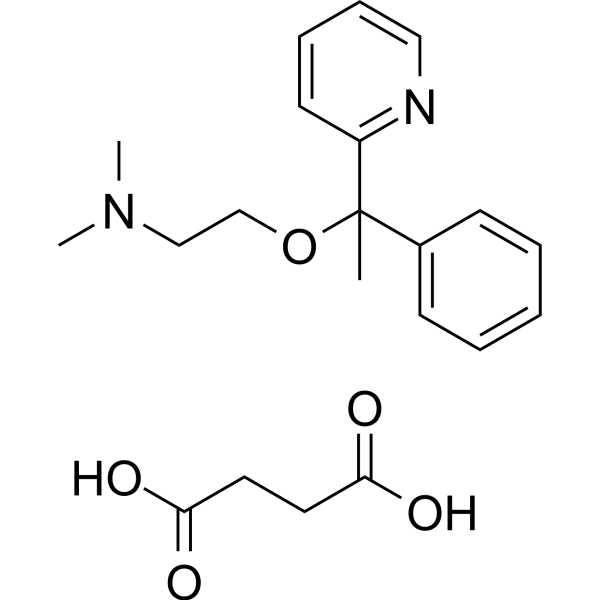
Cat. No.: HY-A0069
CAS No.: 562-10-7
Doxylamine succinate is a first-generation antihistamine and acts as a histamine H1 receptor antagonist. Doxylamine succinate is orally active, possessing analgesic and hypnotic activities. Doxylamine succinate enhances the activities of CYP2B, CYP2A, CYP3A and thyroxine-glucuronosyltransferase via promoting substrate hydroxylation and thyroxine metabolic pathways. Doxylamine succinate decreases serum thyroxine (T4) level and elevates serum thyroid-stimulating hormone (TSH) level. Doxylamine succinate induces liver enlargement and increases the activities of hepatic microsomal cytochrome P450, cytochrome b5 and NADPH-cytochrome c reductase. Doxylamine succinate can be used for the research of nausea, allergy, insomnia .
loading...
    loading...
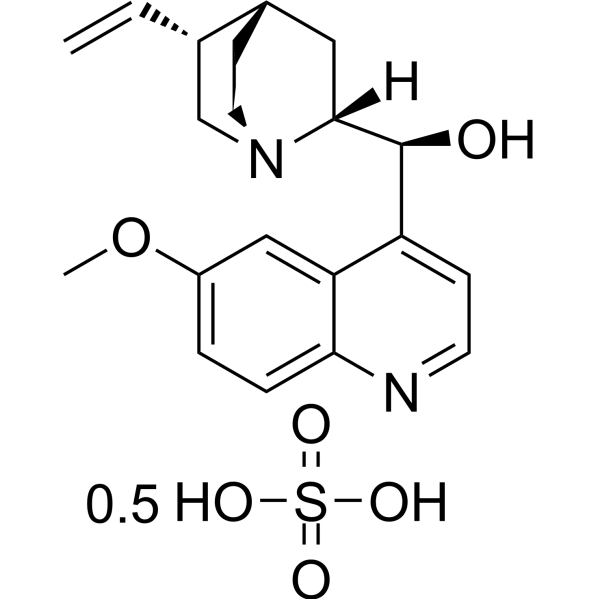
Cat. No.: HY-B1751A
CAS No.: 50-54-4
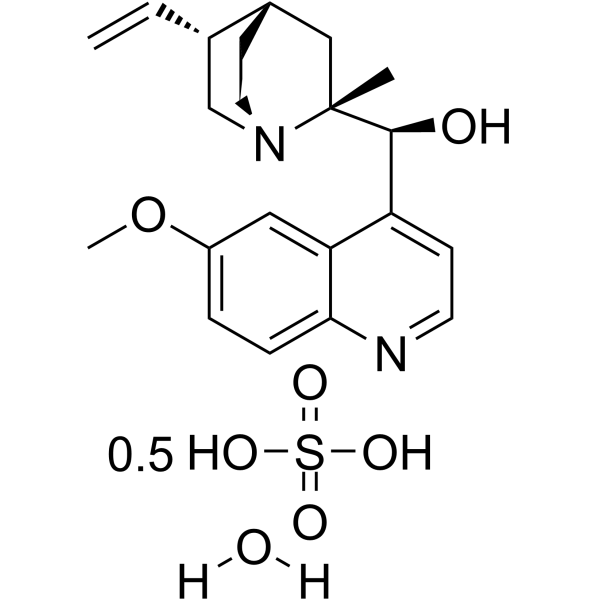
Quinidine sulfate is an orally active antiarrhythmic agent. Quinidine sulfate reduces the expression level of P-gp, inhibits P-gp-mediated efflux, increases the intracellular accumulation of P-gp substrates, induces PARP cleavage and Caspase-3 activation, and elevates the proportion of Apoptotic cells at the sub-G1 phase. Quinidine sulfate exerts sustained block and open-channel block effects on IK(f). Quinidine sulfate alters the urinary metabolic ratio of Amphetamine, modulates the Pentylenetetrazol-induced seizure threshold, and regulates the anticonvulsant effect of Dextromethorphan. Quinidine sulfate can be used in studies related to uterine sarcoma and seizures .
loading...
    loading...
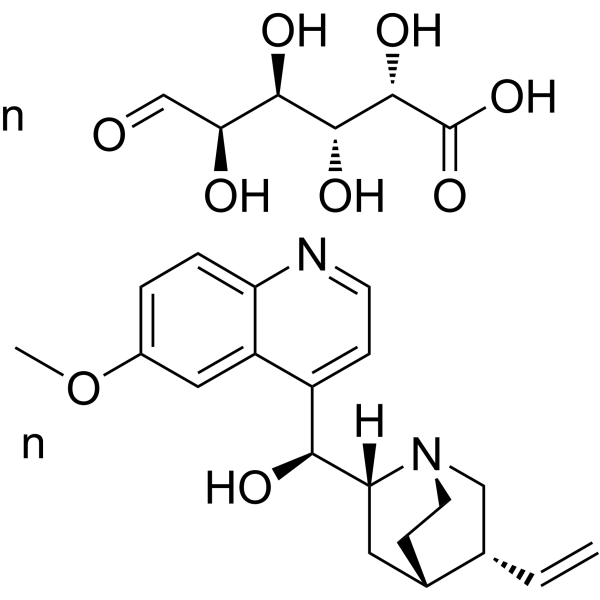
Cat. No.: HY-B1751E
CAS No.: 27555-34-6
Quinidine polygalacturonate is an orally active antiarrhythmic agent. Quinidine polygalacturonate reduces the expression level of P-gp, inhibits P-gp-mediated efflux, increases the intracellular accumulation of P-gp substrates, induces PARP cleavage and Caspase-3 activation, and elevates the proportion of Apoptotic cells at the sub-G1 phase. Quinidine polygalacturonate exerts sustained block and open-channel block effects on IK(f). Quinidine polygalacturonate alters the urinary metabolic ratio of Amphetamine, modulates the Pentylenetetrazol-induced seizure threshold, and regulates the anticonvulsant effect of Dextromethorphan. Quinidine polygalacturonate can be used in studies related to uterine sarcoma and seizures .
loading...
    loading...
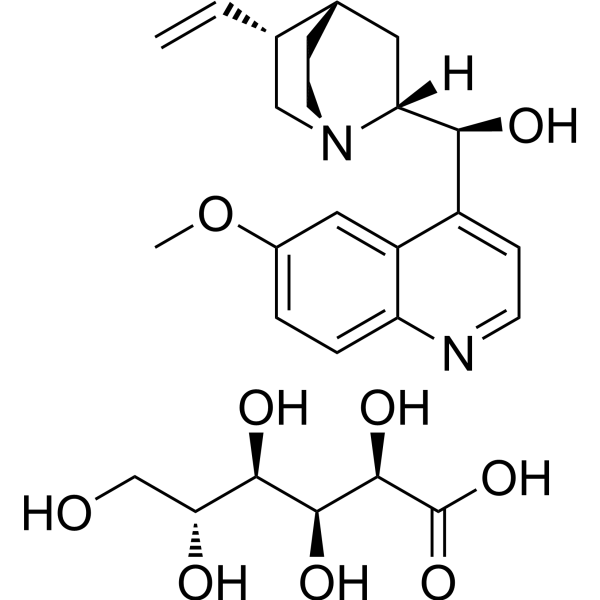
Cat. No.: HY-B1751F
CAS No.: 7054-25-3
Quinidine gluconic acid is an orally active antiarrhythmic agent. Quinidine gluconic acid reduces the expression level of P-gp, inhibits P-gp-mediated efflux, increases the intracellular accumulation of P-gp substrates, induces PARP cleavage and Caspase-3 activation, and elevates the proportion of Apoptotic cells at the sub-G1 phase. Quinidine gluconic acid exerts sustained block and open-channel block effects on IK(f). Quinidine gluconic acid alters the urinary metabolic ratio of Amphetamine, modulates the Pentylenetetrazol-induced seizure threshold, and regulates the anticonvulsant effect of Dextromethorphan. Quinidine gluconic acid can be used in studies related to uterine sarcoma and seizures .
loading...
    loading...
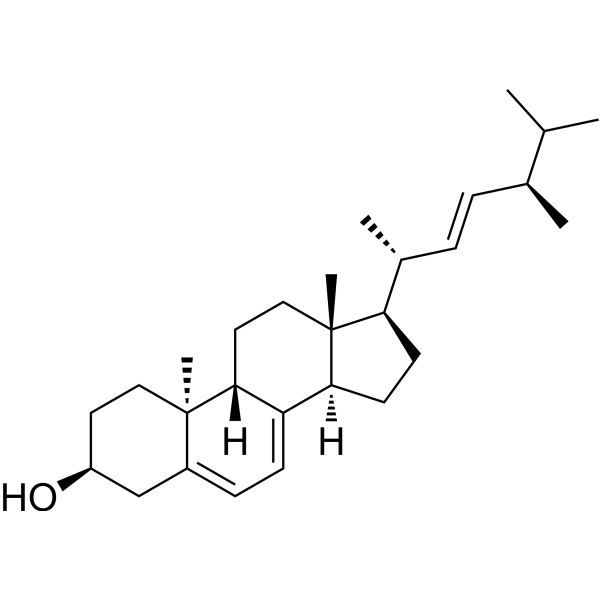
Cat. No.: HY-N0181A
CAS No.: 474-69-1
Synonyms: 9β,10α-Ergosterol
Lumisterol (9β,10α-Ergosterol) is a photoproduct of 7-dehydrocholesterol, present in the skin, and acts as an orally active VDR non-genomic modulator and ROR inverse agonist. Lumisterol binds to the SARS-CoV-2 Mpro substrate-binding pocket and the RdRP active site, inhibiting enzyme activity. Lumisterol induces NRF2-regulated antioxidant responses, p53 phosphorylation and nuclear translocation, and intracellular free radical scavenging. Lumisterol inhibits the proliferation of epidermal keratinocytes and melanoma cells, modulates cell cycle progression, and suppresses basal and TNFα-induced NFκB transcriptional activity. Lumisterol inhibits RORγ transcriptional activity and IL-17 production. Lumisterol is used in research on UVB-induced skin damage, melanoma, psoriasis, vitamin D deficiency, and COVID-19 .
loading...
    loading...
Cat. No.: HY-175590
Target:  

Dipeptidyl Peptidase

Research Areas:  

Metabolic Disease

DPP-4-IN-17 is an orally active and selective dipeptidyl peptidase-4 (DPP-4) inhibitor with an IC50 value of 0.12 nM. DPP-4-IN-17 increases the enzyme's Km value (75.73 μM vs. 27.18 μM of substrate alone) and reduces catalytic efficiency. DPP-4-IN-17 reduces blood glucose levels and reverses weight loss in Streptozotocin (STZ) (HY-13753)/Nicotinamide (NA) (HY-B0150)-induced diabetic rats. DPP-4-IN-17 can be used for the study of type 2 diabetes mellitus (T2DM) .
loading...
    loading...
Cat. No.: HY-183147A
Research Areas:  

Cancer

LAT1-IN-2 hydrochloride is an orally active anticancer agent, as well as a LAT1 substrate and tubulin-binding agent. LAT1-IN-2 hydrochloride relies on LAT1 for cellular uptake, disrupts microtubule formation by binding to the colchicine site of tubulin, and induces actin depolymerization to transform cells into a spherical shape. LAT1-IN-2 hydrochloride effectively inhibits tumor growth in xenograft mice. Compared with Etoposide (HY-13629), LAT1-IN-2 hydrochloride shows higher distribution in tumor tissues, lower distribution in major organs, and better tolerability. LAT1-IN-2 hydrochloride has been applied in studies related to esophageal cancer .
loading...
    loading...
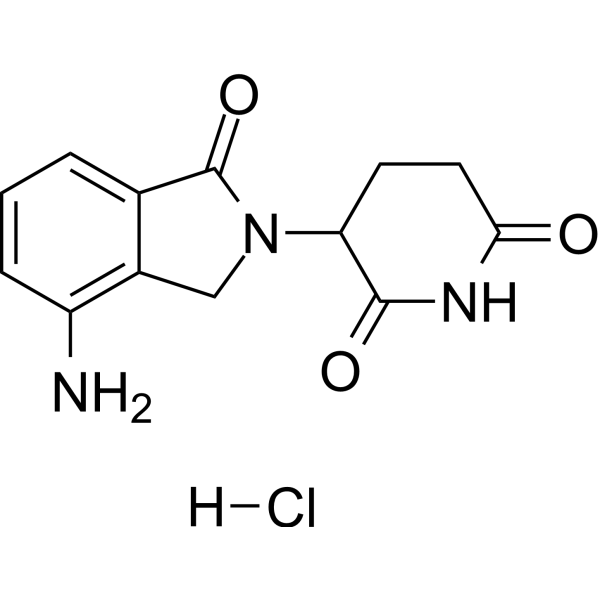
Cat. No.: HY-A0003A
CAS No.: 1243329-97-6
Synonyms: CC-5013 hydrochloride
Lenalidomide hydrochloride (CC-5013 hydrochloride) is an orally active immunomodulatory agent that binds CRBN as a molecular glue to alter substrate specificity, inducing ubiquitination and proteasome-dependent degradation of IKZF1, IKZF3 and CK1α. Lenalidomide hydrochloride induces apoptosis by degrading IKZF1/3, and activates p53 by degrading CK1α. Lenalidomide hydrochloride promotes IL-2 release and effector functions of CD8 + T/NK cells, while inhibiting TNF-α secretion and M1-type pyroptosis. Lenalidomide hydrochloride can be used in research related to hematological malignancies, acute liver failure and acute kidney injury .
loading...
    loading...
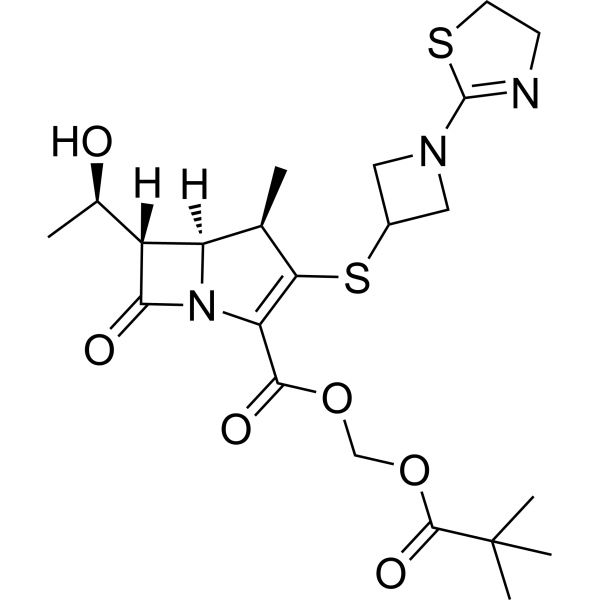
Cat. No.: HY-B0396
CAS No.: 161715-24-8
Synonyms: L084
Target:  

Antibiotic Bacterial OAT

Research Areas:  

Infection

Tebipenem pivoxil (L084 hydrobromide) is an orally active carbapenem Antibiotic. Tebipenem pivoxil acts as a substrate of OATP1A2 with high affinity for this transporter (Km = 41.1 μM) . Tebipenem pivoxil achieves intestinal absorption via carrier-mediated uptake and simple diffusion. Tebipenem pivoxil inhibits the growth of Gram-positive bacteria, Gram-negative bacteria, multidrug-resistant bacteria, and pathogens producing extended-spectrum β-lactamases. Tebipenem pivoxil eliminates intestinal infection pathogens and reduces mortality in septic mice. Tebipenem pivoxil can be used in research related to bacterial pneumonia, severe gastrointestinal infections, bacterial sepsis, complicated urinary tract infections, and acute pyelonephritis .
loading...
    loading...
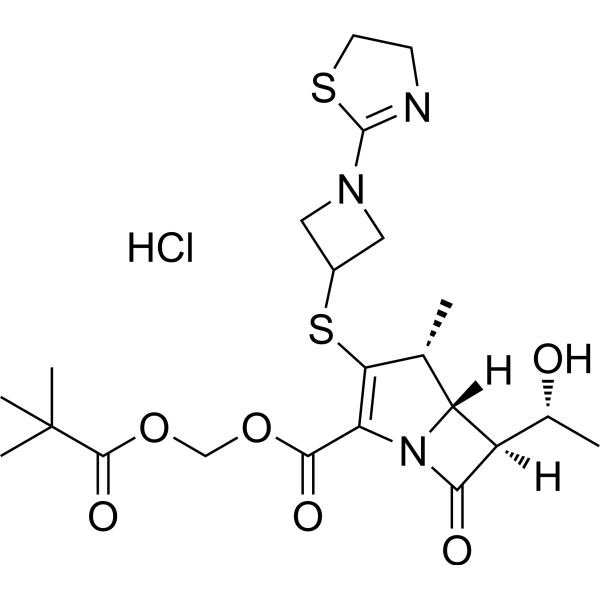
Cat. No.: HY-B0396A
CAS No.: 211558-19-9
Synonyms: L084 hydrochloride
Target:  

Antibiotic Bacterial OAT

Research Areas:  

Infection

Tebipenem pivoxil hydrochloride (L084 hydrochloride) is an orally active carbapenem Antibiotic. Tebipenem pivoxil hydrochloride acts as a substrate of OATP1A2 with high affinity for this transporter (Km = 41.1 μM) . Tebipenem pivoxil hydrochloride achieves intestinal absorption via carrier-mediated uptake and simple diffusion. Tebipenem pivoxil hydrochloride inhibits the growth of Gram-positive bacteria, Gram-negative bacteria, multidrug-resistant bacteria, and pathogens producing extended-spectrum β-lactamases. Tebipenem pivoxil hydrochloride eliminates intestinal infection pathogens and reduces mortality in septic mice. Tebipenem pivoxil hydrochloride can be used in research related to bacterial pneumonia, severe gastrointestinal infections, bacterial sepsis, complicated urinary tract infections, and acute pyelonephritis .
loading...
    loading...
Cat. No.: HY-B1751D
CAS No.: 6591-63-5
Quinidine sulfate dihydrate is an orally active antiarrhythmic agent. Quinidine sulfate dihydrate reduces the expression level of P-gp, inhibits P-gp-mediated efflux, increases the intracellular accumulation of P-gp substrates, induces PARP cleavage and Caspase-3 activation, and elevates the proportion of Apoptotic cells at the sub-G1 phase. Quinidine sulfate dihydrate exerts sustained block and open-channel block effects on IK(f). Quinidine sulfate dihydrate alters the urinary metabolic ratio of Amphetamine, modulates the Pentylenetetrazol-induced seizure threshold, and regulates the anticonvulsant effect of Dextromethorphan. Quinidine sulfate dihydrate can be used in studies related to uterine sarcoma and seizures .
loading...
    loading...
Cat. No.: HY-P10461
CAS No.: 1042405-14-0
Abz-Val-Ala-Asp-Nva-Arg-Asp-Arg-Gln-EDDnp is a fluorescent FRET substrate for proteinase 3 (PR3) with selectivity over neutrophil elastase and cathepsin G. Abz-Val-Ala-Asp-Nva-Arg-Asp-Arg-Gln-EDDnp is cleaved by active PR3 to generate a detectable fluorescent signal, which is used to quantify the enzymatic activity of PR3, the concentration of free or membrane-bound PR3, and the PR3 activity on activated human neutrophils. Abz-Val-Ala-Asp-Nva-Arg-Asp-Arg-Gln-EDDnp can be applied in studies related to lung ischemia-reperfusion injury, inflammatory diseases, and other relevant conditions .
loading...
    loading...
Cat. No.: HY-P2765A
CAS No.: 9075-65-4
Synonyms: GPDH, microorganism; α-Glycerophosphate dehydrogenase, microorganism; Glycerol phosphate dehydrogenase, microorganism
Research Areas:  

Metabolic Disease

Glycerol-3-phosphate dehydrogenase, microorganism (GPDH; α-Glycerophosphate dehydrogenase; Glycerol phosphate dehydrogenase) is an NADH-dependent oxidoreductase derived from microorganism that participates in glycolysis, gluconeogenesis, and the glycerol‑3‑phosphate shuttle metabolic pathway. Glycerol-3-phosphate dehydrogenase, microorganism uses NADH as a reducing equivalent donor, and its substrate binding relies on the phosphate-binding site in the active center; it catalyzes the reversible reduction of dihydroxyacetone phosphate to L‑α‑glycerol‑3‑phosphate. The catalytic activity of the enzymatic reaction of Glycerol-3-phosphate dehydrogenase, microorganism is regulated by pH and divalent metal ions. Glycerol-3-phosphate dehydrogenase, microorganism can be used in metabolism-related studies .
loading...
    loading...
Cat. No.: HY-P2765B
Synonyms: GPDH, Rabbit; α-Glycerophosphate dehydrogenase, Rabbit; Glycerol phosphate dehydrogenase, Rabbit
Research Areas:  

Metabolic Disease

Glycerol-3-phosphate dehydrogenase, Rabbit (GPDH; α-Glycerophosphate dehydrogenase; Glycerol phosphate dehydrogenase) is an NADH-dependent oxidoreductase derived from Rabbit that participates in glycolysis, gluconeogenesis, and the glycerol‑3‑phosphate shuttle metabolic pathway. Glycerol-3-phosphate dehydrogenase, Rabbit uses NADH as a reducing equivalent donor, and its substrate binding relies on the phosphate-binding site in the active center; it catalyzes the reversible reduction of dihydroxyacetone phosphate to L‑α‑glycerol‑3‑phosphate. The catalytic activity of the enzymatic reaction of Glycerol-3-phosphate dehydrogenase, Rabbit is regulated by pH and divalent metal ions. Glycerol-3-phosphate dehydrogenase, Rabbit can be used in metabolism-related studies .
loading...
    loading...
Cat. No.: HY-P2765C
Synonyms: GPDH, Chicken; α-Glycerophosphate dehydrogenase, Chicken; Glycerol phosphate dehydrogenase, Chicken
Research Areas:  

Metabolic Disease

Glycerol-3-phosphate dehydrogenase, Chicken (GPDH; α-Glycerophosphate dehydrogenase; Glycerol phosphate dehydrogenase) is an NADH-dependent oxidoreductase derived from Chicken that participates in glycolysis, gluconeogenesis, and the glycerol‑3‑phosphate shuttle metabolic pathway. Glycerol-3-phosphate dehydrogenase, Chicken uses NADH as a reducing equivalent donor, and its substrate binding relies on the phosphate-binding site in the active center; it catalyzes the reversible reduction of dihydroxyacetone phosphate to L‑α‑glycerol‑3‑phosphate. The catalytic activity of the enzymatic reaction of Glycerol-3-phosphate dehydrogenase, Chicken is regulated by pH and divalent metal ions. Glycerol-3-phosphate dehydrogenase, Chicken can be used in metabolism-related studies .
loading...
    loading...
Cat. No.: HY-P2765D
Synonyms: GPDH, Human; α-Glycerophosphate dehydrogenase, Human; Glycerol phosphate dehydrogenase, Human
Research Areas:  

Metabolic Disease

Glycerol-3-phosphate dehydrogenase, Human (GPDH; α-Glycerophosphate dehydrogenase; Glycerol phosphate dehydrogenase) is an NADH-dependent oxidoreductase derived from Human that participates in glycolysis, gluconeogenesis, and the glycerol‑3‑phosphate shuttle metabolic pathway. Glycerol-3-phosphate dehydrogenase, Human uses NADH as a reducing equivalent donor, and its substrate binding relies on the phosphate-binding site in the active center; it catalyzes the reversible reduction of dihydroxyacetone phosphate to L‑α‑glycerol‑3‑phosphate. The catalytic activity of the enzymatic reaction of Glycerol-3-phosphate dehydrogenase, Human is regulated by pH and divalent metal ions. Glycerol-3-phosphate dehydrogenase, Human can be used in metabolism-related studies .
loading...
    loading...
Cat. No.: HY-P2765E
Synonyms: GPDH, Mouse; α-Glycerophosphate dehydrogenase, Mouse; Glycerol phosphate dehydrogenase, Mouse
Research Areas:  

Metabolic Disease

Glycerol-3-phosphate dehydrogenase, Mouse (GPDH; α-Glycerophosphate dehydrogenase; Glycerol phosphate dehydrogenase) is an NADH-dependent oxidoreductase derived from Mouse that participates in glycolysis, gluconeogenesis, and the glycerol‑3‑phosphate shuttle metabolic pathway. Glycerol-3-phosphate dehydrogenase, Mouse uses NADH as a reducing equivalent donor, and its substrate binding relies on the phosphate-binding site in the active center; it catalyzes the reversible reduction of dihydroxyacetone phosphate to L‑α‑glycerol‑3‑phosphate. The catalytic activity of the enzymatic reaction of Glycerol-3-phosphate dehydrogenase, Mouse is regulated by pH and divalent metal ions. Glycerol-3-phosphate dehydrogenase, Mouse can be used in metabolism-related studies .
loading...
    loading...
Cat. No.: HY-W008385AS
Synonyms: L-Homoarginine-d4 dihydrochloride
H-HoArg-OH-d4 dihydrochloride (L-Homoarginine-d4 dihydrochloride) is the d4-labeled H-HoArg-OH dihydrochloride. H-HoArg-OH dihydrochloride (L-Homoarginine dihydrochloride) is an orally active endogenous non-protein amino acid. H-HoArg-OH dihydrochloride acts as a weak alternative substrate for NOS and interferes with NO production, selectively inhibits tissue-nonspecific alkaline phosphatase (TNAP), and suppresses the uptake of arginine by y +-type transporters (system y +). H-HoArg-OH dihydrochloride increases tissue hArg concentrations in vivo, regulates amino acid homeostasis, and improves renal function and pathological features of diabetic nephropathy. H-HoArg-OH dihydrochloride can be used in studies related to diabetes and cardiomyopathy .
loading...
    loading...
Cat. No.: HY-W012340R
CAS No.: 1483-01-8
H-HomoArg-OH hydrochloride (Standard) is the analytical standard of H-HomoArg-OH hydrochloride (HY-W012340). This product is intended for research and analytical applications. H-HomoArg-OH hydrochloride (L-Homoarginine hydrochloride) is an orally active endogenous non-protein amino acid. H-HomoArg-OH hydrochloride acts as a weak alternative substrate for NOS and interferes with NO production, selectively inhibits tissue-nonspecific alkaline phosphatase (TNAP), and suppresses the uptake of arginine by y +-type transporters (system y +). H-HomoArg-OH hydrochloride increases tissue hArg concentrations in vivo, regulates amino acid homeostasis, and improves renal function and pathological features of diabetic nephropathy. H-HomoArg-OH hydrochloride can be used in studies related to diabetes and cardiomyopathy .
loading...
    loading...

