332 Results for "

inflammation models

" in MedChemExpress (MCE) Product Catalog:
Products (332)

332 Results for "inflammation models" in MCE Product Catalog:

Cat. No.: HY-182014
CAS No.: 2408041-54-1
Target:  

LXR

TLC-2716 is an orally available, gut- and liver-restricted inhibitor against LXRα and LXRβ, with EC50 values of 7 nM and 15 nM, respectively. TLC-2716 represses LXRα/β transcriptional activity, downregulates genes involved in lipogenesis, lipid absorption and lipoprotein metabolism, and preserves peripheral reverse cholesterol transport. TLC-2716 reduces lipid accumulation, suppresses inflammation and fibrotic gene expression, enhances triglyceride-rich lipoprotein clearance, and improves glucose homeostasis and insulin sensitivity. TLC-2716 lowers serum and hepatic triglycerides, plasma cholesterol and other atherogenic lipid profiles in experimental models and humanized liver mice. TLC-2716 can be used for the research of dyslipidemia and related cardiometabolic disorders .
loading...
    loading...
Cat. No.: HY-184502
CAS No.: 3034295-80-9
Target:  

STING

DDO-88109 is a STING inhibitor with a Kd value of 317 nM for hSTING and 0.625 μM for mSTING. DDO-88109 competitively occupies the CDN-binding pocket of STING, thereby maintaining STING in an inactive state. It inhibits cGAS-STING signaling—including STING translocation from the endoplasmic reticulum to the Golgi apparatus, STING oligomerization, and the phosphorylation of IRF3, p65, TBK1, and STING—and attenuates the production of inflammatory cytokines and tissue inflammation in mouse models of TREX1-deficiency-driven autoinflammation and cisplatin (HY-17394)-induced acute kidney injury. DDO-88109 is suitable for research on inflammatory diseases, autoimmune disorders, and acute kidney injury driven by the cGAS-STING pathway .
loading...
    loading...
Cat. No.: HY-B1580
CAS No.: 4075-81-4
Synonyms: Propionic acid calcium
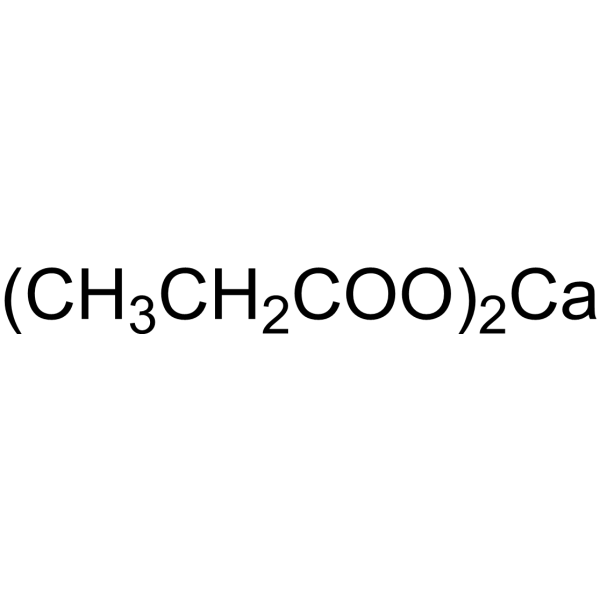
Calcium propionate (Propionic acid calcium) is a calcium salt of Propionic acid with oral activity, which can be hydrolyzed into propionate and calcium ions. Calcium propionate elevates intracellular ROS levels in tumor cells, depletes GSH, reduces mitochondrial membrane potential, and thereby induces tumor cell apoptosis. In mouse colitis models, Calcium propionate modulates inflammatory factors such as IFN-γ, calprotectin, and Pglyrp3, ameliorating intestinal inflammation and metabolic disorders. In ruminants, Calcium propionate serves as a gluconeogenic precursor, regulating rumen fermentation and microbial diversity; in high-fat diet rats, it alters gut microbiota composition and affects blood biochemical parameters. Calcium propionate is commonly used as a food and feed additive, and is also used in research related to hypocalcemia, dyslipidemia, colitis, and lung cancer .
loading...
    loading...
Cat. No.: HY-177277
CAS No.: 1549766-06-4
Target:  

PI3K

Research Areas:  

Inflammation/Immunology

HM5023507 is an orally active and selective PI3Kδ/γ inhibitor with IC50s of 4  and 5  μM for PI3Kδ and PI3Kγ over PI3Kβ and PI3Kα. HM5023507 attenuates the PI3Kδ/γ signaling in human basophils. HM5023507 also attenuates the activation and function of human B and T cells and cytokine and IgG production during cocultures, and Th17 differentiation of CD4 T cells. HM5023507 inhibited semiestablished collagen-induced arthritic inflammation in the rat models. HM5023507 can be used for inflammatory diseases like rheumatoid arthritis research .
loading...
    loading...
Cat. No.: HY-181488
CAS No.: 3097745-69-9
NLRP3-IN-87 is a selective and orally active NLRP3 inhibitor with a Kd of 0.23 μM. NLRP3-IN-87 binds directly to the NLRP3 NACHT domain, disrupts NLRP3-NEK7 and NLRP3-ASC interactions, inhibits ASC oligomerization, and blocks inflammasome assembly. NLRP3-IN-87 suppresses caspase-1 activation and IL-1β secretion. NLRP3-IN-87 exhibits anti-inflammatory and analgesic activity, reducing joint swelling, inflammation, and pain in an MSU (HY-B2130A)-induced acute gout mouse model. NLRP3-IN-87 can be used for the research of gout .
loading...
    loading...
Cat. No.: HY-181691
Target:  

JAK Influenza Virus

Research Areas:  

Infection

JAK2-IN-20 is an orally active dual inhibitor targeting JAK2 kinase (IC50=49.17 nM) and influenza A virus PB2 protein (IC50=3.337 μM, Kd=2.82 μM). JAK2-IN-20 effectively blocks the JAK/STAT signaling pathway by reducing the phosphorylation levels of STAT1 and STAT3, thereby inhibiting viral replication and downregulating the expression of viral NP and PB2 proteins. In addition, JAK2-IN-20 significantly inhibits the mRNA expression of key inflammatory cytokines such as IL-6, TNF-α and IFN-β in inflammation and influenza infection models. JAK2-IN-20 serves as an important tool molecule for the study of influenza A virus infection and related pathologies .
loading...
    loading...
Cat. No.: HY-182365
EED-IN-4 is an orally active, EZH2-selective immunomodulator and EED-H3K27me3 inhibitor (EED, IC50=28.21 nM) with anti-inflammatory activity. In mouse models, EED-IN-4 preferentially and persistently accumulates in lymph nodes after oral administration. By reducing the H3K27me3 level of dendritic cells and inhibiting their migration, EED-IN-4 reduces the infiltration of immune cells into the central nervous system and effectively alleviates spinal cord inflammation. EED-IN-4 shows weak inhibitory activity against hERG channels and is non-mutagenic, with no obvious toxicity observed upon long-term oral administration. EED-IN-4 can be used for the research of multiple sclerosis .
loading...
    loading...
Cat. No.: HY-B0199AS
Synonyms: RS 61443-d4 hydrochloride; TM-MMF-d4 hydrochloride
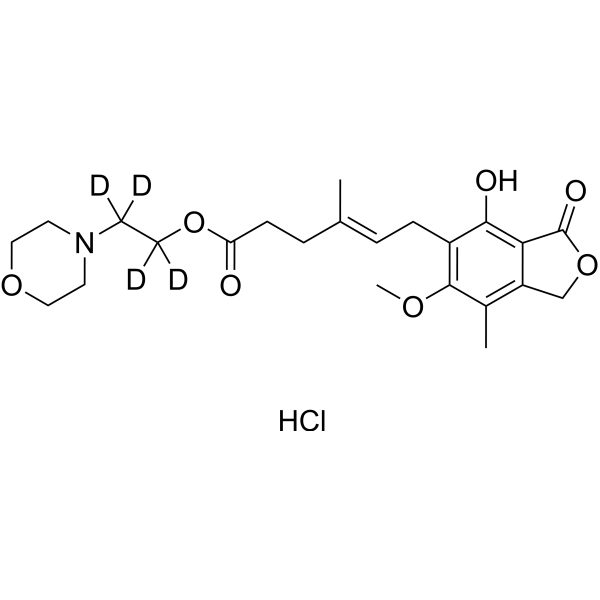
Mycophenolate Mofetil-d4 hydrochloride is deuterated labeled Mycophenolate mofetil hydrochloride (HY-B0199A). Mycophenolate mofetil (RS 61443; TM-MMF) hydrochloride is an orally active antimetabolic immunosuppressant with antiproliferative and anti-inflammatory properties. Mycophenolate mofetil hydrochloride significantly inhibits the production of B, T lymphocytes and the proliferation of smooth muscle cells by selectively blocking the de novo purine synthesis pathway. Mycophenolate mofetil hydrochloride effectively reduces adventitial inflammation, medial necrosis and intimal thickening in rat aortic allografts, and decreases the number of lymphocytes expressing the IL-2 receptor, thereby delaying xenograft rejection. Mycophenolate mofetil hydrochloride shows certain toxicity in a hamster-to-rat limb xenotransplantation model when used in combination with FK506 (HY-13756). Mycophenolate mofetil hydrochloride is widely used in studies related to allograft arteriosclerosis (chronic rejection) .
loading...
    loading...
Cat. No.: HY-B0199R
CAS No.: 128794-94-5
Synonyms: RS 61443 (Standard); TM-MMF (Standard)
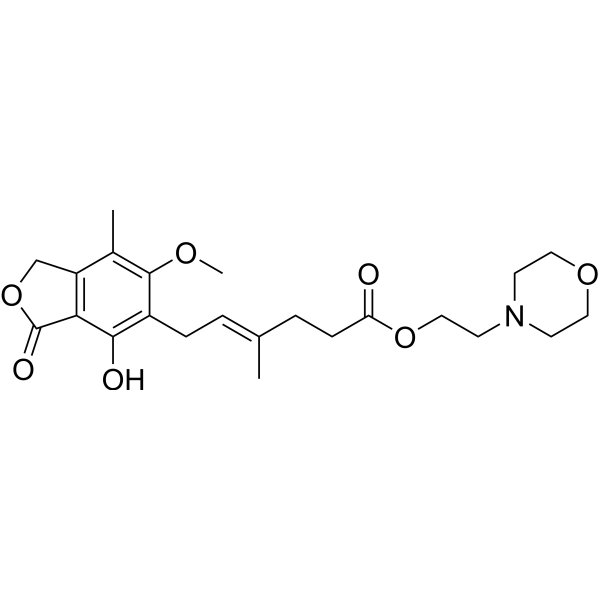
Mycophenolate Mofetil (Standard) is the analytical standard of Mycophenolate Mofetil. This product is intended for research and analytical applications. Mycophenolate mofetil (RS 61443; TM-MMF) hydrochloride is an orally active antimetabolic immunosuppressant with antiproliferative and anti-inflammatory properties. Mycophenolate mofetil hydrochloride significantly inhibits the production of B, T lymphocytes and the proliferation of smooth muscle cells by selectively blocking the de novo purine synthesis pathway. Mycophenolate mofetil hydrochloride effectively reduces adventitial inflammation, medial necrosis and intimal thickening in rat aortic allografts, and decreases the number of lymphocytes expressing the IL-2 receptor, thereby delaying xenograft rejection. Mycophenolate mofetil hydrochloride shows certain toxicity in a hamster-to-rat limb xenotransplantation model when used in combination with FK506 (HY-13756). Mycophenolate mofetil hydrochloride is widely used in studies related to allograft arteriosclerosis (chronic rejection) .
loading...
    loading...
Cat. No.: HY-N0648R
CAS No.: 5945-50-6
Monotropein (Standard) is the analytical standard of Monotropein. This product is intended for research and analytical applications. Monotropein is an iridoid glycoside that can be isolated from the roots of Morinda officinalis. Monotropein inhibits the expression of inflammatory mediators in dextran sulfate sodium (DSS)-induced colitis mouse model. Monotropein exerts protective effects against IL-1β-induced apoptosis and catabolic responses on osteoarthritis chondrocytes. Monotropein has cartilage protective activity. Monotropein can alleviate Cisplatin (HY-17394)-induced acute kidney injury by inhibiting oxidative damage, inflammation and apoptosis through activation of Nrf2/HO-1 pathway and inhibition of NF-κB signaling. Monotropein can be studied in research for osteoarthritis, acute kidney injury and acute lung injury .
loading...
    loading...
Cat. No.: HY-W142432S
Perfluoroundecanoic acid- 13C7 is the 13C-labeled Perfluoroundecanoic acid (HY-W142432). Perfluoroundecanoic acid is a perfluoroalkyl substance (PFAS). Perfluoroundecanoic acid is an orally active oxidative stress inducer. Perfluoroundecanoic acid promotes macrophage M2 polarization, activates Wnt/β-catenin signaling and enhances β-catenin nuclear accumulation. Perfluoroundecanoic acid -induced M2 phenotype macrophage accelerates tumor progression in vitro and in vivo. Perfluoroundecanoic acid induces DNA damage, reproductive and pathophysiological dysfunctions via oxidative stress in male Swiss mice. Perfluoroundecanoic acid inhibits Leydig cell development in pubertal male rats via inducing oxidative stress and autophagy. Perfluoroundecanoic acid accelerates insulitis development in a mouse model of type 1 diabetes. Perfluoroundecanoic acid can be used for the study of ovarian cancer, type 1 diabetes and inflammation .
loading...
    loading...
Cat. No.: HY-181576
CAS No.: 3115784-59-0
Target:  

ROCK

Research Areas:  

Inflammation/Immunology

ROCK2-IN-14 is an orally active, selective ROCK2 inhibitor (IC50=4.8 nM) with 212-fold selectivity over ROCK1 (IC50=1.01 μM). By inhibiting the ROCK2/S100A9 signaling pathway, ROCK2-IN-14 downregulates S100A9 expression, inhibits NM2 phosphorylation and restores cytoskeletal abnormalities. Furthermore, ROCK2-IN-14 reduces inflammatory cytokine levels, alleviates skin inflammation and exerts anti-inflammatory activity. ROCK2-IN-14 also significantly inhibits ear thickening in a mouse model of atopic dermatitis (AD), and decreases the levels of IgE, TNF-α, IL-6 and TSLP. ROCK2-IN-14 can be used for research on atopic dermatitis .
loading...
    loading...
Cat. No.: HY-L100
147 compounds

Cancer is a multi-step process which involves initiation, promotion and progression. Chemical carcinogens can alter any of these processes to induce their carcinogenic effects. People are continuously exposed exogenously to varying amounts of chemicals that have been shown to have carcinogenic or mutagenic properties in experimental systems. Exposure can occur exogenously when these agents are present in food, air or water, and also endogenously when they are products of metabolism or pathophysiologic states such as inflammation. The administration of chemical carcinogens is one of the most commonly used methods to induce tumors in several organs in laboratory animals in order to study oncologic diseases of humans. MCE offers a unique collection of 147 chemical carcinogens which have been identified with carcinogenic activity either in humans or in animal models. MCE Tumorigenesis-Related Compound Library is a powerful tool for studying oncologic diseases of humans. Standard opration based on safety data sheet will not cause harm to the body.

Cat. No.: HY-175521
HIF-1α-IN-8 is an orally active HIF-1α inhibitor, with an IC50 of 2.02 μM. HIF-1α-IN-8 significantly suppresses the expression of inflammation factors of IL-6 and NO, reduces hypoxia-induced ROS production and apoptosis in C8-D1A cells. HIF-1α-IN-8 inhibits HIF-1α/IKKα/NF-κB signaling pathway and reduces the expression of blood-brain barrier permeability-related proteins. HIF-1α-IN-8 reduces brain water content and oxidative stress level in mice with high altitude cerebral edema (HACE) model. HIF-1α-IN-8 can be used for the study of high altitude cerebral edema (HACE) .
loading...
    loading...
Cat. No.: HY-N0168A
CAS No.: 69097-99-0
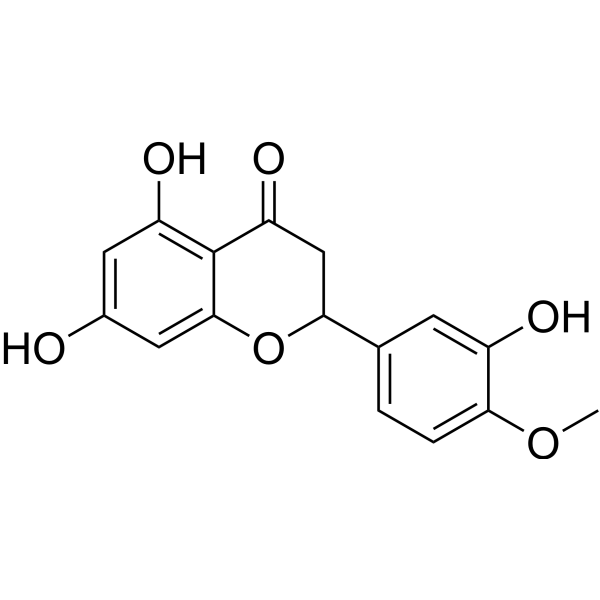
(Rac)-Hesperetin is the racemate of Hesperetin (HY-N0168), an orally active multi-target inhibitor. (Rac)-Hesperetin exhibits significant anti-tumor and anti-inflammatory activities by blocking the TGF-β1-mediated Fyn/RhoA signaling axis and the TLR4-MyD88-NF-κB inflammatory pathway. (Rac)-Hesperetin inhibits the formation of actin stress fibers and the migration and invasion of cancer cells, and is suitable for triple-negative breast cancer research. In inflammation models, (Rac)-Hesperetin effectively alleviates lung injury by reducing the release of pro-inflammatory mediators and regulating the activity of oxidative stress enzymes, and is suitable for acute lung injury research. (Rac)-Hesperetin also interferes with the entry and early replication processes of channel catfish virus, inhibits viral gene expression and progeny virus production, thereby protecting cells from virus-induced cytopathic effects .
loading...
    loading...
Cat. No.: HY-180155
CAS No.: 3105470-83-2
Keap1/Nrf2/ARE activator 2 is an activator of Keap1/Nrf2/ARE pathway and non-competitively inhibits AChE with an IC50 of 14.79 μM and a Ki of 1.35 μM. Keap1/Nrf2/ARE activator 2 promotes Nrf2 nuclear translocation, leading to antioxidant gene upregulation and enhanced cellular defense against oxidative stress. Keap1/Nrf2/ARE activator exhibits robust neuroprotection against both H2O2- and Scopolamine (SCA) (HY-N0296)-induced injury in PC12 cells. Keap1/Nrf2/ARE activator 2 ameliorates memory impairment and the neuro-inflammation associated with SCA-initiated cognitive dysfunction in a zebrafish model. Keap1/Nrf2/ARE activator 2 can be used for the research of Alzheimer's disease .
loading...
    loading...
Cat. No.: HY-B1580A
CAS No.: 4075-81-4
Synonyms: Bioban-C, meets analytical specification of E282
Calcium propionate, meets analytical specification of E282 (Bioban-C, meets analytical specification of E282) is a calcium salt of Propionic acid with oral activity, which can be hydrolyzed into propionate and calcium ions. Calcium propionate, meets analytical specification of E282 elevates intracellular ROS levels in tumor cells, depletes GSH, reduces mitochondrial membrane potential, and thereby induces tumor cell apoptosis. In mouse colitis models, Calcium propionate, meets analytical specification of E282 modulates inflammatory factors such as IFN-γ, calprotectin, and Pglyrp3, ameliorating intestinal inflammation and metabolic disorders. In ruminants, Calcium propionate, meets analytical specification of E282 serves as a gluconeogenic precursor, regulating rumen fermentation and microbial diversity; in high-fat diet rats, it alters gut microbiota composition and affects blood biochemical parameters. Calcium propionate, meets analytical specification of E282 is commonly used as a food and feed additive, and is also used in research related to hypocalcemia, dyslipidemia, colitis, and lung cancer .
loading...
    loading...
Cat. No.: HY-N0168AR
CAS No.: 69097-99-0
(Rac)-Hesperetin (Standard) is the analytical standard of (Rac)-Hesperetin. This product is intended for research and analytical applications. (Rac)-Hesperetin is the racemate of Hesperetin (HY-N0168), an orally active multi-target inhibitor. (Rac)-Hesperetin exhibits significant anti-tumor and anti-inflammatory activities by blocking the TGF-β1-mediated Fyn/RhoA signaling axis and the TLR4-MyD88-NF-κB inflammatory pathway. (Rac)-Hesperetin inhibits the formation of actin stress fibers and the migration and invasion of cancer cells, and is suitable for triple-negative breast cancer research. In inflammation models, (Rac)-Hesperetin effectively alleviates lung injury by reducing the release of pro-inflammatory mediators and regulating the activity of oxidative stress enzymes, and is suitable for acute lung injury research. (Rac)-Hesperetin also interferes with the entry and early replication processes of channel catfish virus, inhibits viral gene expression and progeny virus production, thereby protecting cells from virus-induced cytopathic effects .
loading...
    loading...
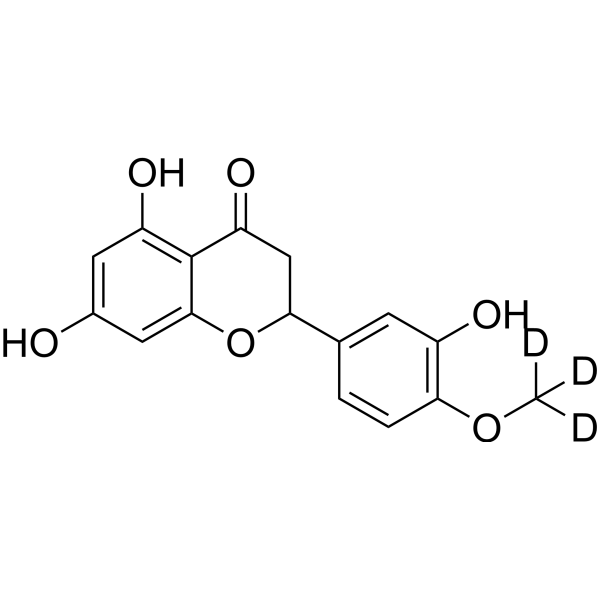
Cat. No.: HY-N0168AS
CAS No.: 1346605-26-2
(Rac)-Hesperetin-d3 is the deuterium labeled (Rac)-Hesperetin. (Rac)-Hesperetin is the racemate of Hesperetin (HY-N0168), an orally active multi-target inhibitor. (Rac)-Hesperetin exhibits significant anti-tumor and anti-inflammatory activities by blocking the TGF-β1-mediated Fyn/RhoA signaling axis and the TLR4-MyD88-NF-κB inflammatory pathway. (Rac)-Hesperetin inhibits the formation of actin stress fibers and the migration and invasion of cancer cells, and is suitable for triple-negative breast cancer research. In inflammation models, (Rac)-Hesperetin effectively alleviates lung injury by reducing the release of pro-inflammatory mediators and regulating the activity of oxidative stress enzymes, and is suitable for acute lung injury research. (Rac)-Hesperetin also interferes with the entry and early replication processes of channel catfish virus, inhibits viral gene expression and progeny virus production, thereby protecting cells from virus-induced cytopathic effects .
loading...
    loading...
Cat. No.: HY-N15378
CAS No.: 132541-62-9
β-carotene-15,15ʹ-epoxide is a XIAP antagonist with apoptosis-inducing and antitumor activity, found in the leaves of Spondias mombin. In a DMBA (HY-W011845)-induced rat model of breast cancer, β-carotene-15,15ʹ-epoxide binds to the BIR3 domain of the anti-apoptotic protein XIAP, blocking its interaction with caspase-9 and thereby promoting tumor cell apoptosis. In addition, β-carotene-15,15ʹ-epoxide significantly downregulates the expression of BCL-2, COX-2, and TNF-α in tumor tissues, reduces MDA levels, increases catalase activity, and modulates serum levels of LDH, ALP, and ALT, demonstrating strong antioxidant, anti-inflammatory, and metabolic protective effects. β-carotene-15,15ʹ-epoxide may be used in research on inflammation-related conditions and cancers such as breast cancer .
loading...
    loading...

