334 Results for "

hydroxyl groups

" in MedChemExpress (MCE) Product Catalog:
Products (334)

334 Results for "hydroxyl groups" in MCE Product Catalog:

Cat. No.: HY-Y0958R
CAS No.: 593-56-6
Synonyms: O-Methylhydroxylamine hydrochloride (Standard)
Research Areas:  

Cancer

Methoxyamine hydrochloride (Standard) is the analytical standard of Methoxyamine hydrochloride. This product is intended for research and analytical applications. Methoxyamine (O-Methylhydroxylamine) hydrochloride is an orally active and potent base excision repair (BER) inhibitor. Methoxyamine hydrochloride binds to 3’ hydroxyl groups that are left behind by 3-methylpurine-DNA glycosylase (MPG) following excision of the damaged base and thus inhibits BER activity. Methoxyamine hydrochloride binds directly to the apyrimidinic (AP) sites. Methoxyamine hydrochloride synergistically enhances the therapeutic efficacy of DNA-damaging agents .
loading...
    loading...
Cat. No.: HY-N19720
CAS No.: 22684-08-8
Bractein is a natural aurone flavonoid with potential antioxidant activity. Bractein shows in vitro antileishmanial activity and inhibits promastigotes and intracellular amastigotes of Leishmania donovani. Bractein exhibits no obvious cytotoxicity against mammalian macrophages with an EC50 value > 25.0 μg/mL. Bractein can be used for the research of Leishmania .
loading...
    loading...
Cat. No.: HY-128417A
CAS No.: 14431-43-7
Purity:  ≥98.0%
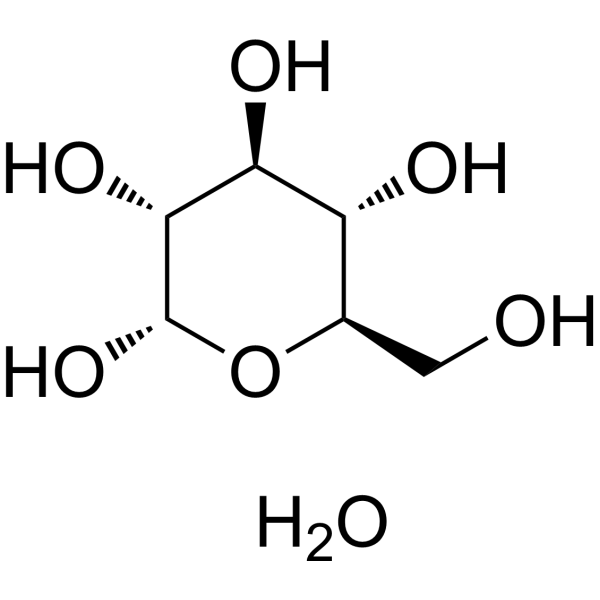
alpha-D-glucose hydrate is a monosaccharide and the most common form of glucose. It is a monosaccharide, which means it cannot be broken down into simpler sugars. alpha-D-glucose plays a vital role in energy metabolism and is the primary source of energy for many cells in the body. It is also a building block of larger carbohydrates such as starch and glycogen. The "α" prefix refers to the orientation of the hydroxyl group attached to the first carbon atom. Alpha-D-glucose exists in solution as a hydrate, which means it is bound to water molecules.
loading...
    loading...
Cat. No.: HY-W010505S
CAS No.: 6843-76-1
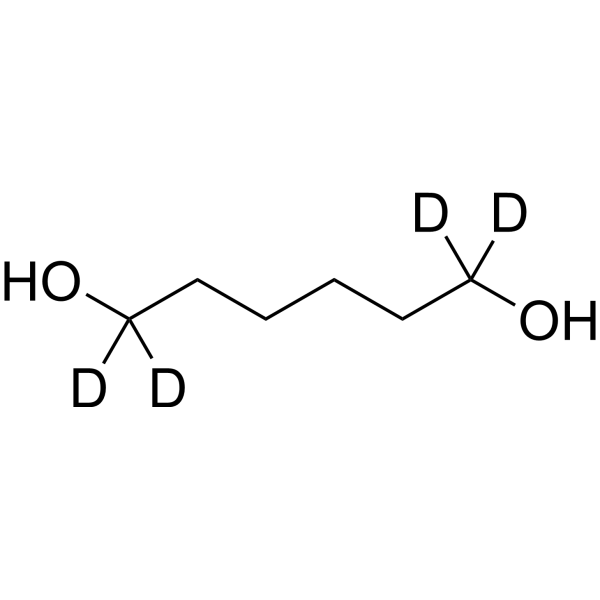
Hexane-1,6-diol-d4 is the deuterium labeled Hexane-1,6-diol (HY-W010505). Hexane-1,6-diol is a 6-carbon straight-chain diol with hydroxyl groups at both ends. Hexane-1,6-diol can be used as an additive for drilling fluids. Hexane-1,6-diol can also be used as a substrate in life science-related research .
loading...
    loading...
Cat. No.: HY-W047187
CAS No.: 117405-51-3
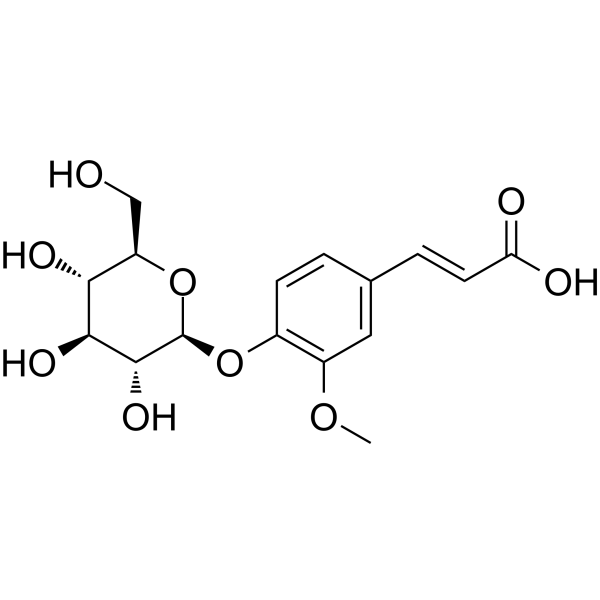
Lavandoside is an ABTS ?+ free radical scavenger and a moderate inhibitor of xanthine oxidase (XO), with an IC50 of 71.6 μM for inhibiting NO production in LPS-induced macrophages. Lavandoside exerts its antioxidant and potential anti-inflammatory effects by directly scavenging free radicals and inhibiting XO activity, a mechanism related to the hydroxyl groups in its molecular structure. Lavandoside can be isolated from lavender and can be used in the development of natural antioxidants and in research on oxidative stress-related diseases and inflammation-related diseases .
loading...
    loading...
Cat. No.: HY-W013222
CAS No.: 55066-53-0
Research Areas:  

Others

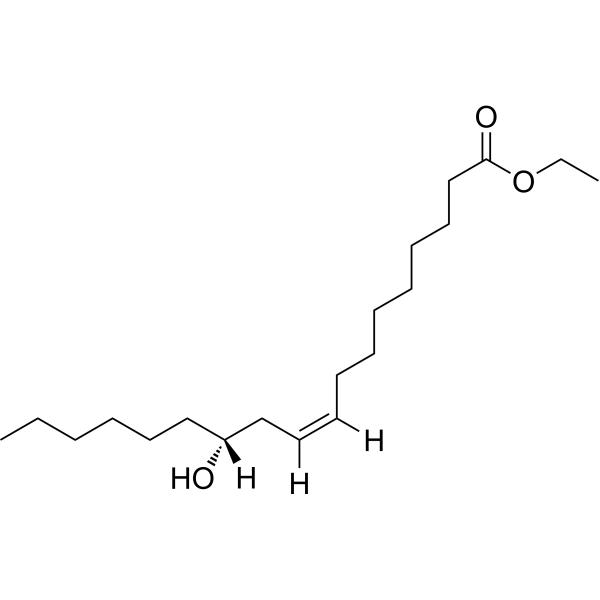
(R,Z)-Ethyl 12-hydroxyoctadec-9-enoate is a naturally occurring organic compound belonging to the class of fatty acid esters. It is derived from oleic acid, a common unsaturated fatty acid found in various animal and plant sources. (R,Z)-Ethyl 12-hydroxyoctadec-9-enoate contains an ethyl group and a hydroxyl group at specific positions in the fatty acid chain. It has various applications in industry and biomedicine, especially as a precursor for the synthesis of other bioactive compounds. (R,Z)-Ethyl 12-hydroxyoctadec-9-enoate is also used in the formulation of certain types of cosmetic and personal care products, such as skin creams and lotions.
loading...
    loading...
Cat. No.: HY-Y0850U1
CAS No.: 9002-89-5
Synonyms: Polyvinyl alcohol (Mw 61000, 98-99% hydrolyzed, ~1400 polymerization); Poly(Ethenol) (Mw 61000, 98-99% hydrolyzed, ~1400 polymerization)
PVA (Mw 61000, 98-99% hydrolyzed, ~1400 polymerization) is a semicrystalline and biocompatible synthetic polymer with excellent safety properties including non-toxicity, no accumulation, and non-mutagenicity. PVA (Mw 61000, 98-99% hydrolyzed, ~1400 polymerization) undergoes cross-linking via acetal bond formation between hydroxyl and aldehyde groups, and it can be used to prepare highly rigid, low-solubility degradable films as well as for dry or minimally invasive in vitro wound studies. PVA (Mw 61000, 98-99% hydrolyzed, ~1400 polymerization) can construct a hydroxyl-rich microenvironment to trap photogenerated holes, thereby promoting hydrogen peroxide production and enhancing the redox cycle of iron species in the photo-Fenton reaction. PVA (Mw 61000, 98-99% hydrolyzed, ~1400 polymerization) can act as a sacrificial agent and substrate to achieve synchronous degradation with pollutants, and it is applicable to sustainable waste management and water treatment .
loading...
    loading...
Cat. No.: HY-123558
CAS No.: 74141-69-8
Synonyms: Y 14556
Target:  

Antibiotic

Research Areas:  

Cancer

Bactobolin C is an antibiotic produced by Pseudomonas sp. BMG13A7, which has strong antimicrobial and antitumor activities, can also inhibit antibody production and treat autoimmune encephalomyelitis. However, its undesirable toxicity limits its medicinal application. The unique chemical structure and promising biological activities of Bactobolin C have attracted people's interest in its total synthesis and new active analogs. So far, the structural modification of Bactobolin C has mainly focused on the hydroxyl groups on the amino acid side chains and backbone.
loading...
    loading...
Cat. No.: HY-W127711
CAS No.: 14263-94-6
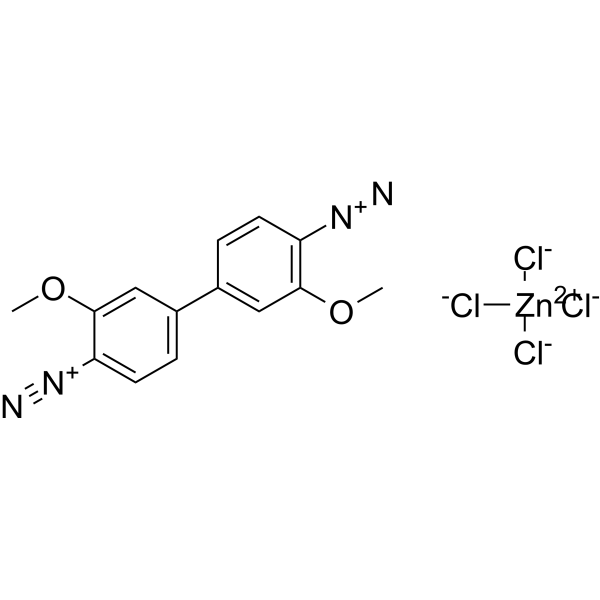
Fast Blue B Salt, Dye content ~95% is a diazo dye, primarily used as a chromogenic substrate in biochemical analysis. Fast Blue B Salt, Dye content ~95% is the coupling agent for the histochemical demonstration of proteases. Fast Blue B Salt, Dye content ~95% can be used for the detection of acid phosphatase in Clostridium perfringens, and also for the determination of lipase activity. Fast Blue B Salt, Dye content ~95% reacts directly with the active hydroxyl groups in phenolic compounds to determine the content of phenolic substances .
loading...
    loading...
Cat. No.: HY-W145552
CAS No.: 144985-19-3
Synonyms: 4-Methoxyphenyl 3-O-allyl-beta-D-galactopyranoside
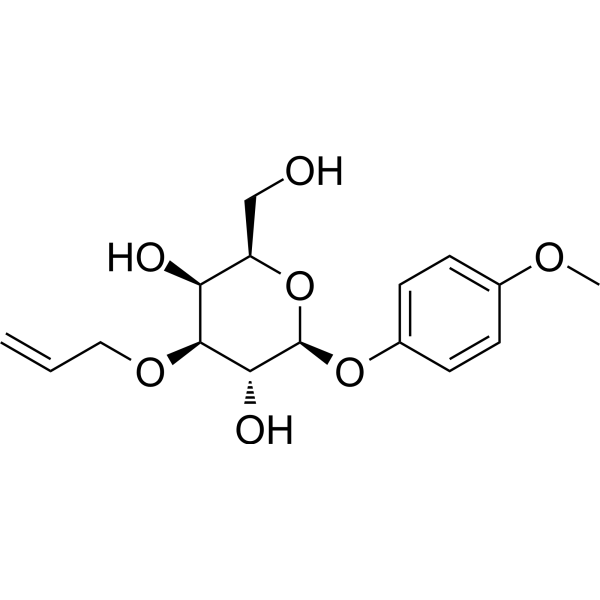
4-Methoxyphenyl 3-O-Allyl-β-D-galactopyranoside is an organic compound belonging to the family of galactopyranosides. It is often used as a building block for the synthesis of more complex glycosides and glycoconjugates. 4-Methoxyphenyl 3-O-Allyl-β-D-galactopyranoside has various applications in biochemical research, especially in the study of carbohydrate metabolism and protein-carbohydrate interactions. This compound contains an allyl protecting group that can be selectively removed using palladium-catalyzed conditions to reveal hydroxyl functionality for further chemical modification.
loading...
    loading...
Cat. No.: HY-15613A
CAS No.: 1010732-14-5
Synonyms: (-)-Marinopyrrole A
(-)-Maritoclax ((-)-Marinopyrrole A) is an actin-targeting cytotoxic and antibacterial agent. (-)-Maritoclax exhibits cytotoxicity against cancer cells. (-)-Maritoclax can be used in the research of methicillin-resistant Staphylococcus aureus infections and colon cancer .
loading...
    loading...
Cat. No.: HY-137822
CAS No.: 10357-27-4
Purity:  99.68%
Synonyms: 4-Nitrophenyl a-D-mannopyranoside
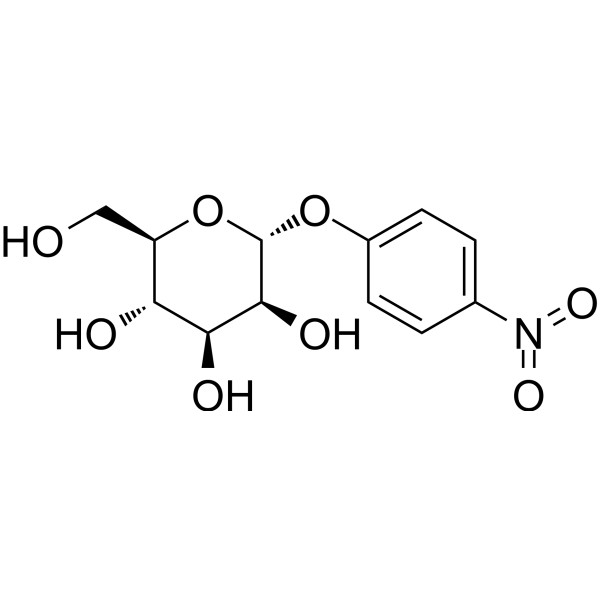
p-Nitrophenyl α-D-mannopyranoside (4-Nitrophenyl α-D-mannopyranoside) is a chromogenic glycosidic ligand. p-Nitrophenyl α-D-mannopyranoside features a sugar moiety (α-D-mannopyranose) with the mannose-characteristic axial hydroxyl group at the C2 position and a ligand portion (p-nitrophenol) that provides ultraviolet-visible light absorption properties. p-Nitrophenyl α-D-mannopyranoside can be used to determine glycosidase activity and characterize the sugar recognition properties of lectins (such as Concanavalin A (HY-P2149)) .
loading...
    loading...
Cat. No.: HY-186146A
CAS No.: 3013618-85-1
Synonyms: SGI-1776-cis-VHL-02
Research Areas:  

Cancer

SGI-1776-VHL-02-epimer (SGI-1776-cis-VHL-02) is an epimer control compound of with SGI-1776-VHL-02 (HY-186146). SGI-1776-VHL-02-epimer has an inverted stereocenter in the critical hydroxyl-proline group in the VHL ligand. SGI-1776-VHL-02-epimer cannot trigger the VHL E3 ligase complex and does not degrade PIM1 .
loading...
    loading...
Cat. No.: HY-101532
CAS No.: 98169-85-8
Purity:  ≥98.0%
Synonyms: β-CDN3; 6A-deoxy-6A-azido-β-cyclodextrin
Research Areas:  

Others

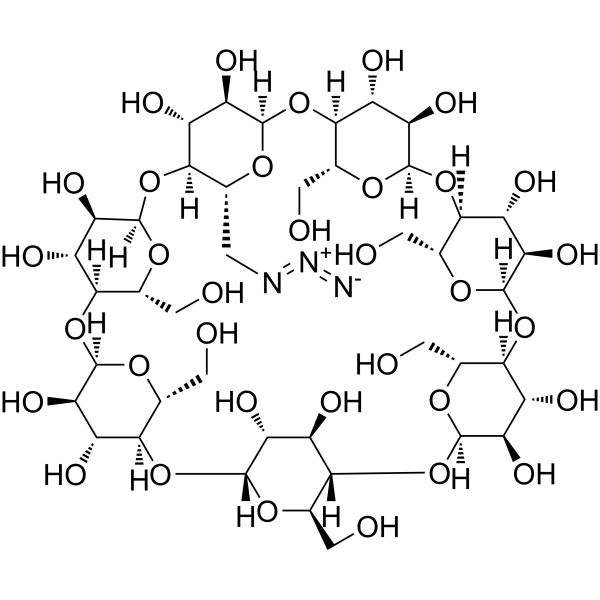
6A-Azido-6A-deoxy-β-cyclodextrin (β-CDN3) is a site-specifically modified β-cyclodextrin with a single azido group replacing the hydroxyl group at the C6 position. 6A-Azido-6A-deoxy-β-cyclodextrin forms a host-guest inclusion complex with Dexamethasone (HY-14648), localizing the drug within its hydrophobic cavity, which restricts the rotational mobility of the drug and places Dexamethasone in a less polar environment. 6A-Azido-6A-deoxy-β-cyclodextrin acts as a coupling agent to graft β-cyclodextrin onto thermosensitive nanogels via strain-promoted alkyne-azide cycloaddition (SPAAC). 6A-Azido-6A-deoxy-β-cyclodextrin also serves as a click chemistry reagent. It contains an azide group and undergoes copper-catalyzed azide-alkyne cycloaddition (CuAAc) with molecules bearing an alkyne group. It also undergoes strain-driven alkyne-azide cycloaddition (SPAAC) with molecules containing DBCO or BCN groups .
loading...
    loading...
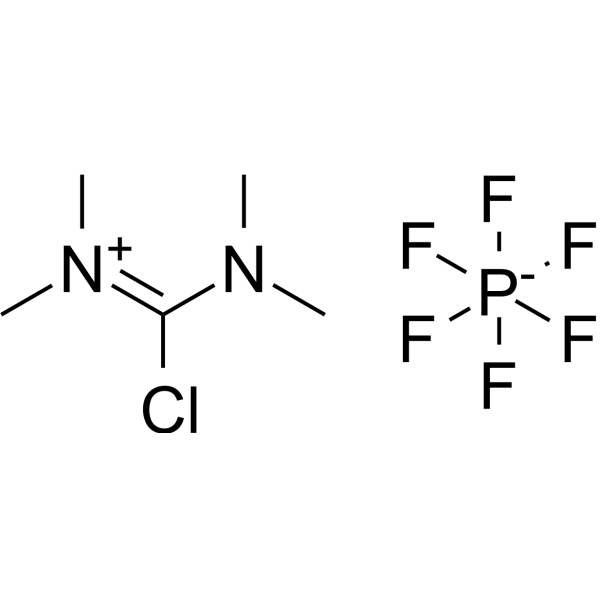
Cat. No.: HY-W011556
CAS No.: 94790-35-9
Synonyms: TCFH
N,N,N',N'-Tetramethylchloroformamidinium hexafluorophosphate (TCFH) is a powerful coupling and derivatizing reagent for ester prodrug synthesis. N,N,N',N'-Tetramethylchloroformamidinium hexafluorophosphate can be used for antitumor drugs before medicine research .
loading...
    loading...
Cat. No.: HY-W105988
CAS No.: 20427-59-2
Copper dihydroxide is a copper group metal hydroxide molecule with significant covalent character, a planar 2B9 ground-state electronic state, and C2h symmetry .
loading...
    loading...
Cat. No.: HY-W339834
CAS No.: 325465-92-7
Research Areas:  

Others

1-Stearoyl-sn-glycerol 3-phosphate sodium is a bioactive phospholipid that plays a crucial role in modulating cellular processes such as motility, proliferation, invasion, survival, and growth factor production, primarily through its interaction with G protein-coupled receptors (GPCRs). Typically found at low concentrations in plasma (~100nM), this compound is synthesized during the formation of membrane phospholipids and is derived from various cell types, including activated platelets, epithelial cells, leukocytes, neuronal cells, and tumor cells. Its unique structure includes stearic acid at the sn-1 position alongside a hydroxyl group at the sn-2 position.
loading...
    loading...
Cat. No.: HY-128417AR
CAS No.: 14431-43-7
alpha-D-glucose (hydrate) (Standard) is the analytical standard of alpha-D-glucose (hydrate). This product is intended for research and analytical applications. alpha-D-glucose hydrate is a monosaccharide and the most common form of glucose. It is a monosaccharide, which means it cannot be broken down into simpler sugars. alpha-D-glucose plays a vital role in energy metabolism and is the primary source of energy for many cells in the body. It is also a building block of larger carbohydrates such as starch and glycogen. The "α" prefix refers to the orientation of the hydroxyl group attached to the first carbon atom. Alpha-D-glucose exists in solution as a hydrate, which means it is bound to water molecules.
loading...
    loading...
Cat. No.: HY-G0004R
CAS No.: 37519-14-5
Synonyms: 3-Hydroxyacetaminophen (Standard)
Acetaminophen metabolite 3-hydroxy-acetaminophen (3-Hydroxyacetaminophen) (Standard) is the analytical standard of Acetaminophen metabolite 3-hydroxy-acetaminophen (HY-G0004). This product is intended for research and analytical applications. Acetaminophen metabolite 3-hydroxy-acetaminophen is a non-toxic metabolite and antioxidant of acetaminophen (HY-66005) with free radical scavenging activity. Acetaminophen metabolite 3-hydroxy-acetaminophen can reduce oxidative damage by exerting electron donation ability and antioxidant activity through phenolic hydroxyl groups. 3-hydroxy-acetaminophen can be used to study the toxicity mechanism and drug metabolism of acetaminophen .
loading...
    loading...
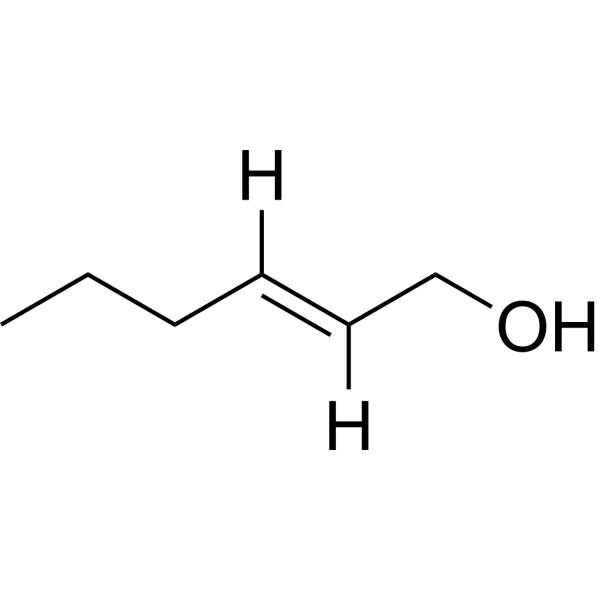
Cat. No.: HY-W015936
CAS No.: 928-95-0
Synonyms: trans-Hex-2-en-1-ol
(E)-Hex-2-en-1-ol belongs to the class of unsaturated alcohols consisting of a six-carbon chain with a double bond between carbon atoms 2 and 3 and a hydroxyl group attached to carbon atom 1. The compound has a grassy or herbaceous smell and is commonly used as a flavoring in foods such as baked goods, candy and beverages. It can also be used as a fragrance ingredient in personal care products and as a starting material for the synthesis of other organic compounds. Furthermore, (E)-hex-2-en-1-ol can be used as a solvent or reagent in various chemical reactions.
loading...
    loading...

