317 Results for "

Sodium Stibogluconate

" in MedChemExpress (MCE) Product Catalog:
Products (317)

317 Results for "Sodium Stibogluconate" in MCE Product Catalog:

2
2 Cited Publications
Cat. No.: HY-B1704A
CAS No.: 57754-86-6
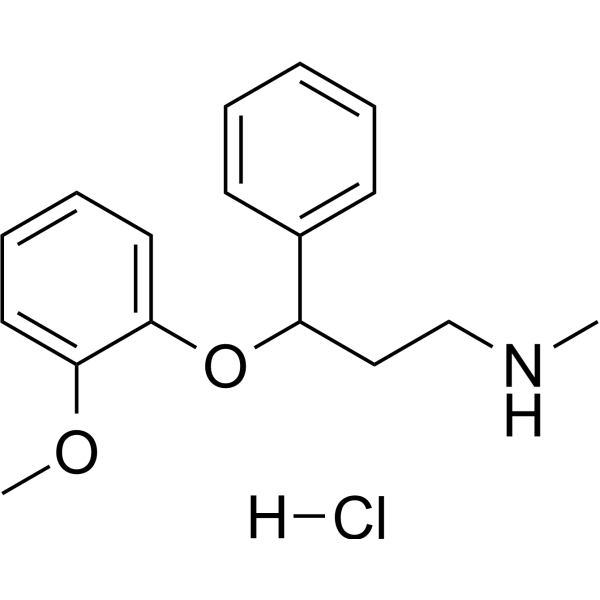
Nisoxetine hydrochloride is a potent and selective inhibitor of noradrenaline transporter (NET), with a Kd of 0.76 nM. Nisoxetine hydrochloride is an antidepressant and local anesthetic, it can block voltage-gated sodium channels .
loading...
    loading...
2
2 Cited Publications
Cat. No.: HY-119521
CAS No.: 31828-71-4
Purity:  99.92%
Synonyms: KOE-1173
Mexiletine is an orally effective antiarrhythmic agent which has also been found to be effective for myotonia and neuropathic pain. Mexiletine exerts its efficacy through blocking sodium channels (IC50 : 75±8 μM for tonic block, 23.6±2.8 μM for use-dependent block), therefore can be used for cardiovascular and neurological research .
loading...
    loading...
2
2 Cited Publications
Cat. No.: HY-100345
CAS No.: 926023-82-7
Purity:  99.18%
Target:  

TRP Channel

Research Areas:  

Neurological Disease Cancer

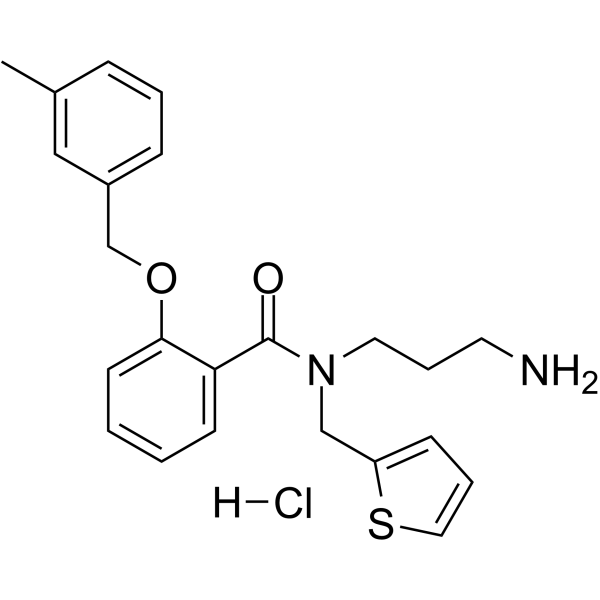
AMTB hydrochloride is a selective TRPM8 channel blocker. AMTB hydrochloride inhibits icilin-induced TRPM8 channel activation with a pIC50 of 6.23. AMTB hydrochloride can be used for the research of the overactive bladder and painful bladder syndrome. AMTB hydrochloride is a non-selective inhibitor of voltage-gated sodium channels (NaV) .
loading...
    loading...
2
2 Cited Publications
Cat. No.: HY-W014841
CAS No.: 532-94-5
Synonyms: N-Benzoylglycine Sodium, 98%
Sodium hippurate, 98% is an orally active metabolite. Sodium hippurate, 98% can be produced by intestinal microorganisms from the metabolism of polyphenols, benzoic acid. Sodium hippurate, 98% decreases NRF2, MMP9 and leads to ROS accumulation. Sodium hippurate, 98% activates TGFβ/SMAD signaling. Sodium hippurate, 98% improves hyperuricemia and colitis. Sodium hippurate, 98% can also be used in cardiovascular disease research . .
loading...
    loading...
2
2 Cited Publications
Cat. No.: HY-W016562
CAS No.: 495-69-2
Synonyms: Benzoylglycine
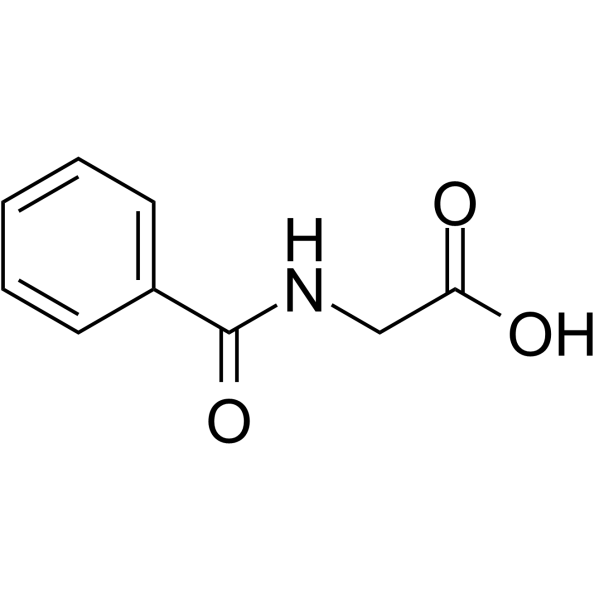
Hippuric Acid is an orally active metabolite. Hippuric Acid can be produced by intestinal microorganisms from the metabolism of polyphenols, benzoic acid. Hippuric Acid decreases NRF2, MMP9 and leads to ROS accumulation. Hippuric Acid activates TGFβ/SMAD signaling. Hippuric Acid improves hyperuricemia and colitis. Hippuric Acid can also be used in cardiovascular disease research . .
loading...
    loading...
2
2 Cited Publications
Cat. No.: HY-A0093
CAS No.: 5370-01-4
Synonyms: KOE-1173 hydrochloride
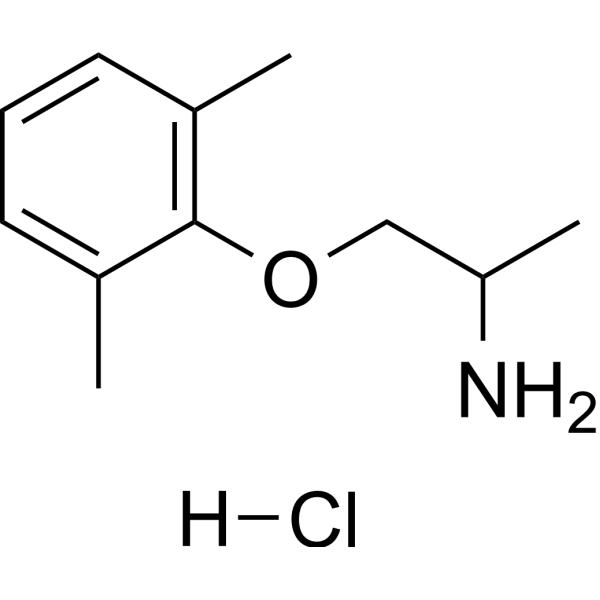
Mexiletine is an orally effective antiarrhythmic agent which has also been found to be effective for myotonia and neuropathic pain. Mexiletine exerts its efficacy through blocking sodium channels (IC50 : 75±8 μM for tonic block, 23.6±2.8 μM for use-dependent block), therefore can be used for cardiovascular and neurological research .
loading...
    loading...
2
2 Cited Publications
Cat. No.: HY-17355B
CAS No.: 104632-28-2
Synonyms: (R)-Pramipexole; R-(+)-Pramipexole; KNS-760704
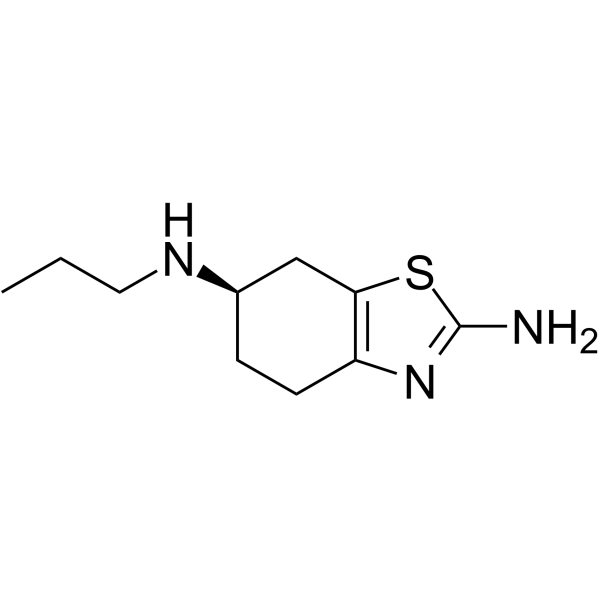
Dexpramipexole ((R)-Pramipexole) is an orally active, blood-brain barrier permeable mitochondrial protective agent. Dexpramipexole upregulates the expression of Parkin, PINK1, GPX4 and FSP1; binds to mitochondrial F1/Fo-ATP synthase; blocks the Nav1.8 sodium channel; and inhibits the activation of the NLRP3 inflammasome. Dexpramipexole induces mitophagy, inhibits ferroptosis, pyroptosis, apoptosis, neuroinflammation and eosinophilopoiesis; maintains mitochondrial function and redox homeostasis; reduces reactive oxygen species production; and decreases myocardial infarct size. Dexpramipexole is applicable to studies on eosinophilic asthma, myocardial ischemia/reperfusion injury, sepsis-associated encephalopathy, analgesia, and more .
loading...
    loading...
1
1 Cited Publications
Cat. No.: HY-108505
CAS No.: 5369-03-9
Purity:  99.89%
Target:  

Sodium Channel

Research Areas:  

Neurological Disease

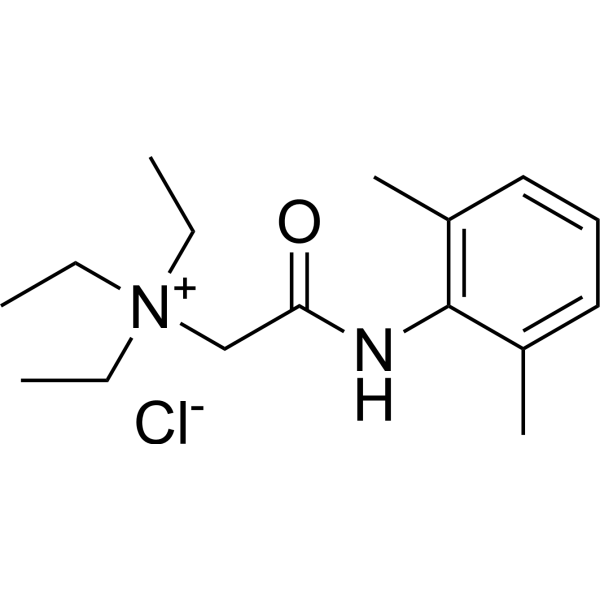
QX-314 chloride is a membrane-impermeable permanently charged sodium channel blocker .
loading...
    loading...
1
1 Cited Publications
Cat. No.: HY-132609
CAS No.: 1386913-72-9
Purity:  99.09%
Patisiran sodium is a double-stranded small interfering RNA that targets a sequence within the transthyretin (TTR) messenger RNA. Patisiran sodium specifically inhibits hepatic synthesis of mutant and wild-type TTR. Patisiran sodium can be used for the research of hereditary TTR amyloidosis .
loading...
    loading...
1
1 Cited Publications
Cat. No.: HY-101350
CAS No.: 24003-58-5
Purity:  96.62%
Target:  

Sodium Channel

Research Areas:  

Neurological Disease

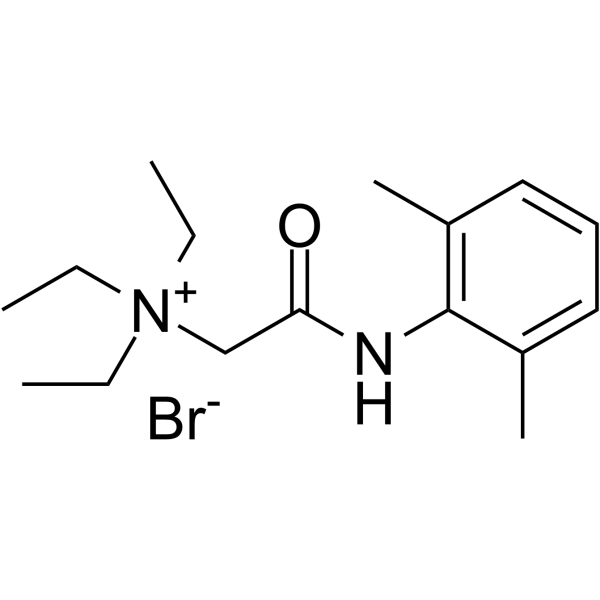
QX-314 bromide is a membrane-impermeable permanently charged sodium channel blocker .
loading...
    loading...
1
1 Cited Publications
Cat. No.: HY-B2243B
CAS No.: 7558-80-7
Synonyms: Sodium phosphate monobasic for molecular biology; MonoSodium dihydrogen orthophosphate for molecular biology; MonoSodium phosphate for molecular biology
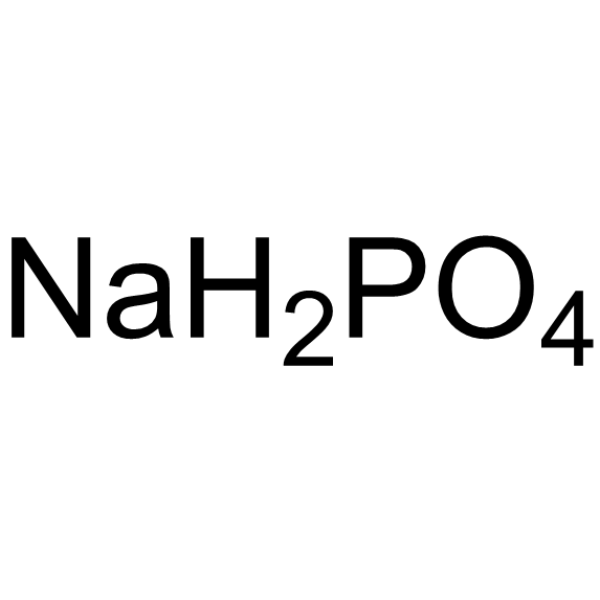
Anhydrous sodium dihydrogen phosphate, for molecular biology is an inorganic salt compound that can be used as a buffer and nutritional supplement. Anhydrous sodium dihydrogen phosphate, for molecular biology can be used in molecular biology experiments .
loading...
    loading...
1
1 Cited Publications
Cat. No.: HY-132613
CAS No.: 1834612-06-4
Purity:  99.21%
Lumasiran sodium, an investigational RNA interference (RNAi) therapeutic agent, reduces hepatic oxalate production by targeting glycolate oxidase. Lumasiran sodium reduces urinary oxalate excretion, the cause of progressive kidney failure in primary hyperoxaluria type 1 (PH1) .
loading...
    loading...
1
1 Cited Publications
Cat. No.: HY-B1610J
Sodium Citrate Buffer, 0.5M, pH 5.0 is a commonly used buffer composed of citric acid and sodium citrate. Sodium Citrate Buffer, 0.5M, pH 5.0 is widely used in molecular biology, immunohistochemistry (IHC), and biochemistry .
loading...
    loading...
1
1 Cited Publications
Cat. No.: HY-B2243D
CAS No.: 7558-80-7
Synonyms: Sodium phosphate monobasic, for cell culture; MonoSodium dihydrogen orthophosphate, for cell culture; MonoSodium phosphate, for cell culture
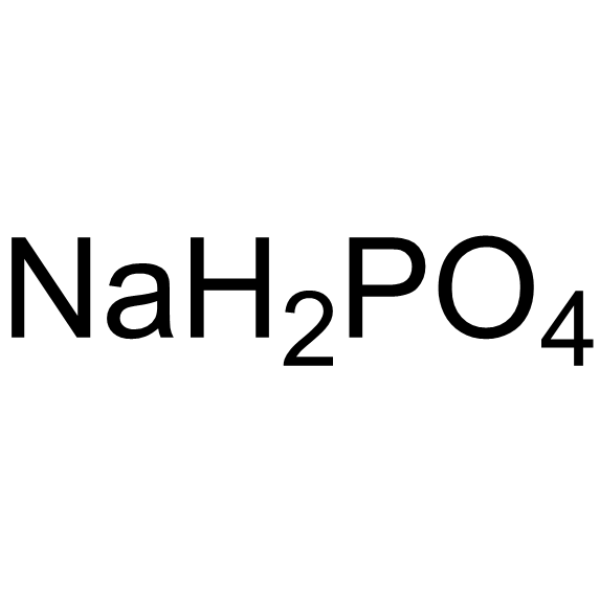
Anhydrous sodium dihydrogen phosphate, for cell culture is an inorganic salt compound that can be used as a buffer and nutritional supplement. Anhydrous sodium dihydrogen phosphate, for cell culture can be used in cell culture .
loading...
    loading...
1
1 Cited Publications
Cat. No.: HY-B1610L
Sodium citrate buffer, 0.5M, pH 6.0, is a commonly used buffer with main components are citric acid and sodium hydrogen phosphate. Sodium citrate buffer, 0.5M, pH 6.0 is used for RNA isolation and antigens detection in fixed tissue .
loading...
    loading...
1
1 Cited Publications
Cat. No.: HY-132607A
Purity:  94.63%
Synonyms: CEBPA-51 Sodium
Target:  

MicroRNA

Research Areas:  

Inflammation/Immunology Cancer

MTL-CEBPA (sodium) is the sodium form of MTL-CEBPA (HY-132607). MTL-CEBPA (sodium) is a small activating RNA targeting for upregulation of C/EBPα. MTL-CEBPA (sodium) has anti-inflammatory and anti-cancer activity .
loading...
    loading...
1
1 Cited Publications
Cat. No.: HY-10449A
CAS No.: 1152425-66-5
Purity:  99.20%
Synonyms: TS 071 hydrate
Target:  

SGLT

Research Areas:  

Metabolic Disease

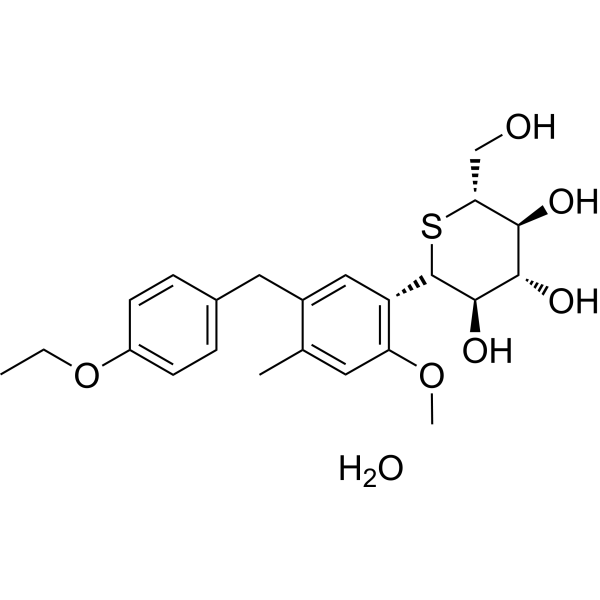
Luseogliflozin (TS 071) hydrate is a selective potent and orally active second-generation sodium-glucose co-transporter 2 (SGLT2) inhibitor with an IC50 of 2.26 nM. Luseogliflozin hydrate can be used for the research of type 2 diabetes mellitus (T2DM) .
loading...
    loading...
1
1 Cited Publications
Cat. No.: HY-147423
CAS No.: 2154406-04-7
Purity:  99.28%
Synonyms: NBI-921352; XEN901
Target:  

Sodium Channel

Research Areas:  

Neurological Disease

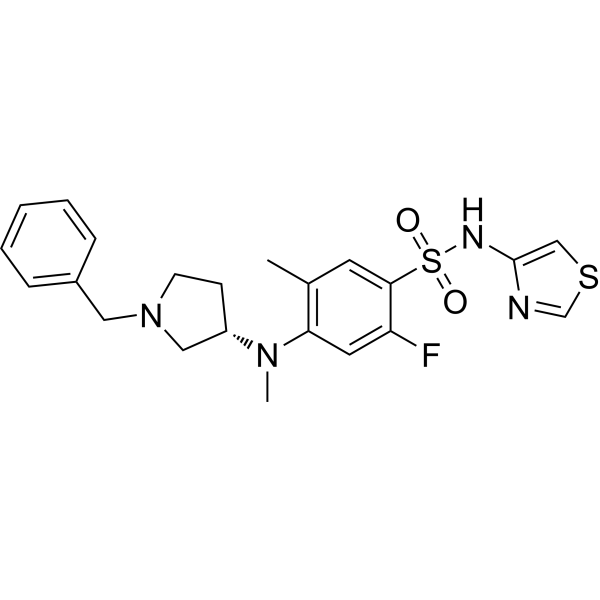
Zandatrigine (NBI-921352; XEN901) is a selective, orally active, voltage-gated sodium channel NaV1.6/SCN8A inhibitor that can penetrate the blood-brain barrier. Zandatrigine inhibits sodium influx by non-covalently binding to the VSD4 structure of NaV1.6, blocking the persistent and resuscitative currents under pathological conditions. Zandatrigine can reduce neuronal hyperexcitability and reduce epileptic seizures. Zandatrigine is 134-756-fold selective for other isoforms such as NaV1.1 and NaV1.2, and has minimal effect on NaV1.1 expressed by inhibitory interneurons. Zandatrigine can be used to study NaV1.6-mediated neuroexcitability diseases such as SCN8A-related developmental epileptic encephalopathy (SCN8A-DEE) and adult focal epilepsy .
loading...
    loading...
1
1 Cited Publications
Cat. No.: HY-N3990
CAS No.: 1782-65-6
Synonyms: (-)-Hardwickiic acid; (-)-Hardwikiic acid
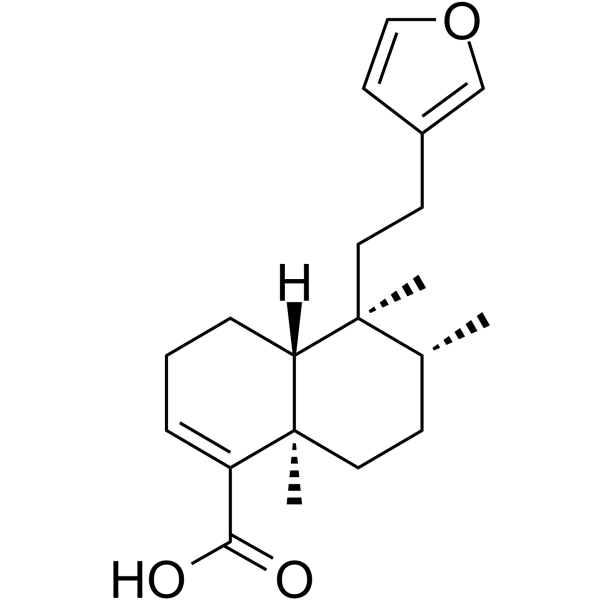
Hardwickiic acid ((-)-Hardwickiic acid) is a diterpenoid compound. Hardwickiic acid can block tetrodotoxin-sensitive voltage-dependent sodium channels and possesses multiple activities such as insecticidal, antinociceptive, and neurotransmitter release-regulating effects. Hardwickiic acid can be used in the study of neurological diseases .
loading...
    loading...
1
1 Cited Publications
Cat. No.: HY-130187A
CAS No.: 217477-25-3
Purity:  ≥98.0%
Target:  

Bacterial

Research Areas:  

Infection

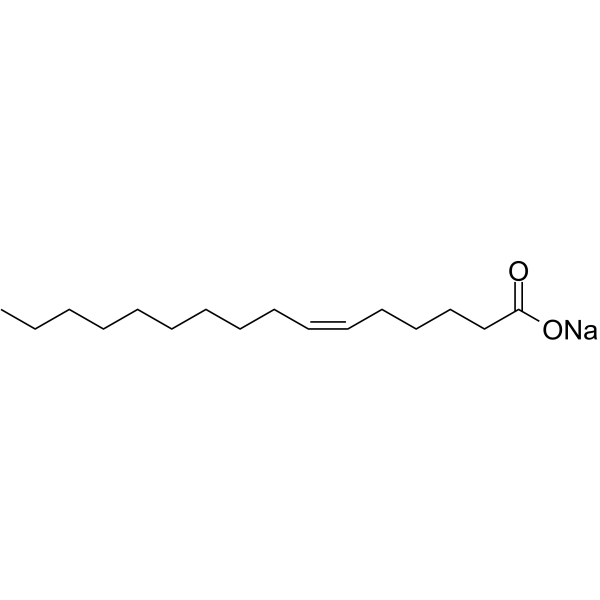
Sapienic acid sodium is a fatty acid commonly found on the skin and in mucosa. Sapienic acid sodium has variable antimicrobial activities against Gram-positive and Gram-negative bacteria found on the skin and in the oral cavity. Sapienic acid sodium is active against Streptococcus sanguinis, Streptococcus mitis and Fusobacterium nucleatum with MBC values of 31.3 μg/mL, 375.0 μg/mL and 93.8 μg/mL, respectively .
loading...
    loading...

