
551 Results for "

electron

" in MedChemExpress (MCE) Product Catalog:
Products (551)

551 Results for "electron" in MCE Product Catalog:

3
3 Cited Publications
Cat. No.: HY-DY3001
Glutaraldehyde Fixative (2.5%, For Electron Microscopy) is composed of glutaraldehyde, phosphate, deionized water, etc., with a pH range of 7.2-7.4. This fixative is effective in fixing fine structures of cell nuclei and cytoplasm and is commonly used for fixing electron microscopy specimens.
loading...
    loading...
3
3 Cited Publications
Cat. No.: HY-N12257
CAS No.: 27220-57-1
Antimycin A2 is a selective inhibitor of the cytochrome b-c1 complex in the mitochondrial electron transport chain. Antimycin A2 disrupts mitochondrial membrane potential and produces reactive oxygen species (ROS) by inhibiting electron transfer between cytochrome b and c. Antimycin A2 has bactericidal and piscicidal activity, as well as tumor cell growth inhibitory effects, and can induce S-phase cell cycle arrest and apoptosis in HeLa cells. Antimycin A2 is suitable for research of cervical cancer and fisheries management. Antimycin A2 can be naturally isolated from the fermentation products of Streptomyces sp. strains .
loading...
    loading...
3
3 Cited Publications
Cat. No.: HY-B0849
CAS No.: 131860-33-8
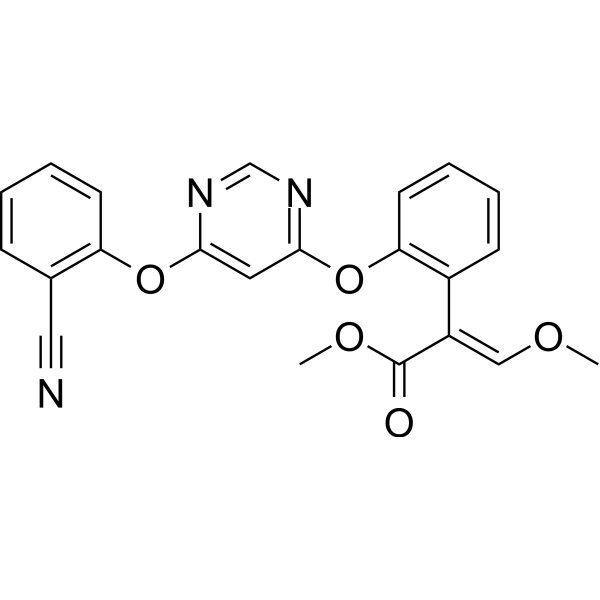
Azoxystrobin is an orally active, broad-spectrum β-methoxyacrylate fungicide. Azoxystrobin inhibits mitochondrial respiration by binding to the Qo site of the cytochrome bc1 complex and inhibiting electron transfer. Azoxystrobin induces the production of reactive oxygen species (ROS) and induces cell apoptosis .
loading...
    loading...
3
3 Cited Publications
Cat. No.: HY-N0354
CAS No.: 84-65-1
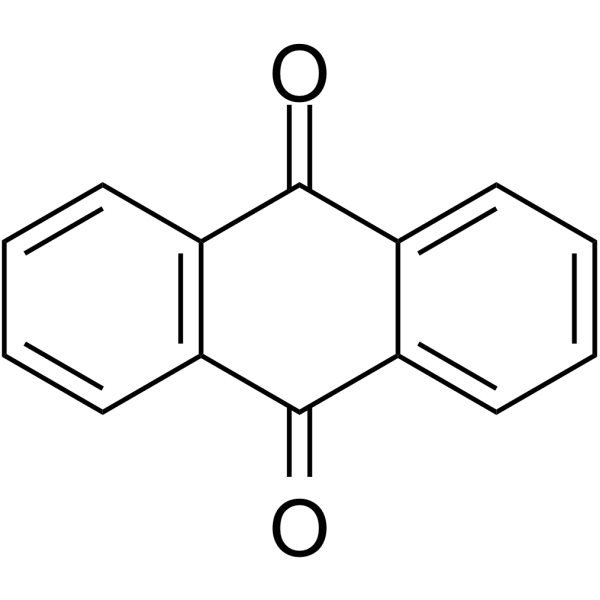
Anthraquinone is used as a precursor for dye formation and agrochemicals, existing in different organisms, such as bacteria, fungi, plants, and some animals. Anthraquinone has biological activities: anticancer, antiinflammatory, diuretic, antiarthritic, antifungal, antibacterial, antimalarial and antioxidant. Anthraquinone also plays an important role in the primary metabolism of plants by acting on the electron transport chain through the inhibition of energy transfer in the photosynthetic process. Anthraquinone can intercalates into DNA and inhibits the topoisomerase II (topo II) enzyme, resulting in cell death via Apoptosis .
loading...
    loading...
3
3 Cited Publications
Cat. No.: HY-Y0488A
CAS No.: 540-69-2
Synonyms: Ammonium formate
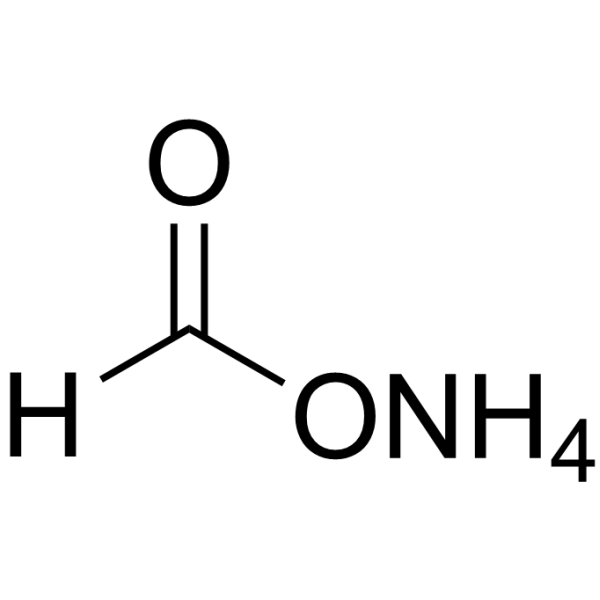
Formic acid ammonium is the ammonium salt form of formic acid, which is an endogenous metabolite. Formic acid ammonium activates the nitric oxide/cyclic guanosine monophosphate (NO/cGMP) signaling pathway in endothelial cells and inhibits calcium ion influx in vascular smooth muscle cells, resulting in vasomotor relaxation. Formic acid ammonium inhibits cytochrome C oxidase (CcO) and disrupts the electron transport chain, leading to ATP depletion. Formic acid ammonium can be used as a feed additive, which can lower the feed pH value, inhibit the growth of microorganisms (such as Escherichia coli, Salmonella), and extend the shelf life of the feed .
loading...
    loading...
2
2 Cited Publications
Cat. No.: HY-B0166R
CAS No.: 50-81-7
Synonyms: L-Ascorbate (Standard); Vitamin C (Standard)
L-Ascorbic acid (Standard) is the analytical standard of L-Ascorbic acid. This product is intended for research and analytical applications. L-Ascorbic acid (L-Ascorbate), an electron donor, is an endogenous antioxidant agent. L-Ascorbic acid inhibits selectively Cav3.2 channels with an IC50 of 6.5 μM. L-Ascorbic acid is also a collagen deposition enhancer and an elastogenesis inhibitor . L-Ascorbic acid exhibits anti-cancer effects through the generation of reactive oxygen species (ROS) and selective damage to cancer cells .
loading...
    loading...
2
2 Cited Publications
Cat. No.: HY-130055
CAS No.: 341-88-8
Purity:  99.19%
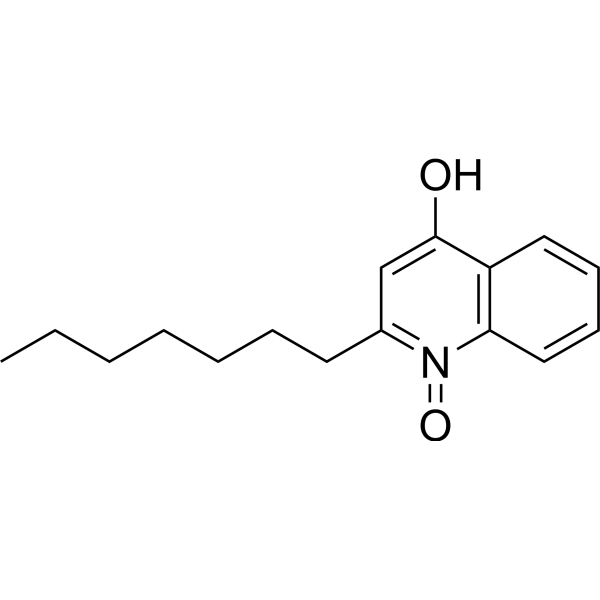
HQNO, secreted by P. aeruginosa, is a potent electron transport chain inhibitor with a Kd of 64 nM for complex III . HQNO is a potent inhibitor of mitochondrial NDH-2 in many species .
loading...
    loading...
2
2 Cited Publications
Cat. No.: HY-125857
CAS No.: 9007-43-6
Purity:  99.9%
Cytochrome C is a multi-functional enzyme involving in life and death decisions of the cell. Cytochrome C is essential in mitochondrial electron transport and intrinsic type II apoptosis .
loading...
    loading...
2
2 Cited Publications
Cat. No.: HY-K1062

MCE Exosome Isolation and Purification Kit provides a simple and effective method to isolate and purify intact exosomes from cell culture media that can be used for electron microscope analysis, NTA analysis, WB, qPCR, etc.


loading...
    loading...
2
2 Cited Publications
Cat. No.: HY-B1756R
CAS No.: 83-79-4
Rotenone (Standard) is the analytical standard of Rotenone. This product is intended for research and analytical applications. Rotenone is a mitochondrial electron transport chain complex I inhibitor. Rotenone induces apoptosis through enhancing mitochondrial reactive oxygen species production.
loading...
    loading...
2
2 Cited Publications
Cat. No.: HY-P2910
CAS No.: 9028-79-9
Synonyms: GOase
Target:  

Endogenous Metabolite

Research Areas:  

Others

Galactose Oxidase, Dactylium dendroides (GOase) from fungus is often used in biochemical studies. Galactose oxidase is a type II copper metalloenzyme, and it containing a single polypeptide. Galactose oxidase catalyzes two-electron oxidation of primary alcohols to their corresponding aldehydes, coupling with the reduction of dioxygen to hydrogen peroxide .
loading...
    loading...
2
2 Cited Publications
Cat. No.: HY-P2733B
CAS No.: 9046-28-0
Synonyms: GPO, Aerococcus viridans
Target:  

Endogenous Metabolite

Research Areas:  

Metabolic Disease

Glycerol-3-phosphate oxidase, Aerococcus viridans (GPO, Aerococcus viridans) is a key intermediate in glycerol metabolism. Glycerol-3-phosphate oxidase is the skeleton of phospholipids in membrane lipids, and also a substrate of respiratory chain. Glycerol-3-phosphate oxidase produces electrons through oxidation .
loading...
    loading...
2
2 Cited Publications
Cat. No.: HY-125365
CAS No.: 13553-79-2
Purity:  98.82%
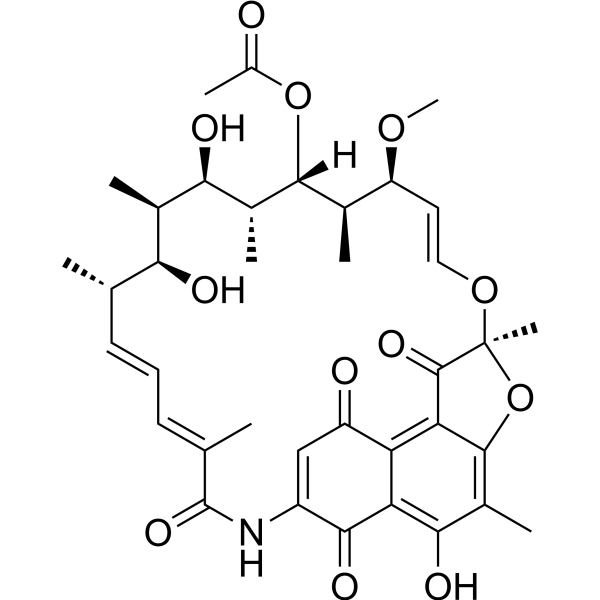
Rifamycin S, a quinone, is an antibiotic against Gram-positive bacteria (including MRSA). Rifamycin S is the oxidized forms of a reversible oxidation-reduction system involving two electrons. Rifamycin S generates reactive oxygen species (ROS) and inhibits microsomal lipid peroxidation. Rifamycin S can be used for tuberculosis and leprosy .
loading...
    loading...
2
2 Cited Publications
Cat. No.: HY-B0817
CAS No.: 96489-71-3
Research Areas:  

Infection

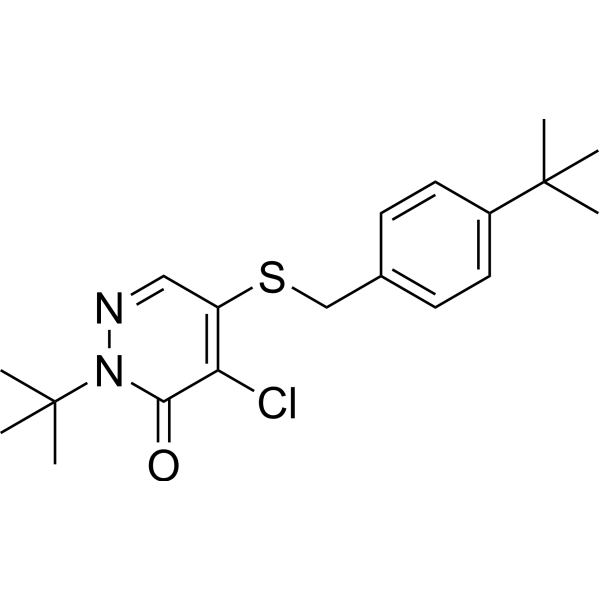
Pyridaben is a mitochondrial electron transport inhibitor (METI) acaricide that promotes the formation of damaging oxygen and nitrogen radicals. Pyridaben selectively inhibits complex I (NADH dehydrogenase) with an IC50 value of 2.4 nM (assay sites: rat liver and bovine heart mitochondria). Pyridaben also significantly inhibits rat mitochondrial mtNOS function .
loading...
    loading...
2
2 Cited Publications
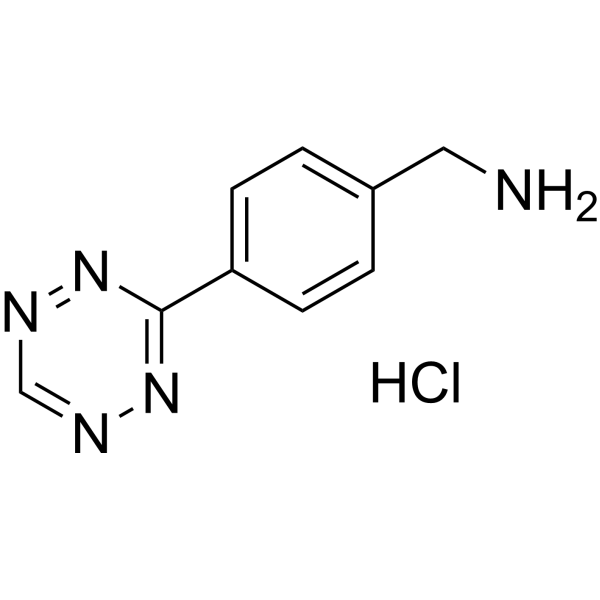
Cat. No.: HY-W053709A
CAS No.: 1416711-59-5
Synonyms: (4-(1,2,4,5-Tetrazin-3-yl)phenyl)methanamine (monohydrochloride); Tetrazine-NH2 monohydrochloride
Research Areas:  

Cancer

Tetrazine-Amine monohydrochloride is the monohydrochloride form of Tetrazine-Amine (HY-W053709). Tetrazine-amine is a Tetrazine linker that can be used to covalently label living cells by cycloaddition . Tetrazine-Amine (monohydrochloride) is a click chemistry reagent, it contains a Tetrazine group that can undergo an inverse electron demand Diels-Alder reaction (iEDDA) with molecules containing TCO groups.
loading...
    loading...
2
2 Cited Publications
Cat. No.: HY-P2733
CAS No.: 9046-28-0
Synonyms: GPO
Glycerol-3-phosphate oxidase, E. coli (GPO) is a key intermediate in glycerol metabolism. Glycerol-3-phosphate oxidase, E. coli is the skeleton of phospholipids in membrane lipids, and also a substrate in the respiratory chain. Glycerol-3-phosphate oxidase, E. coli produces electrons through oxidation. Glycerol-3-phosphate oxidase, E. coli is an enzyme with important functions in the field of biochemistry, and is widely used in medical testing and scientific research .
loading...
    loading...
2
2 Cited Publications
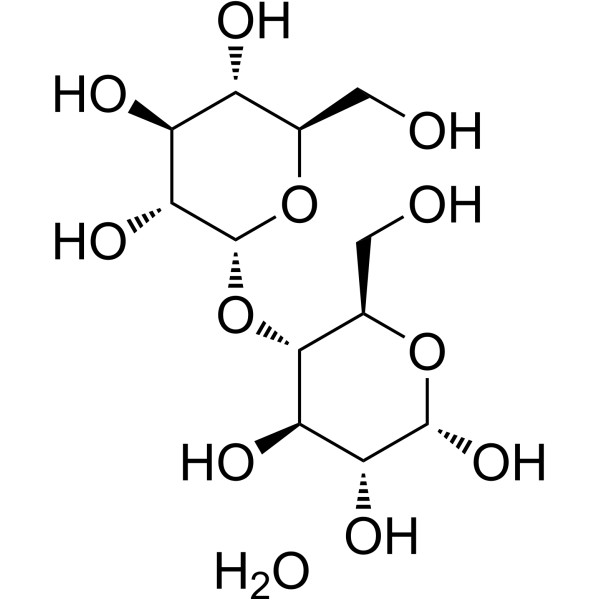
Cat. No.: HY-N2024A
CAS No.: 6363-53-7
Maltose monohydrate is a disaccharide composed of two glucose molecules linked together. Maltose monohydrate is an endogenous metabolic product in plants, yeast, or bacteria, and it participates in carbon source storage and metabolism. Maltose monohydrate is a key core metabolite and main transport form in the temporary starch degradation, carbon output, and subsequent sucrose synthesis metabolism of the night chloroplast. In X. dendrorhous, maltose can act as a sugar donor and is converted into isomaltulose by α-glucosidase. Maltose monohydrate can act as a osmotic agent, supporting continuous capillary ultrafiltration and preventing severe metabolic disorders .
loading...
    loading...
1
1 Cited Publications
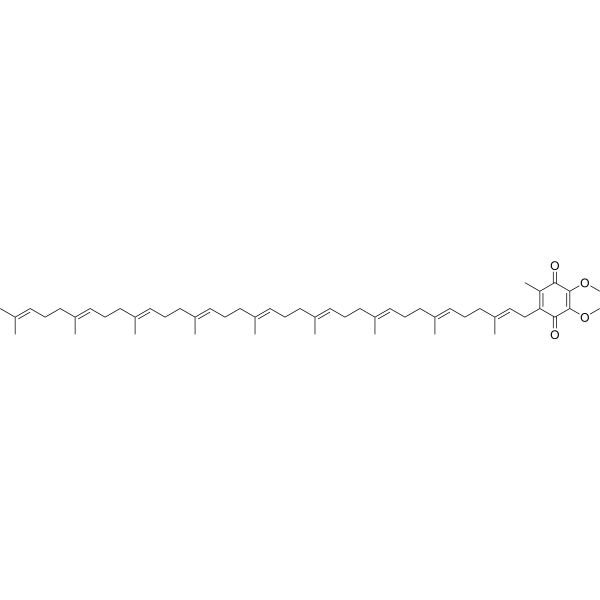
Cat. No.: HY-101415
CAS No.: 303-97-9
Purity:  ≥98.0%
Synonyms: Ubiquinone Q9; CoQ9; Ubiquinone 9
Coenzyme Q9 (Ubiquinone Q9), the major form of ubiquinone in rodents, is an amphipathic molecular component of the electron transport chain that functions as an endogenous antioxidant. Coenzyme Q9 attenuates the diabetes-induced decreases in antioxidant defense mechanisms. Coenzyme Q9 improves left ventricular performance and reduces myocardial infarct size and cardiomyocyte apoptosis .
loading...
    loading...
1
1 Cited Publications
Cat. No.: HY-P2996
CAS No.: 9029-27-0
Target:  

Others

Research Areas:  

Others

NAD(P)H-Nitrate reductase is isolated from Aspergillus niger that catalyses the reduction of nitrate to nitrite via a two-electron transfer. In plants, the electron donor for Nitrate reductase is NADPH is NADH:Nitrate reductase and a bispecific NAD(P)H: Nitrate reductase .
loading...
    loading...
1
1 Cited Publications
Cat. No.: HY-B1847
CAS No.: 5915-41-3
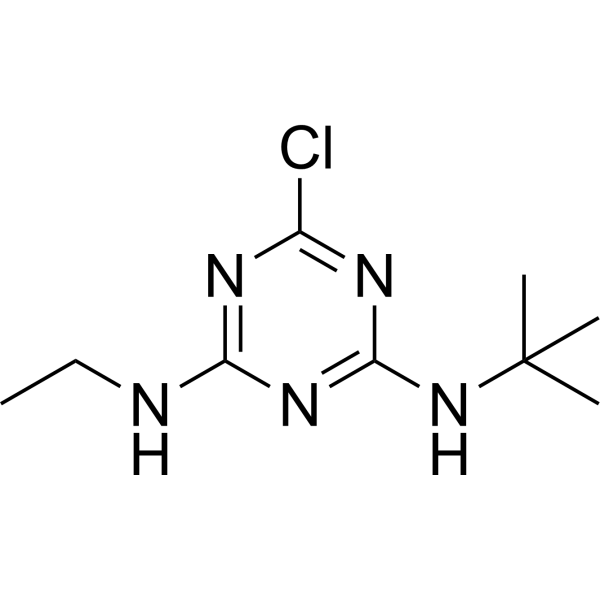
Terbuthylazine is an inhibitor of acetolactate syntase (ALS), is a selective herbicide. Terbuthylazine blocks electron transport in photosystem II via interaction with the D1-protein .
loading...
    loading...

