
90 Results for "

hematologic cancers

" in MedChemExpress (MCE) Product Catalog:
Products (90)

90 Results for "hematologic cancers" in MCE Product Catalog:

Cat. No.: HY-P990033
CAS No.: 2543693-10-1
Synonyms: CC-95251; BMS-986351

Target:  

CD47

Research Areas:  

Cancer

Anzurstobart (CC-95251; BMS-986351) is a CD47/SIRPα inhibitor with human SIRPα Kd of 0.0541 nM and human SIRPα IC50 of 100 nM. Anzurstobart binds SIRPα at a CD47-overlapping site, blocks CD47-SIRPα interactions, inhibits CD47-SIRPα axis signaling, and binds across 6 prevalent human SIRPα haplotypes. Anzurstobart binds SIRPγ and inhibits CD47-SIRPγ interactions. Anzurstobart can be used for the research of non-Hodgkin's lymphoma, colorectal cancer, squamous cell carcinoma of the head and neck, diffuse large B-cell lymphoma, and advanced solid and hematologic malignancies .
loading...
    loading...
Cat. No.: HY-136910
CAS No.: 2413944-70-2
Purity:  99.09%
Synonyms: USP7-IN-7
Research Areas:  

Cancer

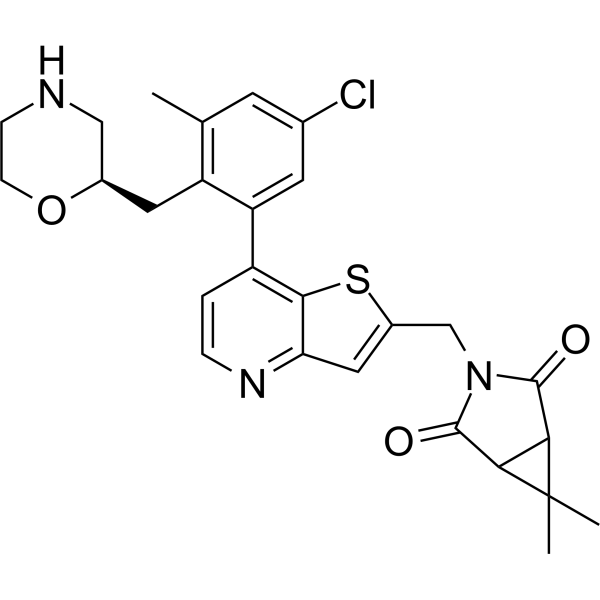
USP7-797 (USP7-IN-7) is an orally available, selective USP7 inhibitor (IC50=0.5 nmol/L) with antitumor activity. USP7-797 reduces the level of MDM2, thereby increasing the stability and activity of p53, leading to cell cycle arrest and apoptosis. USP7-797 has low nanomolar cytotoxicity against p53 mutant cancer cell lines, p53 wild-type hematological tumors, and neuroblastoma cell lines .
loading...
    loading...
Cat. No.: HY-153803
CAS No.: 2864408-92-2
Purity:  98.99%
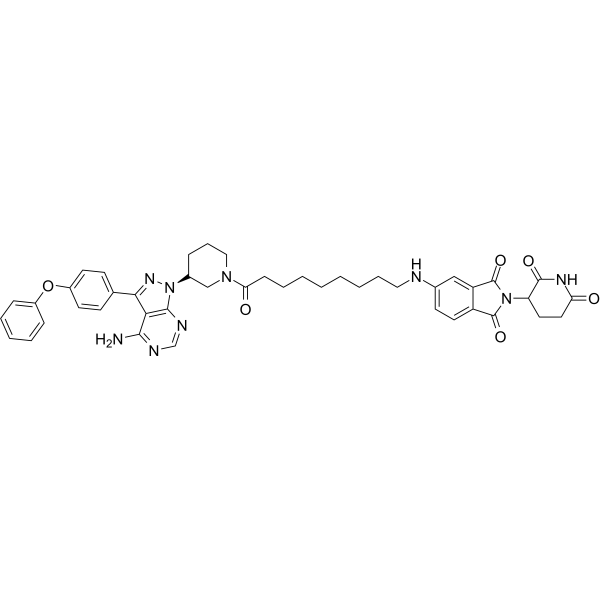
GBD-9 is a degrader based on the E3 ubiquitin ligase CRBN that targets BTK and the G1 to S phase transition protein GSPT1. GBD-9 has both PROTAC and molecular glue properties by inducing ubiquitination and proteasomal degradation of target proteins. GBD-9 can efficiently degrade wild-type and mutant BTK (such as C481S mutation) and GSPT1. GBD-9 significantly inhibits tumor cell proliferation by inducing G1 phase arrest in cancer cells, downregulating anti-apoptotic proteins (BCL-2, MCL-1) and activating Caspase-3 to induce apoptosis. GBD-9 is mainly used in the research of hematological tumors such as diffuse large B-cell lymphoma (DLBCL) and acute myeloid leukemia (AML) .
loading...
    loading...
Cat. No.: HY-125378
CAS No.: 1422180-49-1
Purity:  98.42%
Synonyms: SBI-0636457; SB1-0636457
Target:  

IAP

Research Areas:  

Cancer

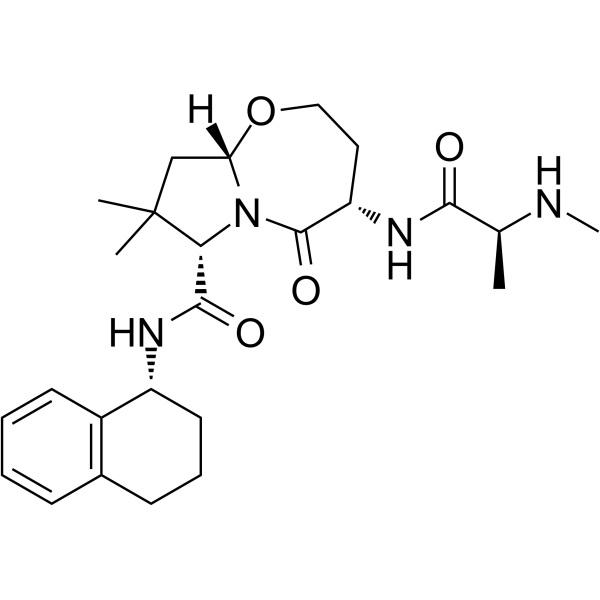
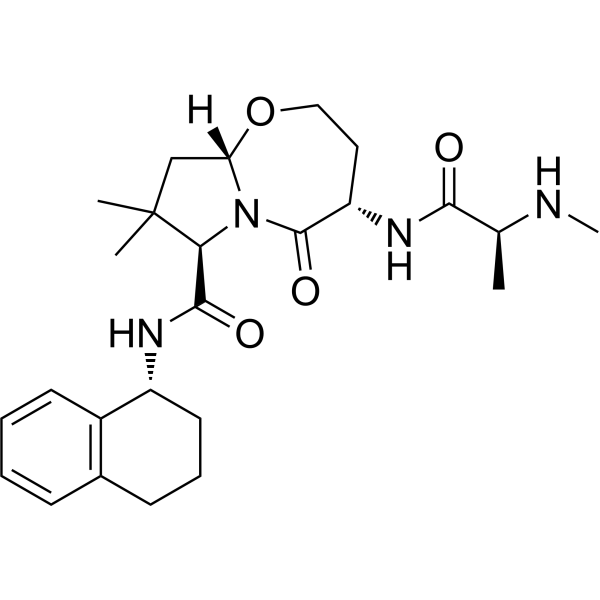
SBP-0636457 (SB1-0636457) is a SMAC mimetic, and as an IAP antagonist. SBP-0636457 binds to the BIR-domains of the IAP proteins, with a Ki of 0.27 μM. SBP-0636457 can be used for the research of solid tumors and hematologic cancers .
loading...
    loading...
Cat. No.: HY-155815
Purity:  97.60%
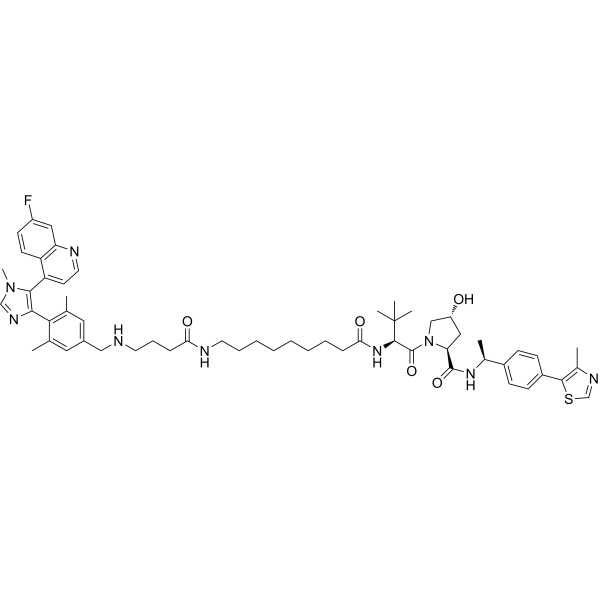
MS9715 is a selective NSD3 PROTAC degrader with a Kd value of 1.3 μM and a DC50 of 4.9 μM. MS9715 recruits the VHL E3 ligase to mediate the ubiquitination and degradation of NSD3. MS9715 downregulates oncogenes including CBLB, IFITM1 and MAP7. MS9715 induces Apoptosis. MS9715 is applicable to the research of hematological malignancies and lung cancer .
loading...
    loading...
Cat. No.: HY-168878
CAS No.: 3050819-22-9
Target:  

METTL3

Research Areas:  

Cancer

EP652 is a METTL3 inhibitor and antitumor agent with IC50 values of 2 nM, <10 nM, and 37 nM in SPA, intracellular, and ATPlite assays, respectively. EP652 exhibits high selectivity against 40 other methyltransferases and FTO, and possesses favorable pharmacokinetic parameters. EP652 reduces intracellular N 6-methyladenosine (m 6A) levels in mRNA. EP652 inhibits tumor growth and progression of both hematologic malignancies and solid tumors. EP652 can be used for the research of acute myeloid leukemia, ovarian cancer, non-small cell lung cancer, and hypopharyngeal squamous cell carcinoma .
loading...
    loading...
Cat. No.: HY-134258
CAS No.: 446306-43-0
Purity:  98.76%
Target:  

HOXA

Research Areas:  

Cardiovascular Disease Cancer

MEISi-1 is a small-molecule inhibitor targeting the homeodomain of the MEIS1 protein. MEISi-1 significantly inhibits the activity of luciferase reporter genes containing MEIS binding sites (TGACAG), and induces the self-renewal of a key type of mouse and human hematopoietic stem cells (HSC) both in vitro and in vivo. MEISi-1 promotes cardiomyocyte proliferation and cytokinesis, reduces cardiac fibroblast proliferation, and upregulates the expression of cardiomyocyte-specific genes. MEISi-1 can be used in research on hematological diseases, cardiac regeneration and cancer .
loading...
    loading...
Cat. No.: HY-W018324
CAS No.: 1123-95-1
Synonyms: 5hmC
5-Hydroxymethylcytosine (5hmC) is an oxidized forms of 5-methylcytosine (5mC) in mammalian DNA. 5-Hydroxymethylcytosine is produced from 5mC in an enzymatic pathway involving three 5mC oxidases, Ten-eleven translocation (TET)1, TET2, and TET3. The conversion of 5mC into 5hmC can be the first step in a pathway leading towards DNA demethylation. 5-Hydroxymethylcytosine is associated with gene transcription and frequently used as a mark to investigate dynamic DNA methylation conversion during mammalian development. 5-Hydroxymethylcytosine can be used for the study of non-small cell lung cancer (NSCLC), neurodegenerative diseases (Alzheimer’s, Parkinson’s) and hematological malignancies (acute myeloid leukemia, myelodysplastic syndromes) .
loading...
    loading...
Cat. No.: HY-W280124
CAS No.: 1134334-55-6
Research Areas:  

Cancer

PRMT9-IN-1 is a PRMT9 inhibitor. PRMT9-IN-1 can be used in the research of hematological cancer .
loading...
    loading...
Cat. No.: HY-131341
CAS No.: 2932264-95-2
Purity:  ≥98.0%
Target:  

Syk

Research Areas:  

Inflammation/Immunology Cancer

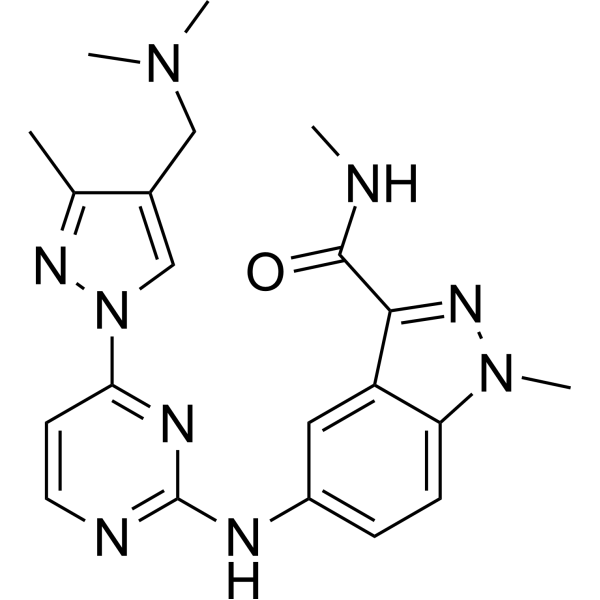
Syk-IN-4 is a potent, selective and orally bioavailable SYK inhibitor with an IC50 of 0.31 nM. SYK has emerged as a potential target for autoimmunity and hematological cancers .
loading...
    loading...
Cat. No.: HY-173333
CAS No.: 3081688-77-6
Research Areas:  

Cancer

PROTAC SMARCA2/4 degrader-38 is a SMARCA2/4 degrader (SMARCA2: DC50 = 3.0 nM; SMARCA4: 4.0 nM). PROTAC SMARCA2/4 degrader-38 binds to SMARCA2 and SMARCA4 bromodomains to induce degradation via the ubiquitin-proteasome system. PROTAC SMARCA2/4 degrader-38 induces G0/G1 phase cell cycle arrest and cell apoptosis in hematological cancer cells, blocks oncogenic activity of MYC and other disease-related genes in acute myeloid leukemia cells and inhibits proliferation of hematological cancer cell lines. PROTAC SMARCA2/4 degrader-38 can be used for the research of acute myeloid leukemia, diffuse large B-cell lymphoma, breast cancer, ovarian cancer, colorectal cancer, liver cancer, lung cancer .
loading...
    loading...
Cat. No.: HY-174850
CAS No.: 2941611-57-8
Target:  

Btk

Research Areas:  

Cancer

CFON-026 is a selective, orally active and non-covalent BTK inhibitor with an IC50 of 0.27  nM. CFON-026 has significant antitumor activity against wild-type BTK (TMD8 and REC-1) and all clinically relevant BTK resistance mutations (BTK C481S, T474I, L528W and V416L). CFON-026 induces complete tumor regression in TMD8 xenograft mice model. CFON-026 can be used for research of hematological cancers like chronic lymphocytic leukemia and waldenström macroglobulinemia .
loading...
    loading...
Cat. No.: HY-170952
CAS No.: 3053857-55-6
Research Areas:  

Cancer

LYG-409 is a highly potent, selective, and orally active GSPT1 molecular glue degrader. LYG-409 induces GSPT1 degradation in KG-1 cells with a DC50 of 7.87 nM. LYG-409 binds to Cereblon with an IC50 of 191 nM, promotes the formation of the CRBN-GSPT1 ternary complex, and induces proteasome-dependent degradation of GSPT1. LYG-409 exhibits broad antiproliferative and GSPT1-degrading activities in a variety of hematologic and solid tumor cells. LYG-409 can be used for studies related to GSPT1-targeted protein degradation, acute myeloid leukemia, and prostate cancer .
loading...
    loading...
Cat. No.: HY-P11097
CAS No.: 3056822-31-9
Target:  

CD47

Research Areas:  

Cardiovascular Disease Cancer

Pep-20 is a CD47 binder with a human Kd of 2.91 µM and a murine Kd of 3.63 µM. Pep-20 blocks the interaction between CD47 and SIRPα, with an IC50 of 24.56 µM for human targets and 12.03 µM for murine targets. Pep-20 also acts as a phagocytosis enhancer and an inducer of anti-tumor immune responses. By blocking the CD47/SIRPα interaction, Pep-20 reduces the tyrosine phosphorylation level of SIRPα, disrupts the inhibitory "don't eat me" signaling pathway, enhances macrophage-mediated phagocytosis of solid tumor cells and hematologic tumor cells, and promotes macrophage mobilization of anti-tumor T-cell responses. Pep-20 can be used in research related to solid tumors, hematologic malignancies, breast cancer, and pancreatic cancer .
loading...
    loading...
Cat. No.: HY-175164
Target:  

Apoptosis c-Myc

Research Areas:  

Cancer

SVC112 is a translation elongation inhibitor that prevents the cyclic dissociation of EF2 from the ribosome, thereby inhibiting the elongation step of translation. SVC112 shows activity in growth inhibition among cancer cell lines of various origins (acute myeloid leukemia (AML), multiple myeloma (Myeloma), colorectal cancer (CRC), and head and neck squamous cell carcinoma (HNSCC)). SVC112 preferentially impedes ribosomal processing of mRNAs, and decreaseds CSC-related proteins including Myc and Sox2. SVC112 induces apoptosis in hematologic cancer cell lines, while phosphorylation of c-Myc correlates with sensitivity to SVC112 in colorectal cancer cell lines. SVC112 inactivates HNSCC stem cells in vitro and prevents the regrowth of HNSCC tumor xenografts in mice. SVC112 can be used for the study of HNSCC .
loading...
    loading...
Cat. No.: HY-177117
CAS No.: 2434602-26-1
Target:  

MALT1

Research Areas:  

Infection Neurological Disease Cancer

Ocipumaltib (Example 2) is an inhibitor of mucosa associated lymphoid tissue protein 1 (MALT1). Ocipumaltib is an antitumor agent. Ocipumaltib can be studied in research for cancer, infection, neurological and hematological diseases .
loading...
    loading...
Cat. No.: HY-139453A
CAS No.: 2412580-47-1
Research Areas:  

Cancer

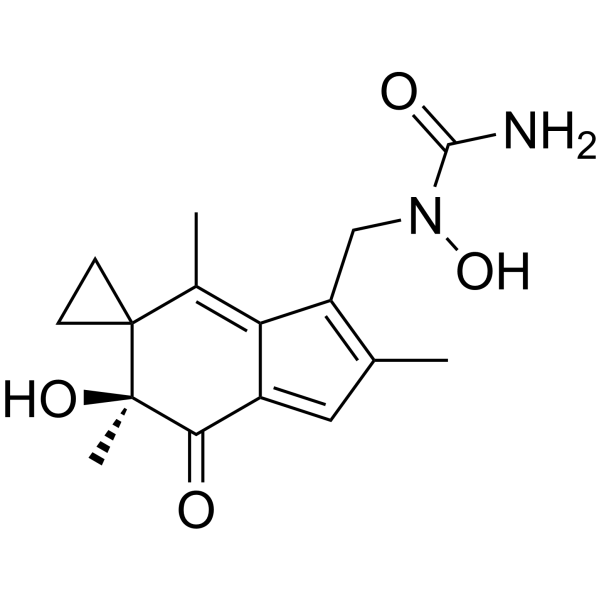
LP-284 is a potent DNA alkylating agent that kills solid tumours. LP-284 can be used in the studies of hematologic cancers with compromised DNA repair, such as mantle cell lymphoma (MCL) .
loading...
    loading...
Cat. No.: HY-175502
CAS No.: 2991818-12-1
Research Areas:  

Cancer

MGD-22, a molecular glue, is an orally active IKZF1/2/3 degrader with DC50 values of 8.33 nM, 9.91 nM, and 5.74 nM, respectively. MGD-22 exhibits extremely potent anti-proliferative activity against diverse hematological cancer cells. MGD-22 induces apoptosis in cancer cells. MGD-22 demonstrates potent anti-tumor efficacy in mice bearing NCI-H929 xenografts or WSU-DLCL-2 xenografts. MGD-22 can be used for the study of hematological cancers, including multiple myeloma (MM), acute myeloid leukemia (AML), and diffuse large B-cell lymphoma (DLBCL) .
loading...
    loading...
Cat. No.: HY-109174
CAS No.: 1380539-06-9
Purity:  99.66%
Synonyms: CPX-POM
Target:  

γ-secretase

Research Areas:  

Metabolic Disease Cancer

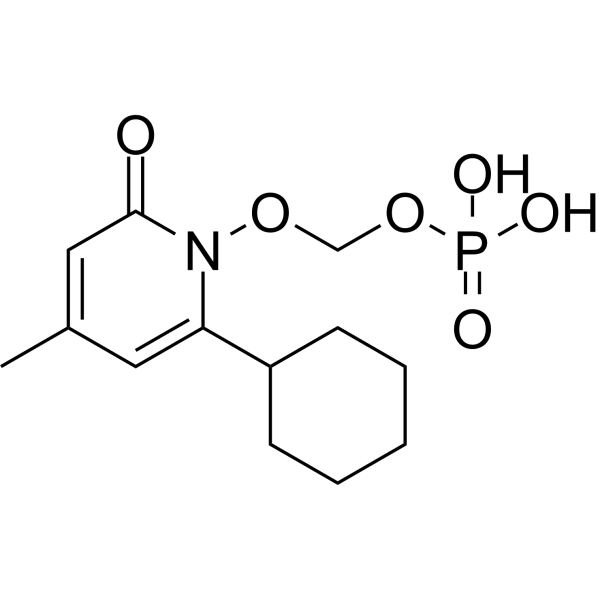
Fosciclopirox (CPX-POM) suppresses growth of urothelial cancer by targeting the γ-secretase complex. Fosciclopirox selectively delivers the active metabolite, Ciclopirox (CPX), to the entire urinary tract. Ciclopirox has anticancer activity in a number of solid and hematologic malignancies .
loading...
    loading...
Cat. No.: HY-125378A
CAS No.: 1422180-61-7
Purity:  98.36%
Synonyms: (7R)-SBI-0636457; (7R)-SB1-0636457
Target:  

IAP

Research Areas:  

Cancer

(7R)-SBP-0636457 is the isomer of SBP-0636457 (HY-125378), and can be used as an experimental control. SBP-0636457 (SB1-0636457) is a SMAC mimetic, and as an IAP antagonist. SBP-0636457 binds to the BIR-domains of the IAP proteins, with a Ki of 0.27 μM. SBP-0636457 can be used for the research of solid tumors and hematologic cancers .
loading...
    loading...

