

94 Results for "

rabbit models

" in MedChemExpress (MCE) Product Catalog:
Products (94)

94 Results for "rabbit models" in MCE Product Catalog:

Cat. No.: HY-175735
CAS No.: 2563884-39-7
Target:  

Factor XI

Research Areas:  

Cardiovascular Disease

Factor XI-IN-2 is a Factor XI activation inhibitor with an IC50 of 20 nM. Factor XI-IN-2 does not directly inhibit the enzymatic activity of FXIa, but specifically binds to the FXI enzyme precursor and allosterically inhibits the process by which it is activated by FXIIa. Factor XI-IN-2 inhibits thrombosis in the rabbit arteriovenous (AV) shunt thrombosis model. Factor XI-IN-2 can be used for the study of antithrombus .
loading...
    loading...
Cat. No.: HY-132280
CAS No.: 110101-66-1
Purity:  98.11%
Synonyms: U 74006F free base
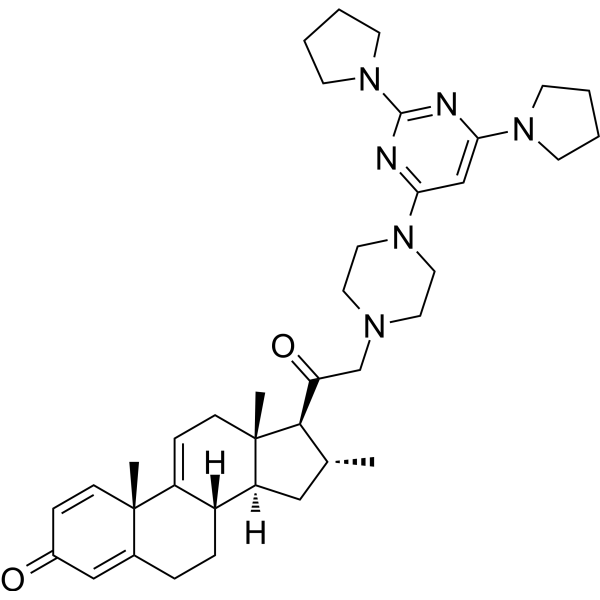
Tirilazad (U 74006F free base) is a neuroprotective agent. Tirilazad can also bind tightly to the main protease of the COVID-19 virus and exert anti-SARS-CoV-2 activity. Tirilazad scavenges hydroxyl and lipid peroxyl free radicals and maintains the levels of endogenous antioxidants. Tirilazad reduces cerebral infarct volume and improves neurobehavioral scores in animal models of focal ischemia. Tirilazad can be used in research related to ischemic stroke and subarachnoid hemorrhage .
loading...
    loading...
Cat. No.: HY-132596
CAS No.: 1848224-71-4
Purity:  92.62%
Synonyms: SYL1001
Tivanisiran (SYL1001) is a small interfering RNA (siRNA) targeting TRPV1 . Tivanisiran induces the degradation of TRPV1 mRNA, thereby inhibiting protein synthesis. Tivanisiran alleviates ocular discomfort and pain, and improves ocular hyperemia and tear quality. Tivanisiran is applicable to research related to dry eye disease .
loading...
    loading...
Cat. No.: HY-153484A
CAS No.: 849758-52-7
Research Areas:  

Neurological Disease

Bevasiranib sodium is a siRNA that targets and silences VEGF-A. Bevasiranib sodium activates the RNA-induced silencing complex to degrade VEGF-A mRNA, mediates TLR3-related inhibition of choroidal neovascularization, and triggers RNA interference-mediated gene silencing through endogenous eukaryotic RNAi mechanisms. After intravitreal injection, Bevasiranib sodium distributes to various ocular tissues and resists degradation by intraocular nucleases, reducing choroidal neovascularization area and alleviating vascular leakage. Bevasiranib sodium can be used in research related to macular degeneration .
loading...
    loading...
Cat. No.: HY-123468
CAS No.: 91742-10-8
Purity:  99.03%
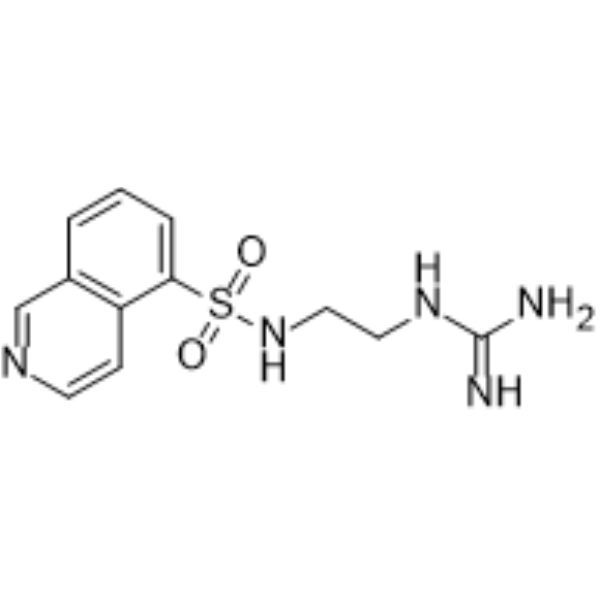
HA-1004 is a selective inhibitor of PKA, which can inhibit lipolysis and induce vascular relaxation. HA-1004 is also a dual inhibitor of cyclic GMP-dependent protein kinase and cyclic AMP-dependent protein, and is involved in smooth muscle, second messenger, cyclic AMP and cyclic GMP regulation mechanisms. HA-1004 is an antagonist for calcium, that can be used as a vasodilator to inhibit the contraction of rabbit aortic strips, or to antagonize ERK and tyrosine hydroxylase (TH) phosphorylation in morphine abstinence rat models .
loading...
    loading...
Cat. No.: HY-N3931
CAS No.: 34274-91-4
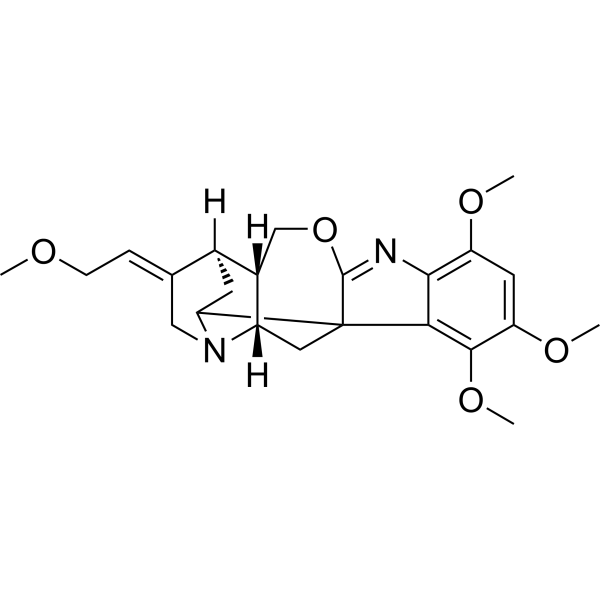
Gardneramine is an orally active alkaloid that acts like papaverine. Gardneramine has peripheral vascular diastolic effect, direct inhibition on myocardium and central inhibition. Gardneramine showed antihypertensive, vasodilatation and atrial inhibition effects in rabbit, dog and guinea pig models, respectively. Gardneramine also inhibits the movement of smooth muscle organs such as the stomach and intestines .
loading...
    loading...
Cat. No.: HY-106523
CAS No.: 81486-22-8
Synonyms: KT 210; K 351; Hypadil
Target:  

Adrenergic Receptor

Research Areas:  

Cardiovascular Disease

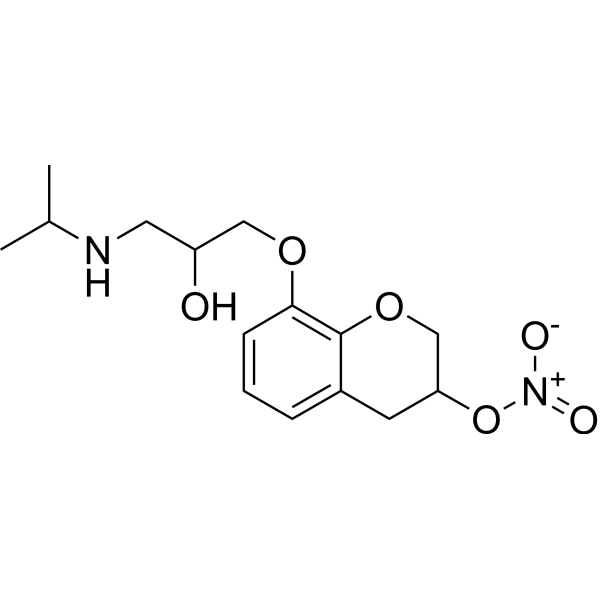
Nipradolol (KT-210; K-351) is a potent blocker of alpha-1-adrenergic receptors. Nipradolol inhibits the increase of intraocular pressure (IOP) in an albino rabbit model induced by Phenylephrine (HY-B0769). Nipradolo suppresses the noradrenaline (NA)-induced muscles contraction, also exhibits vasodilator activity on the dog coronary artery .
loading...
    loading...
Cat. No.: HY-114164E
CAS No.: 9002-04-4
Rabbit Thrombin is a serine protease. Rabbit Thrombin forms a covalent complex with antithrombin III and reversibly binds endothelial cell surface high-affinity sites. Rabbit Thrombin regulates VEGF and Ang-2, potentiates VEGF mitogenic activity and protects endothelial cells from apoptosis. Rabbit Thrombin can be used for the research of hindlimb ischemia .
loading...
    loading...
Cat. No.: HY-B0277R
CAS No.: 5536-17-4
Synonyms: Ara-A (Standard); Adenine Arabinoside (Standard); 9-β-D-Arabinofuranosyladenine (Standard)
Vidarabine (Standard) (Ara-A (Standard)) is the analytical standard of Vidarabine (HY-B0277). This product is intended for research and analytical applications. Vidarabine (Ara-A) is a Purine nucleoside derivative and Antiviral agent. The triphosphate derivative of Vidarabine competitively inhibits DNA polymerase, incorporates into the terminus of elongating DNA molecules, and interferes with the early steps of viral DNA synthesis. Vidarabine inhibits the replication of herpes simplex virus, varicella-zoster virus, cytomegalovirus, Epstein-Barr virus and vaccinia virus, reduces viral shedding, and accelerates skin healing. Vidarabine is metabolized to arabinosyl hypoxanthine, causes minimal impairment of corneal wound healing in rabbit models, and is associated with recurrence of herpes simplex encephalitis. Vidarabine can be used in the research of herpetic keratoconjunctivitis, herpes simplex encephalitis, herpetic uveitis, and chronic active hepatitis associated with hepatitis B virus .
loading...
    loading...
Cat. No.: HY-129781
CAS No.: 96803-89-3
Target:  

Carbonic Anhydrase

Research Areas:  

Endocrinology

L-650719 is a topical carbonic anhydrase inhibitor (CAI) with a Ki of 10 nM for CA II. L-650719 has shown good intraocular pressure-lowering effects in a rabbit model. L-650719 may be used in glaucoma research .
loading...
    loading...
Cat. No.: HY-120612
CAS No.: 1557206-59-3
Target:  

P2Y Receptor

Research Areas:  

Cardiovascular Disease

BMS-884775 is a selective and orally active P2Y1 antagonist with an IC50 of 0.1 nM for the human P2Y1 receptor. BMS-884775 has a similar efficacy in preventing arterial thrombosis to Clopidogrel (HY-15283) and Prasugrel (HY-15284), but treatment with BMS-884775 results in shorter bleeding time and lower bleeding risk. BMS-884775 can be used in research related to antiplatelet and arterial thrombosis-associated diseases .
loading...
    loading...
Cat. No.: HY-18694
CAS No.: 169799-04-6
Target:  

MMP

Research Areas:  

Inflammation/Immunology

CGS 27023A is a non-peptidic and orally active MMP inhibitor with the Ki values of 43, 33, 20 and 8 nM for MMP-3, MMP-1, MMP-2 amd MMP-9, respectively. CGS 27023A prevents cartilage degradation in stromelysin-induced rabbit cartilage degradation model. CGS 27023A can be used for study of arthritis .
loading...
    loading...
Cat. No.: HY-N6609
CAS No.: 6801-40-7
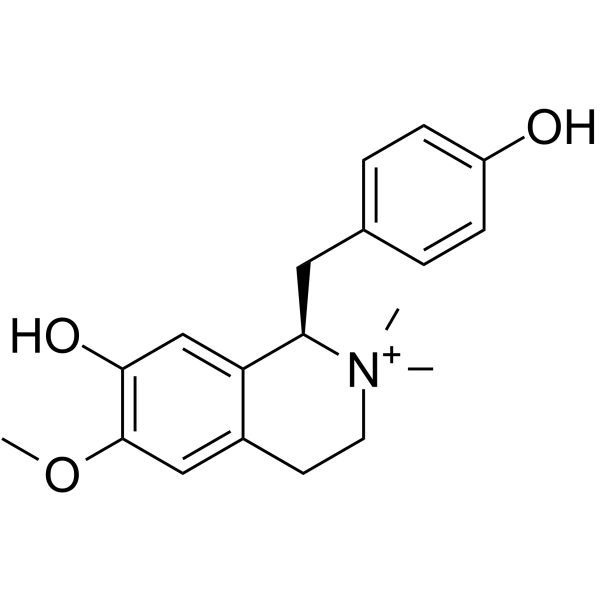
Magnocurarine is a neuromuscular junction blocker that inhibits muscle contraction by functionally blocking signal transmission without directly damaging nerve or muscle tissues. In frog, mouse and rabbit models, Magnocurarine exerts a dose-dependent paralytic effect, which progresses gradually from limb weakness and loss of righting reflex to respiratory depression and even cardiac arrest. Although high doses cause complete cessation of movement, Magnocurarine does not affect the spinal multineuronal reflex in frogs. Magnocurarine exhibits biological activity similar to that of tubocurarine (HY-125901) in various animal models .
loading...
    loading...
Cat. No.: HY-125064
CAS No.: 268741-43-1
Target:  

Src

Research Areas:  

Cancer

AP22408 is a nonpeptide inhibitor against Src SH2 with an IC50 value of 0.3 μM. AP22408 inhibits rabbit osteoclast-mediated resorption of dentine, exhibits bone-targeting properties based on a hydroxyapatite adsorption assay and demonstrates in vivo antiresorptive activity in a parathyroid hormone-induced rat model. AP22408 is proming for rasearch of osteoporosis and other bone-related diseases such as Paget’s disease, osteolytic bone metastasis and hypercalcemia associated with malignancy .
loading...
    loading...
Cat. No.: HY-112348
CAS No.: 92564-34-6
HA-1004 hydrochloride is a selective inhibitor of PKA, which can inhibit lipolysis and induce vascular relaxation. HA-1004 hydrochloride is also a dual inhibitor of cyclic GMP-dependent protein kinase and cyclic AMP-dependent protein (Cyclic GMP-AMP Synthase), and is involved in smooth muscle, second messenger, cyclic AMP and cyclic GMP regulation mechanisms. HA-1004 hydrochloride an antagonist for calcium, that can be used as a vasodilator to inhibit the contraction of rabbit aortic strips, or to antagonize ERK and tyrosine hydroxylase (TH) phosphorylation in morphine abstinence rat models .
loading...
    loading...
Cat. No.: HY-175675
CAS No.: 3104888-50-5
P2Y1 antagonist 4 is a selective P2Y1 receptor antagonist with excellent blood-brain barrier (BBB) penetration. P2Y1 antagonist 4 inhibits P2Y1 receptor-mediated cytosolic Ca 2+ increase (IC50 = 1.95 μM) and platelet aggregation (IC50 = 3.24 μM) induced by ADP in rabbit washed platelets. P2Y1 antagonist 4 significantly upregulates the level of nuclear Nrf2 protein in H2O2-treated HT22 cells. P2Y1 antagonist 4 reduces myocardial infarct size in a mouse acute myocardial infarction (MI) model. P2Y1 antagonist 4 can be used for the study of ischemic stroke and myocardial infarction .
loading...
    loading...
Cat. No.: HY-153484
CAS No.: 959961-96-7
Research Areas:  

Neurological Disease

Bevasiranib is a siRNA that targets and silences VEGF-A. Bevasiranib activates the RNA-induced silencing complex to degrade VEGF-A mRNA, mediates TLR3-related inhibition of choroidal neovascularization, and triggers RNA interference-mediated gene silencing through endogenous eukaryotic RNAi mechanisms. After intravitreal injection, Bevasiranib distributes to various ocular tissues and resists degradation by intraocular nucleases, reducing choroidal neovascularization area and alleviating vascular leakage. Bevasiranib can be used in research related to macular degeneration .
loading...
    loading...
Cat. No.: HY-135283
CAS No.: 212481-66-8
Synonyms: A-216546
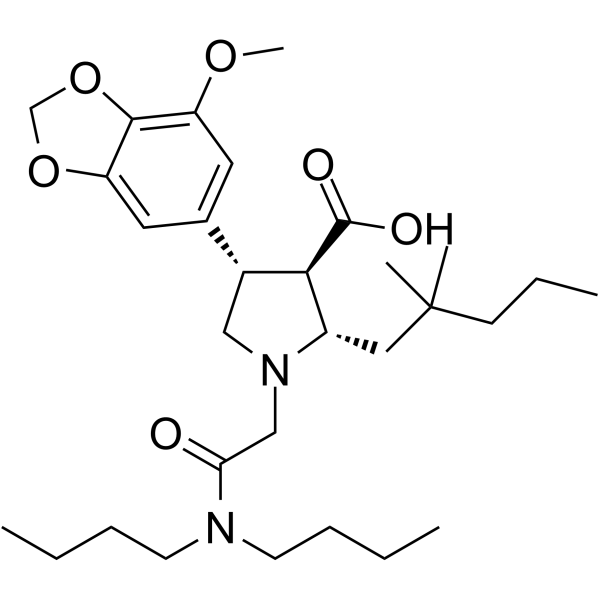
ABT-546 (A-216546) is an orally active ETA receptor antagonist, with Ki values of 0.46 nM and 13000 nM for human ETA and ETB receptors, respectively, and exhibits >25000-fold selectivity over the ETB receptor. ABT-546 effectively inhibits ET-1 (HY-P0202)-induced phosphoinositide hydrolysis (IC50 = 0.59 nM) and arachidonic acid release (IC50 = 3.03 nM), and antagonizes ET-1-induced contraction in isolated vascular rings. ABT-546 crosses the placental barrier but shows extremely low fetal exposure, with a favorable safety profile. ABT-546 inhibits ET-1-induced pressor response and downregulates the NLRP3/ROS/GSDMD-mediated pyroptosis pathway. ABT-546 can be used for research on abdominal aortic aneurysm .
loading...
    loading...
Cat. No.: HY-161282
Target:  

Carbonic Anhydrase

Research Areas:  

Neurological Disease Cancer

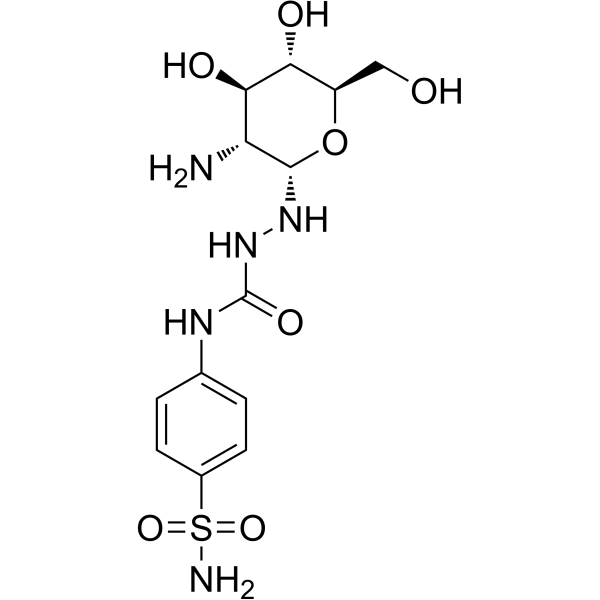
hCAII-IN-10 (compound 11d) is hCA II inhibitor with the IC50s of 14 nM and 29.2 μM for hCA II and hCA I, respectively. hCAII-IN-10 inhibits cell growth against HT-29 cells with the IC50 of 74 μM. hCAII-IN-10 shows strongly lowered intraocular pressure in the glaucomatous rabbit eye model .
loading...
    loading...
Cat. No.: HY-119262
CAS No.: 258526-74-8
Target:  

Adrenergic Receptor

ABT-866 is an α1A-adrenoceptor agonist and an antagonist at the α1B- and α1D-adrenoceptor subtypes. ABT-866 has an EC50 of 0.60 μM for the α1A in the rabbit urethra. ABT-866 has a pA2 value of 5.4 for the α1B in the rat spleen. ABT-866 has a pA2 value of 6.2 for the α1D in the rat aorta. ABT-866 exhibits good urethral selectivity and lower cardiovascular side effects in stress urinary incontinence models. ABT-866 can be used for the research of diseases such as stress urinary incontinence .
loading...
    loading...

