



AP22408
AP22408 is a nonpeptide inhibitor against Src SH2 with an IC50 value of 0.3 μM. AP22408 inhibits rabbit osteoclast-mediated resorption of dentine, exhibits bone-targeting properties based on a hydroxyapatite adsorption assay and demonstrates in vivo antiresorptive activity in a parathyroid hormone-induced rat model. AP22408 is proming for rasearch of osteoporosis and other bone-related diseases such as Paget’s disease, osteolytic bone metastasis and hypercalcemia associated with malignancy.
For research use only. We do not sell to patients.
- CAS No.: 268741-43-1
- Formula: C30H41N3O10P2
- Molecular Weight:665.61
-
Storage:
Please store the product under the recommended conditions in the Certificate of Analysis.


To place orders, for customer services and technical support, please contact: MedChemExpress USA
Tel: 609-228-6898 E-mail: [email protected] [email protected]


-
 Biological Activity
-
Chemical Information
- Protocols
- Purity & Documentation
- References
-
 Help & FAQs


-
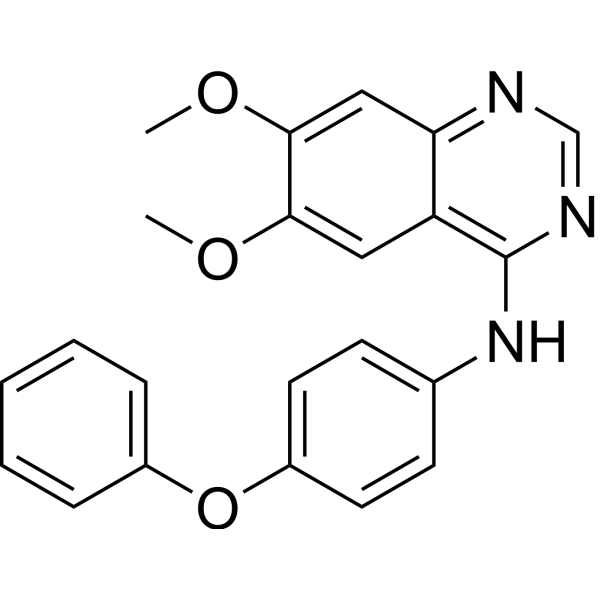
HY-101053
Src Inhibitor 1Src Inhibitor -
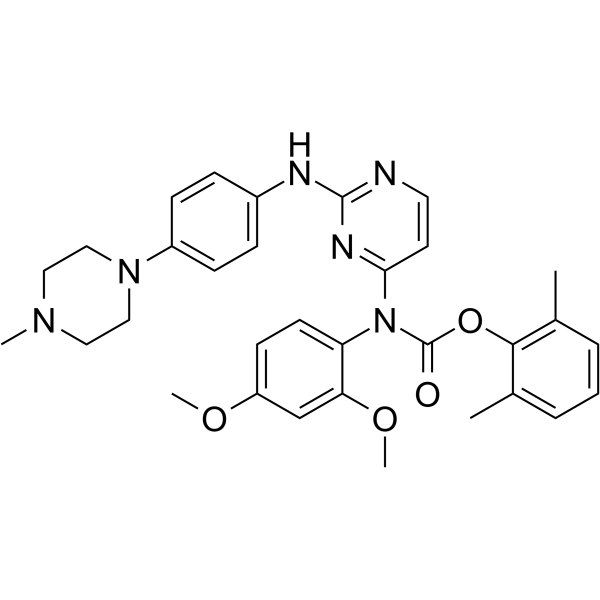
HY-12299
WH-4-023Src Inhibitor -
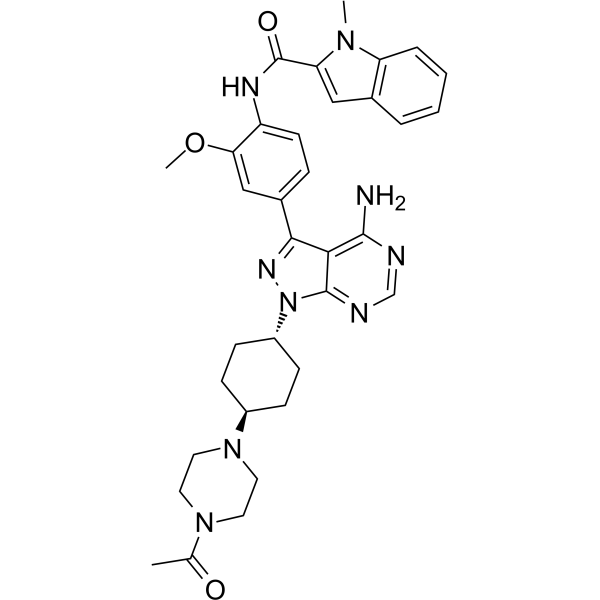
HY-11011
A-770041Lck Inhibitor -
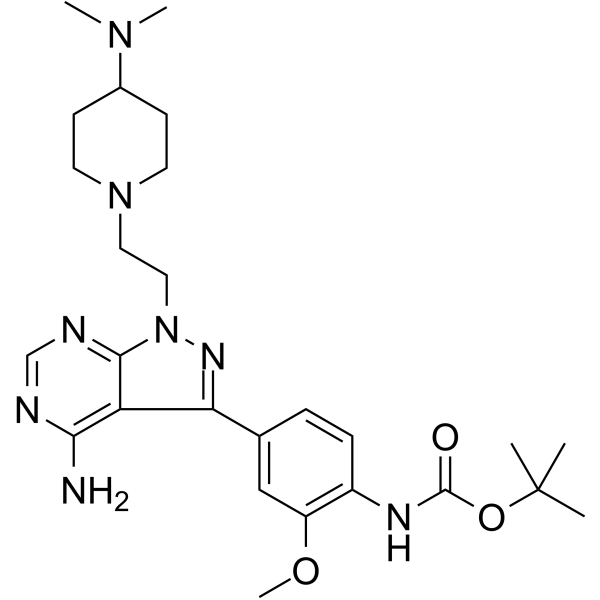
HY-112096
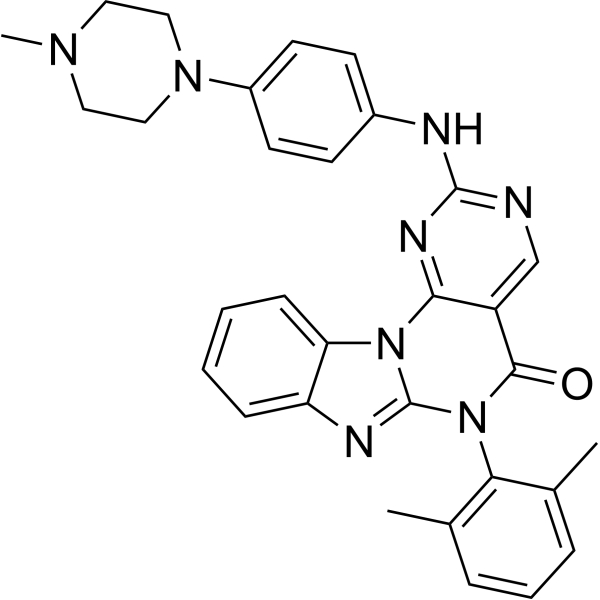
eCF506YES1/SRC inhibitor -
HY-12072
Lck InhibitorLck Inhibitor -
HY-135299
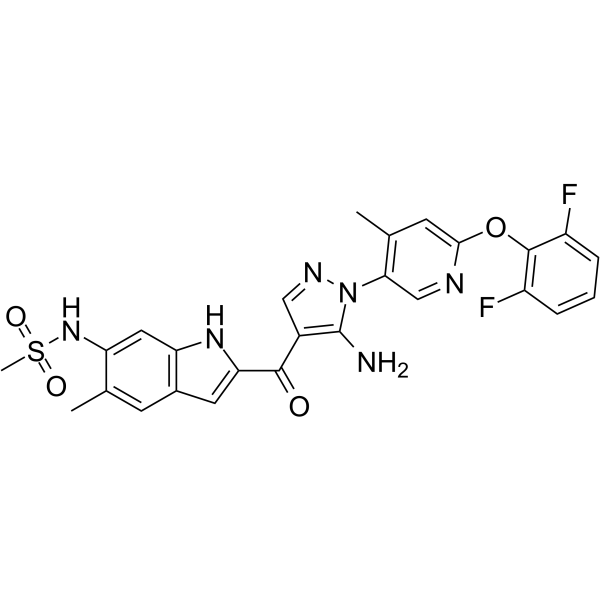
CH6953755Selective YES1 Kinase Inhibitor -
HY-108488
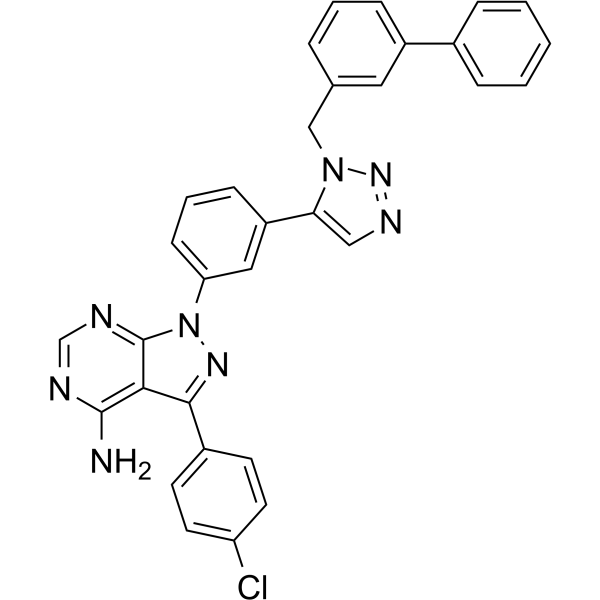
KB SRC 4c-Src Inhibitor -
HY-108318
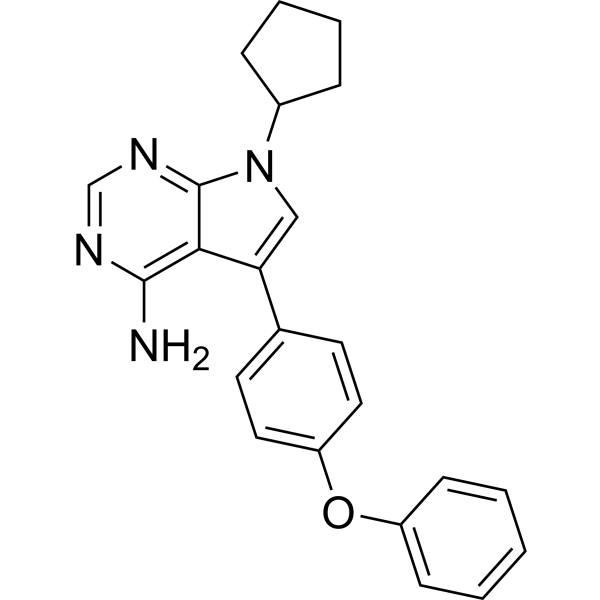
RK-24466Lck Inhibitor -
HY-N6596
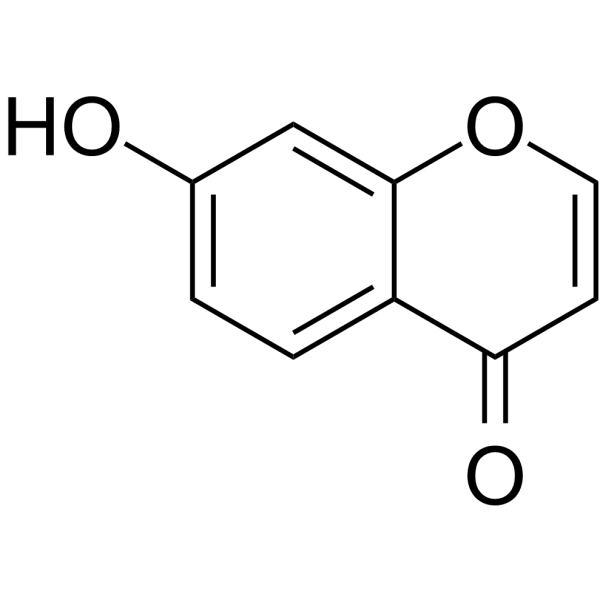
7-Hydroxy-4H-chromen-4-oneSrc Inhibitor -
HY-130254
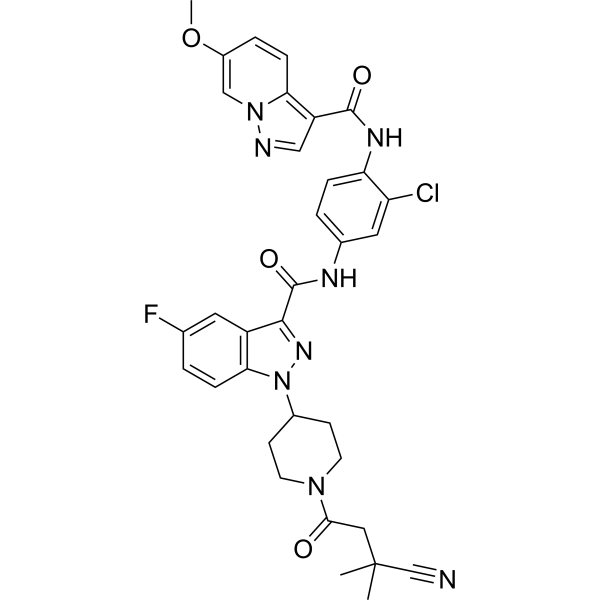
CSK-IN-1CSK Inhibitor -
HY-107024
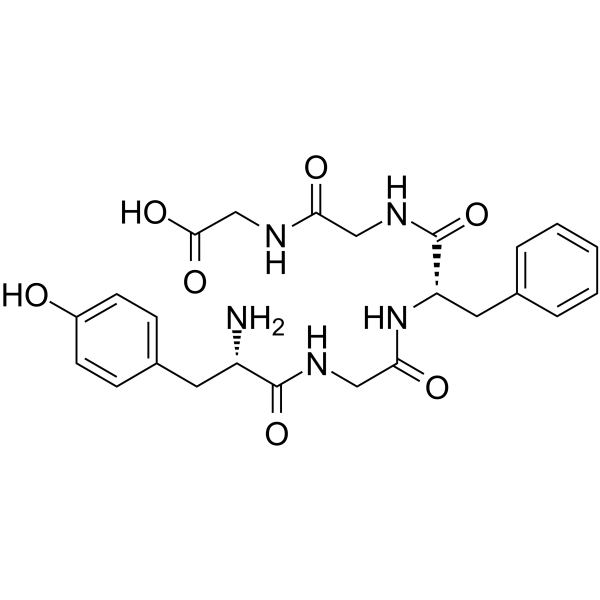
Osteogenic Growth Peptide (10-14) -
HY-10234A
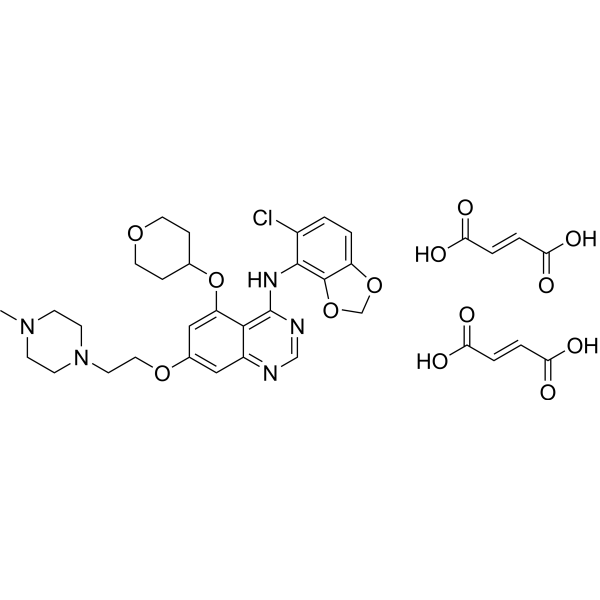
Saracatinib difumarateSrc Inhibitor


Biological Activity
Description


Chemical Information
-
CAS No. 268741-43-1
-
Molecular Weight 665.61
-
Formula C30H41N3O10P2
-
SMILES
O=C(N[C@H]1CCCCC2=CC(OCC3CCCCC3)=C(C(N)=O)C=C21)[C@@H](NC(C)=O)CC4=CC=C(P(O)(O)=O)C(P(O)(O)=O)=C4
-
Shipping
Room temperature in continental US; may vary elsewhere.
-
Storage
Please store the product under the recommended conditions in the Certificate of Analysis.

Protocols
-
Cell Cytotoxicity Assay
Cytotoxicity assays are usually based on the assessment of cell membrane damage, which can also be indirectly detected by measuring cell viability. Detection methods include MTT assay, CKK-8 assay, LDH assay and ATP assay, etc.
-
Research Protocol for Endocrine Diseases
Endocrine diseases often arise from disrupted hormone production, hormone signaling, or target-tissue responsiveness; for diabetes-focused endocrine disease models, insulin signaling regulates glucose uptake, hepatic glucose output, lipid metabolism, and β-cell compensation. Type 2 diabetes develops through interacting defects in insulin resistance, β-cell dysfunction, adipose inflammation, hepatic glucose overproduction, altered incretin signaling, and ectopic lipid metabolism. A major unresolved question is whether endocrine dysfunction is driven primarily by target-tissue insulin resistance, intrinsic β-cell failure, immune/inflammatory stress, or combined multi-organ failure that differs by disease stage.
-
How to Select a Suitable Non-Mouse Animal Model
Selecting a suitable non-mouse animal model is a structured decision based on the research question, required anatomy or physiology, disease mechanism, endpoint feasibility, translational relevance, and ethical justification. Non-mouse models are preferred when mice cannot reproduce key human-relevant features, such as organ size, surgical anatomy, cardiovascular physiology, neuroanatomy, immune features, pharmacology, toxicology, or long-term clinical procedures. Candidate species may include rats, rabbits, guinea pigs, ferrets, zebrafish, pigs, sheep, goats, dogs, cats, horses, and non-human primates, but each species must be justified by its specific scientific advantage rather than convenience or tradition. Unresolved questions include how to quantify translational superiority across species, how to balance increased biological relevance against higher ethical burden, and when human-derived systems or new approach methodologies should replace animal use.
-
Intracardiac/Intra-Arterial Metastasis Xenograft
Intracardiac xenograft metastasis models are based on the direct delivery of fluorescent or bioluminescent tumor cells into the left ventricle of immunocompromised mice, allowing systemic arterial dissemination that mimics hematogenous spread and enables colonization of distant organs such as bone, brain, and lung. Real-time bioluminescence imaging (BLI) is used to non-invasively track tumor cell seeding, survival, and metastatic outgrowth over time, reflecting early arrest in capillary beds followed by organ-specific colonization and proliferation.
-
Orthotopic Cell-Line Xenograft
Orthotopic cell-line xenograft models involve implantation of human cancer cell lines into the anatomically corresponding organ of immunodeficient mice to reproduce tumor growth within a native microenvironment, enabling more clinically relevant tumor behavior compared with subcutaneous models. These models are widely used because orthotopic placement better recapitulates tumor progression, including invasion and metastatic spread, which are often underrepresented in heterotopic implantation systems. Compared with conventional xenografts, orthotopic implantation is described as more technically complex but provides improved simulation of tumor-microenvironment interactions and metastatic behavior, making it particularly valuable for translational oncology research. Surgical orthotopic implantation approaches have been emphasized as enabling faithful reproduction of clinical cancer features, including metastasis and disease progression patterns that align with the tumor’s organ of origi
-
Osteoclast differentiation from monocyte/macrophage precursors
Osteoclast differentiation is an in vitro induction assay in which monocyte/macrophage-lineage precursors are exposed to macrophage colony-stimulating factor (M-CSF) and receptor activator of NF-κB ligand (RANKL), generating multinucleated osteoclasts that are commonly identified by tartrate-resistant acid phosphatase (TRAP) staining and functionally confirmed by resorption pits on dentin, bone, or mineralized substrates. M-CSF supports survival and expansion of osteoclast precursors, while RANKL binding to RANK drives osteoclast commitment, fusion, maturation, and resorptive function; osteoprotegerin inhibits this pathway by binding RANKL and preventing RANK activation. The main readouts are the number of TRAP-positive multinucleated cells, formation of F-actin rings, and resorbed surface area; TRAP-positive multinucleated cells indicate osteoclast differentiation, whereas pit formation on dentin, bone, or mineralized coating indicates functional bone-resorbing activity.
-
How to Choose the Right Model Animal
Choosing the right model animal is a validity-driven decision in which the species, strain, sex, age, genetic background, disease-induction method, outcome measures, and welfare burden must match the scientific question rather than laboratory tradition or convenience. A model should be selected by judging face validity, construct validity, and predictive validity: whether it resembles the human phenotype, whether it reproduces relevant mechanisms, and whether results are likely to predict human biology or treatment response. Animal studies often fail to translate because of species differences, weak disease resemblance, poor experimental design, inadequate reporting, publication bias, and underuse of randomization, blinding, and sample-size justification. Unresolved questions include how to rank competing models objectively, how much human-disease complexity must be reproduced for a given objective, and when non-animal systems such as organoids, ex vivo tissue, or computational models


Purity & Documentation
References

Calculators
Concentration (start) × Volume (start) = Concentration (final) × Volume (final)


AP22408 Related Classifications
HY-125064 Related Classifications
 Powered by Bioz