

496 Results for "

test

" in MedChemExpress (MCE) Product Catalog:
Products (496)

496 Results for "test" in MCE Product Catalog:

3
3 Cited Publications
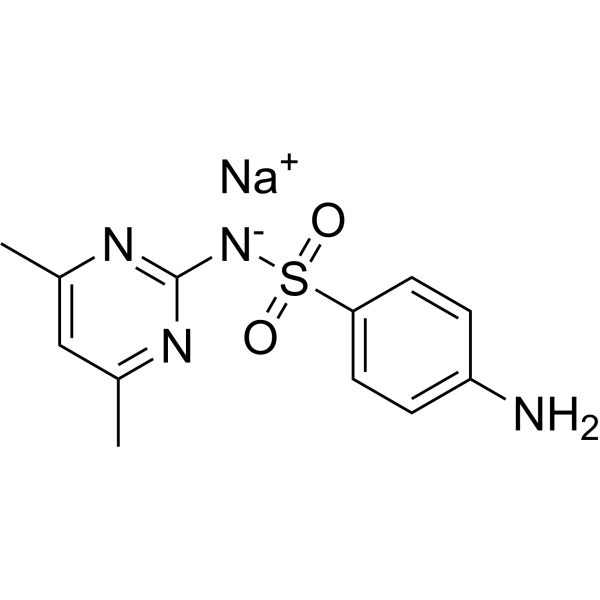
Cat. No.: HY-B0035A
CAS No.: 1981-58-4
Synonyms: Sulfadimidine sodium; Sulfadimerazine sodium
Target:  

Antibiotic Bacterial

Research Areas:  

Infection Neurological Disease

Sulfamethazine (Sulfadimidine) sodium is a brain-penetrant sulfonamide antibiotic. Sulfamethazine sodium inhibits bacterial growth by blocking the synthesis of folic acid. Sulfamethazine sodium can be used for research on bacterial infections .
loading...
    loading...
3
3 Cited Publications
Cat. No.: HY-130751
CAS No.: 127512-29-2
Purity:  ≥98.0%
Target:  

Liposome

Research Areas:  

Inflammation/Immunology

DODAP is a cationic lipid utilized as the lipid component in liposomes (pKa = 5.59 in TNS binding tests). DODAP is employed for encapsulating siRNA and delivering immunostimulated chemotherapeutic agents both in vitro and in vivo. DODAP holds great promise for research in vaccines and inflammation .
loading...
    loading...
3
3 Cited Publications
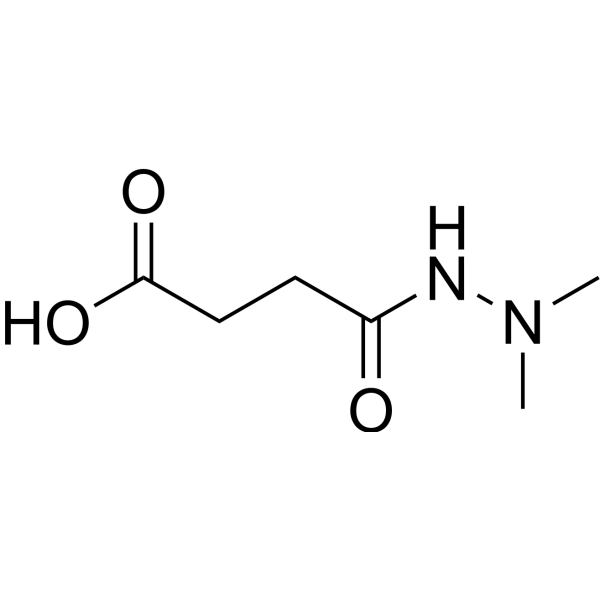
Cat. No.: HY-13643
CAS No.: 1596-84-5
Purity:  99.79%
Daminozide, a plant growth regulator, is a selective inhibitor of the human KDM2/7 histone demethylases, with IC50s of 0.55, 1.5 and 2.1 μM for PHF8, KDM2A, and KIAA1718, respectively. Daminozide has >100-fold selectivity for KDM2/7 subfamily versus other demethylase subfamily members tested .
loading...
    loading...
3
3 Cited Publications
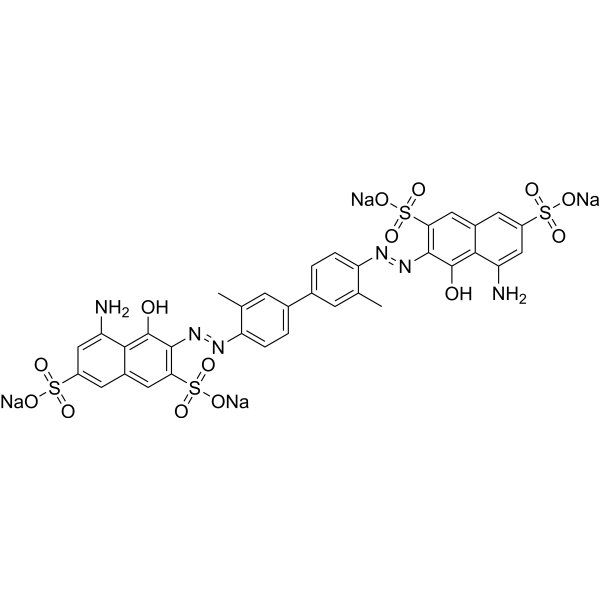
Cat. No.: HY-D0970
CAS No.: 72-57-1
Synonyms: Direct Blue 14; Trypan Blue
Diphenyl Blue (Trypan Blue) is a cell active dye, the most commonly used dye for the identification of dead cells, of en used to test cell membrane integrity and cell viability. Diphenyl Blue staining is one of the methods for tissue and cell culture. When cells are deactivated or have incomplete cell membranes, Diphenyl Blue can stain them Blue. Normal living cells with intact cell membranes reject Diphenyl blue and do not stain them blue. However, macrophages are capable of phagocytosis of Diphenyl Blue, so it can be used as a living stain for macrophages .
loading...
    loading...
3
3 Cited Publications
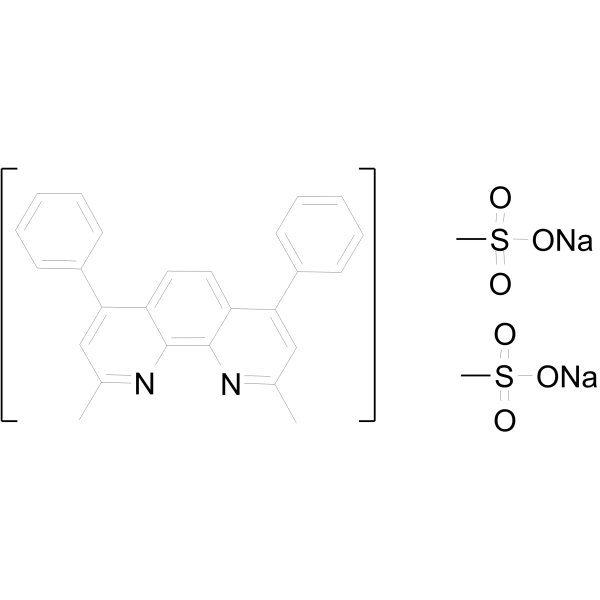
Cat. No.: HY-W034953
CAS No.: 52698-84-7
Bathocuproine disulfonate disodium (BCS) is an organic compound used as a highly sensitive colorimetric reagent for copper ions in biochemical and analytical applications. It has a bright yellow color and absorbs light at specific wavelengths, so it can be used to detect and quantify trace copper. In biochemical applications, BCS is commonly used to study the role of copper ions in various biological processes. Copper is an essential nutrient for many organisms, but it can also be toxic in high concentrations, so accurate measurement of copper levels is important to understand its impact on living systems. In terms of analysis, BCS is often used in environmental monitoring and water quality testing to detect copper pollution. It can detect copper even at very low concentrations, making it an invaluable tool for identifying potential sources of pollution and assessing the impact of industrial activities on aquatic ecosystems.
loading...
    loading...
2
2 Cited Publications
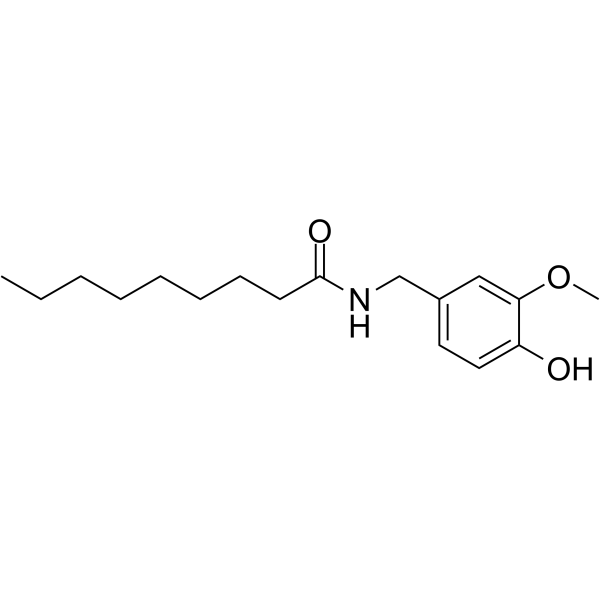
Cat. No.: HY-17568
CAS No.: 2444-46-4
Synonyms: Pelargonic acid vanillylamide; Nonanoic acid vanillylamide; Pseudocapsaicin
Nonivamide is a agonist, which exhibits 4d-EC50 value of 5.1 mg/L in static toxicity tests.
loading...
    loading...
2
2 Cited Publications
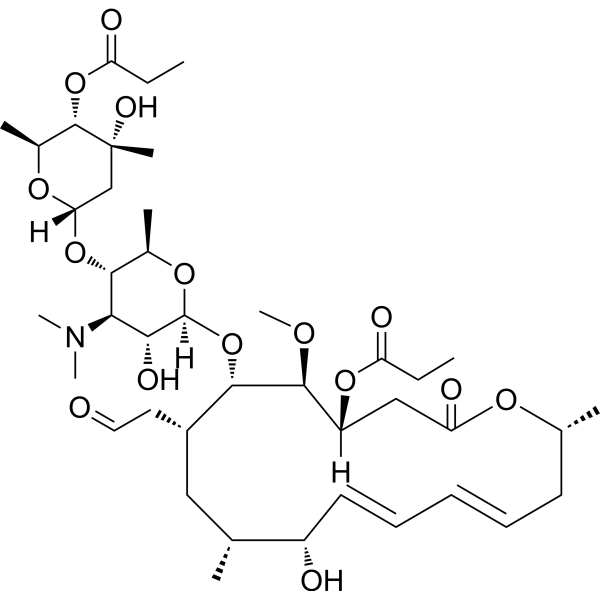
Cat. No.: HY-B1908
CAS No.: 35457-80-8
Synonyms: SF-837; Antibiotic SF-837
Midecamycin, an acetoxy-substituted macrolide antibiotic, is tested against gram-positive and gram-negative bacteria.
loading...
    loading...
2
2 Cited Publications
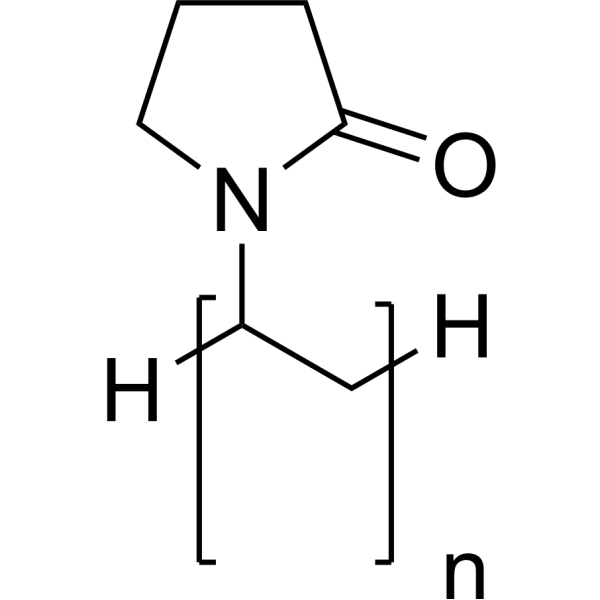
Cat. No.: HY-B1620
CAS No.: 9003-39-8
Synonyms: PVP K30; Polyvidone K30; Povidone K30
Polyvinylpyrrolidone K30 is a compound which has been widely tested and used in human and veterinary medicine as an effective wound healing accelerator and disinfectant when combined with iodine and other compounds.
loading...
    loading...
2
2 Cited Publications
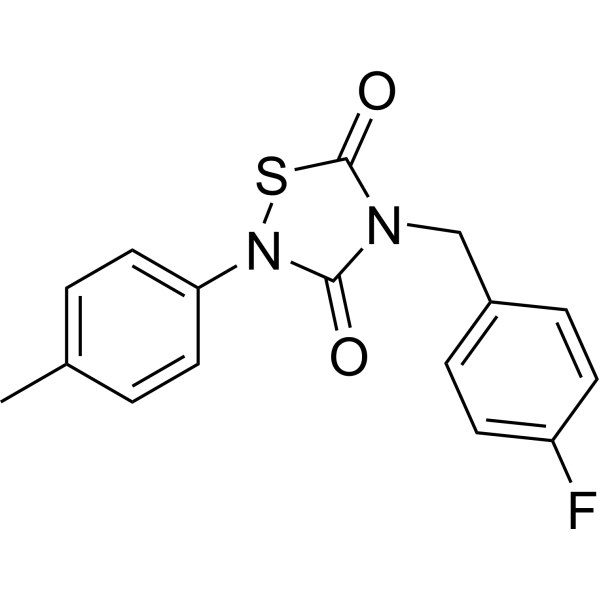
Cat. No.: HY-13509
CAS No.: 883050-24-6
Purity:  99.62%
Target:  

RGS Protein

Research Areas:  

Inflammation/Immunology

CCG-50014 is the most potent against the regulator of G-protein signaling protein type 4 (RGS4) (IC50 =30 nM) and is >20-fold selective for RGS4 over other RGS proteins. CCG-50014 binds covalently to the RGS, forming an adduct on two cysteine residues located in an allosteric regulatory site . CCG50014, reduces nociceptive responses and enhances opioid-mediated analgesic effects in the mouse formalin test .
loading...
    loading...
2
2 Cited Publications
Cat. No.: HY-P2733
CAS No.: 9046-28-0
Synonyms: GPO
Glycerol-3-phosphate oxidase, E. coli (GPO) is a key intermediate in glycerol metabolism. Glycerol-3-phosphate oxidase, E. coli is the skeleton of phospholipids in membrane lipids, and also a substrate in the respiratory chain. Glycerol-3-phosphate oxidase, E. coli produces electrons through oxidation. Glycerol-3-phosphate oxidase, E. coli is an enzyme with important functions in the field of biochemistry, and is widely used in medical testing and scientific research .
loading...
    loading...
2
2 Cited Publications
Cat. No.: HY-13769A
CAS No.: 2076-91-7
Purity:  ≥98.0%
Synonyms: NSC55712; TPU-260 Dihydrochloride
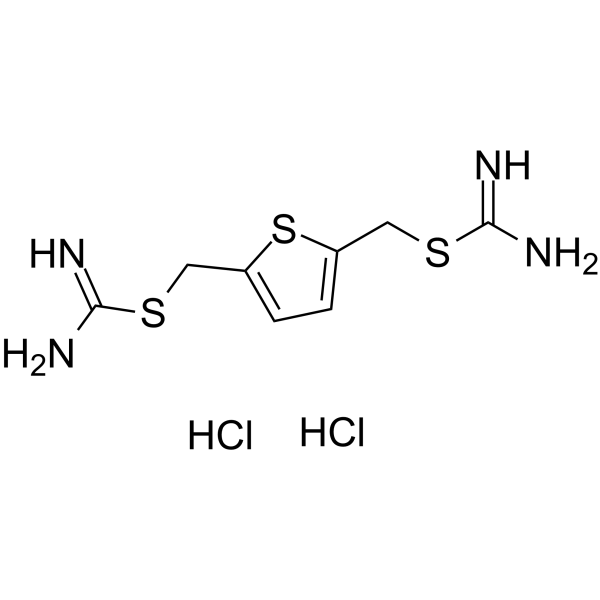
TPT-260 Dihydrochloride (NSC55712), a thiophene thiourea derivative, is a retromer complex stabilizer against thermal denaturation (Kd = ~5 µM). TPT-260 Dihydrochloride increases the levels of retromer proteins, shifts amyloid-precursor protein (APP) away from the endosome, and decreases the pathogenic processing of APP. TPT-260 Dihydrochloride inhibits TLR4 upregulation, IKKβ phosphorylation, NF-κB p65 nuclear translocation, and NLRP3 inflammasome formation. TPT-260 Dihydrochloride improves retromer-mediated cargo trafficking, reduces brain infarct area, and decreases amyloid plaque deposition. TPT-260 Dihydrochloride exhibits minimal cytotoxicity to primary microglia at tested concentrations. TPT-260 Dihydrochloride can be used for the research of inflammatory bowel disease, ischemic stroke and Alzheimer's disease .
loading...
    loading...
1
1 Cited Publications
Cat. No.: HY-14196
CAS No.: 29218-27-7
Purity:  98.11%
Synonyms: MD 69276
Target:  

Monoamine Oxidase

Research Areas:  

Neurological Disease

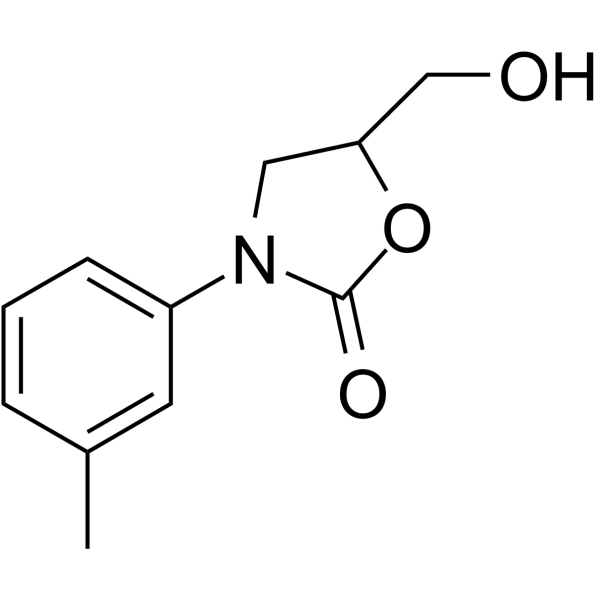
Toloxatone (MD 69276) is a reversible, selective MAO-A inhibitor that can cross the blood-brain barrier. Toloxatone increases the levels of serotonin (5-HT) and norepinephrine in the brain. Toloxatone reduces the immobility time in the forced swimming test in mice, inhibits killing behavior in rats without causing sedation, and shows a correlation between its free plasma concentration and cerebrospinal fluid concentration. Toloxatone is widely used in research related to depression, depressive disorders and Parkinson's disease .
loading...
    loading...
1
1 Cited Publications
Cat. No.: HY-B1307
CAS No.: 61-80-3
Target:  

Cytochrome P450

Research Areas:  

Neurological Disease

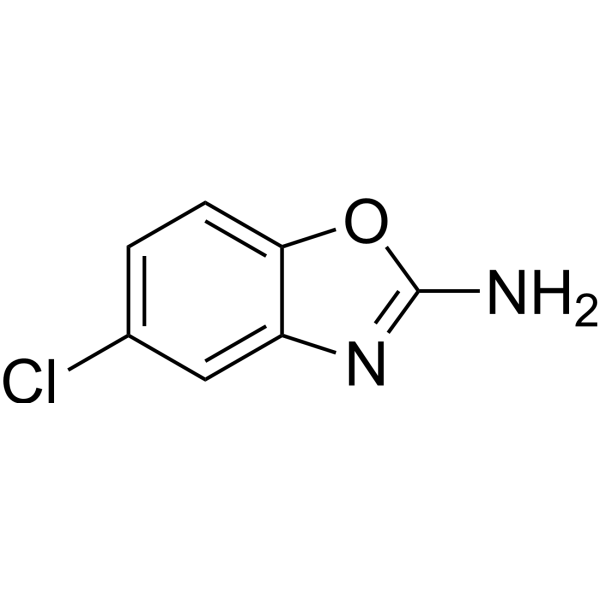
Zoxazolamine is widely used for a pharmacologic test that serves as a convenient indicator of changes in cytochrome P-450 activity in rodents.
loading...
    loading...
1
1 Cited Publications
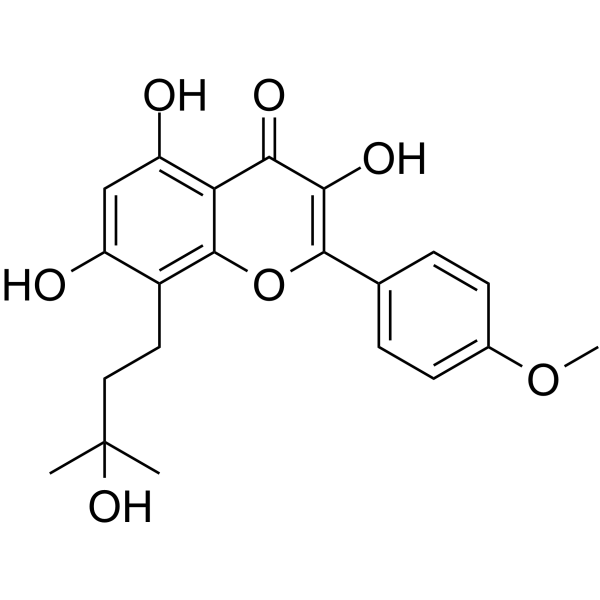
Cat. No.: HY-N4111
CAS No.: 521-45-9
Wushanicaritin exhibits significant antioxidant activity (IC50=35.3 μM) in DPPH radical scavenging activity tests. Antitumor effects and anti-inflammatory property .
loading...
    loading...
1
1 Cited Publications
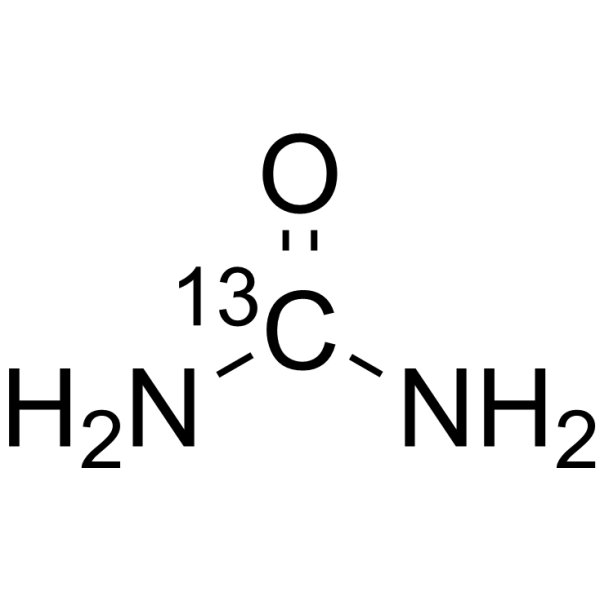
Cat. No.: HY-118877
CAS No.: 58069-82-2
Purity:  99.1%
Synonyms: Carbonyl diamide-13C
Urea- 13C is the 13C labelled urea. The Urea- 13C breath test ( 13C-UBT) is one of the best methods for the diagnosis of Helicobacter pylori infection .
loading...
    loading...
1
1 Cited Publications
Cat. No.: HY-P1746
CAS No.: 121545-65-1
Synonyms: PKC (19-31)
Target:  

PKC

Research Areas:  

Inflammation/Immunology

Protein Kinase C (19-31), a peptide inhibitor of protein kinase C (PKC), derived from the pseudo-substrate regulatory domain of PKCa (residues 19-31), is used as protein kinase C substrate peptide for testing the protein kinase C activity .
loading...
    loading...
1
1 Cited Publications
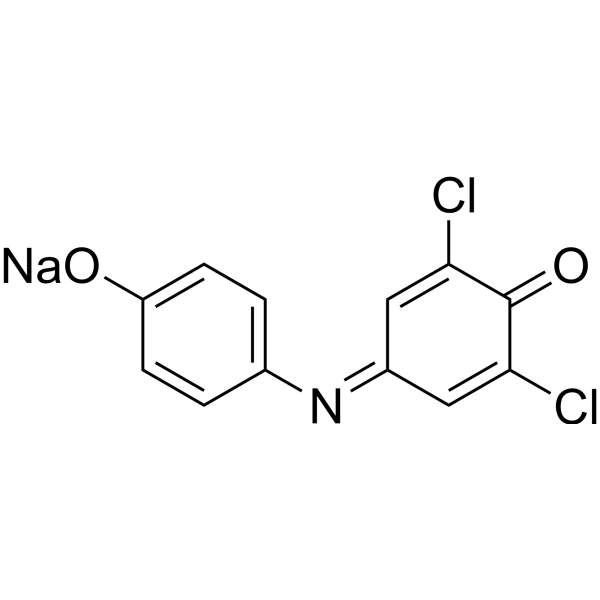
Cat. No.: HY-D0018
CAS No.: 620-45-1
Synonyms: Dichlorophenylindophenol sodium; DCPIP sodium; Indochlorophenol sodium
DCIP sodium is a blue dye commonly used in various biochemical and biotechnological applications as an indicator of redox reactions. DCIP sodium has unique chemical properties that change color according to the oxidation state of the substance being tested. It is commonly used in enzyme assays, such as measuring the activity of succinate dehydrogenase, or in protein quantification methods, such as the Lowry assay.
loading...
    loading...
1
1 Cited Publications
Cat. No.: HY-P2799A
CAS No.: 9001-15-4
Synonyms: CK, CPK, Creatine Phosphokinase
Creatine Kinase (CPK/CK), Bovine Heart (CK) is a creatine kinase derived from bovine heart. Creatine Kinase (CPK/CK), Bovine Heart catalyzes the reversible phosphate transfer reaction between phosphocreatine and ADP, and is widely used in myocardial energy metabolism research and quality control of clinical biochemical tests .
loading...
    loading...
1
1 Cited Publications
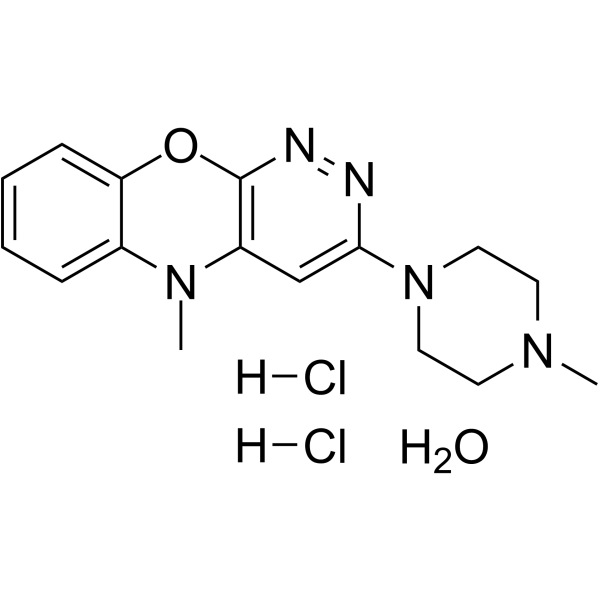
Cat. No.: HY-A0022A
CAS No.: 63302-99-8
Synonyms: Azafen monohydrate; Pipofezin dihydrochloride monohydrate; Pipofezine dihydrochloride monohydrate
Research Areas:  

Neurological Disease

Azaphen dihydrochloride monohydrate is an orally active tricyclic antidepressant that inhibits the reuptake of serotonin and monoamines, regulates the 5-HT2c receptor, and exerts sedative, antidepressant and anxiolytic effects. Azaphen dihydrochloride monohydrate increases the bioavailability of serotonin in the synaptic cleft, does not block muscarinic receptors or affect monoamine oxidase activity, and binds to the human serotonin transporter via salt bridges, π-stacking, π-cation and hydrophobic interactions. Azaphen dihydrochloride monohydrate can be used in studies related to depression .
loading...
    loading...
1
1 Cited Publications
Cat. No.: HY-131335
CAS No.: 1095003-80-7
Purity:  98.03%
Target:  

p38 MAPK

Research Areas:  

Inflammation/Immunology

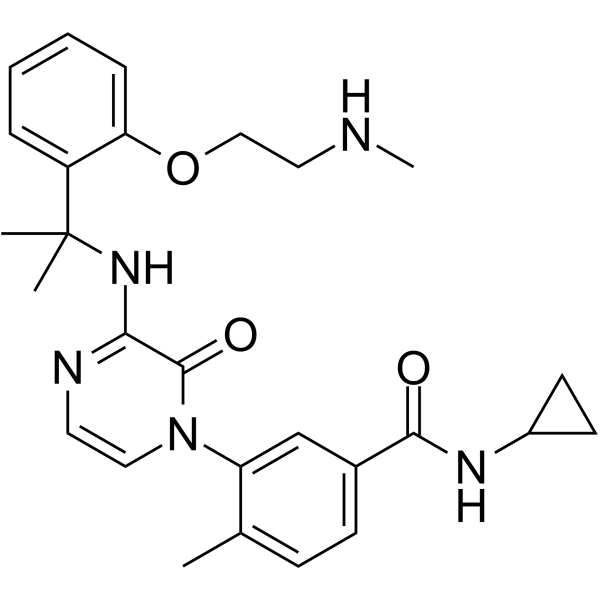
p38α inhibitor 2 is a highly potent and selective p38α MAPK inhibitor, with a pIC50 of 9.6. p38α inhibitor 2 inhibits the hERG ion channel (IC50=27 μM) and shows a promising selectivity profile when tested in a panel of 51 other protein kinases (<30% inhibition at 10 μM concentration) and a panel of 141 other biological targets .
loading...
    loading...

