
563 Results for "

myocardial hypercontractility

" in MedChemExpress (MCE) Product Catalog:
Products (563)

563 Results for "myocardial hypercontractility" in MCE Product Catalog:

Cat. No.: HY-10402A
CAS No.: 1246654-84-1
Synonyms: GSK-AHAB hydrochloride; GW856553X hydrochloride; SB856553 hydrochloride
Losmapimod (GSK-AHAB; GW856553X) hydrochloride is an orally active p38α/β MAPK inhibitor, with pKi values of 8.1 and 7.6 for p38α and p38β, respectively. Losmapimod hydrochloride reduces DUX4 expression, thus exerting efficacy in facioscapulohumeral muscular dystrophy. By inhibiting MAPK/NF-κB, Losmapimod hydrochloride reduces apoptosis of epileptiform hippocampal neurons, and exhibits anti-allodynia and anti-hyperalgesic activities. Losmapimod hydrochloride blocks the entry and fusion of Lassa fever virus (LASV). Losmapimod hydrochloride overcomes tyrosine kinase inhibitor resistance in non-small cell lung cancer (NSCLC). Losmapimod hydrochloride inhibits myocardial senescence and inflammation, and possesses cardioprotective activity against cardiotoxicity .
loading...
    loading...
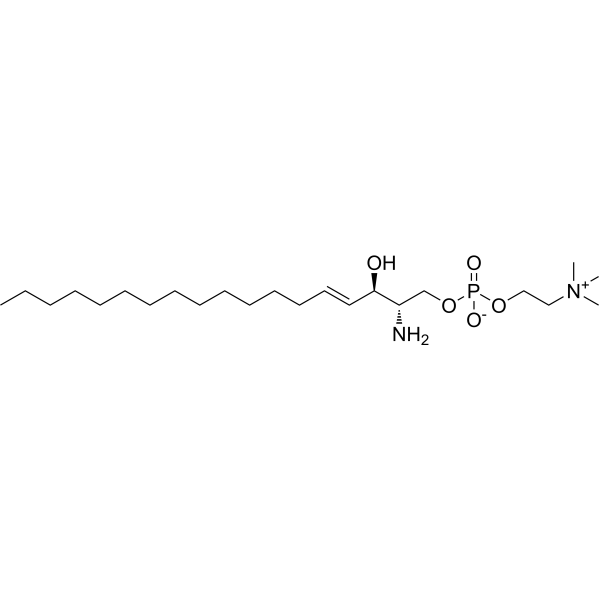
Cat. No.: HY-132187
CAS No.: 1670-26-4
Purity:  99.50%
Sphingosylphosphorylcholine is a bioactive lipid and a major component of plasma high-density lipoprotein that binds to OGR1 with a Kd of 33.3 nM. Sphingosylphosphorylcholine triggers delayed phosphorylation of Smad2, upregulates α-SMA expression, and activates TRPM3. Sphingosylphosphorylcholine reduces Apoptosis and upregulates the expression of uPA and its receptor uPA-R. Sphingosylphosphorylcholine exerts anti-apoptotic, anti-cardiac hypertrophy and pro-wound healing effects. Sphingosylphosphorylcholine induces scratching behavior in mice. Sphingosylphosphorylcholine is used in studies related to atopic dermatitis, promyelocytic leukemia, heart failure, myocardial ischemia/reperfusion injury, ovarian cancer, breast cancer, pancreatic cancer, and skin wound healing disorders in genetically impaired healing diabetes .
loading...
    loading...
Cat. No.: HY-133240
CAS No.: 1109241-72-6
trans-AzoTAB is a photoresponsive potassium/sodium/calcium channel modulator and DNA-binding agent. trans-AzoTAB undergoes trans-cis isomerization driven by light, with variable polarity and DNA affinity. trans-AzoTAB also enhances voltage-gated potassium currents and inhibits sodium and calcium currents in cardiomyocytes, thereby reducing spontaneous electrical activity and excitation conduction velocity. In addition, trans-AzoTAB induces compaction and frozen conformation of λ-phage DNA, and non-sequence-dependently inhibits transcription and translation processes in the dark; its activity can be reversed and restored by visible light after activation with ultraviolet irradiation. trans-AzoTAB can serve as a probe for two-photon optical regulation of myocardial excitability, and is used to construct photoresponsive interfacial polymer structures .
loading...
    loading...
Cat. No.: HY-14254AR
CAS No.: 106730-54-5
Synonyms: Loprinone (Standard)
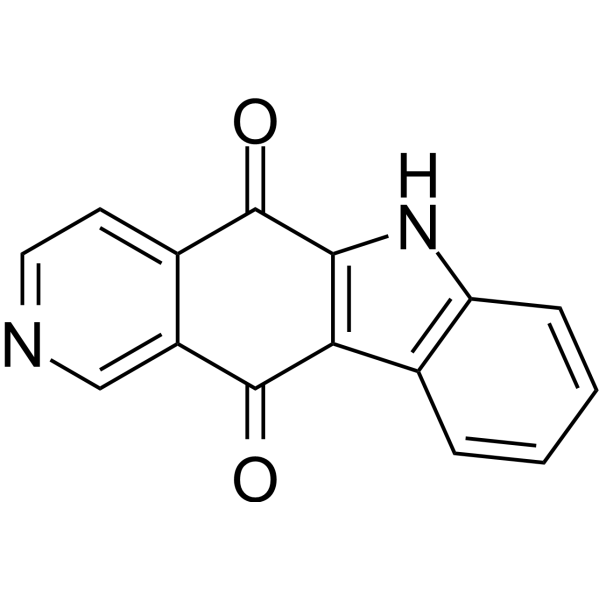
Olprinone (Loprinone) Standard is the analytical standard of Olprinone (HY-14254A). This product is intended for research and analytical applications. Olprinone (Loprinone) is a potent and selective phosphodiesterase 3 (PDE3) inhibitor, with IC50 values of 150, 100, 0.35, and 14 μM against PDE1, PDE2, PDE3, and PDE4, respectively. Olprinone exerts comprehensive protective effects including anti-inflammatory, antioxidant, and anti-apoptotic activities by elevating intracellular cAMP levels and inhibiting the NF-κB and MAPK signaling pathways. Olprinone can be used in studies related to lung injury, spinal cord injury, heart failure, myocardial ischemia-reperfusion injury, and cerebral ischemic injury .
loading...
    loading...
Cat. No.: HY-14254R
CAS No.: 119615-63-3
Synonyms: Loprinone Hydrochloride (Standard)
Olprinone (Loprinone) Hydrochloride Standard is the analytical standard of Olprinone (Hydrochloride) (HY-14254). This product is intended for research and analytical applications. Olprinone (Loprinone) Hydrochloride is a potent and selective phosphodiesterase 3 (PDE3) inhibitor, with IC50 values of 150, 100, 0.35, and 14 μM against PDE1, PDE2, PDE3, and PDE4, respectively. Olprinone Hydrochloride exerts comprehensive protective effects including anti-inflammatory, antioxidant, and anti-apoptotic activities by elevating intracellular cAMP levels and inhibiting the NF-κB and MAPK signaling pathways. Olprinone Hydrochloride can be used in studies related to lung injury, spinal cord injury, heart failure, myocardial ischemia-reperfusion injury, and cerebral ischemic injury .
loading...
    loading...
Cat. No.: HY-159821
CAS No.: 2830607-59-3
Synonyms: CK-4021586; CK-586
Target:  

Myosin

Research Areas:  

Cardiovascular Disease

Ulacamten (CK-4021586; CK-586) is an orally active cardiac myosin inhibitor and an inhibitor of the double-headed cardiac heavy meromyosin (HMM)ATPase (excluding single-headed myosin subfragment-1), with an EC50 of 2.9 μM. Ulacamten regulates cardiac myosin, reduces excessive myocardial contractility, and alleviates left ventricular outflow tract obstruction. Ulacamten increases the left ventricular short-axis systolic internal diameter, inhibits dobutamine-induced exacerbation of obstruction, and exerts only a mild reducing effect on left ventricular systolic function. Ulacamten also inhibits the fractional shortening of the short axis without altering calcium transients. Ulacamten shows good safety and tolerability in purpose-bred cats with naturally occurring obstructive hypertrophic cardiomyopathy .
loading...
    loading...
Cat. No.: HY-161119
CAS No.: 73326-98-4
Drpitor1a is an orally active DRP1 GTPase inhibitor. Drpitor1a blocks mitochondrial fission, inhibits DRP1 GTPase activity, and reduces ROS levels. Drpitor1a induces mitochondrial fusion and mitochondria-dependent apoptosis by elevating Bak and Smac/Diablo and inhibiting Bcl-2. Drpitor1a inhibits proliferation in pulmonary arterial hypertension hPASMC and induces necrosis and autophagy mediators. Drpitor1a causes regression of non-small cell lung cancer tumors in mouse xenograft models and exhibits higher accumulation and efficacy in females. Drpitor1a can be used in research related to non-small cell lung cancer, myocardial ischemia-reperfusion injury, and pulmonary arterial hypertension .
loading...
    loading...
Cat. No.: HY-19230
CAS No.: 179185-73-0
DY-9760e is a calmodulin (CaM) inhibitor. DY-9760e selectively inhibits the activity of various calmodulin-dependent enzymes by antagonizing the Ca²⁺/CaM complex, exhibiting the strongest inhibitory activity against nNOS, CaM kinase II, and calcineurin (Ki: 0.9, 1.4, and 2.0 μM, respectively). DY-9760e inhibits excessive nitric oxide production and protein tyrosine nitration, as well as the activation of calpain and caspase-3. DY-9760e reduces infarct size, improves cardiac function, and inhibits oxidative stress and cell death. DY-9760e can be used in research on the treatment of myocardial infarction, cerebral ischemia, and other diseases .
loading...
    loading...
Cat. No.: HY-A0144AR
CAS No.: 943-17-9
Etilefrine hydrochloride (Standard) is the analytical standard of Etilefrine hydrochloride (HY-A0144A). This product is intended for research and analytical applications. Etilefrine hydrochloride is a sympathetic nerve agonist and AMPK activator that selectively targets α1/β1 adrenergic receptors. Etilefrine hydrochloride stimulates α1 adrenergic receptors, leading to contraction of vascular smooth muscle and increased peripheral resistance. Etilefrine hydrochloride also stimulates β1 receptors to enhance myocardial contractility and increase heart rate, thereby increasing blood pressure and improving cardiac output. Etilefrine hydrochloride also bidirectionally regulates the AMPK/Akt pathway and modulates the phosphorylation levels. Etilefrine hydrochloride can be used in cardiovascular research, such as postural hypotension, chylothorax, and improving low cardiac output .
loading...
    loading...
Cat. No.: HY-A0144R
CAS No.: 709-55-7
Etilefrine (Standard) is the analytical standard of Etilefrine. This product is intended for research and analytical applications. Etilefrine is a sympathetic nerve agonist and AMPK activator that selectively targets α1/β1 adrenergic receptors. Etilefrine stimulates α1 adrenergic receptors, leading to contraction of vascular smooth muscle and increased peripheral resistance. Etilefrine also stimulates β1 receptors to enhance myocardial contractility and increase heart rate, thereby increasing blood pressure and improving cardiac output. Etilefrine also bidirectionally regulates the AMPK/Akt pathway and modulates the phosphorylation levels. Etilefrine can be used in cardiovascular research, such as postural hypotension, chylothorax, and improving low cardiac output .
loading...
    loading...
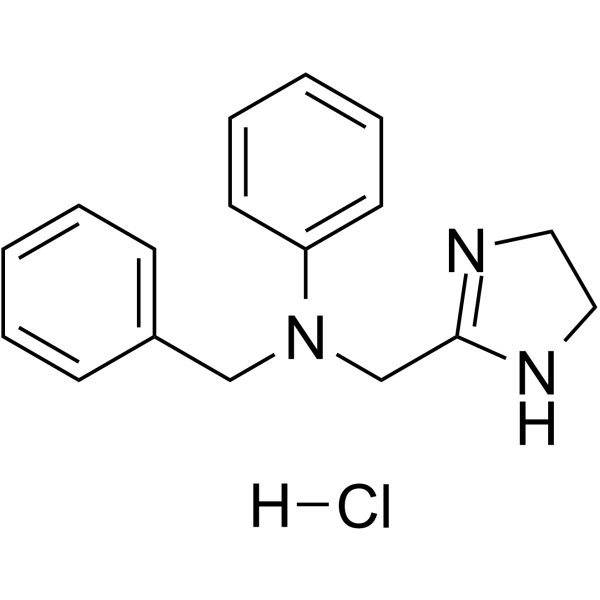
Cat. No.: HY-B1067
CAS No.: 2508-72-7
Synonyms: Phenazoline hydrochloride
Target:  

Histamine Receptor HBV

Research Areas:  

Neurological Disease Endocrinology

Antazoline hydrochloride is a histamine H1 receptor antagonist with anticholinergic and antiviral properties. Antazoline hydrochloride can prevent histamine from acting on target cells through a reversible competition effect on histamine receptor sites of these cells. Antazoline hydrochloride can exert an antiallegic effect and prevent the occurrence of physiological reactions from the effect of blocking as well as inhibiting H1 receptor. Antazoline hydrochloride can effectively reduce HBV DNA in the extracellular supernatant in a dose-dependent manner, with EC50 of 2.910 μmol/L in HepAD38 cells. Antazoline hydrochloride also has a significant inhibitory effect on HBV DNA in the extracellular supernatant of Huh7 cells (EC50 = 2.349 μmol/L). Antazoline hydrochloride has anti-arrhythmic effect in acute myocardial infarctions. Antazoline hydrochloride can be studied in research for cardiovascular diseases, and HBV .
loading...
    loading...
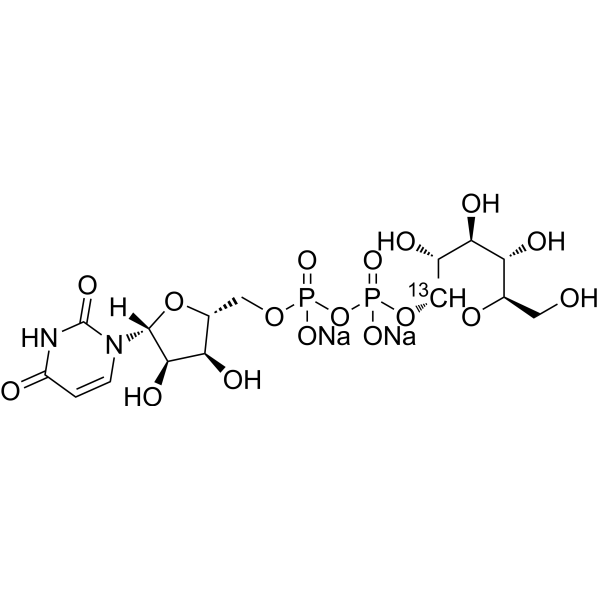
Cat. No.: HY-N7032S
CAS No.: 478529-38-3
Synonyms: UDP-D-Glucose-13C disodium
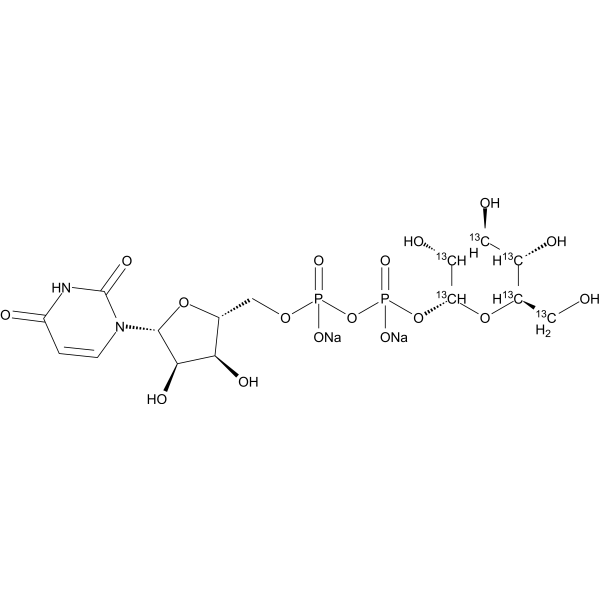
Uridine 5′-diphosphoglucose- 13C (UDP-D-Glucose- 13C) disodium is the 13C labeled Uridine 5′-diphosphoglucose disodium (HY-N7032) . Uridine 5’-diphosphoglucose (UDP-glucose) disodium, secreted by cardiomyocytes during ischemia and reperfu, is a potent agonist of the proinflammatory P2Y14 receptor. It acts an important role in the regulation of inflammation and neutrophil polarization in neutrophils. Uridine 5’-diphosphoglucose disodium is also the precursor of glucose-containing oligosaccharides, polysaccharides, glycoproteins, and glycolipids in animal tissues and in some microorganisms. Uridine 5’-diphosphoglucose disodium is promising for research in counteracting myocardial infarction/reperfusion (MIR)-induced inflammation in the heart tissue .
loading...
    loading...
Cat. No.: HY-N7032S1
CAS No.: 2483735-04-0
Synonyms: UDP-D-Glucose-13C6 disodium
Uridine 5′-diphosphoglucose- 13C6 (UDP-D-Glucose- 13C6) disodium is the 13C labeled Uridine 5′-diphosphoglucose disodium (HY-N7032) . Uridine 5’-diphosphoglucose (UDP-glucose) disodium, secreted by cardiomyocytes during ischemia and reperfu, is a potent agonist of the proinflammatory P2Y14 receptor. It acts an important role in the regulation of inflammation and neutrophil polarization in neutrophils. Uridine 5’-diphosphoglucose disodium is also the precursor of glucose-containing oligosaccharides, polysaccharides, glycoproteins, and glycolipids in animal tissues and in some microorganisms. Uridine 5’-diphosphoglucose disodium is promising for research in counteracting myocardial infarction/reperfusion (MIR)-induced inflammation in the heart tissue .
loading...
    loading...
Cat. No.: HY-N7064
CAS No.: 256-96-2
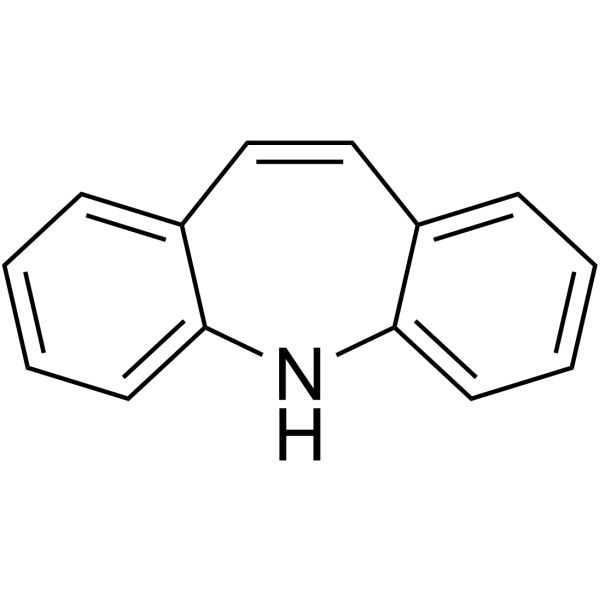
Iminostilbene is a chemical precursor of carbamazepine. Additionally, Iminostilbene is an orally active inhibitor of PKM2 (Pyruvate Kinase M2) and COX2 (Cyclooxygenase-2). Iminostilbene exerts its effects by inhibiting PKM2 and its interaction with HIF-1α and STAT3, reducing COX2 and iNOS expression, and decreasing LPS-induced release of IL-1β, IL-6, TNF-α, and MCP-1, thereby suppressing macrophage-mediated inflammatory responses and improving myocardial ischemia/reperfusion (MI/R) injury. Iminostilbene holds promise for research in inflammation regulation, cardiovascular diseases (such as MI/R injury), and macrophage-mediated immune-related diseases .
loading...
    loading...
Cat. No.: HY-P1731CP
CAS No.: 2023788-19-2
Tirzepatide (LY3298176) (crude) is the crude form of Tirzepatide (HY-P1731).Tirzepatide (LY3298176) is a dual glucose-dependent insulinotropic polypeptide (GIP) and glucagon-like peptide-1 (GLP-1) receptor agonist. Tirzepatide exerts anti-apoptotic and pro-differentiation effects via the pAkt/CREB/BDNF cascade and miRNA in neurons; in the heart, it promotes BCAA catabolism and inhibits the mTOR pathway by mediating the dephosphorylation of BCKDHA; meanwhile, it effectively reduces insulin and leptin levels and suppresses inflammatory responses at the systemic level. Tirzepatide can be used for research on myocardial infarction, colon cancer, diabetes, diabetic cognitive impairment, neurodegeneration, diabetes-related neuropathy, and obesity .
loading...
    loading...
Cat. No.: HY-P2819
CAS No.: 9001-80-3
Synonyms: PFK1
Phosphofructokinase 1 (PFK1) is a glycolytic enzyme and also an allosteric activation target of fructose-2,6-bisphosphate. PFK1 supports cardiac glycolysis to maintain normal cardiac function and mediates adaptive responses to pressure overload. Upregulated expression and activity of PFK1 are associated with the alleviation of pathological changes induced by pressure overload, including diastolic dysfunction, interstitial fibrosis and myocardial hypertrophy. Inhibition of PFK1 redirects glucose carbon flux to the pentose phosphate pathway. PFK1 promotes proliferation, migration and glycolysis of colorectal cancer cells, reduces apoptosis and decreases their radiosensitivity, and shows higher expression levels in radioresistant tumors. PFK1 can be used in research related to diastolic dysfunction heart failure and colorectal cancer .
loading...
    loading...
Cat. No.: HY-P2819A
CAS No.: 9001-80-3
Phosphofructokinase,Bacillus stearothermophilus is a glycolytic enzyme and also an allosteric activation target of fructose-2,6-bisphosphate. PFK1 supports cardiac glycolysis to maintain normal cardiac function and mediates adaptive responses to pressure overload. Upregulated expression and activity of PFK1 are associated with the alleviation of pathological changes induced by pressure overload, including diastolic dysfunction, interstitial fibrosis and myocardial hypertrophy. Inhibition of PFK1 redirects glucose carbon flux to the pentose phosphate pathway. PFK1 promotes proliferation, migration and glycolysis of colorectal cancer cells, reduces apoptosis and decreases their radiosensitivity, and shows higher expression levels in radioresistant tumors. PFK1 can be used in research related to diastolic dysfunction heart failure and colorectal cancer .
loading...
    loading...
Cat. No.: HY-P3016A
CAS No.: 9000-97-9
Synonyms: EC 2.6.1.1, porcine heart; GOT, porcine heart; AST, porcine heart
Aspartate aminotransferase (EC 2.6.1.1), porcine heart is a metabolic regulator with the highest activity in the heart, liver and skeletal muscle. Aspartate aminotransferase, porcine heart comprises two isozymes: the cytoplasmic form (AST1) and the mitochondrial form (AST2). By catalyzing reversible transamination reactions between oxaloacetate, L-glutamate and other substances, it is deeply involved in key physiological processes such as amino acid metabolism, the tricarboxylic acid cycle and neurotransmitter synthesis. Aspartate aminotransferase, porcine heart also provides substrate support for the synthesis of urea and purines/pyrimidines. Aspartate aminotransferase, porcine heart is a serum marker reflecting cardiac and hepatic injury, and its abnormal levels are also closely associated with myocardial infarction, cardiovascular diseases and various cancers .
loading...
    loading...
Cat. No.: HY-P3016B
CAS No.: 9000-97-9
Synonyms: EC 2.6.1.1, Human liver; GOT, Human liver; AST, Human liver
Aspartate aminotransferase (EC 2.6.1.1), Human liver is a metabolic regulator with the highest activity in the heart, liver and skeletal muscle. Aspartate aminotransferase, Human liver comprises two isozymes: the cytoplasmic form (AST1) and the mitochondrial form (AST2). By catalyzing reversible transamination reactions between oxaloacetate, L-glutamate and other substances, it is deeply involved in key physiological processes such as amino acid metabolism, the tricarboxylic acid cycle and neurotransmitter synthesis. Aspartate aminotransferase, Human liver also provides substrate support for the synthesis of urea and purines/pyrimidines. Aspartate aminotransferase, Human liver is a serum marker reflecting cardiac and hepatic injury, and its abnormal levels are also closely associated with myocardial infarction, cardiovascular diseases and various cancers .
loading...
    loading...
Cat. No.: HY-P3016C
CAS No.: 9000-97-9
Synonyms: EC 2.6.1.1, Human; GOT, Human; AST, Human
Research Areas:  

Others

Aspartate aminotransferase (EC 2.6.1.1), Human s a metabolic regulator with the highest activity in the heart, liver and skeletal muscle. Aspartate aminotransferase, Human (HEK293) comprises two isozymes: the cytoplasmic form (AST1) and the mitochondrial form (AST2). By catalyzing reversible transamination reactions between oxaloacetate, L-glutamate and other substances, it is deeply involved in key physiological processes such as amino acid metabolism, the tricarboxylic acid cycle and neurotransmitter synthesis. Aspartate aminotransferase, Human also provides substrate support for the synthesis of urea and purines/pyrimidines. Aspartate aminotransferase, Human is a serum marker reflecting cardiac and hepatic injury, and its abnormal levels are also closely associated with myocardial infarction, cardiovascular diseases and various cancers .
loading...
    loading...

