
592 Results for "

DNA binding

" in MedChemExpress (MCE) Product Catalog:
Products (592)

592 Results for "DNA binding" in MCE Product Catalog:

Cat. No.: HY-W004588
CAS No.: 72914-19-3
Research Areas:  

Others Cancer

tBu2bpy is a bidentate nitrogen ligand that coordinates with Pt (II) and Pt (IV) to form functional complexes. The tBu2bpy Pt (II) bis-crown ether complex selectively recognizes Mg 2+ and Zn 2+; both ions significantly enhance the fluorescence of the complex and cause a blue shift of the absorption peak. Its six-coordinate Pt (IV) complex [Pt (X)2Me2 ( tBu2bpy)] inhibits the proliferation of tumor cells. tBu2bpy Pt (IV) complexes bind to DNA through multiple interactions including partial intercalation, groove binding, and electrostatic interaction, and can competitively displace ethidium bromide and covalently bind to purine nucleotides. tBu2bpy can be used in relevant research in fields such as organic synthesis .
loading...
    loading...
Cat. No.: HY-W008806
CAS No.: 143537-62-6
Synonyms: OHHL; N-(3-Oxohexanoyl)homoserine lactone
Target:  

Bacterial

Research Areas:  

Infection Inflammation/Immunology

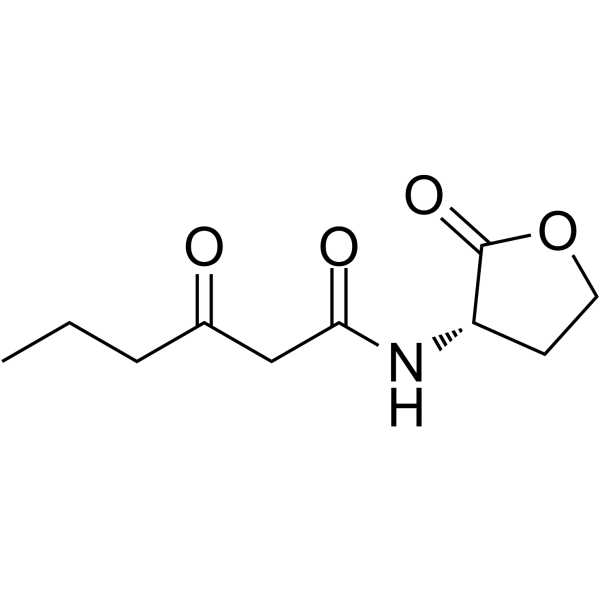
N-(3-Oxohexanoyl)-L-homoserine lactone (OHHL; N-(3-Oxohexanoyl)homoserine lactone) is a specific agonist of LuxR-type transcription factor CarR with a Kd of 1.8 μM. N-(3-Oxohexanoyl)-L-homoserine lactone activates CarR by inducing protein multimerization, promoting its binding to target DNA sequences in the carR-carA intergenic region, thereby upregulating the transcription of carbapenem biosynthesis genes. N-(3-Oxohexanoyl)-L-homoserine lactone acts as a quorum sensing signal molecule, enabling bacteria to coordinate the production of carbapenem antibiotics in a cell density-dependent manner. N-(3-Oxohexanoyl)-L-homoserine lactone is used to study bacterial quorum sensing mechanisms, especially the secondary metabolism and virulence factor regulatory pathways of Erwinia carotovora and Yersinia enterocolitica .
loading...
    loading...
Cat. No.: HY-12888
CAS No.: 907543-25-3
Target:  

Topoisomerase Bacterial

Research Areas:  

Infection

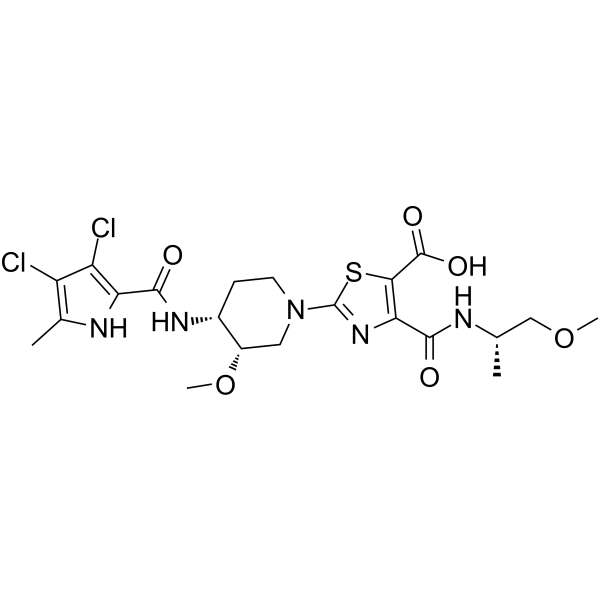
AZD5099 is an orally effective pyrrole amide inhibitor and antibacterial agent. AZD5099 shows over 10000-fold higher selectivity for bacterial type II topoisomerases than for human topoisomerase IIα, with a IC50 value of 0.032 μmol/L against Staphylococcus aureus GyrB, a IC50 of 0.760 μmol/L against Escherichia coli GyrB, a IC50 of 73 nM against Escherichia coli ParE, a Kd of 83.8 nmol/L for Staphylococcus aureus GyrB, and a IC50 of >50 μM against human topoisomerase IIα. AZD5099 inhibits rat Mrp2 ATPase activity, competitively binds to the ATP-binding site of bacterial type II topoisomerases, blocks enzyme activity, reduces bacterial DNA and RNA synthesis, disrupts DNA replication and transcription processes, and induces mitochondrial toxicity. AZD5099 exhibits activity against Gram-positive bacteria, fastidious Gram-negative bacteria and drug-resistant strains, reduces bacterial loads in mouse infection models, and has a low spontaneous resistance frequency. AZD5099 can be used in studies related to infections caused by Gram-positive bacteria and fastidious Gram-negative bacteria, methicillin-resistant Staphylococcus aureus infections, Streptococcus pneumoniae pulmonary infections, as well as Staphylococcus aureus and Escherichia coli infections .
loading...
    loading...
Cat. No.: HY-182360
Cytisine-Platinum(IV) Prodrug-1 is a Pt(IV) prodrug incorporating the natural compound Cytisine (HY-N0175) with antiproliferative activity against tumor cells. Cytisine-Platinum(IV) Prodrug-1 promotes calcium transfer across the IP3R1-GRP75-VDAC1 axis to drive mitochondrial calcium overload. Cytisine-Platinum(IV) Prodrug-1 initiates unfolded protein response via PERK, eIF2α, ATF4, and CHOP to modulate Bcl-2 and Bax, triggering apoptosis. Cytisine-Platinum(IV) Prodrug-1 induces mitochondrial dysfunction, ROS production, reduced ATP synthesis, DNA damage, and S-phase cell cycle arrest. Cytisine-Platinum(IV) Prodrug-1 activates the cGAS-STING pathway, reduces PD-L1 expression, drives immunogenic cell death. Cytisine-Platinum(IV) Prodrug-1 exhibits high physiological stability, efficient cellular accumulation, and enhanced platinum-DNA binding, and inhibits tumor growth in mouse models with reduced systemic toxicity. Cytisine-Platinum(IV) Prodrug-1 can be used for the research of lung cancer .
loading...
    loading...
Cat. No.: HY-P86737A
Synonyms: STAT3(phospho Y705); p-STAT3(phospho Y705); phospho-Stat3(pTyr705); STAT3(phospho-Tyr705); p-STAT3(Tyr705); phosphorylated Stat3(pTyr705); p-Stat3; Acute Phase Response Factor; APRF; DNA binding protein APRF; FLJ20882; MGC16063; Signal Transductor and Activator of Transcription 3; STAT 3; STAT3_HUMAN.

Host:  

Mouse

Application:  

IHC-P, IHC-F, IF-Tissue

Reactivity:  

Human, Rat

loading...
    loading...
Cat. No.: HY-P810987
Synonyms: EDJ, ERJ3, HDJ9, PSEC0121, UNQ537/PRO1080, DNAJB11, DNAJ homolog subfamily B member 11, APOBEC1-binding protein 2, DNAJ protein homolog 9, ER-associated DNAJ, ER-associated Hsp40 co-chaperone, Endoplasmic reticulum DNA J domain-containing protein 3, HEDJ, Human DNAJ protein 9, PWP1-interacting protein 4, ABBP-2, ER-resident protein ERdj3, ERdj3, ERj3p, hDj-9

Host:  

Rabbit

Application:  

WB, IHC-P

Reactivity:  

Human, Mouse, Rat

loading...
    loading...
Cat. No.: HY-108486
CAS No.: 70563-58-5
Purity:  99%
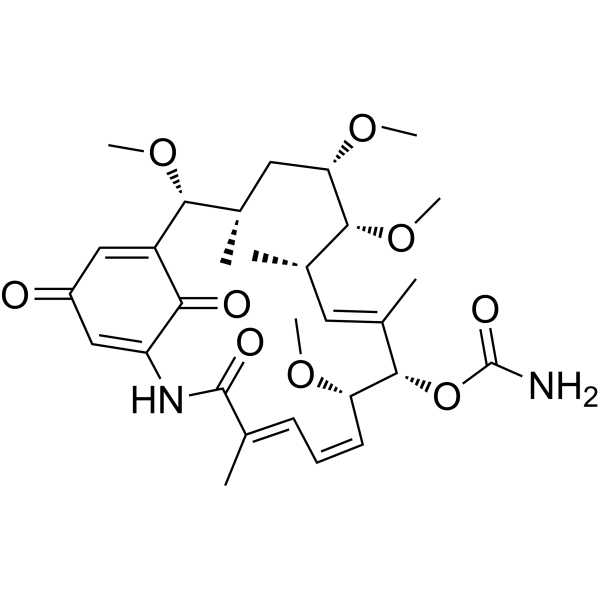
Herbimycin A is an antibiotic and protein tyrosine kinase inhibitor. Herbimycin A directly inhibits the autophosphorylation of p210 BCR-ABL with an IC50 of approximately 5 μM, and reduces Src kinase activity. Herbimycin A also induces the degradation of receptor tyrosine kinases such as insulin-like growth factor 1 receptor (IGF-1R), insulin receptor (IR) and epidermal growth factor receptor (EGFR) via the ubiquitin-20S proteasome pathway. Herbimycin A directly modifies NF-κB p50, with the main target site involving Cys62, thereby blocking the DNA binding of p50 and NF-κB-driven gene expression. Herbimycin A can be used in studies related to tyrosine kinase signaling, chronic myeloid leukemia, NF-κB signaling, osteoclast function, apoptosis and cellular stress .
loading...
    loading...
Cat. No.: HY-172767
Target:  

PROTACs STAT Apoptosis

Research Areas:  

Cancer

STAT3-D11-PROTAC-VHL (Compound D11-PROTAC) is a PROTAC degrader targeting Signal Transducer and Activator of Transcription 3 (STAT3). STAT3-D11-PROTAC-VHL exhibits anti-tumor activity with IC50 values of 1335 nM and 1973 nM against HeLa and MCF-7 cells, respectively. STAT3-D11-PROTAC-VHL binds to the DNA-binding domain of STAT3 and recruits the E3 ligase VHL to form a ternary complex, leading to the ubiquitination of STAT3 and subsequent degradation by the proteasome. STAT3-D11-PROTAC-VHL also inhibits tumor cell growth, induces cell cycle arrest and apoptosis, and suppresses tumor immune evasion .
loading...
    loading...
Cat. No.: HY-183831
CAS No.: 3034312-19-8
Research Areas:  

Cancer

GPS167 is a CLK kinase inhibitor that potently and selectively inhibits recombinant human CLK1, CLK2 and CLK4. By inhibiting CLK-mediated phosphorylation of SRSF10, GPS167 upregulates the protein-binding ability of CLK1 and CLK4 with SRSF10, downregulates oncogenic BCLAF1-L and upregulates tumor-suppressive BCLAF1-S, regulates alternative splicing of genes such as MDM2 and MDM4, stabilizes p53 protein and induces DNA damage, ultimately triggering tumor cell apoptosis. GPS167 can block the epithelial-mesenchymal transition process of tumors, activate intracellular double-stranded RNA-mediated antiviral immune responses, and produce synergistic cytotoxicity when combined with microtubule-targeting drugs. GPS167 can be used in research related to various cancers including colorectal cancer .
loading...
    loading...
Cat. No.: HY-187643
CAS No.: 304911-07-7
CGC-11144 hydrochloride is a polyamine analog. CGC-11144 hydrochloride reduces the kinase activities of CDK4, CDK2 and CDK6, induces activation of the p53 pathway and p53-dependent p21 expression, and mediates cell cycle regulation, growth inhibition and apoptosis. CGC-11144 hydrochloride induces G1 phase cell cycle arrest, downregulates cyclin D1 and cyclin B1, upregulates cyclin E, induces dephosphorylation of pRb, and inhibits ERα-mediated transcriptional activity by disrupting the DNA binding of Sp1/Sp3 to the ERα promoter, while also stimulating activation of the JNK/AP-1 pathway. CGC-11144 hydrochloride can be used in research related to breast cancer, choroidal neovascularization and cancer .
loading...
    loading...
Cat. No.: HY-N19899
CAS No.: 910050-51-0
Phaeosphaeride A is a STAT3 inhibitor with an IC50 of 0.61 mM against human STAT3. It exhibits higher selectivity for STAT3 over STAT1 and STAT5. Phaeosphaeride A inhibits the binding of STAT3 to DNA, STAT3-dependent transcriptional activity, as well as IL-6-induced phosphorylation and signaling of STAT3. Phaeosphaeride A activates the JNK, p38, Akt, CREB and STAT5A/B signaling pathways. Phaeosphaeride A induces oxidative stress (ROS), exerts antiproliferative and growth-inhibitory effects in cancer cells, and shows low cytotoxicity toward non-cancerous cells. Phaeosphaeride A is a phytotoxin and a weak animal toxin, with no antimicrobial activity against tested bacteria and fungi. Phaeosphaeride A can be used in research related to conditions such as cervical cancer and multiple myeloma, as well as weed infestations .
loading...
    loading...
Cat. No.: HY-N8146
CAS No.: 53729-52-5
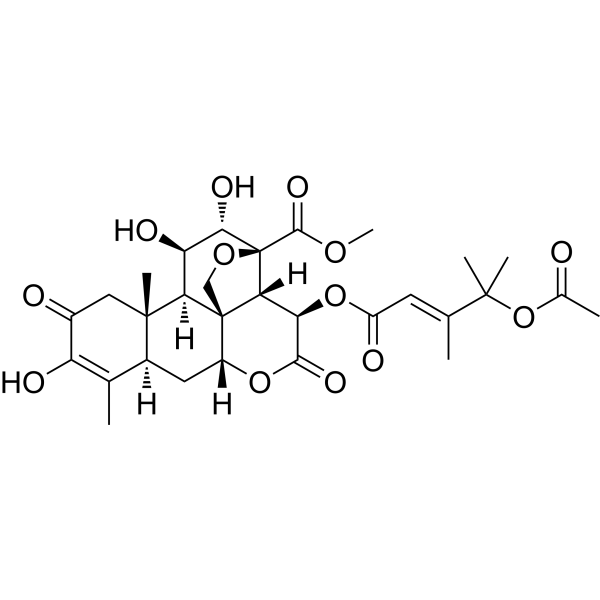
Bruceantinol is a quassinoid that can be isolated from Brucea javanica, inhibits pepper mottle virus (PepMoV) in pepper. Bruceantinol is a STAT3 inhibitor demonstrating potent antitumor activity in in vitro and in vivo human colorectal cancer (CRC) models. Bruceantinol has potent anti-leukemic activity. Bruceantinol strongly inhibits STAT3 DNA-binding ability (IC50 = 2.4 pM), blocks the constitutive and IL-6-induced STAT3 activation, and suppresses transcription of MCL-1, PTTG1, survivin and c-Myc. Bruceantinol binds with CDK2/4/6 to facilitate protein degradation through proteasome pathway. Bruceantinol can dose- and time-dependently reduces the cell growth, impede cell proliferation, disrupts the cell cycle, and induces necrosis in MCF-7 cells and apoptosis in MDA-MB-231 cells .
loading...
    loading...
Cat. No.: HY-W013403
CAS No.: 784-71-4
Target:  

IFNAR

Research Areas:  

Infection

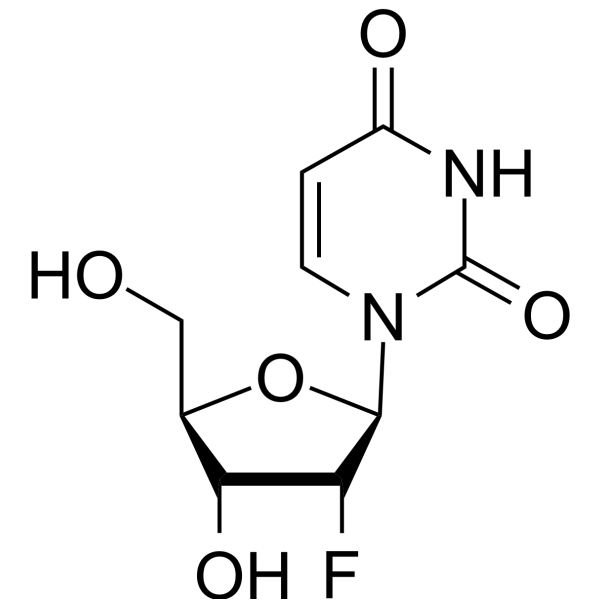
2'-Deoxy-2'-fluorouridine is a derivative of the pyrimidine nucleoside uridine. 2'-Deoxy-2'-fluorouridine is a nucleoside analog that inhibits the replication of wild-type viruses by binding to the viral RNA. Hepatitis C polyU/UC RNA strands containing 2'-Deoxy-2'-fluorouridine, bind to RIG-I but do not activate RIG-I signaling in a reporter assay using Huh7 cells. 2'-Deoxy-2'-fluorouridine also has been used as a starting material in the synthesis of respiratory syncytial virus (RSV) polymerase inhibitors. 2'-Deoxy-2'-fluorouridine can incorporate into DNA and RNA in rat and woodchuck model upon administration. 2'-Deoxy-2'-fluorouridine can be studied in anti-viral research .
loading...
    loading...
Cat. No.: HY-P81173
Synonyms: ACS3; B-HLH DNA binding protein; bHLHa38; BPES2; BPES3; Class A basic helix-loop-helix protein 38; CRS1; H-twist; OTTHUMP00000116043; SCS; Twist basic helix loop helix transcription factor 1; Twist homolog 1 (Drosophila); Twist homolog 1; TWIST homolog of drosophila; Twist related protein 1; Twist-related protein 1; Twist1; TWST1_HUMAN.

Host:  

Mouse

Application:  

WB, IHC-P, ICC/IF, FC

Reactivity:  

Human, Mouse

loading...
    loading...
Cat. No.: HY-P810989
Synonyms: EDJ; ERJ3; HDJ9; DNAJ homolog subfamily B member 11; APOBEC1-binding protein 2; ABBP-2; DNAJ protein homolog 9; ER-associated DNAJ; ER-associated Hsp40 co-chaperone; Endoplasmic reticulum DNA J domain-containing protein 3; ER-resident protein ERdj3; ERdj3; ERj3p; HEDJ; Human DNAJ protein 9; hDj-9; PWP1-interacting protein 4

Host:  

Rabbit

Application:  

WB, IHC-P, ICC/IF

Reactivity:  

Human, Mouse, Rat

loading...
    loading...
Cat. No.: HY-D0074
CAS No.: 70504-01-7
Target:  

Fluorescent Dye

Research Areas:  

Others

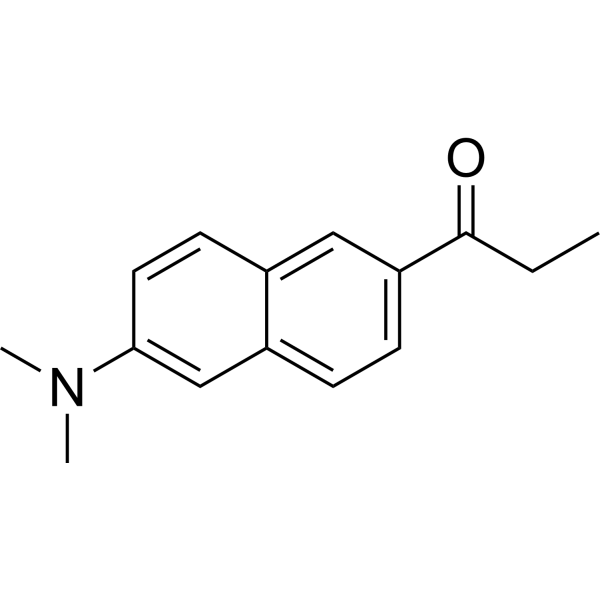
Prodan is an environment-sensitive fluorescent probe used to investigate the polarity, fluidity, and structure of lipid membranes. Prodan exhibits environment-dependent excitation/emission wavelengths, with its wavelength range covering Ex = 360-410 nm and Em = 430-530 nm when in solvents, bound to DNA, located in lipid bilayers, or associated with proteins. Prodan can interact with the major groove of DNA, regions of lipid bilayers, and hydrophobic pockets of proteins. During phase transitions, Prodan localizes to different regions of the bilayer: the emission minimum is 430-440 nm in the gel phase, while it shifts to 480-500 nm in the liquid-crystalline phase or interdigitated gel phase. When bound to rigid hydrophobic sites of proteins, the emission peak of Prodan undergoes a blue shift and its fluorescence intensity increases .
loading...
    loading...
Cat. No.: HY-151886
CAS No.: 2759420-43-2
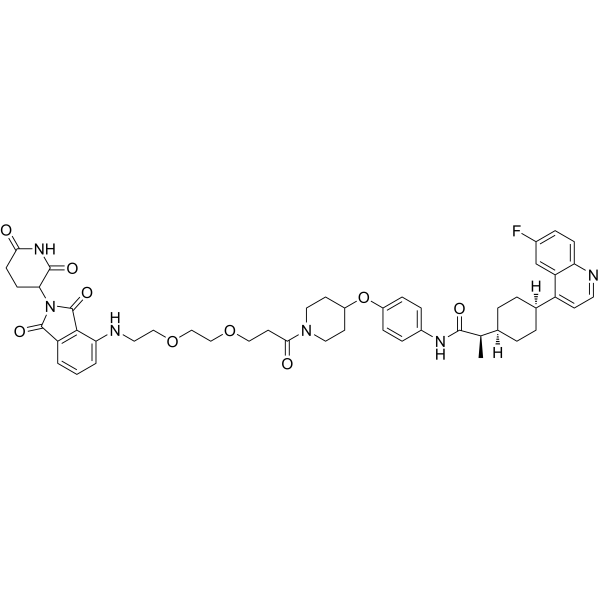
NU223612 is a cereblon (CRBN)-recruiting IDO1 PROTAC degrader, with a DC50 value of 0.329-0.5438 μM against human IDO1, and it is capable of penetrating the blood-brain barrier. NU223612 directly binds to IDO1, mediates the degradation of both wild-type and catalytically inactive mutant IDO1 proteins, and does not degrade TDO2. NU223612 inhibits IDO1-mediated enzymatic activity. NU223612 directly binds to CRBN and promotes the formation of a cooperative ternary complex with IDO1. NU223612 induces ubiquitin-dependent proteasomal degradation of the IDO1 protein. NU223612 suppresses IDO1-mediated non-enzymatic phosphorylation of NF-κB p65 and the DNA-binding activity of downstream transcription factors. NU223612 can be used in studies of glioblastoma (malignant glioma) .
loading...
    loading...
Cat. No.: HY-179433
Research Areas:  

Cancer

PROTAC AR Degrader-12 is a highly efficient PROTAC targeting AR coactivator binding site (AR-CBS). PROTAC AR Degrader-12 induces AR degradation in a ubiquitin proteasome system (UPS) pathway-dependent manner. PROTAC AR Degrader-12 inhibits tumor cell growth by affecting DNA replication and cell division PROTAC AR Degrader-12 could not only effectively degrade AR, but also potently inhibit the proliferation of MCF-7 and multiple mutant or resistant BC cells. PROTAC AR Degrader-12 effectively blocked estrogen receptor α (ERα) signaling through a dual mechanism involving ERα protein downregulation and suppression of its transcriptional activity. PROTAC AR Degrader-12 significantly inhibits the mRNA expression of FOXA1, GREB1, SRC, and PELP1. PROTAC AR Degrader-12 can be used for the study of breast cancer .
loading...
    loading...
Cat. No.: HY-P2302
CAS No.: 136661-76-2
Defensin HNP-3 human is an α-defensin stored in the azurophilic granules of human neutrophils. Defensin HNP-3 human exerts broad-spectrum bactericidal, antifungal and antiviral activities mainly by forming bacterial membrane pores, and acts as a chemoattractant for monocytes and T cells. Defensin HNP-3 human maintains epithelial integrity to support periodontal tissue homeostasis, and exerts concentration-dependent effects on epithelial cell proliferation, adhesion and bacterial adhesion. Defensin HNP-3 human targets solid tumors and leukemia by inducing single-strand DNA breaks and membrane permeabilization in tumor cells via electrostatic binding and pore formation. Defensin HNP-3 human is abundant in human tongue squamous cell carcinoma and neutrophils infiltrating oral squamous cell carcinoma. Defensin HNP-3 human can be applied to research related to periodontitis and human tongue squamous cell carcinoma .
loading...
    loading...
Cat. No.: HY-164429
CAS No.: 2418533-90-9
Target:  

Integrin Elastase

Research Areas:  

Cancer

VIP236 is a small-molecule drug conjugate targeting αvβ3 integrin. VIP236 achieves tumor homing via specific binding to αvβ3 integrin and delivers its payload to the tumor microenvironment. The linker of VIP236 is cleavable by neutrophil elastase, which is highly expressed in the tumor microenvironment, to release the payload 7-ethylcamptothecin. This payload induces DNA damage by inhibiting topoisomerase 1, thereby exerting anti-tumor effects. VIP236 exhibits excellent plasma stability and tumor targeting property, with a tumor/plasma payload ratio 10-fold higher than that of the single administration. It effectively induces tumor regression, reduces metastasis formation, and shows good tolerance in mouse models. VIP236 has been used in studies related to non-small cell lung cancer, clear cell renal cell carcinoma, colon cancer, triple-negative breast cancer, small cell lung cancer, and metastatic solid tumors .
loading...
    loading...

