590 Results for "

DNA binding

" in MedChemExpress (MCE) Product Catalog:
Products (590)

590 Results for "DNA binding" in MCE Product Catalog:

8
8 Cited Publications
Cat. No.: HY-153118
CAS No.: 73049-39-5
Synonyms: ctDNA sodium, Type I, fibers; DNA sodium, from calf thymus, Type I, fibers; Thymonucleic acid sodium, Type I, fibers
Research Areas:  

Others Cancer

Deoxyribonucleic acid sodium, from calf thymus, Type I, fibers is the sodium salts form of Calf thymus DNA (HY-109517). Calf thymus DNA is a double-stranded template DNA isolated from calf thymus. It can be used to study the interaction between DNA and DNA binding agents, as well as the structure and function of DNA, for DNA quantification and used as a substrate for DNA polymerase analysis, etc​ .
loading...
    loading...
8
8 Cited Publications
Cat. No.: HY-122727
CAS No.: 1326852-06-5
Purity:  ≥98.0%
Target:  

DNA-PK Apoptosis

Research Areas:  

Cancer

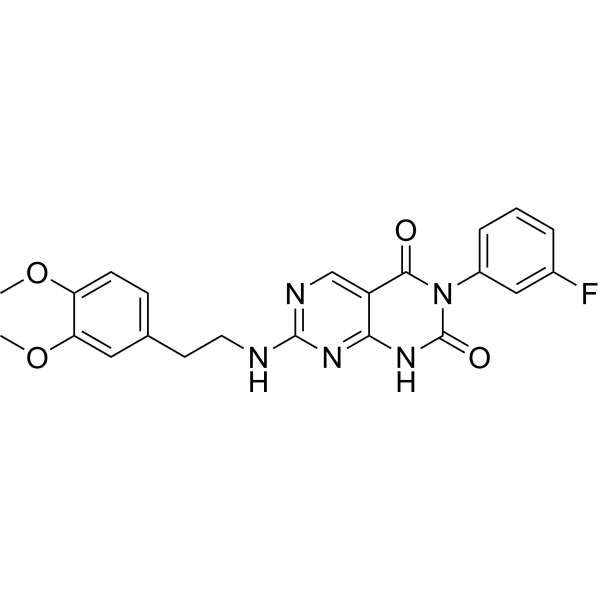
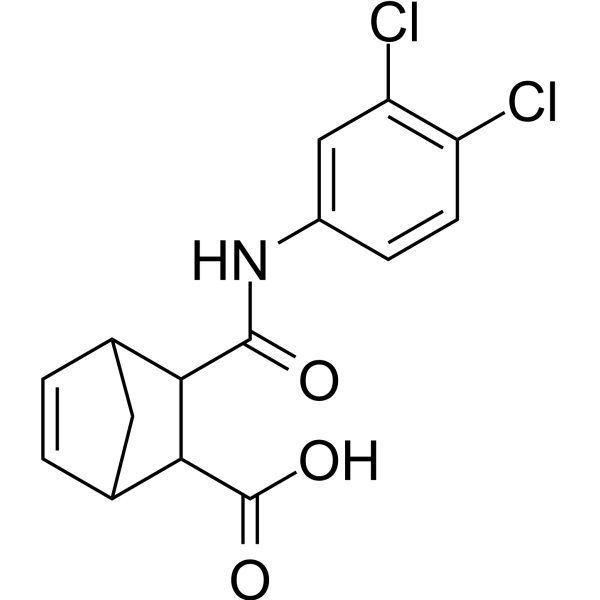
STL127705 (Compound L) is a potent Ku 70/80 heterodimer protein inhibitor with an IC50 of 3.5 μM. STL127705 interferes the binding of Ku70/80 to DNA and by inhibits the activation of the DNA-PKCS kinase. STL127705 shows antiproliferative and anticancer activity. STL127705 induces apoptosis .
loading...
    loading...
8
8 Cited Publications
Cat. No.: HY-138280
CAS No.: 897326-30-6
Purity:  99.82%
Target:  

HSP

Research Areas:  

Cancer

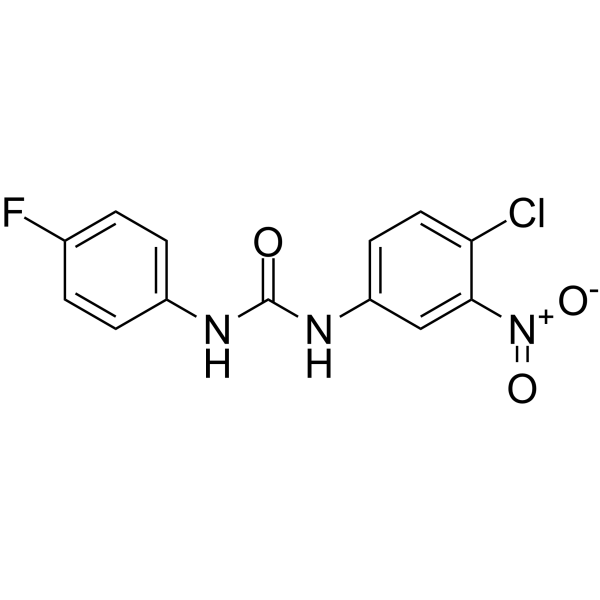
DTHIB is a direct and selective heat shock factor 1 (HSF1) inhibitor with a Kd of 160 nM for DTHIB binding to the HSF1 DNA binding domain (DBD). DTHIB inhibits HSF1 cancer gene signature (HSF1 CaSig) and selectively stimulates degradation of nuclear HSF1. DTHIB has potently anticancer activities and can be used for prostate cancer research .
loading...
    loading...
8
8 Cited Publications
Cat. No.: HY-135797A
CAS No.: 2369663-93-2
Purity:  ≥98.0%
Target:  

Apoptosis

Research Areas:  

Cancer

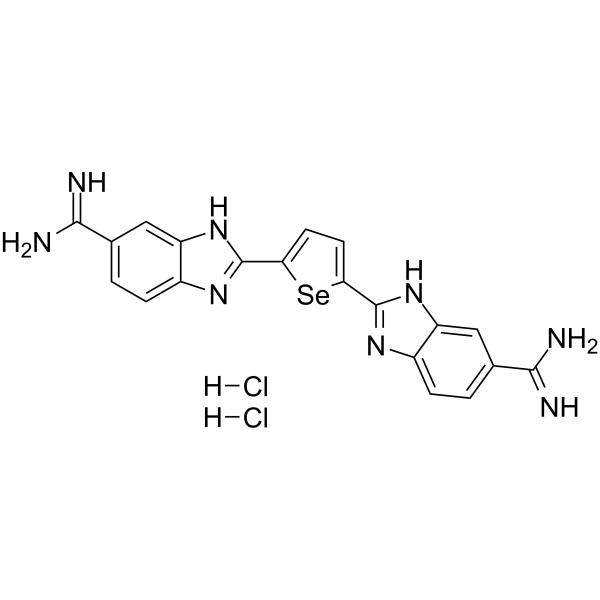
DB1976 dihydrochloride is a selenophene analog of DB270 and a potent and cell-permeable fully efficacious transcription factor PU.1 inhibitor. DB1976 dihydrochloride potently inhibits PU.1 binding (IC50 of 10 nM) and strongly inhibits the PU.1/DNA complex (with high DB1976-λB affinity, KD of 12 nM) in vitro. DB1976 dihydrochloride has apoptosis-inducing effect .
loading...
    loading...
7
7 Cited Publications
Cat. No.: HY-19749
CAS No.: 181765-30-0
PD 151746 is a selective calpain-1 inhibitor with an IC50 of 260 nM. PD 151746 binds μ-calpain Ca 2+-binding sites, and shows selectivity over cathepsin B, papain, trypsin, thermolysin, and basal calcineurin. PD 151746 reduces Oxidized low-density lipoprotein (oxLDL)-induced cytotoxicity, apoptotic DNA fragmentation, and blocks IL-1α maturation. PD 151746 can be used for the research of atherosclerosis and psoriasis .
loading...
    loading...
6
6 Cited Publications
Cat. No.: HY-119970
CAS No.: 6754-13-8
Purity:  99.90%
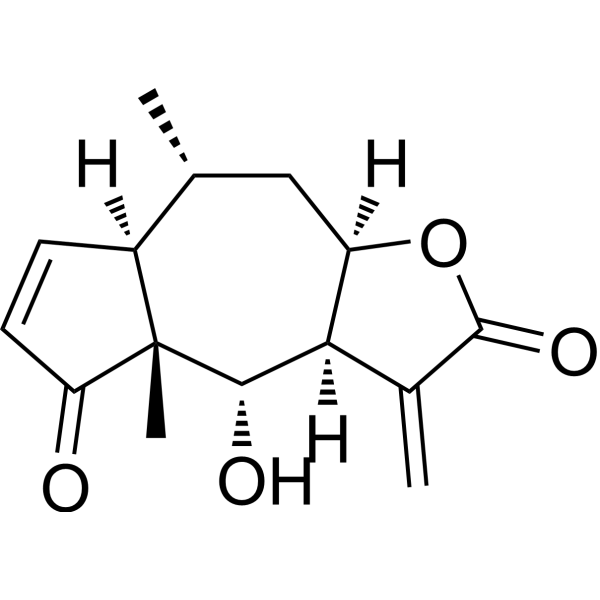
Helenalin is an anti-inflammatory sesquiterpene lactone. Helenalin selectively inhibits transcription factor NF-κB by directly targeting p65. Helenalin has alkylating activity, targets the cysteine sulfhydryl groups in the p65 subunit of NF-κB, thereby inhibits its DNA binding .
loading...
    loading...
6
6 Cited Publications
Cat. No.: HY-12695
CAS No.: 36051-31-7
Purity:  ≥95.0%
Synonyms: GTP trisodium
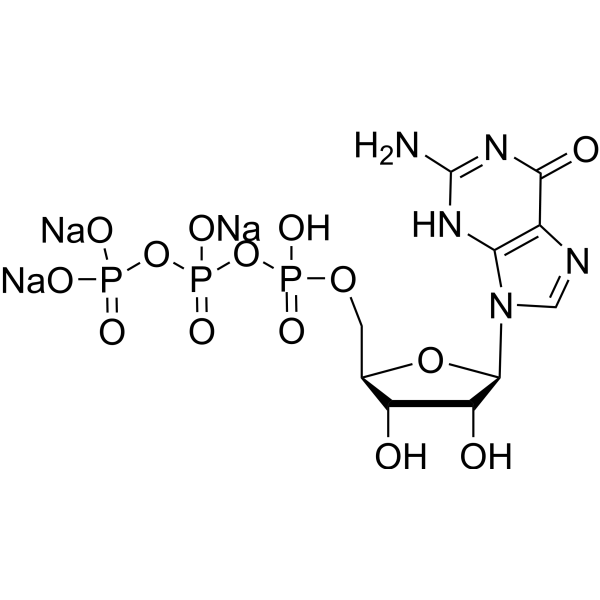
Guanosine triphosphate (GTP) trisodium is a critical nucleotide and regulator of cellular metabolism. Guanosine triphosphate trisodium promotes ribosomal DNA localization, pre-rRNA transcription and ribosome biogenesis by binding to RNA polymerase I and GPN proteins (GPN1/3). Guanosine triphosphate trisodium links MYC-dependent ribosome biogenesis to nucleotide sufficiency, acts as a metabolic gatekeeper supporting protein synthesis, DNA/RNA synthesis and cellular signal transduction, while also participating in the physiological activities of pancreatic β-cells and serving as an oxidative substrate for reactive oxygen species. In small cell lung cancer with high MYC expression, Guanosine triphosphate trisodium accumulates through the IMPDH-driven synthetic pathway, thereby affecting apoptosis and mitotic processes. Guanosine triphosphate trisodium is used in the research of small cell lung cancer, hepatoblastoma and cellular metabolism .
loading...
    loading...
5
5 Cited Publications
Cat. No.: HY-10982
CAS No.: 69408-81-7
Purity:  99.92%
Synonyms: AS1413
Target:  

Topoisomerase

Research Areas:  

Cancer

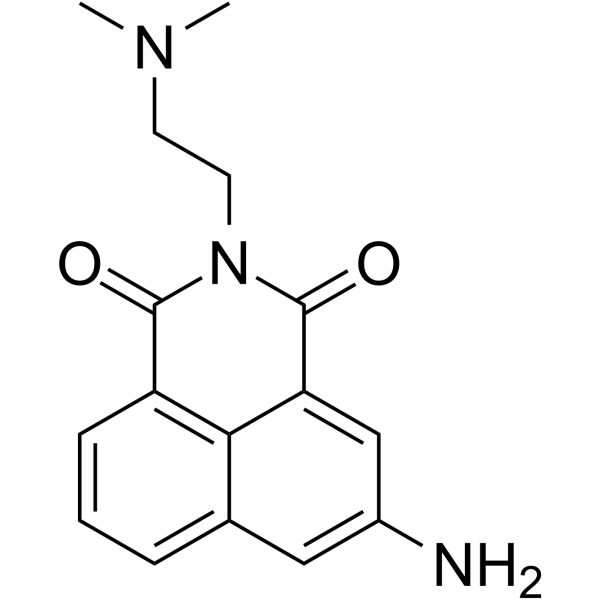
Amonafide is a topoisomerase II inhibitor and DNA intercalator that induces apoptotic signaling by blocking the binding of Topo II to DNA.
loading...
    loading...
5
5 Cited Publications
Cat. No.: HY-107999
CAS No.: 199735-88-1
Purity:  98.23%
Research Areas:  

Cancer

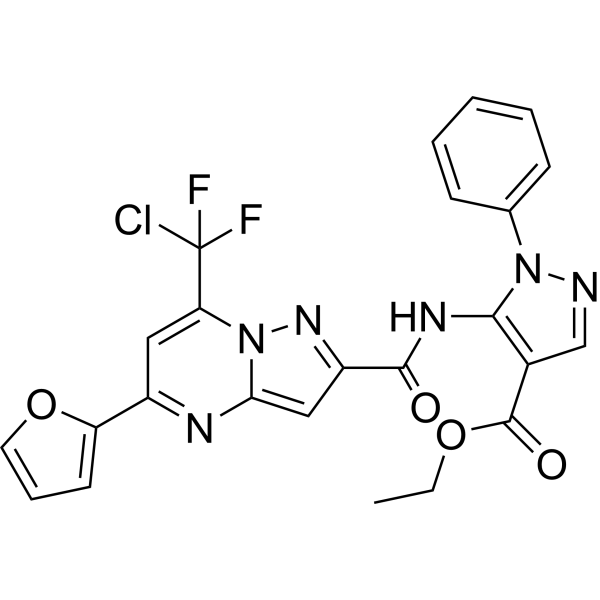
CADD522 is a RUNX2-DNA binding inhibitor (downregulates RUNX2-mediated transcription of downstream target genes), with an IC50 of 10 nM. CADD522 inhibits primary tumor growth and experimental metastasis of tumor cells in the lungs of immune-compromised mice. CADD522 can be used in study of cancer .
loading...
    loading...
5
5 Cited Publications
Cat. No.: HY-N0908
CAS No.: 186763-78-0
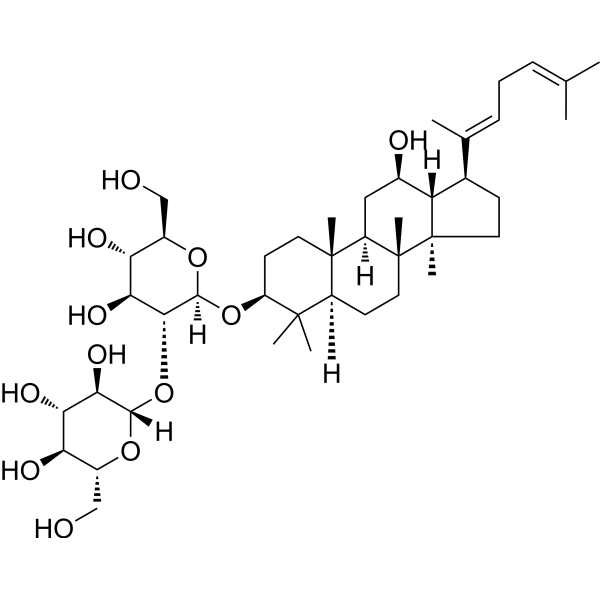
Ginsenoside Rg5 is the main component of Red ginseng and IGF-1R agonist. Ginsenoside Rg5 compets for the binding site of IGF-1R and blocks the binding of IGF-1 to IGF-1R (IC50 about 90 nM). Ginsenoside Rg5 also inhibits the mRNA expression of COX-2 via suppression of the DNA binding activities of NF-κB p65.
loading...
    loading...
5
5 Cited Publications
Cat. No.: HY-100669
CAS No.: 944547-46-0
Purity:  98.11%
Target:  

c-Myc Autophagy

Research Areas:  

Cancer

Mycro 3 is an orally active, potent and selective inhibitor of Myc-associated factor X (MAX) dimerization. Mycro 3 also inhibit DNA binding of c-Myc . Mycro 3 could be used for the research of pancreatic cancer .
loading...
    loading...
5
5 Cited Publications
Cat. No.: HY-16261B
CAS No.: 480998-12-7
Synonyms: (E/Z)-Aldoxorubicin hydrochloride; Doxorubicin(6-maleimidocaproyl)hydrazone hydrochloride
Research Areas:  

Cancer

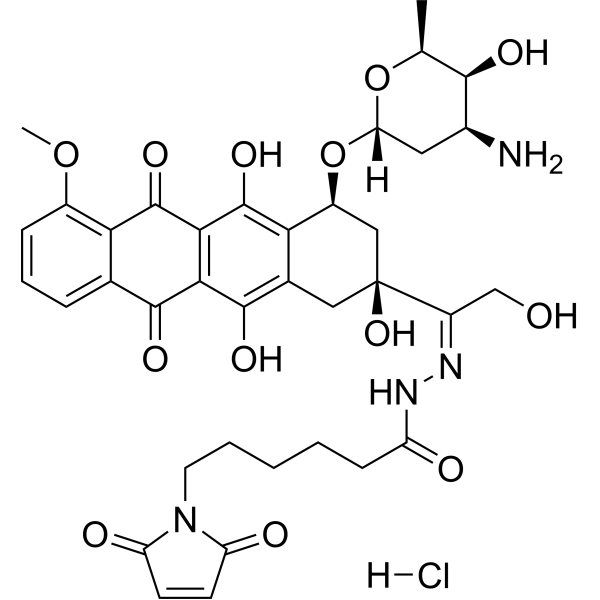
MC-DOXHZN ((E/Z)-Aldoxorubicin; Doxorubicin(6-maleimidocaproyl)hydrazone) hydrochloride is an albumin-binding proagent of Doxorubicin (HY-15142A) (DNA topoisomerase II inhibitor), with acid-sensitive properties. MC-DOXHZN hydrochloride can be used to synthesize ADC .
loading...
    loading...
5
5 Cited Publications
Cat. No.: HY-D1191
CAS No.: 2225748-05-8
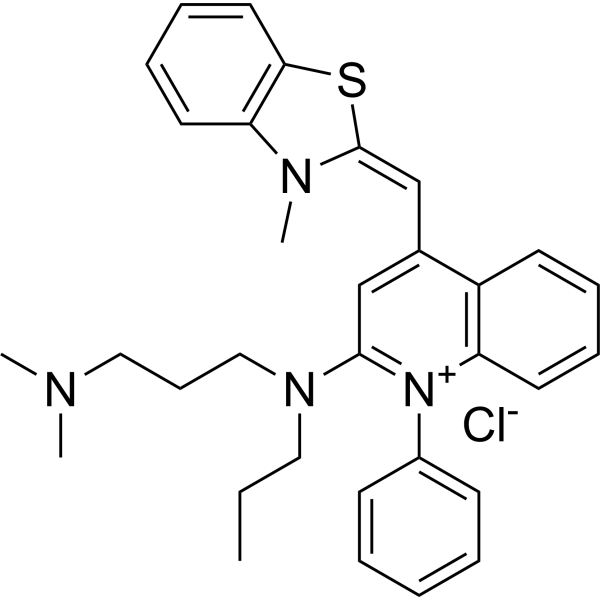
SYBR Green I chloride is a highly sensitive fluorescent nucleic acid dye that binds specifically to the minor groove of double-stranded DNA or intercalates between base pairs. SYBR Green I chloride exhibits weak fluorescence in the unbound state but emits bright fluorescence upon binding, and it preferentially binds to large-fragment DNA and DNA with high G+C content. SYBR Green I chloride is suitable for real-time PCR technology; its fluorescence intensity correlates with the amount and size of amplification products, enabling accurate quantification of gene expression and discrimination of amplicons via melting curve analysis without additional post-processing. SYBR Green I chloride is widely used in preclinical in vitro nucleic acid detection .
loading...
    loading...
5
5 Cited Publications
Cat. No.: HY-15523
CAS No.: 351351-75-2
Purity:  99.51%
Research Areas:  

Cancer

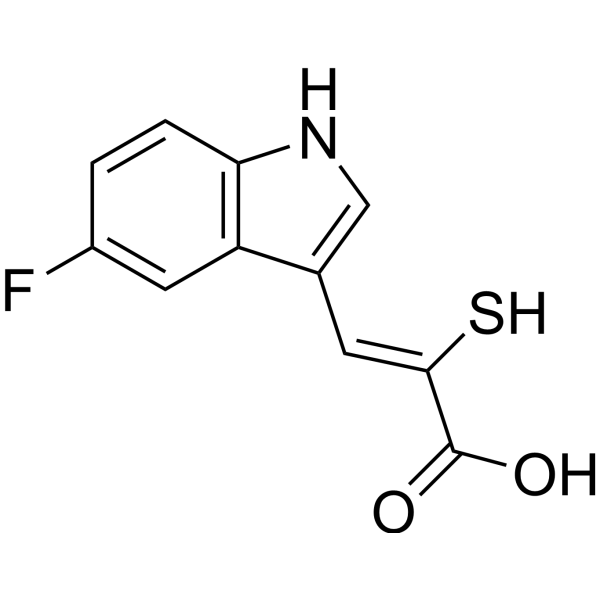
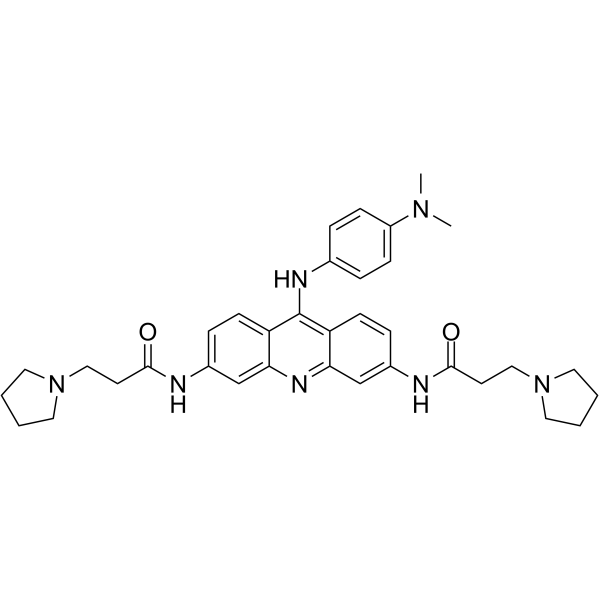
Braco-19 is a potent telomerase/telomere inhibitor, preventing the capping and catalytic action of telomerase. Braco-19 acts as G-quadruplex (GQ) binding ligand, stabilizing G-quadruplexes formation at the 3V telomeric DNA overhang and produce rapid senescence or selective cell death. Braco-19 is also a HAdV virus replication inhibitor .
loading...
    loading...
5
5 Cited Publications
Cat. No.: HY-15523A
CAS No.: 1177798-88-7
Purity:  99.73%
Target:  

DNA/RNA Synthesis CMV

Research Areas:  

Infection Cancer

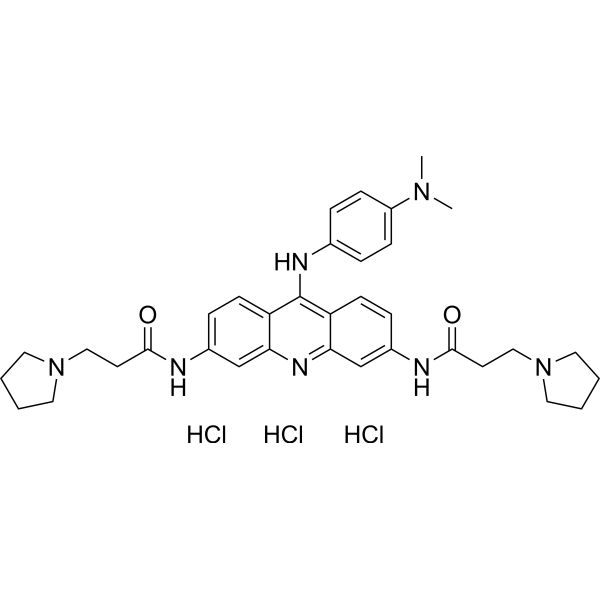
Braco-19 trihydrochloride is a potent telomerase/telomere inhibitor, preventing the capping and catalytic action of telomerase. Braco-19 acts as G-quadruplex (GQ) binding ligand, stabilizing G-quadruplexes formation at the 3V telomeric DNA overhang and produce rapid senescence or selective cell death. Braco-19 is also a HAdV virus replication inhibitor .
loading...
    loading...
5
5 Cited Publications
Cat. No.: HY-B0072
CAS No.: 89565-68-4
Synonyms: SDZ-ICS-930 free base
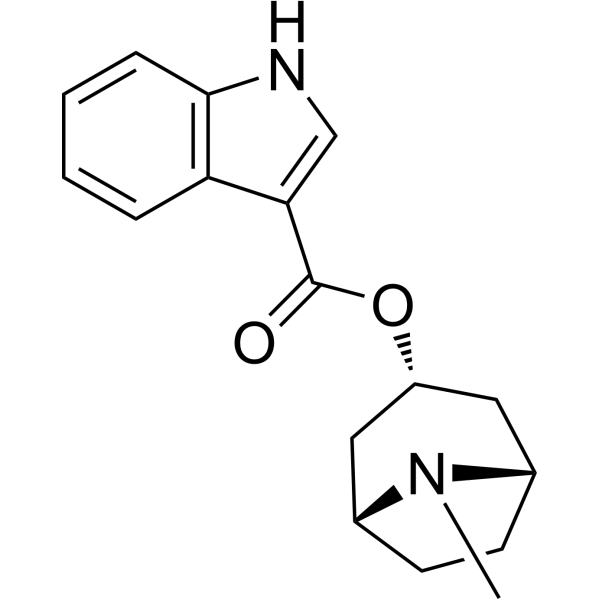
Tropisetron is an orally active 5-HT3R antagonist (Ki = 5.3 nM) as well as being a potent and selective α7 nicotinic partial agonist (EC50 = 1.3 μM). Tropisetron prevents phosphorylation and activation of the p38 MAPK. Tropisetron inhibits both IL-2 gene transcription and IL-2 synthesis in stimulated T cells. Tropisetron inhibits the binding to DNA and the transcriptional activity of NFAT and AP-1. Tropisetron is anti-inflammatory and antiemetic. Tropisetron has antitumor and neuroprotective effects. Tropisetron can be studied in research for diseases including hemorrhagic cystitis, chronic joint inflammation, lung cancer and chronic cerebral hypoperfusion .
loading...
    loading...
4
4 Cited Publications
Cat. No.: HY-19770
CAS No.: 1474110-21-8
Target:  

ROR

Research Areas:  

Inflammation/Immunology

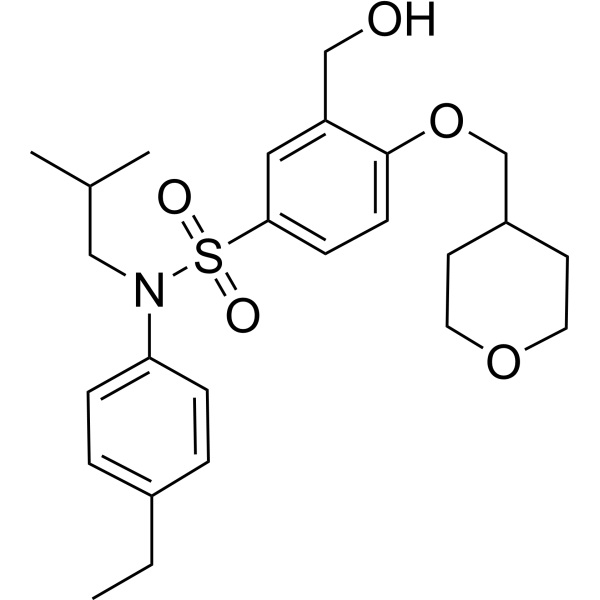
GSK2981278 is a potent and selective RORγ inverse agonist. GSK2981278 inhibits activation of the il17 promoter and interferes RORγ-DNA binding .
loading...
    loading...
4
4 Cited Publications
Cat. No.: HY-15435
CAS No.: 75621-03-3
Purity:  99.91%
Research Areas:  

Others

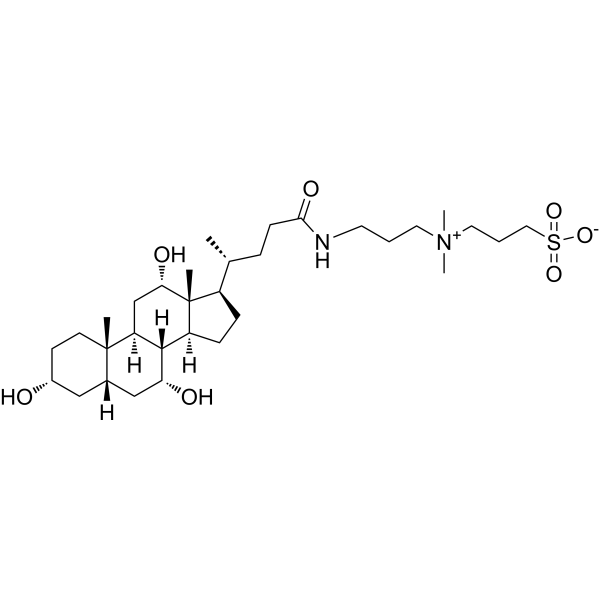
CHAPS is a cholic acid-derived, sulfobetaine-type zwitterionic detergent and micelle-forming agent. CHAPS exhibits properties of weak cationic or nonionic surfactants in different solution systems, undergoes micellization, and forms small, loose hydrophilic aggregates that are temperature-dependent. CHAPS stabilizes mononucleosomes under different ionic strengths, reduces nucleosome sequence specificity, promotes sliding of histone cores along DNA, solubilizes Tamm-Horsfall protein to reduce its interference with urinary exosome isolation, and maintains vesicle structure and the activity of related proteins at the same time. CHAPS is used to recover native folded fusion proteins, enhance the binding capacity of GST fusion proteins, and restore GST enzyme activity. However, CHAPS cannot refold proteins denatured by urea, guanidine hydrochloride or heat, nor can it construct the structure of intrinsically disordered proteins. CHAPS is commonly used in research on the separation and purification of membrane proteins .
loading...
    loading...
4
4 Cited Publications
Cat. No.: HY-15435A
CAS No.: 331717-45-4
Purity:  ≥98.0%
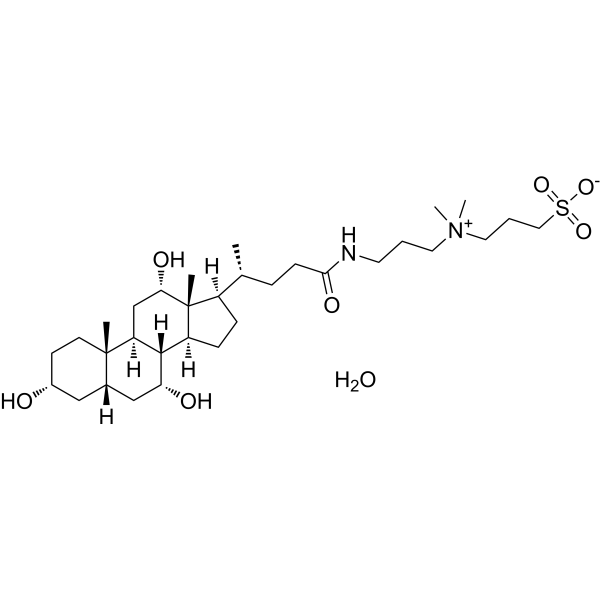
CHAPS hydrate is a cholic acid-derived, sulfobetaine-type zwitterionic detergent and micelle-forming agent. CHAPS hydrate exhibits properties of weak cationic or nonionic surfactants in different solution systems, undergoes micellization, and forms small, loose hydrophilic aggregates that are temperature-dependent. CHAPS hydrate stabilizes mononucleosomes under different ionic strengths, reduces nucleosome sequence specificity, promotes sliding of histone cores along DNA, solubilizes Tamm‑Horsfall protein to reduce its interference with urinary exosome isolation, and maintains vesicle structure and the activity of related proteins at the same time. CHAPS hydrate is used to recover native folded fusion proteins, enhance the binding capacity of GST fusion proteins, and restore GST enzyme activity. However, CHAPS hydrate cannot refold proteins denatured by urea, guanidine hydrochloride or heat, nor can it construct the structure of intrinsically disordered proteins. CHAPS hydrate is commonly used in research on the separation and purification of membrane proteins .
loading...
    loading...
3
3 Cited Publications
Cat. No.: HY-18061
CAS No.: 111540-00-2
Synonyms: (Rac)-STA-21
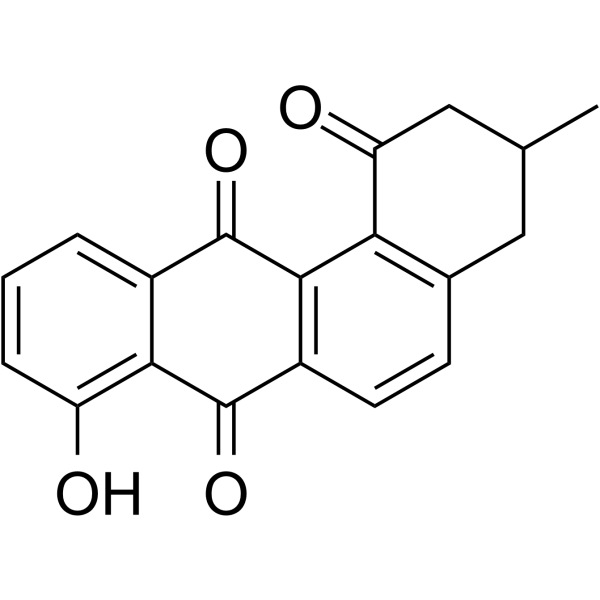
Ochromycinone ((Rac)-STA-21) is a natural antibiotic and a STAT3 inhibitor. Ochromycinone can inhibits STAT3 DNA binding activity, STAT3 dimerization. Ochromycinone has anticancer and antimicrobial activity .
loading...
    loading...

