




822 Results for "

Extracellular

" in MedChemExpress (MCE) Product Catalog:
Products (822)

822 Results for "Extracellular" in MCE Product Catalog:

  • Targets Recommended:
5
5 Cited Publications
Cat. No.: HY-P2764
CAS No.: 9000-95-7
Target:  

NTPDase

Research Areas:  

Inflammation/Immunology

Apyrase is an Nucleoside triphosphate diphosphohydrolase (NTPDase). Apyrase can hydrolyze extracellular adenosine triphosphate (ATP) and adenosine diphosphate (ADP). Apyrase can inhibit Stx2 toxin release of enterohemorrhagic Escherichia coli (EHEC) infection and protect the intestinal barrier function. Apyrase can be used for the research of infection and inflammation, such as hemorrhagic colitis .
loading...
    loading...
5
5 Cited Publications
Cat. No.: HY-100898
CAS No.: 853929-59-6
Purity:  99.58%
Target:  

Glycosidase

Research Areas:  

Cancer

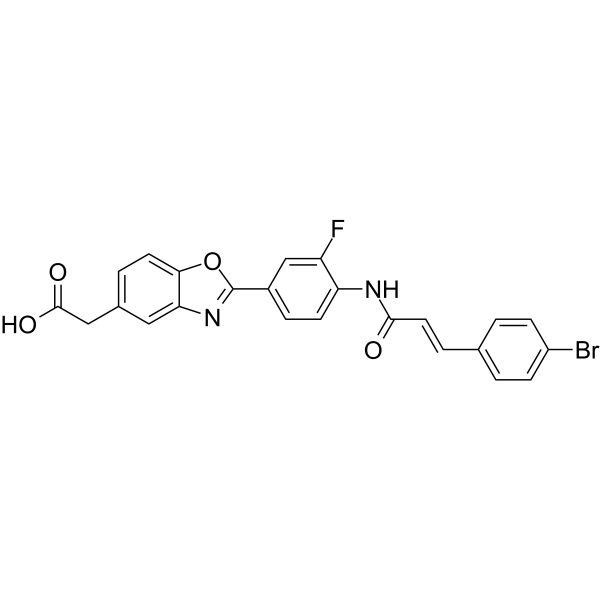
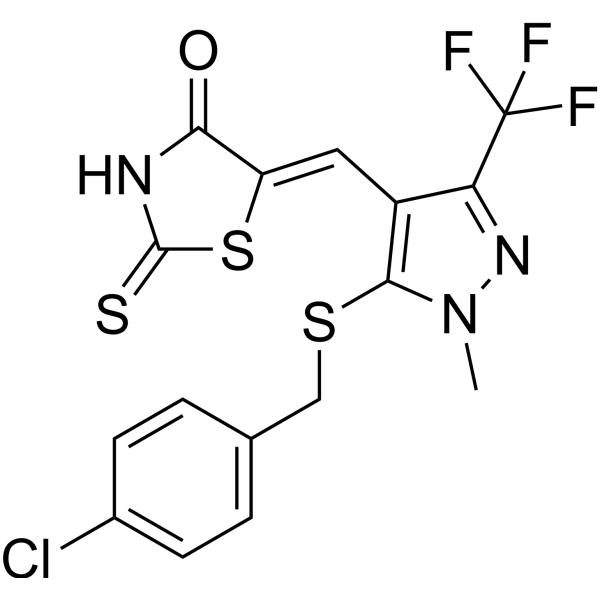
OGT 2115 is a potent, cell-permeable and orally active heparanase inhibitor with an IC50 of 0.4 μM. OGT 2115 has anti-angiogenic properties (IC50 of 1 μM). OGT 2115 also inhibits heparan sulfate degradation activity .
loading...
    loading...
5
5 Cited Publications
Cat. No.: HY-B1153
CAS No.: 3820-67-5
Synonyms: Glafenin
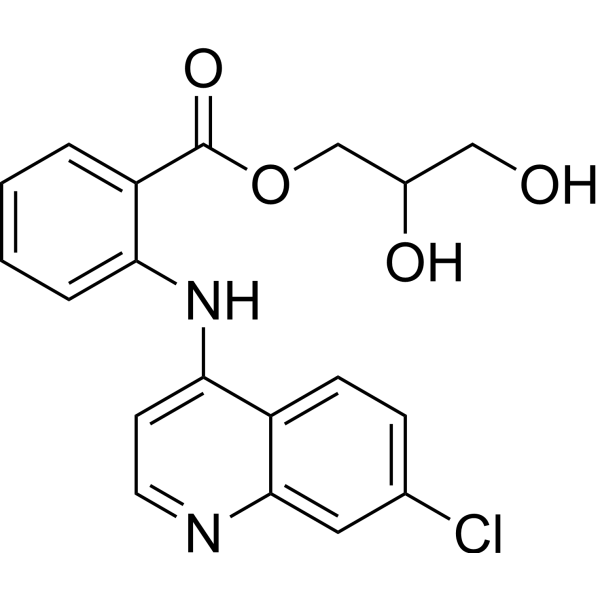
Glafenine (Glafenin) is a non-selective, non-steroidal anti-inflammatory drug-based COX-1/COX-2 inhibitor. Glafenine exerts anti-inflammatory, anti-proliferative and anti-cell migration effects by inhibiting the arachidonic acid metabolic pathway and reducing prostaglandin synthesis. Glafenine can induce cell cycle arrest in vascular smooth muscle cells and endothelial cells and reduce the synthesis of the extracellular matrix protein Tenascin. Glafenine can be used in the research of inflammatory-related diseases, vascular restenosis and cystic fibrosis (CF) .
loading...
    loading...
5
5 Cited Publications
Cat. No.: HY-B1153A
CAS No.: 65513-72-6
Synonyms: Glafenin hydrochloride
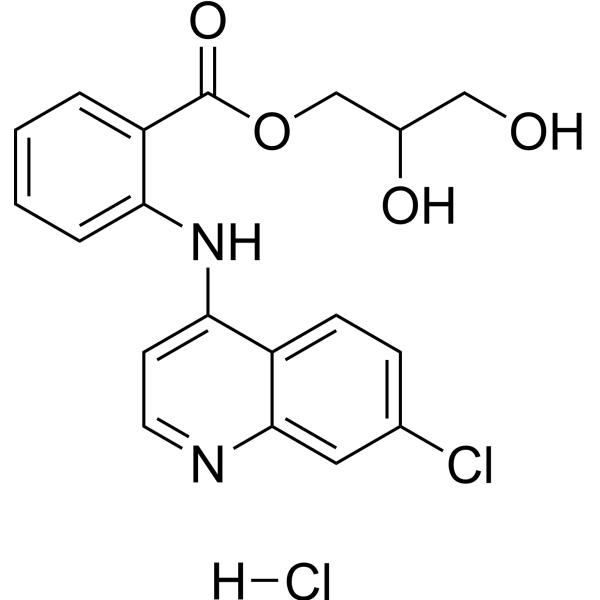
Glafenine (Glafenin) hydrochloride is a non-selective, non-steroidal anti-inflammatory drug-based COX-1/COX-2 inhibitor. Glafenine hydrochloride exerts anti-inflammatory, anti-proliferative and anti-cell migration effects by inhibiting the arachidonic acid metabolic pathway and reducing prostaglandin synthesis. Glafenine hydrochloride can induce cell cycle arrest in vascular smooth muscle cells and endothelial cells and reduce the synthesis of the extracellular matrix protein Tenascin. Glafenine hydrochloride can be used in the research of inflammatory-related diseases, vascular restenosis and cystic fibrosis (CF) .
loading...
    loading...
5
5 Cited Publications
Cat. No.: HY-N0394
CAS No.: 56-89-3
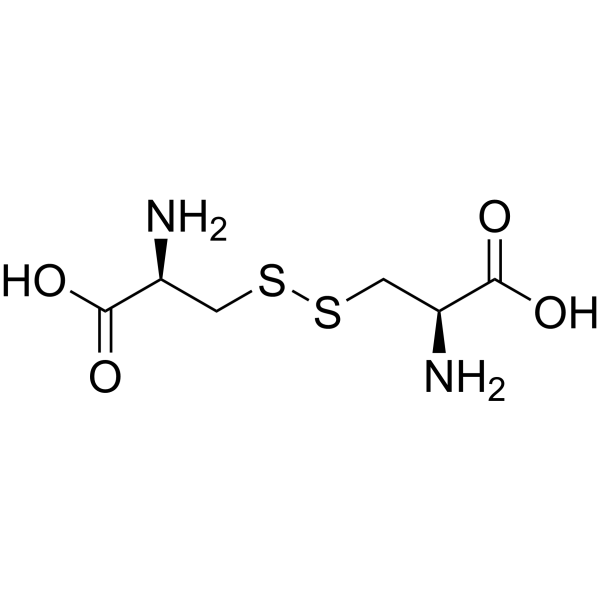
L-Cystine is an orally active extracellular form of L-Cysteine (HY-Y0337), occurring in proteins of plants and animals. L-Cystine elevates Nrf2 protein expression and activates Nrf2 transcription factor. L-cystine reduces ROS generation and protects against oxidant- or Doxorubicin (HY-15142A)-induced apoptosis. L-Cystine combined with L-theanine (HY-15121) enhances the production of antigen-specific IgG by increasing glutathione (GSH) levels and T helper 2 (Th2) mediated responses in mice. L-Cystine is promising for research of cystinuria and kidney stones
loading...
    loading...
5
5 Cited Publications
Cat. No.: HY-12316
CAS No.: 516-72-3
Purity:  99.29%
Synonyms: 20α-Hydroxycholesterol
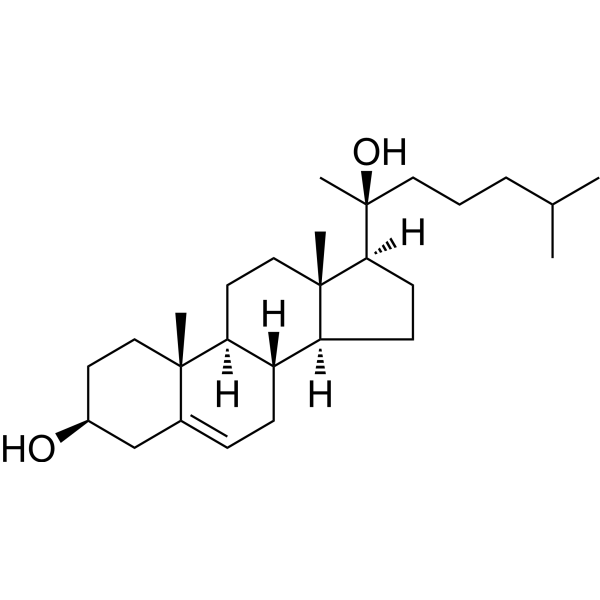
20(S)-Hydroxycholesterol (20α-Hydroxycholesterol) is an allosteric activator that selectively targets the Smoothened (Smo) of the Hedgehog pathway with an EC50 of ~30 μM (Hedgehog). 20(S)-Hydroxycholesterol binds to the extracellular cysteine-rich domain (CRD) of Smo in a stereoselective manner, activating downstream Gli transcription factors (without inducing transcription of receptor genes in the Wnt pathway). 20(S)-Hydroxycholesterol enhances osteogenic differentiation of bone marrow stromal cells and synergistically activates the Raf/MEK/ERK pathway with Simvastatin (HY-17502) to promote bone regeneration. 20(S)-Hydroxycholesterol can be used to study the mechanisms of developmental biology, oncology, bone, and angiogenesis .
loading...
    loading...
5
5 Cited Publications
Cat. No.: HY-P0221
CAS No.: 137061-48-4
Synonyms: Pituitary Adenylate Cyclase Activating Polypeptide 38
PACAP (1-38), human, ovine, rat is a PAC1 receptor agonist. PACAP (1-38), human, ovine, rat binds to PACAP type I receptor, PACAP type II receptor VIP1, and PACAP type II receptor VIP2 with IC50s of 4 nM, 2 nM, and 1 nM, respectively. PACAP (1-38), human, ovine, rat increases the α-secretase activity. PACAP (1-38), human, ovine, rat elevates cytosolic Ca 2+, increases proliferation and increases phosphorylation of extracellular regulates kinase (ERK) and the epidermal growth factor receptor (EGFR). PACAP (1-38), human, ovine, rat demonstrates potent, efficacious, and sustained stimulatory effects on sympathetic neuronal NPY and catecholamine production. PACAP (1-38), human, ovine, rat can be used for neurotrophic and neuroprotective research .
loading...
    loading...
4
4 Cited Publications
Cat. No.: HY-114996
CAS No.: 929634-33-3
Purity:  99.30%
Target:  

ADAMTS

Research Areas:  

Inflammation/Immunology

ADAMTS-5 Inhibitor is a potent ADAMTS-5 (aggrecanase-2) inhibitor, with an IC50 of 1.1 µM. ADAMTS-5 Inhibitor shows >40-fold functional selectivity over ADAMTS-4 (aggrecanase-1) .
loading...
    loading...
4
4 Cited Publications
Cat. No.: HY-P99667
CAS No.: 1391727-24-4
Synonyms: OMP-54F28; FZD8-Fc

Target:  

Wnt

Research Areas:  

Cancer

Ipafricept (OMP-54F28; FZD8-Fc) is a first class recombinant fusion protein with the extracellular part of the human frizzled-8 receptor fused to a human IgG1 Fc fragment that binds Wnt ligands, which blocks Wnt signaling. Ipafricept reduces tumor growth and results in a decrease in both liver and lung metastases combined with Gemcitabine (HY-17026) in pancreatic cancer mouse models. Ipafricept shows solid tumor inhibition activity with well tolerance, such as desmoid tumor, germ cell cancer, ovarian cancer .
loading...
    loading...
4
4 Cited Publications
Cat. No.: HY-N0696
CAS No.: 61825-98-7
Synonyms: Imperialine
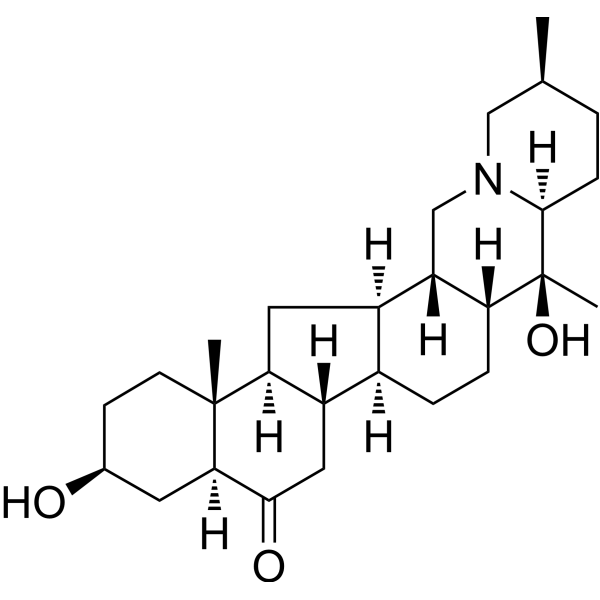
Sipeimine (Imperialine) is an inhibitor targeting the PI3K/AKT/NF-κB pathway and NLRP3 inflammasome, which can competitively bind to PI3K and p65. Sipeimine inhibits PI3K/AKT phosphorylation, blocks NF-κB nuclear translocation and NLRP3 inflammasome activation. Sipeimine exerts anti-inflammatory activities, inhibits pyroptosis and ferroptosis, and protects the extracellular matrix. Sipeimine can reduce cartilage degradation and synovial inflammation in osteoarthritis and improve PM2.5-induced lung injury. Sipeimine is mainly used in the study of anti-inflammatory and degenerative diseases .
loading...
    loading...
4
4 Cited Publications
Cat. No.: HY-14674
CAS No.: 383432-38-0
Purity:  98.72%
Research Areas:  

Infection Cancer

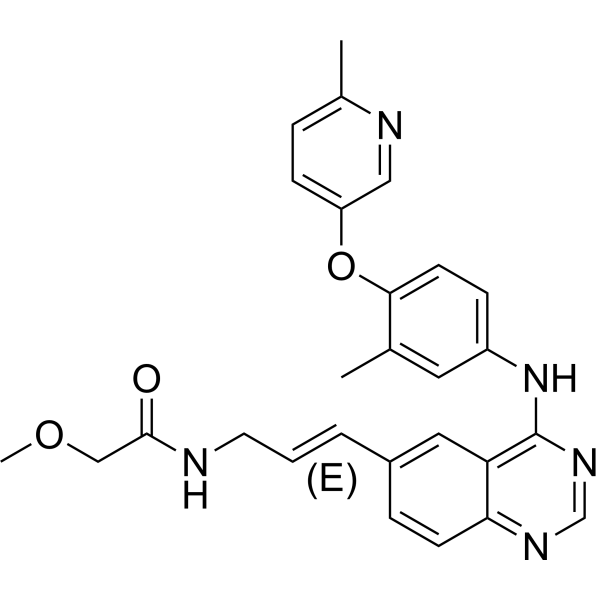
CP-724714 is an orally active and selective HER2 tyrosine kinase inhibitor with an IC50 of 10 nM. CP-724714 inhibits HER2 receptor autophosphorylation and blocks the downstream Ras-Raf-Mek-Erk signaling pathway, thereby inducing cell cycle arrest and apoptosis in tumor cells. CP-724714 exhibits antiviral activity and inhibits various porcine diarrheal coronaviruses, including SADS-CoV (IC50 of 0.91 μM). CP-724714 is an inhibitor of the hepatic transport receptors OATP1B1/MDR1/BSEP, and can enter hepatocytes via active uptake and trigger the accumulation of drugs and bile acids within hepatocytes. CP-724714 can be used in research related to HER2-overexpressing breast cancer and porcine diarrheal coronavirus infection .
loading...
    loading...
3
3 Cited Publications
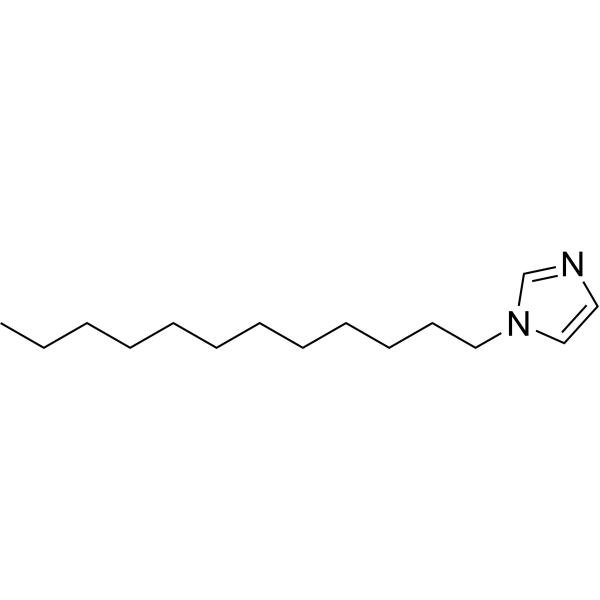
Cat. No.: HY-138540
CAS No.: 4303-67-7
Purity:  99.78%
Synonyms: N-Dodecylimidazole
1-Dodecylimidazole (N-Dodecylimidazole) is a lysosomotropic detergent and a cytotoxic agent. 1-Dodecylimidazole causes cell death by its acid-dependent accumulation in lysosomes, disruption of the lysosomal membrane, and releaseof cysteine proteases into the cytoplasm. 1-Dodecylimidazole has hypocholesterolaemic activity and broad-spectrum antifungal activity .
loading...
    loading...
3
3 Cited Publications
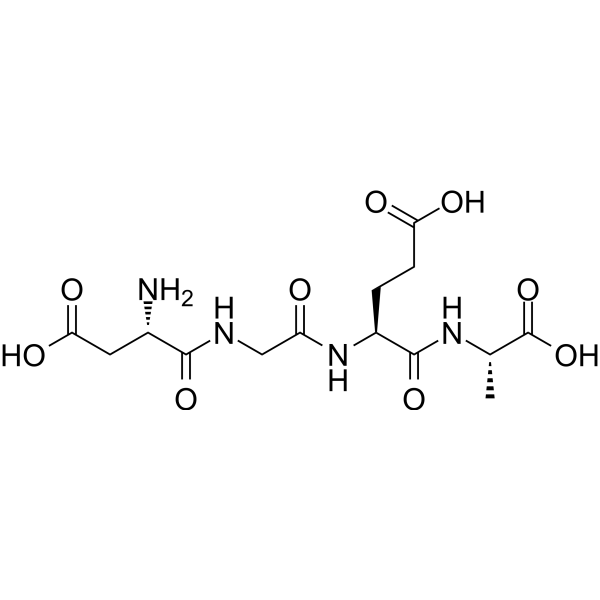
Cat. No.: HY-P1868
CAS No.: 134580-64-6
Synonyms: DGEA peptide
Target:  

Integrin

Research Areas:  

Infection

α2β1 Integrin Ligand Peptide interacts with the α2β1 integrin receptor on the cell membrane and mediates extracellular signals into cells. It is a potential antagonist of collagen receptors .
loading...
    loading...
3
3 Cited Publications
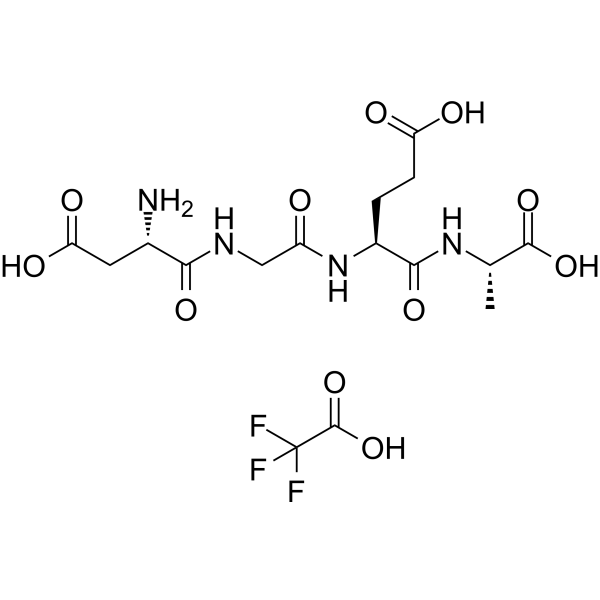
Cat. No.: HY-P1868A
Synonyms: DGEA peptide TFA
Target:  

Integrin

Research Areas:  

Others

α2β1 Integrin Ligand Peptide TFA interacts with the α2β1 integrin receptor on the cell membrane and mediates extracellular signals into cells. It is a potential antagonist of collagen receptors .
loading...
    loading...
3
3 Cited Publications
Cat. No.: HY-108829
CAS No.: 332348-12-6
Purity:  ≥99.0%
Synonyms: CTLA4lg; BMS-188667

Target:  

CTLA-4

Abatacept (CTLA4lg) is a soluble fusion protein consisting of the extra-cellular domain of human CTLA4 and a fragment of the Fc portion of human IgG1 (hinge and CH2 and 3 domains) . Abatacept is a selective T-cell co-stimulation modulator and a protein agent for the autoimmune diseases .
loading...
    loading...
3
3 Cited Publications
Cat. No.: HY-108829A
CAS No.: 332348-12-6
Purity:  95.00%
Synonyms: CTLA4lg (powder); BMS-188667 (powder); Orencia
Abatacept (CTLA4lg; BMS-188667) powder is a soluble fusion protein consisting of the extra-cellular domain of human CTLA4 and a fragment of the Fc portion of human IgG1 (hinge and CH2 and 3 domains). Abatacept powder is a selective T-cell co-stimulation modulator and a protein agent for the autoimmune diseases .
loading...
    loading...
3
3 Cited Publications
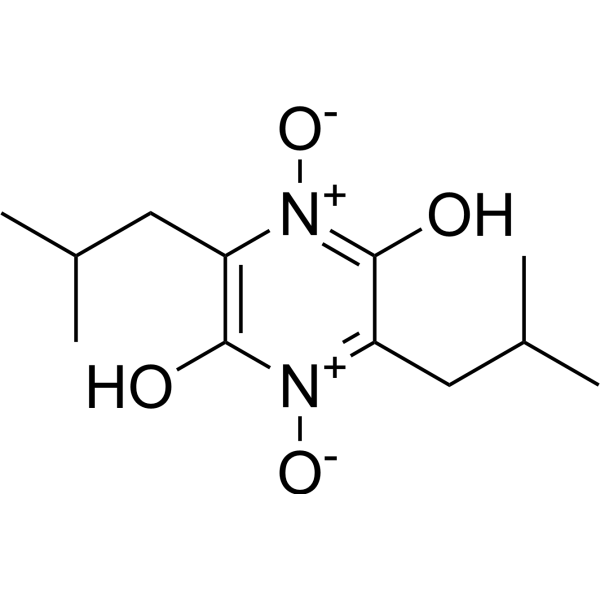
Cat. No.: HY-N10473
CAS No.: 957-86-8
Pulcherriminic acid is a cyclic dipeptide antimicrobial agent with high affinity for Fe 3+, found mainly in Bacillus and yeast. Pulcherriminic acid chelates iron ions through a non-enzymatic reaction to form the extracellular red pigment pulcherrimin, which competes for iron nutrition and thus achieves an antibacterial effect. Pulcherriminic acid has great applications in food, agriculture and medical industries .
loading...
    loading...
3
3 Cited Publications
Cat. No.: HY-114169
CAS No.: 1913291-02-7
Purity:  99.76%
Research Areas:  

Inflammation/Immunology Cancer

WRG-28 is a selective, extracellularly acting DDR2 allosteric inhibitor, with an IC50 of 230 nM. WRG-28 inhibits tumor invasion, migration and tumor-supporting effects of cancer-associated fibroblasts (CAFs). WRG-28 inhibits metastatic breast tumor cell colonization in the lungs. WRG-28 also shows good activity of relieving rheumatoid arthritis in CAIA model of mice .
loading...
    loading...
3
3 Cited Publications
Cat. No.: HY-145237
CAS No.: 2891606-02-1
Purity:  99.81%
BM213 is a selective C5aR agonist, with an EC50 of 59 nM. BM213 specifically activates the C5a-C5aR1 axis, which in turn promotes neutrophil extracellular trap (NET) formation and exacerbates inflammatory responses. BM213 significantly induces ventricular dilationin, promotes myocardial ROS production, and induces cardiomyocyte apoptosis in rats. BM213 can be used for the study of myocardial ischemia/reperfusion (I/R) injury .
loading...
    loading...
3
3 Cited Publications
Cat. No.: HY-153268
CAS No.: 2607829-38-7
Purity:  99.03%
Synonyms: BDTX-1535; EGFR-IN-76
Target:  

EGFR

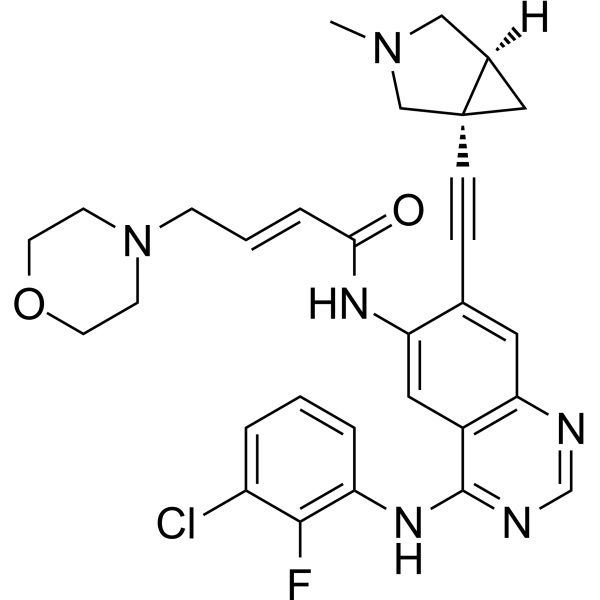
Silevertinib (BDTX-1535) is an irreversible, brain-penetrant, selective and orally active EGFR inhibitor with wild-type EGFR-sparing. Silevertinib targets key EGFR resistance mutations, including the kinase domain (C797S, L718Q, G724S, S768I), extracellular domain (EGFRvIII, A289X), and EGFR amplification. Silevertinib exerts anti-tumor activity with well tolerated in vivo. Silevertinib can be used for non-small cell lung cancer (NSCLC) and glioblastoma (GBM) research .
loading...
    loading...

