853 Results for "

hepatically

" in MedChemExpress (MCE) Product Catalog:
Products (853)

853 Results for "hepatically" in MCE Product Catalog:

Cat. No.: HY-10486
CAS No.: 361444-66-8
Target:  

Opioid Receptor

Research Areas:  

Neurological Disease

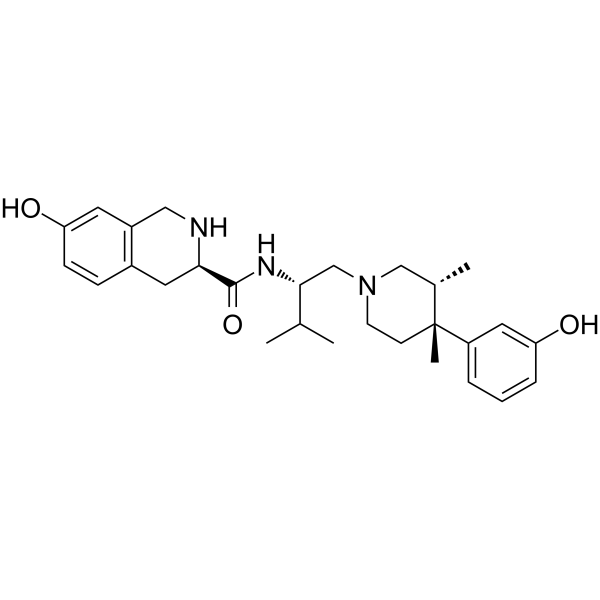
JDTic is a blood-brain barrier-permeable κ-opioid receptor antagonist (Ki=0.02 nM) with favorable in vitro ADME properties. JDTic blocks agonist-mediated Gi and β-arrestin signaling pathways as well as analgesic effects by stabilizing the inactive conformation of hKOR and activating JNK. JDTic may also induce transient asymptomatic ventricular tachycardia. JDTic is widely applicable to studies related to depression, anxiety, stress-induced addictive behaviors, and nicotine withdrawal .
loading...
    loading...
Cat. No.: HY-116136
CAS No.: 119290-87-8
Synonyms: NP1302
Acanthoic acid (NP1302) is an orally active pimarane-type diterpenoid. Acanthoic acid is isolated from the root bark of Araliaceae family plant Eleutherococcus senticosus (Siberian ginseng). Acanthoic acid activates LXR and FXR. Acanthoic acid activates the AMPK-LKB1, SIRT1, and p38 MAPK signaling pathways and increases the phosphorylation level of ACC. Acanthoic acid downregulates the expression of SREBP-1, CYP2E1, HIF-1α, and PPARγ, and upregulates the expression of PPARα. Acanthoic acid induces Apoptosis by activating Caspase-3, promoting PARP cleavage, and downregulating Bcl-xL. Acanthoic acid exhibits antioxidant, anti-fibrotic, and hepatoprotective effects. It reduces lipid accumulation and lipogenesis. Acanthoic acid is used in studies on non-alcoholic fatty liver disease, alcoholic liver disease, acute promyelocytic leukemia, and Acetaminophen-induced hepatotoxicity .
loading...
    loading...
Cat. No.: HY-182537
CAS No.: 119302-18-0
Target:  

Drug Derivative

Research Areas:  

Neurological Disease

Org 9616 bromide is a non-depolarizing neuromuscular blocker with a structure similar to Pancuroniam. Org 9616 bromide induces rapid-onset, short-duration neuromuscular blockade .
loading...
    loading...
Cat. No.: HY-183589
Ferroptosis-IN-26 is a CEPT1-targeting ferroptosis inhibitor. Ferroptosis-IN-26 enhances CEPT1-dependent phosphatidylcholine remodeling to enrich cellular membranes with monounsaturated fatty acid-containing phosphatidylcholine (PC-MUFA). Ferroptosis-IN-26 suppresses lipid peroxidation. Ferroptosis-IN-26 can be used for the research of acute liver injury .
loading...
    loading...
Cat. No.: HY-N2595
CAS No.: 5574-24-3
Synonyms: O-Methylatheroline
Oxoglaucine (O-Methylatheroline) is a natural product with multiple activities including autophagy activation, anti-inflammation, antibacterial activity, and immunoregulation. Oxoglaucine inhibits the TRPV5/calmodulin/CAMK-II pathway, suppresses TGFβ-induced Smad2 phosphorylation by upregulating Smad7, blocks Ca 2+ influx, activates autophagy, alleviates apoptosis and inflammation, inhibits ROS production and the expression of fibrosis markers in hepatocytes, and regulates immune cell populations and responses. Oxoglaucine protects against infections caused by Candida albicans and Klebsiella pneumoniae, and exerts effects on adjuvant-induced arthritis. Oxoglaucine can be used in studies related to arthritis, liver fibrosis, bacterial infections, and fungal infections .
loading...
    loading...
Cat. No.: HY-P11925
CAS No.: 934965-51-2
Research Areas:  

Cancer

CPP44 is a tumor lineage-homing cell-penetrating peptide (CPP) that selectively enters myeloid leukemia cells and liver tumor cells. The cellular internalization of CPP44 is associated with M160 (CD163L1), and it mainly enters cells via an ATP- and dynein-dependent, clathrin-independent endocytic pathway. CPP44 can be used in studies related to acute myeloid leukemia, hepatocellular carcinoma, tumor-targeted delivery, and tumor imaging .
loading...
    loading...
Cat. No.: HY-Y0496
CAS No.: 106-46-7
Research Areas:  

Cancer

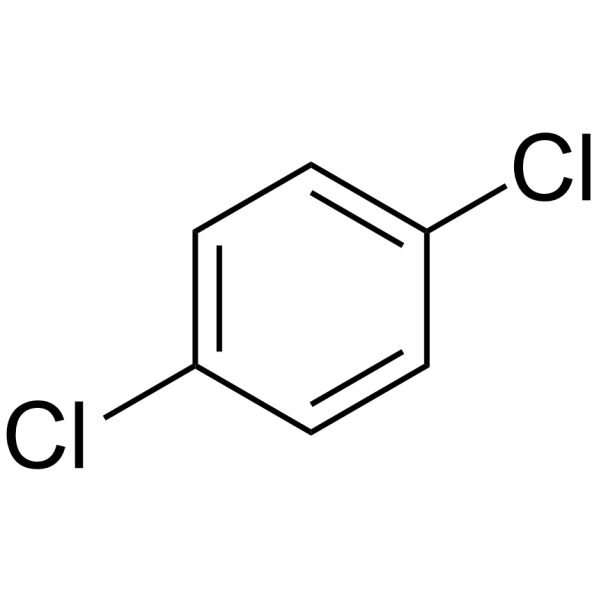
1,4-Dichlorobenzene is a non-genotoxic, orally active mitogenic/tumor-promoting carcinogen that is also widely used as a dye, resin intermediate, and deodorant, moth repellent/insecticide. 1,4-Dichlorobenzene induces liver tumors in mice and promotes the growth of spontaneous precancerous lesions, but shows no liver tumor-inducing activity in F344 rats. Exposure to 1,4-dichlorobenzene leads to elevated leukocyte counts, serum alanine aminotransferase, and blood urea nitrogen levels. Due to the hepatotoxic characteristics, 1,4-Dichlorobenzene is applicable to liver cancer-related research .
loading...
    loading...
Cat. No.: HY-121212
CAS No.: 1253909-57-7
Purity:  97.28%
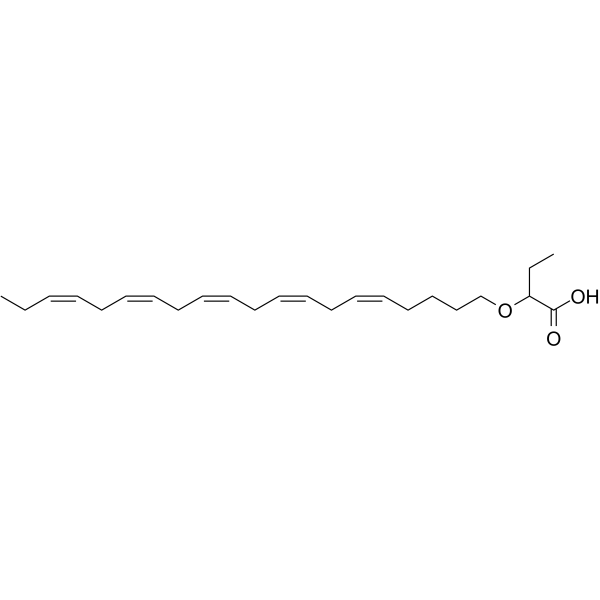
Icosabutate is an orally active engineered fatty acid and a dual FFAR1/FFAR4 (GPR40/GPR120) agonist with EC50 values of 10 μM and 15.5 μM, respectively. Icosabutate acts as a partial agonist of PPAR-α, with an EC50 of 208 nM. Icosabutate inhibits the arachidonic acid cascade and exhibits antioxidant and anti-apoptotic activities. Icosabutate can be used in the research of nonalcoholic steatohepatitis, metabolic dysfunction-associated steatohepatitis, and atherosclerosis .
loading...
    loading...
Cat. No.: HY-139093
CAS No.: 53446-10-9
Synonyms: APAP-Cys
Target:  

Drug Derivative

Research Areas:  

Others

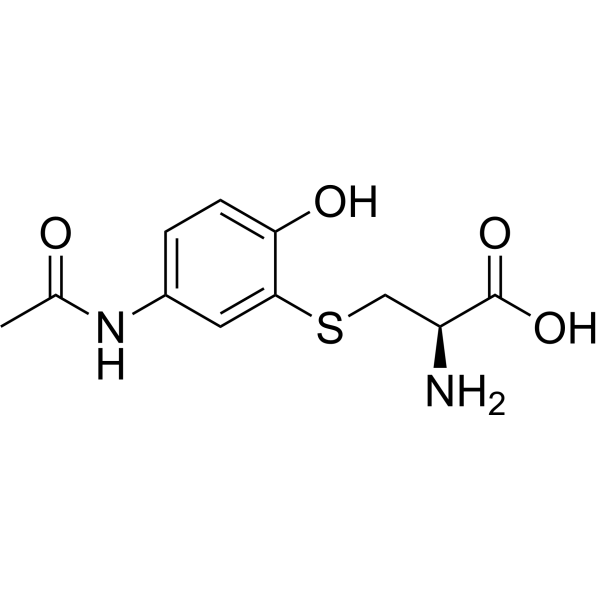
Paracetamol-cysteine (APAP-Cys) is a cysteine adduct of Acetaminophen (HY-66005). It forms when Acetaminophen is oxidized to the reactive metabolite N-acetyl-p-benzoquinone imine (NAPQI) .
loading...
    loading...
Cat. No.: HY-156065
CAS No.: 2700303-28-0
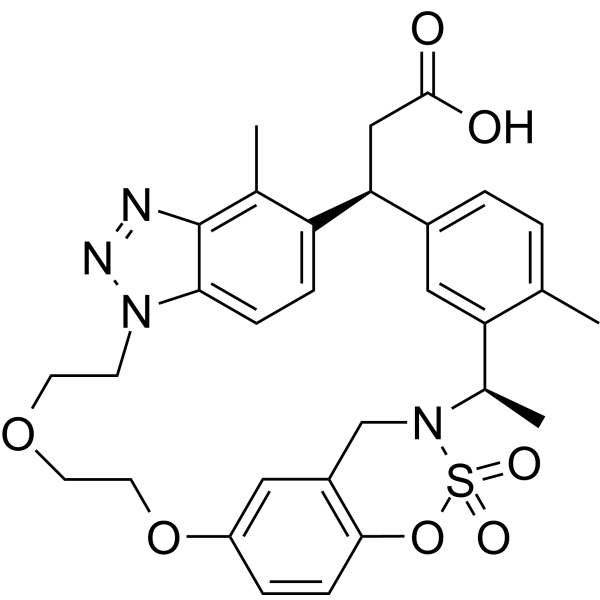
S217879 is an orally active and selective NRF2 activator. S217879 activates the NRF2 pathway by specifically disrupting the KEAP1 (Kd: 4.15 nM)-NRF2 interaction, and upregulates the antioxidant response. S217879 also ameliorates steatohepatitis and reduces the degree of liver fibrosis. S217879 can be used in the research of metabolic dysfunction-associated steatotic liver disease and nonalcoholic steatohepatitis .
loading...
    loading...
Cat. No.: HY-182074
Target:  

Bacterial Topoisomerase

Research Areas:  

Infection

DNA Gyrase-IN-18 (Compound 6B) is a DNA Gyrase inhibitor and Antibacterial agent. DNA Gyrase-IN-18 significantly inhibits the supercoiling activity of DNA Gyrase. DNA Gyrase-IN-18 inhibits biofilm formation by *Staphylococcus aureus*. DNA Gyrase-IN-18 exhibits excellent antibacterial activity, with a MIC of 0.125 μg/mL against Staphylococcus aureus and a MIC of 0.5 μg/mL against Mycobacterium tuberculosis .
loading...
    loading...
Cat. No.: HY-125848
CAS No.: 62025-49-4
Purity:  99.95%
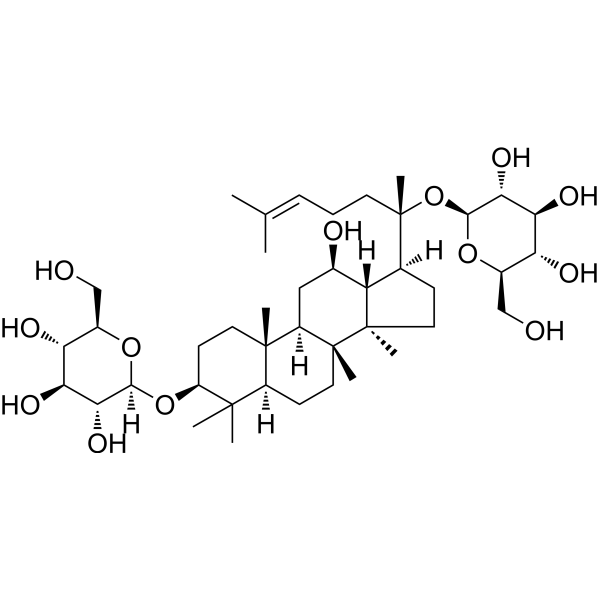
Ginsenoside F2 is an orally active bioactive compound that participates in the regulation of metabolism and inflammation. Ginsenoside F2 promotes the phosphorylation of AMPK and ACC, binds to PPARγ, inhibits the phosphorylation of MAPK, activates the PI3K/AKT/GSK-3β pathway, reduces GLRX expression, and regulates lipid metabolism. Ginsenoside F2 reduces ROS production and MDA levels, restores SOD activity in cells, and alleviates oxidative stress. Ginsenoside F2 induces cell apoptosis (Apoptosis) and increases the number of cleaved caspase-3-positive cells. Ginsenoside F2 reduces body weight gain, adipose tissue weight and serum lipid levels in obese mice, and activates the hepatic AMPK signaling pathway and the expression of antioxidant enzymes. Ginsenoside F2 alleviates atopic dermatitis in mice by inhibiting inflammation and reshaping the gut microbiota . Ginsenoside F2 is applicable to research related to insulin resistance, obesity, atopic dermatitis, liver cancer, glioblastoma and glioma .
loading...
    loading...
Cat. No.: HY-142026
CAS No.: 142449-89-6
Synonyms: (+)-Vitisin A
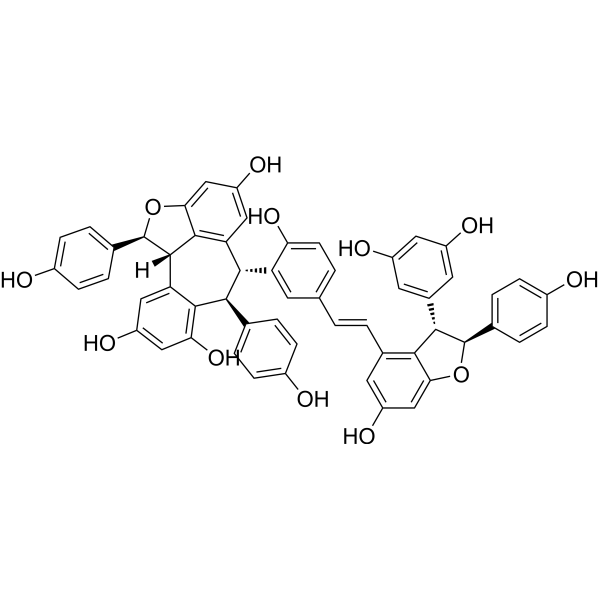
Vitisin A ((+)-Vitisin A) is an orally active natural product with multiple pharmacological activities including anti-inflammatory, anti-tumor, anti-oxidant, anti-pathogenic microorganism, hypoglycemic and lipid-regulating, anti-osteoporotic, neuroprotective and cardiovascular protective effects. Vitisin A exhibits inhibitory effects on human AChE and MAO-B with IC50 values of 1.29 µM and 4.94 µM, respectively. Vitisin A inhibits the ERK, MAPK, NF-κB, STAT1, HMGCR and TRAF6 pathways, downregulates the related phosphorylation and protein expression, while activates the Nrf2/HO-1 pathway and upregulates p21 expression. Vitisin A induces tumor cell apoptosis and cell cycle arrest, inhibits adipogenesis and lipid accumulation, while alleviates oxidative stress, suppresses inflammatory responses, blocks hepatic fibrosis, Cuproptosis and cholesterol synthesis, and increases the expression levels of central BDNF and TrkB. Vitisin A can be used in the research of tumors, infectious diseases, metabolic diseases, bone and joint diseases, liver diseases, skin injuries, as well as neurodegenerative and cognitive dysfunction-related diseases .
loading...
    loading...
Cat. No.: HY-162677
CAS No.: 1610794-70-1
Research Areas:  

Cardiovascular Disease

MT-1207 is an orally active, selective adrenergic α1 and 5-HT2A receptor antagonist. The IC50 values of MT-1207 for α1A, α1B, α1D, and 5-HT2A are <0.1 nM, 0.15 nM, 1.40 nM, and 0.27 nM, respectively. MT-1207 induces vasodilation, improves baroreflex sensitivity, and reduces heart rate in isolated hearts. MT-1207 lowers blood pressure, protects the heart, brain, and kidneys, improves cognition, delays stroke, reduces mortality, and lowers uric acid without impairing renal function in SHR/2K1C/2K2C models. MT-1207 exhibits high plasma protein binding, resistance to plasma esterases, and NADPH-dependent hepatic metabolism. MT-1207 can be used for research related to hypertension .
loading...
    loading...
Cat. No.: HY-173033
CAS No.: 2530027-71-3
MI-883 is orally active constitutive androstane receptor (CAR) (EC50 of 73 nM) agonist and pregnane X Receptor (PXR) (IC50 of 100 nM) antagonist. MI-883 binds to CAR and PXR ligand-binding domains, promotes CAR LBD assembly, activates CAR3 variant, stimulates CAR cytoplasmic-nuclear translocation, upregulates CAR target genes, recruits coactivators NCOA1, NCOA2, NCOA3, inhibits basal and agonist-induced PXR activation, downregulates PXR target genes, disrupts PXR-NCOR2 interaction, blocks agonist-mediated PXR-NCOA1 recruitment. MI-883 reduces plasma total cholesterol, LDL cholesterol, and hepatic free cholesterol levels, increases fecal bile acid excretion, regulates genes involved in xenobiotic metabolism, cholesterol homeostasis, and bile acid homeostasis. MI-883 exhibits metabolic stability, liver-predominant distribution, a safety profile with no observed toxicity, and does not stimulate human hepatocyte hypertrophy or hyperplasia. MI-883 can be used for the research of diet-induced hypercholesterolemia .
loading...
    loading...
Cat. No.: HY-N10508S
CAS No.: 1637678-42-2
Calcitroic acid-13C is the 13C-labeled Calcitroic acid (HY-N10508). Calcitroic acid is a water-soluble terminal vitamin D metabolite and also a ligand for vitamin D receptor (VDR). Calcitroic acid binds to the ligand-binding domain of VDR, forms a retinoic X receptor complex, recruits the coactivator peptide MED1, mediates partial VDR-dependent transcription, inhibits Calcitriol (HY-10002)-induced VDR activation, and reduces the transcription level of CYP24A1 in the presence of 1α,25-dihydroxyvitamin D3. Calcitroic acid exerts selective activating effects on VDR, upregulates the expression of CYP24A1 and CYP3A4, decreases the transcription levels of iNOS and IL-1β, reduces the secretion of nitric oxide and IL-1β, and possesses metabolic stability due to its resistance to phase I oxidation and hepatic glucuronidation. Calcitroic acid can be used in research related to colon cancer, inflammatory bowel disease and rickets .
loading...
    loading...
Cat. No.: HY-L101
3,003 compounds

Liver cancer is one of the leading malignancies which occupies the second position in cancer deaths worldwide, becoming serious threat to human health. Hepatocellular carcinoma (HCC), also known as hepatoma is the most common type accounting for approximately 90% of all liver cancers.

Current evidence indicates that during hepatocarcinogenesis, two main pathogenic mechanisms prevail: (1) cirrhosis associated with hepatic regeneration after tissue damage caused by hepatitis infection, toxins or metabolic influences, and (2) mutations occurring in single or multiple oncogenes or tumor suppressor genes. Both mechanisms have been linked with alterations in several important cellular signaling pathways. These include the RAF/MEK/ERK pathway, PI3K/AKT/mTOR pathway, WNT/b-catenin pathway, insulin-like growth factor pathway, c-MET/HGFR pathway , etc.

MCE offers a unique collection of 3,003 compounds with identified and potential anti-liver cancer activity. MCE anti-liver cancer compound library is a useful tool for anti-liver cancer drugs screening and other related research.

Cat. No.: HY-126573
CAS No.: 538-24-9
Purity:  ≥98.0%
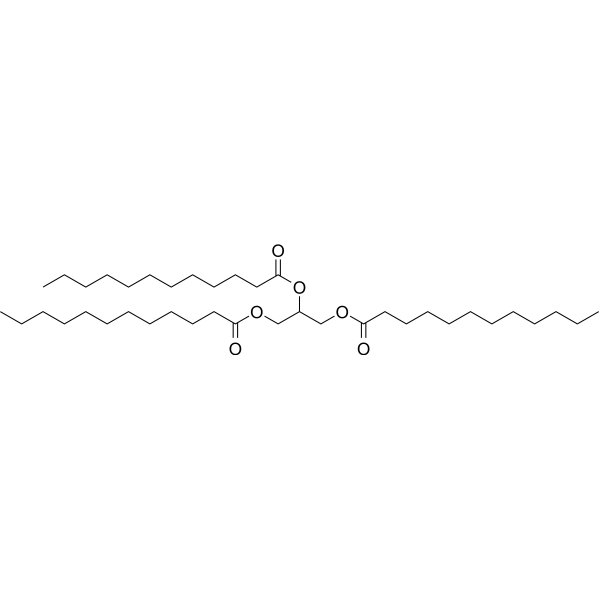
Trilaurin is an orally active triglyceride. Trilaurin inhibits DMBA-induced, croton oil-promoted skin tumor formation in Swiss Webster mice. Trilaurin increases plasma high-density lipoprotein cholesterol and apolipoprotein A-I concentrations. Trilaurin is used as an occlusive skin conditioning agent and/or non-aqueous thickener in cosmetics .
loading...
    loading...
Cat. No.: HY-135225
CAS No.: 75903-70-7
Research Areas:  

Others

CH 402 is an antioxidant and radioprotective agent. CH 402 reduces the level of 60Co-γ ray-induced lipid peroxidation in in vitro liver microsomal preparations. CH 402 inhibits ascorbate-induced non-enzymatic lipid peroxidation in brain homogenates and microsomal fractions of rodents .
loading...
    loading...
Cat. No.: HY-144035
CAS No.: 2401894-26-4
Purity:  99.77%
Target:  

GCGR

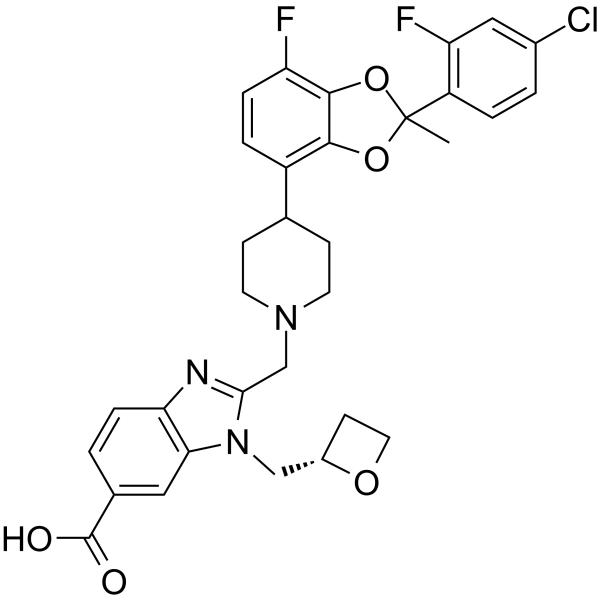
GLP-1R agonist 4 is a glucagon-like peptide-1 (GLP-1) receptor agonist. GLP-1 is an intestinal hypoglycemic hormone secreted by L-cells in the lower gastrointestinal tract. GLP-1R agonist 4 can be used for the research of type 2 diabetes mellitus, obesity, non-alcoholic steatohepatitis, insulin resistance and etc .
loading...
    loading...

