
1794 Results for "

Cell labeling

" in MedChemExpress (MCE) Product Catalog:
Products (1794)

1794 Results for "Cell labeling" in MCE Product Catalog:

1
1 Cited Publications
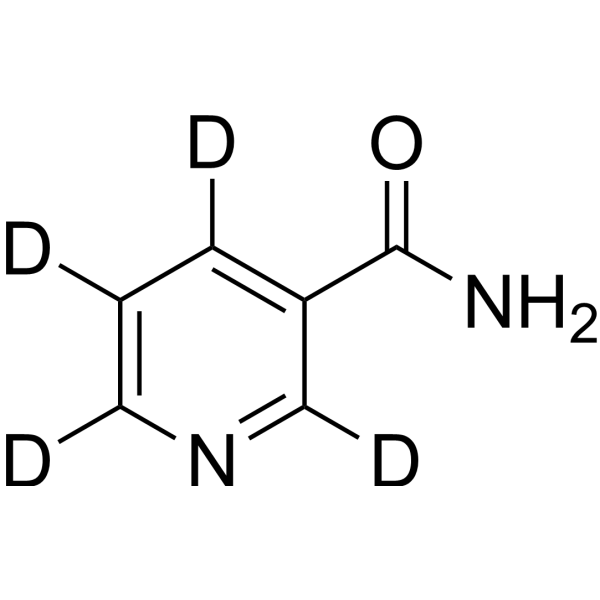
Cat. No.: HY-B0150S
CAS No.: 347841-88-7
Synonyms: Niacinamide-d4; Nicotinic acid amide-d4
Nicotinamide-d4 is the deuterium labeled Nicotinamide. Nicotinamide is a form of vitamin B3 that plays essential roles in cell physiology through facilitating NAD+ redox homeostasis and providing NAD+ as a substrate to a class of enzymes that catalyze non-redox reactions. Nicotinamide is an inhibitor of SIRT1.
loading...
    loading...
1
1 Cited Publications
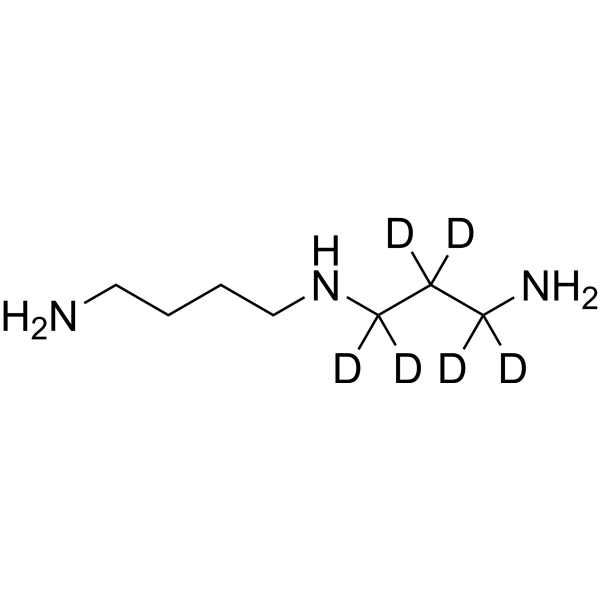
Cat. No.: HY-B1776S
CAS No.: 2514812-10-1
Spermidine-d6 is the deuterium labeled Spermidine . Spermidine maintains cell membrane stability, increases antioxidant enzymes activities, improving photosystem II (PSII), and relevant gene expression. Spermidine significantly decreases the H2O2 and O2.- contents .
loading...
    loading...
1
1 Cited Publications
Cat. No.: HY-D2452
Cy3-Cisplatin is a Cyanine 3 fluorescent dye CY3 (HY-D0822) labled Cisplatin (HY-17394). Cy3-Cisplatin can be used for drug delivery, fluorescent labeling, cell imaging and tracking .
loading...
    loading...
1
1 Cited Publications
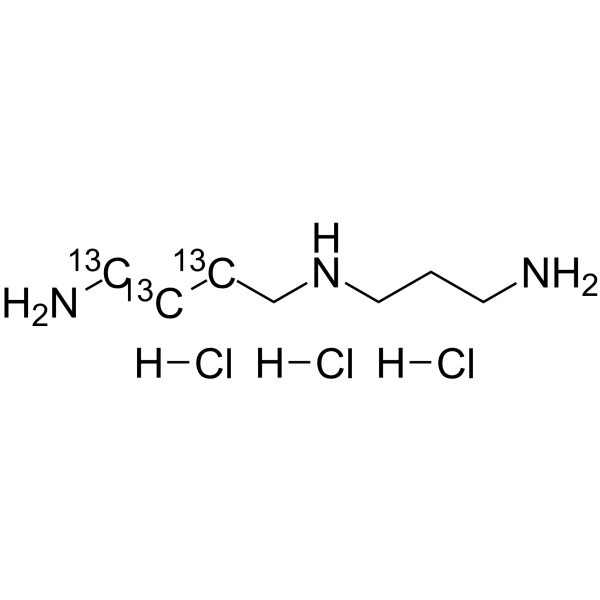
Cat. No.: HY-B1776AS1
CAS No.: 1313734-84-7
Spermidine- 13C4 (hydrochloride) is the 13C-labeled Spermidine trihydrochloride. Spermidine hydrochloride maintains cell membrane stability, increases antioxidant enzymes activities, improving photosystem II (PSII), and relevant gene expression. Spermidine hydrochloride significantly decreases the H2O2 and O2.- contents .
loading...
    loading...
1
1 Cited Publications
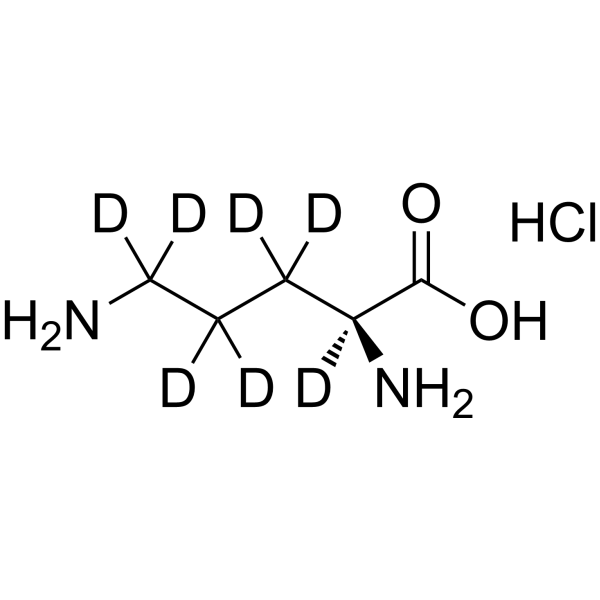
Cat. No.: HY-W017018S4
CAS No.: 2483831-57-6
L-Ornithine-d7 hydrochloride is the d7-labeled L-Ornithine hydrochloride (HY-W017018). L-Ornithine hydrochloride is an orally active CaSR and p38 activator. L-Ornithine hydrochloride inhibits ROS and supports urea cycle function. L-Ornithine hydrochloride can be used to study kidney diseases involving proximal tubular cell damage caused by oxidative stress or crystallopathy, as well as research related to anxiety disorders .
loading...
    loading...
1
1 Cited Publications
Cat. No.: HY-N0667S5
CAS No.: 2483831-59-8
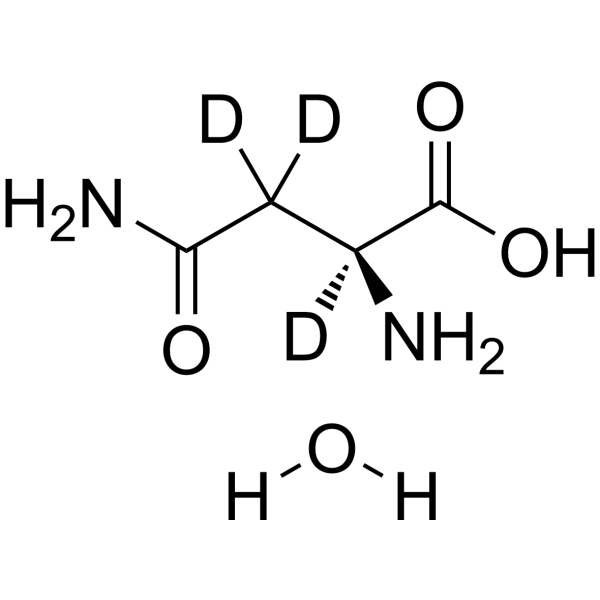
L-Asparagine-d3 hydrate is the deuterium labeled L-Asparagine (HY-N0667). L-Asparagine is an essential amino acid for leukemic cells and a substrate for L-Asparaginase. L-Asparaginase is a potent anti-leukemic enzyme that promotes asparagine (Asn) and glutamine (Gln) depletion and inhibits protein biosynthesis in lymphoblasts. Removal of L-asparagine from plasma by L-Asparaginase results in inhibition of RNA and DNA synthesis and subsequent apoptosis. L-Asparaginase has cell-killing ability in vitro and in vivo, and selectively inhibits the growth of cancer cells with low asparagine synthetase (AASNS) expression. L-Asparagine can be used as a biomarker and sensor for the study of childhood acute lymphoblastic leukemia .
loading...
    loading...
1
1 Cited Publications
Cat. No.: HY-B0351S
CAS No.: 342611-14-7
Synonyms: 2-Aminoethanesulfonic acid-d4
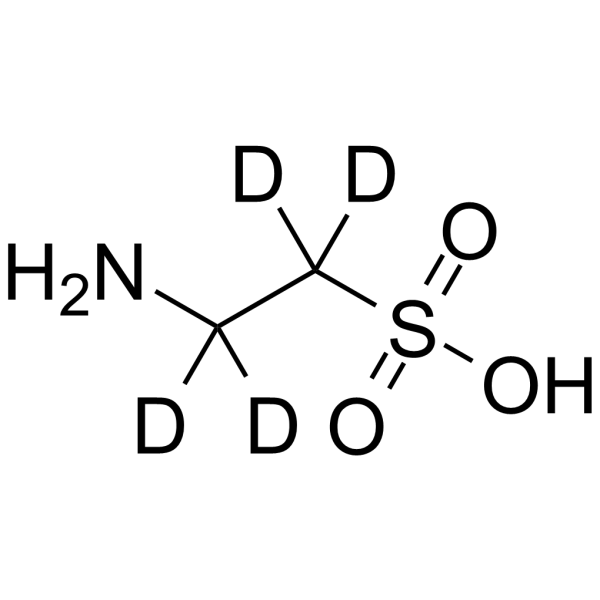
Taurine-d4 is the deuterium labeled Taurine. Taurine, a sulphur-containing amino acid and an organic osmolyte involved in cell volume regulation, provides a substrate for the formation of bile salts, and plays a role in the modulation of intracellular free calcium concentration. Taurine has the ability to activate autophagy in adipocytes .
loading...
    loading...
1
1 Cited Publications
Cat. No.: HY-N0830S18
CAS No.: 358730-99-1
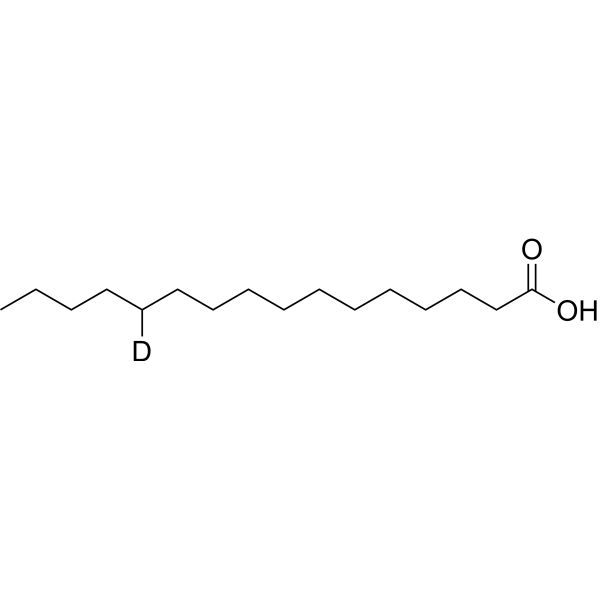
Palmitic acid-d is the deuterium labeled Palmitic acid. Palmitic acid is a long-chain saturated fatty acid commonly found in both animals and plants. PA can induce the expression of glucose-regulated protein 78 (GRP78) and CCAAT/enhancer binding protein homologous protein (CHOP) in in mouse granulosa cells .
loading...
    loading...
1
1 Cited Publications
Cat. No.: HY-N0667S2
CAS No.: 287484-32-6
Synonyms: (-)-Asparagine-15N2 monohydrate; Asn-15N2 monohydrate; Asparamide-15N2 monohydrate
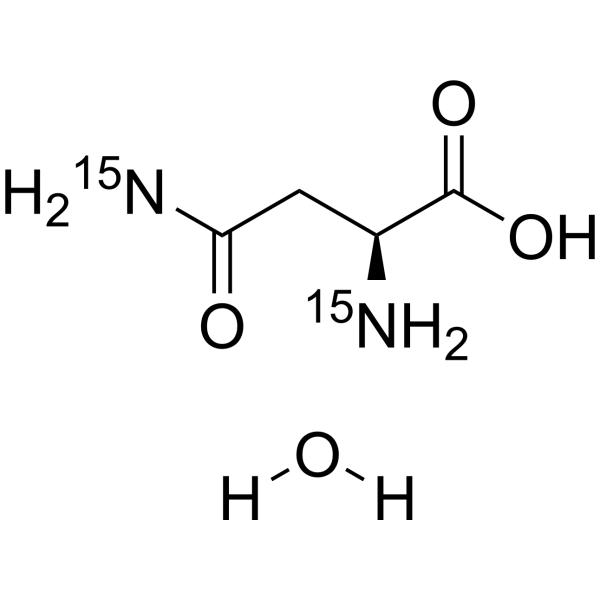
L-Asparagine- 15N2 monohydrate is the 15N-labeled L-Asparagine monohydrate (HY-W017443). L-Asparagine monohydrate is an essential amino acid for leukemic cells and a substrate for L-Asparaginase. L-Asparaginase is a potent anti-leukemic enzyme that promotes asparagine (Asn) and glutamine (Gln) depletion and inhibits protein biosynthesis in lymphoblasts. Removal of L-asparagine from plasma by L-Asparaginase results in inhibition of RNA and DNA synthesis and subsequent apoptosis. L-Asparaginase has cell-killing ability in vitro and in vivo, and selectively inhibits the growth of cancer cells with low asparagine synthetase (AASNS) expression. L-Asparagine monohydrate can be used as a biomarker and sensor for the study of childhood acute lymphoblastic leukemia .
loading...
    loading...
1
1 Cited Publications
Cat. No.: HY-112944A
Synonyms: CMP-NeuNAz sodium; CMP-Neu5Az sodium
Target:  

Sialyltransferase

Research Areas:  

Infection

CMP-SiaNAz (CMP-NeuNAz) sodium is a sialic acid nucleotide sugar derivative. CMP-SiaNAz sodium is integrated into the glycosidic chain through the action of STs in the Golgi apparatus, forming SiaNAz substances. CMP-SiaNAz sodium can serve as a substrate for bacterial-derived sialic acid transferases and is used for chemical enzymatic labeling and imaging of cell surface glycosides .
loading...
    loading...
1
1 Cited Publications
Cat. No.: HY-N0830S2
CAS No.: 39756-30-4
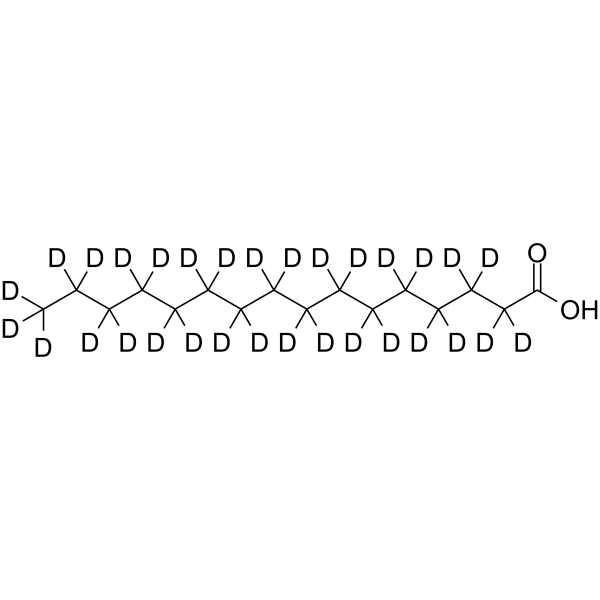
Palmitic acid-d31 is the deuterium labeled Palmitic acid. Palmitic acid is a long-chain saturated fatty acid commonly found in both animals and plants. PA can induce the expression of glucose-regulated protein 78 (GRP78) and CCAAT/enhancer binding protein homologous protein (CHOP) in in mouse granulosa cells .
loading...
    loading...
1
1 Cited Publications
Cat. No.: HY-P3443
Synonyms: PNA
Peanut agglutinin (PNA) is a carbohydrate-recognition protein that binds competitively and irreversibly to cell-surface β-D-Gal (1-3)-GalNAc, and this binding can be inhibited by D-galactose and asialofetuin. Peanut agglutinin recognizes exposed glycoepitopes and reflects the glycosylation status of cells. Peanut agglutinin can label glycoconjugates at neuromuscular junctions to safely visualize synaptic structures. Peanut agglutinin can be used to synthesize dyes to distinguish between normal and tumor tissues. Peanut agglutinin provides support for research on leukemia, Burkitt's tumors, and cutaneous squamous lesions .
loading...
    loading...
1
1 Cited Publications
Cat. No.: HY-N0830S12
CAS No.: 75736-47-9
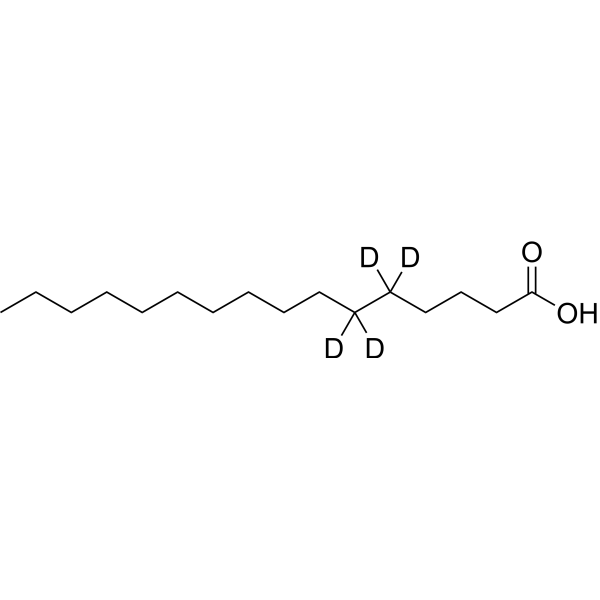
Palmitic acid-d4-1 is the deuterium labeled Palmitic acid. Palmitic acid is a long-chain saturated fatty acid commonly found in both animals and plants. PA can induce the expression of glucose-regulated protein 78 (GRP78) and CCAAT/enhancer binding protein homologous protein (CHOP) in in mouse granulosa cells .
loading...
    loading...
1
1 Cited Publications
Cat. No.: HY-N0830S3
CAS No.: 57677-53-9
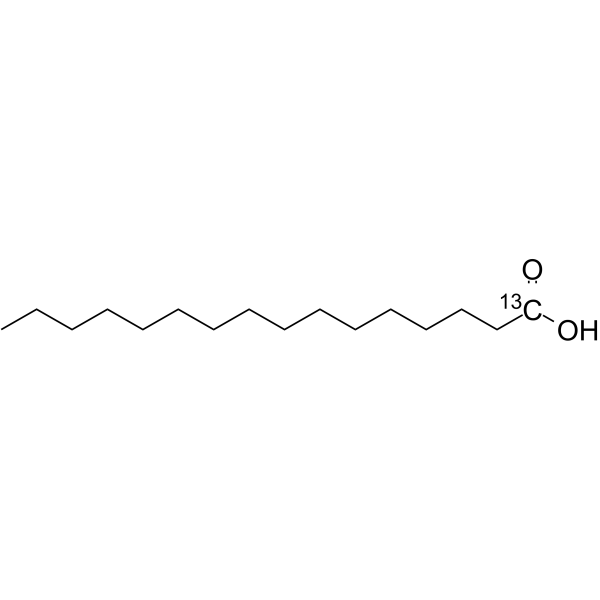
Palmitic acid-1- 13C is the 13C-labeled Palmitic acid. Palmitic acid is a long-chain saturated fatty acid commonly found in both animals and plants. Palmitic acid can induce the expression of glucose-regulated protein 78 (GRP78) and CCAAT/enhancer binding protein homologous protein (CHOP) in in mouse granulosa cells .
loading...
    loading...
1
1 Cited Publications
Cat. No.: HY-N0729S3
CAS No.: 98353-71-0
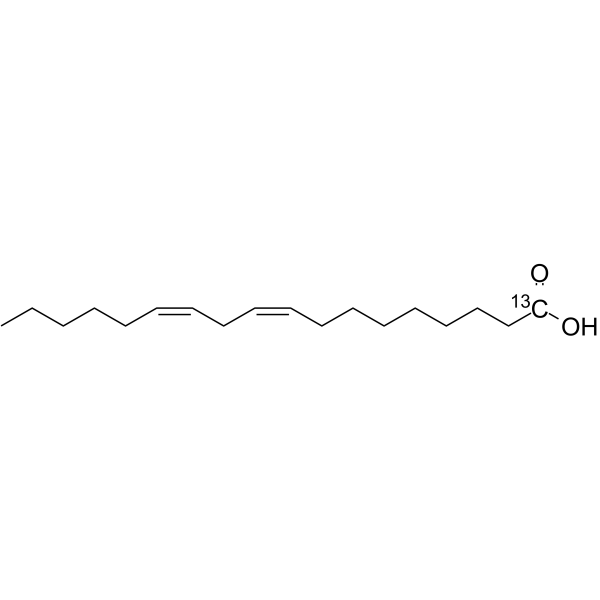
Linoleic acid- 13C1 is the 13C labeled Linoleic acid. Linoleic acid is a common polyunsaturated (PUFA) found in plant-based oils, nuts and seeds. Linoleic acid is a part of membrane phospholipids, and functions as a structural component to maintain a certain level of membrane fluidity of the transdermal water barrier of the epidermis. Linoleic acid induces red blood cells and hemoglobin damage via oxidative mechanism .
loading...
    loading...
1
1 Cited Publications
Cat. No.: HY-128868I
CAS No.: 60842-46-8
FITC-Dextran (MW 2000000) is a compound belonging to the class of fluorescent dyes. It is commonly used in biomedical research as a tracer molecule to label and track cells or other biological matter. FITC-Dextran consists of fluorescein isothiocyanate (FITC) and dextran, a complex carbohydrate derived from starch. The combination of the two creates a stable fluorescent tracer that can be viewed under a microscope or quantified using specialized detection instruments.
loading...
    loading...
1
1 Cited Publications
Cat. No.: HY-15455S
CAS No.: 1398065-69-4
Synonyms: APTA-2217-d4; BYK 20869-d4; B9302-107-d4
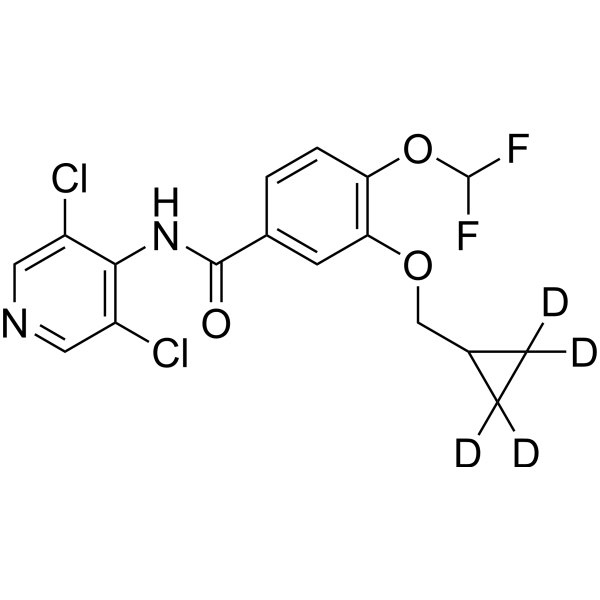
Roflumilast-d4 is the deuterium labeled Roflumilast. Roflumilast is a selective PDE4 inhibitor with IC50s of 0.7, 0.9, 0.7, and 0.2 nM for PDE4A1, PDEA4, PDEB1, and PDEB2, respectively, without affecting PDE1, PDE2, PDE3 or PDE5 isoenzymes from various cells .
loading...
    loading...
1
1 Cited Publications
Cat. No.: HY-N0492S
CAS No.: 1189471-66-6
Synonyms: Thioctic acid-d5; (±)-α-Lipoic acid-d5; DL-α-Lipoic acid-d5
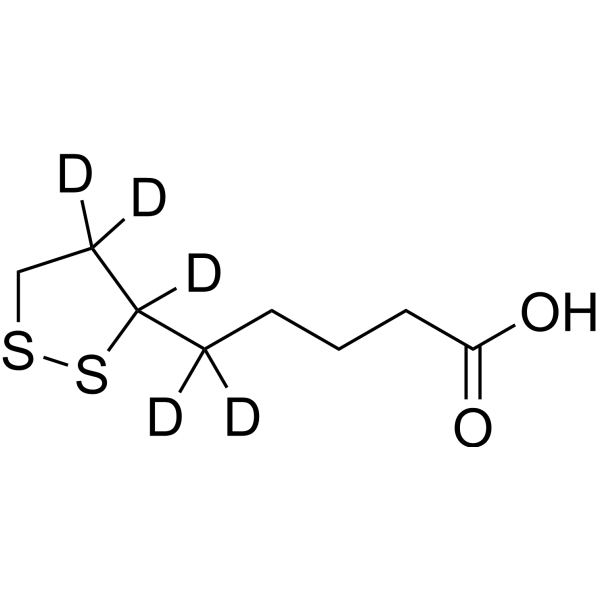
α-Lipoic Acid-d5 is the deuterium labeled α-Lipoic Acid. α-Lipoic Acid is an antioxidant, which is an essential cofactor of mitochondrial enzyme complexes. α-Lipoic Acid inhibits NF-κB-dependent HIV-1 LTR activation . α-Lipoic Acid induces endoplasmic reticulum (ER) stress-mediated apoptosis in hepatoma cells .
loading...
    loading...
1
1 Cited Publications
Cat. No.: HY-NP0147
Synonyms: WGA (Fluorescein)
Wheat Germ Agglutinin (WGA) Fluorescein is a classic fluorescent label that specifically binds to sugar residues such as N-acetylglucosamine, N-acetylneuraminic acid and sialic acid. Wheat Germ Agglutinin Fluorescein performs regionally differential fluorescent staining of the ocular surface epithelial glycocalyx to assess its integrity, and causes no damage to the eye at safe concentrations. Wheat Germ Agglutinin Fluorescein is also used for staining structures including red blood cells, cultured cells, bacteria and pine wood nematodes, and facilitates the isolation of wheat-associated plant-growth-promoting rhizobacterial strains. Wheat Germ Agglutinin Fluorescein can be applied to the detection of ocular glycocalyx integrity and the research of related diseases such as pine wilt disease .
loading...
    loading...
1
1 Cited Publications
Cat. No.: HY-10201S
CAS No.: 1130115-44-4
Purity:  98.17%
Synonyms: Donafenib; Bay 43-9006-d3
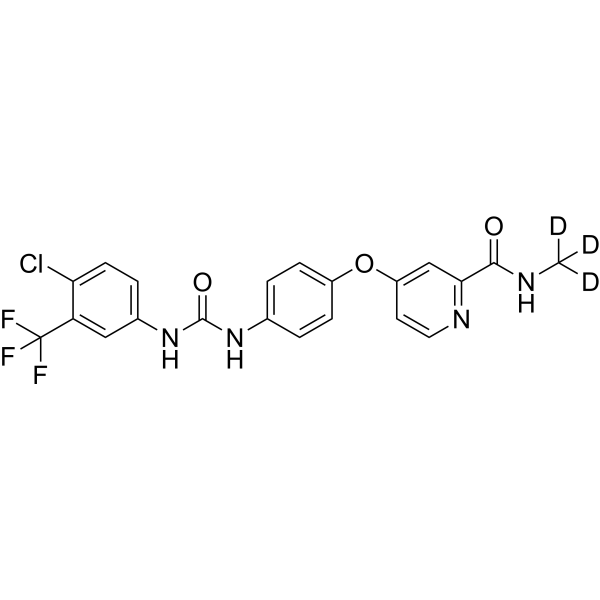
Sorafenib-d3 (Donafenib) is the deuterated-labeled Sorafenib (HY-10201). Sorafenib (Bay 43-9006) is a potent oral active multikinase inhibitor. Sorafenib blocks autophosphorylation and activity of receptor tyrosine kinases (VEGFR-2, VEGFR-3) and RAF family kinases, thereby suppressing the RAF/MEK/ERK and PI3K/Akt pathways, inhibiting STAT3 phosphorylation, and selectively inhibiting the MAPK pathway in cancer cells. Sorafenib induces cell cycle arrest, autophagy, apoptosis, and PARP cleavage, reduces Bcl-2, Bcl-XL, cyclin D1 levels, and activates Bak and Bax. Sorafenib inhibits tumor growth and metastasis in mouse and rat models. Sorafenib can be used for cancer research, such as colon, breast, non-small-cell lung cancer (NSCLC), ovarian, pancreatic, melanoma, colorectal and hepatocellular carcinoma .
loading...
    loading...

