
1794 Results for "

Cell labeling

" in MedChemExpress (MCE) Product Catalog:
Products (1794)

1794 Results for "Cell labeling" in MCE Product Catalog:

8
8 Cited Publications
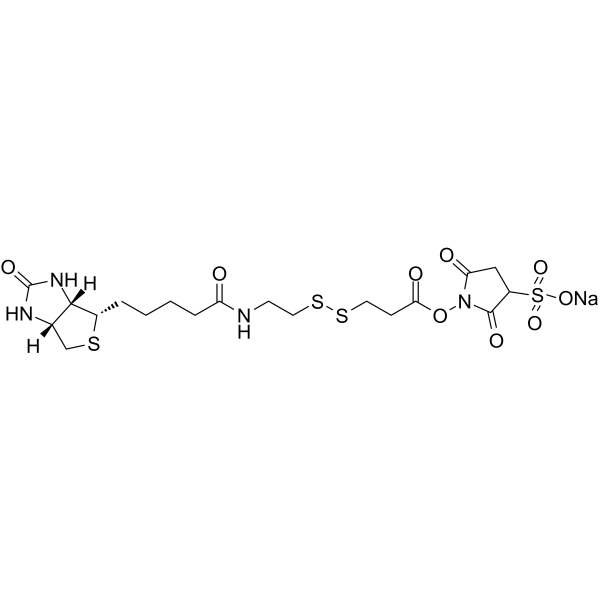
Cat. No.: HY-111496
CAS No.: 325143-98-4
Purity:  ≥97.0%
Sulfo-NHS-SS-biotin sodium is a long-chain cleavable and cell-impermeant amine-reactive biotinylation reagent. Sulfo-NHS-SS-biotin sodium can be used for the labeling and purifying of cell-surface protein .
loading...
    loading...
7
7 Cited Publications
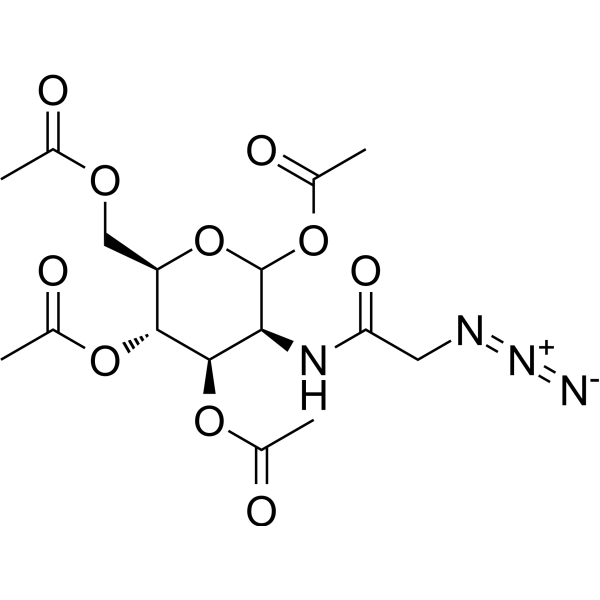
Cat. No.: HY-118297
CAS No.: 361154-30-5
Purity:  99.74%
Research Areas:  

Metabolic Disease

Ac4ManNAz is an azido-containing metabolic glycoprotein labeling reagent. Ac4ManNAz can be used to selectively modify proteins. Ac4ManNAz can be used in cell labeling, tracking and proteomic analysis . Ac4ManNAz is a click chemistry reagent, it contains an Azide group and can undergo copper-catalyzed azide-alkyne cycloaddition reaction (CuAAc) with molecules containing Alkyne groups. It can also undergo strain-promoted alkyne-azide cycloaddition (SPAAC) reactions with molecules containing DBCO or BCN groups.
loading...
    loading...
7
7 Cited Publications
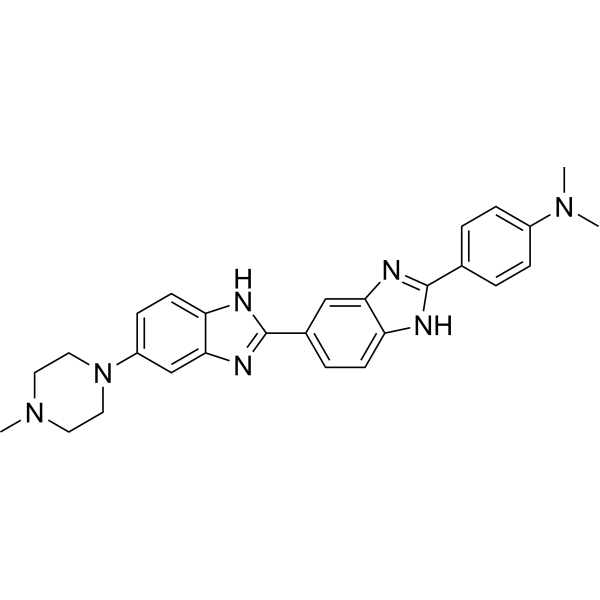
Cat. No.: HY-15560
CAS No.: 23555-00-2
Synonyms: HOE 34580
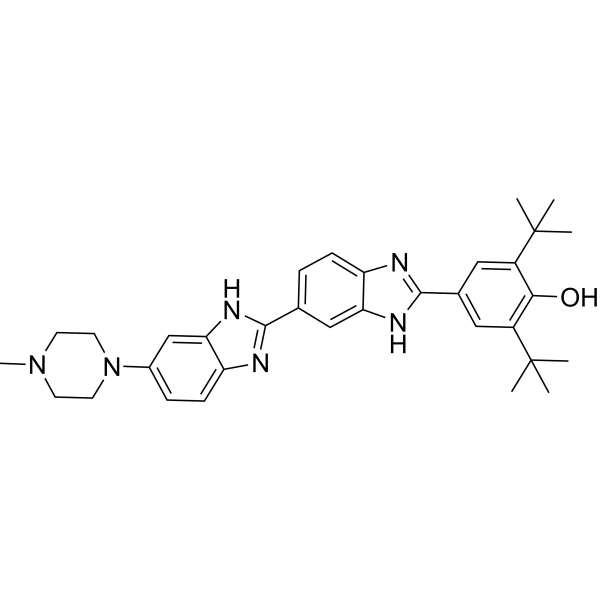
Hoechst 34580 is a marker dye in Hoechst series. Hoechst is A live nuclear marker dye. Hoechst binds to the grooves in the DNA double strand, which tends to be A/ T-rich DNA strand. Although it binds to all nucleic acids, the A/ T-rich double strand DNA significantly enhances fluorescence intensity Therefore,Hoechst dye can be used for living cell labeling. The fluorescence intensity of Hoechst dye increases with the increase of pH of solution .
loading...
    loading...
7
7 Cited Publications
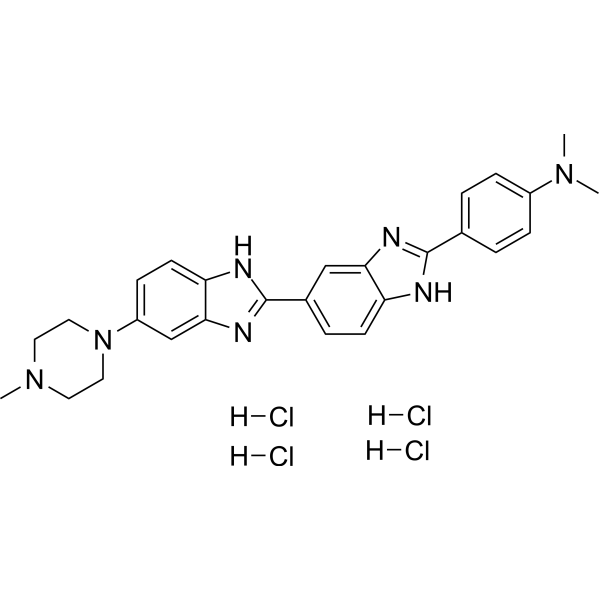
Cat. No.: HY-15560B
CAS No.: 2310135-08-9
Purity:  99.47%
Synonyms: HOE 34580 tetrahydrochloride
Hoechst 34580 tetrahydrochloride is a marker dye in Hoechst series. Hoechst is A live nuclear marker dye. Hoechst binds to the grooves in the DNA double strand, which tends to be A/ T-rich DNA strand. Although it binds to all nucleic acids, the A/ T-rich double strand DNA significantly enhances fluorescence intensity Therefore,Hoechst dye can be used for living cell labeling. The fluorescence intensity of Hoechst dye increases with the increase of pH of solution .
loading...
    loading...
7
7 Cited Publications
Cat. No.: HY-15631
CAS No.: 129244-66-2
Purity:  99.63%
Hoechst 33258 analog 6 is a marker dye in Hoechst series. Hoechst is A live nuclear marker dye. Hoechst binds to the grooves in the DNA double strand, which tends to be A/ T-rich DNA strand. Although it binds to all nucleic acids, the A/ T-rich double strand DNA significantly enhances fluorescence intensity Therefore,Hoechst dye can be used for living cell labeling. The fluorescence intensity of Hoechst dye increases with the increase of pH of solution (Ex/Em = 356/451 nm) .
loading...
    loading...
6
6 Cited Publications
Cat. No.: HY-138226
CAS No.: 158757-84-7
Purity:  98.42%
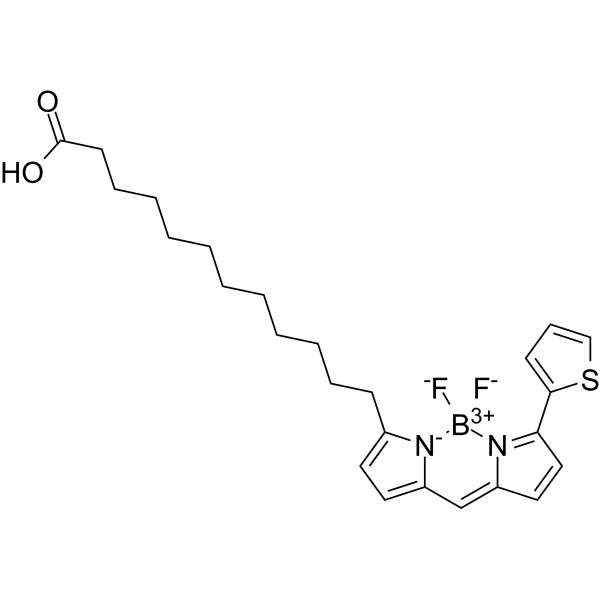
BODIPY 558/568 C12 is a BODIPY dye. BODIPY dye is a small molecule dye with strong ultraviolet absorption ability, its fluorescence peak is relatively sharp, and the quantum yield is high. They are relatively insensitive to the polarity and pH of the environment and are relatively stable under different physiological conditions. Due to its structural asymmetry, BODIPY derives a variety of structural products. BODIPY lipid droplet dyes can well pass through the cell membrane into the cell, and localize the neutral lipids in the cell to specifically stain the lipid droplets, which can be used for labeling of live cells and fixed cells . Maximum excitation/emission wavelength: 558/568 nm .
loading...
    loading...
6
6 Cited Publications
Cat. No.: HY-B0413S
CAS No.: 1228182-47-5
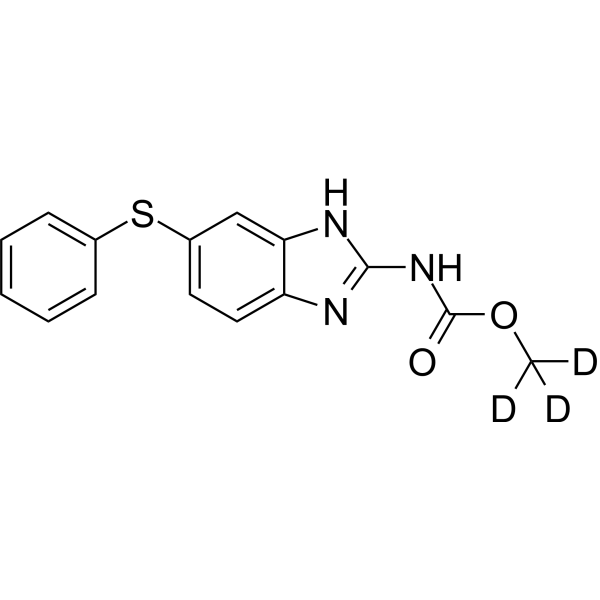
Fenbendazole-d3 is a deuterium labeled Fenbendazole. Fenbendazole-d3 is a HIF-1α agonist and activates the HIF-1α-related GLUT1 pathway. Fenbendazole is an orally active benzimidazole anthelmintic agent, with a broad antiparasitic range. Fenbendazole is a microtubule destabilizing agent. Fenbendazole causes cell-cycle arrest and mitotic cell death, and has antitumor activity in mice xenografted with wild-type p53 .
loading...
    loading...
6
6 Cited Publications
Cat. No.: HY-15627
CAS No.: 178481-68-0
Purity:  98.16%
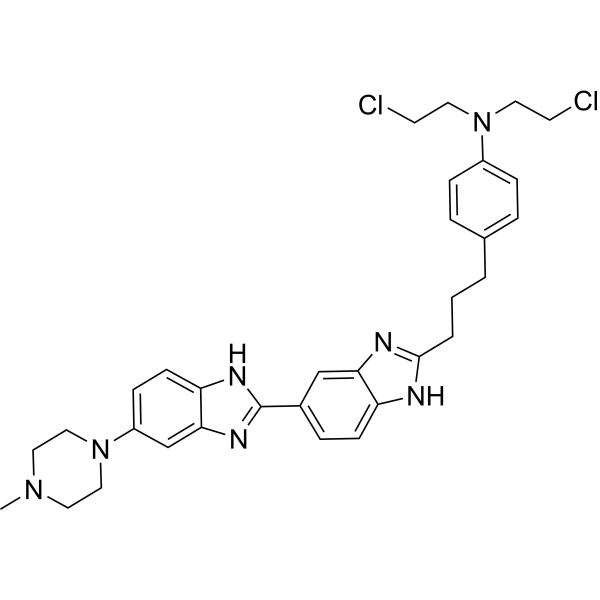
Hoechst 33342 analog is a marker dye in Hoechst series. Hoechst is A live nuclear marker dye. Hoechst binds to the grooves in the DNA double strand, which tends to be A/ T-rich DNA strand. Although it binds to all nucleic acids, the A/ T-rich double strand DNA significantly enhances fluorescence intensity Therefore,Hoechst dye can be used for living cell labeling. The fluorescence intensity of Hoechst dye increases with the increase of pH of solution .
loading...
    loading...
5
5 Cited Publications
Cat. No.: HY-133870
CAS No.: 2454181-83-8
Purity:  98.01%
Synonyms: ITalk
Target:  

Fluorescent Dye

Research Areas:  

Inflammation/Immunology

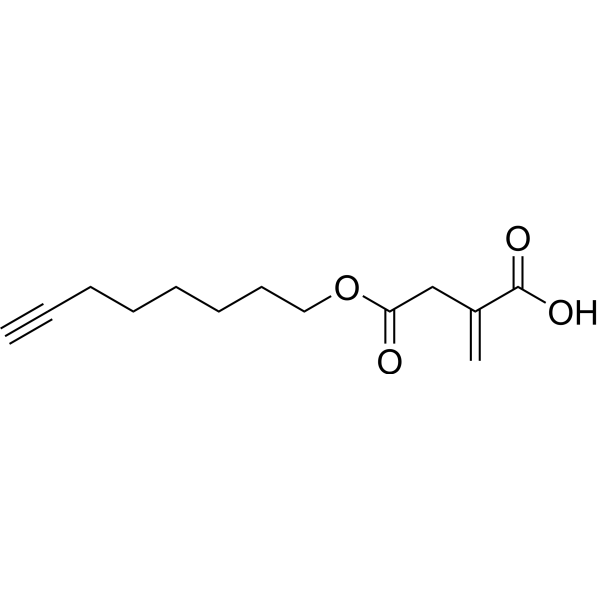
Itaconate-alkyne (ITalk) is a specific bioorthogonal probe for quantitative and site-specific chemoproteomic profiling of Itaconation in living cells. Itaconate-alkyne, a functional analogue of Itaconate, exhibits comparable antiinflammatory effect with Itaconate and enables the labeling of bona fide targets of Itaconate . Itaconate-alkyne is a click chemistry reagent, it contains an Alkyne group and can undergo copper-catalyzed azide-alkyne cycloaddition (CuAAc) with molecules containing Azide groups.
loading...
    loading...
5
5 Cited Publications
Cat. No.: HY-D0098
CAS No.: 75350-46-8
Synonyms: N-(5-Fluoresceinyl)maleimide
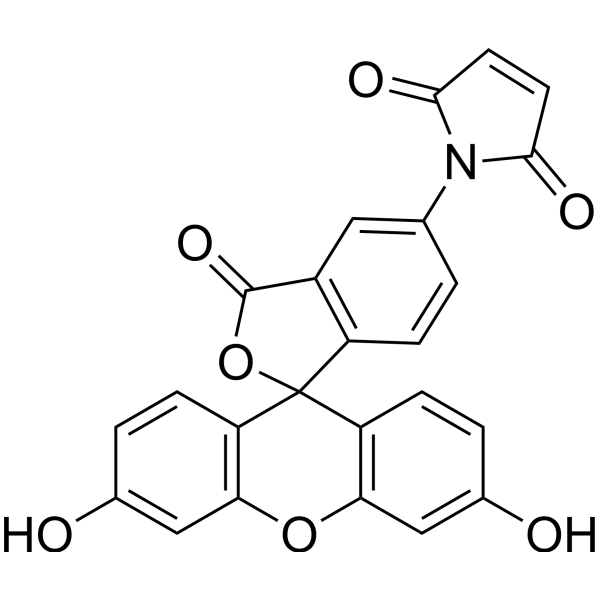
Fluorescein-5-maleimide (N-(5-Fluoresceinyl)maleimide) is a fluorescent dye. Fluorescein-5-maleimide can be used to detect the redox state of thiols in eukaryotic cells. Fluorescein-5-maleimide can label peptides and is used to detect negatively charged nanoparticles. Fluorescein-5-maleimide can also label actin to explore its interaction with cardiac myosin-binding protein C (cMyBP-C), which helps in developing small molecule modulators for heart failure. Fluorescein-5-maleimide can screen mutant proteins that contain cysteine residues. The excitation wavelength of Fluorescein-5-maleimide is 494 nm, and the emission wavelength is 519 nm .
loading...
    loading...
4
4 Cited Publications
Cat. No.: HY-131442
CAS No.: 1694495-59-4
Purity:  99.72%
Synonyms: Alkyne tyramide; Alk-Ph
Research Areas:  

Others

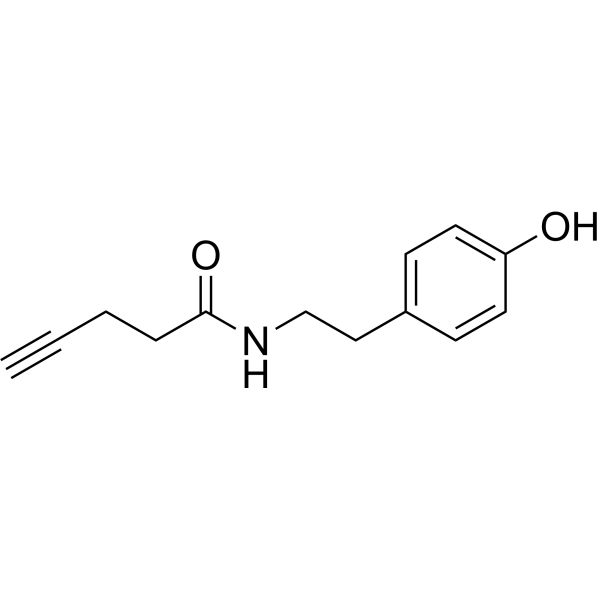
Alkyne-phenol (Alk-Ph) is a clickable ascorbate peroxidase 2 (APEX2) probe. Alkyne-phenol substantially improves APEX-labeling efficiency in intact yeast cells, as it is more cell wall-permeant than APEX2 substrate biotin-phenol (BP). Alkyne-phenol also facilitates the identification of APEX-labeling sites, allowing the unambiguous assignment of membrane topology of mitochondrial proteins . Alkyne-phenol is a click chemistry reagent, it contains an Alkyne group and can undergo copper-catalyzed azide-alkyne cycloaddition (CuAAc) with molecules containing Azide groups.
loading...
    loading...
4
4 Cited Publications
Cat. No.: HY-128868C
CAS No.: 60842-46-8
FITC-Dextran (MW 20000) is a compound belonging to the class of fluorescent dyes. It is commonly used in biomedical research as a tracer molecule to label and track cells or other biological matter. FITC-Dextran consists of fluorescein isothiocyanate (FITC) and dextran, a complex carbohydrate derived from starch. The combination of the two creates a stable fluorescent tracer that can be viewed under a microscope or quantified using specialized detection instruments.
loading...
    loading...
4
4 Cited Publications
Cat. No.: HY-N0390S
CAS No.: 80143-57-3
Synonyms: L-Glutamic acid 5-amide-15N
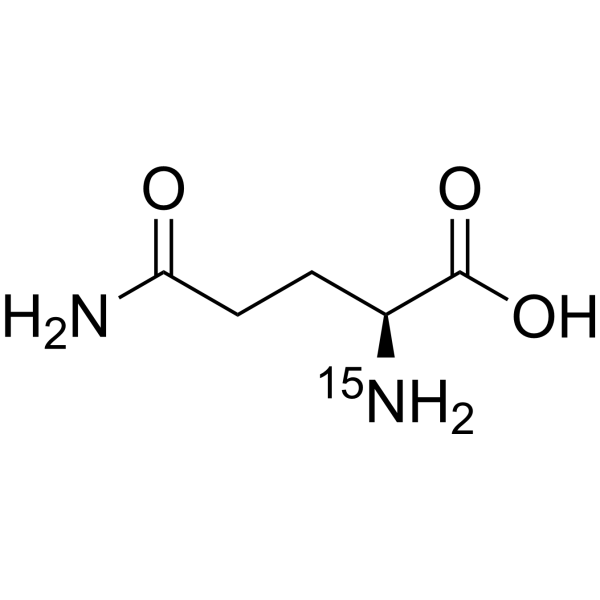
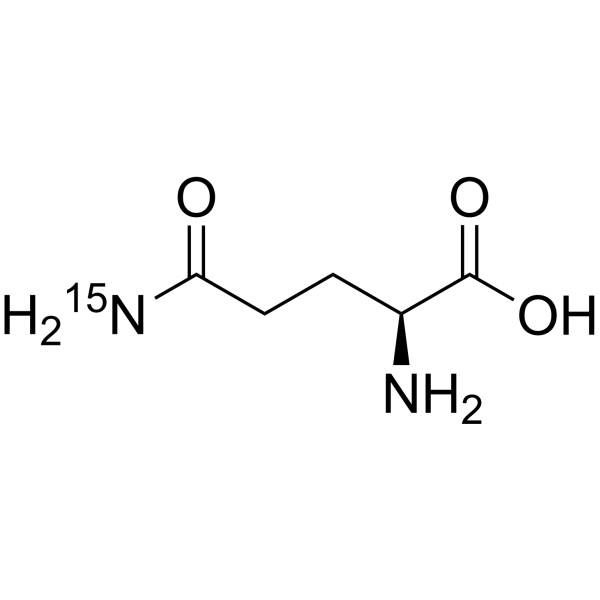
L-Glutamine- 15N is the 15N-labeled L-Glutamine (HY-N0390). L-Glutamine is an orally active nutritional agent and cellular metabolism regulator. L-Glutamine is taken up in a Na +-dependent manner and targets multiple key molecules including glutaminase, mTORC1, NF-κB, STAT-3 and HIF-1α. L-Glutamine enhances glutaminolytic catabolism, drives the conversion of glutamate to α-ketoglutarate, thereby regulating gene expression, integrating metabolic signals, mediating glutamine flux and maintaining redox homeostasis. L-Glutamine also promotes cell proliferation, osteogenic differentiation and fracture healing, exerts neuroprotective and cardioprotective effects, and inhibits osteoarthritis. L-Glutamine can be applied to research related to osteoporosis, osteoarthritis, ischemic stroke and acute cantharidin-induced cardiotoxicity .
loading...
    loading...
4
4 Cited Publications
Cat. No.: HY-N0390S9
CAS No.: 59681-32-2
Synonyms: L-Glutamic acid 5-amide-15N-1
L-Glutamine- 15N-1 is the 15N-labeled L-Glutamine (HY-N0390). L-Glutamine is an orally active nutritional agent and cellular metabolism regulator. L-Glutamine is taken up in a Na +-dependent manner and targets multiple key molecules including glutaminase, mTORC1, NF-κB, STAT-3 and HIF-1α. L-Glutamine enhances glutaminolytic catabolism, drives the conversion of glutamate to α-ketoglutarate, thereby regulating gene expression, integrating metabolic signals, mediating glutamine flux and maintaining redox homeostasis. L-Glutamine also promotes cell proliferation, osteogenic differentiation and fracture healing, exerts neuroprotective and cardioprotective effects, and inhibits osteoarthritis. L-Glutamine can be applied to research related to osteoporosis, osteoarthritis, ischemic stroke and acute cantharidin-induced cardiotoxicity .
loading...
    loading...
3
3 Cited Publications
Cat. No.: HY-D1583
CAS No.: 2360411-64-7
Synonyms: DBCO-Cy5 hexafluorophosphate; Cyanine5 dibenzocyclooctyne hexafluorophosphate
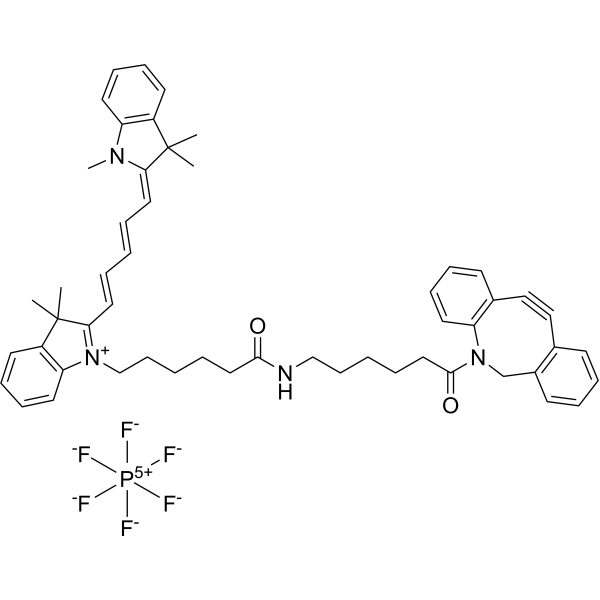
Cyanine5 DBCO (DBCO-Cy5) hexafluorophosphate is a low-toxicity azide reactive probe (NIR fluorescent dye), for imaging azide-labeled biomolecules via a copper-free "click-through" reaction. Cyanine5 DBCO hexafluorophosphate has no apparent cytotoxicity or animal toxicity and shows no damage to the physiological functions of cells other than the target cells (azide-labeled cells). Cyanine5 DBCO hexafluorophosphate can be used to label and track cells in vitro and in vivo (Ex=635 nm, Em=650-700 nm) .
loading...
    loading...
3
3 Cited Publications
Cat. No.: HY-D0183
CAS No.: 1800401-93-7
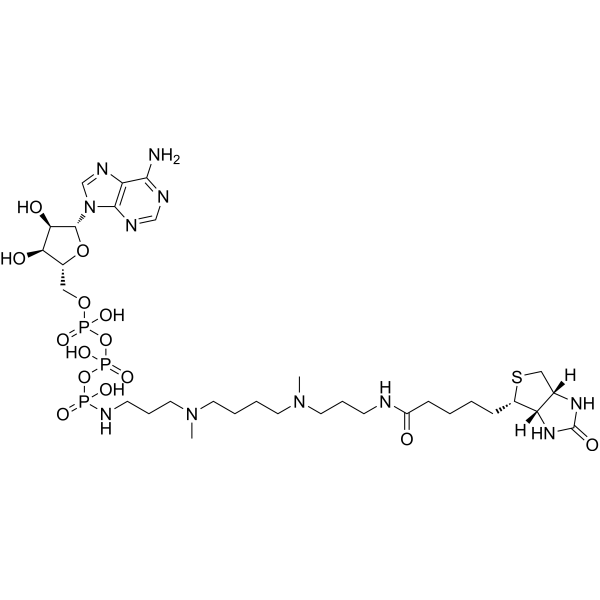
ATP-polyamine-biotin, the first cell-permeable ATP analogue, is an efficient kinase cosubstrate. ATP-polyamine-biotin promotes biotin labeling of kinase substrates in live cells .
loading...
    loading...
3
3 Cited Publications
Cat. No.: HY-D1237
CAS No.: 21658-70-8
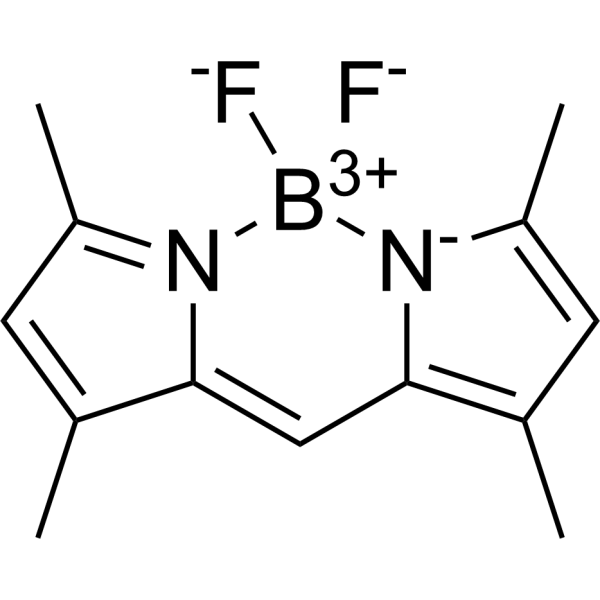
BODIPY505/515 is a BODIPY dye. BODIPY dye is a small molecule dye with strong ultraviolet absorption ability, its fluorescence peak is relatively sharp, and the quantum yield is high. They are relatively insensitive to the polarity and pH of the environment and are relatively stable under different physiological conditions. Due to its structural asymmetry, BODIPY derives a variety of structural products. BODIPY lipid droplet dyes can well pass through the cell membrane into the cell, and localize the neutral lipids in the cell to specifically stain the lipid droplets, which can be used for labeling of live cells and fixed cells . Maximum excitation/emission wavelength: 505/515 nm .
loading...
    loading...
3
3 Cited Publications
Cat. No.: HY-150230
CAS No.: 2924824-04-2
Purity:  99.51%
Target:  

ADC Linkers

Research Areas:  

Cancer

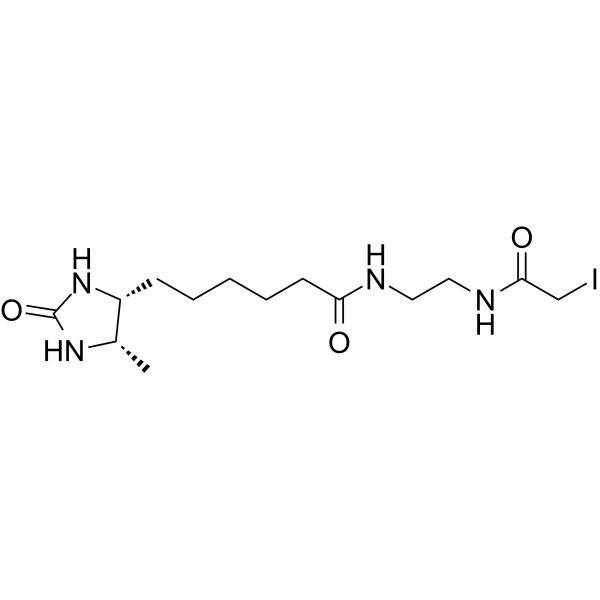
Desthiobiotin-Iodoacetamide can be used as an ADC Linker. Desthiobiotin-Iodoacetamide also acts as a probe used to label the the Oridonin (HY-N0004)-treated cell lysis .
loading...
    loading...
3
3 Cited Publications
Cat. No.: HY-D1627
CAS No.: 180854-97-1
Synonyms: CM-DiI
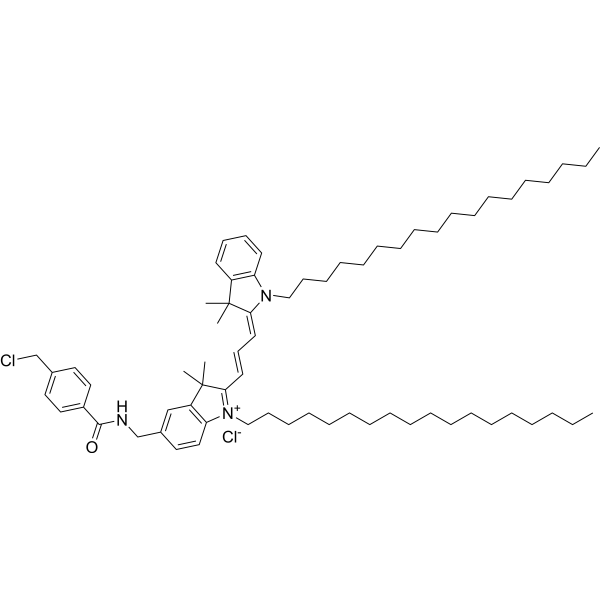
CellTracker CM-DiI (CM-DiI) is a lipophilic fluorochrome that can be used for tracking the migration of lymphocytes. CellTracker CM-DiI is feasible to detect labeled cells in histological sections (excitation 553 nm; emission 570 nm) .
loading...
    loading...
3
3 Cited Publications
Cat. No.: HY-W134007S1
CAS No.: 1458714-74-3
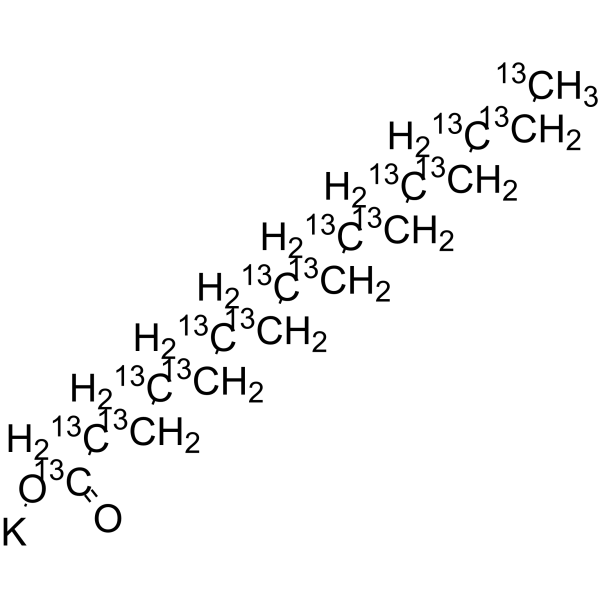
Hexadecanoate- 13C16 (potassium) is the 13C-labeled Hexadecanoate sodium. Hexadecanoate potassium can induce the expression of glucose-regulated protein 78 (GRP78) and CCAAT/enhancer binding protein homologous protein (CHOP) in in mouse granulosa cells .
loading...
    loading...

