
1794 Results for "

Cell labeling

" in MedChemExpress (MCE) Product Catalog:
Products (1794)

1794 Results for "Cell labeling" in MCE Product Catalog:

3
3 Cited Publications
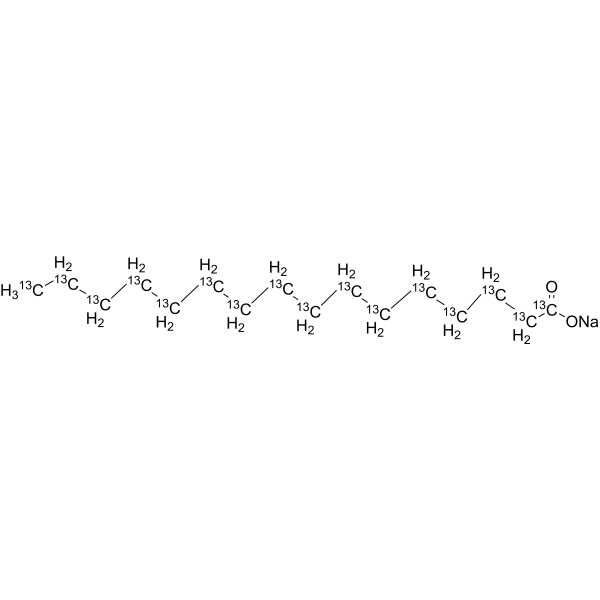
Cat. No.: HY-N0830BS1
CAS No.: 2483736-17-8
Palmitic acid- 13C16 sodium is the 13C-labeled Palmitic acid sodium. Palmitic acid sodium is a long-chain saturated fatty acid commonly found in both animals and plants. Palmitic acid sodium can induce the expression of glucose-regulated protein 78 (GRP78) and CCAAT/enhancer binding protein homologous protein (CHOP) in in mouse granulosa cells .
loading...
    loading...
3
3 Cited Publications
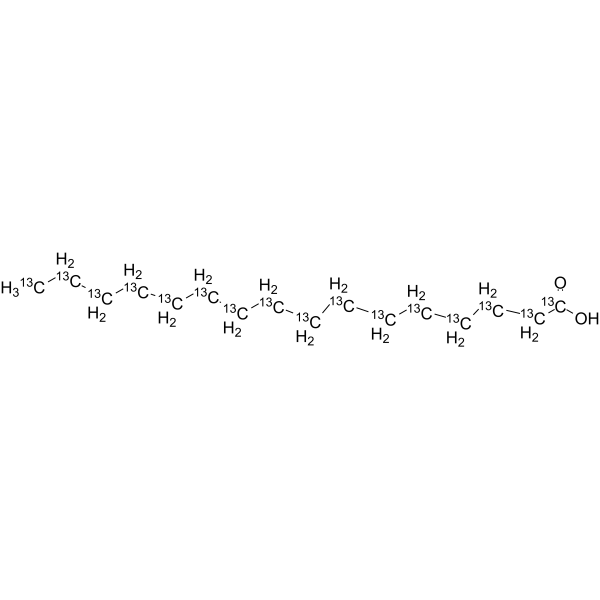
Cat. No.: HY-N0830S6
CAS No.: 56599-85-0
Palmitic acid- 13C16 is the 13C-labeled Palmitic acid. Palmitic acid is a long-chain saturated fatty acid commonly found in both animals and plants. PA can induce the expression of glucose-regulated protein 78 (GRP78) and CCAAT/enhancer binding protein homologous protein (CHOP) in in mouse granulosa cells .
loading...
    loading...
3
3 Cited Publications
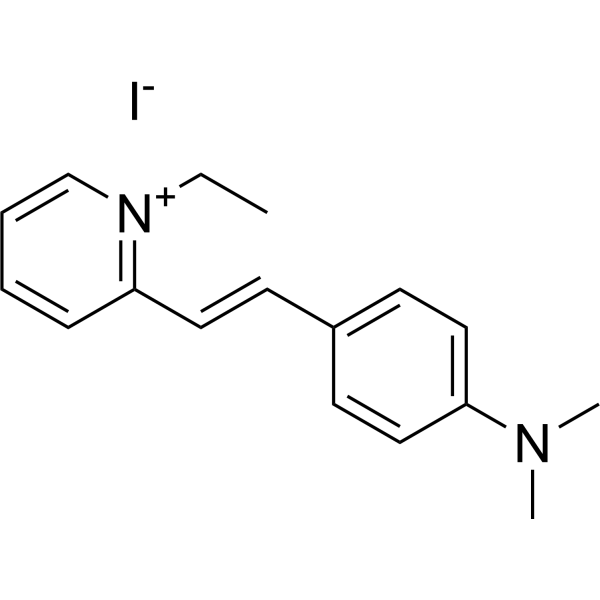
Cat. No.: HY-W247131
CAS No.: 3785-01-1
DASPEI is a cationic styrenyl mitochondrial dye with large Stokes shift. DASPEI has excitation and emission wavelength at 550/573 nm, which has good light chromogenic property. DASPEI can stain mitochondria in living cells with good labeling property. And DASPEI can also be used to stain presynaptic nerve endings independently of neuronal activity .
loading...
    loading...
3
3 Cited Publications
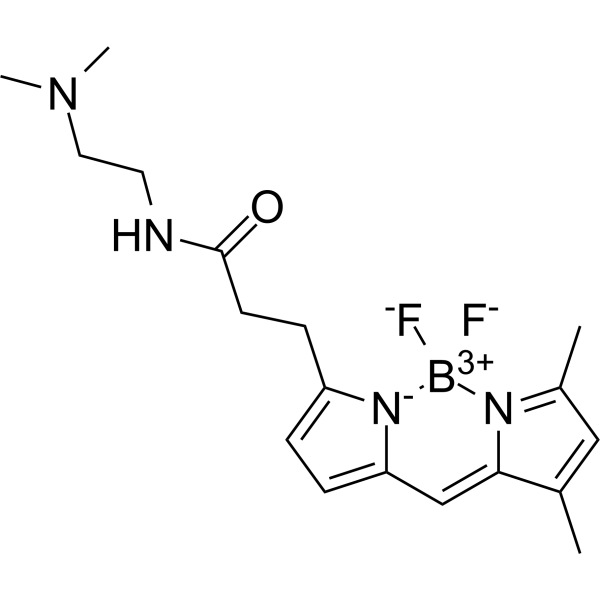
Cat. No.: HY-D1296
CAS No.: 220524-71-0
Green DND-26 is a green fluorescently labeled lysosomal probe with a maximum excitation/emission wavelength of 504/511 nm. The structure is composed of a fluorescein group and linked weak bases, which can freely cross the cell membrane and generally gather on spherical organelles. Green DND-26 is suitable for observing the internal biosynthesis and related pathogenesis of lysosomes .
loading...
    loading...
3
3 Cited Publications
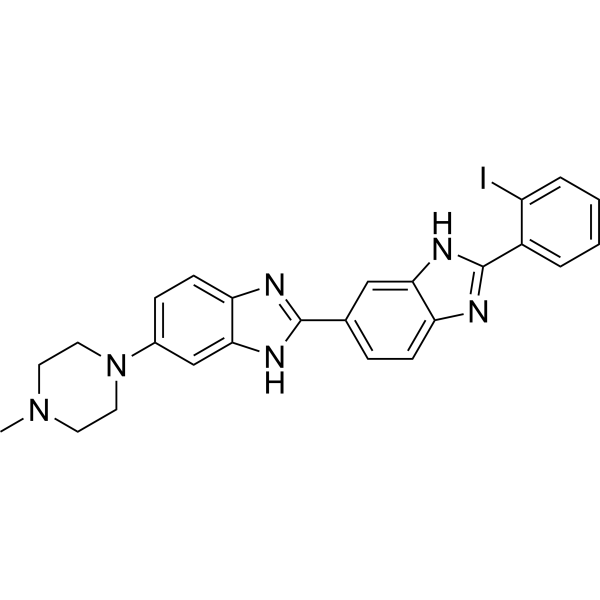
Cat. No.: HY-15626
CAS No.: 158013-41-3
Purity:  98.01%
ortho-iodoHoechst 33258 is a marker dye in Hoechst series. Hoechst is A live nuclear marker dye. Hoechst binds to the grooves in the DNA double strand, which tends to be A/ T-rich DNA strand. Although it binds to all nucleic acids, the A/ T-rich double strand DNA significantly enhances fluorescence intensity Therefore,Hoechst dye can be used for living cell labeling. The fluorescence intensity of Hoechst dye increases with the increase of pH of solution .
loading...
    loading...
2
2 Cited Publications
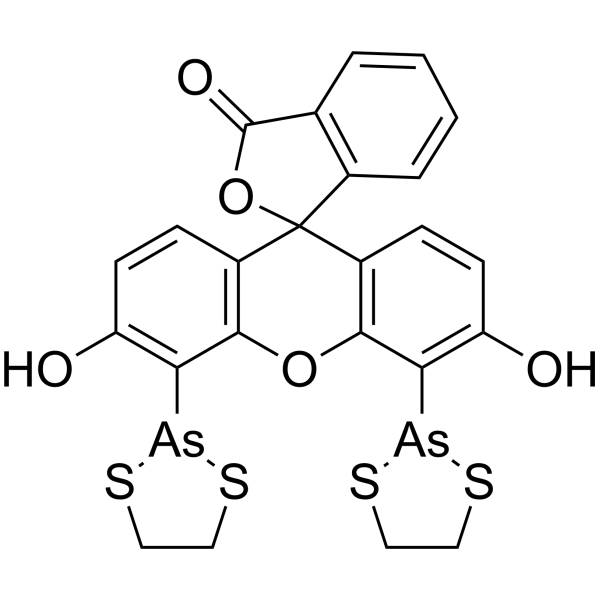
Cat. No.: HY-130412
CAS No.: 212118-77-9
Purity:  98.98%
Target:  

Fluorescent Dye

Research Areas:  

Others

FlAsH-EDT2 is a protein labeling reagent. FlAsH-EDT2 binds to Cys4 with high affinity and emits fluorescence. FlAsH-EDT2 can cross the cell membrane and enter the interior of the cell. FlAsH-EDT2 can only be used for labeling proteins with high concentration .
loading...
    loading...
2
2 Cited Publications
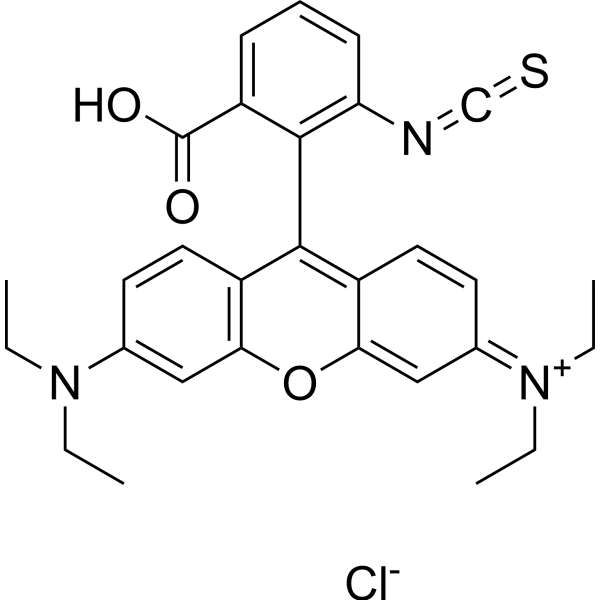
Cat. No.: HY-112697
CAS No.: 36877-69-7
Purity:  97.97%
Rhodamine B isothiocyanate (RBITC) is a fluorescent dye commonly used in biological imaging and labeling applications. It has an isothiocyanate functional group that can be covalently attached to amino groups on proteins and other biomolecules, making it useful for fluorescent labeling of cells and tissues. RBITC fluoresces bright orange-red under green light excitation, which makes it easy to detect and track labeled molecules in complex samples. Due to its stability and sensitivity, RBITC has been widely used in various research fields, including cell biology, immunology, and neurobiology.
loading...
    loading...
2
2 Cited Publications
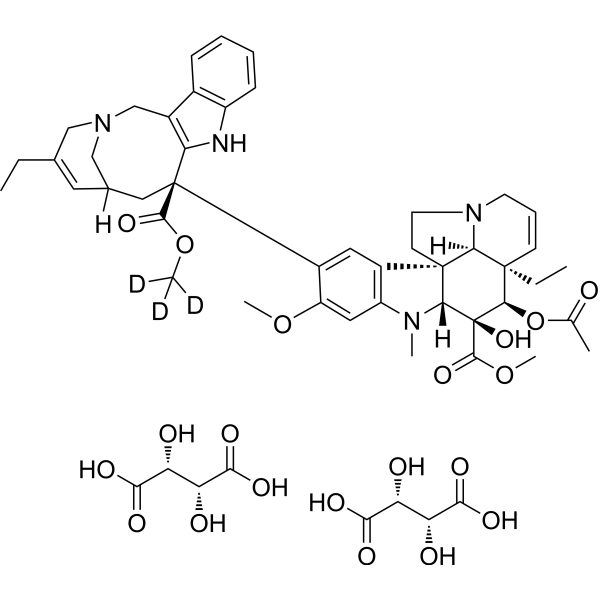
Cat. No.: HY-12053AS
Purity:  ≥98.0%
Synonyms: KW-2307-d3 ditartrate; Nor-5'-anhydrovinblastine-d3 ditartrate
Vinorelbine-d3 (ditartrate) is the deuterium labeled Vinorelbine ditartrate. Vinorelbine (ditartrate) is an anti-mitotic agent which inhibits the proliferation of Hela cells with IC50 of 1.25 nM.
loading...
    loading...
2
2 Cited Publications
Cat. No.: HY-129084
CAS No.: 111755-76-1
Purity:  98.85%
Research Areas:  

Others

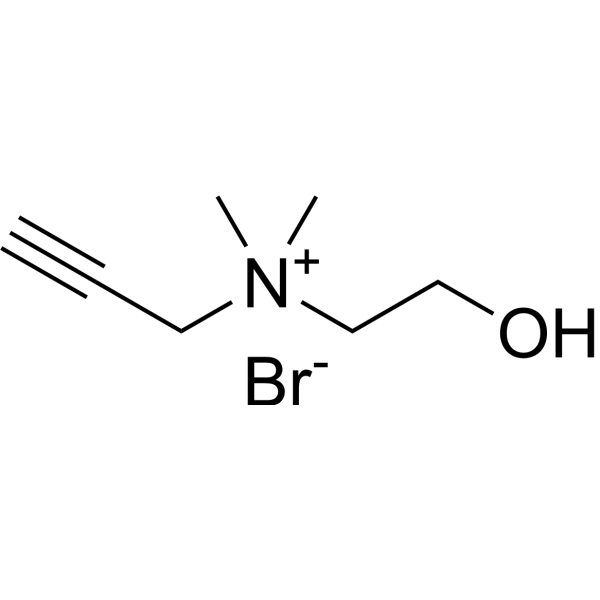
Propargylcholine bromide is a choline analogue containing terminal propargyl that can be incorporated into all classes of Choline-containing phospholipids such as phosphatidylcholine and sphingomyelin, labeling Choline-containing phospholipids. Propargylcholine bromide-labeled phospholipid molecules can be visualized in cells with high sensitivity and spatial resolution. Propargylcholine bromide can be used as a molecular tool to study the biochemical and metabolic processes of Choline-containing phospholipids in cells . Propargylcholine (bromide) is a click chemistry reagent, it contains an Alkyne group and can undergo copper-catalyzed azide-alkyne cycloaddition (CuAAc) with molecules containing Azide groups.
loading...
    loading...
2
2 Cited Publications
Cat. No.: HY-D1617
CAS No.: 144672-74-2
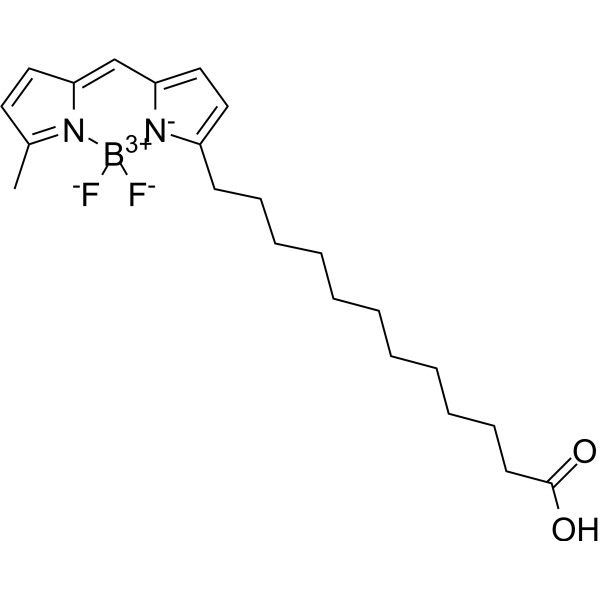
BODIPY 500/510 C1, C12 is a BODIPY dye. BODIPY dye is a small molecule dye with strong ultraviolet absorption ability, its fluorescence peak is relatively sharp, and the quantum yield is high. They are relatively insensitive to the polarity and pH of the environment and are relatively stable under different physiological conditions. Due to its structural asymmetry, BODIPY derives a variety of structural products. BODIPY lipid droplet dyes can well pass through the cell membrane into the cell, and localize the neutral lipids in the cell to specifically stain the lipid droplets, which can be used for labeling of live cells and fixed cells . Maximum excitation/emission wavelength: 500/510 nm . Protect from light, stored at -20°C.
loading...
    loading...
2
2 Cited Publications
Cat. No.: HY-156404
CAS No.: 1449483-78-6
Purity:  99.04%
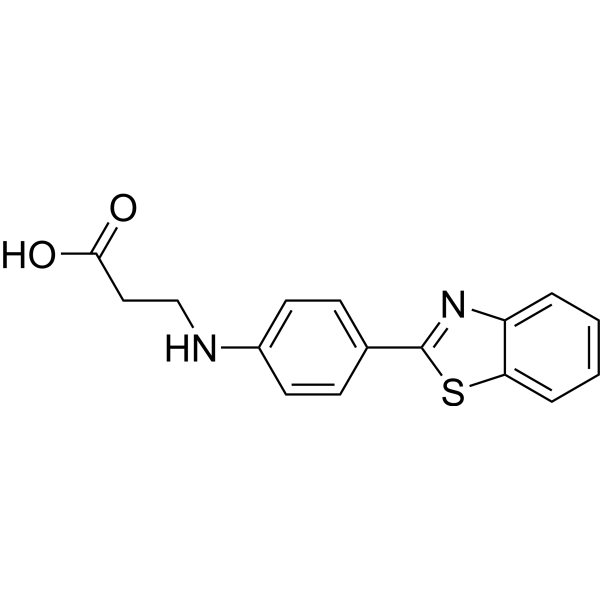
PM-1, a derivative of Thioflavin-T (ThT; HY-D0218), is a small but highly specific plasma membrane (PM) fluorescent dye for specific and long-time membrane imaging of living and fixed cells. PM-1 is embedded directly into the cell membrane and exhibits a very long retention time on the plasma membrane with a half-life of approximately 15 h. PM-1 can be used in combination with protein labeling probes to study ectodomain shedding and endocytosis processes of cell surface proteins .
loading...
    loading...
2
2 Cited Publications
Cat. No.: HY-Y1213S
CAS No.: 14762-74-4
Carbon- 13C is the 13C labeled Carbon (HY-Y1213). Carbon possesses unique physicochemical properties such as electrical and structural characteristics, making it a core material in the field of fuel cells. Carbon also serves as a pharmaceutical excipient and can be used in the synthesis of other compounds .
loading...
    loading...
2
2 Cited Publications
Cat. No.: HY-119437
CAS No.: 1481401-71-1
Purity:  99.75%
Target:  

Estrogen Receptor/ERR

Research Areas:  

Cancer

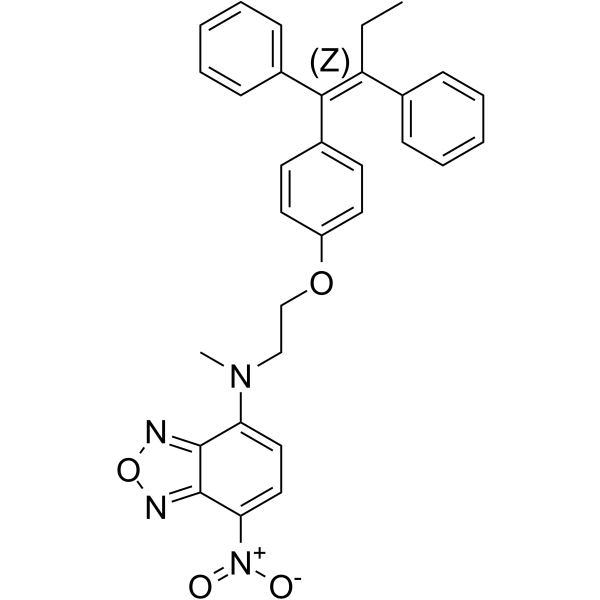
FLTX1 is a fluorescent Tamoxifen derivative that can specifically label intracellular Tamoxifen-binding sites (estrogen receptors) under permeabilized and non-permeabilized conditions. FLTX1 exhibits the potent antiestrogenic properties of Tamoxifen in breast cancer cells. FLTX1 is devoid of the estrogenic agonistic effect on the uterus .
loading...
    loading...
2
2 Cited Publications
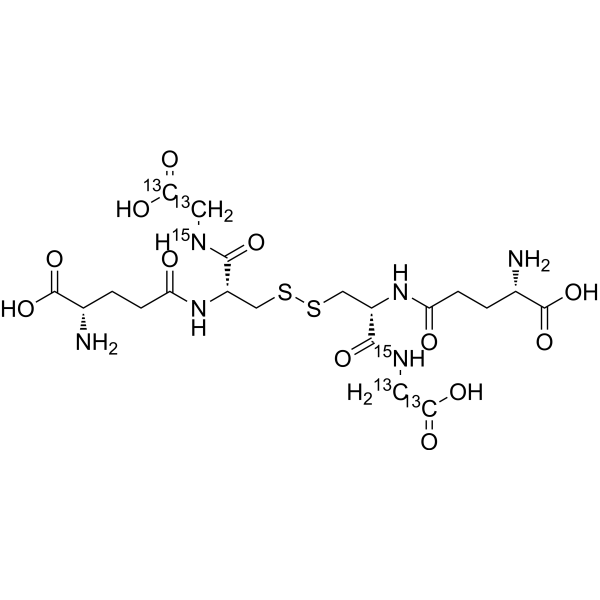
Cat. No.: HY-D0844S
CAS No.: 1416898-83-3
Synonyms: L-Glutathione oxidized-13C4,15N2; GSSG-13C4,15N2; Oxiglutatione-13C4,15N2
Glutathione oxidized- 13C4, 15N2 is the 13C and 15N labeled Glutathione oxidized (HY-D0844). Glutathione oxidized is produced by the oxidation of glutathione. Detoxification of reactive oxygen species is accompanied by production of glutathione oxidized. Glutathione oxidized can be used for the research of sickle cells and erythrocytes .
loading...
    loading...
2
2 Cited Publications
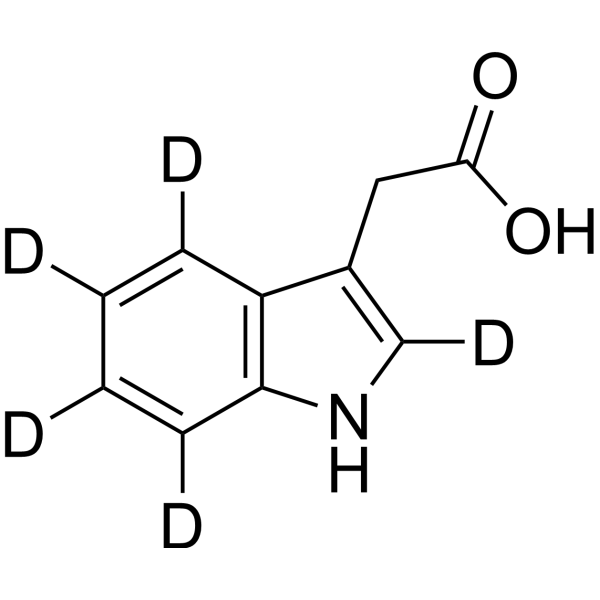
Cat. No.: HY-18569S
CAS No.: 76937-78-5
Synonyms: Indole-3-acetic acid-d5; 3-IAA-d5
3-Indoleacetic acid-d5 (Indole-3-acetic acid-d5) is the deuterated-labeled 3-Indoleacetic acid (HY-18569). 3-Indoleacetic acid is is an IAA hormone and growth regulator that can promote plant nutritional growth through processes such as cell expansion, differentiation, morphogenesis, and organogenesis .
loading...
    loading...
2
2 Cited Publications
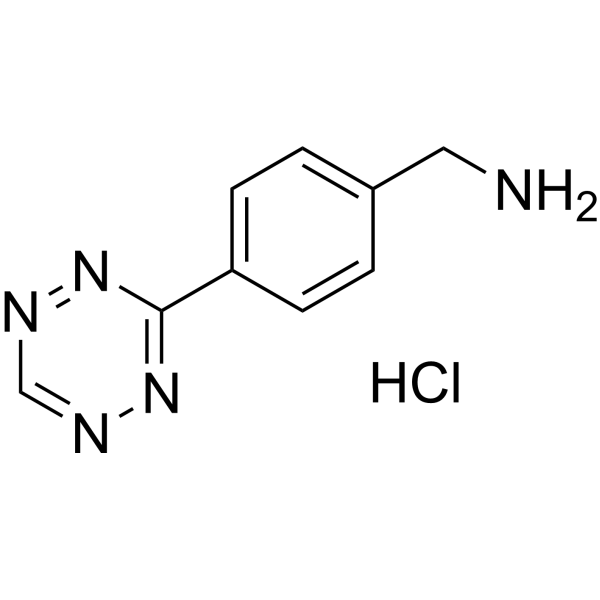
Cat. No.: HY-W053709A
CAS No.: 1416711-59-5
Synonyms: (4-(1,2,4,5-Tetrazin-3-yl)phenyl)methanamine (monohydrochloride); Tetrazine-NH2 monohydrochloride
Research Areas:  

Cancer

Tetrazine-Amine monohydrochloride is the monohydrochloride form of Tetrazine-Amine (HY-W053709). Tetrazine-amine is a Tetrazine linker that can be used to covalently label living cells by cycloaddition . Tetrazine-Amine (monohydrochloride) is a click chemistry reagent, it contains a Tetrazine group that can undergo an inverse electron demand Diels-Alder reaction (iEDDA) with molecules containing TCO groups.
loading...
    loading...
2
2 Cited Publications
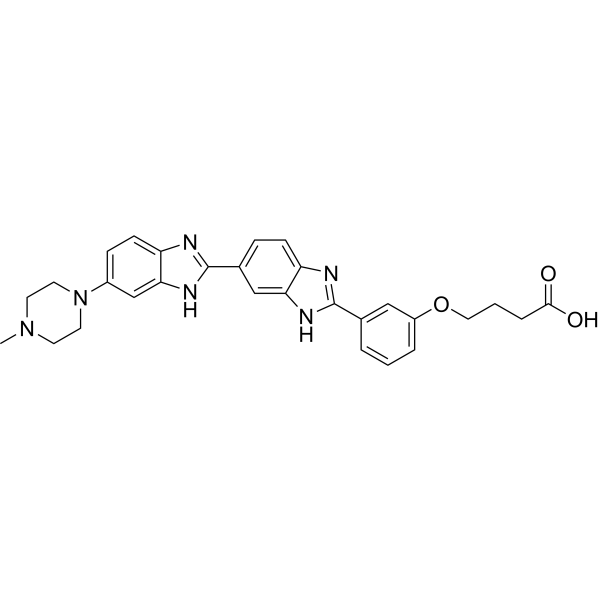
Cat. No.: HY-15623
CAS No.: 258843-62-8
Purity:  99.96%
Hoechst 33258 analog is a marker dye in Hoechst series. Hoechst is A live nuclear marker dye. Hoechst binds to the grooves in the DNA double strand, which tends to be A/ T-rich DNA strand. Although it binds to all nucleic acids, the A/ T-rich double strand DNA significantly enhances fluorescence intensity Therefore,Hoechst dye can be used for living cell labeling. The fluorescence intensity of Hoechst dye increases with the increase of pH of solution .
loading...
    loading...
2
2 Cited Publications
Cat. No.: HY-113439S
CAS No.: 2525175-25-9
Purity:  ≥98.0%
Target:  

Apoptosis

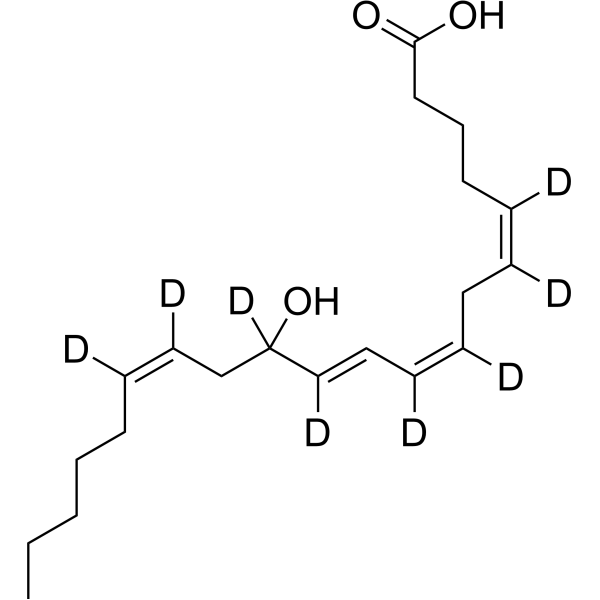
12-HETE-d8 is the deuterium labeled 12-HETE. 12-HETE, a major metabolic product of arachidonic acid using 12-LOX catalysis, inhibits cell apoptosis in a dose-dependent manner. 12-HETE promotes the activation and nuclear translocation of NF-κB through the integrin-linked kinase (ILK) pathway .12-HETE has both anti-thrombotic and pro-thrombotic effects . 12-HETE is a neuromodulator .
loading...
    loading...
2
2 Cited Publications
Cat. No.: HY-141140
CAS No.: 69075-42-9
Purity:  98.19%
Synonyms: 5-EU
Research Areas:  

Others

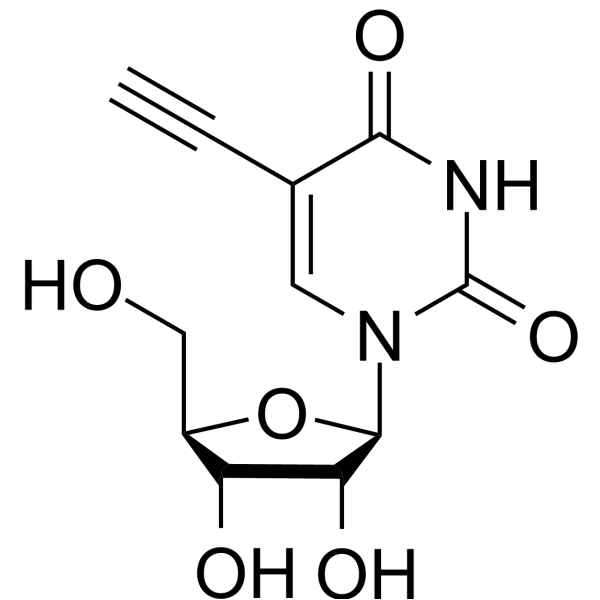
5-Ethynyluridine (5-EU) is a potent cell-permeable nucleoside can be used to label newly synthesized RNA. 5-Ethynyluridine can be used for isolation and sequencing of nascent RNA from neuronal populations in vivo. 5-Ethynyluridine can be used to identify changes in transcription in vivo in nervous system disease models . 5-Ethynyluridine is a click chemistry reagent, it contains an Alkyne group and can undergo copper-catalyzed azide-alkyne cycloaddition (CuAAc) with molecules containing Azide groups.
loading...
    loading...
2
2 Cited Publications
Cat. No.: HY-141637
CAS No.: 29702-43-0
Purity:  99.89%
Synonyms: 2-Fluoro-2-deoxy-D-glucose; 2-Deoxy-2-fluoro-D-glucopyranose; Fluorodeoxyglucose
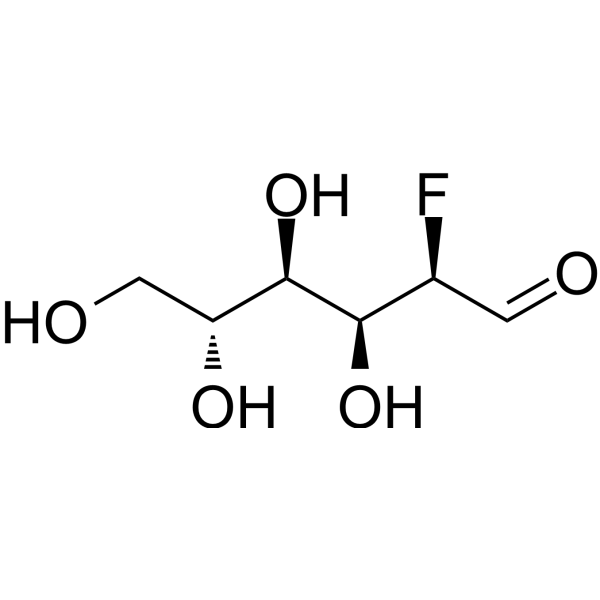
2-Deoxy-2-fluoro-D-glucose (2-Fluoro-2-deoxy-D-glucose) is a glucose analog that can be absorbed by cells. 2-Deoxy-2-fluoro-D-glucose is capable of being labelled with 18F for positron emission tomography (PET) imaging. 18F-2-Deoxy-2-fluoro-D-glucose can be used to detect breast cancer and gastric cancer .
loading...
    loading...

