1297 Results for "

cell lines

" in MedChemExpress (MCE) Product Catalog:
Products (1297)

1297 Results for "cell lines" in MCE Product Catalog:

Cat. No.: HY-172581
CAS No.: 1862226-99-0
Research Areas:  

Cancer

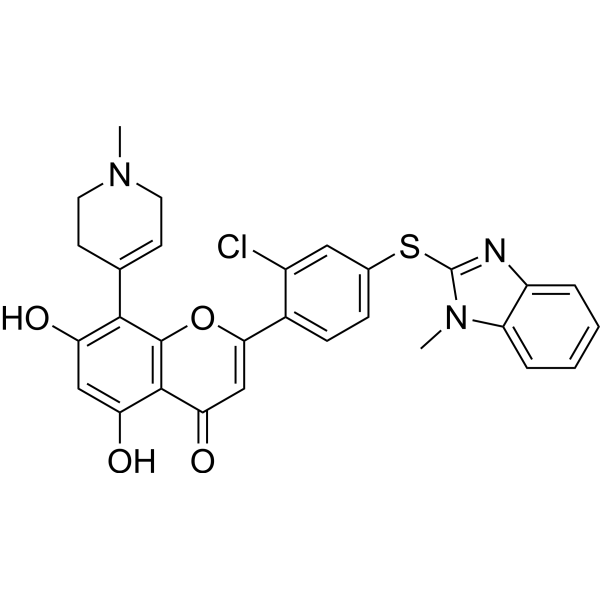
Clifutinib is an orally active and selective internal tandem duplication mutation of FMS-like tyrosine kinase 3 (FLT3-ITD) inhibitor with an IC50 value of 15.1 nM. Clifutinib exerts strong antiproliferative effects on FLT3-ITD acute myeloid leukemia (AML) cell lines (MV-4-11: IC50 = 1.5 nM; MOLM-13: IC50 = 1.4 nM). Clifutinib inhibits the activity of FLT3-ITD kinase and blocks the downstream RAS/MAPK, PI3K/AKT, and JAK/STAT5 signaling pathways of FLT3. Clifutinib induces apoptosis of acute myeloid leukemia (AML) cells with FLT3-ITD mutations. Clifutinib demonstrates significant antitumor efficacy in mice bearing MV-4-11 or MOLM-13 xenografts. Clifutinib is promising for research of relapsed/refractory FLT3-ITD-positive acute myeloid leukemia .
loading...
    loading...
Cat. No.: HY-173679
CAS No.: 2569517-30-0
Research Areas:  

Infection Cancer

RBN012811 is a highly selective PROTAC-based PARP14 degrader. RBN012811 forms a ternary complex with cereblon by binding to the NAD + site of PARP14, and mediates the specific degradation of PARP14 via the ubiquitin-proteasome pathway (IC50=10 nM). RBN012811 effectively depletes endogenous PARP14 in various cell lines and primary human macrophages, thereby downregulating IL-10 production and IFN-β mRNA levels, increasing phosphorylated STAT1 levels to enhance inflammatory signaling, and inhibiting interferon-induced ADPr condensate formation. RBN012811 also modulates viral replication, exhibiting increased HSV1 replication while reducing VSV replication. RBN012811 has important application value in research related to cancer and viral infections .
loading...
    loading...
Cat. No.: HY-179021
CAS No.: 1860810-23-6
Target:  

COX Lipoxygenase

Research Areas:  

Cancer

COX-2/15-LOX-IN-7 is a potent, selective and orally active dual inhibitor of COX-2 and 15-LOX with IC50 values of 0.022 and 1.19 μM. COX-2/15-LOX-IN-7 also inhibits COX-1 with an IC50 value of 28.081μM. COX-2/15-LOX-IN-7 has low cytotoxicity against human colorectal cancer HT-29 and HCT116 cell lines (IC50 >100 μM for both). COX-2/15-LOX-IN-7 exhibits non-ulcerogenic performance. COX-2/15-LOX-IN-7 can be used for the research of cancer .
loading...
    loading...
Cat. No.: HY-179558
Research Areas:  

Cancer

MS1-96 is an orally active PD-L1 (programmed death-ligand 1) molecular glue degrader. MS1-96 effectively reduced PD-L1 protein levels across multiple colorectal cancer (CRC) cell lines. MS1-96 directly binds to PD-L1 (KD = 2.58 μM) and enhances the interaction between HIP1R and PD-L1, thereby altering the intracellular trafficking of PD-L1 within clathrin-coated vesicles. MS1-96 induces abnormal N-glycosylation of PD-L1, destabilizing the protein and hastening its lysosome-mediated degradation. MS1-96 can be used for the study of colorectal cancer .
loading...
    loading...
Cat. No.: HY-B1422R
CAS No.: 90-45-9
Synonyms: Aminacrine (Standard)
9-Aminoacridine (Standard) is the analytical standard of 9-Aminoacridine. This product is intended for research and analytical applications. 9-Aminoacridine, a fluorescent probe, acts as an indicator of pH for quantitative determination of transmembrane pH gradients (inside acidic). 9-Aminoacridine is an antimicrobial. 9-Aminoacridine exerts its antimicrobial activity by interacting with specific bacterial DNA and disrupting the proton motive force in K. pneumoniae. 9-Aminoacridine is a HIV-1 inhibitor and inhibits HIV LTR transcription highly dependent on the presence and location of the amino moiety. 9-Aminoacridine inhibits virus replication in HIV-1 infected cell lines. 9-Aminoacridine is used as a Rifampin (RIF; HY-B0272) adjuvant for the multidrug-resistant K. pneumoniae infections .
loading...
    loading...
Cat. No.: HY-B1422S
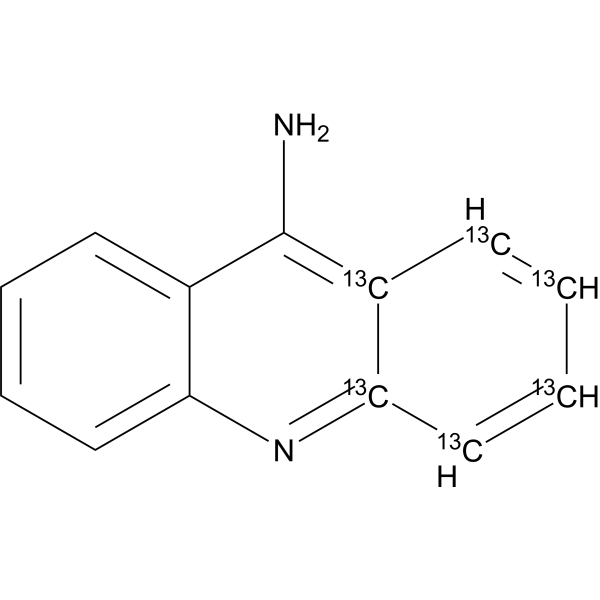
Synonyms: Aminacrine-13C6
9-Aminoacridine-13C6 is the 13C-labeled 9-Aminoacridine(HY-B1422). 9-Aminoacridine, a fluorescent probe, acts as an indicator of pH for quantitative determination of transmembrane pH gradients (inside acidic). 9-Aminoacridine is an antimicrobial. 9-Aminoacridine exerts its antimicrobial activity by interacting with specific bacterial DNA and disrupting the proton motive force in K. pneumoniae. 9-Aminoacridine is a HIV-1 inhibitor and inhibits HIV LTR transcription highly dependent on the presence and location of the amino moiety. 9-Aminoacridine inhibits virus replication in HIV-1 infected cell lines. 9-Aminoacridine is used as a Rifampin (RIF; HY-B0272) adjuvant for the multidrug-resistant K. pneumoniae infections .
loading...
    loading...
Cat. No.: HY-N2081R
CAS No.: 83-95-4
Skimmianine (Standard) is the analytical standard of Skimmianine. This product is intended for research and analytical applications. Skimmianine is an orally active furoquiniline alkaloid present mainly in the Rutaceae family. Skimmianine has analgesic, antispastic, sedative, and anti-inflammatory properties. Skimmianine inhibits acetylcholinesterase (AChE) (IC50 = 8.6 μg/mL). Skimmianine exhibits cytotoxicity against a variety of cancer cell lines and genotoxicity. Skimmianine has antioxidant and anti-inflammatory effects on ischemia-reperfusion (IR) injury. Skimmianine exerts anti-inflammatory effects through activation of the phosphatidylinositol-3-kinase (PI3K)-protein kinase B (AKT) pathway. Skimmianine is neuroprotective by targeting the NF-κB activation pathway to prevent neuroinflammation. Skimmianine inhibits the release of histamine, intracellular Ca 2+ signaling and protein kinase C signaling .
loading...
    loading...
Cat. No.: HY-151375
CAS No.: 2423045-06-9
Target:  

CDK

Research Areas:  

Cancer

CDK9/10/GSK3β-IN-1 (compound 13c) is a kinase inhibitor (Flavopiridol (HY-10005) analogue) that effectively inhibits HsGSK3β (IC50=59 nM), HsCDK9/CyclinT (IC50=64 nM), HsCDK5/p25 (IC50=1.093 μM) and HsCDK2/CyclinA (IC50=1.725 μM). CDK9/10/GSK3β-IN-1 has anti-cancer cellular activity comparable to or higher than that of Flavopiridol. CDK9/10/GSK3β-IN-1 shows high anti-proliferative activity in vitro against up to seven cancer cell lines .
loading...
    loading...
Cat. No.: HY-172877
Research Areas:  

Cancer

EGFR/BRAFV600E-IN-5 (Compound 7I) is a dual BRAFV600E/EGFR inhibitor with IC50 of 0.048 μM and 0.037 μM, respectively. EGFR/BRAFV600E-IN-5 has significant anti-melanoma activity with IC50 of 3.16 μM and 2.50 μM against MALME-3M and LOX-IMVI cell lines, respectively. EGFR/BRAFV600E-IN-5 exerts anti-tumor effects by inducing G1 arrest, inhibiting DNA synthesis, and activating the mitochondrial apoptosis pathway. EGFR/BRAFV600E-IN-5 can be used for melanoma research, especially for combined inhibition of BRAFV600E mutation and EGFR signaling pathway .
loading...
    loading...
Cat. No.: HY-172886
CAS No.: 3067572-78-2
Research Areas:  

Cancer

PI3K-IN-58 (Compound 17f) is a PI3Kα inhibitor (IC50: 0.039 μM). PI3K-IN-58 exhibits significant antiproliferative effects on PC-3, 22RV1, MDA-MB-231 and MDA-MB-453 cell lines with IC50s of 3.48 μM, 1.06 μM, 2.21 μM and 0.93 μM, respectively. PI3K-IN-58 induces apoptosis by downregulating the expression levels of anti-apoptotic proteins Bcl-XL and Bcl-2 and upregulating the expression of anti-apoptosis protein BAX. PI3K-IN-58 can be used in PI3K-targeted cancer research .
loading...
    loading...
Cat. No.: HY-181086
CAS No.: 2864394-30-7
Research Areas:  

Cancer

FLT3/HDAC-IN-3 is a dual inhibitor of FLT3 and HDAC. FLT3/HDAC-IN-3 potently inhibits FLT3 (IC50 = 14 nM), HDAC1 (IC50 = 27 nM), HDAC6 (IC50 = 20 nM), and FLT3 D853Y (IC50 = 55 nM), exhibits weak activity against HDAC8, and shows no activity against HDAC4. FLT3/HDAC-IN-3 possesses kinase selectivity, plasma stability, and stability in human liver microsomes. FLT3/HDAC-IN-3 demonstrates anti-proliferative effects in a variety of hematological malignancy cell lines. FLT3/HDAC-IN-3 shows efficacy in the Jeko-1 xenograft model without observed significant toxicity. FLT3/HDAC-IN-3 can be used in the study of hematological malignancies .
loading...
    loading...
Cat. No.: HY-N12135
CAS No.: 1355450-84-8
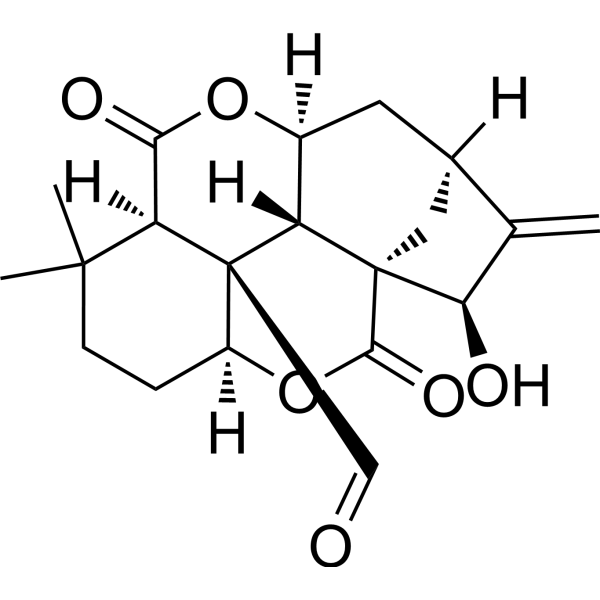
15α-Hydroxy-20-oxo-6,7-seco-ent-kaur-16-en-1,7α(6,11α)-diolide (compound 2) is an enantio-kaurene diterpenoid (ent -kaurene diterpenoid), which can be isolated from Rubescens rubescens. 15α-Hydroxy-20-oxo-6,7-seco-ent-kaur-16-en-1,7α(6,11α)-diolide has cellular activity against EC-1, U87, A549, MCF-7 and HeLa cell lines Toxicity, IC50s are 37.69 μM, 79.362 μM, 80.07 μM, 197.35 μM, 462.13 μM, and 180.09 μM respectively .
loading...
    loading...
Cat. No.: HY-189649
CAS No.: 3133922-71-8
Research Areas:  

Cancer

PI3K/HDAC-IN-5 is a dual PI3K/HDAC inhibitor. PI3K/HDAC-IN-5 inhibits PI3Kα, PI3Kβ, PI3Kγ, and PI3Kδ (IC50 values of 25.41, 134.52, 166.75, and 41.58 nM, respectively) and inhibits downstream PI3K/AKT signaling. PI3K/HDAC-IN-5 inhibits HDAC6, HDAC8, and HDAC11 (IC50 values of 29.35, 157.27, and 382.26 nM, respectively), increases α-tubulin and SMC3 acetylation, while not affecting histone H3/H4 acetylation. PI3K/HDAC-IN-5 induces S phase cell cycle arrest and apoptosis, and inhibits the proliferation of cervical cancer cell lines. PI3K/HDAC-IN-5 can be used for research on cervical cancer .
loading...
    loading...
Cat. No.: HY-N10423
CAS No.: 18423-69-3
Synonyms: (-)-Cubebin
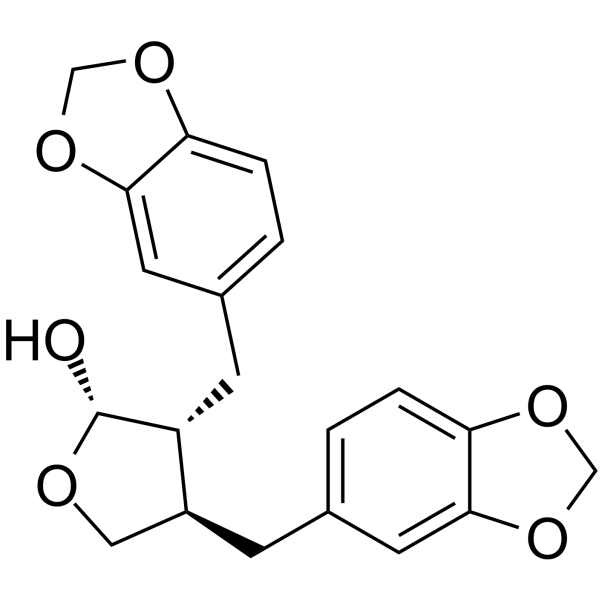
Cubebin ((-)-Cubebin), a dibenzyl butyrolactone lignan, is an orally active AChE inhibitor. Cubebin binds to active sites of NF-κB, TNF-α, and TGF-β1 via hydrogen and hydrophobic interactions, obstructing critical residues to inhibit pro-inflammatory or renal fibrosis-related activity. Cubebin enhances p38 MAPK phosphorylation to increase tyrosinase gene expression, stimulating melanogenesis via elevated tyrosinase activity, expression, and mRNA levels. Cubebin reduces oxidative stress via enhanced endogenous antioxidant enzyme activity and inhibited lipid peroxidation, regulates lipid metabolism, improves glycemic control, and exerts renoprotective effects via reduced renal dysfunction markers and improved renal architecture. Cubebin shows antimicrobial activity. Cubebin exerts larvicidal activity against Angiostrongylus cantonensis larvae, with no cytotoxicity toward monkey or human cell lines or Caenorhabditis elegans. Cubebin can be used for the research of diabetic nephropathy, melanoma, colon adenocarcinoma, neuroangiostrongyliasis, Alzheimer’s disease (AD) and depression .
loading...
    loading...
Cat. No.: HY-N10922
CAS No.: 878800-84-1
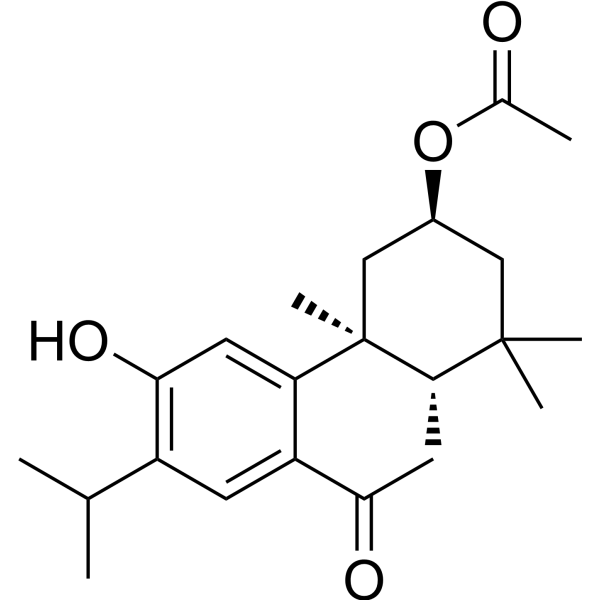
(3S,4aS,10aS)-3-(Acetyloxy)-2,3,4,4a,10,10a-hexahydro-6-hydroxy-1,1,4a-trimethyl-7-(1-methylethyl)-9(1H)-phenanthrenone (compound 3), a Palmitate, can be isolated from the root tissue of Salvia miltiorrhiza. (3S,4aS,10aS)-3-(Acetyloxy)-2,3,4,4a,10,10a-hexahydro-6-hydroxy-1,1,4a-trimethyl-7-(1-methylethyl)-9(1H)-phenanthrenone (compound 3) shows anti-cancer activity against human cancer cell lines with DC50s of 25.5 μg/mL (HeLa), 37.5 μg/mL (HepG2), 30.2 μg/mL (OVCAR-3), respectively .
loading...
    loading...
Cat. No.: HY-W154247
CAS No.: 103313-38-8
Target:  

Bacterial

Research Areas:  

Infection

IP6C is a specific inhibitor and phage sensitizer targeting type II Thoeris systems. IP6C competitively binds to histidine in the catalytic pocket of ThsB, blocks the production of the His-ADPR alarm signal and inhibits ThsA activation, thereby relieving bacterial stasis of phage replication. IP6C selectively resensitizes drug-resistant bacteria carrying type II Thoeris systems (such as Pseudomonas aeruginosa) to phage lysis, without affecting other bacteria, and shows no toxicity to mice and human cell lines. IP6C significantly improves the survival rate of infected mice, and can be used to overcome bacterial phage defense mechanisms and study Pseudomonas aeruginosa infections .
Thoeris system: (named after the Egyptian goddess of fertility and protection), is a widespread anti-phage immune defense system in bacteria and archaea. Thoeris system belongs to the "Abortion Infection (Abi)" mechanism of bacteria: when an individual bacterium detects phage invasion, it initiates a suicide program and dies, thereby blocking phage replication and spread, and protecting the surrounding bacterial population from infection.
loading...
    loading...
Cat. No.: HY-172889
CAS No.: 3085191-45-0
Target:  

PI3K HDAC Apoptosis mTOR Akt

Research Areas:  

Cancer

PI3K/HDAC-IN-4 (Compound 31f) is a PI3K/HDAC dual inhibitor (IC50: 0.2μM). PI3K/HDAC-IN-4 shows high selectivity for HDAC1-3 (IC50 values of 75.5 nM, 70.9 nM, and 1.9 nM, respectively). PI3K/HDAC-IN-4 is a potent PIK3 inhibitor with IC50 values of 2.5 nM, 80.5 nM, 10.0 nM, and 57.2 nM for PI3Kα, β, δ, and γ, respectively. PI3K/HDAC-IN-4 significantly induces tumor cell apoptosis by simultaneously inhibiting the PI3K/AKT/mTOR signaling pathway and HDAC1-3. PI3K/HDAC-IN-4 exhibits potent antiproliferative activity in a variety of tumor cell lines (e.g., MV4-11, Jeko-1, HL60, and MCF-7, with IC50 values of 0.2, 0.9, 0.8, and 1.5 μM, respectively). PI3K/HDAC-IN-4 can be used in the study of lymphoma and leukemia .
loading...
    loading...

