687 Results for "

Endogenous metabolite

" in MedChemExpress (MCE) Product Catalog:
Products (687)

687 Results for "Endogenous metabolite" in MCE Product Catalog:

35
35 Publications Verification
Cat. No.: HY-D0886
CAS No.: 13408-09-8
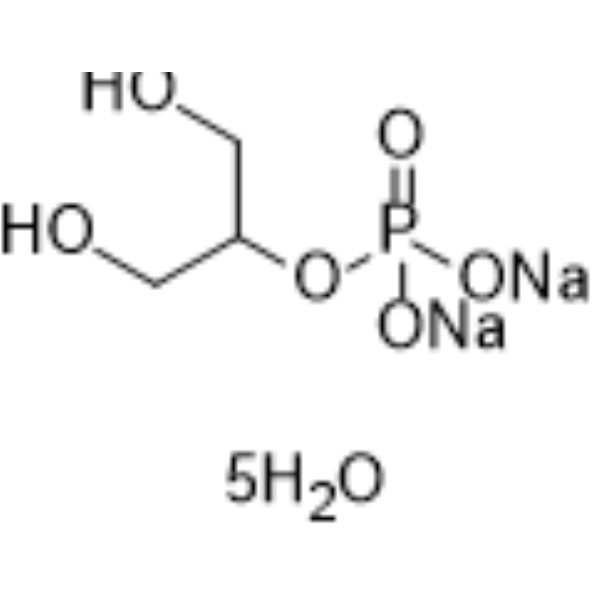
β-Glycerophosphate disodium salt pentahydrate is a bioactive endogenous metabolite and a phosphatase inhibitor. β-Glycerophosphate disodium salt pentahydrate plays an important role in inducing and maintaining osteoblast differentiation, mineral metabolism and signal transduction, and can be used as a drug carrier to form heat-sensitive hydrogels. β-Glycerophosphate disodium salt hydrate accelerates the calcification of vascular smooth muscle cells .
loading...
    loading...
35
35 Publications Verification
Cat. No.: HY-126304
CAS No.: 154804-51-0
Purity:  ≥98.0%
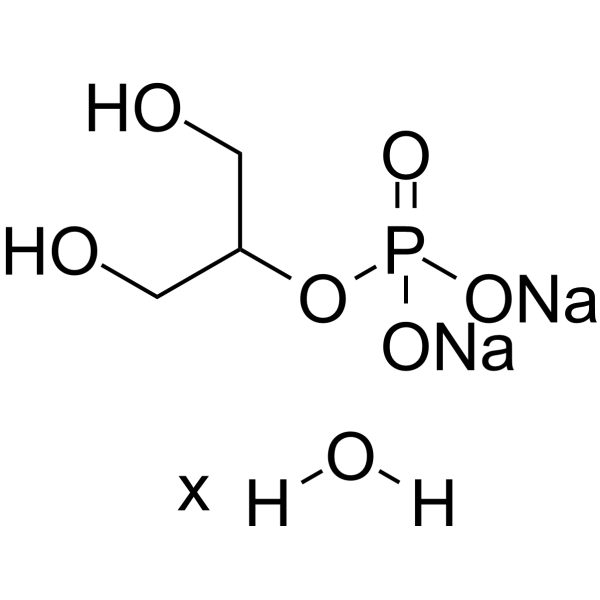
β-Glycerophosphate disodium salt pentahydrate is a bioactive endogenous metabolite and a phosphatase inhibitor. β-Glycerophosphate disodium salt pentahydrate plays an important role in inducing and maintaining osteoblast differentiation, mineral metabolism and signal transduction, and can be used as a drug carrier to form heat-sensitive hydrogels. β-Glycerophosphate disodium salt hydrate accelerates the calcification of vascular smooth muscle cells .
loading...
    loading...
33
33 Cited Publications
Cat. No.: HY-12033
CAS No.: 362-07-2
Purity:  99.76%
Synonyms: 2-ME2; NSC-659853
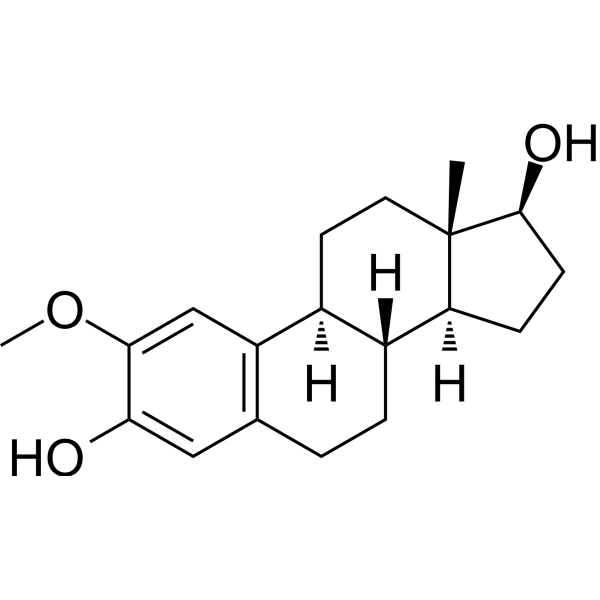
2-Methoxyestradiol (2-ME2), an orally active endogenous metabolite of 17β-estradiol (E2), is an apoptosis inducer and an angiogenesis inhibitor with potent antineoplastic activity. 2-Methoxyestradiol also destablize microtubules. 2-Methoxyestradio, also a potent superoxide dismutase (SOD) inhibitor and a ROS-generating agent, induces autophagy in the transformed cell line HEK293 and the cancer cell lines U87 and HeLa .
loading...
    loading...
28
28 Cited Publications
Cat. No.: HY-N0729
CAS No.: 60-33-3
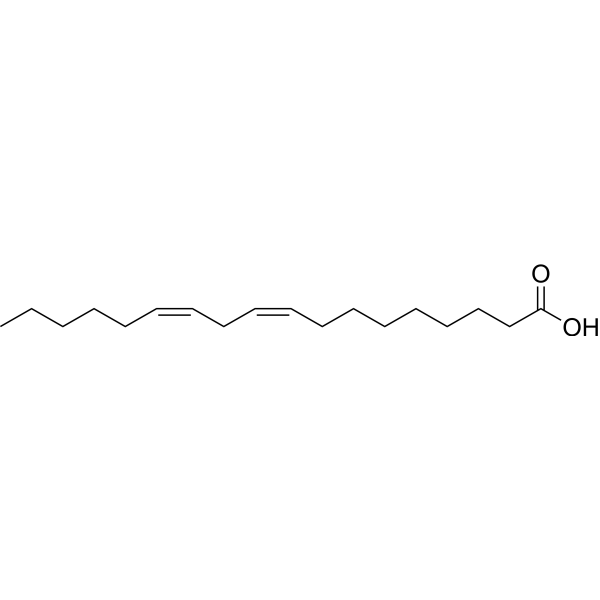
Linoleic acid is a common polyunsaturated (PUFA) found in plant-based oils, nuts and seeds. Linoleic acid is a part of membrane phospholipids, and functions as a structural component to maintain a certain level of membrane fluidity of the transdermal water barrier of the epidermis. Linoleic acid induces red blood cells and hemoglobin damage via oxidative mechanism .
loading...
    loading...
13
13 Cited Publications
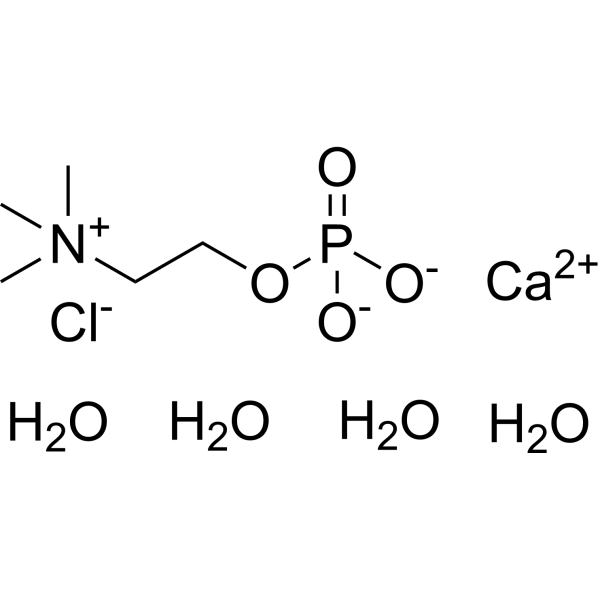
Cat. No.: HY-W011249
CAS No.: 72556-74-2
Phosphorylcholine chloride calcium salt tetrahydrate is an endogenous metabolite.
loading...
    loading...
13
13 Cited Publications
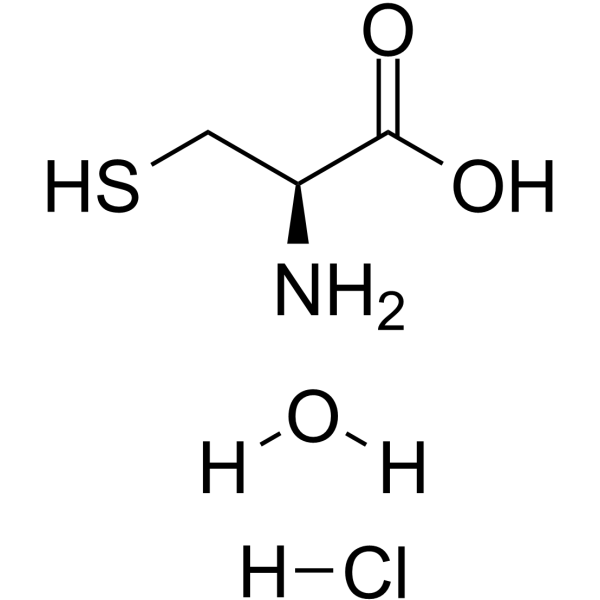
Cat. No.: HY-W016715
CAS No.: 7048-04-6
L-Cysteine hydrochloride hydrate is an orally active and essential amino acid, which acts as a precursor for biologically active molecules such as hydrogen sulphide (H2S), glutathione and taurine. L-Cysteine hydrochloride hydrate regulates CBS/H2S pathway, inhibits NF-κB activation and insulin and ghrelin secretion. L-Cysteine hydrochloride hydrate reduces blood sugar, vascular inflammation markers and appetite. L-Cysteine hydrochloride hydrate induces kidney damage. L-Cysteine hydrochloride hydrate can be used in the study of neurological diseases and diabetes .
loading...
    loading...
11
11 Cited Publications
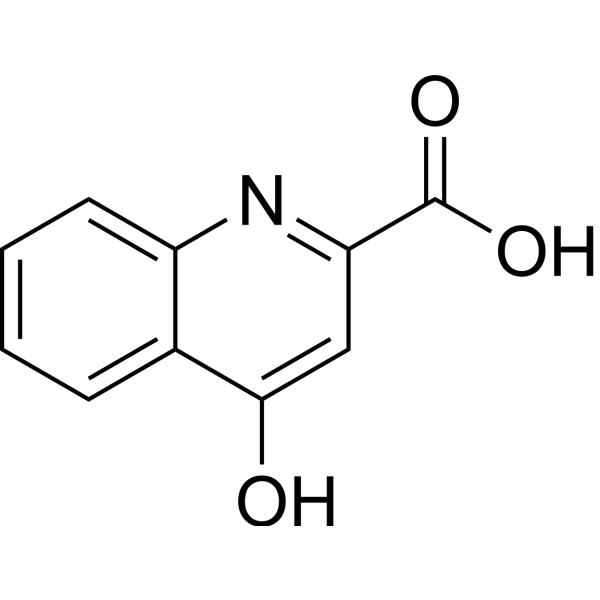
Cat. No.: HY-100806
CAS No.: 492-27-3
Purity:  99.21%
Synonyms: Quinurenic acid
Kynurenic acid, an endogenous tryptophan metabolite, is a broad-spectrum antagonist targeting NMDA, glutamate, α7 nicotinic acetylcholine receptor. Kynurenic acid is also an agonist of GPR35/CXCR8.
loading...
    loading...
11
11 Cited Publications
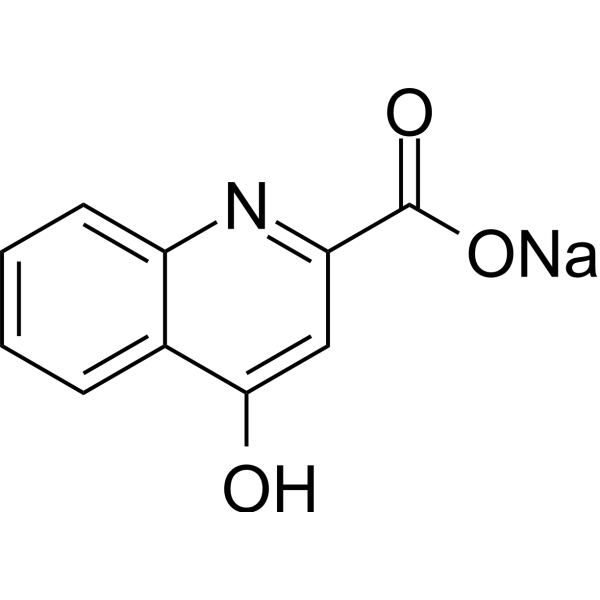
Cat. No.: HY-107512
CAS No.: 2439-02-3
Purity:  99.79%
Kynurenic acid sodium, an endogenous tryptophan metabolite, is a broad-spectrum antagonist targeting NMDA, glutamate, α7 nicotinic acetylcholine receptor. Kynurenic acid sodium is also an agonist of GPR35/CXCR8.
loading...
    loading...
8
8 Cited Publications
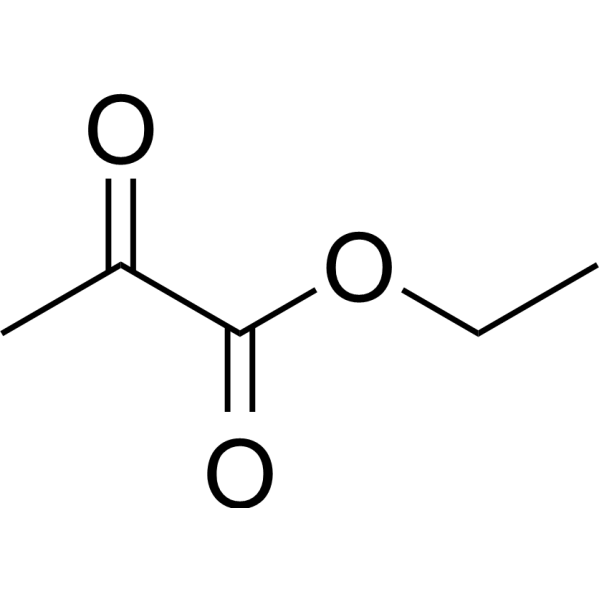
Cat. No.: HY-Y1362
CAS No.: 617-35-6
Ethyl pyruvate is a simple derivative of the endogenous metabolite pyruvate. Ethyl pyruvate is an HMGB1 release inhibitor. Ethyl pyruvate can induce apoptosis by autophagy. Ethyl pyruvate has anti-inflammatory, antioxidant and anti-tumor activity. Ethyl pyruvate can be used in the study of neurodegenerative diseases such as Alzheimer's and Parkinson's disease .
loading...
    loading...
7
7 Cited Publications
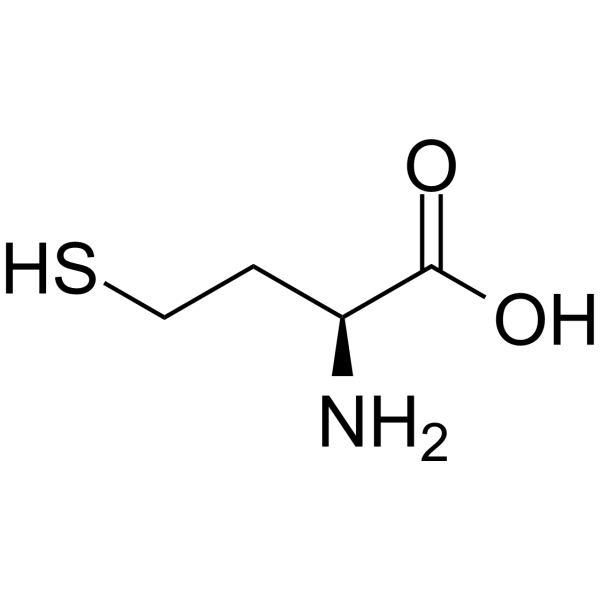
Cat. No.: HY-W010347
CAS No.: 6027-13-0
L-Homocysteine, an amino acid, is a homocysteine that has L configuration. Homocysteine is an essential intermediate in normal mammalian metabolism of methionine. L-Homocysteine induces upregulation of Cathepsin V that mediates vascular endothelial inflammation in hyperhomocysteinaemia .
loading...
    loading...
7
7 Cited Publications
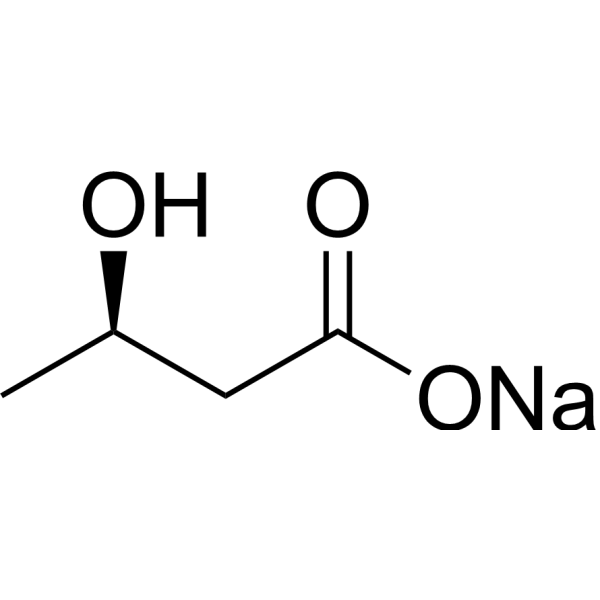
Cat. No.: HY-W015851
CAS No.: 13613-65-5
Synonyms: (R)-(-)-3-Hydroxybutanoic acid sodium; (R)-3-Hydroxybutyric acid sodium
(R)-3-Hydroxybutanoic acid ((R)-3-Hydroxybutyric acid) sodium is a metabolite converted from acetoacetic acid catalyzed by 3-hydroxybutyrate dehydrogenase. (R)-3-Hydroxybutanoic acid sodium can function as a nutrition source, and as a precursor for vitamins, antibiotics and pheromones .
loading...
    loading...
7
7 Cited Publications
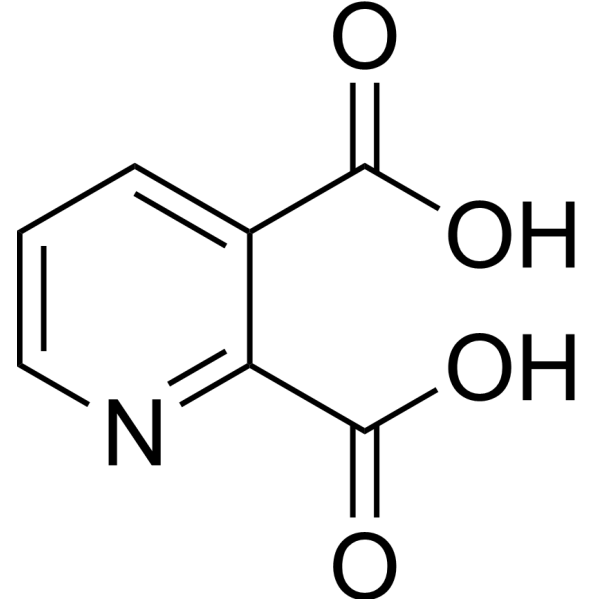
Cat. No.: HY-100807
CAS No.: 89-00-9
Purity:  99.85%
Quinolinic acid, an endogenous metabolite of tryptophan, is a N-methyl-D-aspartate receptor (NMDA receptor) agonist. Quinolinic acid increases glutamate efflux, induces the generation of ROS, activates nitric oxide synthase, produces excessive NO, leading to calcium ion influx and neuronal apoptosis .
loading...
    loading...
6
6 Cited Publications
Cat. No.: HY-113224
CAS No.: 313-04-2
Purity:  ≥98.0%
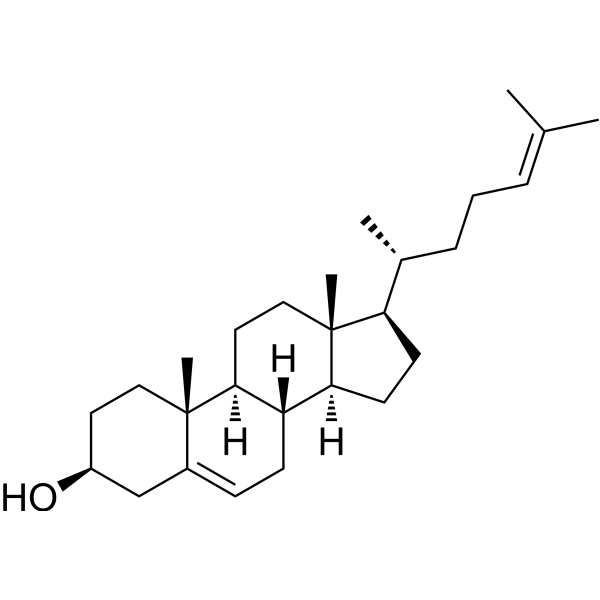
Desmosterol is a cholesterol-like molecule. In the Bloch pathway of cholesterol biosynthesis, Desmosterol is a direct precursor of cholesterol. As an endogenous metabolite, Desmosterol is used to study cholesterol metabolism . Desmosterol is an LXR activator and SREBP inhibitor, which can suppress macrophage inflammasome activation and prevent vascular inflammation and atherosclerosis. A reduction in Desmosterol promotes the production of mitochondrial reactive oxygen species (ROS) in macrophages and pyrin domain-dependent inflammasome activation of NLRP3. Desmosterol holds potential for research in inflammation, metabolism, and cardiovascular diseases .
loading...
    loading...
6
6 Cited Publications
Cat. No.: HY-135103
CAS No.: 145022-92-0
Purity:  98.60%
Synonyms: T-βMCA sodium
Target:  

FXR

Research Areas:  

Cancer

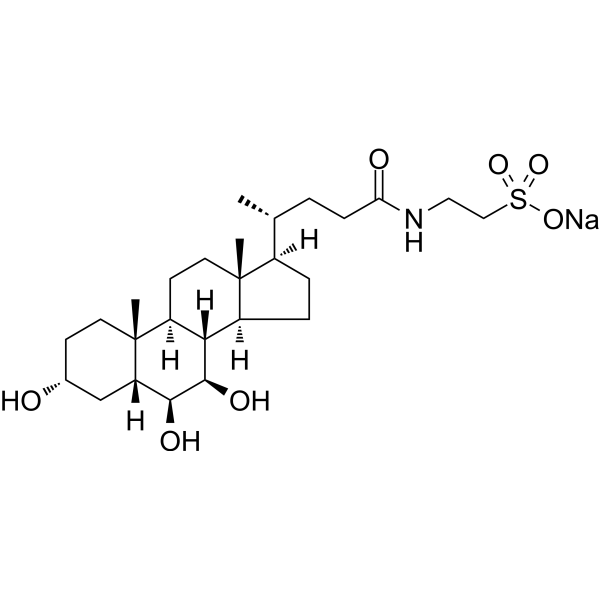
Tauro-β-muricholic Acid sodium (T-βMCA sodium), a endogenous metabolite, is a competitive and reversible farnesoid X receptor (FXR) antagonist, with an IC50 of 40 μM .
loading...
    loading...
4
4 Cited Publications
Cat. No.: HY-W016812
CAS No.: 50887-69-9
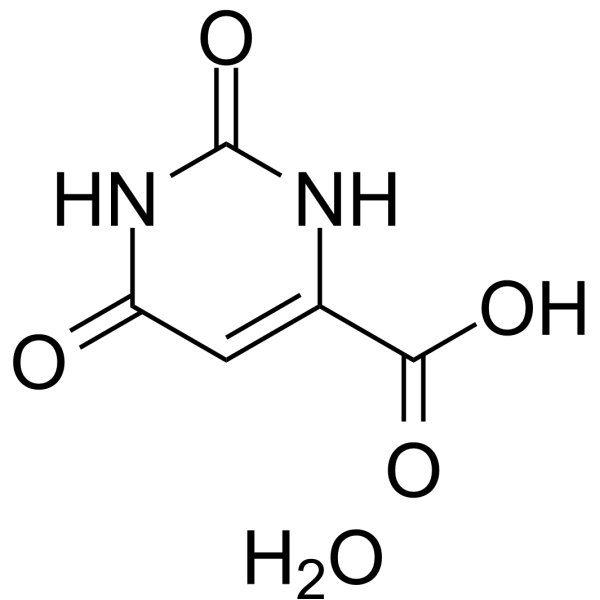
Orotic acid hydrate is an endogenous metabolite.
loading...
    loading...
4
4 Cited Publications
Cat. No.: HY-108213
CAS No.: 131-99-7
Purity:  99.81%
Synonyms: 5'-IMP; IMP; Inosine 5'-dihydrogen phosphate
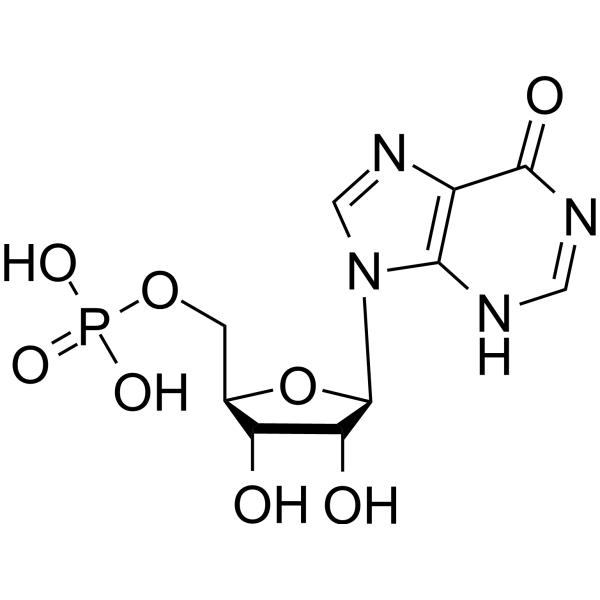
Inosinic acid is an endogenous metabolite. Inosinic acid is used as umami tastant, or as the dietary supplement to improve the yield and meat quality of pigs .
loading...
    loading...
4
4 Cited Publications
Cat. No.: HY-W014423
CAS No.: 5934-29-2
Synonyms: H-His-OH.HCl.H2O
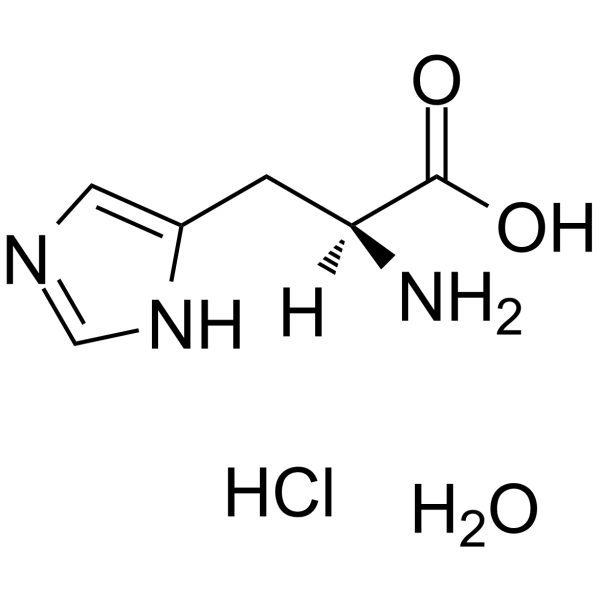
L-Histidine hydrochloride hydrate is an endogenous metabolite. L-Histidine hydrochloride hydrate scavenges hydroxyl radicals and singlet oxygen, regulate the absorption of zinc, copper and iron, exhibits anti-inflammatory and antioxidant activities. L-Histidine hydrochloride hydrate is blood brain barrier penetrable .
loading...
    loading...
4
4 Cited Publications
Cat. No.: HY-108213A
CAS No.: 352195-40-5
Purity:  99.57%
Synonyms: 5'-IMP disodiumhydrate(1:2:X); IMP disodiumhydrate(1:2:X); Inosine 5'-dihydrogen phosphate disodiumhydrate(1:2:X)
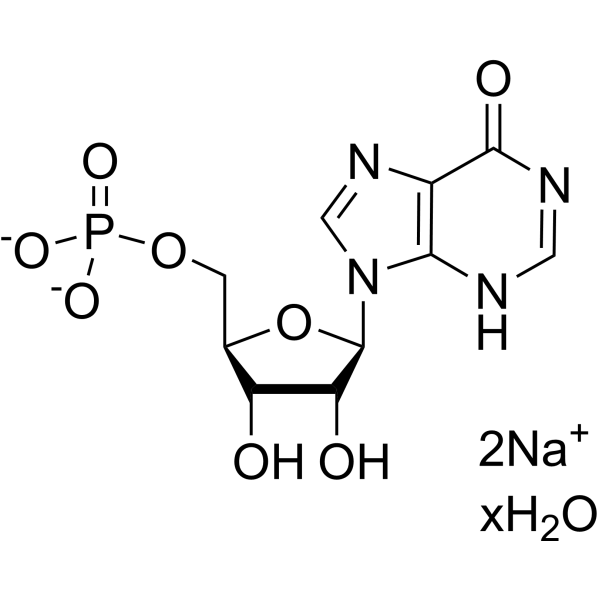
Inosinic acid (disodium)(hydrate)(1:2:X) (5'-IMP (disodium)(hydrate)(1:2:X)) is an endogenous metabolite. Inosinic acid (disodium)(hydrate)(1:2:X) is used as umami tastant, or as the dietary supplement to improve the yield and meat quality of pigs .
loading...
    loading...
4
4 Cited Publications
Cat. No.: HY-100807S
CAS No.: 138946-42-6
Purity:  99.90%
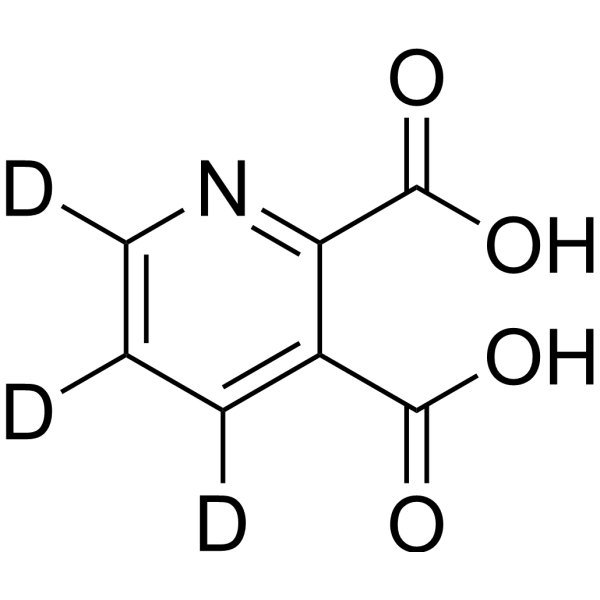
Quinolinic acid-d3 is the deuterium labeled Quinolinic acid. Quinolinic acid, an endogenous metabolite of tryptophan, is a N-methyl-D-aspartate receptor (NMDA receptor) agonist. Quinolinic acid increases glutamate efflux, induces the generation of ROS, activates nitric oxide synthase, produces excessive NO, leading to calcium ion influx and neuronal apoptosis.
loading...
    loading...
3
3 Cited Publications
Cat. No.: HY-116374
CAS No.: 474-74-8
Purity:  99.90%
Synonyms: Lithocholylglycine
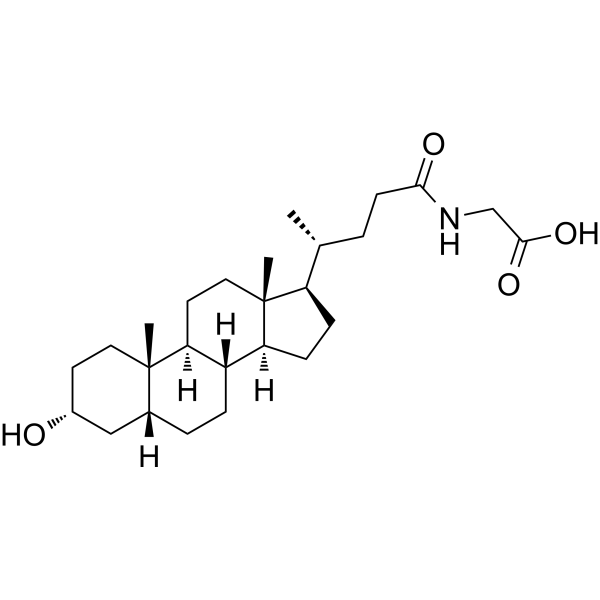
Glycolithocholic acid (Lithocholylglycine), an endogenous metabolite, is a glycine-conjugated secondary bile acid. Glycolithocholic acid can be used to diagnose ulcerative colitis (UC), non-alcoholic steatohepatitis (NASH) and primary sclerosing cholangitis (PSC) .
loading...
    loading...

