21 Results for "

Intracerebral Hemorrhage

" in MedChemExpress (MCE) Product Catalog:
Products (21)

21 Results for "Intracerebral Hemorrhage" in MCE Product Catalog:

38
38 Publications Verification
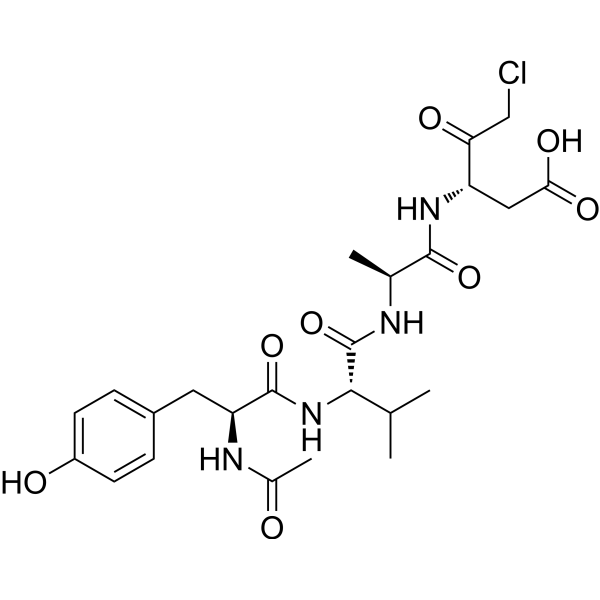
Cat. No.: HY-16990
CAS No.: 178603-78-6
Synonyms: Caspase-1 Inhibitor II
Target:  

Caspase

Research Areas:  

Inflammation/Immunology

Ac-YVAD-cmk (Caspase-1 Inhibitor II) is a selective caspase-1 (IL-1beta converting enzyme, ICE)) inhibitor with neuroprotective and anti-inflammatory effects. Ac-YVAD-cmk effectively suppresses the expression of IL-1β and IL-18. Ac-YVAD-cmk inhibits pyroptosis in many diseases .
loading...
    loading...
5
5 Cited Publications
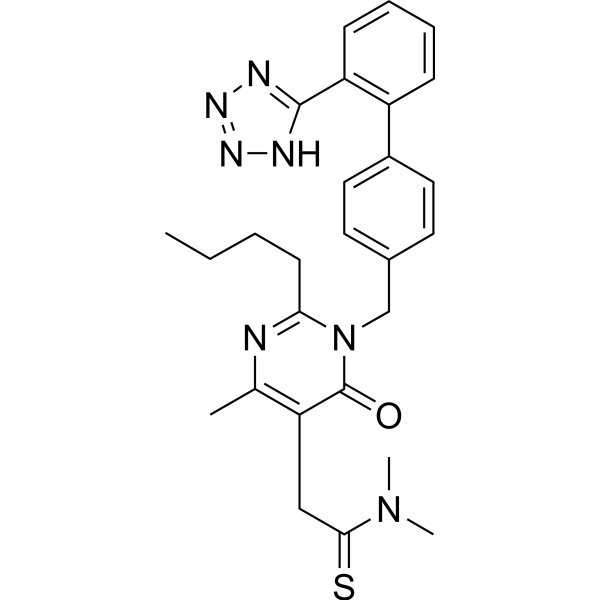
Cat. No.: HY-B0780
CAS No.: 247257-48-3
Synonyms: BR-A-657
Fimasartan (BRA-657) is an orally effective angiotensin receptor AT1 non-peptide antagonist. Fimasartan has antihypertensive effects. Fimasartan improves neuroinflammation and brain injury mediated by NLRP3 inflammatome after intracerebral hemorrhage, and has neuroprotective effect. Fimasartan inhibits the expression of inducible nitric oxide synthase through the inactivation of NF-κB and activator protein-1 .
loading...
    loading...
2
2 Cited Publications
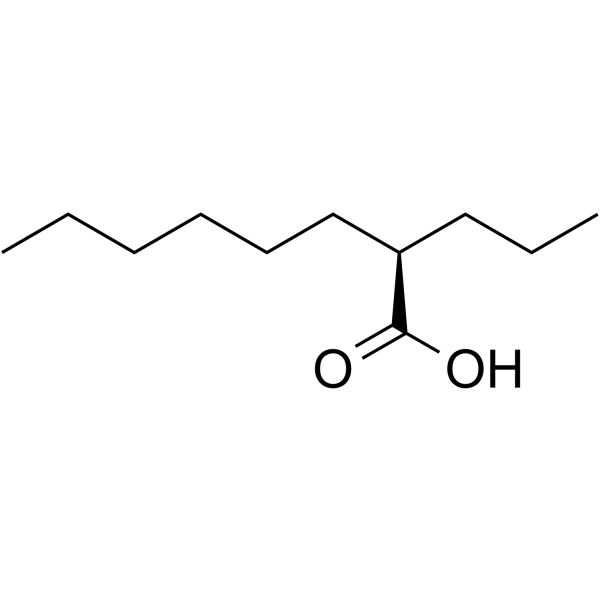
Cat. No.: HY-107661
CAS No.: 185517-21-9
Purity:  ≥98.0%
Synonyms: ONO-2506; (R)-2-Propyloctanoic acid
Target:  

ERK Akt NF-κB EAAT

Arundic Acid is an orally effective astrocyte function modulator and neuroprotective agent. Arundic Acid increases the expression and function of the astrocytic glutamate transporter EAAT1 by activating the ERK, Akt and NF-κB pathways. Arundic Acid attenuates retinal ganglion cell death in a normal-tension glaucoma model. Arundic Acid exerts neuroprotective effects in a mouse model of Parkinson's disease. Arundic Acid is a S100β protein synthesis inhibitor that prevents neurological deficits and brain tissue damage after intracerebral hemorrhage in rats. Arundic Acid downregulates neuroinflammation and astrocytic dysfunction after status epilepticus in immature rats. Arundic Acid is applicable to research related to Parkinson's disease, cerebral ischemia, glaucoma, intracerebral hemorrhage and epilepsy .
loading...
    loading...
2
2 Cited Publications
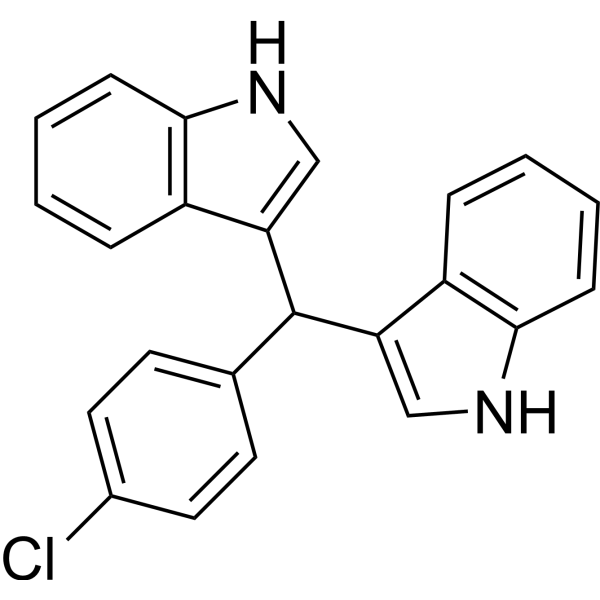
Cat. No.: HY-19808
CAS No.: 178946-89-9
Synonyms: DIM-C-pPhCl
C-DIM12 is a potent, orally active Nurr1 modulator. C-DIM12 inhibits the tumor growth and autophagy, and induces the cell apoptosis. C-DIM12 has anti-inflammatory and neuroprotective effects, and can be used for cancer and neurological disease study .
loading...
    loading...
1
1 Cited Publications
Cat. No.: HY-111914A
CAS No.: 14875-96-8
Purity:  99.70%
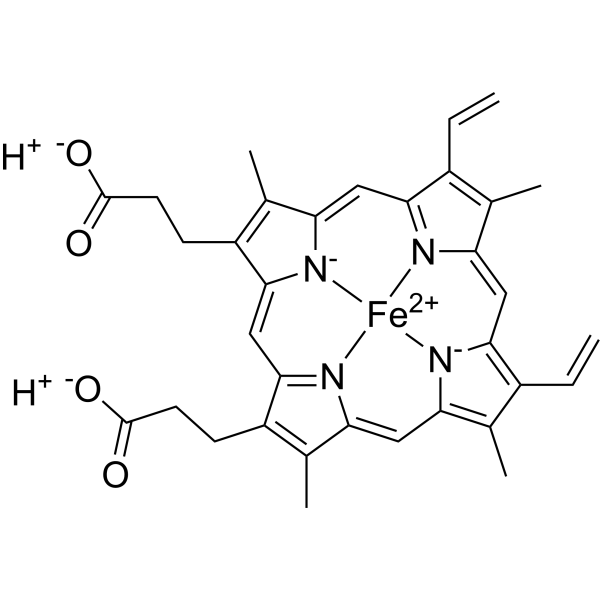
Ferroheme is the ferrous form of heme in hemoglobin, reversibly binding oxygen as an oxygen carrier. Its free form induces oxidative stress and ferroptosis by releasing iron ions, which catalyze reactive oxygen species generation via Fenton reactions, leading to lipid peroxidation and cell death. This mechanism is critical in pathological contexts like intracerebral hemorrhage and neurodegenerative diseases, making it a target for studying iron-overload disorders and ferroptosis-related pathologies[1][2][3].
loading...
    loading...
Cat. No.: HY-B2082
CAS No.: 804-30-8
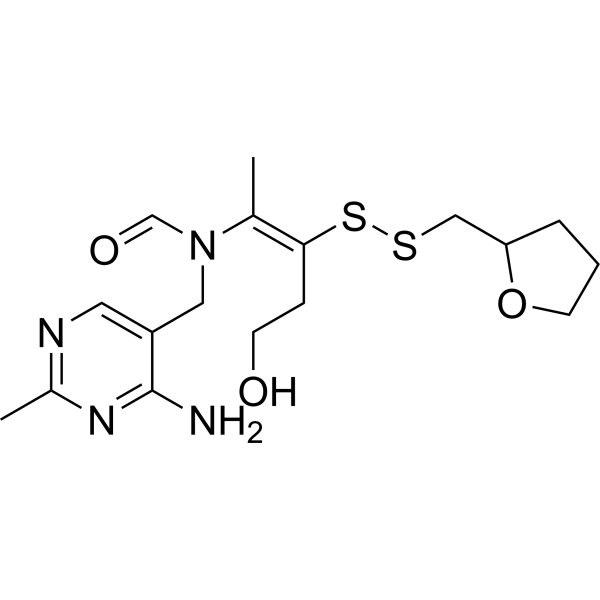
Fursultiamine is a vitamin B1 derivative, has anti-nociceptive and antineoplastic activity. Fursultiamine can be used for vitamin B1?deficiency, osteoarthritis (OA) and cancer research .
loading...
    loading...
Cat. No.: HY-W015815
CAS No.: 6960-22-1
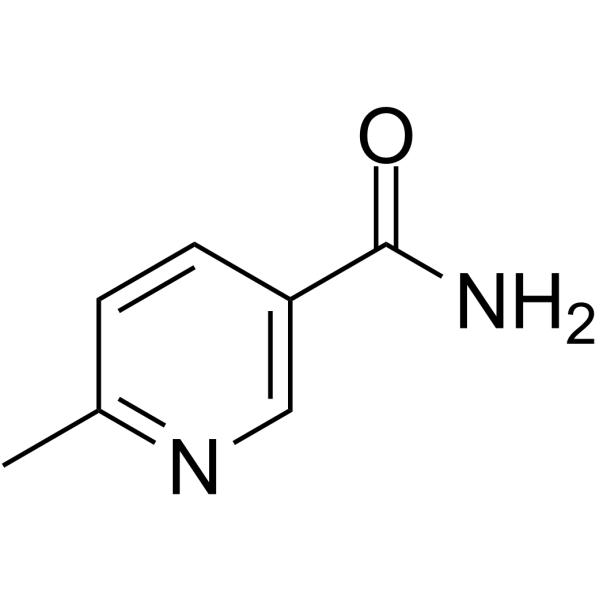
6-Methylnicotinamide is a nicotinamide derivative. 6-methylnicotinamide is also an endogenous metabolite and its sudden increase in the acute stages of intracerebral hemorrhage (ICH) exacerbates neurological damages in rat model. 6-Methylnicotinamide can significantly enhance the coordination effect between acylamino and undercoordinated defective Pb 2+ cations. 6-Methylnicotinamide results in enhanced efficiency of perovskite solar cells to 24.33% with excellent environmental storage, heat, and light stabilities .
loading...
    loading...
Cat. No.: HY-155801
CAS No.: 216014-14-1
CRX 527 is a TLR4 agonist. CRX 527 activates the MyD88-dependent, TRIF-dependent, and TRAF6/NF-κB signaling pathways downstream of TLR4, mimics lipid A, and regulates antigen processing and presentation by dendritic cells. CRX 527 stimulates innate immune responses and enhances vaccine efficacy. CRX 527 maintains the structural integrity of hematopoietic tissues, spleen and intestine, alleviates radiation-induced damage, preserves intestinal homeostasis, and inhibits apoptosis, inflammatory responses, oxidative stress and DNA damage. CRX 527 can be used in the research of acute radiation syndrome, melanoma, HPV-related tumors and intracerebral hemorrhage .
loading...
    loading...
Cat. No.: HY-W015815R
CAS No.: 6960-22-1
6-Methylnicotinamide is a nicotinamide derivative. 6-methylnicotinamide is also an endogenous metabolite and its sudden increase in the acute stages of intracerebral hemorrhage (ICH) exacerbates neurological damages in rat model. 6-Methylnicotinamide can significantly enhance the coordination effect between acylamino and undercoordinated defective Pb2+ cations. 6-Methylnicotinamide results in enhanced efficiency of perovskite solar cells to 24.33% with excellent environmental storage, heat, and light stabilities .
loading...
    loading...
Cat. No.: HY-168958
CAS No.: 2247525-20-6
Research Areas:  

Cancer

Ferroptosis-IN-18 (51), a promethazine derivative, shows strong anti-ferroptosis and anti-oxidant properties. Ferroptosis-IN-18 (51) can be used in the research for intracerebral hemorrhage (ICH) .
loading...
    loading...
Cat. No.: HY-111203
CAS No.: 886208-76-0
Synonyms: MW189; MW01-6-189WH
TT-301 is a small-molecule immunomodulator capable of penetrating the blood-brain barrier. TT-301 exerts neuroprotective effects by binding to IL-1β, downregulating STAT3 expression, and modulating the JAK-STAT signaling pathway, thereby inhibiting microglial activation and the release of proinflammatory mediators, and alleviating neuroinflammation and brain edema. TT-301 is used in research on traumatic brain injury, intracerebral hemorrhage, subarachnoid hemorrhage, muscle wasting and atrophy, and periodontal disease .
loading...
    loading...
Cat. No.: HY-168053
CAS No.: 5195-71-1
Research Areas:  

Inflammation/Immunology

HMGB1-IN-3 (compound E) is a glycyrrhizic acid derivative with strong inhibitory activity against HMGB1 (high mobility group protein 1) and can be used in the study of intracerebral hemorrhage .
loading...
    loading...
Cat. No.: HY-167934
CAS No.: 1542205-84-4
Target:  

Endogenous Metabolite

Research Areas:  

Neurological Disease

Isomer-CM 352 is a new antifibrinolytic agent with inhibitory activity against matrix metalloproteinases. Isomer-CM 352 effectively reduced hematoma expansion and promoted functional and neurological recovery in a model of intracerebral hemorrhage. Isomer-CM 352 improved neurological function by preventing hematoma growth and showed potential in the suppression of acute neurological diseases .
loading...
    loading...
Cat. No.: HY-167824
CAS No.: 298198-52-4
Target:  

Endogenous Metabolite

Research Areas:  

Neurological Disease

SSR180711 is a potent and subtype-selective α7 agonist with activity in Alzheimer's disease and schizophrenia research. SSR180711 can be used to study subtypes of intracerebral hemorrhage associated with cerebral small vessel disease. SSR180711 shows potential in electrophysiological and behavioral studies to evaluate its effects on cognitive function. SSR180711 also has potential for studying cerebrovascular lesions and their effects .
loading...
    loading...
Cat. No.: HY-B2082R
CAS No.: 804-30-8
Fursultiamine (Standard) is the analytical standard of Fursultiamine. This product is intended for research and analytical applications. Fursultiamine is a vitamin B1 derivative, has anti-nociceptive and antineoplastic activity. Fursultiamine can be used for vitamin B1 deficiency, osteoarthritis (OA) and cancer research .
loading...
    loading...
Cat. No.: HY-173606
CAS No.: 1938081-40-3
Research Areas:  

Others

DSPE-PEG2000-Azide ammonium is an azide-functionalized phospholipid and lipid-polyethylene glycol conjugate. DSPE-PEG2000-Azide ammonium serves as a component of azide-functionalized liposome nanoparticles, which enables conjugation with DBCO-modified antibodies and proteins via strain-promoted alkyne-azide cycloaddition, and can also passively insert into exosome membranes through hydrophobic interactions, thereby achieving modular surface engineering via azide-alkyne click chemistry. DSPE-PEG-Azide ammonium binds to bovine milk exosomes with a KD of 347 μM .
loading...
    loading...
Cat. No.: HY-111203A
CAS No.: 1346545-21-8
Synonyms: MW189 hydrochloride; MW01-6-189WH hydrochloride
TT-301 hydrochloride is a small-molecule immunomodulator capable of penetrating the blood-brain barrier. TT-301 hydrochloride exerts neuroprotective effects by binding to IL-1β, downregulating STAT3 expression, and modulating the JAK-STAT signaling pathway, thereby inhibiting microglial activation and the release of proinflammatory mediators, and alleviating neuroinflammation and brain edema. TT-301 hydrochloride is used in research on traumatic brain injury, intracerebral hemorrhage, subarachnoid hemorrhage, muscle wasting and atrophy, and periodontal disease .
loading...
    loading...
Cat. No.: HY-16990R
CAS No.: 178603-78-6
Synonyms: Caspase-1 Inhibitor II (Standard)
Research Areas:  

Inflammation/Immunology

Ac-YVAD-cmk (Standard) is the analytical standard of Ac-YVAD-cmk (HY-16990). This product is intended for research and analytical applications. Ac-YVAD-cmk (Caspase-1 Inhibitor II) is a selective caspase-1 (IL-1beta converting enzyme, ICE)) inhibitor with neuroprotective and anti-inflammatory effects. Ac-YVAD-cmk effectively suppresses the expression of IL-1β and IL-18. Ac-YVAD-cmk inhibits pyroptosis in many diseases .
loading...
    loading...
Cat. No.: HY-189057
Anethole trithione derivative-1 is a derivative of Anethole trithione (HY-B1223), and also a regulator of sulfide:quinone oxidoreductase (SQR) and uncoupling protein 2 (UCP2), with mitochondrial uncoupling-inducing activity and neuroprotective activity. Anethole trithione derivative-1 mediates mitochondrial uncoupling via SQR-dependent reverse electron transport of complex I, ROS-dependent UCP2 activation, and reduction of mitochondrial membrane potential. Anethole trithione derivative-1 reduces brain damage and improves function in mouse models of ischemic and hemorrhagic stroke. Anethole trithione derivative-1 can be used in stroke research .
loading...
    loading...
Cat. No.: HY-181953
CAS No.: 2196106-61-1
STIM1-TFR1-IN-1 is an orally active stromal interaction molecule 1 (STIM1)-transferrin receptor 1 (TFR1) protein complex inhibitor with a Kd of 2.18 μM for STIM1-CD protein. STIM1-TFR1-IN-1 blocks STIM1-TFR1 interaction and reduce TFR1-mediated iron uptake activity. STIM1-TFR1-IN-1 inhibits ferroptosis, lipid peroxidation and ROS production, enhances glutathione peroxidase 4 (GPX4) activity and glutathione/oxidized glutathione ratio, and rescues ferroptosis-associated mitochondrial morphological changes. STIM1-TFR1-IN-1 exhibits neuroprotective
effects and reduces brain injury. STIM1-TFR1-IN-1 can be used for the research of intracerebral hemorrhage .
loading...
    loading...

