
1. Search Result
Search Result
Results for "

ASC

" in MedChemExpress (MCE) Product Catalog:

48

Inhibitors & Agonists

2

Peptides

1

MCE Kits

3

Inhibitory Antibodies

7

Natural
Products

1

Recombinant Proteins

13

Antibodies

4

Oligonucleotides

Cat. No. Product Name Target Research Areas Chemical Structure
  • HY-112829
    Denifanstat
    5+ Cited Publications

    TVB-2640; FASN-IN-2; ASC-40

    Fatty Acid Synthase (FASN) Metabolic Disease Cancer
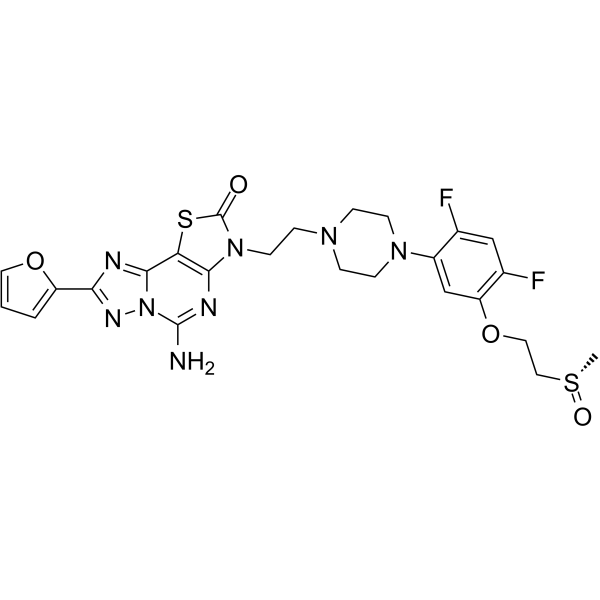
    Denifanstat (TVB-2640) is an orally active and potent Fatty Acid Synthase (FASN) inhibitor with an IC50 of 0.052 μM and an EC50 of 0.072 μM. Denifanstat has the potential for fatty liver disease and cancer research .
    Denifanstat
  • HY-144226
    NLRP3/AIM2-IN-3
    5+ Cited Publications

    NOD-like Receptor (NLR) AIM2 Pyroptosis Inflammation/Immunology
    NLRP3/AIM2-IN-3 (compound 59) is a potent inhibitor with differential species specific effects against NLRP3 and AIM2 inflammasome-dependent pyroptosis. NLRP3/AIM2-IN-3 shows inhibitory efficacy against pyroptosis in THP-1 macrophages stimulated with LPS/nigericin, with an IC50 of 0.077 ± 0.008 μM. NLRP3/AIM2-IN-3 disturbs the interaction of NLRP3 or AIM2 with the adaptor protein ASC and inhibited ASC oligomerization .
    NLRP3/AIM2-IN-3
  • HY-130413

    Neuroprotectin D1; NPD1

    Endogenous Metabolite PI3K Akt HIF/HIF Prolyl-Hydroxylase Reactive Oxygen Species (ROS) Caspase Interleukin Related MicroRNA Cardiovascular Disease Neurological Disease Inflammation/Immunology
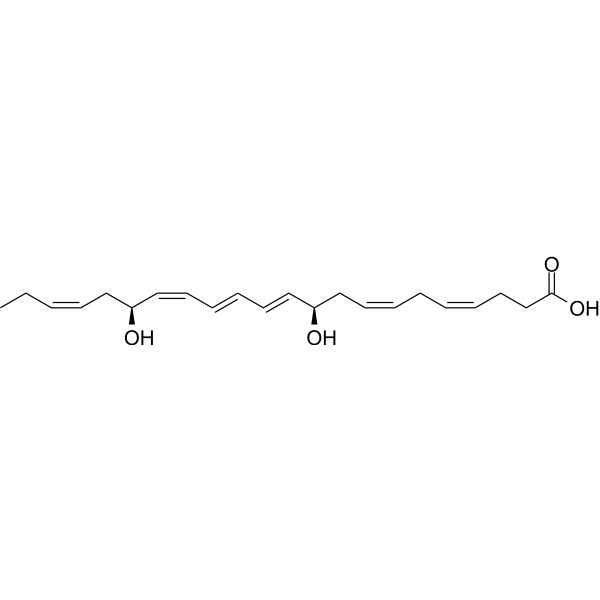
    Protectin D1, a neuroprotectin D1 produced by neuronal cells, is a member of a newly discovered family of bioactive products derived from docosahexaenoic acid. Protectin D1 also serves as a specialized pro-resolving mediator, exhibiting effective in vivo pro-resolving activity in various human disease models. Additionally, Protectin D1 is an inhibitor of NALP3 inflammasomes and regulates the PI3K/AKT and HIF-1α signaling pathways. Protectin D1 exerts anti-inflammatory effects by reducing ROS levels, inhibiting the expression of NALP3, ASC, and Caspase-1, and consequently decreasing the release of pro-inflammatory cytokines IL-1β and IL-18. Furthermore, Protectin D1 enhances miRNA-210 expression, activates the PI3K/AKT signaling pathway, and exerts cardioprotective effects. Protectin D1 holds promise for research in cardiovascular diseases and inflammatory disorders .
    Protectin D1
  • HY-P99115

    ASC 22; KN 035

    PD-1/PD-L1 Cancer
    Envafolimab (ASC 22; KN 035) is a recombinant protein of a humanized single-domain anti- PD-L1 antibody. Envafolimab is created by a fusion of the of anti-PD-L1 domain with Fc fragment of human IgG1 antibody. Envafolimab blocks interaction between PD-L1 and PD-1 with an IC50 value of 5.25 nM. Envafolimab has the potential for the research of solid tumors .
    Envafolimab
  • HY-I1070

    (R)-Isoleucine

    ASCT Neurological Disease
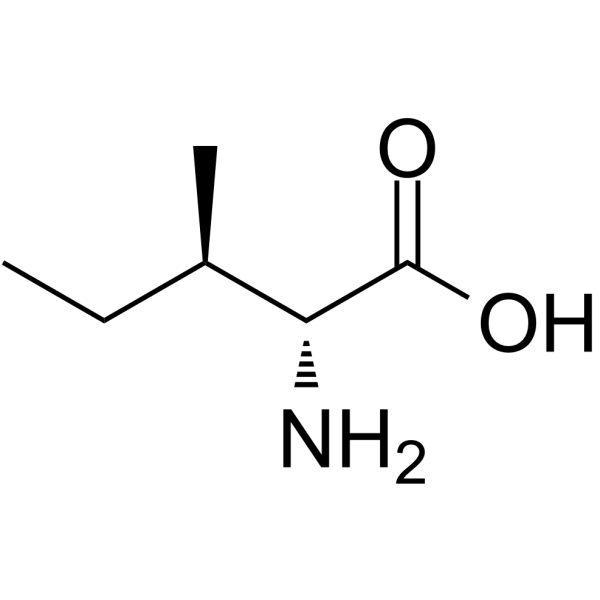
    D-Isoleucine is a selective competitive activator of the Asc-1 antiporter (Ki=0.98 mM). D-Isoleucine promotes the release of D-serine and glycine by binding to the Asc-1 protein on the neuronal cell membrane, and enhances NMDA receptor-dependent synaptic plasticity. D-Isoleucine can be used in the study of neurodegenerative diseases (such as Alzheimer's disease and schizophrenia). D-Isoleucine also acts as a non-classical D-amino acid, interferes with bacterial peptidoglycan synthesis, and inhibits the formation of Staphylococcus aureus biofilm, and has potential antibacterial application value[1][2].
    D-Isoleucine
  • HY-159520

    Ofirnoflast; HT-6184

    NEKs NOD-like Receptor (NLR) Caspase Apoptosis Pyroptosis NF-κB Cardiovascular Disease Inflammation/Immunology Cancer
    Ofirnoflastum (Ofirnoflast) is an orally active first-in-class allosteric NEK7 inhibitor with an IC50 of 46 nM. Ofirnoflastum binds an allosteric site adjacent to NEK7’s ATP-binding pocket, induces conformational shifts, disrupts NEK7-NLRP3 binding, blocks NLRP3 inflammasome assembly, spares NEK7’s physiological functions, and suppresses caspase-1, caspase-8, NF-κB, and TNF activity. Ofirnoflastum reduces pro-inflammatory cytokine production, suppresses ASC specks, IL-1β release, pyroptotic cell death, and leukemic burden, induces apoptosis and erythroid differentiation, restores hematopoiesis, and improves outcomes in colitis models. Ofirnoflastum can be used for the research of myelodysplastic syndromes, chronic myelomonocytic leukemia, and acute myeloid leukemia .
    Ofirnoflastum
  • HY-156798
    ADS032
    3 Publications Verification

    NOD-like Receptor (NLR) Interleukin Related Inflammation/Immunology
    ADS032 is a sulfonylurea compound that is an NLRP1 and NLRP3 inflammasome inhibitor. ADS032 reduces the secretion of inflammatory factors and inhibits the oligomerization of ASC. ADS032 has anti-inflammatory effects in a variety of inflammatory models and can be used in the study of inflammatory diseases .
    ADS032
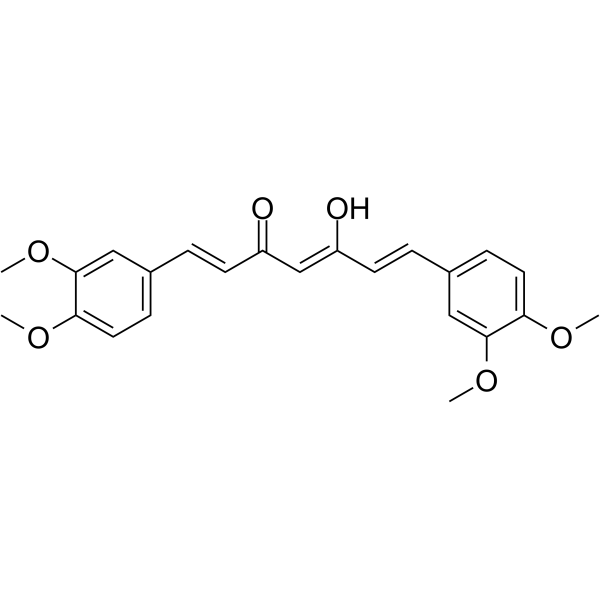
  • HY-15194
    Dimethylcurcumin
    Maximum Cited Publications
    14 Publications Verification

    ASC-J9; GO-Y025

    Androgen Receptor Cancer
    Dimethylcurcumin (ASC-J9) is an androgen receptor degradation enhancer that effectively suppresses castration resistant prostate cancer cell proliferation and invasion.
    Dimethylcurcumin
  • HY-N1431
    Tabersonine
    3 Publications Verification

    NOD-like Receptor (NLR) Apoptosis Cytochrome P450 NF-κB PI3K Akt CDK Caspase Interleukin Related p38 MAPK Inflammation/Immunology Cancer
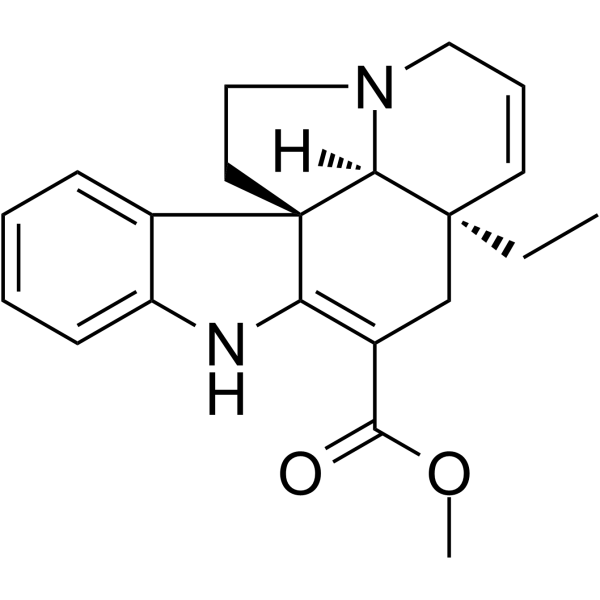
    Tabersonine is a selective, orally active NLRP3 inhibitor. Tabersonine directly binds to the NACHT domain of NLRP3, inhibiting its ATPase activity and oligomerization, thereby blocking ASC spot formation and caspase-1 activation, and reducing the release of pro-inflammatory cytokines such as IL-1β. Tabersonine also inhibits K63-linked ubiquitination of TRAF6, blocking NF-κB, PI3K/Akt, and p38 MAPK signaling pathways. Tabersonine can inhibit inflammatory responses, induce apoptosis of liver cancer cells through mitochondrial pathways and death receptor pathways, reduce mitochondrial membrane potential, promote cytochrome c release, and activate caspase proteins. Tabersonine is mainly used in the study of NLRP3-driven inflammatory diseases (such as acute lung injury, sepsis, peritonitis) and tumors such as liver cancer .
    Tabersonine
  • HY-W158030

    2GBI

    NOD-like Receptor (NLR) Vasopressin Receptor Cardiovascular Disease Neurological Disease Cancer
    2-Guanidinobezimidazole (2GBI) is a NLRP3 agonist with a KD of 1.29 μM and a selective state-dependent HVCN1 blocker. 2-Guanidinobezimidazole directly binds NLRP3’s LRR domain, enhances NLRP3-ASC and NLRP3-NEK7 interactions, and drives NLRP3 inflammasome activation. 2-Guanidinobezimidazole can be used for the research of LLC lung carcinoma, B16F10 melanoma and ischemic stroke .
    2-Guanidinobezimidazole
  • HY-107541
    O-1602
    1 Publications Verification

    GPR55 Neurological Disease
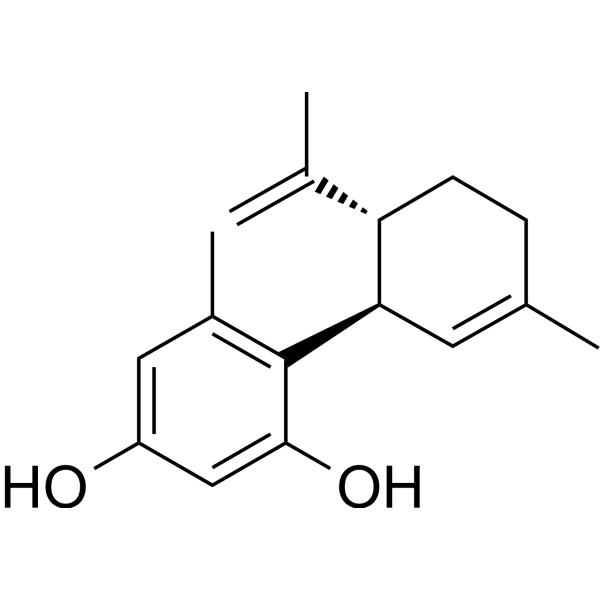
    O-1602 is an agonist of GPR55 (G protein-coupled receptor 55). O-1602 reduces the number and activation of hippocampal microglia induced by METH (methamphetamine). O-1602 decreases the expression levels of NLRP3 inflammasome proteins, including NLRP3, ASC and Caspase-1 .
    O-1602
  • HY-P4322
    H-Ile-Lys-Val-Ala-Val-OH
    1 Publications Verification

    ERK Akt Neurological Disease Cancer
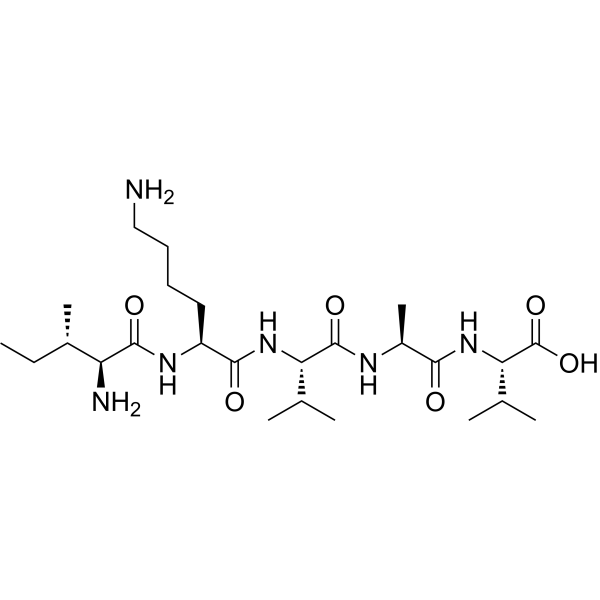
    H-Ile-Lys-Val-Ala-Val-OH is one of the most potent active sites of laminin-1. H-Ile-Lys-Val-Ala-Val-OH promotes cell adhesion, neurite outgrowth, and tumor growth. H-Ile-Lys-Val-Ala-Val-OH stimulates BMMSC population growth and proliferation by activating MAPK/ERK1/2 and PI3K/Akt signalling pathways .
    H-Ile-Lys-Val-Ala-Val-OH
  • HY-149127

    ASC-JM17; ALZ-003

    Keap1-Nrf2 Androgen Receptor HSP Mitophagy Metabolic Disease
    Rosolutamide (ASC-JM17), a curcumin analog, is an orally active, potent Nrf1 and Nrf2 activator. Rosolutamide activates Nrf1, Nrf2 and heat shock factor 1 (Hsf1), thereby activating the expression of proteasome subunits, antioxidant enzymes and molecular chaperones. Rosolutamide degrades the polyglutamine (polyQ) androgen receptor (AR) via the ubiquitin-proteasome pathway and improves motor function in mouse models of spinal and bulbar muscular atrophy (SBMA). Rosolutamide improves mitochondrial function and promotes autophagy, decreases mutant protein aggregates, and attenuates intracellular/mitochondrial reactive oxygen species (ROS) levels .
    Rosolutamide
  • HY-137442
    Inupadenant
    1 Publications Verification

    EOS-850

    Adenosine Receptor Cancer
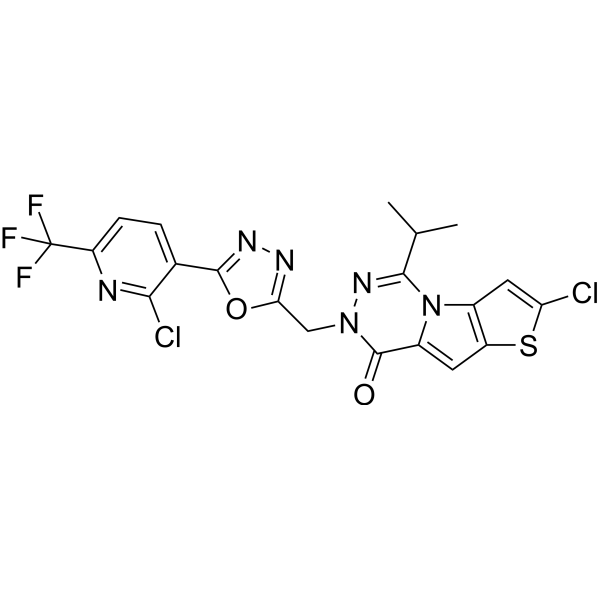
    Inupadenant is an orally active, highly selective A2A receptor antagonist. Inupadenant can not cross BBB. Inupadenant can enhance the humoral immune response and has anti-tumor activity .
    Inupadenant
  • HY-W771599

    APY69

    PD-1/PD-L1 Cancer
    ASC-69 (APY69)is a potent and promising?PD-1/PD-L1 small-molecule inhibitor .
    ASC-69
  • HY-107123
    TMC310911
    1 Publications Verification

    ASC-09

    HIV Protease Infection
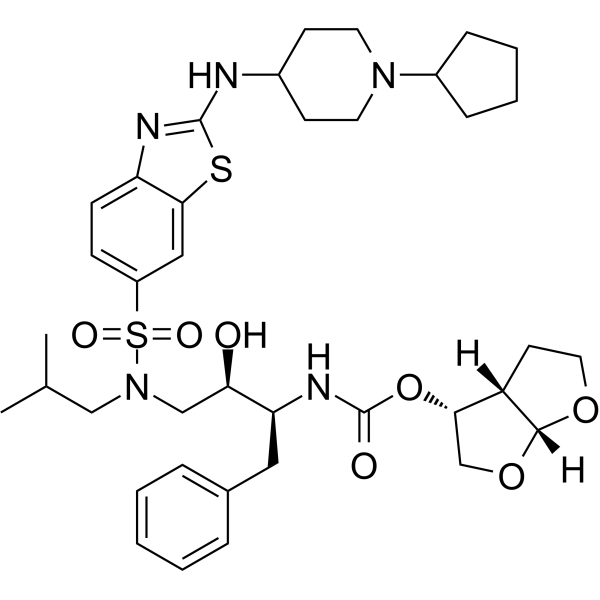
    TMC310911 is a potent and orally active HIV type-1 (HIV-1) protease inhibitor with EC50 values ranged from 2.2 nM to 14.2 nM for wild-type HIV-1. TMC310911 has potent activity against a wide spectrum of recombinant HIV-1 isolates. TMC310911 has strong antiviral activity .
    TMC310911
  • HY-120170
    BMS-466442
    1 Publications Verification

    ASCT Adrenergic Receptor Dopamine Transporter Neurological Disease
    BMS-466442 is a potent and selective inhibitor of asc-1 (alanine serine cysteine transporter-1), with an IC50 of 11 nM. BMS-466442 inhibits [ 3H] D-serine uptake into rat brain synaptosomes, with an IC50 of 400 nM. BMS-466442 can be used for schizophrenia research .
    BMS-466442
  • HY-151252

    Proteasome NOD-like Receptor (NLR) Inflammation/Immunology
    NIC-0102 is an orally active proteasome inhibitor (pIC50=7.55) that specifically inhibits NLRP3 inflammatory vesicle activation. NIC-0102 shows potent anti-inflammatory effects in a model of dextran sulfate sodium (DSS)-induced ulcerative colitis. NIC-0102 also inhibits production of pro-IL-1β .
    NIC-0102
  • HY-149604
    NLRP3-IN-21
    1 Publications Verification

    NOD-like Receptor (NLR) Inflammation/Immunology
    NLRP3-IN-21 (compound L38) is a NLRP3 inflammasome inhibitor with inflammatory properties. NLRP3-IN-21 inhibits NLRP3 inflammasome activation and pyroptosis by suppressing gasdermin D cleavage, ASC oligomerization, and NLRP3 inflammasome assembly .
    NLRP3-IN-21
  • HY-124857

    7-Desacetoxy-6,7-dehydrogedunin

    PERK Prokineticin Receptor P2X Receptor Caspase NOD-like Receptor (NLR) Pyroptosis Tyrosinase Neurological Disease Metabolic Disease Inflammation/Immunology
    7DG (7-Desacetoxy-6,7-dehydrogedunin) is a PKR inhibitor, P2X7 purinergic receptor inhibitor, and skin-lightening agent. 7DG binds outside the ATP-catalytic domain of PKR, blocks the kinase activity-independent protein-protein interactions of PKR, inhibits the phosphorylation and activity of PKR, disrupts ASC assembly and caspase-1 activation, and suppresses the activation of the NLRP1 inflammasome. 7DG inhibits pyroptosis, suppresses the ATP-P2X7 signaling pathway, and abolishes ATP-induced increases in the expression levels of MITF, tyrosinase, PMEL/gp100, and melanin content. 7DG exerts skin-lightening effects in cultured skin in vitro. 7DG can be used in research related to chronic obstructive pulmonary disease, gout, type 2 diabetes, Alzheimer's disease, and hyperpigmentary skin disorders .
    7DG
  • HY-156374

    NOD-like Receptor (NLR) Pyroptosis Inflammation/Immunology
    D359-0396 is an orally active NLRP3 inflammasome inhibitor. D359-0396 inhibits pyroptosis and IL-1β release in macrophages. D359-0396 also inhibits the oligomerization of NLRP3, ASC and the cleavage of GSDMD. D359-0396 alleviates EAE, and also improves survival after septic shock in mice .
    D359-0396
  • HY-P990781

    SM03

    CD22 NOD-like Receptor (NLR) Interleukin Related Integrin Neurological Disease Inflammation/Immunology
    Suciraslimab (SM03) is an anti-human CD22 monoclonal antibody. Suciraslimab inhibits NLRP3 and ASC signaling. Suciraslimab suppresses cytokine (IL-1β, IL-12, IL-23) secretion and α4 integrin expression. Suciraslimab improves working memory and neuroinflammation . Suciraslimab isotype control product: Human IgG1 kappa, Isotype Control (HY-P99001).
    Suciraslimab
  • HY-130480

    AIM2 Inflammation/Immunology
    Fructose-arginine, an amino-sugar, is an AIM2 inflammasome activation inhibitor. Fructose-arginine attenuates the secretion of IL-1β, IL-18, and caspase-1, and Asc pyroptosome formation and Gsdmd cleavage resulting from AIM2 inflammasome activation .
    Fructose-arginine
  • HY-N1431A
    Tabersonine hydrochloride
    3 Publications Verification

    NOD-like Receptor (NLR) Apoptosis Cytochrome P450 NF-κB PI3K Akt CDK Caspase Interleukin Related p38 MAPK Neurological Disease Inflammation/Immunology
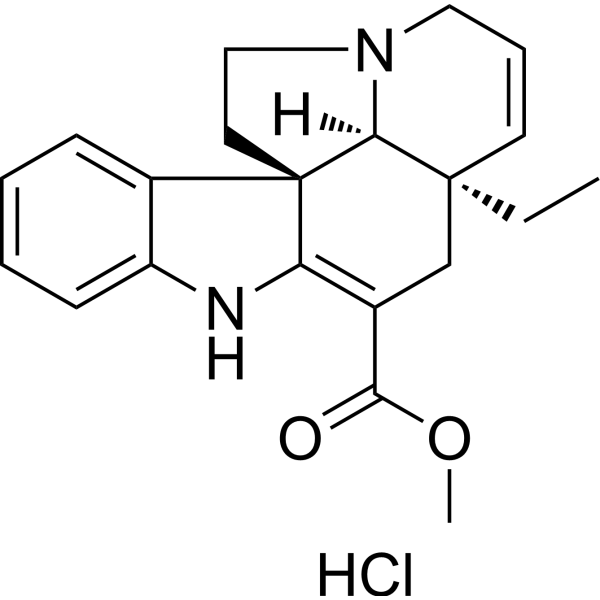
    Tabersonine hydrochloride is a selective, orally active NLRP3 inhibitor. Tabersonine hydrochloride directly binds to the NACHT domain of NLRP3, inhibiting its ATPase activity and oligomerization, thereby blocking ASC spot formation and caspase-1 activation, and reducing the release of pro-inflammatory cytokines such as IL-1β. Tabersonine hydrochloride also inhibits K63-linked ubiquitination of TRAF6, blocking NF-κB, PI3K/Akt, and p38 MAPK signaling pathways. Tabersonine hydrochloride can inhibit inflammatory responses, induce apoptosis of liver cancer cells through mitochondrial pathways and death receptor pathways, reduce mitochondrial membrane potential, promote cytochrome c release, and activate caspase proteins. Tabersonine hydrochloride is mainly used in the study of NLRP3-driven inflammatory diseases (such as acute lung injury, sepsis, peritonitis) and tumors such as liver cancer .
    Tabersonine hydrochloride
  • HY-163281

    Fluorescent Dye Cancer
    FSY-OSO2F shows an uptake in MCF-7 cells through the regulation of L-Tyr, ASC, and ASC2 transporters. FSY-OSO2F can be used as a PET tracer, when labeled with 18F, and exhibits good uptake and good contrast in MCF-7 and 22Rv1 subcutaneous tumors .
    FSY-OSO2F
  • HY-N10359

    NOD-like Receptor (NLR) Caspase Akt GSK-3 β-catenin Metabolic Disease Inflammation/Immunology Cancer
    Isoandrographolide is an orally active NLRP3 inflammasome inhibitor and AKT/GSK-3β/β-catenin pathway inhibitor. Isoandrographolide inhibits the expression of NLRP3, ASC, and caspase-1, and reduces the levels of phosphorylated AKT, phosphorylated GSK-3β, and β-catenin. Isoandrographolide alleviates inflammatory responses, reduces collagen deposition, suppresses epithelial-mesenchymal transition (EMT), induces differentiation of leukemia cells, inhibits the growth of leukemia cells, protects lung and kidney tissues, regulates cytokine levels, and also exhibits hepatoprotective effects. Isoandrographolide can be used in studies related to silicosis, murine myeloid leukemia, renal tubulointerstitial fibrosis, and non-alcoholic fatty liver disease .
    Isoandrographolide
  • HY-174312

    NOD-like Receptor (NLR) Pyroptosis Caspase Interleukin Related Inflammation/Immunology
    NLRP3-IN-81 (N102) is a BBB-penetrable inhibitor against NLRP3 inflammasome-dependent pyroptosis with an EC50 of 0.029 μM against cell pyroptosis induced by Nigericin (HY-127019). NLRP3-IN-81 potently inhibits NLRP3-dependent activation of caspase-1 and the release of IL-1β. NLRP3-IN-81 disturbs the interaction of NLRP3 with the adaptor protein ASC and inhibits ASC oligomerization. NLRP3-IN-81 can be used for pyroptosis-related diseases research, such as inflammatory bowel diseases and type 2 diabetes .
    NLRP3-IN-81
  • HY-172134

    NOD-like Receptor (NLR) Inflammation/Immunology
    NLRP3-IN-70 (Compound 5m) is an NLRP3 inflammasome inhibitor with low oral bioavailability. NLRP3-IN-70 can directly bind to the NACHT domain of the NLRP3 protein and block the interaction of NLRP3 and ASC, thus inhibiting ASC oligomerization and NLRP3 inflammasome assembly. NLRP3-IN-70 can be used in the research of sepsis and nonalcoholic steatohepatitis .
    NLRP3-IN-70
  • HY-178953

    NOD-like Receptor (NLR) Caspase Interleukin Related Inflammation/Immunology
    NLRP3-IN-84 (Compound 32) is a NLRP3 inflammasome inhibitor. NLRP3-IN-84 can interfere with the oligomerization process of NLRP3 by inhibiting the activity of NLRP3 ATPase (IC50 = 158.4 nM). NLRP3-IN-84 inhibits Caspase-1 (IC50 = 27.7 nM), IL-1β release (PBMC: IC50 = 19.5 nM; mPBMC: IC50 = 24.2 nM), and ASC plaque formation (IC50 = 131 nM). NLRP3-IN-84 has no inhibitory activity on NLRC4 and AIM2 inflammasomes. NLRP3-IN-84 exhibits significant in vivo anti-inflammatory effects in a mouse acute peritonitis model. NLRP3-IN-84 can be used for the study of NLRP3-related inflammatory diseases .
    NLRP3-IN-84
  • HY-15194R

    ASC-J9 (Standard); GO-Y025 (Standard)

    Androgen Receptor Reference Standards Cancer
    Dimethylcurcumin (Standard) is the analytical standard of Dimethylcurcumin. This product is intended for research and analytical applications. Dimethylcurcumin (ASC-J9) is an androgen receptor degradation enhancer that effectively suppresses castration resistant prostate cancer cell proliferation and invasion.
    Dimethylcurcumin (Standard)
  • HY-161329

    NOD-like Receptor (NLR) Reactive Oxygen Species (ROS) NF-κB IKK Inflammation/Immunology
    NLRP3-IN-32 (compound 7a), a 3, 4-dihydronaphthalene-1(2H)-one derivative, is a potential NLRP3 inflammatory vesicles inhibitor. NLRP3-IN-32 can block the assembly and activation of NLRP3 inflammasome by down-regulating the expression of NLPR3 and apoptosis-associated speck-like protein containing a CARD (ASC), and inhibiting the production of reactive oxygen species (ROS) and other inflammatory mediators. NLRP3-IN-32 inhibits the phosphorylation of IκBα and NF-κB/p65 and the nuclear translocation of p65, thereby inhibiting NF-κB signaling .
    NLRP3-IN-32
  • HY-178950

    Src TNF Receptor Interleukin Related NOD-like Receptor (NLR) Caspase Inflammation/Immunology
    Hck-IN-3 (compound 2D) is an orally effective inhibitor targeting HCK (KD = 3.92 μM). Hck-IN-3 can inhibit the release of NO. Hck-IN-3 has an IC50 of 6.52 μM in RAW264.7 cells. Hck-IN-3 can inhibit the release of TNF-α, IL-6, and IL-1β in a concentration dependent manner. Hck-IN-3 downregulates the protein expression of NLRP3, ASC, pro-caspase-1, and pro-IL-1β in a concentration dependent manner. Hck-IN-3 can be used for research on acute non traumatic inflammatory conditions .
    Hck-IN-3
  • HY-RS26019

    Small Interfering RNA (siRNA) Others

    Pycard Rat Pre-designed siRNA Set A contains three designed siRNAs for Pycard gene (Rat), as well as a negative control, a positive control, and a FAM-labeled negative control.

    Pycard Rat Pre-designed siRNA Set A
    Pycard Rat Pre-designed siRNA Set A
  • HY-RS11485

    Small Interfering RNA (siRNA) Others

    PYCARD Human Pre-designed siRNA Set A contains three designed siRNAs for PYCARD gene (Human), as well as a negative control, a positive control, and a FAM-labeled negative control.

    PYCARD Human Pre-designed siRNA Set A
    PYCARD Human Pre-designed siRNA Set A
  • HY-RS13969

    Small Interfering RNA (siRNA) Others

    STS Human Pre-designed siRNA Set A contains three designed siRNAs for STS gene (Human), as well as a negative control, a positive control, and a FAM-labeled negative control.

    STS Human Pre-designed siRNA Set A
    STS Human Pre-designed siRNA Set A
  • HY-107541R

    GPR55 Reference Standards Neurological Disease
    O-1602 (Standard) is the analytical standard of O-1602. This product is intended for research and analytical applications. O-1602 is an agonist of GPR55 (G protein-coupled receptor 55). O-1602 reduces the number and activation of hippocampal microglia induced by METH (methamphetamine). O-1602 decreases the expression levels of NLRP3 inflammasome proteins, including NLRP3, ASC and Caspase-1 .
    O-1602 (Standard)
  • HY-161072

    NOD-like Receptor (NLR) Inflammation/Immunology
    CSC-6 is a NLRP3 inhibitor. CSC-6 can significantly inhibit IL-1β secreted by PMATHP-1 cells with an IC50 value of 2.3 μM. CSC-6 specifically binds NLRP3 and inhibits NLRP3 activation by blocking ASC oligomerization during NLRP3 assembly. CSC-6 effectively reduces the symptoms of NLRP3 overactivation-mediated sepsis and gout in mouse models .
    CSC-6
  • HY-171721

    ASC-C8

    Drug Derivative Others
    Ascr#14 (Asc-C8) is an ascaroside derivative that exhibits low activity in inducing the dauer (dormant larval) stage .
    Ascr#14
  • HY-107123R

    ASC-09 (Standard)

    Reference Standards HIV Protease Infection
    TMC310911 (Standard) (ASC-09 (Standard)) is the analytical standard of TMC310911 (HY-107123). This product is intended for research and analytical applications. TMC310911 is a potent and orally active HIV type-1 (HIV-1) protease inhibitor with EC50 values ranged from 2.2 nM to 14.2 nM for wild-type HIV-1. TMC310911 has potent activity against a wide spectrum of recombinant HIV-1 isolates. TMC310911 has strong antiviral activity .
    TMC310911 (Standard)
  • HY-171720

    ASC-C6

    Drug Derivative Others
    Ascr#12 (Asc-C6) is an ascaroside derivative that exhibits extremely low activity in inducing the dauer (dormant larval) stage. Ascr#12 enhances the reproductive capacity of the invasive pine wood nematode .
    Ascr#12
  • HY-P11581

    NOD-like Receptor (NLR) Interleukin Related Caspase Amyloid-β Tau Protein α-synuclein Pyroptosis Neurological Disease
    MNP2 is a NLRP3-ASC interaction inhibitor. MNP2 selectively binds to the PYD domain of ASC (Ka=149 nM) and blocks ASC-PYM binding (Ka=58 nM), thereby inhibiting the interaction between ASC and NLRP3 and suppressing the formation of the NLRP3 inflammasome. MNP2 inhibits IL-1β release and caspase-1 maturation, and reduces the efflux of potassium and chloride ions. MNP2 prevents mitochondrial damage and reactive oxygen species production, and significantly decreases NLRP3 inflammasome formation in neurodegenerative pathologies induced by β-amyloid, Tau protein and α-synuclein. MNP2 is applicable for the research of neurodegenerative diseases .
    MNP2
  • HY-P992382

    Interleukin Related Neurological Disease Inflammation/Immunology
    IC 100 is a humanized IgG4κ monoclonal antibody targeting apoptosis-associated speck-like protein (ASC) with blood-brain barrier permeability. IC 100 specifically inhibits ASC after being endocytosed via its Fc segment, blocks ASC polymerization and inflammasome activation, suppresses IL-1β release, forms complexes with ASC and TRIM21, and evades TRIM21-mediated proteasomal degradation. IC 100 alleviates symptoms associated with autoimmune encephalomyelitis, reduces immune cell infiltration and microglial activation in the mouse EAE model. IC 100 is suitable for research on neuroinflammatory and inflammasome-related diseases such as multiple sclerosis. Isotype comparison: HY-P99003 .
    IC 100
  • HY-171722

    ASC-C9

    Insecticide PGC-1α Infection Cancer
    Ascr#10 (Asc-C9) is an orally active thermogenesis inducer and insecticide that can be obtained from Monochamus alternatus. Ascr#10 binds to the insect adipokinetic hormone (AKH) receptor (Ka=272 µM) and stimulates mitochondrial biogenesis via the PGC1α-UCP4 axis. Consequently, Ascr#10 induces UCP4-mediated uncoupled respiration, reduces the ATP/ADP ratio and accelerates lipid mobilization, thereby driving the thermogenesis process. Ascr#10 delays pupation and exerts specific chemotaxis toward dispersive fourth-stage pinewood nematode LIV larvae. Ascr#10 promotes cold acclimation of Monochamus alternatus larvae through metabolic inhibition and cryoprotectant accumulation, enhancing their survival rate under cold stress. Ascr#10 also induces browning of white adipose tissue and activates brown adipose tissue in mice, thereby helping the body resist cold and tumor growth. Ascr#10 can be widely applied to research related to pine wilt disease, lung tumors and cold stress .
    Ascr#10
  • HY-181488

    NOD-like Receptor (NLR) Caspase Interleukin Related Metabolic Disease Inflammation/Immunology
    NLRP3-IN-87 is a selective and orally active NLRP3 inhibitor with a Kd of 0.23 μM. NLRP3-IN-87 binds directly to the NLRP3 NACHT domain, disrupts NLRP3-NEK7 and NLRP3-ASC interactions, inhibits ASC oligomerization, and blocks inflammasome assembly. NLRP3-IN-87 suppresses caspase-1 activation and IL-1β secretion. NLRP3-IN-87 exhibits anti-inflammatory and analgesic activity, reducing joint swelling, inflammation, and pain in an MSU (HY-B2130A)-induced acute gout mouse model. NLRP3-IN-87 can be used for the research of gout .
    NLRP3-IN-87
  • HY-W017087

    NOD-like Receptor (NLR) Caspase Interleukin Related Infection Metabolic Disease
    1,2,4-Trimethoxybenzene is an orally active NLRP3 selective inhibitor. 1,2,4-Trimethoxybenzene can markedly suppress Nigericin (HY-127019) or ATP (HY-B2176)-induced NLRP3 inflammasome activation, thus decreasing caspase-1 activation and IL-1β secretion. 1,2,4-Trimethoxybenzene specifically inhibits the activation of NLRP3 inflammasome without affecting absent in melanoma 2 (AIM2) inflammasome activation. 1,2,4-Trimethoxybenzene inhibits oligomerization of the apoptosis-associated speck-like protein containing a CARD (ASC) and protein-protein interaction between NLRP3 and ASC, thus blocking NLRP3 inflammasome assembly. 1,2,4-Trimethoxybenzene can be used for the study of experimental autoimmune encephalomyelitis (EAE), multiple sclerosis, and type 2 diabetes .
    1,2,4-Trimethoxybenzene
  • HY-180890

    PPAR NF-κB NOD-like Receptor (NLR) NEKs Metabolic Disease Inflammation/Immunology
    PPARγ agonist-21 (Compound 9a) is a PPARγ agonist with an EC50 of 3.12 μM. PPARγ agonist-21 activates PPAR-γ to inhibit NF-κB and attenuate NLRP3 inflammasome assembly. PPARγ agonist-21 blocks NLRP3-ASC and NLRP3-NEK7 interaction. PPARγ agonist-21 attenuates the severity of gouty arthritis .
    PPARγ agonist-21
  • HY-RS19524

    Small Interfering RNA (siRNA) Others

    Pycard Mouse Pre-designed siRNA Set A contains three designed siRNAs for Pycard gene (Mouse), as well as a negative control, a positive control, and a FAM-labeled negative control.

    Pycard Mouse Pre-designed siRNA Set A
    Pycard Mouse Pre-designed siRNA Set A
  • HY-179494

    NOD-like Receptor (NLR) Pyroptosis Caspase Interleukin Related Reactive Oxygen Species (ROS) Metabolic Disease
    M464, a non-steroidal anti-inflammatory compound, is a potent and orally active NLRP3 inflammasome inhibitor. M464 inhibits pyroptosis and hinders the activation of downstream Caspase-1 expression and the release of IL-1β by impeding ASC oligomerisation and curtailing ROS production. M464 exhibits protective effects against acute lung and liver injury in mice. M464 can be used for the research of NLRP3-related inflammatory diseases .
    M464

Inquiry Online

Your information is safe with us. * Required Fields.

Salutation


Country or Region *

Applicant Name *


Organization Name *

Department *


Email Address *


Product Name *

Cat. No.


Requested quantity *

Phone Number *


Remarks

Inquiry Online

Inquiry Information

Product Name:
Cat. No.:
Quantity:
MCE Japan Authorized Agent:

