320 Results for "

Activated B Cell Inhibitors

" in MedChemExpress (MCE) Product Catalog:
Products (320)

320 Results for "Activated B Cell Inhibitors" in MCE Product Catalog:

213
213 Publications Verification
Cat. No.: HY-B0579
CAS No.: 59865-13-3
Synonyms: Cyclosporine A; Ciclosporin A; CsA
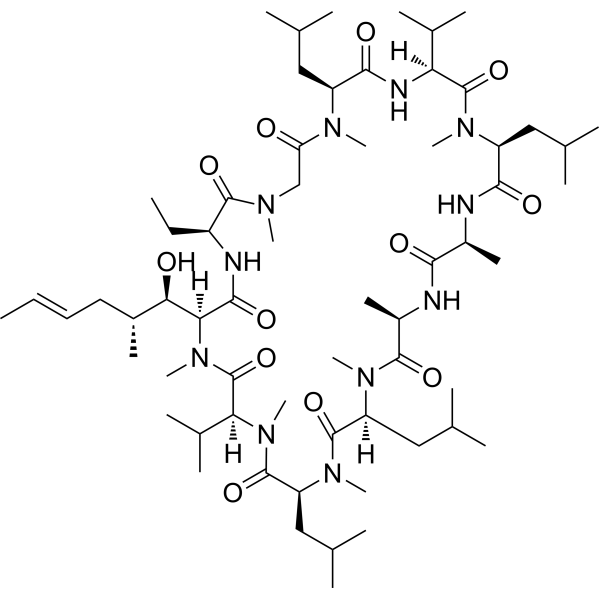
Cyclosporin A (Cyclosporine A) is an immunosuppressant which binds to the cyclophilin and inhibits phosphatase activity of protein phosphatase 2B (PP2B/calcineurin) with an IC50 of 5 nM . Cyclosporin A is a molecular glue, binds to cyclophilin and calcineurin, leading to inactivation of nuclear Factor of activated T Cells (NFAT) and a subsequent decrease in the immune response. Cyclosporin A also inhibits CD11a/CD18 adhesion .
loading...
    loading...
56
56 Cited Publications
Cat. No.: HY-14452
CAS No.: 125256-00-0
Purity:  99.85%
Synonyms: 125B11
Research Areas:  

Cancer

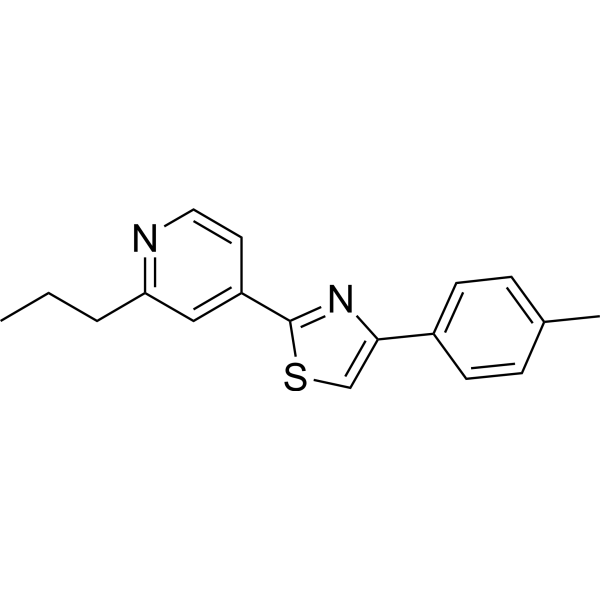
Fatostatin (125B11), a specific inhibitor of SREBP activation, impairs the activation of SREBP-1 and SREBP-2. Fatostatin binds to SCAP (SREBP cleavage-activating protein), and inhibits the ER-Golgi translocation of SREBPs. Fatostatin decreases the transcription of lipogenic genes in cells. Fatostatin possesses antitumor properties, and lowers hyperglycemia in ob/ob mice .
loading...
    loading...
56
56 Cited Publications
Cat. No.: HY-14452A
CAS No.: 298197-04-3
Purity:  99.52%
Synonyms: 125B11 hydrobromide
Research Areas:  

Cancer

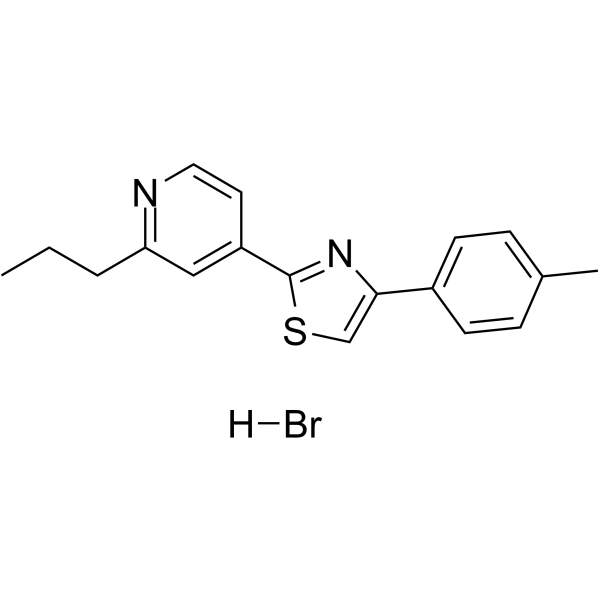
Fatostatin hydrobromide (125B11 hydrobromide), a specific inhibitor of SREBP activation, impairs the activation of SREBP-1 and SREBP-2. Fatostatin hydrobromide binds to SCAP (SREBP cleavage-activating protein), and inhibits the ER-Golgi translocation of SREBPs. Fatostatin hydrobromide decreases the transcription of lipogenic genes in cells. Fatostatin hydrobromide possesses antitumor properties, and lowers hyperglycemia in ob/ob mice .
loading...
    loading...
52
52 Cited Publications
Cat. No.: HY-15676
CAS No.: 1229705-06-9
Purity:  99.93%
Synonyms: RG7388
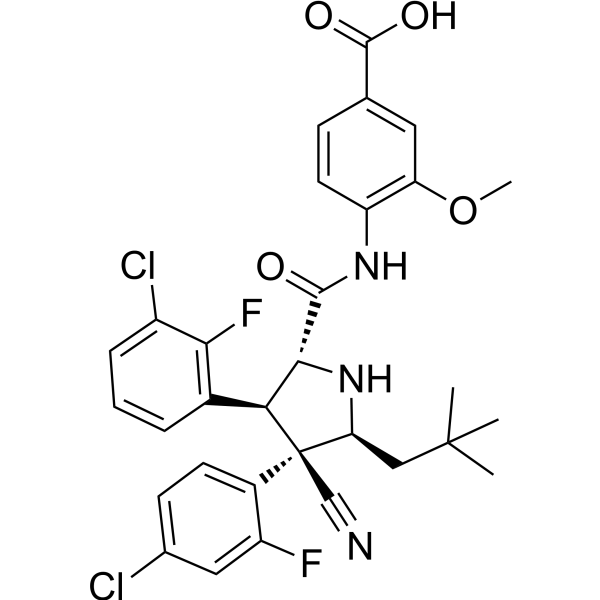
Idasanutlin (RG7388) is an orally bioavailable MDM2 inhibitor with an IC50 of 6 nM. Idasanutlin disrupts MDM2-p53 binding, stabilizes and activates p53, triggering cell cycle arrest, apoptosis, and reduced cancer cell viability. Idasanutlin reduces EGFR protein expression and phosphorylation, suppresses downstream SHP2, MEK1/2, ERK1/2, AKT, mTOR, p70(S6K1), and S6 signaling. Idasanutlin induces mitochondrial ROS production, drives p38 MAPK phosphorylation, upregulates NOXA, and mediates caspase-3-dependent apoptosis and gasdermin E-mediated pyroptosis. Idasanutlin can be used for the research of TP53-mutant non-small cell lung cancer, T-cell acute lymphoblastic leukemia, colorectal carcinoma, melanoma, diffuse large B-cell lymphoma, mantle cell lymphoma, non-Hodgkin lymphoma, severe fever with thrombocytopenia syndrome, neuroblastoma, acute lymphoblastic leukemia, relapsed or refractory acute myeloid leukemia, osteosarcoma, solid tumors, and hematological tumors .
loading...
    loading...
45
45 Cited Publications
Cat. No.: HY-N0176
CAS No.: 71939-50-9
Synonyms: Dihydroqinghaosu; β-Dihydroartemisinin; Artenimol
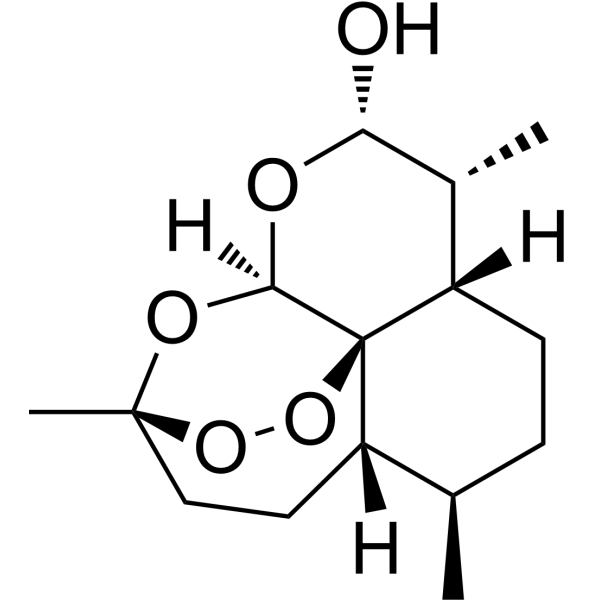
Dihydroartemisinin is an orally active metabolite of rtemisinin (HY-B0094) and antimalarial agent. Dihydroartemisinin induces Autophagy by inhibiting NF-κB activation. Dihydroartemisinin promotes ROS accumulation. Dihydroartemisinin exhibits anticancer activity in esophageal cancer cells. Dihydroartemisinin shows schistosomicidal activity against juvenile and adult worms of Schistosoma japonicum, reduces worm burden, and displays antiparasitic activity. Dihydroartemisinin can be used in research related to multiple myeloma, promyelocytic leukemia, esophageal cancer, and Schistosoma japonicum infection .
loading...
    loading...
25
25 Cited Publications
Cat. No.: HY-14909
CAS No.: 218600-44-3
Purity:  99.50%
Synonyms: CDDO; RTA 401
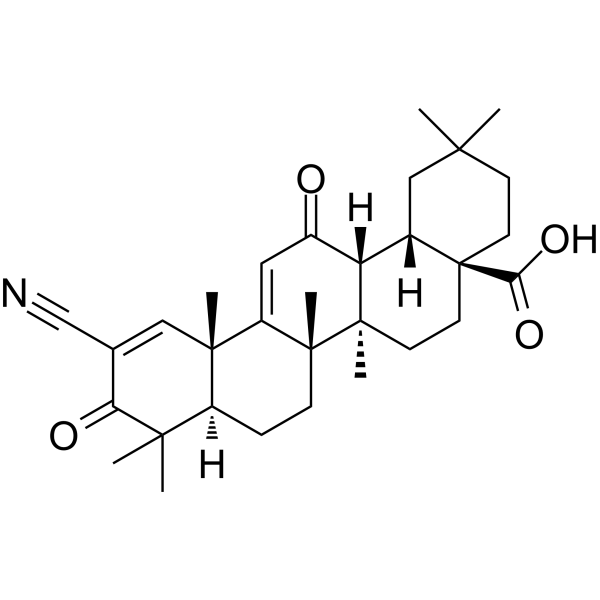
Bardoxolone (CDDO; RTA 401) is a Nrf2 activator. Bardoxolone shows anti-SARS-CoV-2 3CLpro with IC50 of 27.99 μM. Bardoxolone activates the Nrf2 pathway and inhibits the NF-κB pathway. Bardoxolone can induce cells differentiation, apoptosis and shows antiproliferative activity against cancer cells. Bardoxolone can increase ROS and decrease intracellular GSH levels. Bardoxolone inhibits Z-VAD-FMK (HY-16658B)-induced necroptosis. Bardoxolone can be used for the research of cancer, inflammation and infection, such as SARS-CoV infection and glioblastoma .
loading...
    loading...
25
25 Cited Publications
Cat. No.: HY-13817
CAS No.: 314245-33-5
Purity:  99.30%
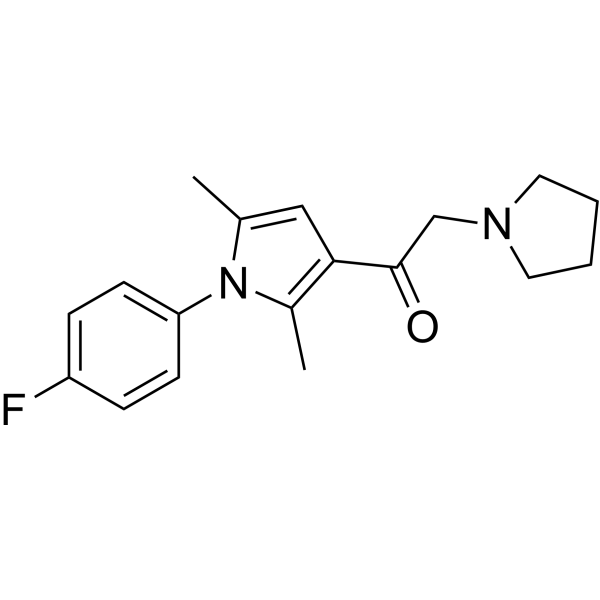
IU1 is a selective, reversible USP14 inhibitor with an IC50 of 4-5 μM. IU1 binds USP14’s catalytic cleft to block deubiquitinase activity. IU1 induces calpain-dependent Tau cleavage, causes ATP deficits, reduces E1~Ub thioester levels and 26S proteasome assembly. IU1 enhances 26S proteasome chymotrypsin-like activity, modulates LC3B-dependent autophagy flux, reduces cancer cell proliferation and migration, and blocks G0/G1 to S phase cell cycle transition in follicular thyroid cancer cells. IU1 activates autophagy-lysosomal and ubiquitin-proteasome pathways, triggers apoptosis, and reduces cervical cancer cell growth. IU1 enhances degradation of proteasome substrates linked to neurodegenerative disease, accelerates oxidized protein degradation, and increases oxidative stress resistance. IU1 can be used for the research of Alzheimer’s disease, follicular thyroid cancer, ischemic stroke, cervical cancer, and neurodegenerative disease .
loading...
    loading...
24
24 Cited Publications
Cat. No.: HY-15417
CAS No.: 110448-33-4
Purity:  99.60%
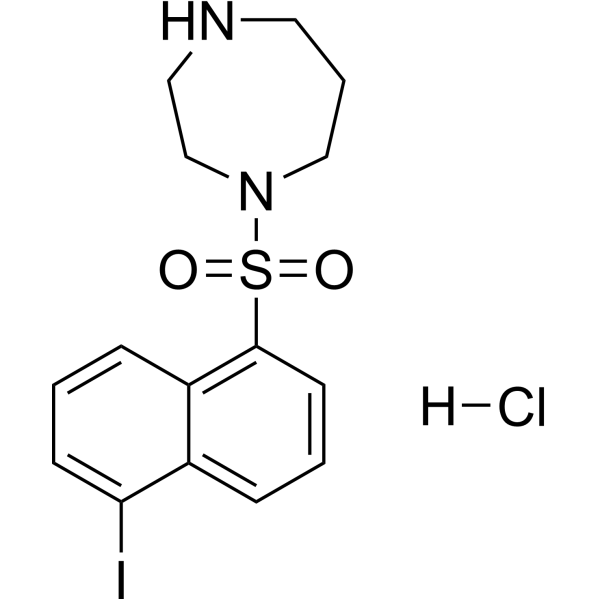
ML-7 hydrochloride is a selective and highly specific myosin light chain kinase (MLCK) inhibitor that acts as a trabecular meshwork (TM) relaxant. ML-7 hydrochloride enhances Quinocetone (HY-123581)-induced phosphorylation of ERK, p38 MAPK and JNK, attenuates Akt activation, and promotes apoptosis of hepatocellular carcinoma cells. ML-7 hydrochloride reduces Th2 cytokine secretion by inhibiting MLCK, while alleviating smooth muscle hyperplasia and collagen deposition . As a non-antibiotic adjuvant, ML-7 hydrochloride restores the sensitivity of drug-resistant bacteria to Tigecycline (HY-B0117) . ML-7 hydrochloride can be used in research related to glaucoma, hepatocellular carcinoma, asthma, and Klebsiella pneumoniae infection .
loading...
    loading...
16
16 Cited Publications
Cat. No.: HY-N0637
CAS No.: 552-58-9
Synonyms: Huazhongilexone
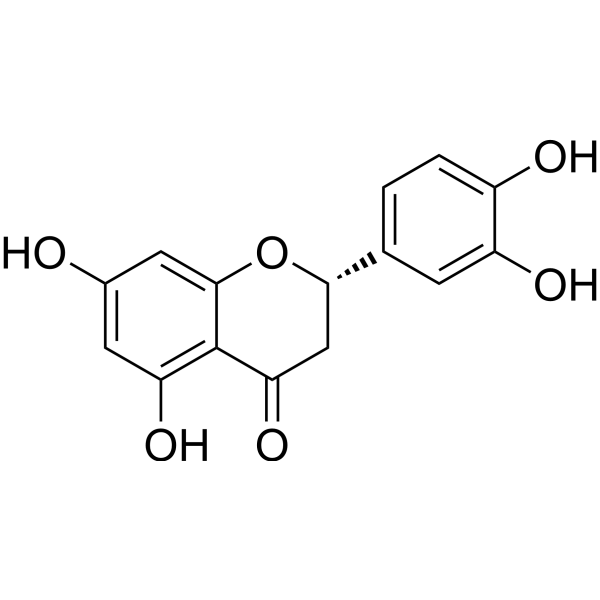
Eriodictyol ((±)-Huazhongilexone; Dihydroluteolin) is an orally active TRPV1 receptor antagonist (IC50=44-47 nM, rTRPV1) with antioxidant and anti-inflammatory activities. Eriodictyol effectively inhibits lipid peroxidation and the release of proinflammatory cytokines by specifically antagonizing the TRPV1 receptor and activating the Nrf2 signaling pathway. Eriodictyol reduces the levels of ICAM-1, VEGF, eNOS and TNF-α in the retina and maintains the integrity of the blood-retinal barrier. Eriodictyol alleviates oxidative stress-induced apoptosis and hyperalgesia, enhances the activity and cytotoxicity of immune cells (such as B lymphocytes, NK cells and macrophages), and increases the levels of antioxidant enzymes simultaneously. Eriodictyol can be used in the research of diabetic retinopathy, acute lung injury and various pain-related diseases .
loading...
    loading...
13
13 Cited Publications
Cat. No.: HY-12467
CAS No.: 1338545-07-5
Purity:  99.74%
Target:  

TOPK CDK Apoptosis

Research Areas:  

Cancer

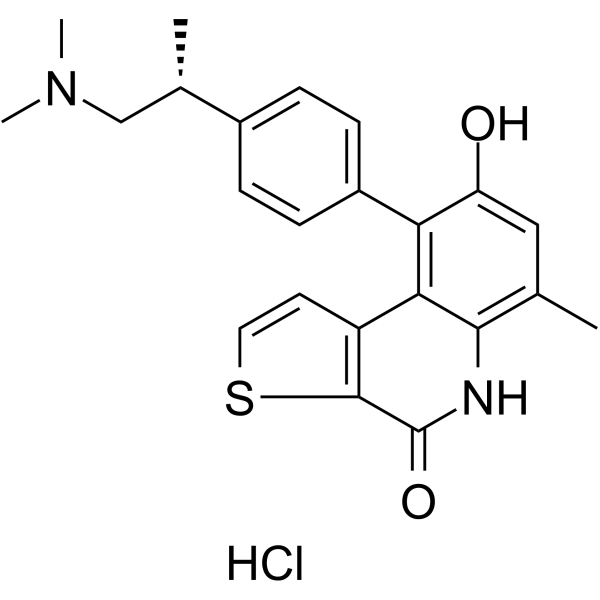
OTS964 hydrochloride is an orally active, high affinity and selective TOPK (T-lymphokine-activated killer cell-originated protein kinase) inhibitor with an IC50 of 28 nM . OTS964 hydrochloride is also a potent inhibitor of the cyclin-dependent kinase CDK11, which binds to CDK11B with a Kd of 40 nM .
loading...
    loading...
9
9 Cited Publications
Cat. No.: HY-10966
CAS No.: 405554-55-4
Purity:  99.77%
Target:  

Raf Apoptosis

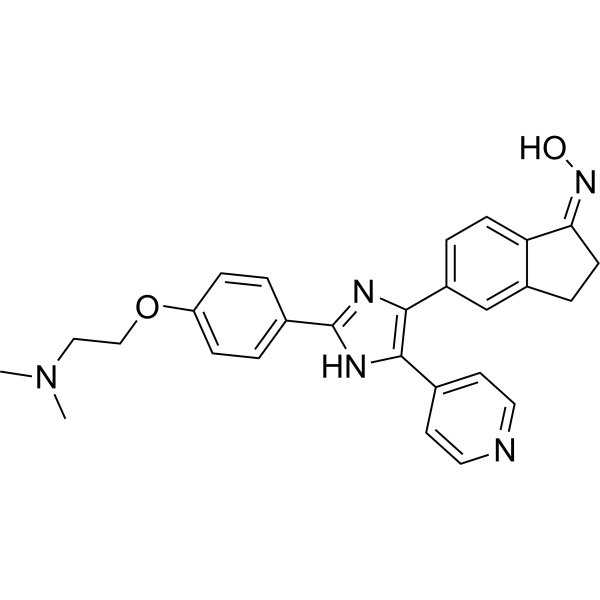
SB-590885 is a BRAF/c-Raf kinase inhibitor that selectively targets B-Raf, and it amplifies the ERK/MAPK signaling pathway in RAS-activated cells. SB-590885 effectively inhibits the malignant proliferation, transformation and tumorigenicity of oncogenic B-Raf cells; it also induces the proliferation of erythroid progenitor cells, delays their differentiation and promotes hemoglobin synthesis, thereby improving ineffective erythropoiesis and reducing apoptosis. SB-590885 exerts a synergistic effect with TGF-β inhibitors and glucocorticoids, significantly promoting the formation of erythroid colonies in cells from patients with Diamond-Blackfan anemia (DBA). SB-590885 is mainly used in relevant studies on DBA, cisplatin-induced myelosuppression-related anemia, and pan-cancers such as melanoma and colorectal cancer .
loading...
    loading...
9
9 Cited Publications
Cat. No.: HY-108543
CAS No.: 93718-83-3
Purity:  ≥99.0%
Target:  

Phosphatase Apoptosis

Research Areas:  

Cancer

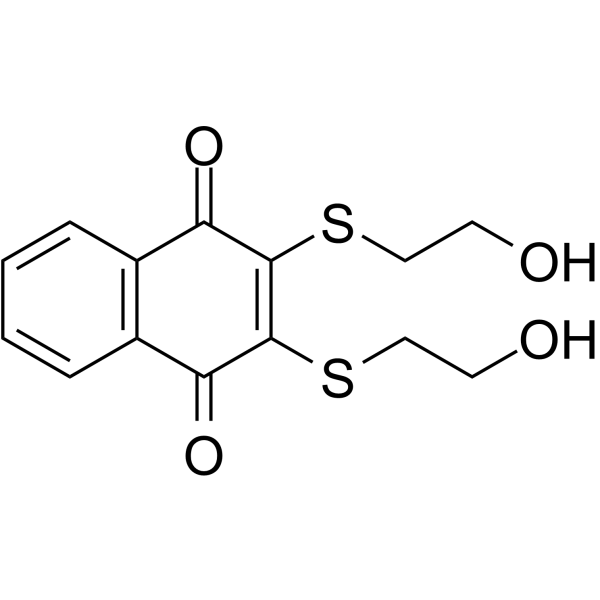
NSC 95397 is a potent, selective Cdc25 dual specificity phosphatase inhibitor (Ki=32 nM (Cdc25A), 96 nM (Cdc25B), 40 nM (Cdc25C); IC50=22.3 nM (human Cdc25A), 56.9 nM (human Cdc25C), 125 nM (Cdc25B)) . NSC 95397 inhibits mitogen-activated protein kinase phosphatase-1 (MKP-1) and suppresses proliferation and induces apoptosis in colon cancer cells through MKP-1 and ERK1/2 pathway .
loading...
    loading...
7
7 Cited Publications
Cat. No.: HY-N6771
CAS No.: 18172-33-3
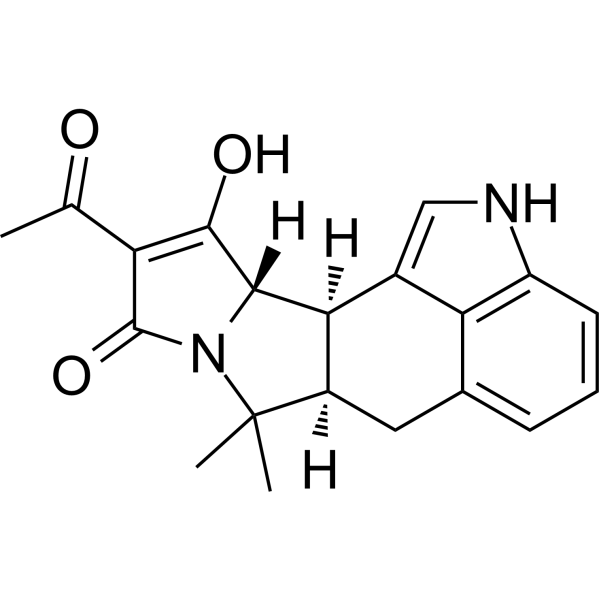
Cyclopiazonic acid is an endoplasmic reticulum calcium ATPase (ECAs) inhibitor and human respiratory syncytial virus (RSV) inhibitor (EC50 value of 4.13 μ M), which can reduce the antagonistic effect of 5-HT receptors in rat thoracic aorta, induce p53 dependent cell apoptosis and reproductive toxicity in mouse testes, and inhibit the biological activation of aflatoxin B [1][4][5].
loading...
    loading...
6
6 Cited Publications
Cat. No.: HY-N0762
CAS No.: 31524-62-6
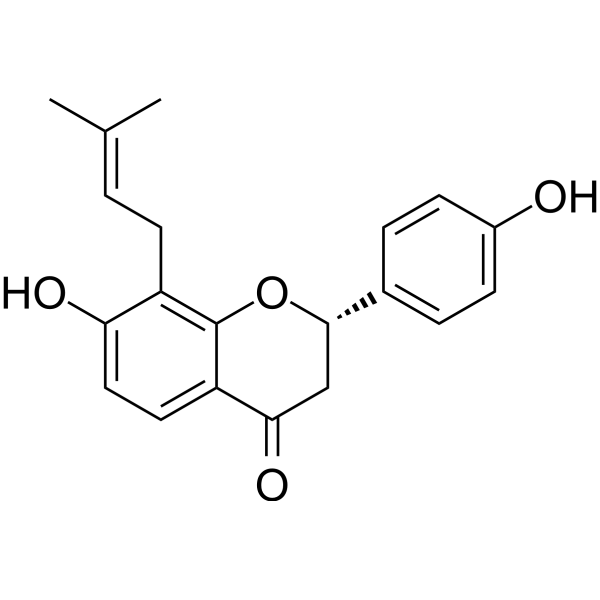
Isobavachin is an orally active, blood-brain barrier-penetrating prenylated flavonoid present in Psoralea corylifolia. Isobavachin inhibits human CYP2B6, CYP2C9, CYP2C19, UGT1A1, UGT1A9, and UGT2B7. Isobavachin suppresses MAPK activation, NF-κB nuclear translocation, overexpression of iNOS/COX-2, FcεRI-mediated signaling pathways, and RANKL-induced osteoclastogenesis. Isobavachin induces autophagy, cytotoxicity, neuronal differentiation, and NRF2 activation; it alleviates oxidative damage, inflammatory responses, apoptosis, iron accumulation, mitochondrial biogenesis, and mast cell degranulation. Isobavachin is applicable to research related to liver injury, inflammatory diseases, osteoporosis, liver cancer, prostate cancer, glioma, periodontitis-induced bone loss, and Alzheimer's disease .
loading...
    loading...
5
5 Cited Publications
Cat. No.: HY-15322
CAS No.: 1370261-96-3
Purity:  99.38%
Synonyms: P505-15; PRT-2607; BIIB-057
Target:  

Syk Apoptosis Caspase

Research Areas:  

Inflammation/Immunology Cancer

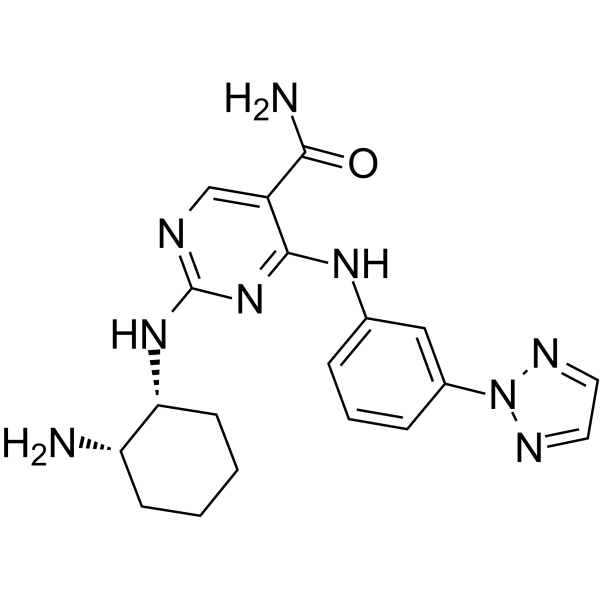
PRT062607 (P505-15; PRT-2607) is an orally active ATP-competitive Syk inhibitor with an IC50 value of 1 nM, and exhibits at least 80-fold selectivity over other kinases. PRT062607 blocks B cell antigen receptor-mediated activation, Fcε receptor 1-mediated basophil degranulation and microglial phagocytosis, and induces caspase-dependent apoptosis and microglial death. PRT062607 inhibits tumor growth and peripheral nerve injury-induced mechanical allodynia, and prevents neuronal loss. PRT062607 can be used in research related to rheumatoid arthritis, chronic lymphocytic leukemia, non-Hodgkin's lymphoma, neurodegenerative diseases and neuropathic pain .
loading...
    loading...
4
4 Cited Publications
Cat. No.: HY-N0699
CAS No.: 2034-69-7
Synonyms: Dephnoretin; Thymelol
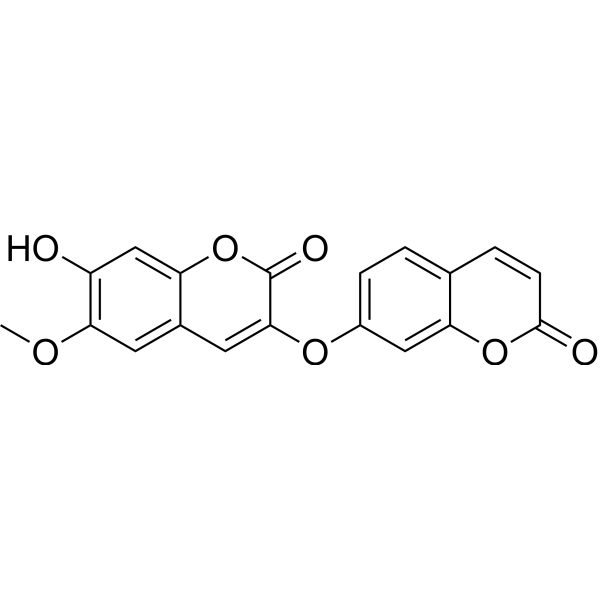
Daphnoretin (Dephnoretin; Thymelol) is a protein kinase C (PKC) activator that inhibits the expression of hepatitis B virus (HBV) surface antigen (HBsAg) and exhibits antiviral activity. Daphnoretin exerts its antitumor effects by inhibiting the activation of the PI3K/AKT signaling pathway and triggers the mitochondrial apoptosis pathway. Daphnoretin alleviates chondrocyte apoptosis and inflammatory responses by inhibiting endoplasmic reticulum stress and activation of the NLRP3 inflammasome. Daphnoretin regulates the differentiation and maturation of dendritic cells, inhibits their immunostimulatory function by downregulating the phosphorylation level of JNK, and thus exerts a protective effect in skin graft rejection .
loading...
    loading...
4
4 Cited Publications
Cat. No.: HY-B0735A
CAS No.: 67227-57-0
Synonyms: Fenoldopam methanesulfonate; SKF-82526 mesylate
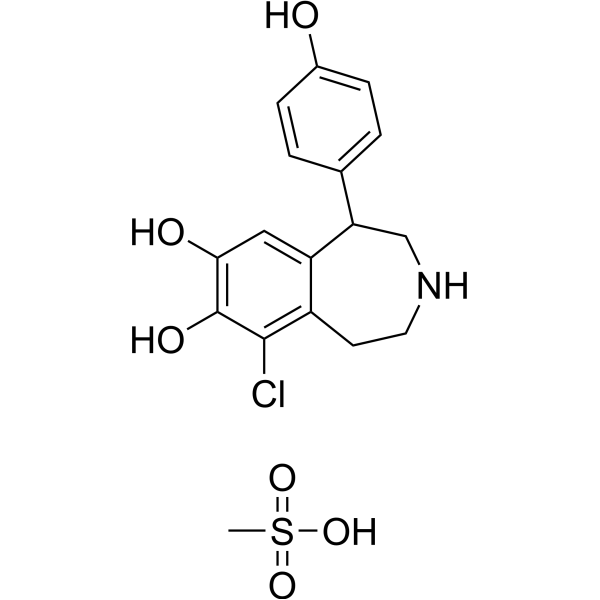
Fenoldopam (SKF-82526) mesylate is a selective dopamine D1 receptor agonist. Fenoldopam mesylate binds to rat D1B dopamine receptors (Kd = 11 nM) and human D1A receptors (Kd = 17 nM) in COS-7 cell membranes expressing the cloned receptors. Fenoldopam mesylate modulates dopamine receptor expression, induces vasorelaxation in vascular tissues, reverses glomerular hyperfiltration in rat models, increases intracellular cAMP levels, promotes DARPP-32 phosphorylation in small cell lung cancer (SCLC) cells, inhibits cytokine secretion, and downregulates T cell activation markers in activated human T cells. Fenoldopam mesylate can be used for research on hypertension, acute kidney injury, psoriasis, and small cell lung cancer .
loading...
    loading...
4
4 Cited Publications
Cat. No.: HY-N2445
CAS No.: 37308-75-1
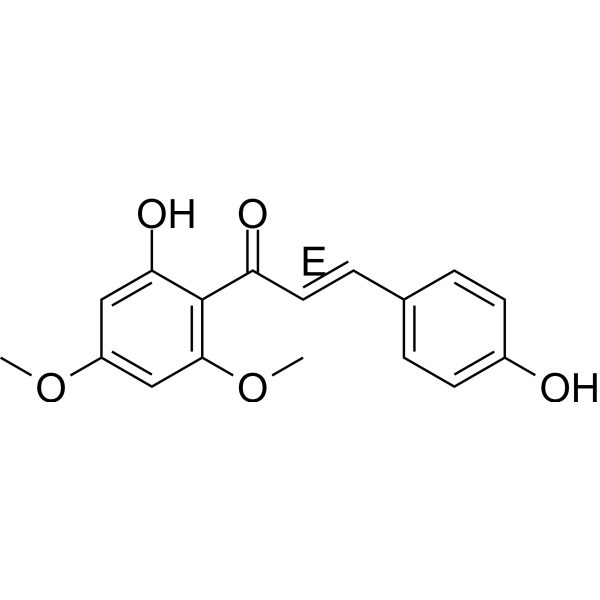
Flavokawain C is an orally active natural chalcone. Flavokawain C inhibits the proliferation of various cancer cells. Flavokawain C upregulates GADD153 in cancer cells, inhibits the phosphorylation of Akt and JNK, suppresses early ERK phosphorylation, activates late ERK phosphorylation, activates caspase related subtypes, induces PARP-1 cleavage, causes upregulation of p21 and p27, downregulation of mutant p53 and anti-apoptotic IAP proteins, elevates intracellular ROS levels, reduces SOD activity, and induces apoptosis. Flavokawain C downregulates FABP4, induces autophagy in cancer cells, and activates the AMPK/mTOR pathway . Flavokawain C decreases the expression of glycolysis-related proteins GLUT1 and HK2, and inhibits glycolysis in nasopharyngeal carcinoma cells. Flavokawain C inhibits the activation of the EGFR/PI3K/Akt/mTOR signaling pathway and reduces the expression of HSP90B1. Flavokawain C inhibits angiogenesis by decreasing the expression of angiogenic proteins Ang-1 and VEGF in human umbilical vein endothelial cells. Flavokawain C increases γ-H2AX levels in cells, inhibits the phosphorylation of FAK, PI3K and AKT in cells, and induces DNA damage in cells. Flavokawain C exerts anti-tumor activity in multiple tumor xenograft mouse models. Flavokawain C is applicable to research related to colorectal cancer, colon adenocarcinoma, nephroblastoma, nasopharyngeal carcinoma and liver cancer .
loading...
    loading...
4
4 Cited Publications
Cat. No.: HY-12974
CAS No.: 1194961-19-7
Purity:  98.98%
Synonyms: PRT318
Target:  

Syk Apoptosis

Research Areas:  

Inflammation/Immunology Cancer

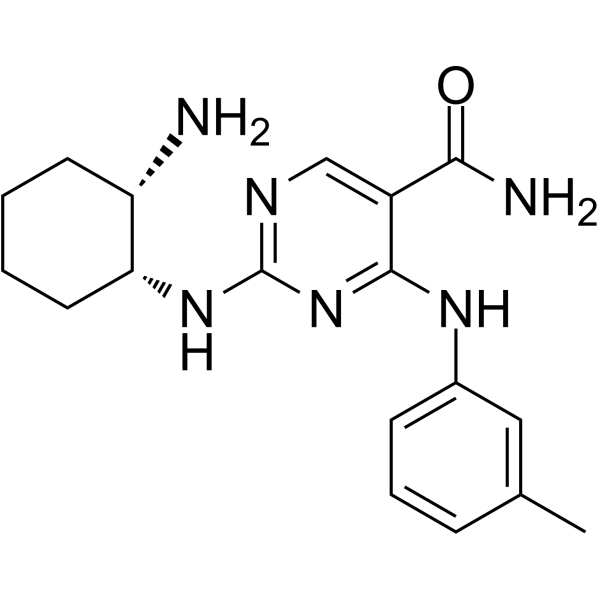
PRT-060318 (PRT318) s a potent, selective and orally active tyrosine kinase Syk inhibitor with an IC50 of 3 nM. PRT-060318 suppresses chronic lymphocytic leukemia (CLL) B cell activation and migration, and induces apoptosis. PRT-060318 prevents Heparin (HY-17567)-induced thrombocytopenia and thrombosis in a transgenic mouse model. PRT-060318 dihydrochloride can be used for CLL and thrombus research .
loading...
    loading...
4
4 Cited Publications
Cat. No.: HY-12974A
CAS No.: 3032567-93-1
Synonyms: PRT318 dihydrochloride
Target:  

Syk Apoptosis

Research Areas:  

Inflammation/Immunology Cancer

PRT-060318 (PRT318) dihydrochloride is a potent, selective and orally active tyrosine kinase Syk inhibitor with an IC50 of 3 nM. PRT-060318 dihydrochloride suppresses chronic lymphocytic leukemia (CLL) B cell activation and migration, and induces apoptosis. PRT-060318 dihydrochloride prevents Heparin (HY-17567)-induced thrombocytopenia and thrombosis in a transgenic mouse model. PRT-060318 dihydrochloride can be used for CLL and thrombus research .
loading...
    loading...

