


1. Search Result
Search Result
Results for "

Acute myeloid leukemia target

" in MedChemExpress (MCE) Product Catalog:

98

Inhibitors & Agonists

1

Fluorescent Dyes

1

Biochemical Assay Reagents

1

Peptides

25

Inhibitory Antibodies

2

Natural
Products

3

Oligonucleotides

1

GMP Molecules

Targets Recommended:
Cat. No. Product Name Target Research Areas Chemical Structure
  • HY-112288
    C188-9
    Maximum Cited Publications
    32 Publications Verification

    TTI-101

    STAT Apoptosis DNA Methyltransferase Metabolic Disease Inflammation/Immunology Cancer
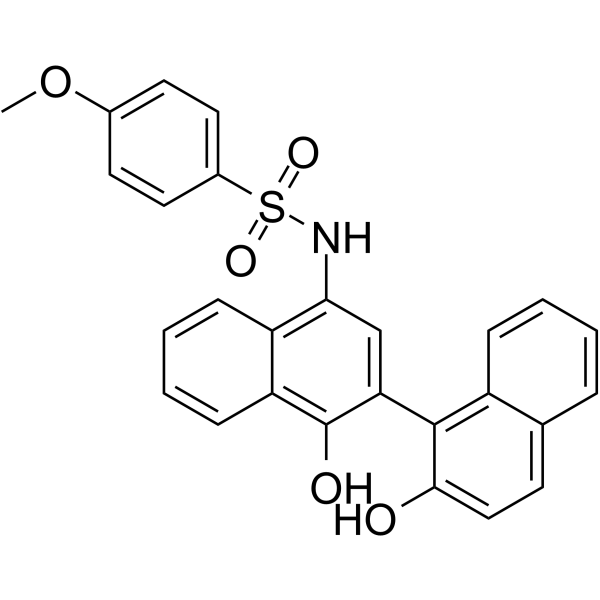
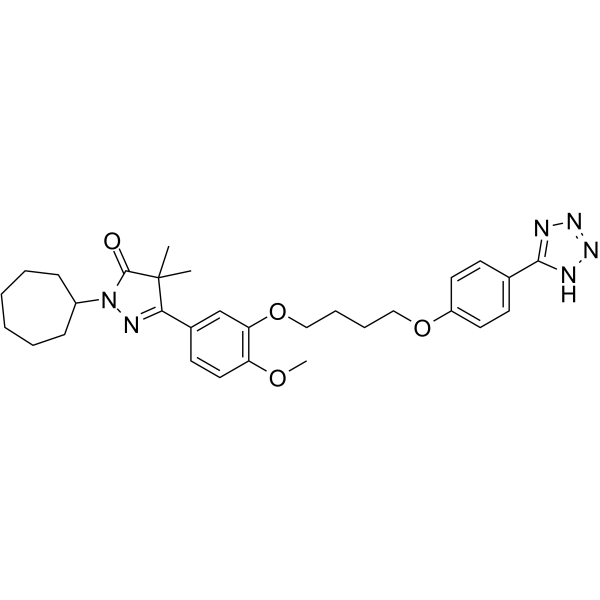
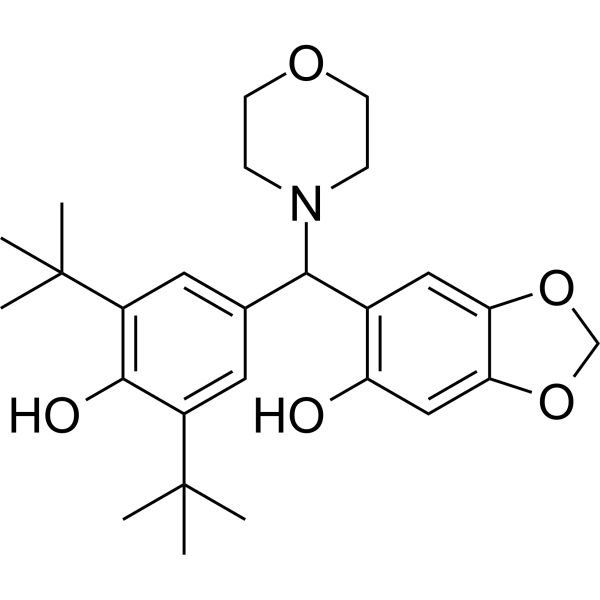
    C188-9 (TTI-101) is a STAT3 inhibitor with a Kd value of 4.7 nM. C188-9 targets the SH2 domain of STAT3, blocks the processes of STAT3 ligand binding, receptor recruitment, homodimerization and phosphorylation, and regulates STAT3-mediated genes associated with tumorigenesis and radioresistance. C188-9 regulates STAT1-mediated genes related to radioresistance and reduces the activation level of STAT1. C188-9 downregulates the expression of DNMT1, enhances DAC-induced demethylation and re-expression of RASSF1A, and simultaneously potentiates the anti-tumor effect of DAC on pancreatic cancer cells. C188-9 inhibits both anchorage-dependent and anchorage-independent growth of cancer cells, induces Apoptosis, blocks the growth of tumor xenografts, and suppresses muscle atrophy. C188-9 maintains muscle mass, increases body weight and improves grip strength in tumor-bearing mice. C188-9 can be used in research related to head and neck squamous cell carcinoma, pancreatic cancer, sepsis-related skeletal muscle wasting, non-small cell lung cancer, acute myeloid leukemia and cancer cachexia .
    C188-9
  • HY-30272
    Monobenzone
    1 Publications Verification

    Hapten Cancer
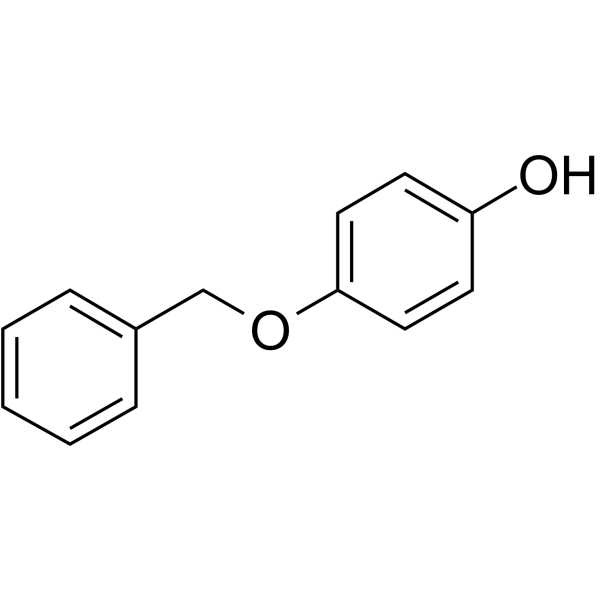
    Monobenzone is a potent skin depigmenting agent. Monobenzone induces depigmentation and exhibits good potential for vitiligo research. Monobenzone is a potent inhibitor of RNR (Ribonucleotide reductase) enzyme activity by targeting RRM2 (a regulatory small subunit M2 of RNR) protein, and thus has significant anti-leukemia efficacy in vitro and in vivo. Monobenzone inhibits acute myeloid leukemia (AML) cells proliferation and DNA synthesis, induces cell cycle arrest, and Apoptosis .
    Monobenzone
  • HY-14571
    E7820
    5 Publications Verification

    ER68203-00

    Molecular Glues Integrin Infection Metabolic Disease Cancer
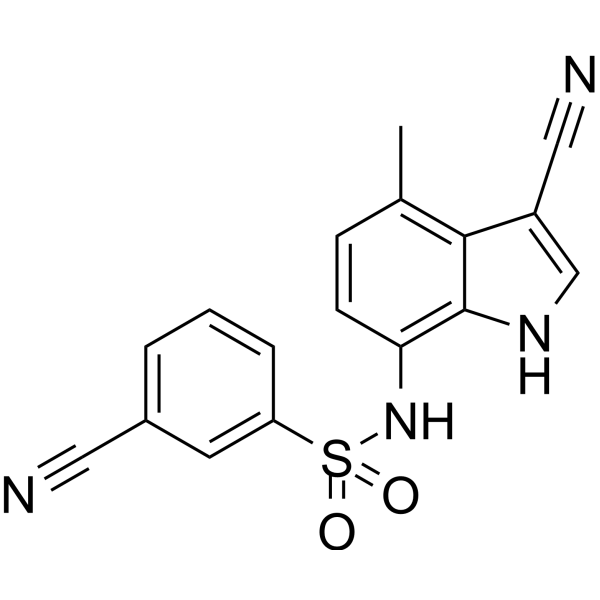
    E7820 (ER68203-00), an orally active aromatic sulfonamide derivative, is a molecular glue that induces the targeted degradation of splicing factor RBM39 by recruiting the E3 ubiquitin ligase CUL4-RBX1-DDB1-DCAF15 (CRL4 DCAF15). E7820 is an angiogenesis inhibitor suppressing an expression of integrin alpha2 subunit on endothelium. E7820 inhibits rat aorta angiogenesis with an IC50 of 0.11 μg/ml. E7820 modulates α-1, α-2, α-3, and α-5 integrin mRNA expression. E7820 can be used for the study of acute myeloid leukemia (AML) .
    E7820
  • HY-124629
    DB2313
    5+ Cited Publications

    Apoptosis Cancer
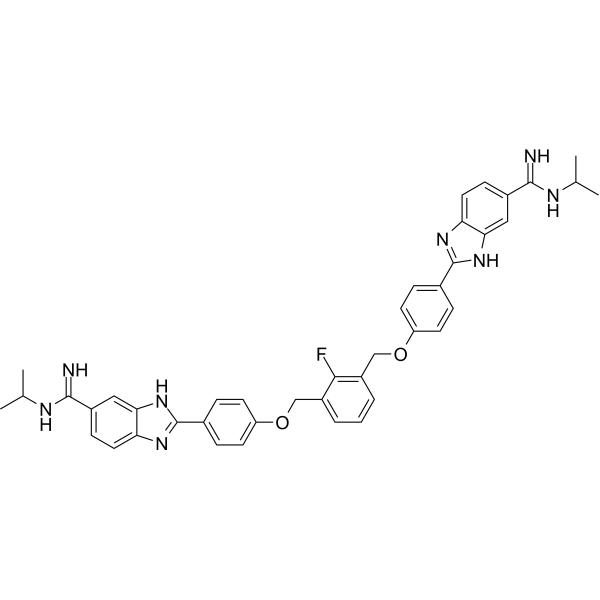
    DB2313 is a potent inhibitor of transcription factor PU.1. DB2313 inhibits PU.1-dependent reporter gene transactivation with an IC50 of 5 μM. DB2313 disrupts the interaction of PU.1 with target gene promoters. DB2313 induces apoptosis in acute myeloid leukemia (AML) cells and has anticancer effects .
    DB2313
  • HY-145898

    14-D-Valine-TPL

    c-Myc Molecular Glues Cancer
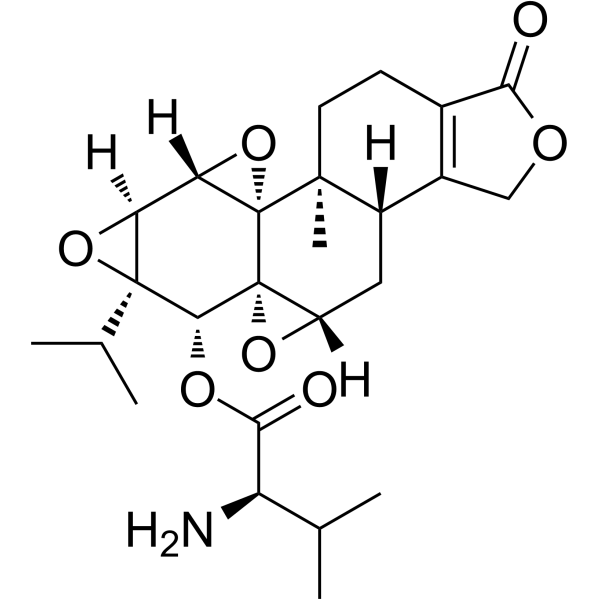
    WBC100 (14-D-Valine-TPL) is a potent, selective, and orally active c-Myc molecule glue degrader. WBC100 is a c-Myc degrader and targets ubiquitin E3 ligase CHIP mediated 26S proteasome pathway. WBC100 is used for c-Myc overexpressing tumors research .
    WBC100
  • HY-P99014
    Cusatuzumab
    1 Publications Verification

    ARGX-110

    Fc Receptor (FcR) NF-κB Inflammation/Immunology Cancer
    Cusatuzumab (ARGX-110) is a selective competitive blocker targeting CD70 (with an equilibrium dissociation constant of 17 pM for binding to human CD70). Cusatuzumab also possesses enhanced antibody-dependent cell-mediated cytotoxicity (ADCC) activity. It is a humanized IgG1 monoclonal antibody, artificially synthesized through humanization and genetic engineering modifications (CH2 region mutation to enhance effector function). Cusatuzumab has a dual mechanism of action: firstly, it competitively blocks the interaction between CD70 and CD27, inhibiting the CD27-NF-κB signaling pathway, reducing regulatory T cell (Treg) activation and tumor cell proliferation; secondly, by enhancing binding to FcγRIIIa, it mediates ADCC and antibody-dependent cellular phagocytosis (ADCP), directly lysing CD70-positive tumor cells. Cusatuzumab can efficiently eliminate leukemia stem cells (LSCs), induce tumor cell differentiation and apoptosis, restore immune surveillance, and target CD70-positive tumors. Cusatuzumab is used in the study of acute myeloid leukemia (AML) .
    Cusatuzumab
  • HY-P99971

    ADC Antibody Transmembrane Glycoprotein Cancer
    Gemtuzumab is a monoclonal IgG4-κ antibody targeting CD33 antigen. Gemtuzumab affects cell necrosis by specifically targeting CD33 expressed on the surface of leukaemic cell blasts in acute myeloid leukemia (AML). Gemtuzumab can be used for synthesis of antibody-drug conjugate (ADC), Gemtuzumab ozogamicin (HY-109539). Gemtuzumab ozogamicin consists of a cytotoxic derivative of Calicheamicin (a cytotoxic antibiotic), and a monoclonal antibody. Gemtuzumab ozogamicin can be used for the research of acute myeloid leukemia. Recommend Isotype Controls: Human IgG4 (S228P) kappa, Isotype Control (HY-P99003) .
    Gemtuzumab
  • HY-170451

    KT-253

    PROTACs MDM-2/p53 Apoptosis Cancer
    Seldegamadlin (KT-253) is a selective p53 stabilizer and a MDM2 PROTAC degrader (DC50 = 0.4 nM). Seldegamadlin inhibits the proliferation of cancer cell RS4;11 with an IC50 of 0.3 nM, arrests the cell cycle at G2/M phase, and induces apoptosis. Seldegamadlin upregulates p53 activity and overcomes the p53-MDM2 feedback loop. Seldegamadlin can be used for the study of hematologic and solid tumors, such as acute myeloid leukemia (AML) and acute lymphoblastic leukemia (ALL). (Pink: ligand for target protein MDM2 ligand 4 (HY-170452); Black: linker (HY-W001478); Blue: ligand for E3 ligase cereblon (HY-163927)) .
    Seldegamadlin
  • HY-P99521

    XmAb14045

    CD3 Inflammation/Immunology Cancer
    Vibecotamab (XmAb14045) is a potent bispecific antibody targeting both CD123 and CD3. Vibecotamab targets T cell-mediated killing of CD123-expressing cells, regardless of T cell antigen specificity. Vibecotamab is a full length immunoglobulin molecule. Vibecotamab can be studied in research for diseases such as Myelodysplastic syndrome and acute myeloid leukemia. Recommend Isotype Control: half-IG G1-kappa/(scFv-heavy-lambda)-h-CH2-CH3 .
    Vibecotamab
  • HY-N0559
    Kirenol
    1 Publications Verification

    Casein Kinase Apoptosis AMPK Akt NF-κB TGF-beta/Smad Cardiovascular Disease Neurological Disease Metabolic Disease Inflammation/Immunology Cancer
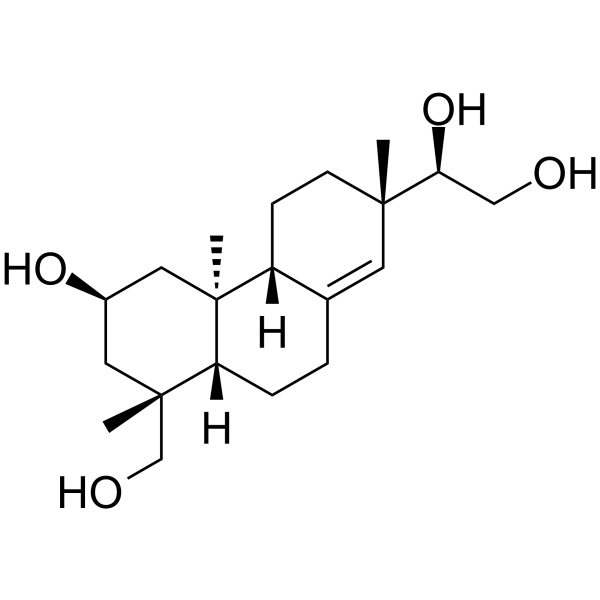
    Kirenol is a diterpenoid compound, an orally active apoptosis inducer and signaling pathway regulator, with a Kd value of 5.47 μM against the target CK2. Kirenol promotes the cleavage of Bid into tBid, regulates the protein levels/phosphorylation of Bax, Bcl-2, p53 and p21, and induces caspase-independent apoptosis, S-phase cell cycle arrest, ROS accumulation and cytotoxicity in cancer cells. Kirenol activates the CK2/AKT and AMPK-mTOR-ULK1 pathways, inhibits the signaling of NF-κB, TGF-β/Smads and NLRP3 inflammasome, and regulates the GSK3β, BMP and Wnt/β-catenin pathways. Kirenol induces autophagy, mitophagy and osteoblast differentiation, promotes mitochondrial fusion, and exerts antioxidant, anti-inflammatory, antifibrotic, renoprotective, cardioprotective, neuroprotective and analgesic effects. Kirenol is applicable to research related to chronic myeloid leukemia, ischemic stroke, diabetic nephropathy, heart failure, acute lung injury and osteoporosis .
    Kirenol
  • HY-P99488

    JSP-191; AMG-191

    c-Kit Inflammation/Immunology Cancer
    Briquilimab (JSP-191 or AMG-191) is a humanized IgG1 monoclonal antibody that binds human CD117 (c-Kit). Briquilimab blocks the interaction between CD117 receptor and stem cell factor on various CD117 expressing tissues. Briquilimab can lead to inhibition of SCF/c-Kit signaling and MC apoptosis. Briquilimab is a non-toxic approach to target and deplete HSC, enabling blood and immune reconstitution with minimal toxicity with the other agents being used for transient immune suppression to prevent immunologic rejection. Briquilimab can be used in various disease research such as severe combined immunodeficiency (SCID), myelodyplastic syndromes (MDS), acute myeloid leukemia (AML), chronic spontaneous urticarial (CSU), chronic inducible urticarial (CIndU) and asthema .
    Briquilimab
  • HY-162250

    PROTACs Histone Methyltransferase Cancer
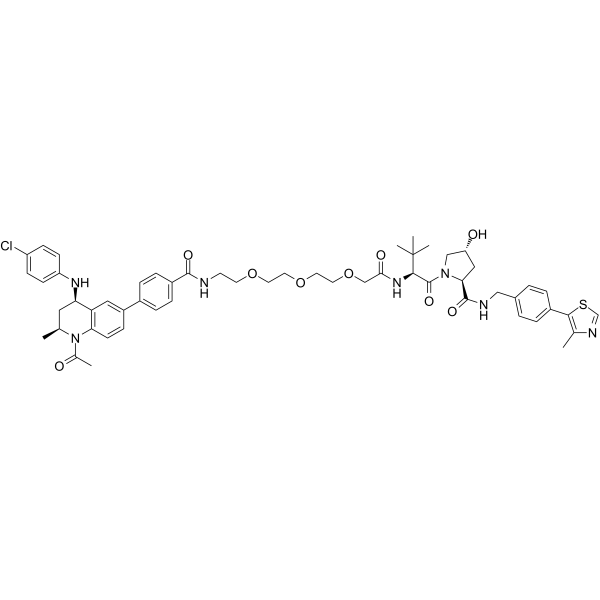
    MS8847 is a PROTAC degrader and antiproliferative agent targeting EZH2 (DC50=34.4 nM in EOL-1 MLL-rAML cells). MS8847 recruits the E3 ligase von Hippel-Lindau (VHL) to mediate the degradation of EZH2 via the ubiquitin-proteasome system. MS8847 induces antiproliferative effects in MLL-rearranged acute myeloid leukemia cells and inhibits the growth of triple-negative breast cancer cell lines or 3D triple-negative breast cancer models. MS8847 is applicable to research related to MLL-rearranged acute myeloid leukemia and triple-negative breast cancer .
    MS8847
  • HY-171792

    ORM-6151

    Transmembrane Glycoprotein Cancer
    BMS-986497 (ORM-6151) is a CD33-targeting antibody-conjugated GSPT1 degrader. BMS-986497 delivers the GSPT1 degrader SMol006 to CD33-expressing cells and induces GSPT1 protein degradation. BMS-986497 shows potential for research on acute myeloid leukemia (AML) .
    BMS-986497
  • HY-P991558

    RG-7356

    Transmembrane Glycoprotein Cancer
    RO-5429083 (RG-7356) is a humanized monoclonal antibody targeting CD44. RO-5429083 binds to the extracellular domain of CD44 and inhibits constitutive EGFR phosphorylation. RO-5429083 suppresses tumor growth in xenograft models and can be used in research related to head and neck squamous cell carcinoma and acute myeloid leukemia .
    RO-5429083
  • HY-P99623

    MGD006; S80880

    CD3 Cancer
    Flotetuzumab (MGD006; S80880) is an investigational CD123/CD3 bispecific dual-affinity retargeting antibody (DART) molecule. Flotetuzumab reactivates T cells by simultaneously binding to CD123 in target cells and CD3 in effector T cells, leading to T-cell-mediated cytotoxicity in target cells. Flotetuzumab shows inhibitory effect on a mouse model of patient-derived xenograft (PDX) in acute myeloid leukemia (AML) .
    Flotetuzumab
  • HY-145729

    AZD9150

    STAT Apoptosis Cancer
    Danvatirsen (AZD9150) is an antisense oligonucleotide targeting STAT3. Danvatirsen reduces the viability and promotes apoptosis of leukemia cell lines. Danvatirsen inhibits the expression of endogenous STAT3 and its downstream target genes, and reduces the proliferation and tumorigenicity of neuroblastoma and lymphoma cells. Danvatirsen inhibited tumor growth in mouse models of neuroblastoma, lymphoma, and non-small cell lung cancer. Danvatirsen achieves STAT3 mRNA and protein depletion in a mouse model of epidermoid carcinoma. Danvatirsen can be used in research related to lymphoma, myelodysplastic syndrome, acute myeloid leukemia, neuroblastoma and non-small cell lung cancer .
    Danvatirsen
  • HY-13032B
    Molibresib besylate
    20+ Cited Publications

    GSK 525762C; I-BET 762 besylate

    Epigenetic Reader Domain ERK Cancer
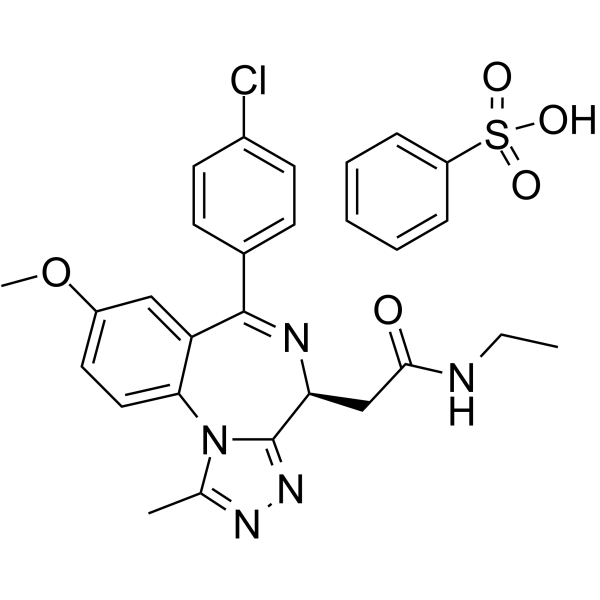
    Molibresib besylate (GSK 525762C; I-BET 762 besylate) is an orally active pan-BET inhibitor that targets and binds to BRD2, BRD3, BRD4 and BRDT. By competitively occupying acetylated lysine binding sites, Molibresib besylate disrupts the interaction between BET proteins and chromatin, thereby effectively inhibiting MYC expression and target gene transcription. Molibresib besylate exhibits broad antiproliferative activity, which not only inhibits cancer cell growth and induces growth arrest, but also downregulates mitosis-related genes and upregulates the level of p-ERK1/2. When combined with MEK inhibitors, Molibresib besylate shows a significant synergistic effect, reduces tumor burden in mouse models of leukemia, modulates the immune microenvironment and prolongs survival. Molibresib besylate is widely applicable to research related to acute myeloid leukemia, multiple myeloma, triple-negative breast cancer, small-cell lung cancer and various advanced refractory solid tumors .
    Molibresib besylate
  • HY-157334
    DEG-77
    1 Publications Verification

    Molecular Glues Casein Kinase IKZF Family Bcl-2 Family CDK Apoptosis Cancer
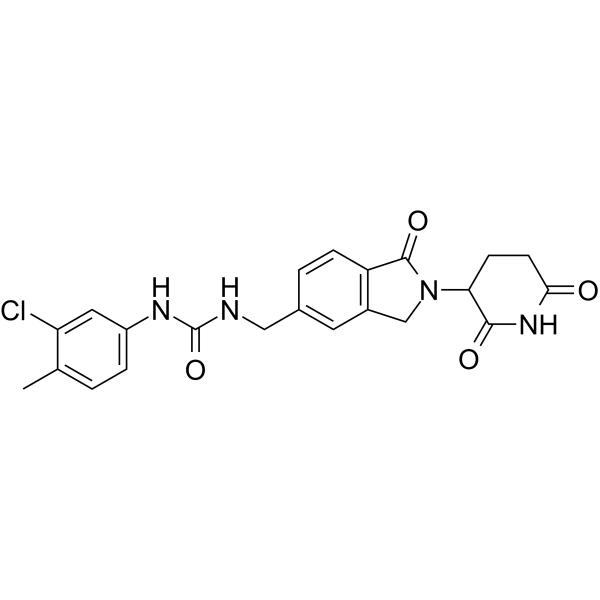
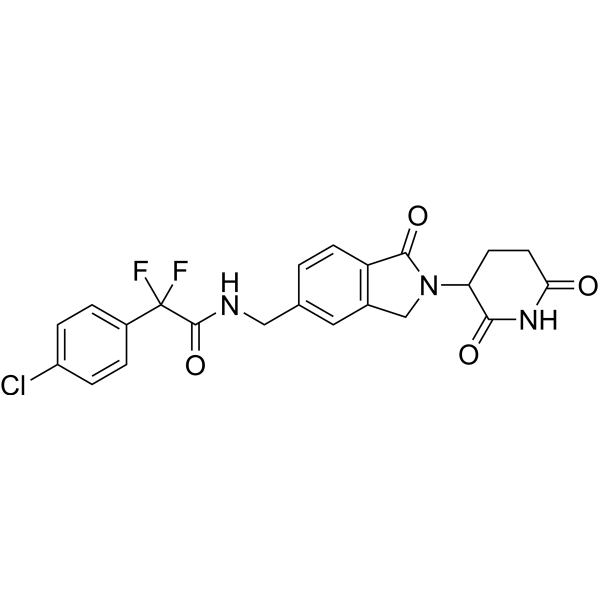
    DEG-77 is a molecular glue targeting IKZF2 and CK1α, with DC50 values of 15.3 nM and 10 nM, respectively. DEG-77 exhibits significant anti-tumor activity, inducing increased transcriptional levels of the pro-apoptotic protein Bax and the cell cycle arrest protein p21. DEG-77 is applicable to the research of acute myeloid leukemia (AmL), diffuse large B-cell lymphoma and ovarian cancer.
    DEG-77
  • HY-144433
    DNMT3A-IN-1
    2 Publications Verification

    DNA Methyltransferase Infection
    DNMT3A-IN-1 (compound 1) is an effective and selective DNMT3A inhibitor. DNMT3A-IN-1 exhibits inhibitory activity against DNMT3A, with KI values ranging from 9.16 to 18.85 μM (AdoMet) and 11.37 to 23.34 μM (poly dI-dC). DNMT3A-IN-1 can induce apoptosis in acute myeloid leukemia (AML) cell lines (Apoptosis) .
    DNMT3A-IN-1
  • HY-P99958

    AMV-564; TandAb T564

    Transmembrane Glycoprotein Cancer
    Vixtimotamab (AMV-564; TandAb T564) is a bispecific tetravalent tandem diabody (TandAb) that targets human CD33 and human CD3 antigens. Vixtimotamab can be used for the research of acute myeloid leukemia (AML) .
    Vixtimotamab
  • HY-P991699

    AZD9829 antibody; INT-020

    ADC Antibody Interleukin Related Cancer
    Lixarkitug (AZD9829 antibody; INT-020) is a humanized IgG1κ antibody targeting IL-3Ra/CD123. Lixarkitug can be conjugated with Samrotecan to form the intact ADC molecule lixarkitug samrotecan (AZD9829), which is used in studies of acute myeloid leukemia (AML) . The isotype control corresponding to Lixarkitug is Human IgG1 kappa, Isotype Control (HY-P99001).
    Lixarkitug
  • HY-168543

    PROTACs Aurora Kinase Mps1 Cancer
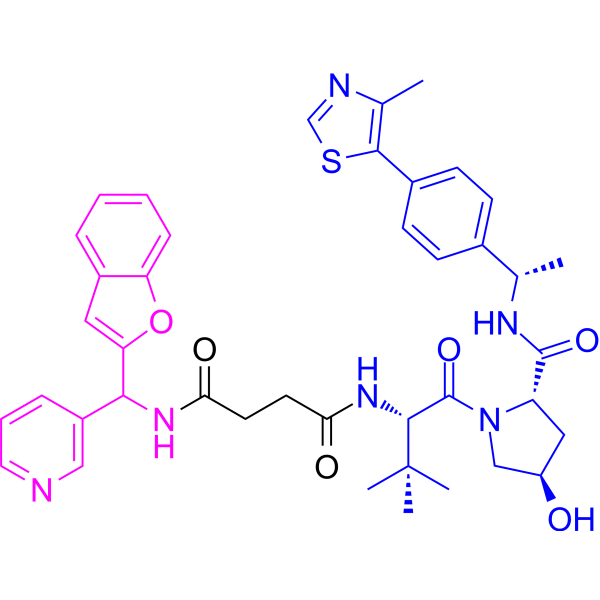
    PROTAC MPS1 degrader 2 (Compound 15) is a potent degrader of monopolar spindle 1 (Mps1,TTK)AURKA and AURKB,with DC50s of 42.0,2.1 and 154.0 nM,respectively. PROTAC MPS1 degrader 1 can be used for the research of acute myeloid leukemia. (Pink: ligand for target protein (HY-168545); Black: linker (HY-N0420); Blue: ligand for E3 ligase (HY-10984) .
    PROTAC MPS1 degrader 2
  • HY-173320

    Hsp-targeting Chimeras Wee1 HSP Cancer
    HEMTAC WEE1 degrader-1 is a HSP90-mediated targeting chimera (HEMTAC) degrader of WEE1 (HSP90 enzyme inhibitory activity is IC50: 16.76 nM). HEMTAC WEE1 degrader-1 promotes the ubiquitination and degradation of WEE1. HEMTAC WEE1 degrader-1 blocks the G2/M cell cycle. HEMTAC WEE1 degrader-1 has anticancer activity in acute myeloid leukemia (AML) patient-derived xenograft (PDX) models. HEMTAC WEE1 degrader-1 can be used in AML research. (Pink: HSP90 binder; Blue: WEE1 ligand; Black: linker) .
    HEMTAC WEE1 degrader-1
  • HY-P99395
    Talacotuzumab
    1 Publications Verification

    JNJ 56022473; CSL 362

    Interleukin Related Cancer
    Talacotuzumab (JNJ 56022473; CSL 362) is an IgG1-type fully humanized, CD123-neutralizing monoclonal antibody containing a modified Fc structure. Talacotuzumab has KDs of 0.43 nM, 188 nM, 46 nM, 16.8 nM for CD123, CD32b/c, CD16-158F, CD16-158V, respectively. Talacotuzumab inhibits IL-3 binding to CD123, antagonizing IL-3 signaling in target cells. Talacotuzumab has mutated the Fc region to increase affinity for CD16 (FcγRIIIa), thereby enhancing antibody-dependent cell-mediated cytotoxicity (ADCC). Talacotuzumab is highly effective in vivo reducing leukemic cell growth in acute myeloid leukemia (AML) xenograft mouse models .
    Talacotuzumab
  • HY-153803

    PROTACs Molecular Glues Btk Cancer
    GBD-9 is a degrader based on the E3 ubiquitin ligase CRBN that targets BTK and the G1 to S phase transition protein GSPT1. GBD-9 has both PROTAC and molecular glue properties by inducing ubiquitination and proteasomal degradation of target proteins. GBD-9 can efficiently degrade wild-type and mutant BTK (such as C481S mutation) and GSPT1. GBD-9 significantly inhibits tumor cell proliferation by inducing G1 phase arrest in cancer cells, downregulating anti-apoptotic proteins (BCL-2, MCL-1) and activating Caspase-3 to induce apoptosis. GBD-9 is mainly used in the research of hematological tumors such as diffuse large B-cell lymphoma (DLBCL) and acute myeloid leukemia (AML) .
    GBD-9 is composed of E3 ubiquitin ligase ligand (pink part) 5-Aminothalidomide (HY-W023573), target protein ligand (blue part) Btk Inhibitor: IBT6A (HY-13036A), and PROTAC linker (black part) Nonanoic acid (HY-N7057).
    GBD-9
  • HY-120395
    UC-514321
    1 Publications Verification

    STAT Apoptosis TET Protein Inflammation/Immunology Cancer
    UC-514321, a structural analog of NSC370284 with higher activity, directly targets STAT3/5 and represses TET1 expression, but not TET2 or TET3. UC-514321 has the potential to treat acute myeloid leukemia (AML) both in vitro and in vivo, with low toxicity .
    UC-514321
  • HY-115881

    PROTACs Epigenetic Reader Domain Cancer
    SR-1114 is a PROTAC degrader targeting ENL. SR-1114 degrades ENL in a CRBN-dependent manner and selectively downregulates ENL target genes. SR-1114 can promote the differentiation of acute myeloid leukemia cells. SR-1114 can be used in tumor research. (Pink: ENL ligand (HY-145409); Black: Linker; Blue: E3 Ligand (HY-14658)) .
    SR-1114
  • HY-145729A

    AZD9150 sodium

    STAT Apoptosis Cancer
    Danvatirsen sodium (AZD9150 sodium) is an antisense oligonucleotide targeting STAT3. Danvatirsen sodium reduces the viability and promotes apoptosis of leukemia cell lines. Danvatirsen sodium inhibits the expression of endogenous STAT3 and its downstream target genes, and reduces the proliferation and tumorigenicity of neuroblastoma and lymphoma cells. Danvatirsen sodium inhibited tumor growth in mouse models of neuroblastoma, lymphoma, and non-small cell lung cancer. Danvatirsen sodium achieves STAT3 mRNA and protein depletion in a mouse model of epidermoid carcinoma. Danvatirsen sodium can be used in research related to lymphoma, myelodysplastic syndrome, acute myeloid leukemia, neuroblastoma and non-small cell lung cancer .
    Danvatirsen sodium
  • HY-170859

    PROTACs Casein Kinase Cancer
    AH078 is a PROTAC-based CK1δ/ε degrader (DC50=0.55 μM, Dmax=70%) that lacks subtype selectivity between CK1δ and CK1ε. AH078 induces target protein degradation either by recruiting the CUL4-CRBN E3 ligase complex and proteasome, or via the VHL- and ubiquitin-dependent pathway. AH078 also exhibits selectivity for CK1α, and is widely applicable to research related to colon cancer, pancreatic cancer, breast cancer, ovarian cancer, chronic lymphocytic leukemia, acute myeloid leukemia, glioma, and metastatic breast adenocarcinoma .
    AH078
  • HY-177578

    Antibody-Drug Conjugates (ADCs) c-Kit Apoptosis Microtubule/Tubulin ERK Akt Caspase Cancer
    NN3201 is a c-Kit-targeting antibody-drug conjugate (ADC) with high affinity (KD = 0.19 pM). NN3201 is composed of 4-(3-Tosyl-2-(tosylmethyl)propanoyl)benzoic acid-glu(PEG24-Me)-val-cit-NH-benzyloxyformic acid-MMAE (HY-178219) and an anti-c-Kit human monoclonal antibody NN2101 (HY-P991293). NN3201 rapidly internalizes and inhibits stem cell factor (SCF)-driven signaling, thereby delivering its payload to induce cell cycle arrest and apoptosis. NN3201 exhibits no Fc-mediated effector functions antibody-dependent cell-mediated cytotoxicity (ADCC)/complement-dependent cytotoxicity (CDC) due to reduced FcγR binding. NN3201 exhibits significant c-Kit-dependent anti-tumor efficacies in various tumor models. NN3201 can be used in small cell lung cancer (SCLC) and gastrointestinal stromal tumor (GIST) and acute myeloid leukemia (AML) research [1][2].
    NN3201
  • HY-153495

    BP1001

    Bcl-2 Family Apoptosis Reactive Oxygen Species (ROS) Cancer
    Prexigebersen (BP1001) is an antisense oligonucleotide targeting Bcl-2 and Grb2. Prexigebersen exhibits antileukemic activity in cell models. Prexigebersen induces apoptosis (apoptosis), cell cycle arrest and ROS production in leukemia cells. Prexigebersen inhibits Grb2 expression, thereby suppressing tumor growth and survival. Prexigebersen can be used in studies related to acute myeloid leukemia .
    Prexigebersen
  • HY-163707

    Apoptosis Cancer
    UR778Br targets the GTPase-activating protein-related domain (GRD domain) of IQGAP1 proteins. UR778Br inhibits the proliferation of human acute myeloid leukemia (AML), arrests the cell cycle at the G2/M phase, and induces apoptosis. UR778Br inhibits colony formation of primary and AML cells, without significant impacts on normal bone marrow cells .
    UR778Br
  • HY-168540

    PROTACs Mps1 Aurora Kinase Cancer
    PROTAC MPS1 degrader 1 (Compound 19) is a potent degrader of monopolar spindle 1 (Mps1, TTK), AURKA and AURKB, with DC50s of 17.7, 108.7 and 570.3 nM, respectively. PROTAC MPS1 degrader 1 can be used for the research of acute myeloid leukemia. (Pink: ligand for target protein (HY-168542); Black: linker (HY-W141926); Blue: ligand for E3 ligase (HY-10984) .
    PROTAC MPS1 degrader 1
  • HY-P990002

    c-Kit Inflammation/Immunology Cancer
    Anti-Mouse CD117/c-Kit Antibody (2B8) is an IgG2b antibody, targeting to mouse CD117/c-Kit. Anti-Mouse CD117/c-Kit Antibody (2B8) reacts with mouse c-Kit (also known as CD117), which is expressed on hematopoietic progenitor cells, mast cells, and acute myeloid leukemia (AML) cells. Anti-Mouse CD117/c-Kit Antibody (2B8) can be used for the detection of flow cytometry, immunofluorescence and immunohistochemistry in cancer and inflammation .
    Anti-Mouse CD117/c-Kit Antibody (2B8)
  • HY-173333

    PROTACs Epigenetic Reader Domain Apoptosis Cancer
    PROTAC SMARCA2/4 degrader-38 is a degrader SMARCA2/4 PROTAC (DC50: 3.0 nM and 4.0 nM respectively). PROTAC SMARCA2/4 degrader-38 promotes the ubiquitination and degradation of SMARCA2/4. PROTAC SMARCA2/4 degrader-38 blocks the G0/G1 cell cycle and induces apoptosis. PROTAC SMARCA2/4 degrader-38 can be used in acute myeloid leukemia (AML) research. (Pink: SMARCA2/4 ligand; Blue: VHL ligand (HY-112078); Black: linker; Target Protein Ligand-Linker Conjugates (HY-173343)) .
    PROTAC SMARCA2/4 degrader-38
  • HY-179094

    PROTACs IRAK NF-κB Enolase Inflammation/Immunology Cancer
    PSP-0119 is a highly efficient and effective PROTAC degrader targeting IRAK4 (IC50 = 2.83 nM). PSP-0119 can inhibit IRAK4 kinase activity, NF-κβ activity, and IL-1β-induced IRAK4 phosphorylation. PSP-0119 degrades IRAK4 in FLT3-mutant AML cell lines, sparing FLT3-wild-type AML cells, FLT3-wild-type samples, and normal bone marrow. PSP-0119 downregulates alpha-enolase (eNOS) of MOLM-13 cells. PSP-0119 can be used for the study of Acute Myeloid Leukemia (AML) .
    PSP-0119
  • HY-177467

    Apoptosis FLT3 Cancer
    P0064 is a selective inhibitor targeting the PR domain of PRDM16. P0064 selectively reduces proliferation and survival of FLT3-ITD+ leukemia cells and induces cell apoptosis. P0064 is promising for research of acute myeloid leukemia (AML) .
    P0064
  • HY-P11451

    CXCR Cancer
    Pentixather is a radiolabeled peptide that can target CXCR4. Pentixather can disrupt the interaction between leukemic cells and the bone marrow microenvironment by targeting the CXCR4/CXCL12 signaling axis, reduce the retention of leukemic cells in the protective bone marrow niche, and thereby enhance the sensitivity of leukemic cells to treatment. Pentixather can be used for the study of acute lymphoblastic leukemia (ALL) and acute myeloid leukemia (AML) .
    Pentixather
  • HY-175334

    Molecular Glues Cancer
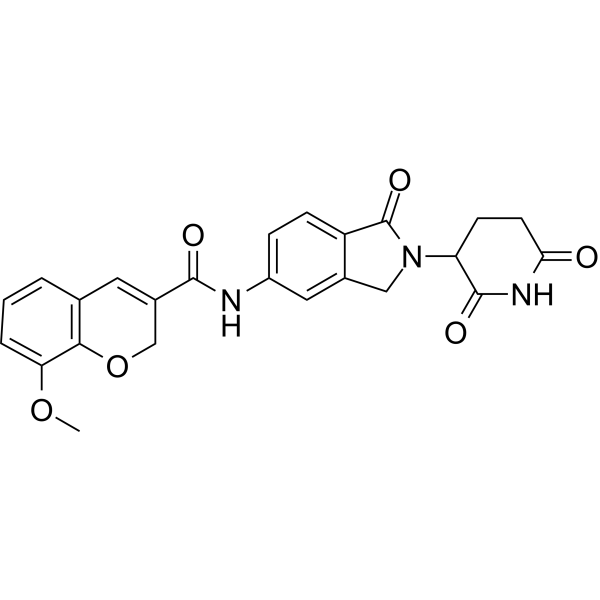
    DHC-286 is a molecular glue degrader targeting GSPT1. DHC-286 recruits GSPT1 to the CRL4CRBN ubiquitin ligase complex, promoting GSPT1 ubiquitination and proteasomal degradation, inducing cytotoxicity. DHC-286 is promising for research of cancers such as acute myeloid leukemia .
    DHC-286
  • HY-P991665

    OBT357NF; OBT357

    Transmembrane Glycoprotein Cancer
    MEN1112 (OBT357NF) is a selective humanized monoclonal antibody targeting the Bst1/CD157 antigen (EC50=1 nM). MEN1112 exerts potent antitumor activity against acute myeloid leukemia (AML) cells. MEN1112 is promising for research of hematological malignancies such as AML .
    MEN1112
  • HY-148817

    WDR5 Cancer
    WDR5-0102 is an inhibitor of WDR5. WDR5-0102 specifically targets the WIN site of WDR5, disrupts the WDR5-MLL1 interaction, and reduces the histone methyltransferase activity of MLL1. WDR5-0102 exerts dose-dependent toxicity on MDSC-like cells and reduces their osteopontin levels, while showing extremely low cytotoxicity to pancreatic cancer cells. WDR5-0102 can be used in the research of related diseases such as acute myeloid leukemia, lymphoid leukemia, biphenotypic leukemia and pancreatic cancer .
    WDR5-0102
  • HY-134557

    GSK-3 Cancer
    GS87 is a highly specific and potent GSK3 inhibitor with IC50s of 415nM and 521nM for GSK3α and GSK3β, respectively. GS87 induces differentiation of acute myeloid leukemia (AML) cell lines by effectively activating GSK3-dependent signaling components including MAPK signaling. GS87 modulates key GSK3 target proteins involved in cell proliferation and differentiation more effectively than Lithium and SB415285 (SB). GS87 has the potential for acting as a differentiation agent for non-promyelocytic AML research .
    GS87
  • HY-156566

    PROTACs Epigenetic Reader Domain HSP Cancer
    PROTAC BRD4 Degrader-21 is a BRD4-targeting PROTAC degrader with an IC50 value of 59 nM. PROTAC BRD4 Degrader-21 induces ubiquitination of BRD4, leading to its degradation via the proteasome. PROTAC BRD4 Degrader-21 binds to recombinant HSP90α protein with moderate affinity, having an IC50 of 100-1000 nM. PROTAC BRD4 Degrader-21 induces cancer cell death. PROTAC BRD4 Degrader-21 inhibits tumor growth in xenograft mouse models. PROTAC BRD4 Degrader-21 can be used for the research of acute myeloid leukemia, diffuse large B-cell lymphoma .
    PROTAC BRD4 Degrader-21
  • HY-157213

    Apoptosis PROTACs FLT3 Cancer
    LWY713 is a PROTAC-class FLT3 degrader (DC50=0.64 nM), which selectively induces FLT3 degradation via cereblon and proteasome-dependent pathways. LWY713 inhibits cell proliferation and induces G0/G1 phase arrest and apoptosis in MV4-11 cells. LWY713 shows effective in vivo antitumor activity in MV4-11 xenograft models . LWY713 consists of a target protein ligand (red part) Gilteritinib (HY-12432), an E3 ubiquitin ligase ligand (blue part) Lenalidomide-F (HY-W039233), and a PROTAC linker (black part) Glycolic acid (HY-W015967). E3 ubiquitin ligase and linker can form Lenalidomide-Glycolic acid (HY-169373); the active control for the target protein ligand is Naproxen Gilteritinib (HY-169374).
    LWY713
  • HY-179095

    Ligands for Target Protein for PROTAC IRAK NF-κB p38 MAPK Cancer
    UR241-2 is an IRAK4 inhibitor. UR241-2 suppresses IL-1–induced IRAK1/4 signaling, NF-κβ activation, and phosphorylation of p65 and p38. UR241-2 selectively inhibits leukemia stem cell clonogenicity. UR241-2 can serve as a ligand for target proteins for PROTAC, facilitating the development and design of PROTAC degraders for IRAK4. UR241-2 can be used in the research of acute myeloid leukemia .
    UR241-2
  • HY-173631

    PROTACs Cancer
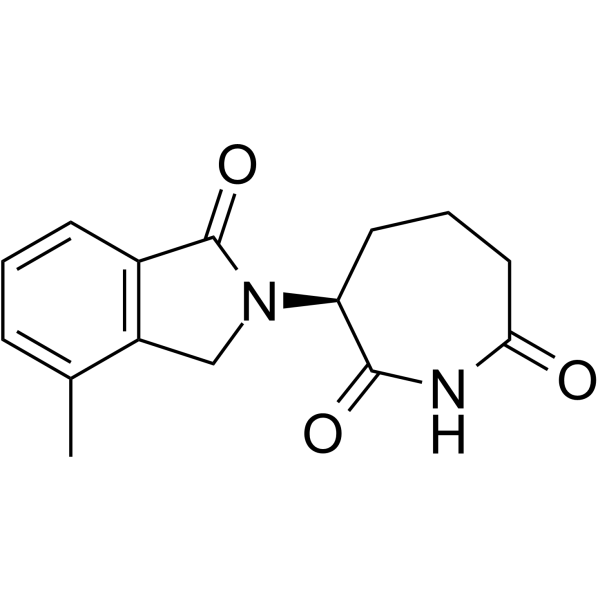
    (S)-dHTC1 is a molecular glue degrader targeting the transcriptional co-activator ENL. (S)-dHTC1 binds the ligase with high affinity only after forming the ENL:dHTC1 complex with an IC50 value of 93 nM. (S)-dHTC1 degrades ENL in MV4;11 cells with a DC50 value of 26 nM. (S)-dHTC1 can be used for acute myeloid leukemia study .
    (S)-dHTC1
  • HY-178446

    METTL3 c-Myc Bcl-2 Family Cancer
    METTL3-IN-11 is an excellent, selective METTL3 inhibitor (IC50 = 45.31 nM). METTL3-IN-11 exhibits high selectivity towards METTL3 compared to DNMT1, EZH1, MLL1, and PRMT1. METTL3-IN-11 reduces the m6A level of total RNA in MOLM-13 and SKOV3 cells, induces cell apoptosis, and inhibits cell migration. METTL3-IN-11 can reduce the expression of m6A downstream target genes (c-MYC and BCL2). METTL3-IN-11 can be used for the study of ovarian cancer and acute myeloid leukemia .
    METTL3-IN-11
  • HY-179112

    PROTACs IKK Nuclear Hormone Receptor 4A/NR4A Caspase Necroptosis Apoptosis Inflammation/Immunology Cancer
    PROTAC IKKβ/NR4A1 degrader-1 is a highly efficient and effective dual-PROTAC degrader targeting IKKβ and NR4A1. PROTAC IKKβ/NR4A1 degrader-1 can increase the levels of caspase 3 and cleaved caspase 3 proteins, while the necroptosis marker RIP kinase remained unchanged, indicating that it can induce apoptosis. PROTAC IKKβ/NR4A1 degrader-1 can be used for the study of Acute myeloid leukemia (AML). Red: IKKβ/NR4A1 ligand (HY-13067); Blue: E3 ligase CRBN ligand (HY-14658); Black: Linker (HY-79577) .
    PROTAC IKKβ/NR4A1 degrader-1
  • HY-P990905

    SAR-443579

    Interleukin Related Cancer
    Bexatamig (SAR-443579) is a trifunctional natural killer cell engager targeting IL-3R α/CD123, NKp46/NCR1/CD335 and Fc gamma RIIIA/CD16a. Bexatamig forms a cytolytic synapse between natural killer cells and CD123-positive tumor cells. By activating natural killer cells to induce tumor cell death, Bexatamig effectively reduces the burden of CD123-positive acute myeloid leukemia (AML) blasts. Bexatamig has been granted FDA Fast Track designation, and is primarily investigated for relapsed or refractory acute myeloid leukemia, B-cell acute lymphoblastic leukemia, and high-risk myelodysplastic syndromes .
    Bexatamig
  • HY-120035

    Proteasome Ribosomal S6 Kinase (RSK) Apoptosis Cancer
    DD1, a proteasome inhibitor, targets Bax activation and P70S6K degradation during acute myeloid leukemia (AML) apoptosis. DD1 induces apoptosis in the caspase-dependent manner. DD1 induces mitochondrial membrane depolarization and Bad dephosphorylation .
    DD1

Inquiry Online

Your information is safe with us. * Required Fields.

Salutation


Country or Region *

Applicant Name *


Organization Name *

Department *


Email Address *


Product Name *

Cat. No.


Requested quantity *

Phone Number *


Remarks

Inquiry Online

Inquiry Information

Product Name:
Cat. No.:
Quantity:
MCE Japan Authorized Agent:

