
1. Search Result
Search Result
Results for "

Caspase-3-IN-1

" in MedChemExpress (MCE) Product Catalog:

33

Inhibitors & Agonists

4

Fluorescent Dyes

7

Peptides

7

Natural
Products

1

Oligonucleotides

Cat. No. Product Name Target Research Areas Chemical Structure
  • HY-18980
    Rottlerin
    20+ Cited Publications

    MallotoxIN; NSC 56346; NSC 94525

    PKC Autophagy Apoptosis HIV RABV Infection Cancer
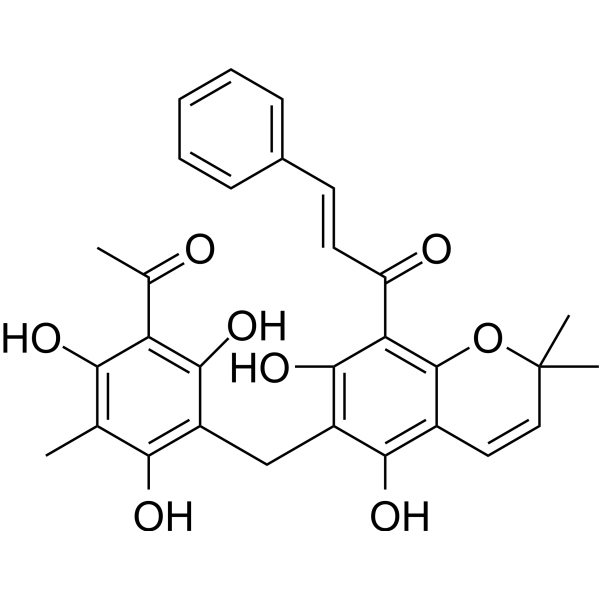
    Rottlerin, a natural product purified from Mallotus Philippinensis, is a specific PKC inhibitor, with IC50 values for PKCδ of 3-6 μM, PKCα,β,γ of 30-42 μM, PKCε,η,ζ of 80-100 μM. Rottlerin acts as a direct mitochondrial uncoupler, and stimulates autophagy by targeting a signaling cascade upstream of mTORC1. Rottlerin induces apoptosis via caspase 3 activation . Rottlerin inhibits HIV-1 integration and Rabies virus (RABV) infection .
    Rottlerin
  • HY-N3584
    Paris saponin VII
    4 Publications Verification

    Chonglou SaponIN VII

    Akt p38 MAPK P-glycoprotein Bcl-2 Family Caspase PARP Autophagy Apoptosis Cancer
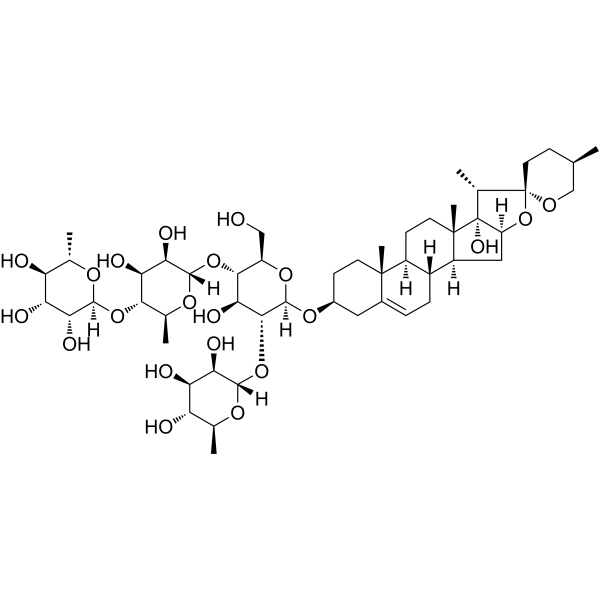
    Paris saponin VII (Chonglou Saponin VII) is a steroidal saponin isolated from the roots and rhizomes of Trillium tschonoskii. Paris saponin VII-induced apoptosis in K562/ADR cells is associated with Akt/MAPK and the inhibition of P-gp. Paris saponin VII attenuates mitochondrial membrane potential, increases the expression of apoptosis-related proteins, such as Bax and cytochrome c, and decreases the protein expression levels of Bcl-2, caspase-9, caspase-3, PARP-1, and p-Akt. Paris saponin VII induces a robust autophagy in K562/ADR cells and provides a biochemical basis in the treatment of leukemia .
    Paris saponin VII
  • HY-13610A

    DiethylnorspermINe tetrahydrochloride; DENSPM tetrahydrochloride; BENSPM tetrahydrochloride

    Caspase mTOR Cancer
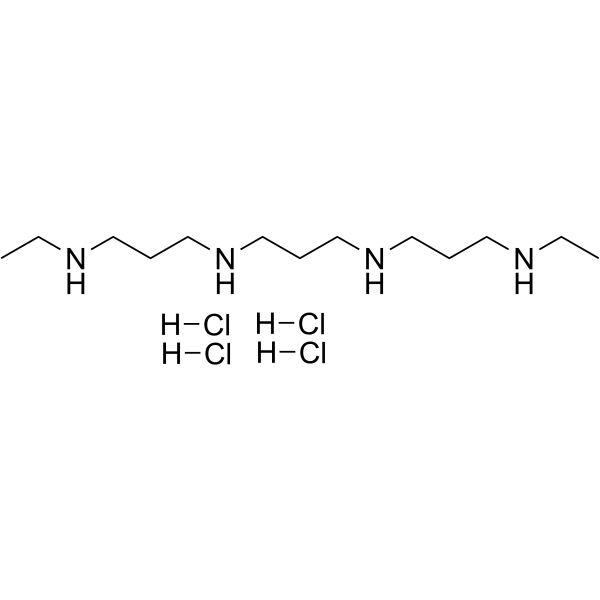
    N1, N11-Diethylnorspermine tetrahydrochloride (DENSPM tetrahydrochloride) is a potent anticancer agent. N1,N11-Diethylnorspermine tetrahydrochloride activates polyamine catabolism and downregulates mTOR protein. N1,N11-Diethylnorspermine tetrahydrochloride induces the release of cytochrome c from mitochondria, resulting in activation of caspase 3. N1,N11-Diethylnorspermine tetrahydrochloride kills glioblastoma multiforme (GBM) through induction of SSAT (spermidine/spermine N1-acetyltransferase) coupled with H2O2 production .
    N1,N11-Diethylnorspermine tetrahydrochloride
  • HY-136975

    Caspase Neurological Disease Metabolic Disease
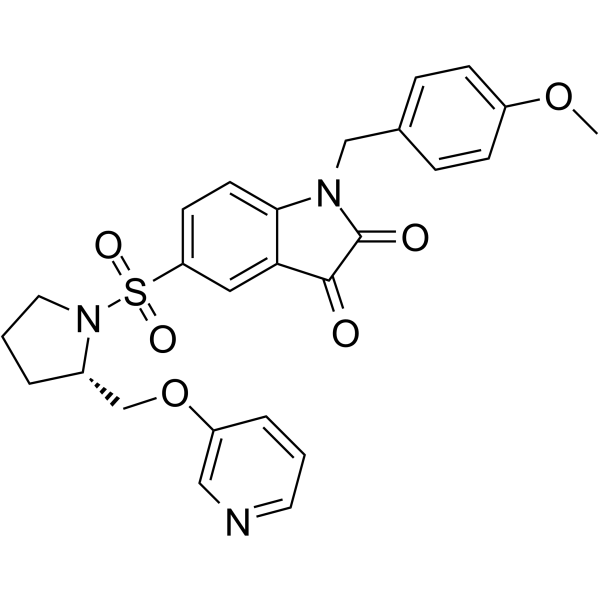
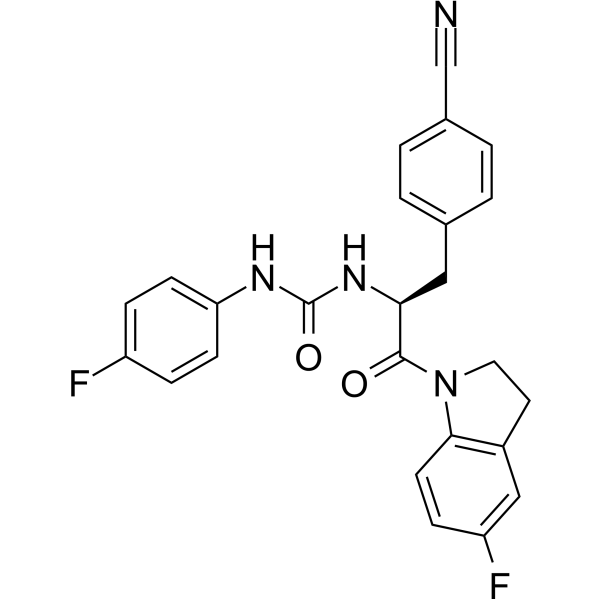
    Caspase-3-IN-1 (compound 11b) is a potent Caspase-3 inhibitor, with an IC50 of 14.5 nM .
    Caspase-3-IN-1
  • HY-111675
    Ac-FLTD-CMK
    5+ Cited Publications

    Caspase Pyroptosis Inflammation/Immunology
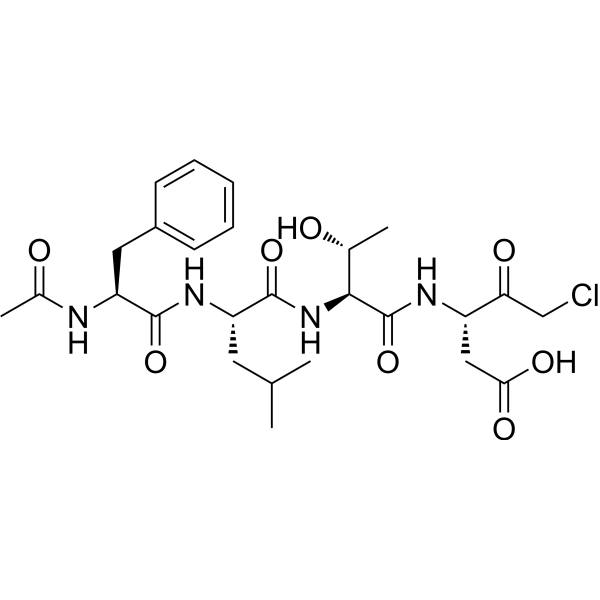
    Ac-FLTD-CMK, a gasdermin D (GSDMD)-derived inhibitor, is a specific inflammatory caspases inhibitor. Ac-FLTD-CMK is effective against caspases-1 (IC50 of 46.7 nM), caspases-4 (IC50 of 1.49 μM), caspases-5 (IC50 of 329 nM), and caspases-11 , but not the apoptotic caspases such as caspase-3 .
    Ac-FLTD-CMK
  • HY-126956

    Reactive Oxygen Species (ROS) MMP Collagen PPAR DNA/RNA Synthesis Apoptosis Caspase Metabolic Disease Inflammation/Immunology
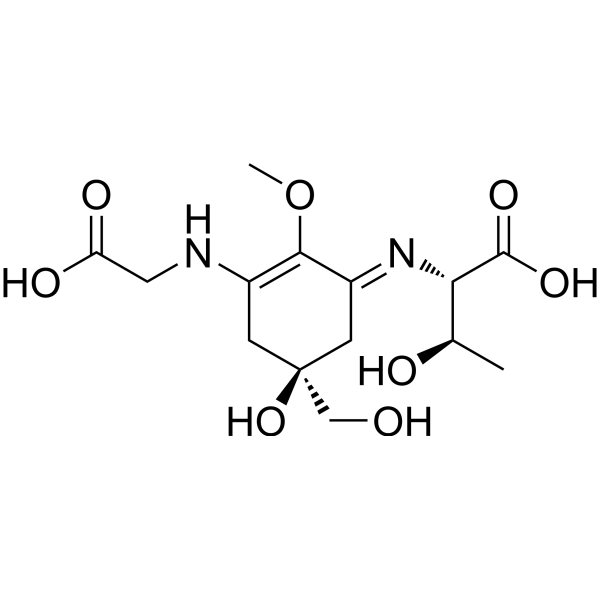
    Porphyra 334 is a carnosine-like amino acid and a natural photoprotective agent and antioxidant. Porphyra-334 exerts its photoprotective effects by scavenging ROS, inhibiting the expression and activity of MMP-1/8, and promoting the synthesis of collagen and elastin. Porphyra 334 effectively inhibits linoleic acid oxidation induced by alkyl radicals (AAPH) and singlet oxygen. Porphyra 334 has anti-obesity potential by inhibiting the expression of PPARγ2 and C/EBPα. Porphyra 334 protects cells against UV-induced DNA damage and apoptosis by inhibiting the activation of caspase-3 .
    Porphyra 334
  • HY-160229

    R-1075 sodium

    Toll-like Receptor (TLR) MyD88 Caspase Reactive Oxygen Species (ROS) Autophagy Pyroptosis HIV Infection Neurological Disease
    ssRNA40 sodium (R-1075 sodium) is a single-stranded RNA40 derived from HIV-1. ssRNA40 sodium activates the TLR7, TLR8, TLR2, RIG-I, MDA5, MyD88, Caspase-3, IRE1α, NLRP3 inflammasome and IRF7 signaling pathways. ssRNA40 sodium alters mRNA expression in neutrophils, induces pro-inflammatory cytokines, ROS, autophagy (autophagy), pyroptosis (pyroptosis), neuronal death, neurodegeneration, aggregate formation and NK cell activation. ssRNA40 sodium activates the expression of CD62L, CD11b, CD69, MX1, OAS1, ATG7, LC3B and XBP1 in immune cell and neuronal populations. ssRNA40 sodium causes cortical neuron loss and axonal damage in mice in a TLR7-dependent manner. ssRNA40 sodium can be used in research on HIV-1 infection, neurodegeneration, COVID-19 and HIV-associated neurological disorders .
    ssRNA40 sodium
  • HY-N12503

    Apoptosis Caspase Cancer
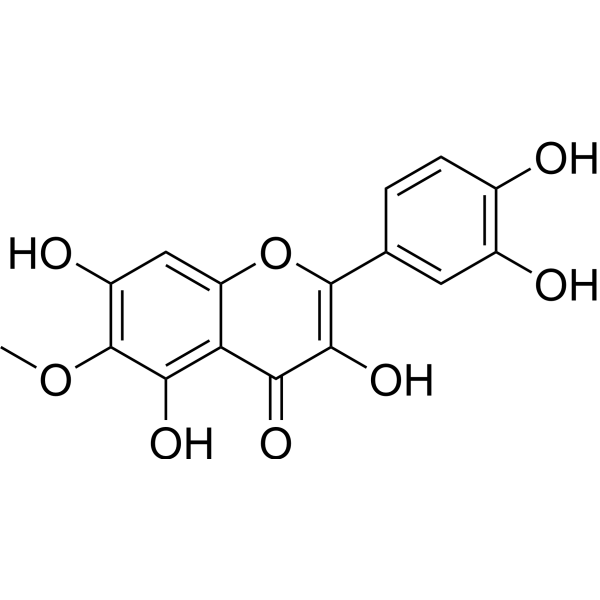
    Patuletin is a flavonol, that can be isolated from the flowers of Tagetes patula. Patuletin shows anti-proliferative activity against cancer cells. Patuletin causes significant nuclear fragmentation and has a great capacity to induce caspase-3 activation .
    Patuletin
  • HY-170935

    SRPK PARP Caspase Apoptosis Autophagy Cancer
    SRSF1-IN-1 is a SRSF1 inhibitor. SRSF1-IN-1 inhibits SRSF1 expression, thereby modulating the splicing of Bcl-x pre-mRNA. SRSF1-IN-1 inhibits the proliferation of various cancer cells. SRSF1-IN-1 induces apoptosis in gastric cancer cells, reduces Bcl-xl expression, and upregulates cleaved PARP and caspase 3. SRSF1-IN-1 induces autophagy and promotes cell death. SRSF1-IN-1 exhibits anti-tumor activity in a mouse gastric cancer xenograft model. SRSF1-IN-1 can be used for the research of various cancers including liver cancer, gastric cancer, breast cancer, colon cancer, glioma, and melanoma .
    SRSF1-IN-1
  • HY-144604

    Formyl Peptide Receptor (FPR) Infection Neurological Disease
    FPR2 agonist 2 is a potent and CNS-penetrant FPR2 agonist with an EC50 of 0.13 μM, 1.1 μM for FPR2 and FPR1, respectively. FPR2 agonist 2 inhibits the production of pro-inflammatory cytokines, counterbalances the changes in mitochondrial function, and inhibits caspase-3 activity .
    FPR2 agonist 2
  • HY-D1432

    Fluorescent Dye Cancer
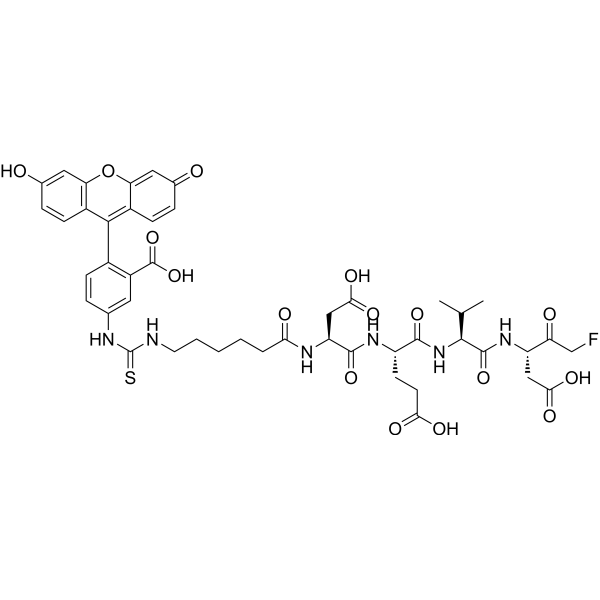
    FITC-C6-DEVD-FMK, a fluorescently labeled caspase-3 inhibitor, can be used for detection of active caspase-3 in mammalian cells undergoing apoptosis. FITC-C6-DEVD-FMK provides a convenient means for sensitive detection of activated caspase-3 in living cells. Z-DEVD-FMK is a specific caspase-3 inhibitor .
    FITC-C6-DEVD-FMK
  • HY-146548

    Apoptosis Bcl-2 Family Caspase PARP Cancer
    Anticancer Agent 43 is a potent anticancer agent. Anticancer Agent 43 induces apoptosis by caspase 3, PARP1, and Bax dependent mechanisms. Anticancer Agent 43 induces DNA damage .
    Anticancer agent 43
  • HY-P2228

    HDAC Apoptosis Cancer
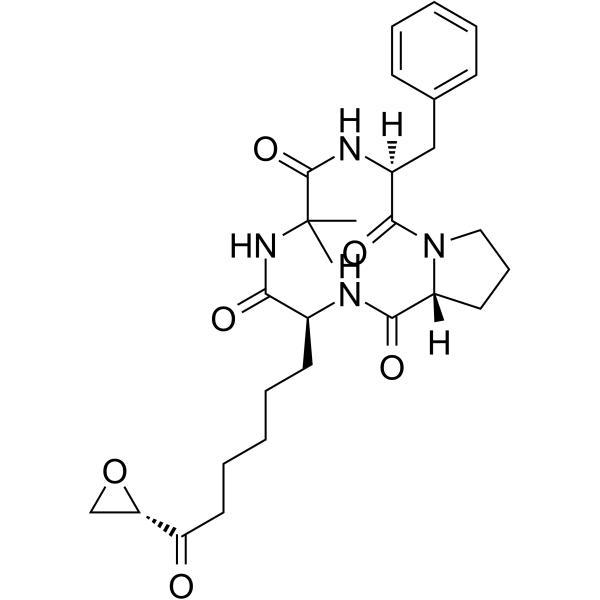
    Chlamydocin (purity≥70%), a fungal metabolite, is a highly potent HDAC inhibitor, with an IC50 of 1.3 nM. Chlamydocin (purity≥70%) exhibits potent antiproliferative and anticancer activities. Chlamydocin (purity≥70%) induces apoptosis by activating caspase-3 .
    Chlamydocin (purity≥70%)
  • HY-N6681

    Caspase Bacterial Apoptosis Antibiotic Infection
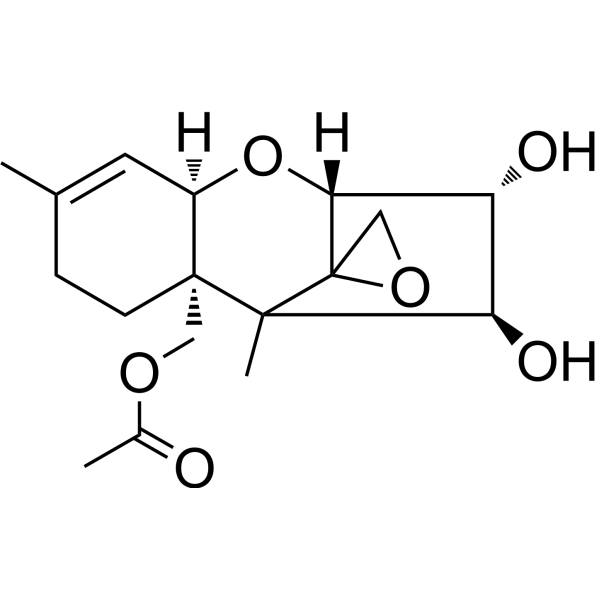
    15-acetoxyscirpenol, one of acetoxyscirpenol moiety mycotoxins (ASMs), strongly induces apoptosis and inhibits Jurkat T cell growth in a dose-dependent manner by activating other caspases independent of caspase-3 .
    15-Acetoxyscirpenol
  • HY-137225

    HTS07944SC

    Caspase Interleukin Related Inflammation/Immunology Cancer
    HTS07944 (HTS07944SC, C3) is a potent modulator of laminin receptor (37 LR). HTS07944 (HTS07944SC, C3) possesses anti-cancer activity in PC-3 cells and activates Caspase 3/7 .
    HTS07944
  • HY-13610B

    Caspase Cancer
    N1,N11-Diethylnorspermine hydrobromide is a potent anticancer agent. N1,N11-Diethylnorspermine hydrobromide is a spermine analog that activates polyamine catabolism. N1,N11-Diethylnorspermine hydrobromide induces the release of cytochrome c from mitochondria, resulting in activation of caspase 3. N1,N11-Diethylnorspermine hydrobromide kills glioblastoma multiforme (GBM) cells through induction of SSAT (spermidine/spermine N1-acetyltransferase) coupled with H2O2 production .
    N1,N11-Diethylnorspermine hydrobromide
  • HY-13610

    DiethylnorspermINe; BENSPM; DENSPM; BE-333

    Caspase mTOR Cancer
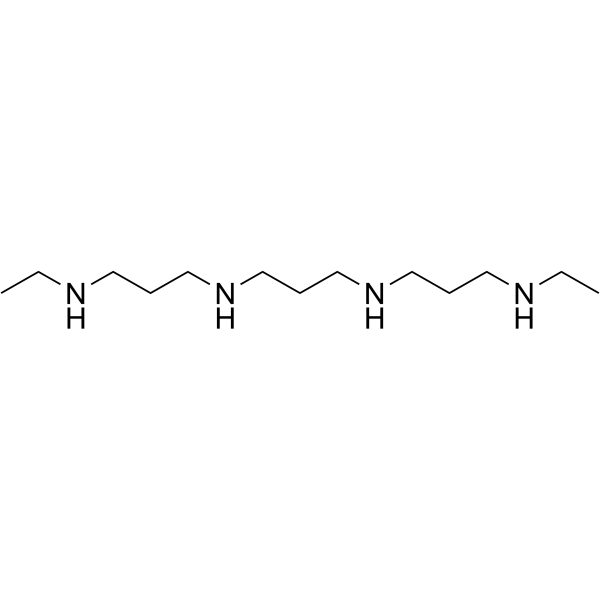
    N1,N11-Diethylnorspermine is a synthetic analog of the naturally occurring polyamine spermine, can induce polyamine depletion and inhibit tumor cell growth. N1,N11-Diethylnorspermine activates polyamine catabolism and downregulates mTOR protein. N1,N11-Diethylnorspermine induces the release of cytochrome c from mitochondria, resulting in activation of caspase 3. N1,N11-Diethylnorspermine tetrahydrochloride kills glioblastoma multiforme (GBM) through induction of SSAT (spermidine/spermine N1-acetyltransferase) coupled with H2O2 production .
    N1,N11-Diethylnorspermine
  • HY-P2614

    Caspase Others
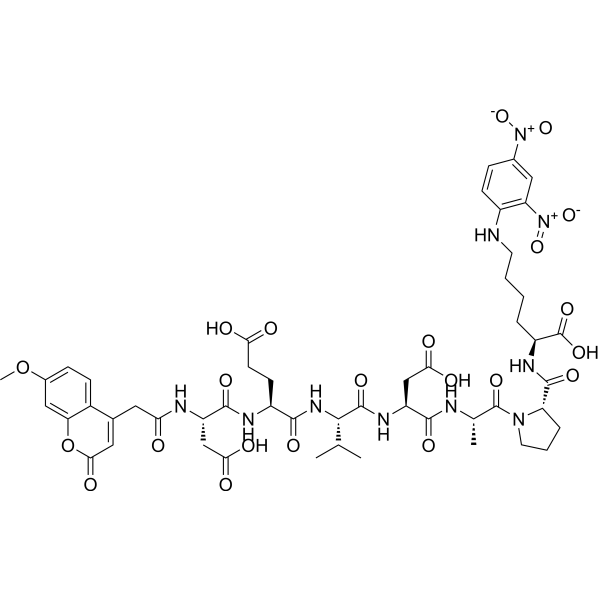
    Mca-DEVDAP-K(Dnp)-OH is a fluorogenic substrate for caspase-3 .
    Mca-DEVDAP-K(Dnp)-OH
  • HY-W792412

    Caspase Cancer
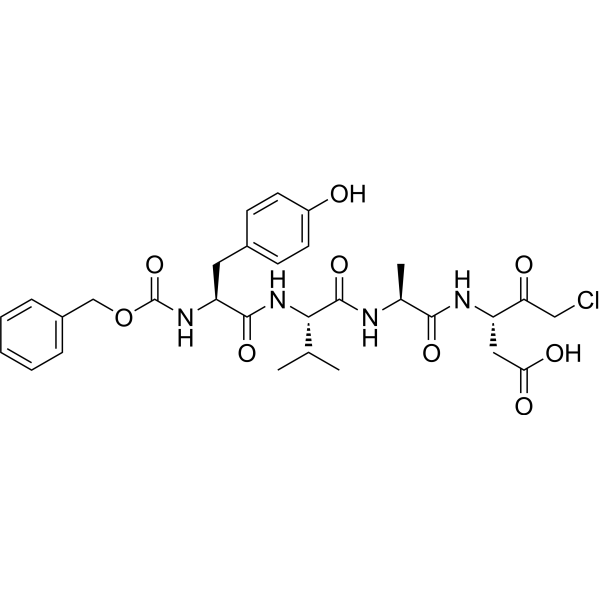
    Z-YVAD-CMK is a caspase-1 and caspase-3 inhibitor .
    Z-YVAD-CMK
  • HY-P6285

    Fluorescent Dye Caspase Cancer
    Z-TPE-2DEVD is a specific probe for caspase-3 .
    Z-TPE-2DEVD
  • HY-W338079

    Caspase Others
    Ac-Asp-Glu-Val-Asp-pNA is a peptidic substrate of caspase-3/7 .
    Ac-Asp-Glu-Val-Asp-pNA
  • HY-P5936

    DEVD-CHO-CPP 32

    Caspase Cancer
    Ac-AAVALLPAVLLALLAP-DEVD-CHO (DEVD-CHO-CPP 32) is a potent and reversible caspase-3 inhibitor .
    Ac-AAVALLPAVLLALLAP-DEVD-CHO
  • HY-P10452

    Caspase Others
    Ac-LEVDGWK(Dnp)-NH2 is a substrate for Caspase-3, and can be used to detect Caspase-3 activity .
    Ac-LEVDGWK(Dnp)-NH2
  • HY-P3475

    Fluorescent Dye Others
    Mca-VDQMDGWK-(Dnp)-NH2 is a fluorogenic substrate for caspase-3 and can be used to quantify caspase-3 activity .
    Mca-VDQMDGW-K(Dnp)-NH2
  • HY-15503

    Caspase CDK Flavivirus Infection
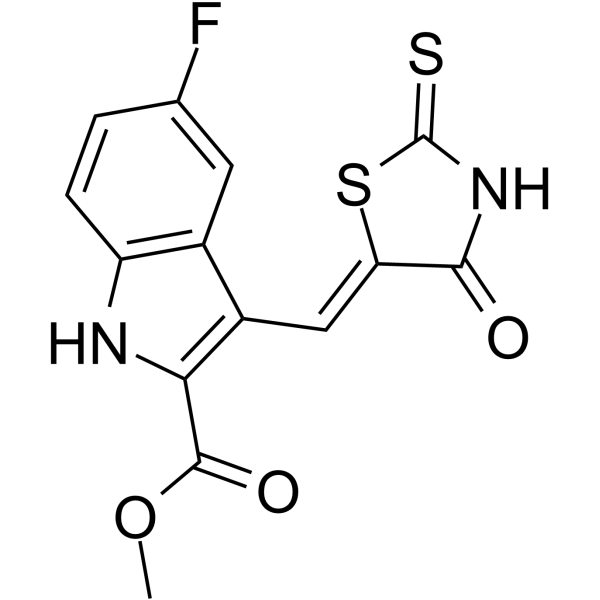
    PHA-690509 is an anti-ZikV compound that inhibits ZikV replication. PHA-690509 is also a CDK inhibitor, and inhibits caspase-3 activity .
    PHA-690509
  • HY-N7930

    Others Others
    Crenulatin is a gallotannin that can be isolated from Rhodiola rosea. Crenulatin can be used as a biomarker to identify potentially adulterated R. rosea products. Crenulatin has dual- direction effects on apoptosis of cerebral microvascular endothelial cells, via regulating Fas/Bcl-2 expression and caspase-3 activity .
    Crenulatin
  • HY-157546

    VEGFR Interleukin Related Caspase Inflammation/Immunology Cancer
    VEGFR-2-IN-40 is a VEGFR-2 inhibitor. VEGFR-2-IN-40 boosts early and late apoptosis. VEGFR-2-IN-40 decreases the levels immunomodulatory proteins TNF-α and IL-6 while showing a four-fold rise in an apoptotic marker caspase-3 .
    VEGFR-2-IN-40
  • HY-168877

    MDM-2/p53 Reactive Oxygen Species (ROS) Apoptosis Caspase PARP Bcl-2 Family Cancer
    FMP is a Platinum(IV) complexe. FMP significantly upregulates the expression of γ-H2AX and p53. FMP increases the production of ROS. FMP markedly upregulates the expressions of Apoptosis-related proteins (DR5, Fas, caspase-8, Cyt-c, caspase-3, cleaved-PARP1, Bax). FMP shows antiproliferative activity against breast cancer .
    FMP
  • HY-159938

    p38 MAPK Apoptosis Bcl-2 Family MDM-2/p53 Caspase Cancer
    p38α inhibitor 6 (compound 19) is a p38α inhibitor with the IC50 of 0.68 μM. p38α inhibitor 6 induces cell apoptosis and arrests cell cycle at G0 and G2/M phase. p38α inhibitor 6 decreases the TNF-α concentration as well as increased the expression of tumor suppressor gene p53, Bax/BCL-2 ratio and caspase 3/7 .
    p38α inhibitor 6
  • HY-168632

    Topoisomerase Apoptosis Cancer
    Topoisomerase I/II inhibitor 6 (compound 3i) is a potent inhibitor of topoisomerase I and II with IC50s of 4.77 and 15 µM, respectively. Topoisomerase I/II inhibitor 6 shows antiproliferative activities against human melanoma LOX IMVI cancer cell line with IC50 values of 26.7 and 25.4 µM, respectively. Topoisomerase I/II inhibitor 6 provokes substantial levels of early, late apoptosis and increases the expression level of active caspase-3 .
    Topoisomerase I/II inhibitor 6
  • HY-N3584R

    Chonglou SaponIN VII (Standard)

    Reference Standards Akt p38 MAPK P-glycoprotein Bcl-2 Family Caspase PARP Autophagy Apoptosis Cancer
    Paris saponin VII (Standard) is the analytical standard of Paris saponin VII. This product is intended for research and analytical applications. Paris saponin VII (Chonglou Saponin VII) is a steroidal saponin isolated from the roots and rhizomes of Trillium tschonoskii. Paris saponin VII-induced apoptosis in K562/ADR cells is associated with Akt/MAPK and the inhibition of P-gp. Paris saponin VII attenuates mitochondrial membrane potential, increases the expression of apoptosis-related proteins, such as Bax and cytochrome c, and decreases the protein expression levels of Bcl-2, caspase-9, caspase-3, PARP-1, and p-Akt. Paris saponin VII induces a robust autophagy in K562/ADR cells and provides a biochemical basis in the treatment of leukemia .
    Paris saponin VII (Standard)
  • HY-16958R

    Antibiotic Dimethylargininase (DDAH) Reference Standards Inflammation/Immunology
    Paris saponin VII (Standard) is the analytical standard of Paris saponin VII. This product is intended for research and analytical applications. Paris saponin VII (Chonglou Saponin VII) is a steroidal saponin isolated from the roots and rhizomes of Trillium tschonoskii. Paris saponin VII-induced apoptosis in K562/ADR cells is associated with Akt/MAPK and the inhibition of P-gp. Paris saponin VII attenuates mitochondrial membrane potential, increases the expression of apoptosis-related proteins, such as Bax and cytochrome c, and decreases the protein expression levels of Bcl-2, caspase-9, caspase-3, PARP-1, and p-Akt. Paris saponin VII induces a robust autophagy in K562/ADR cells and provides a biochemical basis in the treatment of leukemia .
    PD 404182 (Standard)
  • HY-13610AR

    DiethylnorspermINe tetrahydrochloride (Standard); DENSPM tetrahydrochloride (Standard); BENSPM tetrahydrochloride (Standard)

    Caspase mTOR Reference Standards Cancer
    N1,N11-Diethylnorspermine (tetrahydrochloride) (Standard) is the analytical standard of N1,N11-Diethylnorspermine (tetrahydrochloride). This product is intended for research and analytical applications. N1, N11-Diethylnorspermine tetrahydrochloride (DENSPM tetrahydrochloride) is a potent anticancer agent. N1,N11-Diethylnorspermine tetrahydrochloride activates polyamine catabolism and downregulates mTOR protein. N1,N11-Diethylnorspermine tetrahydrochloride induces the release of cytochrome c from mitochondria, resulting in activation of caspase 3. N1,N11-Diethylnorspermine tetrahydrochloride kills glioblastoma multiforme (GBM) through induction of SSAT (spermidine/spermine N1-acetyltransferase) coupled with H2O2 production .
    N1,N11-Diethylnorspermine tetrahydrochloride (Standard)

Inquiry Online

Your information is safe with us. * Required Fields.

Salutation


Country or Region *

Applicant Name *


Organization Name *

Department *


Email Address *


Product Name *

Cat. No.


Requested quantity *

Phone Number *


Remarks

Inquiry Online

Inquiry Information

Product Name:
Cat. No.:
Quantity:
MCE Japan Authorized Agent:

