
From 11:00 pm to 12:00 pm EST ( 8:00 pm to 9:00 pm PST ) on January 6th, the website will be under maintenance. We are sorry for the inconvenience. Please arrange your schedule properly.
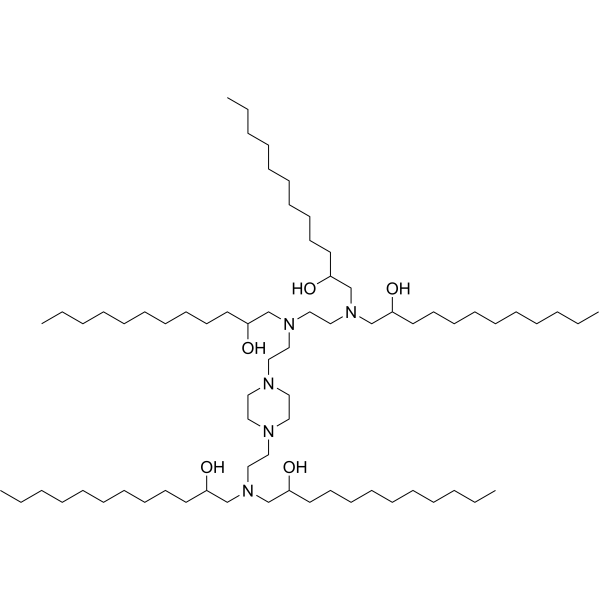
C12-200 is a type of ionizable cationic lipid and helper lipid commonly used for mRNA delivery. In the hemophilia B mouse model, mRNA encoding human erythropoietin (EPO) and coagulation factor IX (FIX) can be successfully delivered and expressed using C12-200. C12-200 is utilized in research related to hemophilia B .
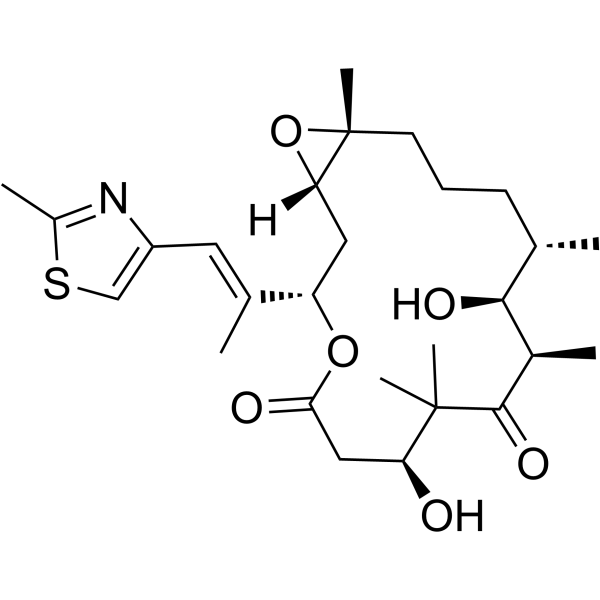
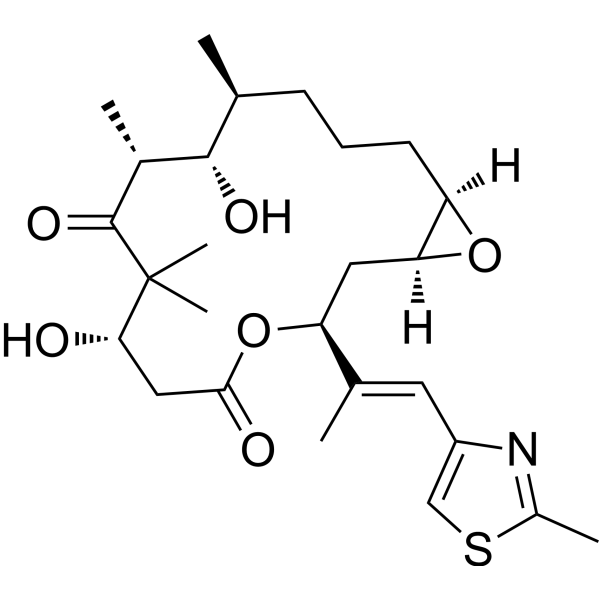
Epothilone B is a microtubule stabilizer (MSA) with a Ki of 0.71μM, and is a MSA with blood-brain barrier permeability. Epothilone B acts by binding to the αβ-tubulin heterodimer subunit which causes decreasing of αβ-tubulin dissociation .
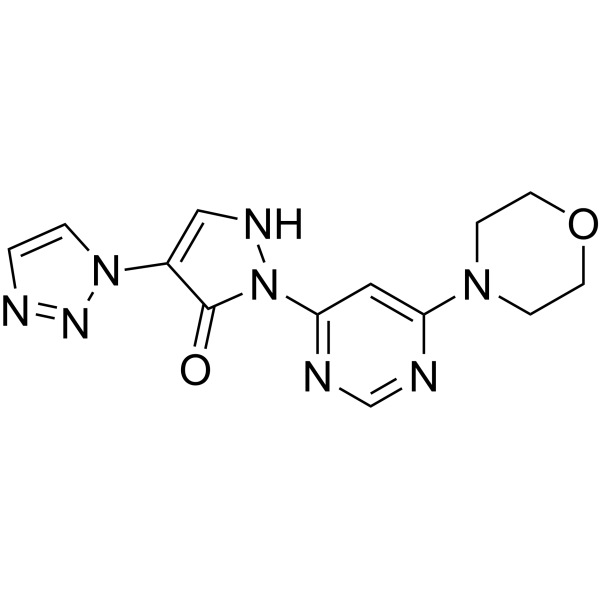
Molidustat (BAY 85-3934) is an orally active inhibitor of hypoxia-inducible factor prolyl hydroxylase (HIF-PH) with IC50 values of 480 nM, 280 nM, and 450 nM for PHD1, PHD2, and PHD3, respectively. Molidustat can elevate the levels of circulating erythropoietin (EPO) to near-normal physiological ranges. Molidustat can be utilized in the research of renal anemia .
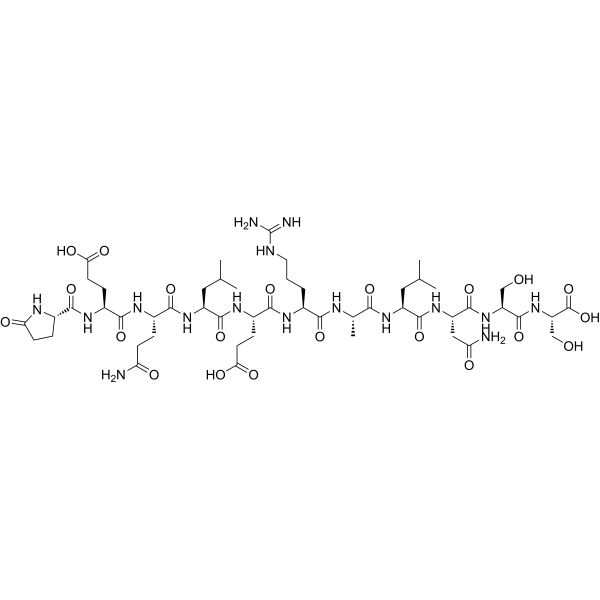
Cibinetide (ARA290) is an erythropoietin (EPO) derivative that acts as a specific agonist of the erythropoietin/CD131 heteroreceptor. ICibinetide can be used in the research of neurological disorders .
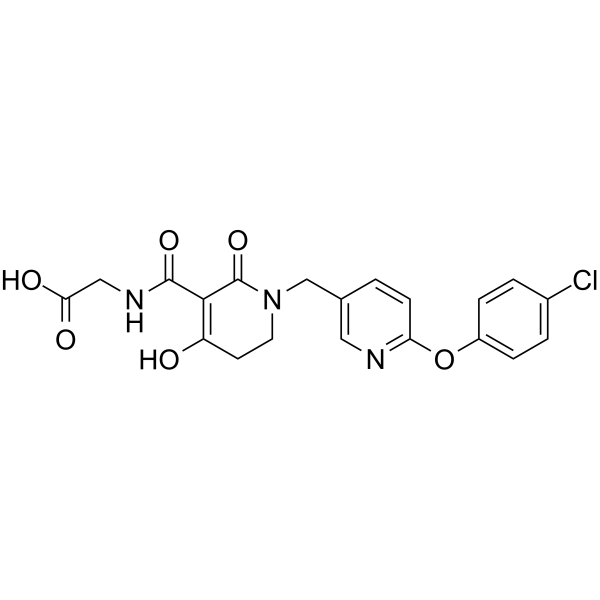
TP0463518 is an orally active, competitive pan-inhibitor of hypoxia-inducible factor prolyl hydroxylases PHD1/2/3. TP0463518 competitively inhibits human PHD1 (IC50=18 nM), PHD2 (Ki=5.3 nM), and PHD3 (IC50=63 nM), and targets monkey PHD2 with an IC50 of 22 nM. TP0463518 inhibits PHD-catalyzed hydroxylation to stabilize HIFα, thereby upregulating erythropoietin (EPO) expression and enhancing intestinal iron absorption (such as increased DMT-1 and dCYTb expression), improving anemia. TP0463518 is mainly used for the research of renal anemia and inflammatory anemia .
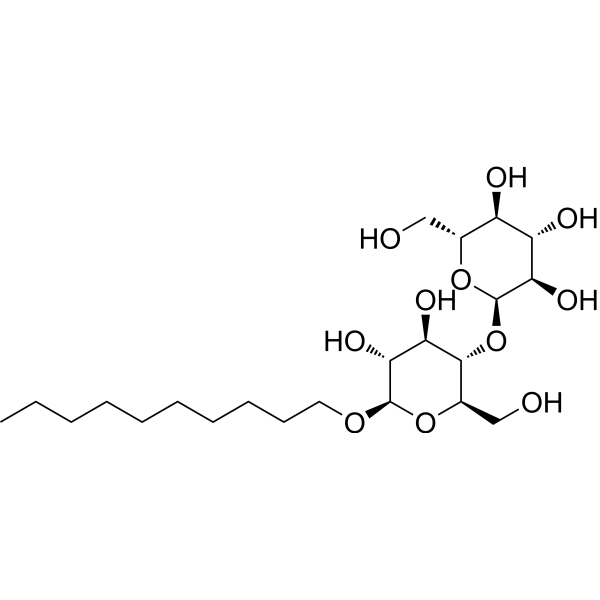
Decyl β-D-maltopyranoside is an epithelial permeability enhancer. Decyl β-D-maltopyranoside regulates the paracellular transport pathway and increases the permeability of molecules and proteins transported via the paracellular route. Decyl β-D-maltopyranoside enhances the transepithelial paracellular permeability of EPO across cell monolayers .
Dextran T5 (MW 5,000) is a sulfated polysaccharide anti-apoptotic and autophagic agent. Dextran T5 (MW 5,000) has sulfated groups and interacts with cell membranes by mimicking endogenous glycosaminoglycans, inhibiting the mitochondrial apoptotic pathway and delaying DNA fragmentation to exert anti-apoptotic activity. Dextran T5 (MW 5,000) also promotes the conversion of LC3-I to LC3-II and the formation of autophagosomes to activate the autophagic pathway. Dextran T5 (MW 5,000) can prolong the survival cycle of CHO cells and increase the production of recombinant erythropoietin (EPO). The Dextran series of compounds are also natural polysaccharide drug carriers that can be connected to drugs through covalent bonding methods such as ester bonds, amide bonds or click chemistry, or self-assembled to form carriers such as nanoparticles and hydrogels. Dextran is biodegradable and biocompatible, and can achieve targeted delivery and controlled release of drugs. Dextran derivatives can prolong drug half-life, increase local concentration and reduce immune clearance activity. The Dextran series of compounds are also natural polysaccharide drug carriers that can be connected to drugs through covalent bonding methods such as ester bonds, amide bonds or click chemistry, or self-assembled to form carriers such as nanoparticles and hydrogels. Dextran is biodegradable and biocompatible, and can achieve targeted delivery and controlled release of drugs. Dextran derivatives can prolong the half-life of drugs, increase local concentrations, and reduce the activity of immune clearance .
STS-E412 is a selective activator of tissue-protective EPO receptor (including EPOR and CD131). STS-E412 can be used for research of neurodegenerative diseases and organ protection .
Human EPO mRNA encodes the human erythropoietin (EPO) protein, a hormone that controls erythropoiesis, or red blood cell production. EPO also plays a role in wound healing and the brain’s response to neural injury. Kariko et al. showed that transfection of EPO mRNA in vivo resulted in significant increases of both reticulocyte counts and hematocrits.
Molidustat sodium is an orally active inhibitor of hypoxia-inducible factor prolyl hydroxylase (HIF-PH) with IC50 values of 480 nM, 280 nM, and 450 nM for PHD1, PHD2, and PHD3, respectively. Molidustat sodium can elevate the levels of circulating erythropoietin (EPO) to near-normal physiological ranges. Molidustat sodium can be utilized in the research of renal anemia .
C9-200 is an ionizable cationic lipid that has been used in the formation of lipid nanoparticles (LNPs). C9-200-based LNPs encapsulating mRNA encoding erythropoietin (EPO) can induced EPO production and stimulate red blood cell production in mice .
EPO Human Pre-designed siRNA Set A contains three designed siRNAs for EPO gene (Human), as well as a negative control, a positive control, and a FAM-labeled negative control.
Epo Mouse Pre-designed siRNA Set A contains three designed siRNAs for Epo gene (Mouse), as well as a negative control, a positive control, and a FAM-labeled negative control.
PHD2-IN-2 (Compound 12) is a PHD2 inhibitor, with an IC50 of 34.3 nM. PHD2-IN-2 has high erythropoietin (EPO) inducing activity, with an EC50 of 6.79 μM. PHD2-IN-2 can be used for the research of anemia, ischemia, and hypoxia .
PHD2-IN-6 (Example 89) is a HIF prolyl hydroxylase 2 (PHD2) inhibitor with an IC50 of 31.6 nM. PHD2-IN-6 stimulates encoding erythropoietin (EPO) production. PHD2-IN-6 can be used for inflammatory diseases like inflammatory bowel disease (IBD) and rheumatoid arthritis research .
Epothilone B (Standard) is the analytical standard of Epothilone B. This product is intended for research and analytical applications. Epothilone B is a microtubule stabilizer with a Ki of 0.71μM. It acts by binding to the αβ-tubulin heterodimer subunit which causes decreasing of αβ-tubulin dissociation.
Epothilone A (Standard) is the analytical standard of Epothilone A. This product is intended for research and analytical applications. Epothilone A is a competitive inhibitor of the binding of [3H] paclitaxel to tubulin polymers, with a Ki of 0.6-1.4 μM.
EPX Human Pre-designed siRNA Set A contains three designed siRNAs for EPX gene (Human), as well as a negative control, a positive control, and a FAM-labeled negative control.
DS44470011 is a hypoxia-inducing factor prolyl hydroxylase (HIF-PHD) inhibitor. DS44470011 has oral activity. DS44470011 promotes cell release of erythropoietin (EPO). DS44470011 can be used in the research of renal anemia .
TIMP1 Human Pre-designed siRNA Set A contains three designed siRNAs for TIMP1 gene (Human), as well as a negative control, a positive control, and a FAM-labeled negative control.
DS-1093a is an orally active hypoxia-inducible factor prolyl hydroxylase (HIF-PHD) inhibitor, with an EC50 of 0.49 μM in Hep3B cell EPO production. DS-1093a can be used in the research of renal anemia .
TRC160334 sodium is a hypoxia-inducible factor (HIF) hydroxylase inhibitor. TRC160334 sodium can be used for the research of ischemia/reperfusion injury .
PHD-IN-1 (compound 80) is a potent inhibitor of PHD2,with an IC50 value of ≤5 nM. PHD-IN-1 shows EC50s of 2.5 μM in EPO Elisa assay both in Caco2-HIFla-HiBiT-clone-1 cells and Hep3B cells,respectively .
Molidustat (Standard) is the analytical standard of Molidustat. This product is intended for research and analytical applications. Molidustat (BAY 85-3934) is an orally active inhibitor of hypoxia-inducible factor prolyl hydroxylase (HIF-PH) with IC50 values of 480 nM, 280 nM, and 450 nM for PHD1, PHD2, and PHD3, respectively. Molidustat can elevate the levels of circulating erythropoietin (EPO) to near-normal physiological ranges. Molidustat can be utilized in the research of renal anemia .
PHD2-IN-1 is a potent and orally active inhibitor of HIF prolyl hydroxylase 2 (PHD2) with an IC50 of 22.53 nM. PHD2-IN-1 can be used for anemia research .
Epo Rat Pre-designed siRNA Set A contains three designed siRNAs for Epo gene (Rat), as well as a negative control, a positive control, and a FAM-labeled negative control.
KY1070 is a fully human anti-BMP6 antibody with a Kd of 0.00014 μM against the human BMP6. It exhibits high specificity for BMP6, showing no cross-reactivity with other members of the BMP family, and effectively inhibits BMP6-induced BMP receptor heterodimerization and hepcidin expression. KY1070 modulates Ferroportin expression on erythroid progenitor cells and accelerates erythropoiesis. In rodent anemia models, KY1070 reduces the required dose of erythropoietin (EPO) when used in combination with EPO and enhances the responsiveness of mice with chronic kidney disease (CKD)-associated anemia to EPO treatment. KY1070 is applicable for research on anemia of chronic disease [1] [2].
ZG-2686 is a potent and selective HIF-2α agonist with an EC50 of 0.25 µM. ZG-2686 exhibits selectivity over PHD2. ZG-2686 binds to a specific internal cavity of HIF-2α, forming hydrogen bonds via structural water molecules, which stabilizes the HIF-2α/β heterodimer and enhances transcriptional activity. ZG-2686 synergizes with Vadadustat (HY-101277) to upregulate HIF-2α-dependent EPO gene expression both in vitro and in vivo. ZG-2686 can be used for the research of renal anemia .
Cibinetide (ARA290) acetate is an erythropoietin (EPO) derivative that acts as a specific agonist of the erythropoietin/CD131 heteroreceptor. ICibinetide acetate can be used in the research of neurological disorders .
HIF-2α-IN-18 is a selective HIF-2α inhibitor with a human IC50 of 8.1 nM. HIF-2α-IN-18 binds to the HIF-2α PAS-B domain, induces conformational perturbations at the HIF-2α/ARNT dimerization interface, destabilizes the HIF-2α/ARNT heterodimer, and blocks HIF-2α-mediated transcriptional activity. HIF-2α-IN-18 inhibits hypoxia-induced expression of HIF-2α target genes EPO and SERPINE1, without inhibiting HIF-1α target genes PGK1 and PDK1. HIF-2α-IN-18 can be used for the research of clear cell renal cell carcinoma, hepatocellular carcinoma[1].
JAK1/3-IN-1 is a selective, orally active JAK1/3 inhibitor with IC50 values of 1.9 nM and 0.9 nM, respectively. JAK1/3-IN-1 significantly reduces the mean arterial blood pressure and significantly increases the heart rate in rabbits. JAK1/3-IN-1 decreases the mean arterial blood pressure in conscious telemetered rats and induces lethal cardiovascular effects .
C12-200 is a type of ionizable cationic lipid and helper lipid commonly used for mRNA delivery. In the hemophilia B mouse model, mRNA encoding human erythropoietin (EPO) and coagulation factor IX (FIX) can be successfully delivered and expressed using C12-200. C12-200 is utilized in research related to hemophilia B .
Decyl β-D-maltopyranoside is an epithelial permeability enhancer. Decyl β-D-maltopyranoside regulates the paracellular transport pathway and increases the permeability of molecules and proteins transported via the paracellular route. Decyl β-D-maltopyranoside enhances the transepithelial paracellular permeability of EPO across cell monolayers .
Dextran T5 (MW 5,000) is a sulfated polysaccharide anti-apoptotic and autophagic agent. Dextran T5 (MW 5,000) has sulfated groups and interacts with cell membranes by mimicking endogenous glycosaminoglycans, inhibiting the mitochondrial apoptotic pathway and delaying DNA fragmentation to exert anti-apoptotic activity. Dextran T5 (MW 5,000) also promotes the conversion of LC3-I to LC3-II and the formation of autophagosomes to activate the autophagic pathway. Dextran T5 (MW 5,000) can prolong the survival cycle of CHO cells and increase the production of recombinant erythropoietin (EPO). The Dextran series of compounds are also natural polysaccharide drug carriers that can be connected to drugs through covalent bonding methods such as ester bonds, amide bonds or click chemistry, or self-assembled to form carriers such as nanoparticles and hydrogels. Dextran is biodegradable and biocompatible, and can achieve targeted delivery and controlled release of drugs. Dextran derivatives can prolong drug half-life, increase local concentration and reduce immune clearance activity. The Dextran series of compounds are also natural polysaccharide drug carriers that can be connected to drugs through covalent bonding methods such as ester bonds, amide bonds or click chemistry, or self-assembled to form carriers such as nanoparticles and hydrogels. Dextran is biodegradable and biocompatible, and can achieve targeted delivery and controlled release of drugs. Dextran derivatives can prolong the half-life of drugs, increase local concentrations, and reduce the activity of immune clearance .
Cibinetide (ARA290) is an erythropoietin (EPO) derivative that acts as a specific agonist of the erythropoietin/CD131 heteroreceptor. ICibinetide can be used in the research of neurological disorders .
EPO mimetic peptide-1 (EMP-1), a 20 amino acid peptide. EPO mimetic peptide-1 stimulates cell proliferation, affects cell cycle and induces the production of reticulocytes in vivo .
EPO mimetic peptide-1 (EMP-1) acetate, a 20 amino acid peptide. EPO mimetic peptide-1 acetate stimulates cell proliferation, affects cell cycle and induces the production of reticulocytes in vivo .
Cibinetide (ARA290) acetate is an erythropoietin (EPO) derivative that acts as a specific agonist of the erythropoietin/CD131 heteroreceptor. ICibinetide acetate can be used in the research of neurological disorders .
KY1070 is a fully human anti-BMP6 antibody with a Kd of 0.00014 μM against the human BMP6. It exhibits high specificity for BMP6, showing no cross-reactivity with other members of the BMP family, and effectively inhibits BMP6-induced BMP receptor heterodimerization and hepcidin expression. KY1070 modulates Ferroportin expression on erythroid progenitor cells and accelerates erythropoiesis. In rodent anemia models, KY1070 reduces the required dose of erythropoietin (EPO) when used in combination with EPO and enhances the responsiveness of mice with chronic kidney disease (CKD)-associated anemia to EPO treatment. KY1070 is applicable for research on anemia of chronic disease [1] [2].
Epothilone A (Standard) is the analytical standard of Epothilone A. This product is intended for research and analytical applications. Epothilone A is a competitive inhibitor of the binding of [3H] paclitaxel to tubulin polymers, with a Ki of 0.6-1.4 μM.
Erythropoietin (EPO) protein regulates erythrocyte proliferation and differentiation. EPO binds to its receptor (EPOR), inducing EPOR dimerization and activating JAK2. This triggers downstream effectors like STAT1 and STAT3, maintaining erythrocyte mass and homeostasis. Erythropoietin/EPO Protein, Pig (P.pastoris, His) is the recombinant pig-derived Erythropoietin/EPO protein, expressed by P. pastoris , with N-His labeled tag.
Erythropoietin (EPO) is essential for erythrocyte regulation, influencing proliferation, differentiation, and maintaining a balanced erythrocyte mass. Binding to its receptor, EPOR, induces dimerization and activates JAK2, initiating signaling pathways, including STAT1 and STAT3. These events are pivotal in orchestrating erythropoiesis and maintaining red blood cell homeostasis. Erythropoietin/EPO Protein, Mouse (HEK293, His) is the recombinant mouse-derived Erythropoietin/EPO protein, expressed by HEK293 , with C-6*His labeled tag.
This gene encodes the erythropoietin (EPO) protein that is critical for regulating erythropoiesis. It is mainly expressed in the liver during fetal development and is transferred to the kidneys in adults. Erythropoietin/EPO Protein, Mouse (HEK293, solution) is the recombinant mouse-derived Erythropoietin/EPO protein, expressed by HEK293 , with tag free.
Erythropoietin Protein is a glycoprotein cytokine secreted mainly by the kidneys in response to cellular hypoxia. It regulates erythrocyte growth and balance. EPO binding to its receptor (EPOR) triggers EPOR dimerization, activating JAK2. This initiates downstream events involving effectors like STAT1 and STAT3, crucial for erythrocyte proliferation, differentiation, and maintaining optimal blood cell levels. Erythropoietin Protein, Cynomolgus (HEK293, His) is the recombinant cynomolgus-derived Erythropoietin protein, expressed by HEK293 , with C-10*His labeled tag.
Epo protein is a hormone that plays a vital role in regulating red blood cell production in the body.It stimulates the differentiation and maturation of red blood cells in the bone marrow.Erythropoietin Protein, Rat (sf9, His) is the recombinant rat-derived Erythropoietin protein, expressed by Sf9 insect cells , with C-His labeled tag.
Erythropoietin/EPO is a renal cytokine that activates Akt and NF-κB signaling pathways by binding to erythroid progenitor cells EPOR. Erythropoietin/EPO regulates erythroid proliferation and differentiation and inhibits apoptosis. Erythropoietin/EPO also has angiogenic ability comparable to VEGF and can stimulate endothelial cell capillary sprouting. Erythropoietin/EPO can be used in the study of ischemic heart diseases such as anemia in end-stage renal disease. Erythropoietin/EPO Protein, Human (CHO) is a recombinant Erythropoietin/EPO protein expressed in CHO cells with tag-free.
This gene encodes the erythropoietin (EPO) protein that is critical for regulating erythropoiesis. It is mainly expressed in the liver during fetal development and is transferred to the kidneys in adults. Erythropoietin/EPO Protein, Mouse (HEK293) is the recombinant mouse-derived Erythropoietin/EPO protein, expressed by HEK293 , with tag free.
Erythropoietin (EPO) protein regulates erythrocyte proliferation and differentiation. EPO binds to its receptor (EPOR), inducing EPOR dimerization and activating JAK2. This triggers downstream effectors like STAT1 and STAT3, maintaining erythrocyte mass and homeostasis. Erythropoietin/EPO Protein, Pig (His-B2M) is the recombinant pig-derived Erythropoietin/EPO protein, expressed by E. coli , with N-6*His, B2M labeled tag.
Erythropoietin receptor (EpoR) mediates erythropoietin-induced erythroblast proliferation and differentiation. After EPO stimulation, EpoR dimerizes, initiates the JAK2/STAT5 signaling cascade, and can activate STAT1, STAT3, and LYN tyrosine kinases in certain cell types. Erythropoietin receptor/EpoR Protein, Mouse (HEK293, His) is the recombinant mouse-derived Erythropoietin receptor/EpoR protein, expressed by HEK293 , with C-His labeled tag.
Erythropoietin receptor (EpoR) mediates erythropoietin-induced erythroblast proliferation and differentiation. After EPO stimulation, EpoR dimerizes, initiates the JAK2/STAT5 signaling cascade, and can activate STAT1, STAT3, and LYN tyrosine kinases in certain cell types. Erythropoietin receptor/EpoR Protein, Mouse (sf9, Fc) is the recombinant mouse-derived Erythropoietin receptor/EpoR protein, expressed by Sf9 insect cells , with C-hFc labeled tag.
The EPOR Protein functions as a receptor for erythropoietin, mediating erythroblast proliferation and differentiation upon EPO stimulation. The heterodimer triggers the JAK2/STAT5 signaling cascade and, in certain cell types, activates STAT1, STAT3, and the LYN tyrosine kinase. Additionally, isoform EPOR-T acts as a dominant-negative receptor, modulating EPOR-mediated signaling pathways. EPOR-CD131 Heterodimer Protein, Human (HEK293, Fc) is a recombinant protein dimer complex containing human-derived EPOR-CD131 Heterodimer protein, expressed by HEK293 , with C-hFc labeled tag. EPOR-CD131 Heterodimer Protein, Human (HEK293, Fc), has molecular weight of ~110-130 kDa.
The EPOR Protein functions as a receptor for erythropoietin, mediating erythroblast proliferation and differentiation upon EPO stimulation. The heterodimer triggers the JAK2/STAT5 signaling cascade and, in certain cell types, activates STAT1, STAT3, and the LYN tyrosine kinase. Additionally, isoform EPOR-T acts as a dominant-negative receptor, modulating EPOR-mediated signaling pathways. Erythropoietin receptor/EpoR Protein, Human (HEK293, Fc) is the recombinant human-derived Erythropoietin receptor/EpoR protein, expressed by HEK293 , with C-hFc labeled tag.
The EPOR Protein functions as a receptor for erythropoietin, mediating erythroblast proliferation and differentiation upon EPO stimulation. The heterodimer triggers the JAK2/STAT5 signaling cascade and, in certain cell types, activates STAT1, STAT3, and the LYN tyrosine kinase. Additionally, isoform EPOR-T acts as a dominant-negative receptor, modulating EPOR-mediated signaling pathways. Erythropoietin receptor/EpoR Protein, Human (Biotinylated, HEK293 , hFc-Avi) is the recombinant human-derived Erythropoietin receptor/EpoR protein, expressed by HEK293 , with C-hFc-Avi labeled tag.
Erythropoietin receptor/EpoR Protein, Cynomolgus, (HEK293, His) is the recombinant cynomolgus/rhesus macaque-derived Erythropoietin receptor/EpoR protein, expressed by HEK293, with C-His tag.
The EPOR Protein functions as a receptor for erythropoietin, mediating erythroblast proliferation and differentiation upon EPO stimulation. The heterodimer triggers the JAK2/STAT5 signaling cascade and, in certain cell types, activates STAT1, STAT3, and the LYN tyrosine kinase. Additionally, isoform EPOR-T acts as a dominant-negative receptor, modulating EPOR-mediated signaling pathways. Erythropoietin receptor/EpoR Protein, Human (HEK293, His) is the recombinant human-derived Erythropoietin receptor/EpoR protein, expressed by HEK293 , with C-6*His labeled tag.
C12-200 is a type of ionizable cationic lipid and helper lipid commonly used for mRNA delivery. In the hemophilia B mouse model, mRNA encoding human erythropoietin (EPO) and coagulation factor IX (FIX) can be successfully delivered and expressed using C12-200. C12-200 is utilized in research related to hemophilia B .
Human EPO mRNA encodes the human erythropoietin (EPO) protein, a hormone that controls erythropoiesis, or red blood cell production. EPO also plays a role in wound healing and the brain’s response to neural injury. Kariko et al. showed that transfection of EPO mRNA in vivo resulted in significant increases of both reticulocyte counts and hematocrits.
C9-200 is an ionizable cationic lipid that has been used in the formation of lipid nanoparticles (LNPs). C9-200-based LNPs encapsulating mRNA encoding erythropoietin (EPO) can induced EPO production and stimulate red blood cell production in mice .
EPO Human Pre-designed siRNA Set A contains three designed siRNAs for EPO gene (Human), as well as a negative control, a positive control, and a FAM-labeled negative control.
Epo Mouse Pre-designed siRNA Set A contains three designed siRNAs for Epo gene (Mouse), as well as a negative control, a positive control, and a FAM-labeled negative control.
EPX Human Pre-designed siRNA Set A contains three designed siRNAs for EPX gene (Human), as well as a negative control, a positive control, and a FAM-labeled negative control.
TIMP1 Human Pre-designed siRNA Set A contains three designed siRNAs for TIMP1 gene (Human), as well as a negative control, a positive control, and a FAM-labeled negative control.
Epo Rat Pre-designed siRNA Set A contains three designed siRNAs for Epo gene (Rat), as well as a negative control, a positive control, and a FAM-labeled negative control.
Inquiry Online
Your information is safe with us. * Required Fields.
Western blot analysis of extracts from THP-1(lane 2(20μg), Jurkat (lane 3(20μg) and NIH3T3(lane 4(20μg) using FOXO1A (HY-P80132) Rabbit mAb. Proteins were transferred
to a PVDF membrane and blocked with 5% non-fat milk in TBST for 2 hour at room temperature. The primary antibody (1/1000) and Loading control antibody (Beta Actin, HY-P80438, 1/10000) was
used in 5% non-fat milk in TBST at 4°C overnight. Goat Anti-Mouse/Rabbit IgG-HRP Secondary Antibody (1/10000) was used for 1 hour at room temperature.
Western blot analysis of extracts from THP-1(lane 2(20μg), Jurkat (lane 3(20μg) and NIH3T3(lane 4(20μg) using FOXO1A (HY-P80132) Rabbit mAb. Proteins were transferred
to a PVDF membrane and blocked with 5% non-fat milk in TBST for 2 hour at room temperature. The primary antibody (1/1000) and Loading control antibody (Beta Actin, HY-P80438, 1/10000) was
used in 5% non-fat milk in TBST at 4°C overnight. Goat Anti-Mouse/Rabbit IgG-HRP Secondary Antibody (1/10000) was used for 1 hour at room temperature.
Western blot analysis of extracts from THP-1(lane 2(20μg), Jurkat (lane 3(20μg) and NIH3T3(lane 4(20μg) using FOXO1A (HY-P80132) Rabbit mAb. Proteins were transferred
to a PVDF membrane and blocked with 5% non-fat milk in TBST for 2 hour at room temperature. The primary antibody (1/1000) and Loading control antibody (Beta Actin, HY-P80438, 1/10000) was
used in 5% non-fat milk in TBST at 4°C overnight. Goat Anti-Mouse/Rabbit IgG-HRP Secondary Antibody (1/10000) was used for 1 hour at room temperature.
Western blot analysis of extracts from THP-1(lane 2(20μg), Jurkat (lane 3(20μg) and NIH3T3(lane 4(20μg) using FOXO1A (HY-P80132) Rabbit mAb. Proteins were transferred
to a PVDF membrane and blocked with 5% non-fat milk in TBST for 2 hour at room temperature. The primary antibody (1/1000) and Loading control antibody (Beta Actin, HY-P80438, 1/10000) was
MedchemExpress Validation 03
Western blot analysis of extracts from THP-1(lane 2(20μg), Jurkat (lane 3(20μg) and NIH3T3(lane 4(20μg) using FOXO1A (HY-P80132) Rabbit mAb. Proteins were transferred
MedchemExpress Validation 04
Western blot analysis of extracts from THP-1(lane 2(20μg), Jurkat (lane 3(20μg) and NIH3T3(lane 4(20μg) using FOXO1A (HY-P80132) Rabbit mAb. Proteins were transferred
to a PVDF membrane and blocked with 5% non-fat milk in TBST for 2 hour at room temperature. The primary antibody (1/1000) and Loading control antibody (Beta Actin, HY-P80438, 1/10000) was
used in 5% non-fat milk in TBST at 4°C overnight. Goat Anti-Mouse/Rabbit IgG-HRP Secondary Antibody (1/10000) was used for 1 hour at room temperature.
MedchemExpress Validation
Western blot analysis of extracts from THP-1(lane 2(20μg), Jurkat (lane 3(20μg) and NIH3T3(lane 4(20μg) using FOXO1A (HY-P80132) Rabbit mAb. Proteins were transferred
to a PVDF membrane and blocked with 5% non-fat milk in TBST for 2 hour at room temperature. The primary antibody (1/1000) and Loading control antibody (Beta Actin, HY-P80438, 1/10000) was
used in 5% non-fat milk in TBST at 4°C overnight. Goat Anti-Mouse/Rabbit IgG-HRP Secondary Antibody (1/10000) was used for 1 hour at room temperature.
Western blot analysis of extracts from THP-1(lane 2(20μg), Jurkat (lane 3(20μg) and NIH3T3(lane 4(20μg) using FOXO1A (HY-P80132) Rabbit mAb. Proteins were transferred
to a PVDF membrane and blocked with 5% non-fat milk in TBST for 2 hour at room temperature. The primary antibody (1/1000) and Loading control antibody (Beta Actin, HY-P80438, 1/10000) was
used in 5% non-fat milk in TBST at 4°C overnight. Goat Anti-Mouse/Rabbit IgG-HRP Secondary Antibody (1/10000) was used for 1 hour at room temperature.
MedchemExpress Validation
Western blot analysis of extracts from THP-1(lane 2(20μg), Jurkat (lane 3(20μg) and NIH3T3(lane 4(20μg) using FOXO1A (HY-P80132) Rabbit mAb. Proteins were transferred
to a PVDF membrane and blocked with 5% non-fat milk in TBST for 2 hour at room temperature. The primary antibody (1/1000) and Loading control antibody (Beta Actin, HY-P80438, 1/10000) was
used in 5% non-fat milk in TBST at 4°C overnight. Goat Anti-Mouse/Rabbit IgG-HRP Secondary Antibody (1/10000) was used for 1 hour at room temperature.
MedchemExpress Validation
Western blot analysis of extracts from THP-1(lane 2(20μg), Jurkat (lane 3(20μg) and NIH3T3(lane 4(20μg) using FOXO1A (HY-P80132) Rabbit mAb. Proteins were transferred
to a PVDF membrane and blocked with 5% non-fat milk in TBST for 2 hour at room temperature. The primary antibody (1/1000) and Loading control antibody (Beta Actin, HY-P80438, 1/10000) was
used in 5% non-fat milk in TBST at 4°C overnight. Goat Anti-Mouse/Rabbit IgG-HRP Secondary Antibody (1/10000) was used for 1 hour at room temperature.
MedchemExpress Validation
Western blot analysis of extracts from THP-1(lane 2(20μg), Jurkat (lane 3(20μg) and NIH3T3(lane 4(20μg) using FOXO1A (HY-P80132) Rabbit mAb. Proteins were transferred
to a PVDF membrane and blocked with 5% non-fat milk in TBST for 2 hour at room temperature. The primary antibody (1/1000) and Loading control antibody (Beta Actin, HY-P80438, 1/10000) was
used in 5% non-fat milk in TBST at 4°C overnight. Goat Anti-Mouse/Rabbit IgG-HRP Secondary Antibody (1/10000) was used for 1 hour at room temperature.
MedchemExpress Validation
Western blot analysis of extracts from THP-1(lane 2(20μg), Jurkat (lane 3(20μg) and NIH3T3(lane 4(20μg) using FOXO1A (HY-P80132) Rabbit mAb. Proteins were transferred
to a PVDF membrane and blocked with 5% non-fat milk in TBST for 2 hour at room temperature. The primary antibody (1/1000) and Loading control antibody (Beta Actin, HY-P80438, 1/10000) was
used in 5% non-fat milk in TBST at 4°C overnight. Goat Anti-Mouse/Rabbit IgG-HRP Secondary Antibody (1/10000) was used for 1 hour at room temperature.
MedchemExpress Validation
Western blot analysis of extracts from THP-1(lane 2(20μg), Jurkat (lane 3(20μg) and NIH3T3(lane 4(20μg) using FOXO1A (HY-P80132) Rabbit mAb. Proteins were transferred
to a PVDF membrane and blocked with 5% non-fat milk in TBST for 2 hour at room temperature. The primary antibody (1/1000) and Loading control antibody (Beta Actin, HY-P80438, 1/10000) was
used in 5% non-fat milk in TBST at 4°C overnight. Goat Anti-Mouse/Rabbit IgG-HRP Secondary Antibody (1/10000) was used for 1 hour at room temperature.
MedchemExpress Validation
Western blot analysis of extracts from THP-1(lane 2(20μg), Jurkat (lane 3(20μg) and NIH3T3(lane 4(20μg) using FOXO1A (HY-P80132) Rabbit mAb. Proteins were transferred
to a PVDF membrane and blocked with 5% non-fat milk in TBST for 2 hour at room temperature. The primary antibody (1/1000) and Loading control antibody (Beta Actin, HY-P80438, 1/10000) was
used in 5% non-fat milk in TBST at 4°C overnight. Goat Anti-Mouse/Rabbit IgG-HRP Secondary Antibody (1/10000) was used for 1 hour at room temperature.
MedChemExpress values your privacy and your trust is important to us. We use cookies to enhance your website experience. Some cookies are necessary to run the website.
Privacy and Cookie Policy

