257 Results for "

Fungi inhibitors

" in MedChemExpress (MCE) Product Catalog:
Products (257)

257 Results for "Fungi inhibitors" in MCE Product Catalog:

180
180 Publications Verification
Cat. No.: HY-A0098
CAS No.: 11089-65-9
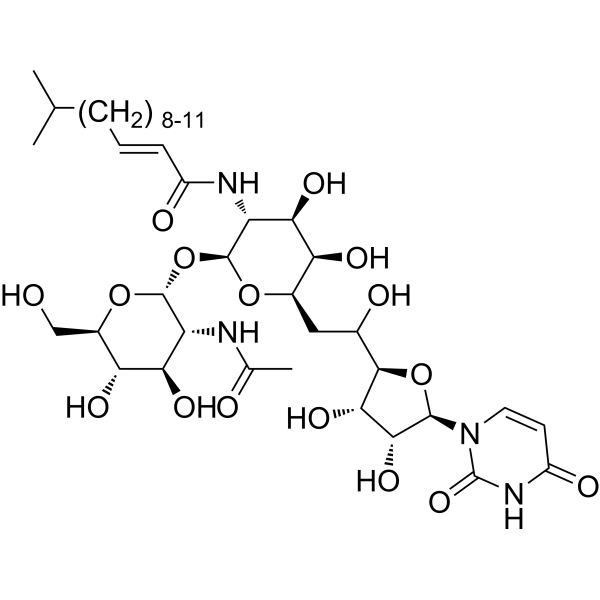
Tunicamycin is a mixture of homologous nucleoside antibiotic that inhibits N-linked glycosylation and blocks GlcNAc phosphotransferase (GPT). Tunicamycin causes accumulation of unfolded proteins in cell endoplasmic reticulum (ER) and induces ER stress, and causes blocking of DNA synthesis and cell cycle arrest in G1 phase. Tunicamycin inhibits gram-positive bacteria, yeasts, fungi, and viruses and has anti-cancer activity .Tunicamycin increases exosome release in cervical cancer cells .
loading...
    loading...
26
26 Cited Publications
Cat. No.: HY-N6687
CAS No.: 52665-69-7
Synonyms: A-23187; Antibiotic A-23187
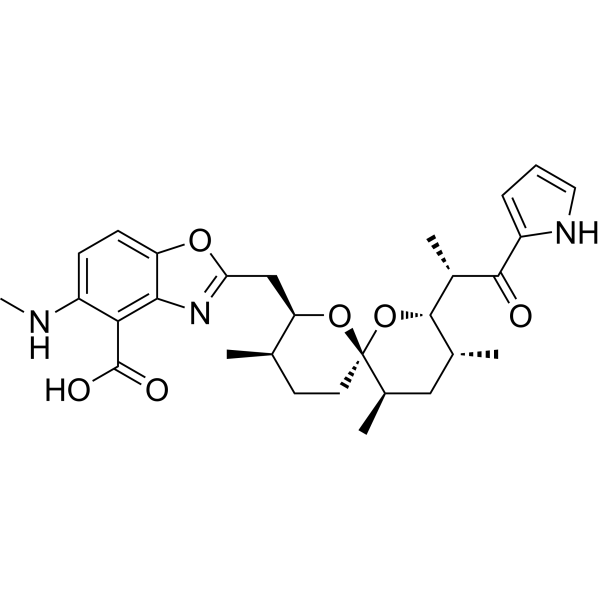
Calcimycin (A-23187) is an antibiotic and a unique divalent cation ionophore (like calcium and magnesium). Calcimycin induces Ca 2+-dependent cell death by increasing intracellular calcium concentration. Calcimycin inhibits the growth of Gram-positive bacteria and some fungi. Calcimycin also inhibits the activity of ATPase and uncouples oxidative phosphorylation (OXPHOS) of mammalian cells. Calcimycin induces apoptosis and autophagy .
loading...
    loading...
21
21 Cited Publications
Cat. No.: HY-B0101
CAS No.: 86386-73-4
Synonyms: UK-49858
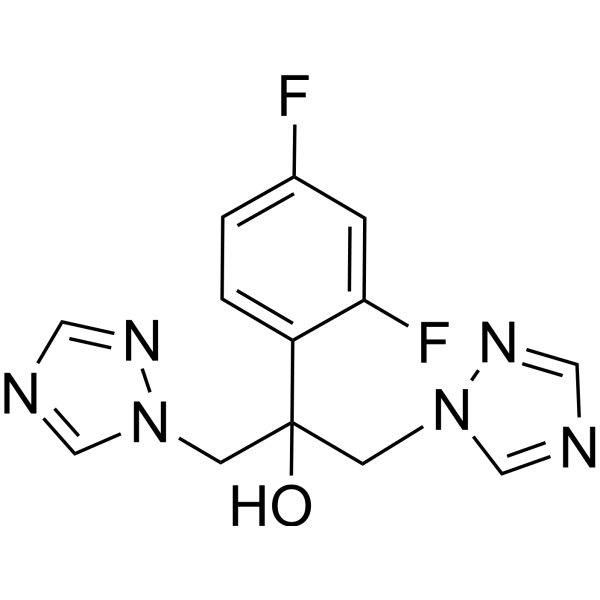
Fluconazole (UK-49858) is a triazole antifungal agent with excellent activities against a broad range of fungi, especially against Candida albicans. Fluconazole inhibits C. albicans and Candida kefyr with IC99s range from 0.20 μg/mL to 0.39 μg/mL .
loading...
    loading...
8
8 Cited Publications
Cat. No.: HY-B0133
CAS No.: 7681-93-8
Synonyms: Pimaricin
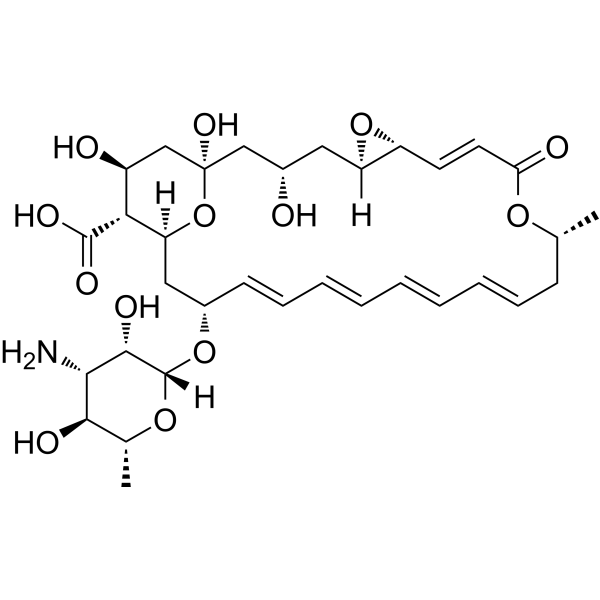
Natamycin (Pimaricin) is a macrolide antibiotic agent produced by several Streptomyces strains. Natamycin inhibits the growth of fungi via inhibition of amino acid and glucose transport across the plasma membrane. Natamycin is a food preservative, an antifungal agent in agriculture, and is widely used for fungal keratitis research .
loading...
    loading...
6
6 Cited Publications
Cat. No.: HY-B1747
CAS No.: 1121-30-8
Research Areas:  

Infection

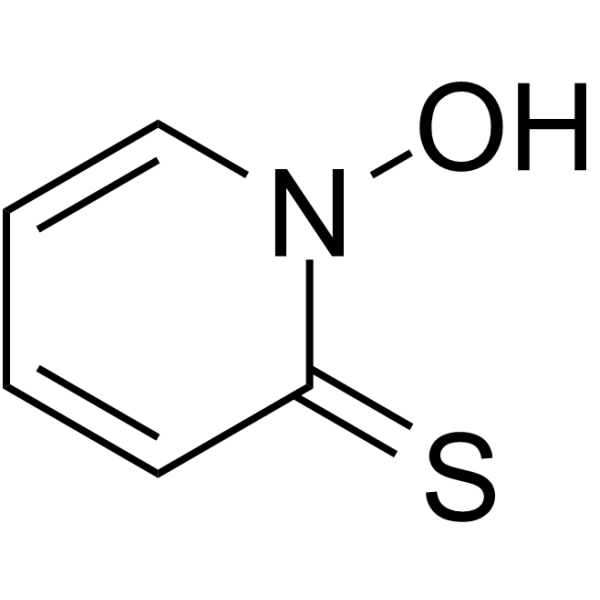
Pyrithione is an inhibitor of membrane transport processes in fungi. Pyrithione is a potent antibiotic aspergillic acid. Pyrithion incubated Penicillium mycelia would have a marked decrease in the activities of a variety of independently regulated transport systems .
loading...
    loading...
6
6 Cited Publications
Cat. No.: HY-B0885
CAS No.: 27220-47-9
Synonyms: (±)-Econazol
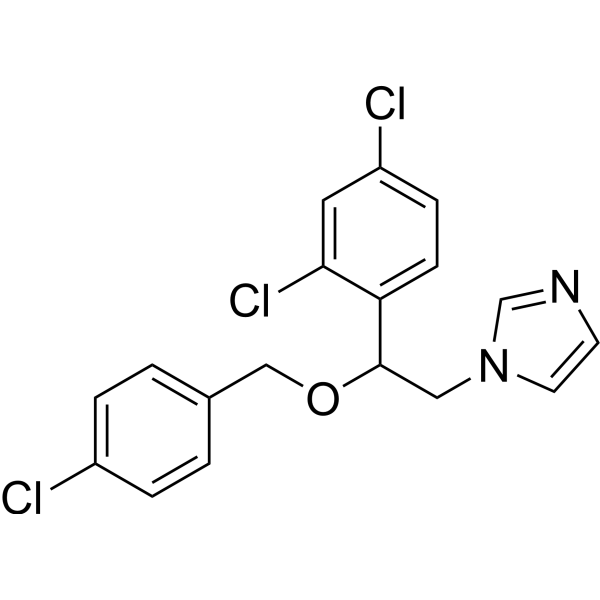
Econazole ((±)-Econazol) is an orally active imidazole antifungal agent, as well as a cytochrome P-450 inhibitor and a blocker of calcium and manganese ion uptake. Econazole is active against a variety of fungi and some Gram-positive bacteria, but has no significant activity against Gram-negative bacteria. Econazole can inhibit the synthesis of prostaglandins and can also induce liver damage .
loading...
    loading...
5
5 Cited Publications
Cat. No.: HY-14273
CAS No.: 241479-67-4
Purity:  99.97%
Synonyms: BAL-4815; RO-0094815
Research Areas:  

Infection Cancer

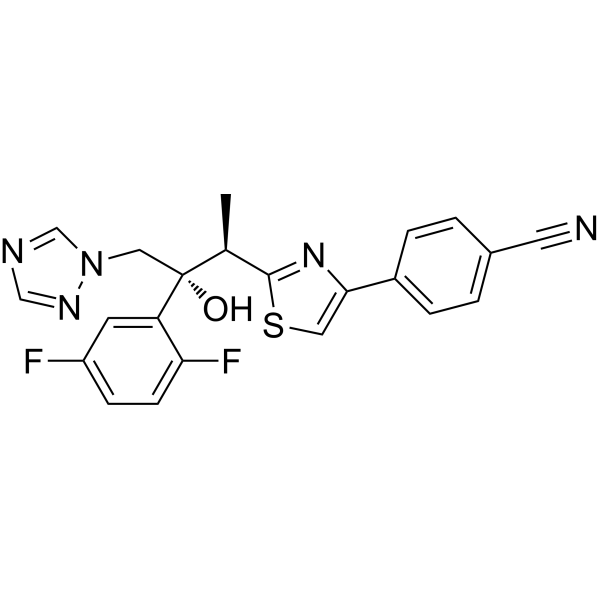
Isavuconazole (BAL-4815) is a triazole proagent with antifungal activity against yeasts, molds, and dimorphic fungi. Isavuconazole inhibits ergosterol biosynthesis and results in the disruption of fungal membrane structure and function. Isavuconazole is a moderate inhibitor of CYP3A4.
loading...
    loading...
3
3 Cited Publications
Cat. No.: HY-N0216
CAS No.: 65-85-0
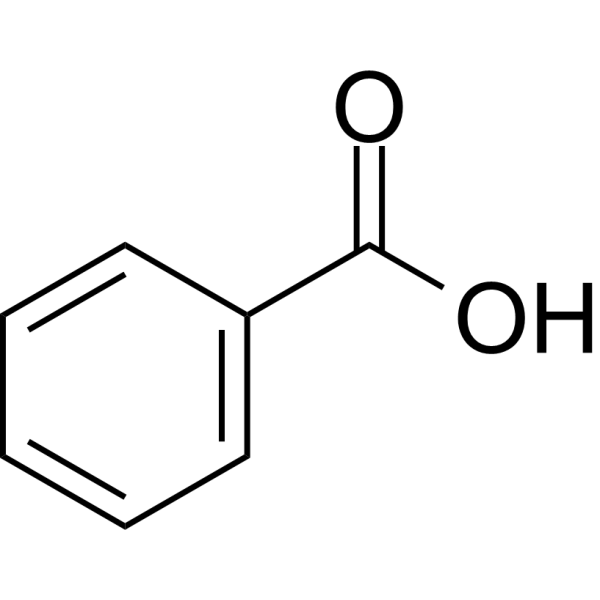
Benzoic acid is an aromatic alcohol existing naturally in many plants and is a common additive to food, drinks, cosmetics and other products. It acts as preservatives through inhibiting both bacteria and fungi .
loading...
    loading...
3
3 Cited Publications
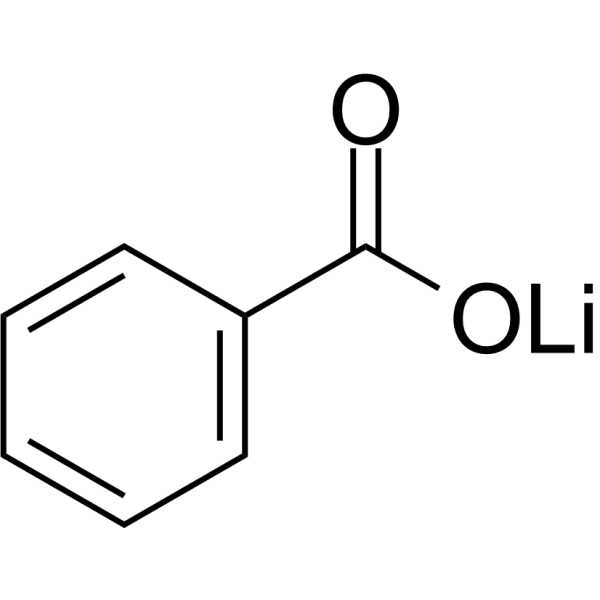
Cat. No.: HY-N0216A
CAS No.: 553-54-8
Benzoic acid lithium is an aromatic alcohol found in many plants and is a common additive in food, beverages, cosmetics and other products. Benzoic acid lithium inhibits bacteria and fungi and acts as a preservative .
loading...
    loading...
3
3 Cited Publications
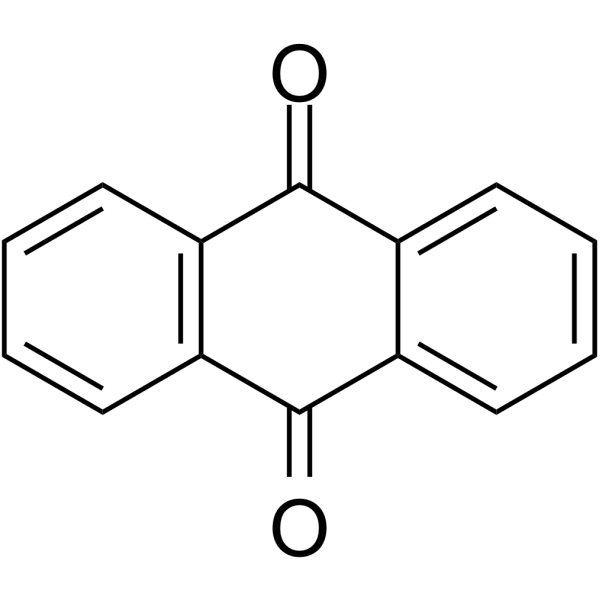
Cat. No.: HY-N0354
CAS No.: 84-65-1
Anthraquinone is used as a precursor for dye formation and agrochemicals, existing in different organisms, such as bacteria, fungi, plants, and some animals. Anthraquinone has biological activities: anticancer, antiinflammatory, diuretic, antiarthritic, antifungal, antibacterial, antimalarial and antioxidant. Anthraquinone also plays an important role in the primary metabolism of plants by acting on the electron transport chain through the inhibition of energy transfer in the photosynthetic process. Anthraquinone can intercalates into DNA and inhibits the topoisomerase II (topo II) enzyme, resulting in cell death via Apoptosis .
loading...
    loading...
3
3 Cited Publications
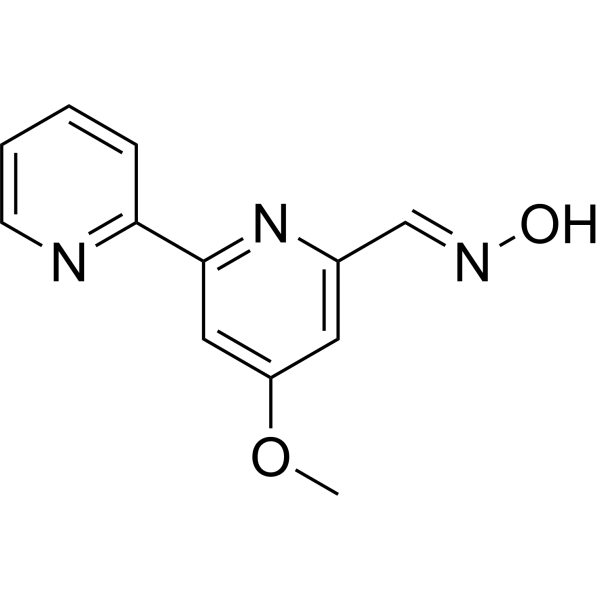
Cat. No.: HY-114495
CAS No.: 21802-37-9
Purity:  ≥98.0%
Synonyms: Cerulomycin; Caerulomycin
Caerulomycin A is an orally active immunomodulator and antimicrobial agent. Caerulomycin A targets Smad3, STAT1 and GATA-3. Caerulomycin A downregulates GATA-3 expression, inhibits Th2 cell differentiation and Th2 cytokine production, reduces IgE levels, and alleviates pulmonary inflammatory responses and eosinophil infiltration. Caerulomycin A ameliorates collagen-induced arthritis symptoms, reduces joint inflammation and synovitis, and decreases the levels of proinflammatory cytokines in joints. Caerulomycin A inhibits the growth of some filamentous fungi, yeasts and specific bacteria. Caerulomycin A can be used in research related to arthritis and asthma .
loading...
    loading...
2
2 Cited Publications
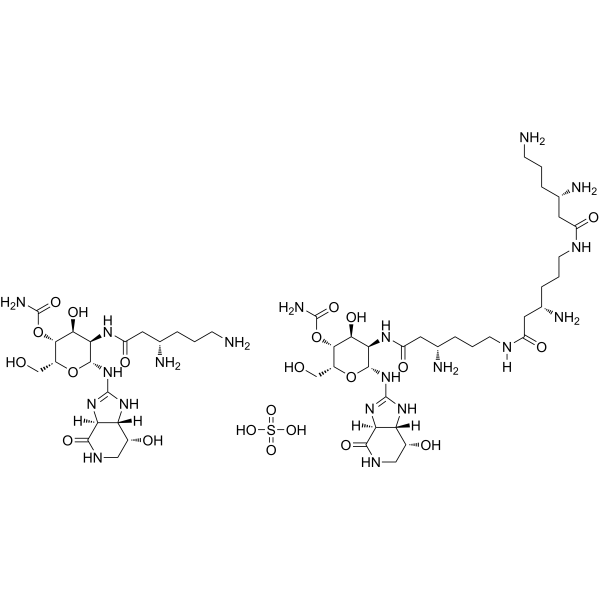
Cat. No.: HY-129065
CAS No.: 96736-11-7
Purity:  93.51%
Synonyms: Streptothricin sulfate
Research Areas:  

Infection

Nourseothricin sulfate (Streptothricin sulfate) is a broad-spectrum antibiotic that destroys the outer membrane of Gram-negative bacteria and is a dominant selective marker for Fonsecaea pedrosoi . Nourseothricin sulfate inhibits protein biosynthesis in prokaryotic cells and strongly inhibits the growth of eukaryotes like fungi and can also be used as a elective marker for a wide range of organisms including bacteria, yeast, filamentous fungi, and plant cells .
loading...
    loading...
2
2 Cited Publications
Cat. No.: HY-112176
CAS No.: 57649-10-2
Purity:  ≥99.0%
Research Areas:  

Infection

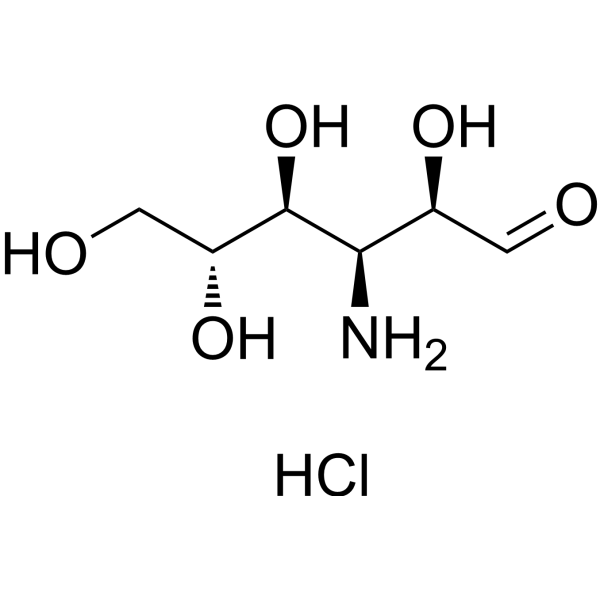
Kanosamine hydrochloride is an antibiotic which inhibits the growth of plant-pathogenic oomycetes, certain fungi and a few bacterial species. Kanosamine inhibits Phytophthora medicaginis M2913 and Aphanomyces euteiches WI-98 with MICs of 25 and 60 μg/mL, respectively.
loading...
    loading...
2
2 Cited Publications
Cat. No.: HY-N1970
CAS No.: 31721-94-5
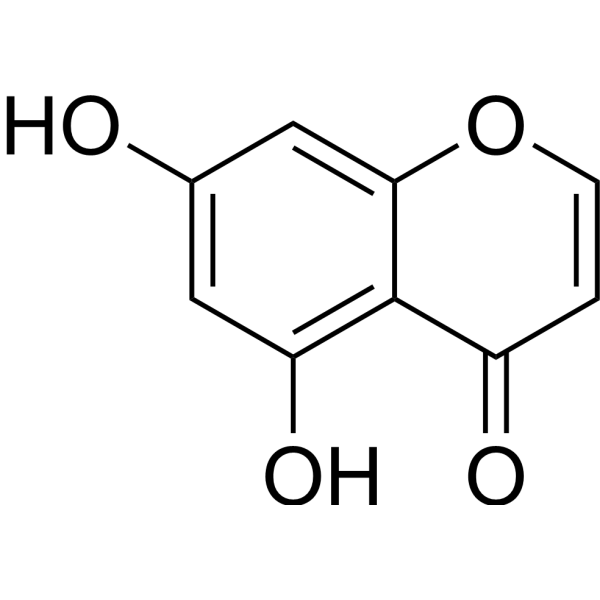
5,7-Dihydroxychromone is a flavonoid compound with antioxidant properties. 5,7-Dihydroxychromone induces Nrf2 nuclear translocation, increases Nrf2/ARE binding activity, and up-regulates Nrf2-dependent antioxidant genes HO-1, NQO1, GCLc. 5,7-Dihydroxychromone attenuates excessive ROS generation, inhibits activated caspase-3, caspase-9, cleaved PARP expression, and prevents neuronal apoptosis and cell death. 5,7-Dihydroxychromone increases LXRα and PPARγ mRNA expression, induces preadipocyte differentiation, and regulates blood glucose levels. 5,7-Dihydroxychromone inhibits radial growth of soil pathogenic fungi, radicle elongation of select seedlings, and transiently inhibits Bradyrhizobium sp. growth in high mannitol medium. 5,7-Dihydroxychromone can be used for the research of Parkinson’s disease, type 2 diabetes mellitus and pathogenic fungal infection .
loading...
    loading...
1
1 Cited Publications
Cat. No.: HY-B0843
CAS No.: 57837-19-1
Research Areas:  

Infection

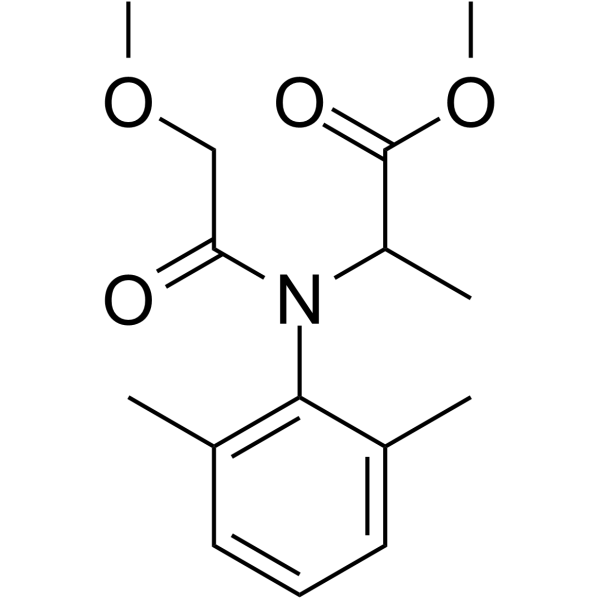
Metalaxyl is a fungicide agent that inhibits the protein synthesis in fungi. Metalaxyl against downy mildews and soil-borne diseases by Phytium ssp. and Phytophthora ssp. .
loading...
    loading...
1
1 Cited Publications
Cat. No.: HY-135761
CAS No.: 66246-88-6
Purity:  98.91%
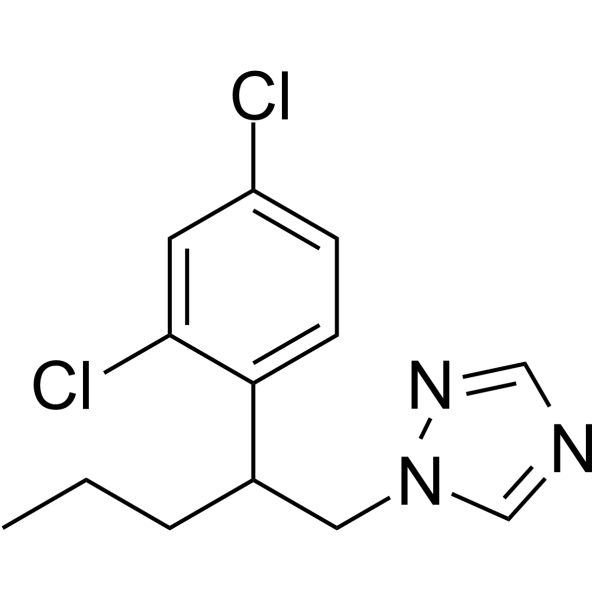
Penconazole is a typical triazole fungicide, and mainly applied on apples, grapes, and vegetables to control powdery mildew. Penconazole inhibits sterol biosynthesis in fungi. Penconazole decrease AChE activity in the cerebrum and cerebellum of rats .
loading...
    loading...
1
1 Cited Publications
Cat. No.: HY-N8537
CAS No.: 260979-95-1
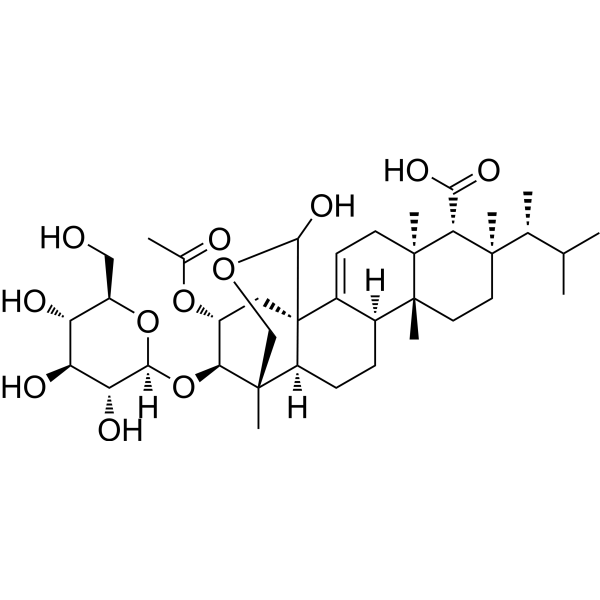
Enfumafungin, a triterpene glycoside, is isolated from extracts derived from fungus Hormonema carpetanum. Enfumafungin is an antifungal compound that is acting on the fungal cell wall, as the (1,3)-beta-D-glucan synthase inhibitor. Enfumafungin is specific for yeasts and fungi (excluding Cryptococcus) and does not inhibit the growth of Bacillus subtilis .
loading...
    loading...
1
1 Cited Publications
Cat. No.: HY-N0216S
CAS No.: 1079-02-3
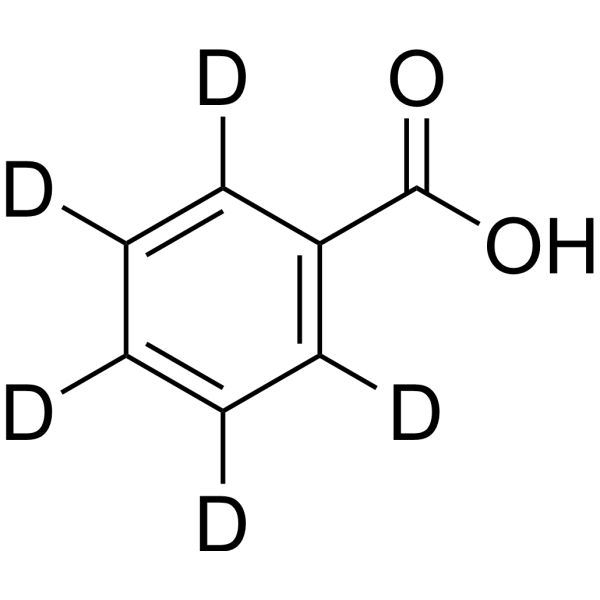
Benzoic acid-d5 is a deuterium substitute for Benzoic acid. Benzoic acid is an aromatic alcohol that occurs naturally in many plants and is a common additive in food, beverages, cosmetics and other products. Benzoic acid can act as a preservative by inhibiting bacteria and fungi .
loading...
    loading...
1
1 Cited Publications
Cat. No.: HY-130173
CAS No.: 88979-61-7
Purity:  ≥99.0%
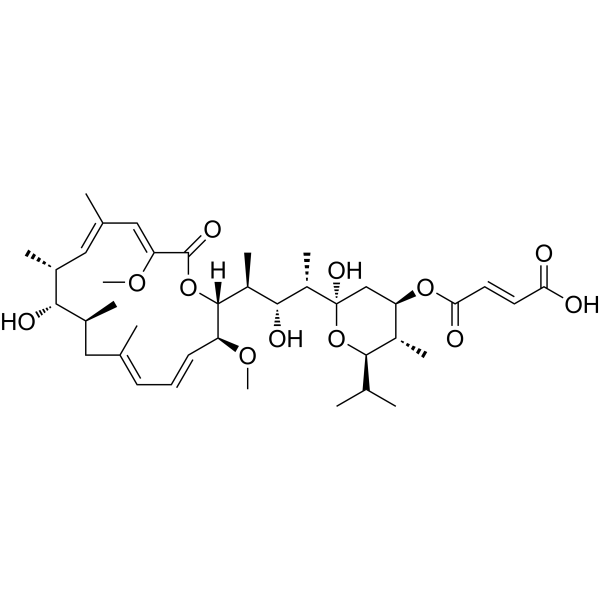
Bafilomycin C1 is a macrolide antibiotic isolated from Streptomyces sp. Bafilomycin C1 is a potent, specific and reversible inhibitor of vacuolar-type H +-ATPases (V-ATPases). Bafilomycin C1 inhibits growth of gram-positive bacteria and fungi . Bafilomycin C1 induces cell apoptosis and can be used for the study of hepatocellular carcinoma (HCC) .
loading...
    loading...
1
1 Cited Publications
Cat. No.: HY-14282
CAS No.: 101530-10-3
Purity:  98.00%
Target:  

Fungal

Research Areas:  

Infection Inflammation/Immunology

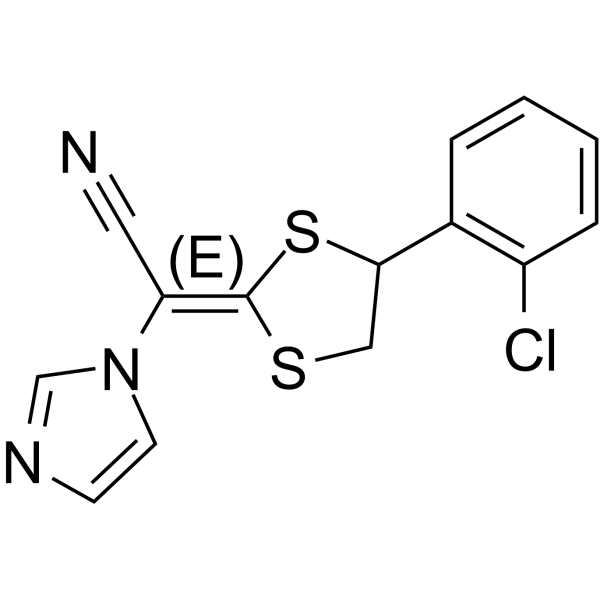
Lanoconazole is a potent and orally active imidazole antifungal agent, shows a broad spectrum of activity against fungi?in vitro?and?in vivo . Lanoconazole interferes with ergosterol biosynthesis by inhibiting sterol 14-alpha demethylase and blocking fungal membrane ergosterol biosynthesis. Lanoconazole can be used for the investigation of dermatophytosis and onychomycosis .
loading...
    loading...

