1. Search Result
Search Result
Results for "

Gram-positive aerobic bacteria

" in MedChemExpress (MCE) Product Catalog:

57

Inhibitors & Agonists

1

Peptides

7

Natural
Products

9

Isotope-Labeled Compounds

Cat. No. Product Name Target Research Areas Chemical Structure
  • HY-B1369A
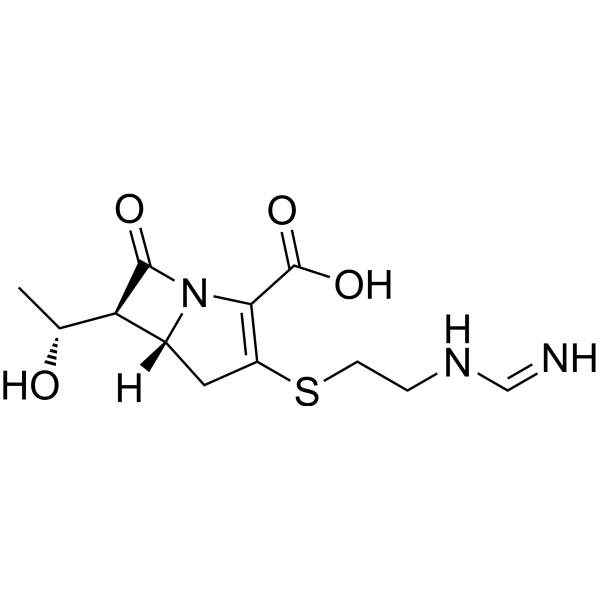
    Imipenem
    30+ Cited Publications

    N-Formimidoyl thienamycin; MK0787

    Antibiotic Bacterial Infection
    Imipenem (MK0787), a stable crystalline derivative of thienamycin, is an antibiotic and has the excellent activity against a broad range of gram-positive and gram-negative aerobic and anaerobic bacteria. Imipenem can be used for the research of carbapenem-nonsusceptible and P. aeruginosa biofilm infections .
    Imipenem
  • HY-B1369
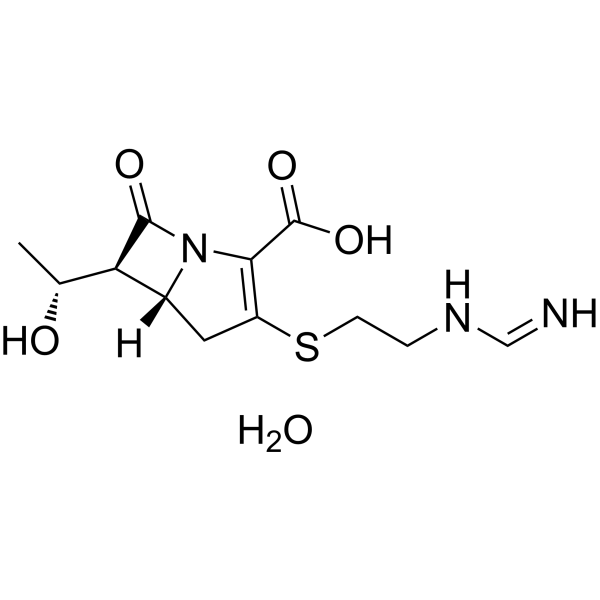
    Imipenem monohydrate
    30+ Cited Publications

    N-Formimidoyl thienamycin monohydrate; MK0787 monohydrate

    Antibiotic Bacterial Infection
    Imipenem monohydrate, a stable crystalline derivative of thienamycin, is an antibiotic and has the excellent activity against a broad range of gram-positive and gram-negative aerobic and anaerobic bacteria. Imipenem monohydrate can be used for the research of carbapenem-nonsusceptible and P. aeruginosa biofilm infections .
    Imipenem monohydrate
  • HY-B0593
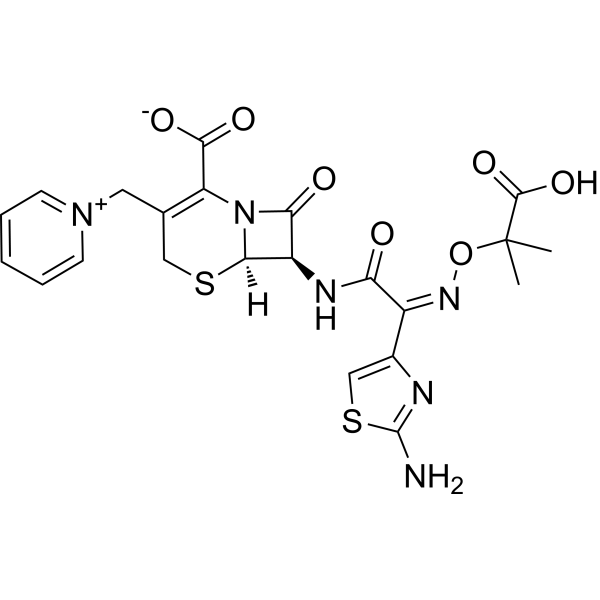
    Ceftazidime
    Maximum Cited Publications
    42 Publications Verification

    GR20263

    Beta-lactamase Bacterial Antibiotic Infection Cancer
    Ceftazidime (GR20263), an antibiotic, has a broad spectrum activity against Gram-positive and Gram-negative aerobic bacteria. Ceftazidime is also active against Enterobacteriaceae (including β-lactamase-positive strains) and is resistant to hydrolysis by most β-lactamases .
    Ceftazidime
  • HY-B0510
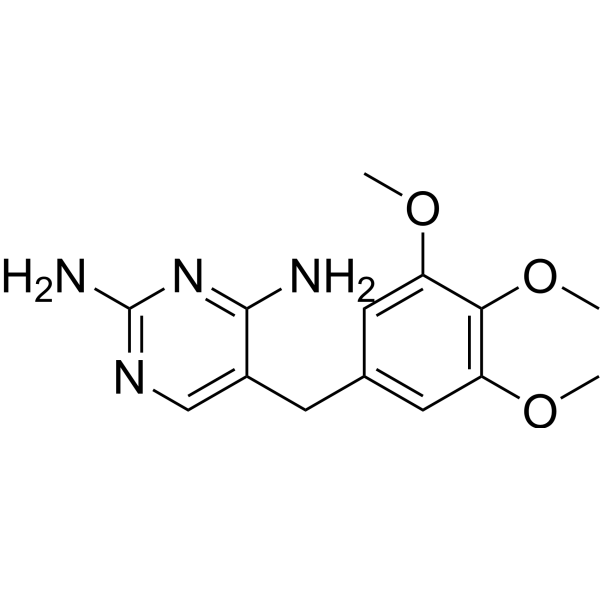
    Trimethoprim
    10+ Cited Publications

    Antifolate Bacterial Antibiotic Influenza Virus Infection Cancer
    Trimethoprim is a bacteriostatic antibiotic and an orally active dihydrofolate reductase inhibitor. Trimethoprim is active against a wide range of Gram-positive and Gram-negative aerobic bacteria. Trimethoprim has the potential for the research of urinary tract infections, Shigellosis and Pneumocystis pneumonia. Trimethoprim can inhibit infection of Influenza A virus in chick embryo when combinated with zinc .
    Trimethoprim
  • HY-B0479

    Thiophenicol; Dextrosulphenidol

    Beta-lactamase Bacterial Antibiotic Infection
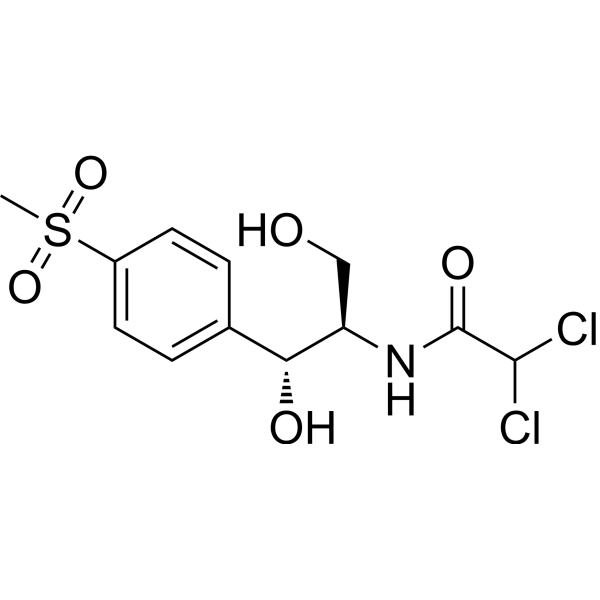
    Thiamphenicol (Thiophenicol), a methyl-sulfonyl derivative of Chloramphenicol, is a broad-spectrum antimicrobial antibiotic. Thiamphenicol acts by binding to the 50S ribosomal subunit, leading to inhibition of protein synthesis and bacteriostatic effect (against Gram-negative, Gram-positive aerobic and anaerobic bacteria) .
    Thiamphenicol
  • HY-B0593A
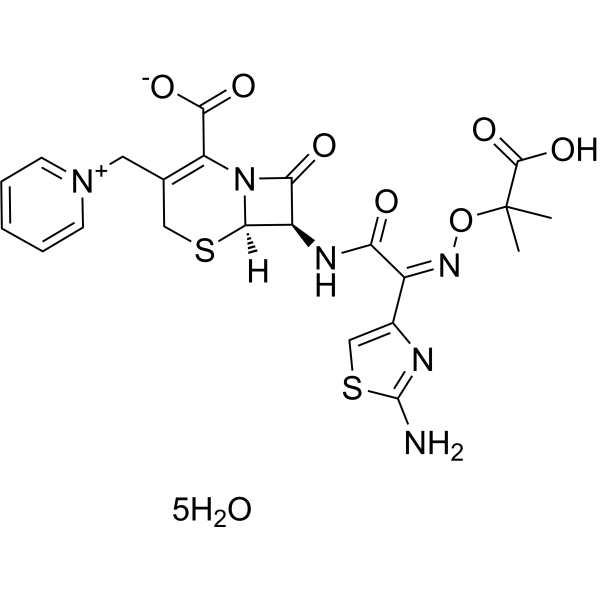
    Ceftazidime pentahydrate
    Maximum Cited Publications
    42 Publications Verification

    GR20263 pentahydrate

    Beta-lactamase Bacterial Antibiotic Infection Cancer
    Ceftazidime (GR20263) pentahydrate , an antibiotic, has a broad spectrum activity against Gram-positive and Gram-negative aerobic bacteria. Ceftazidime pentahydrate is also active against Enterobacteriaceae (including β-lactamase-positive strains) and is resistant to hydrolysis by most β-lactamases .
    Ceftazidime pentahydrate
  • HY-14865
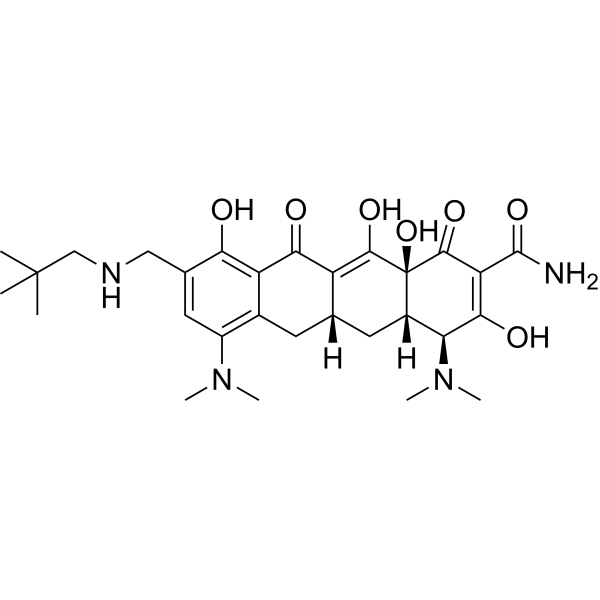
    Omadacycline
    30+ Cited Publications

    PTK 0796; Amadacycline

    Bacterial Antibiotic Infection
    Omadacycline (PTK 0796), a first-in-class orally active aminomethylcycline antibacterial, is a member of the tetracycline class of antibiotics. Omadacycline acts through the inhibition of bacterial protein synthesis by binding to the 30S ribosomal subunit. Omadacycline possesses broad-spectrum antibacterial activity against aerobic and anaerobic Gram-positive and Gram-negative bacteria, as well as atypical bacteria. Omadacycline can be used for the research of acute bacterial skin and skin-structure infections, community-acquired pneumonia, and urinary tract infections .
    Omadacycline
  • HY-141619A

    Bacterial Infection
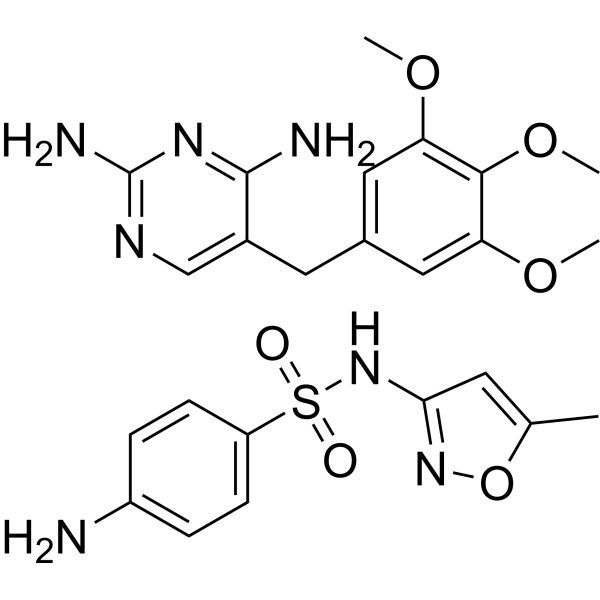
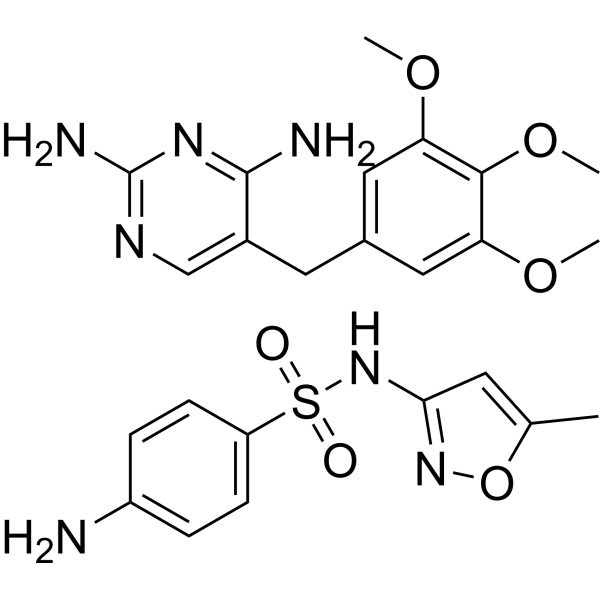
    Cotrimoxazole (Trimethoprim/sulfamethoxazole 1:19), an antibacterial agent, is a Trimethoprim (HY-B0510) and Sulfamethoxazole (HY-B0322) mixture. The ratio of Trimethoprim to Sulfamethoxazole in the combination mixture is 1 : 19 .
    Cotrimoxazole (Trimethoprim/sulfamethoxazole 1:19)
  • HY-B0187A
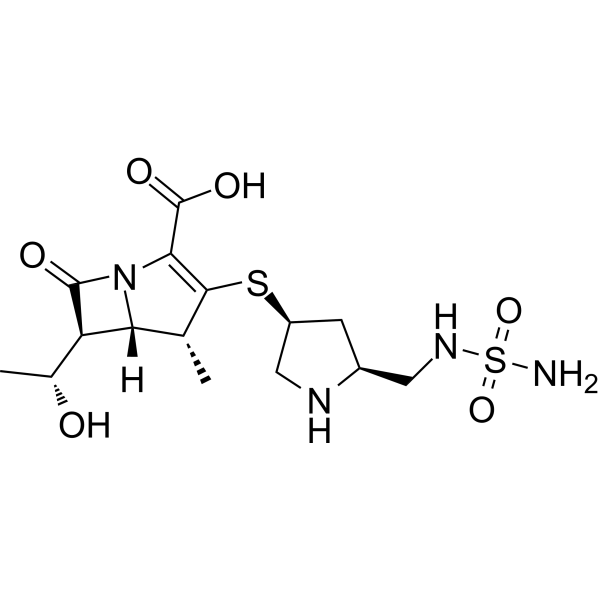
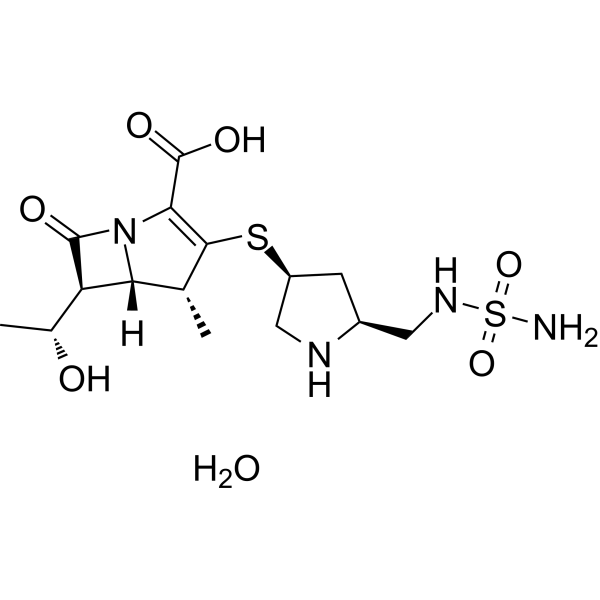
    Doripenem monohydrate
    5+ Cited Publications

    S 4661 monohydrate

    Bacterial Antibiotic Infection
    Doripenem (S 4661) monohydrate, a 1β-methyl parenteral carbapenem, has very broad-spectrum activity against Gram-positive and Gram-negative aerobic bacteria .
    Doripenem monohydrate
  • HY-B0187
    Doripenem
    5+ Cited Publications

    S 4661

    Bacterial Antibiotic Infection
    Doripenem (S 4661), a 1β-methyl parenteral carbapenem, has very broad-spectrum activity against Gram-positive and Gram-negative aerobic bacteria .
    Doripenem
  • HY-B0510S

    Antifolate Bacterial Antibiotic Infection
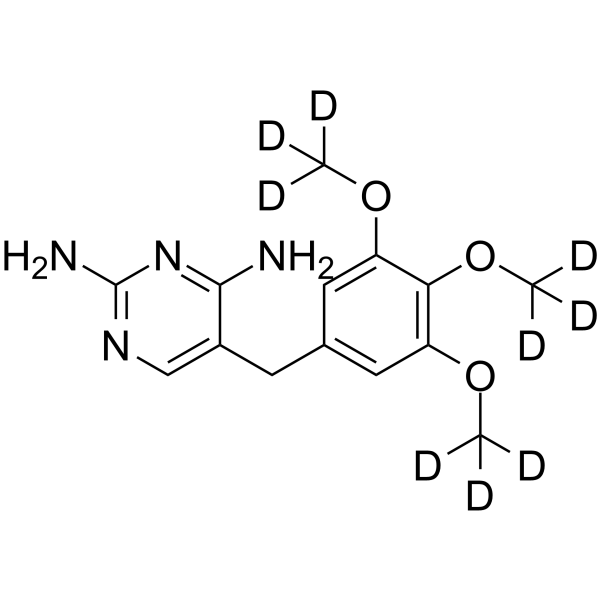
    Trimethoprim-d9 is the deuterium labeled Trimethoprim. Trimethoprim is a bacteriostatic antibiotic and an orally active dihydrofolate reductase inhibitor. Trimethoprim is active against a wide range of Gram-positive and Gram-negative aerobic bacteria. Trimethoprim has the potential for urinary tract infections, Shigellosis and Pneumocystis pneumonia treatment .
    Trimethoprim-d9
  • HY-14865B
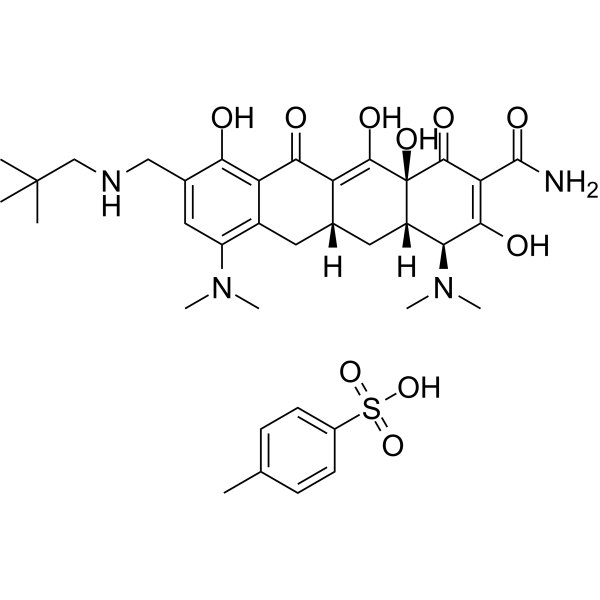
    Omadacycline tosylate
    30+ Cited Publications

    PTK 0796 tosylate; Amadacycline tosylate

    Bacterial Antibiotic Infection
    Omadacycline (PTK 0796) tosylate, a first-in-class orally active aminomethylcycline antibacterial, is a member of the tetracycline class of antibiotics. Omadacycline tosylate acts through the inhibition of bacterial protein synthesis by binding to the 30S ribosomal subunit. Omadacycline tosylate possesses broad-spectrum antibacterial activity against aerobic and anaerobic Gram-positive and Gram-negative bacteria, as well as atypical bacteria. Omadacycline tosylate can be used for the research of acute bacterial skin and skin-structure infections, community-acquired pneumonia, and urinary tract infections .
    Omadacycline tosylate
  • HY-141619

    Bacterial Infection
    Cotrimoxazole (Trimethoprim/sulfamethoxazole 1:5), an antibacterial agent, is a Trimethoprim (HY-B0510) and Sulfamethoxazole (HY-B0322) mixture. The ratio of Trimethoprim to Sulfamethoxazole in the combination mixture is 1 : 5 .
    Cotrimoxazole (Trimethoprim/sulfamethoxazole 1:5)
  • HY-N0195

    2-Nitroimidazole

    MOFs Bacterial Antibiotic Infection
    Azomycin (2-Nitroimidazole) is an antibiotic which can be active against aerobic Gram-positive and Gram-negative bacteria.
    Azomycin
  • HY-B1484
    Moxalactam sodium salt
    1 Publications Verification

    Latamoxef sodium; Lamoxactam sodium; LY-127935 sodium

    Beta-lactamase Bacterial Antibiotic Infection
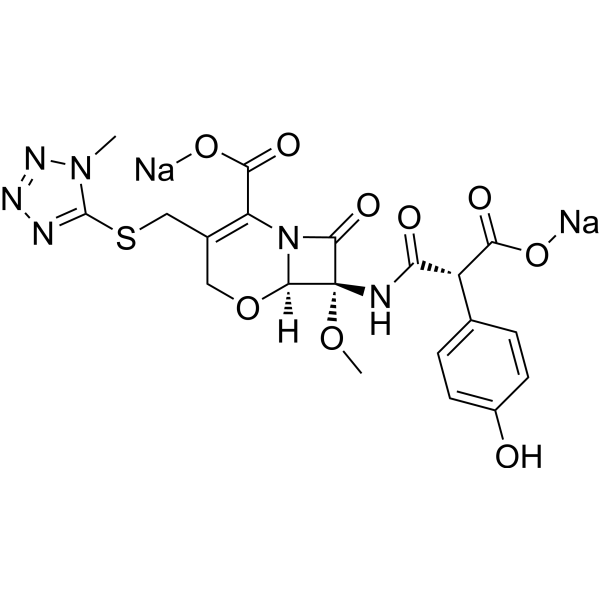
    Moxalactam (Latamoxef) sodium salt is a synthetic oxa-β-lactam antibiotic. Moxalactam sodium salt has a broad spectrum of activity against Gram-positive and Gram-negative aerobic and anaerobic bacteria. Moxalactam sodium salt inhibits production of β-lactamases .
    Moxalactam sodium salt
  • HY-B0510C
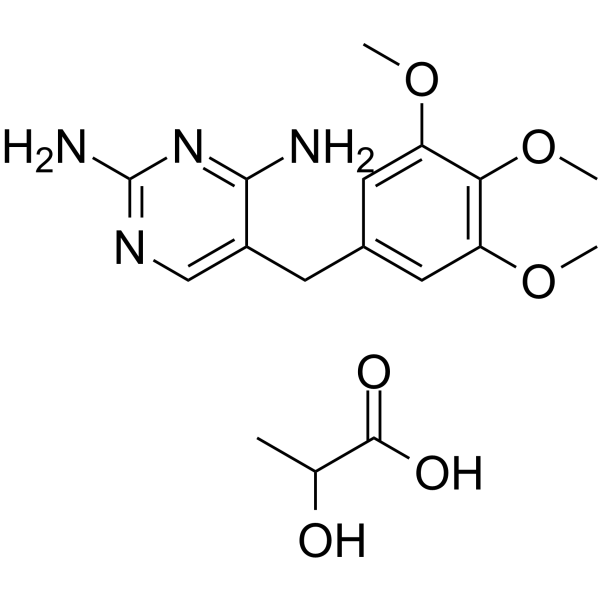
    Trimethoprim lactate
    10+ Cited Publications

    Antifolate Bacterial Antibiotic Infection Cancer
    Trimethoprim lactate is a bacteriostatic antibiotic and an orally active dihydrofolate reductase inhibitor. Trimethoprim lactate is active against a wide range of Gram-positive and Gram-negative aerobic bacteria. Trimethoprim lactate has the potential for the research of urinary tract infections, Shigellosis and Pneumocystis pneumonia. Trimethoprim lactate can inhibit infection of Influenza A virus in chick embryo when combinated with zinc .
    Trimethoprim lactate
  • HY-14865C
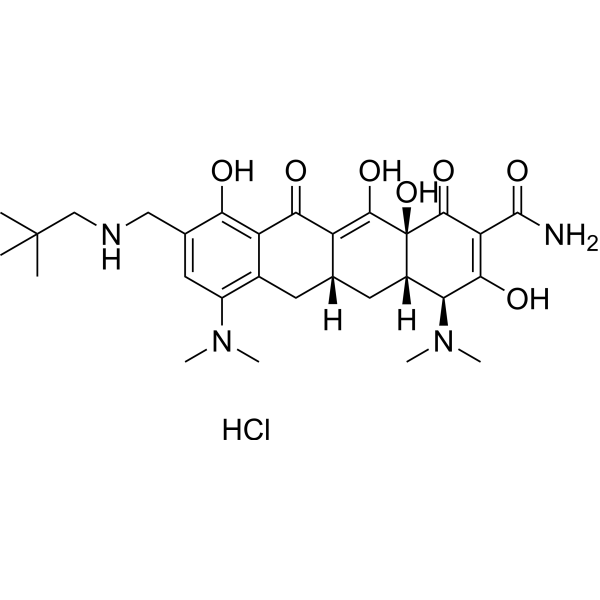
    Omadacycline hydrochloride
    30+ Cited Publications

    PTK0796 hydrochloride; Amadacycline hydrochloride

    Bacterial Antibiotic Infection
    Omadacycline (PTK 0796) hydrochloride, a first-in-class orally active aminomethylcycline antibacterial, is a member of the tetracycline class of antibiotics. Omadacycline hydrochloride acts through the inhibition of bacterial protein synthesis by binding to the 30S ribosomal subunit. Omadacycline hydrochloride possesses broad-spectrum antibacterial activity against aerobic and anaerobic Gram-positive and Gram-negative bacteria, as well as atypical bacteria. Omadacycline hydrochloride can be used for the research of acute bacterial skin and skin-structure infections, community-acquired pneumonia, and urinary tract infections .
    Omadacycline hydrochloride
  • HY-B1781
    Sulfachloropyridazine
    2 Publications Verification

    Sulfachlorpyridazine

    Bacterial Antibiotic Infection
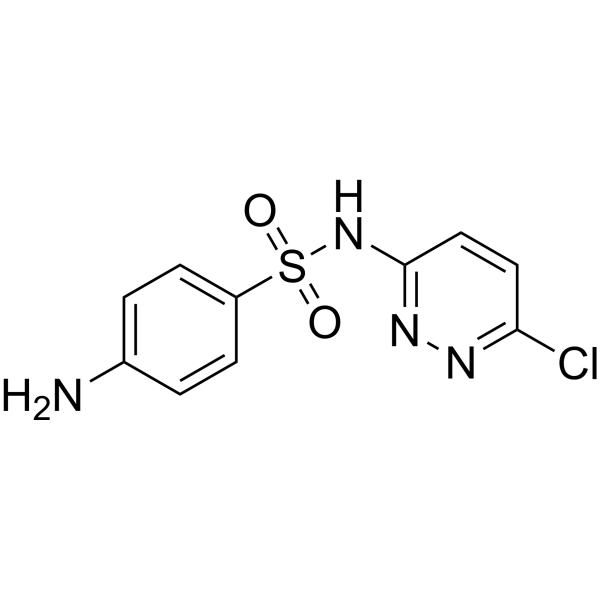
    Sulfachloropyridazine is a broad spectrum sulfonamide that can be used against both gram-positive and gram-negative aerobic bacteria as well as Chlamydia. Sulfachloropyridazine is also considered as a common pollutant in surface and groundwater. Sulfachloropyridazine via electro-Fenton is a model for sulfonamide antibiotics that are widespread in waters .
    Sulfachloropyridazine
  • HY-18324
    CRS3123
    1 Publications Verification

    REP-3123

    Antibiotic Inflammation/Immunology
    CRS3123 is a potent and orally active narrow-spectrum antibiotic. CRS3123 inhibits bacterial methionyl-tRNA synthetase. CRS3123 has potent activity against Clostridium difficile (C. difficile) and aerobic Gram-positive bacteria but little activity against Gram-negative bacteria, including anaerobes. CRS3123 has the potential for the research of C. difficile infections .
    CRS3123
  • HY-B1923S

    Pipracil-d5

    Isotope-Labeled Compounds Antibiotic Bacterial Beta-lactamase Penicillin-binding protein (PBP) Infection
    Piperacillin-d5 is deuterium labeled Piperacillin. Piperacillin is kind of semisynthetic penicillins. Piperacillin has a broad spectrum of activity against Gram-positive and Gram-negative aerobic and anaerobic bacteria. Piperacillin has shown greater activity against β-lactamase-producing organisms than the other penicillins .
    Piperacillin-d5
  • HY-B1369R

    N-Formimidoyl thienamycin monohydrate (Standard); MK0787 monohydrate (Standard)

    Reference Standards Antibiotic Bacterial Infection
    Imipenem (monohydrate) (Standard) is the analytical standard of Imipenem (monohydrate). This product is intended for research and analytical applications. Imipenem monohydrate, a stable crystalline derivative of thienamycin, is an antibiotic and has the excellent activity against a broad range of gram-positive and gram-negative aerobic and anaerobic bacteria. Imipenem monohydrate can be used for the research of carbapenem-nonsusceptible and P. aeruginosa biofilm infections .
    Imipenem monohydrate (Standard)
  • HY-P3914

    Oct-CA(1-7)M(2-9)

    Bacterial Infection
    Cecropin A (1-7)-Melittin A (2-9) is an antimicrobial peptide with antimicrobial activity against a broad spectrum of Gram-positive and Gram-negative aerobic bacteria, as well as antimalarial activity, without the adverse hemolytic properties of bee venom peptides .
    Cecropin A (1-7)-Melittin A (2-9)
  • HY-B0479S

    Thiophenicol-d3; Dextrosulphenidol-d3

    Isotope-Labeled Compounds Bacterial Antibiotic Infection
    Thiamphenicol-d3 is a deuterium labeled Thiamphenicol. Thiamphenicol, a methyl-sulfonyl derivative of Chloramphenicol, is a broad-spectrum antimicrobial antibiotic. Thiamphenicol acts by binding to the 50S ribosomal subunit, leading to inhibition of protein synthesis and bacteriostatic effect (against Gram-negative, Gram-positive aerobic and anaerobic bacteria) .
    Thiamphenicol-d3
  • HY-B0593R

    GR20263 (Standard)

    Beta-lactamase Reference Standards Bacterial Antibiotic Infection
    Ceftazidime (Standard) is the analytical standard of Ceftazidime. This product is intended for research and analytical applications. Ceftazidime (GR20263), an antibiotic, has a broad spectrum activity against Gram-positive and Gram-negative aerobic bacteria. Ceftazidime is also active against Enterobacteriaceae (including β-lactamase-positive strains) and is resistant to hydrolysis by most β-lactamases .
    Ceftazidime (Standard)
  • HY-B0593AR

    GR20263 pentahydrate (Standard)

    Beta-lactamase Reference Standards Bacterial Antibiotic Infection Cancer
    Ceftazidime (pentahydrate) (Standard) is the analytical standard of Ceftazidime (pentahydrate). This product is intended for research and analytical applications. Ceftazidime (GR20263) pentahydrate , an antibiotic, has a broad spectrum activity against Gram-positive and Gram-negative aerobic bacteria. Ceftazidime pentahydrate is also active against Enterobacteriaceae (including β-lactamase-positive strains) and is resistant to hydrolysis by most β-lactamases .
    Ceftazidime pentahydrate (Standard)
  • HY-B0510R

    Reference Standards Antifolate Bacterial Antibiotic Influenza Virus Infection
    Trimethoprim (Standard) is the analytical standard of Trimethoprim. This product is intended for research and analytical applications. Trimethoprim is a bacteriostatic antibiotic and an orally active dihydrofolate reductase inhibitor. Trimethoprim is active against a wide range of Gram-positive and Gram-negative aerobic bacteria. Trimethoprim has the potential for the research of urinary tract infections, Shigellosis and Pneumocystis pneumonia. Trimethoprim can inhibit infection of Influenza A virus in chick embryo when combinated with zinc .
    Trimethoprim (Standard)
  • HY-B1127

    N-Benzoyl-β-alanine

    Antibiotic Bacterial Infection Endocrinology
    Betamipron (N-benzoyl-β-alanine) is a carbapenem β-lactam antibiotic with antibacterial activity against most Gram-positive and Gram-negative aerobic and anaerobic bacteria. Betamipron can target and inhibit renal organic anion transporters, alleviate renal injury caused by Cisplatin (HY-17394), without interfering with the biological activity of cisplatin. Betamipron is often used in combination with panipenem, which can attenuate the renal effects induced by panipenem and slightly promote the proliferation of Clostridium difficile in the cecum. Betamipron can be used in studies related to renal injury and bacterial infection .
    Betamipron
  • HY-B0510S2

    Antifolate Bacterial Antibiotic Infection
    Trimethoprim-d3is the deuterium labeled Trimethoprim. Trimethoprim is a bacteriostatic antibiotic and an orally active dihydrofolate reductase inhibitor. Trimethoprim is active against a wide range of Gram-positive and Gram-negative aerobic bacteria. Trimethoprim has the potential for urinary tract infections, Shigellosis and Pneumocystis pneumonia treatment .
    Trimethoprim-d3
  • HY-B0510B
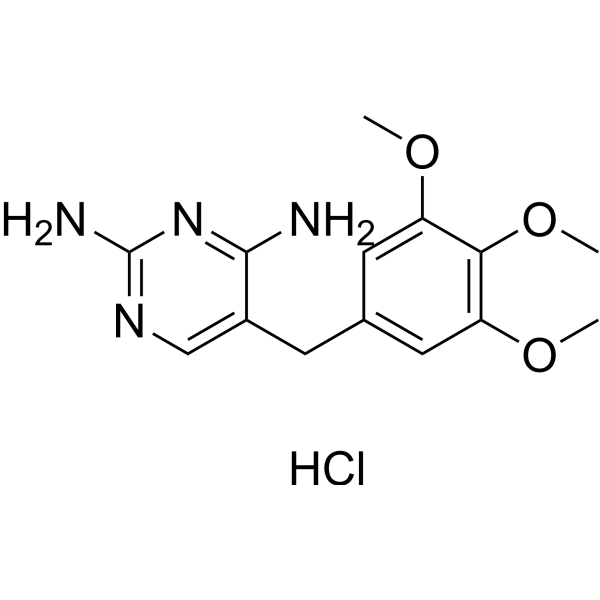
    Trimethoprim hydrochloride
    10+ Cited Publications

    Antifolate Bacterial Antibiotic Influenza Virus Infection Cancer
    Trimethoprim hydrochloride is a bacteriostatic antibiotic and an orally active dihydrofolate reductase inhibitor. Trimethoprim hydrochloride is active against a wide range of Gram-positive and Gram-negative aerobic bacteria. Trimethoprim hydrochloride has the potential for the research of urinary tract infections, Shigellosis and Pneumocystis pneumonia. Trimethoprim hydrochloride can inhibit infection of Influenza A virus in chick embryo when combinated with zinc .
    Trimethoprim hydrochloride
  • HY-B0593S

    GR20263-d5

    Isotope-Labeled Compounds Antibiotic Beta-lactamase Bacterial Infection Cancer
    Ceftazidime-d5 (GR20263-d5) is the deuterium labeled Ceftazidime (HY-B0593). Ceftazidime (GR20263), an antibiotic, has a broad spectrum activity against Gram-positive and Gram-negative aerobic bacteria. Ceftazidime is also active against Enterobacteriaceae (including β-lactamase-positive strains) and is resistant to hydrolysis by most β-lactamases .
    Ceftazidime-d5
  • HY-B0479R

    Thiophenicol (Standard); Dextrosulphenidol (Standard)

    Beta-lactamase Reference Standards Bacterial Antibiotic Infection
    Thiamphenicol (Standard) is the analytical standard of Thiamphenicol. This product is intended for research and analytical applications. Thiamphenicol (Thiophenicol), a methyl-sulfonyl derivative of Chloramphenicol, is a broad-spectrum antimicrobial antibiotic. Thiamphenicol acts by binding to the 50S ribosomal subunit, leading to inhibition of protein synthesis and bacteriostatic effect (against Gram-negative, Gram-positive aerobic and anaerobic bacteria) .
    Thiamphenicol (Standard)
  • HY-136382S

    Sulfachlorpyridazine-d4

    Antibiotic Bacterial Inflammation/Immunology
    Sulfachloropyridazine-d4 is the deuterium labeled Sulfachloropyridazine. Sulfachloropyridazine is a broad spectrum sulfonamide used against both Gram-positive and Gram-negative aerobic bacteria .
    Sulfachloropyridazine-d4
  • HY-B1484A

    Latamoxef; Lamoxactam; LY-127935

    Beta-lactamase Bacterial Antibiotic Infection
    Moxalactam (Latamoxef) is a synthetic oxa-β-lactam antibiotic. Moxalactam has a broad spectrum of activity against Gram-positive and Gram-negative aerobic and anaerobic bacteria. Moxalactam inhibits production of β-lactamases .
    Moxalactam
  • HY-B0187AR

    S 4661 monohydrate (Standard)

    Reference Standards Bacterial Antibiotic Infection
    Doripenem (monohydrate) (Standard) is the analytical standard of Doripenem (monohydrate). This product is intended for research and analytical applications. Doripenem (S 4661) monohydrate, a 1β-methyl parenteral carbapenem, has very broad-spectrum activity against Gram-positive and Gram-negative aerobic bacteria .
    Doripenem monohydrate (Standard)
  • HY-B1781R

    Sulfachlorpyridazine (Standard)

    Reference Standards Bacterial Antibiotic Infection
    Sulfachloropyridazine (Standard) is the analytical standard of Sulfachloropyridazine. This product is intended for research and analytical applications. Sulfachloropyridazine is a broad spectrum sulfonamide that can be used against both gram-positive and gram-negative aerobic bacteria as well as Chlamydia. Sulfachloropyridazine is also considered as a common pollutant in surface and groundwater. Sulfachloropyridazine via electro-Fenton is a model for sulfonamide antibiotics that are widespread in waters .
    Sulfachloropyridazine (Standard)
  • HY-B0510A

    Antifolate Bacterial Antibiotic Influenza Virus Infection Cancer
    Trimethoprim sulfate is a bacteriostatic antibiotic and an orally active dihydrofolate reductase inhibitor. Trimethoprim sulfate is active against a wide range of Gram-positive and Gram-negative aerobic bacteria. Trimethoprim sulfate has the potential for the research of urinary tract infections, Shigellosis and Pneumocystis pneumonia. Trimethoprim sulfate can inhibit infection of Influenza A virus in chick embryo when combinated with zinc .
    Trimethoprim sulfate
  • HY-B0510S3

    Isotope-Labeled Compounds Antibiotic Bacterial Antifolate Influenza Virus Others
    Trimethoprim- 13C3 is the deuterium labeled Trimethoprim (HY-B0510) . Trimethoprim is a bacteriostatic antibiotic and an orally active dihydrofolate reductase inhibitor. Trimethoprim is active against a wide range of Gram-positive and Gram-negative aerobic bacteria. Trimethoprim has the potential for the research of urinary tract infections, Shigellosis and Pneumocystis pneumonia. Trimethoprim can inhibit infection of Influenza A virus in chick embryo when combinated with zinc .
    Trimethoprim-13C3
  • HY-14865BR

    PTK 0796 tosylate (Standard); Amadacycline tosylate (Standard)

    Reference Standards Bacterial Antibiotic Infection
    Omadacycline (tosylate) (Standard) is the analytical standard of Omadacycline (tosylate). This product is intended for research and analytical applications. Omadacycline (PTK 0796) tosylate, a first-in-class orally active aminomethylcycline antibacterial, is a member of the tetracycline class of antibiotics. Omadacycline tosylate acts through the inhibition of bacterial protein synthesis by binding to the 30S ribosomal subunit. Omadacycline tosylate possesses broad-spectrum antibacterial activity against aerobic and anaerobic Gram-positive and Gram-negative bacteria, as well as atypical bacteria. Omadacycline tosylate can be used for the research of acute bacterial skin and skin-structure infections, community-acquired pneumonia, and urinary tract infections .
    Omadacycline tosylate (Standard)
  • HY-121195

    PC-904

    Bacterial Infection
    Apalcillin (PC-904) in combination with Ro 48-1220, a penam sulfone β-lactamase inhibitor, demonstrated broad-spectrum activity against gram-negative aerobic and anaerobic bacteria, excluding Klebsiella oxytoca. It exhibited potent activity against β-lactamase-producing Moraxella catarrhalis, Haemophilus influenzae, and Neisseria gonorrhoeae, with effective MICs (11 μg/mL). The combination also inhibited Pseudomonas aeruginosa, Stenotrophomonas maltophilia, and Acinetobacter species at low MICs (0.25 to 4 μg/mL). However, its efficacy against oxacillin-resistant staphylococci and certain gram-positive organisms was limited. Apalcillin/Ro 48-1220 showed comparable efficacy to piperacillin/tazobactam against some extended-spectrum β-lactamase-producing Escherichia coli but was less effective against SHV-type β-lactamases .
    Apalcillin
  • HY-B1894

    Ro 15-8075 free base

    Antibiotic Bacterial Infection
    Cefetamet pivoxyl (Ro 15-8075 free base) is an orally active cephalosporin Antibiotic and a prodrug of Cefetamet (HY-A0111). After ingestion, Cefetamet pivoxyl is hydrolyzed by gastrointestinal esterases to form Cefetamet. Cefetamet pivoxyl is primarily active against aerobic Gram-negative bacteria (such as Enterobacteriaceae, *Neisseria*, *Haemophilus*) and some Gram-positive bacteria (such as non-enterococcal streptococci). Cefetamet pivoxyl exhibits potent in vivo antibacterial activity against strains of Gram-positive bacteria (S. pyogenes) and Gram-negative bacteria (E. coli, K. pneumoniae, S. marcescens, P. vulgaris, P. mirabilis, H. influenzae) .
    Cefetamet pivoxyl
  • HY-130339

    Teichomycin A2 factor 4

    Antibiotic Bacterial Infection Inflammation/Immunology
    Teicoplanin A2-4 is an antibiotic active against Gram-positive aerobic and anaerobic bacteria .
    Teicoplanin A2-4
  • HY-130338

    Teichomycin A2 factor 3

    Antibiotic Bacterial Infection Inflammation/Immunology
    Teicoplanin A2-3 is an antibiotic active against Gram-positive aerobic and anaerobic bacteria .
    Teicoplanin A2-3
  • HY-130069

    Antibiotic Bacterial Infection Inflammation/Immunology
    Teicoplanin A2-5 is an antibiotic active against Gram-positive aerobic and anaerobic bacteria .
    Teicoplanin A2-5
  • HY-N14673

    Antibiotic Bacterial Infection
    Helvecardin A is a glycopeptidtic antibiotic. Helvecardin A has strong activity of anti-aerobic and anaerobic Gram-positive bacteria, including methicillin-resistant Staphylococcus aureus .
    Helvecardin A
  • HY-N14675

    Antibiotic Bacterial Infection
    Helvecardin B is a glycopeptidtic antibiotic. Helvecardin B has strong activity of anti-aerobic and anaerobic Gram-positive bacteria, including methicillin-resistant Staphylococcus aureus .
    Helvecardin B
  • HY-B1781S

    Sulfachlorpyridazine-13C6

    Isotope-Labeled Compounds Bacterial Antibiotic Infection
    Sulfachloropyridazine- 13C6 is the 13C6 labeled Sulfachloropyridazine. Sulfachloropyridazine is a broad spectrum sulfonamide used against both Gram-positive and Gram-negative aerobic bacteria.
    Sulfachloropyridazine-13C6
  • HY-N0195R

    2-Nitroimidazole (Standard)

    Reference Standards Bacterial Antibiotic Infection
    Azomycin (Standard) is the analytical standard of Azomycin. This product is intended for research and analytical applications. Azomycin (2-Nitroimidazole) is an antibiotic which can be active against aerobic Gram-positive and Gram-negative bacteria.
    Azomycin (Standard)
  • HY-23848

    non-8-ynoic acid

    Bacterial Infection
    8-Nonynoic acid (non-8-ynoic acid) is a fatty acid that belongs to the group of octynoic acids. It exhibits antibacterial activity against gram-positive bacteria by binding to bacterial fatty acids. 8-Nonynoicacid also inhibits growth of gram-negative bacteria by inhibiting the synthesis of fatty acids. It is also capable of inhibiting growth of both aerobic and anaerobic bacteria in biochemical assays.
    8-Nonynoic acid
  • HY-116974

    ent-Thiophenicol; ent-Dextrosulphenidol

    Antibiotic Others
    ent-Thiamphenicol (ent-Dextrosulphenidol) is a enantiomer of Thiamphenicol (HY-B0479). Thiamphenicol, a methyl-sulfonyl derivative of Chloramphenicol, is a broad-spectrum antimicrobial antibiotic. Thiamphenicol acts by binding to the 50S ribosomal subunit, leading to inhibition of protein synthesis and bacteriostatic effect (against Gram-negative, Gram-positive aerobic and anaerobic bacteria) .
    ent-Thiamphenicol
  • HY-14865A

    PTK 0796 mesylate; Amadacycline mesylate

    Bacterial Antibiotic Infection
    Omadacycline (PTK 0796) mesylate, a first-in-class orally active aminomethylcycline antibacterial, is a member of the tetracycline class of antibiotics. Omadacycline mesylate acts through the inhibition of bacterial protein synthesis by binding to the 30S ribosomal subunit. Omadacycline mesylate possesses broad-spectrum antibacterial activity against aerobic and anaerobic Gram-positive and Gram-negative bacteria, as well as atypical bacteria. Omadacycline mesylate can be used for the research of acute bacterial skin and skin-structure infections, community-acquired pneumonia, and urinary tract infections .
    Omadacycline mesylate

Inquiry Online

Your information is safe with us. * Required Fields.

Salutation


Country or Region *

Applicant Name *


Organization Name *

Department *


Email Address *


Product Name *

Cat. No.


Requested quantity *

Phone Number *


Remarks

Inquiry Online

Inquiry Information

Product Name:
Cat. No.:
Quantity:
MCE Japan Authorized Agent:

