
1. Search Result
Search Result
Results for "

IL-4 production

" in MedChemExpress (MCE) Product Catalog:

24

Inhibitors & Agonists

2

Inhibitory Antibodies

6

Natural
Products

1

Oligonucleotides

Cat. No. Product Name Target Research Areas Chemical Structure
  • HY-B0539
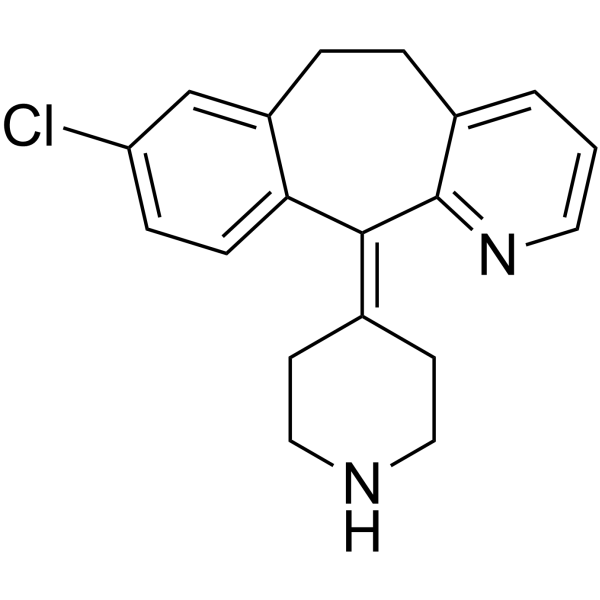
    Desloratadine
    10+ Cited Publications

    Sch34117

    Histamine Receptor TNF Receptor Leukotriene Receptor Inflammation/Immunology
    Desloratadine (Sch34117) is an orally active and selective H1 receptor antagonist (Ki=0.9 nM) with anti-inflammatory and anti-allergic activities. Desloratadine inhibits the release of histamine and LTC4 from human basophils and targets the regulatory signals of IL-4 and IL-13 production in basophils. Desloratadine significantly alleviates SAR symptoms in patients with concurrent asthma and can be used in the study of seasonal allergic rhinitis and chronic idiopathic urticaria .
    Desloratadine
  • HY-174262

    Interleukin Related Inflammation/Immunology Cancer
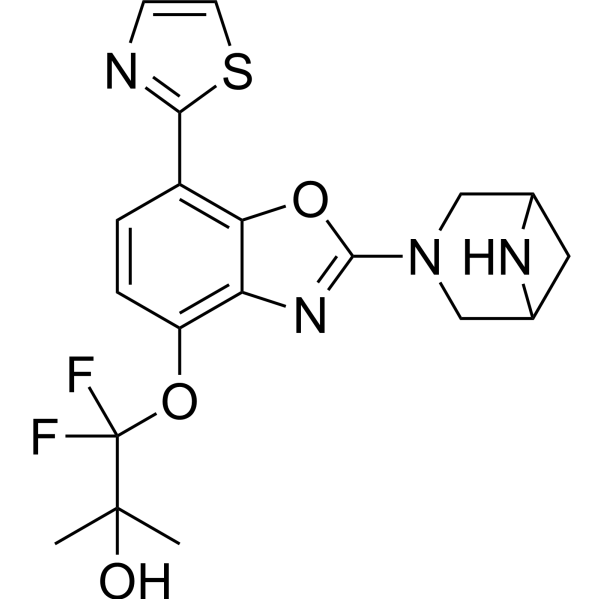
    IL4I1-IN-1 (Compound Ex 232 pg 200) is a selective interleukin 4-induced protein 1 (IL4I1) inhibitor with an EC50 of 2 nM. IL4I1-IN-1 inhibits IL4I1-mediated oxidative deamination of phenylalanine, reducing the production of phenylpyruvate, H2O2 and NH3. IL4I1-IN-1 is promising for research of cancers with high IL4I1 expression, such as endometrial carcinoma, ovarian cancer, and triple-negative breast cancer .
    IL4I1-IN-1
  • HY-17002
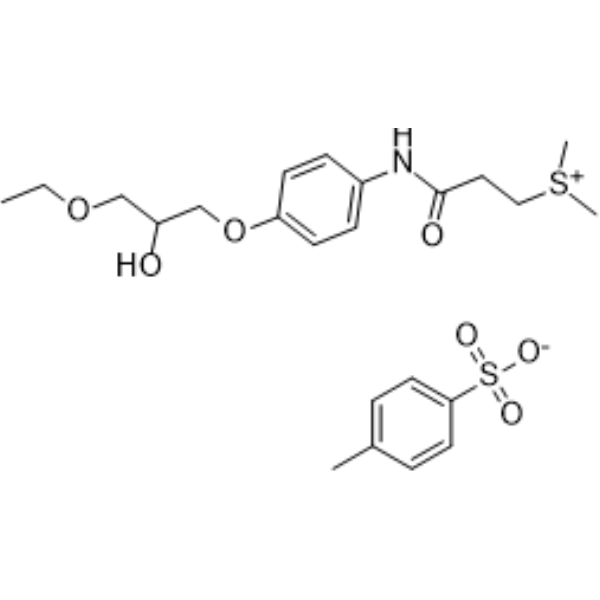
    Suplatast (Tosilate)
    1 Publications Verification

    IPD 1151T

    Interleukin Related Inflammation/Immunology
    Suplatast Tosilate (IPD 1151T) is an orally active Th2 cytokine inhibitor which can inhibit both IL-4 and IL-5 production from Th2 cells and suppress IgE synthesis. Suplatast Tosilate is an anti-allergic agent. Suplatast Tosilate has antiasthmatic, anti-inflammatory and antifibrotic activity .
    Suplatast (Tosilate)
  • HY-N0600

    Interleukin Related IFNAR NF-κB Inflammation/Immunology
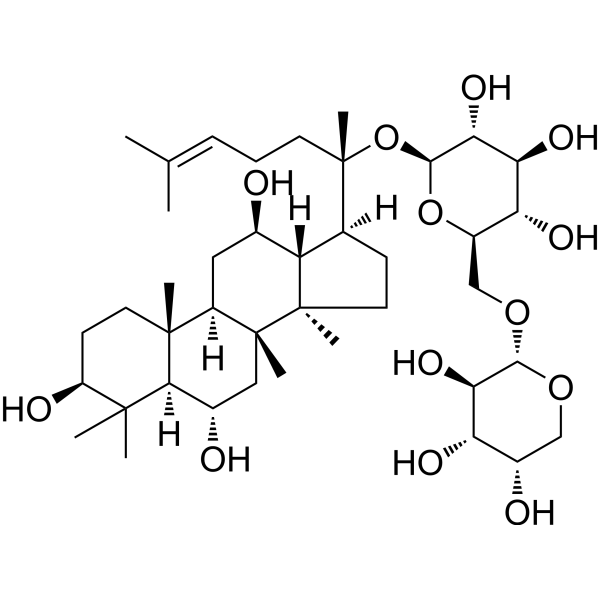
    Ginsenoside F3 is a saponin extracted from the leaves of Panax ginseng with immunoenhancing and antitumor immunostimulatory activities. Ginsenoside F3 upregulates RIPOR2 with a Kd value of 3.77 μM. Ginsenoside F3 enhances NF‑κB activation, upregulates T‑bet and downregulates GATA‑3, increases the production of IL‑2 and IFN‑γ, decreases the production of IL‑4 and IL‑10, reverses CD8⁺ T‑cell exhaustion, restores cytokine secretion, and enhances antitumor immunity in a mouse non‑small cell lung cancer model. Ginsenoside F3 can be used for the research of non-small cell lung cancer .
    Ginsenoside F3
  • HY-N15135

    Interleukin Related Toll-like Receptor (TLR) Fungal Metabolic Disease
    Arabinoxylan Medium viscosity is an orally active Dectin-1 splice variant modulator, glucose absorption inhibitor, and chyme viscosity enhancer. Arabinoxylan Medium viscosity inhibits particulate β-glucan-induced Dectin-1A activation and mildly suppresses Dectin-1B activation. In human dendritic cells stimulated with particulate β-glucan, Arabinoxylan Medium viscosity reduces the production of IL-10 and TNF-α, and increases the production of IL-4 and IL-23. Arabinoxylan Medium viscosity also supports antifungal immune responses without activating TLR2, TLR4 or TLR5, and does not induce cytokine production when used to stimulate human dendritic cells alone. Arabinoxylan Medium viscosity increases small intestinal chyme viscosity, gets degraded in the large intestine to produce short-chain fatty acids, reduces glucose absorption and insulin response, and improves glucose homeostasis. Arabinoxylan Medium viscosity supports microbial fermentation and the growth of beneficial microbiota in the gastrointestinal tract, prevents bile acid reabsorption, and delays starch digestion. Arabinoxylan Medium viscosity can be used in research related to type 2 diabetes, impaired glucose tolerance, and metabolic syndrome .
    Arabinoxylan (Medium viscosity)
  • HY-N4087
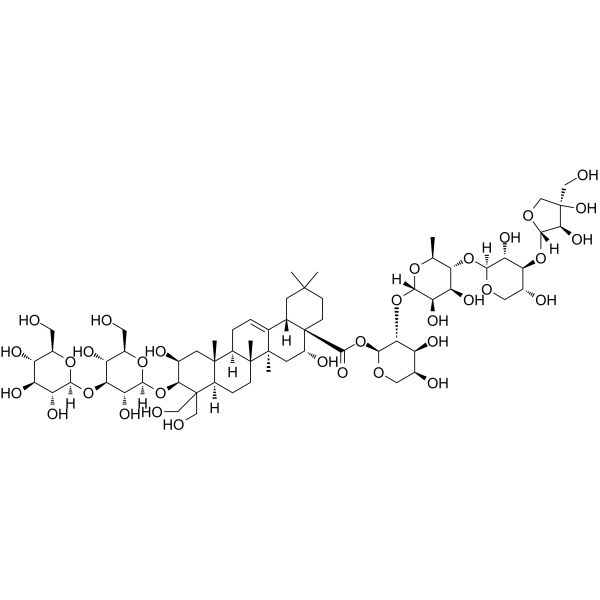
    Platycodin D2
    3 Publications Verification

    Mitophagy Autophagy Ferroptosis Interleukin Related IFNAR Reactive Oxygen Species (ROS) Inflammation/Immunology Cancer
    Platycodin D2 is an orally active triterpenoid saponin found in Platycodon grandiflorum. Platycodin D2 induces mitophagy in cancer cells through NIX, thereby activating the P21/CyclinA2 pathway and promoting cell senescence. Platycodin D2 induces mitochondrial dysfunction, enhances autophagy, inhibits hepatocellular carcinoma cell proliferation, and exhibits anti-tumor activity against multiple cancer cell types. Platycodin D2 promotes mRNA expression of T-bet, GATA-3, Th1 cytokines IL-2 and IFN-γ, and Th2 cytokines IL-4 and IL-10, enhances splenocyte proliferation, and acts as a vaccine adjuvant with low rabbit red blood cell hemolytic activity. Platycodin D2 induces mitochondrial ROS production, incomplete autophagy, and ferroptosis to inhibit breast cancer cell proliferation. Platycodin D2 can be used for the research of cancer, inflammation and immunology .
    Platycodin D2
  • HY-P990090

    CBP-201

    Interleukin Related Inflammation/Immunology
    Rademikibart (CBP-201) is a human monoclonal antibody targeting IL-4Rα with a KD of 20.7 pM when binding to human IL-4Rα epitopes. Rademikibart does not bind to IL-4Rα from other species. Rademikibart inhibits IL-4 and IL-13-mediated STAT6 signaling, TF-1 cell proliferation and TARC production in PBMCs. Rademikibart has the potential for moderate-to-severe Th2 inflammatory diseases research .
    Rademikibart
  • HY-171034

    Interleukin Related TNF Receptor PAK Inflammation/Immunology
    PQA-18 is a unique PAK2 inhibitor (IC50: 10 nM). PQA-18 has immunosuppressing effects. PQA-18 suppresses IL2, IL4, IL6, and TNFα. PQA-18 inhibits the population of a subset of regulatory T cells and the immunoglobulin (Ig) production against T cell-dependent antigens as well as alleviates dermatitis in mice .
    PQA-18
  • HY-13743

    Linomide; FCF89; ABR212616

    TNF Receptor Interleukin Related IFNAR Neurological Disease Inflammation/Immunology Cancer
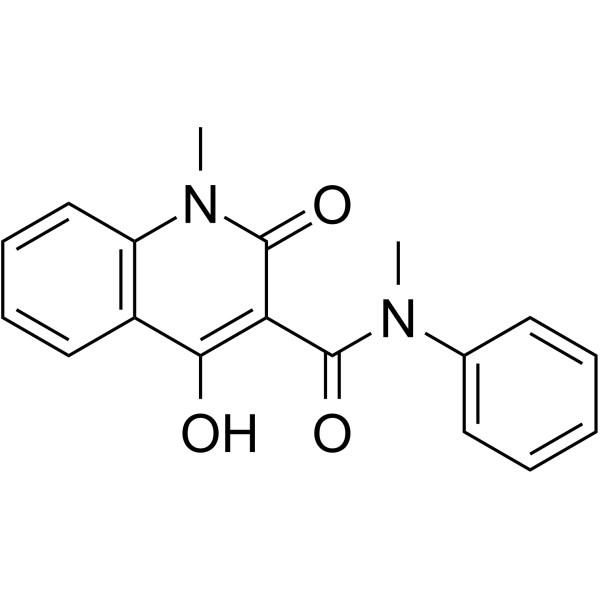
    Roquinimex (Linomide) is an orally active immunomodulator with antineoplastic, anti-inflammatory, and antiangiogenic activity. Roquinimex suppresses TH1 lymphocyte cytokines (IL-2, IFN-γ), promotes TH2 lymphocyte cytokines (IL-4, IL-10), increases NK cell, activated monocyte, and T cell activity. Roquinimex blocks macrophage TNF-α production and suppresses IL-1/IL-6 secretion. Roquinimex exhibits in vivo antitumour activity, suppresses rodent autoimmune disease signs, and ameliorates murine colitis and psoriasis. Roquinimex can be used for the research of leukemia, inflammatory bowel disease, multiple sclerosis, and psoriasis .
    Roquinimex
  • HY-N10116A

    Interleukin Related IFNAR Calcium Channel Bacterial CCR Infection Cancer
    Calamenene is a sesquiterpene compound . Calamenene promotes dendritic cell maturation, upregulates CD1a, CD80, CD83, CD86, HLA-DR and CCR7 on the cell surface, reduces endocytic activity, enhances T cell-stimulating capacity, drives Th1 polarization through the secretion of IL-12, induces IFN-γ production, decreases IL-4 generation, and triggers intracellular Ca 2+ mobilization as well as dendritic cell migration towards MIP-3β. Calamenene exerts bacteriostatic and bactericidal growth-inhibitory effects against pathogenic *Vibrio harveyi*. Calamenene can be used in studies related to cancer and bacterial infections .
    Calamenene
  • HY-116609

    Interleukin Related Inflammation/Immunology
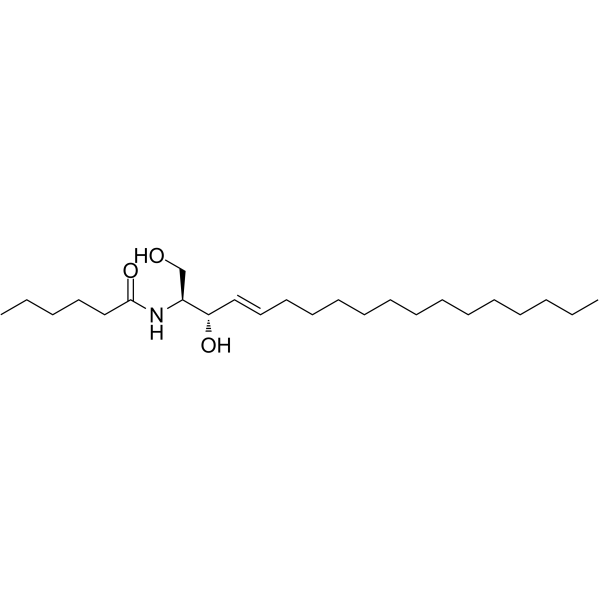
    C6 L-threo Ceramide is a bioactive sphingolipid and cell-permeable analog of naturally occurring ceramides . C6 L-threo Ceramide significantly inhibits IL-4 production in T cells. Anti-allergic agents .
    C6 L-threo Ceramide
  • HY-124273

    L-threo Cer(d18:1/2:0); L-threo Ceramide (d18:1/2:0); N-acetyl-L-threo-Sphingosine

    Endogenous Metabolite Cardiovascular Disease
    C2 L-threo Ceramide (d18:1/2:0) (L-threo Cer(d18:1/2:0); L-threo Ceramide (d18:1/2:0)) is a bioactive sphingolipid and cell-permeable analog of naturally occurring ceramides. It stimulates cholesterol efflux in CHO cells expressing the human ABCA1 receptor when used at a concentration of 10 μM, however, this efflux is 50% less than that stimulated by C2 ceramide. C2 L-threo Ceramide inhibits IL-4 production by 17% in EL4 T cells stimulated with phorbol 12-myristate 13-acetate when used at a concentration of 10 μM. It also induces cell cycle arrest in the G0/G1 phase and a 7-fold increase in sphingosine accumulation as well as inhibits growth of HL-60 leukemia cells.
    C2 L-threo Ceramide (d18:1/2:0)
  • HY-13232

    Itk Inflammation/Immunology
    ITK antagonist (compound 10 n) is a potent, orally active and selective ITK (Interleukin-2 inducible T-cell kinase) antagonist (IC50=1 and 20 nM in different assays). ITK antagonist inhibits insulin receptor kinase (IRK) with an IC50 of 160 nM .
    ITK antagonist
  • HY-B0010C

    (+)-Formoterol

    Interleukin Related Inflammation/Immunology
    (S,S)-Formoterol ((+)-Formoterol) is a (S,S)-enantiomer of Formoterol. (S,S)-Formoterol can promote asthma by enhancing IL-4 production in mast cells of the asthmatic airway .
    (S,S)-Formoterol
  • HY-171004

    Drug Derivative Inflammation/Immunology Cancer
    KRN7000 analog 8 (compound 8), KRN7000 (HY-102022) analogue, shows a good stimulatory effect on IL-2 production, induced less IFN-γ but more IL-4 production compared with KRN7000 .
    KRN7000 analog 8
  • HY-W553071

    Interleukin Related Inflammation/Immunology
    Cytoxazone is a cytoKine regulator found in Streptornyces sp. RK95-31. Cytoxazone inhibits the production of IL-4 and IL-10 induced by Pokeween mitogen (PWM) at 6.25-25 μg/mL, but does not inhibit the production of GM-CSF induced by PWM .
    Cytoxazone
  • HY-162726

    Interleukin Related Cancer
    GCS-11 is a powerful natural killer T (NKT) cell agonist. It boosts the production of IFN-γ and IL-4, with a particular selectivity for IFN-γ. GCS-11 exhibits anticancer activity. GCS-11 has the potential for research into cancer immunotherapies or vaccine development as a promising adjuvant .
    GCS-11
  • HY-165484

    Interleukin Related Inflammation/Immunology
    AVP-13358 is an orally active IgE inhibitor that effectively suppresses immunoglobulin E (IgE)-mediated immune responses, with IC50 values of 8 and 3 nM for IgE inhibition in vivo and in vitro in BALB/c mice, respectively. AVP-13358 acts directly on T cells, inhibiting the production and release of IL-4, IL-5, and IL-13. It also targets other markers critical for the development of allergic responses, including the B cell IgE receptor (CD23) in human monocytes and the CD23 and IL-4 receptors in mouse B cells. AVP-13358 can be used in research related to anti-allergic responses .
    AVP-13358
  • HY-116585

    Liposome Interleukin Related Neurological Disease
    C6 D-Threo Ceramide (d18:1/6:0) is a bioactive sphingolipid and cell-permeable analog of ceramides. C6 D-Threo Ceramide (d18:1/6:0) enhances IL-4 production induced by Phorbol 12-myristate 13-acetate (HY-18739) in EL4 T cells .
    C6 D-Threo Ceramide (d18:1/6:0)
  • HY-174603

    mRNA Inflammation/Immunology
    Human IL4R mRNA encodes the human interleukin 4 receptor (IL4R) protein, a type I transmembrane protein that can bind interleukin 4 and interleukin 13 to regulate IgE production. IL4R also can bind interleukin 4 to promote differentiation of Th2 cells.
    Human IL4R mRNA
  • HY-182335

    Itk Trk Receptor Interleukin Related IFNAR Inflammation/Immunology
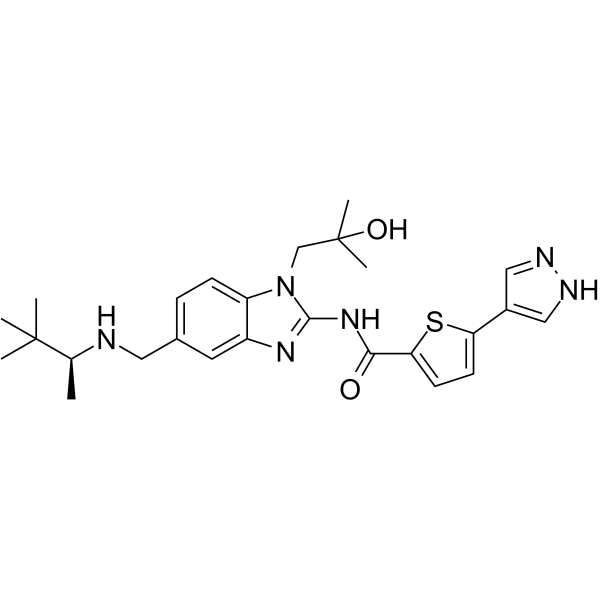
    PF-07245303 is a ITK/TRK inhibitor. PF-07245303 reduces the production of inflammatory cytokines such as IL-4 and IFNγ, and inhibits the phosphorylation of PLCγ1. PF-07245303 inhibits nerve growth factor-induced basophil activation and the phosphorylation of TRKA. PF-07245303 reduces oxazolone-induced ear swelling in mouse ear tissues. PF-07245303 is applicable to research related to atopic dermatitis .
    PF-07245303
  • HY-P991777

    Transmembrane Glycoprotein Inflammation/Immunology
    Anti-Mouse CD86/B7-2 Antibody (2D10) reacts with mouse CD86 (B7-2). Anti-Mouse CD86/B7-2 Antibody (2D10) reduces IL-4 production in T cells. Recommend Isotype Controls: Rat IgG2b kappa, Isotype Control (HY-P990682) .
    Anti-Mouse CD86/B7-2 Antibody (2D10)
  • HY-181739

    CD1 Cancer
    GCB-27a is a CD1d-binding immunostimulant and antitumor agent. GCB-27a binds to CD1d to form a stable complex and presents it to NKT cells, enhancing hydrophobic interactions within the A' pocket of CD1d through branched-chain conformation restriction. GCB-27a induces a Th1-biased immune response, drives IFN?γ production and limits IL-4 levels. GCB-27a is applicable to research related to melanoma lung metastasis .
    GCB-27a
  • HY-13743R

    Linomide (Standard); FCF89 (Standard); ABR212616 (Standard)

    Reference Standards TNF Receptor Interleukin Related IFNAR Inflammation/Immunology
    Roquinimex (Standard) is the analytical standard of Roquinimex (HY-13743). Roquinimex (Linomide) is an orally active immunomodulator with antineoplastic, anti-inflammatory, and antiangiogenic activity. Roquinimex suppresses TH1 lymphocyte cytokines (IL-2, IFN-γ), promotes TH2 lymphocyte cytokines (IL-4, IL-10), increases NK cell, activated monocyte, and T cell activity. Roquinimex blocks macrophage TNF-α production and suppresses IL-1/IL-6 secretion. Roquinimex exhibits in vivo antitumour activity, suppresses rodent autoimmune disease signs, and ameliorates murine colitis and psoriasis. Roquinimex can be used for the research of leukemia, inflammatory bowel disease, multiple sclerosis, and psoriasis .
    Roquinimex (Standard)

Inquiry Online

Your information is safe with us. * Required Fields.

Salutation


Country or Region *

Applicant Name *


Organization Name *

Department *


Email Address *


Product Name *

Cat. No.


Requested quantity *

Phone Number *


Remarks

Inquiry Online

Inquiry Information

Product Name:
Cat. No.:
Quantity:
MCE Japan Authorized Agent:

