



Search Result
Results for "
Leukaemia cells
" in MedChemExpress (MCE) Product Catalog:
1
Biochemical Assay Reagents
2
Isotope-Labeled Compounds
| Cat. No. |
Product Name |
Target |
Research Areas |
Chemical Structure |
-
- HY-13502
-
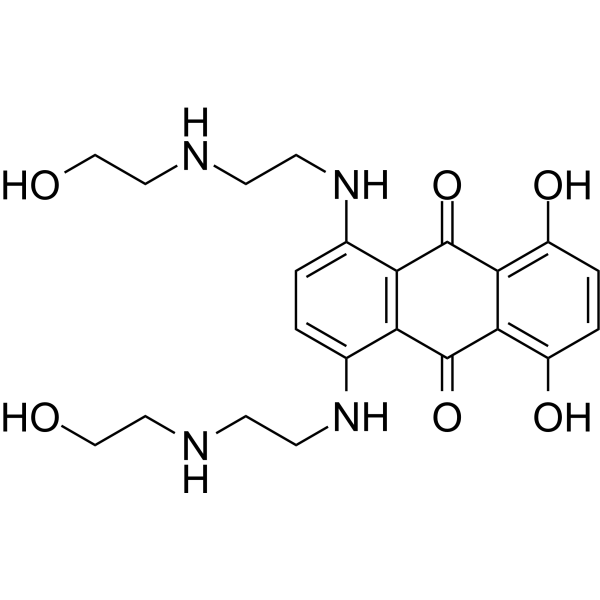
Mitoxantrone
Maximum Cited Publications
46 Publications Verification
Mitozantrone; NSC 301739
|
Topoisomerase
PKC
Orthopoxvirus
Apoptosis
Endogenous Metabolite
|
Infection
Cancer
|
|
Mitoxantrone is a potent topoisomerase II inhibitor. Mitoxantrone also inhibits protein kinase C (PKC) activity with an IC50 of 8.5 μM. Mitoxantrone induces apoptosis of B-CLL (B-chronic lymphocytic leukaemia) cells. Mitoxantrone shows antitumor activity . Mitoxantrone also has anti-orthopoxvirus activity with EC50s of 0.25 μM and and 0.8 μM for cowpox and monkeypox, respectively .
|
-
-
- HY-17422
-
|
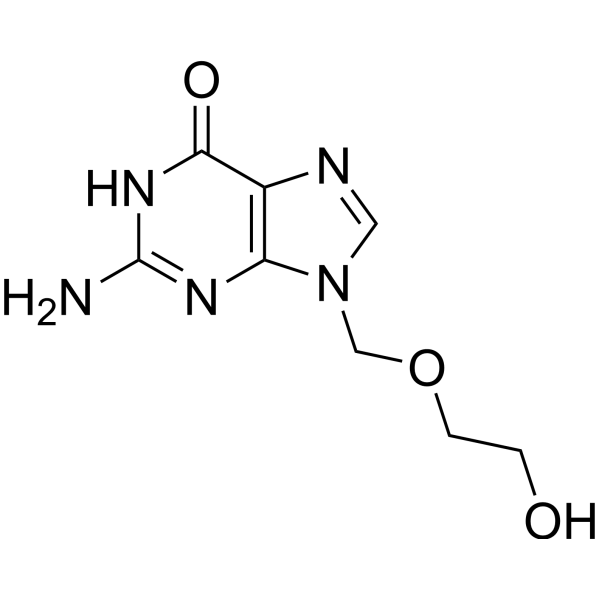
Aciclovir; Acycloguanosine
|
HSV
Apoptosis
Antibiotic
Bacterial
|
Infection
Cancer
|
|
Acyclovir (Aciclovir) is a potent, orally active antiviral agent. Acyclovir has antiherpetic activity with IC50 values of 0.85 μM and 0.86 μM for HSV-1 and HSV-2, respectively. Acyclovir induces cell cycle perturbation and apoptosis. Acyclovir prevents bacterial infections during induction therapy for acute leukaemia .
|
-
-
- HY-13502A
-
|
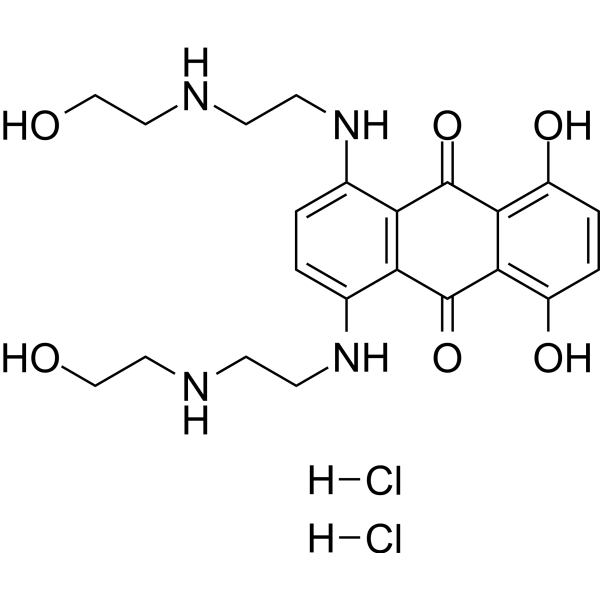
Mitozantrone dihydrochloride; NSC 301739 dihydrochloride
|
Topoisomerase
PKC
Orthopoxvirus
Apoptosis
Endogenous Metabolite
|
Infection
Cancer
|
|
Mitoxantrone dihydrochloride is a potent topoisomerase II inhibitor. Mitoxantrone dihydrochloride also inhibits protein kinase C (PKC) activity with an IC50 of 8.5 μM. Mitoxantrone dihydrochloride induces apoptosis of B-CLL (B-chronic lymphocytic leukaemia) cells. Mitoxantrone dihydrochloride shows antitumor activity . Mitoxantrone dihydrochloride also has anti-orthopoxvirus activity with EC50s of 0.25 μM and and 0.8 μM for cowpox and monkeypox, respectively .
|
-
-
- HY-P9948
-
|
Campath-IH
|
Apoptosis
|
Cancer
|
|
Alemtuzumab (Campath-IH) is a humanized monoclonal antibody against CD52. Alemtuzumab does not cross-react with murine CD52. Alemtuzumab selectively targets the CD52 antigen to induce profound lymphocyte depletion, followed by recovery of T and B cells with regulatory phenotypes. Alemtuzumab is capable of complement-dependent cytotoxicity and antibody-dependent cell-mediated cytotoxicity (ADCC), as well as induction of apoptosis. Alemtuzumab has the potential for B-cell chronic lymphocytic leukaemia research .
|
-
-
- HY-148333
-
MS177
3 Publications Verification
|
PROTACs
Histone Methyltransferase
Apoptosis
|
Cancer
|
|
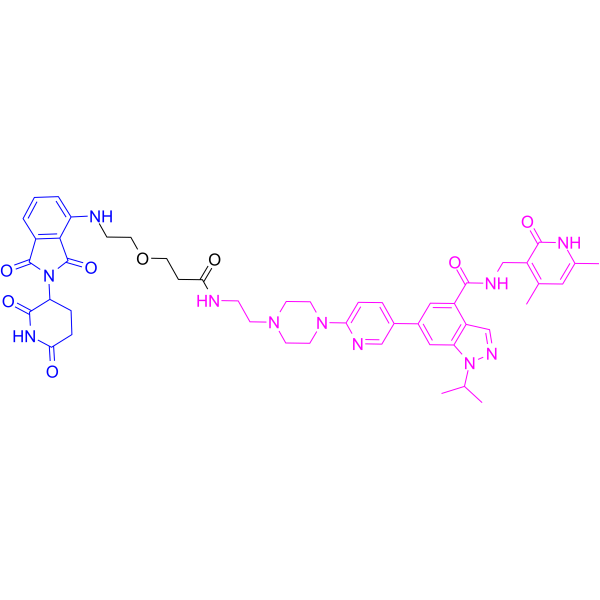
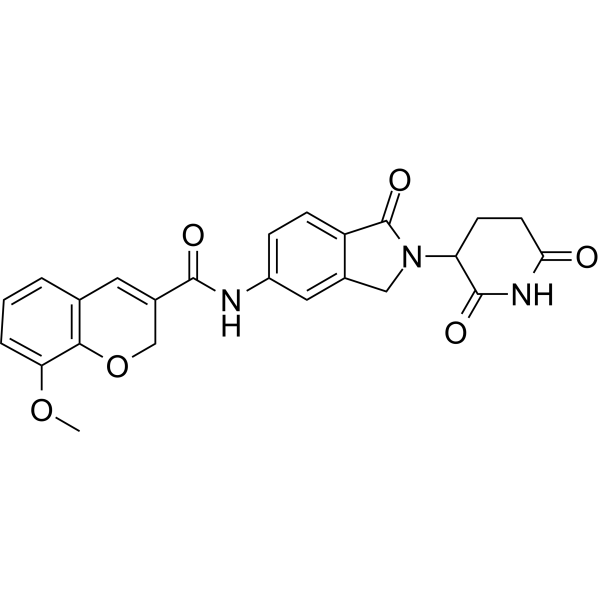
MS177 is an effective and fast-acting EZH2 degrader. MS177 is a PROTAC that consists of a CRBN ligand, linker, and a potent enzymatic EZH2 inhibitor C24 (C24 IC50): 12 nM). MS177 effectively depletes both canonical EZH2-PRC2 and noncanonical EZH2-cMyc complexes. MS177 induces leukaemia cell growth inhibition, apoptosis and cell cycle progression arrest .
|
-
-
- HY-P9961
-
|
GSK1841157; OMB-157
|
CD20
|
Cancer
|
|
Ofatumumab is a fully human anti-CD20 monoclonal antibody that induces antibody-dependent cell-mediated cytotoxicity (ADCC) and complement-dependent cytotoxicity (CDC) in CD20-expressing B lymphocytes. Ofatumumab has strong lytic activity against CD20-positive B lymphocytes and eliminates CD20-positive tumor cells through ADCC and CDC. Ofatumumab is particularly effective against drug-resistant cells with low CD20 expression and can be applied to the research of chronic lymphocytic leukemia (CLL) .
|
-
-
- HY-108052
-
|
Delphinidin 3-O-glucoside chloride; Delphinidin 3-O-β-glucoside chloride
|
EGFR
Apoptosis
Akt
|
Cardiovascular Disease
Cancer
|
|
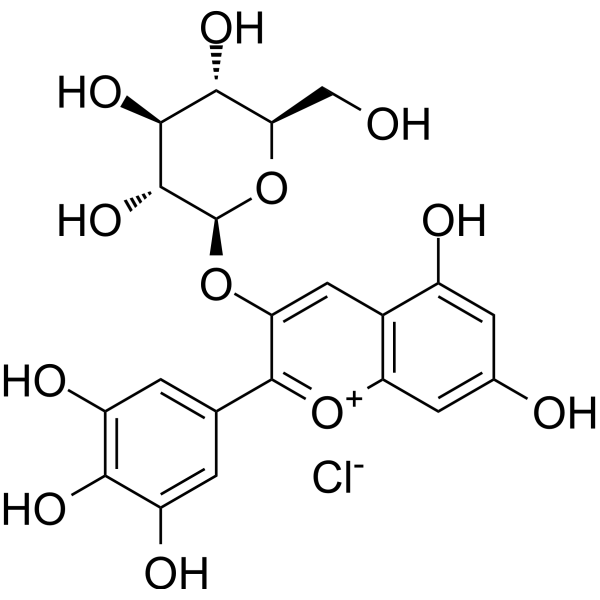
Delphinidin 3-glucoside chloride (Delphinidin 3-O-glucoside chloride) is an active anthocyanin found in Hibiscus sabdariffa extract. Delphinidin 3-glucoside chloride induces a pro-apoptotic effect in B cell chronic lymphocytic leukaemia (B CLL) . Delphinidin 3-glucoside chloride exerts phytoestrogen activity by binding to ERβ, with an IC50 of 9.7 μM . Delphinidin-3-O-glucoside chloride inhibits EGFR with an IC50 of 2.37 µM . Delphinidin 3-glucoside chloride exhibits antitumor effects through pAKT/IRF1/HOTAIR pathway. Delphinidin 3-glucoside chloride exhibits efficacy against oxidative stress, inhibits platelet activation and endothelial dysfunction .
|
-
-
- HY-P99189
-
|
IMC-A12; NSC742460
|
IGF-1R
|
Cancer
|
|
Cixutumumab (IMC-A12) is a human anti-IGF-1R monoclonal antibody with high affinity that inhibits ligand-dependent receptor activation and downstream signaling. Cixutumumab also mediates the internalization and degradation of IGF-IR. Cixutumumab shows broad-spectrum anti-tumour activity and can be used in studies of cancers such as lung cancer, malignancies, leukaemia, non-small cell lung cancer and prostate cancer .
|
-
-
- HY-174864
-
|
|
PROTACs
NF-κB
Apoptosis
|
Cancer
|
|
JP-163-16 is a RelA/p65 PROTAC degrader. JP-163-16 selectively reduces the expression of RelA/p65 in a proteasome-dependent manner in cells. JP-163-16 can induce cell apoptosis by inhibiting the NF-κB signaling pathway. JP-163-16 can be used for research on RelA/p65-dependent tumours, such as chronic lymphocytic leukaemia (CLL). (Pink: RelA/p65 Ligand (HY-174865); Blue: CRBN Ligand (HY-A0003); Black: Linker; CRBN Ligand+Linker (HY-160241)) .
|
-
-
- HY-17422A
-
|
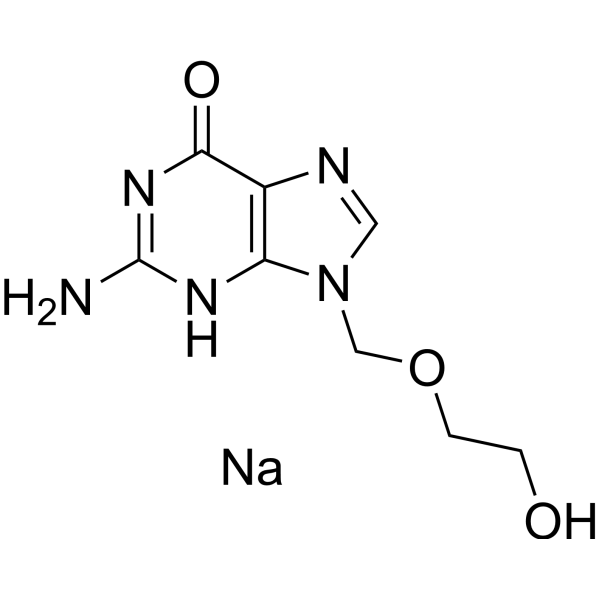
Aciclovir sodium; Acycloguanosine sodium
|
HSV
Apoptosis
Antibiotic
Bacterial
|
Infection
Cancer
|
|
Acyclovir (Aciclovir) sodium is a potent, orally active antiviral agent. Acyclovir sodium has antiherpetic activity with IC50 values of 0.85 μM and 0.86 μM for HSV-1 and HSV-2, respectively. Acyclovir sodium induces cell cycle perturbation and apoptosis. Acyclovir sodium prevents bacterial infections during induction therapy for acute leukaemia .
|
-
-
- HY-108894
-
|
|
Ferroptosis
Reactive Oxygen Species (ROS)
|
Cardiovascular Disease
Inflammation/Immunology
Cancer
|
|
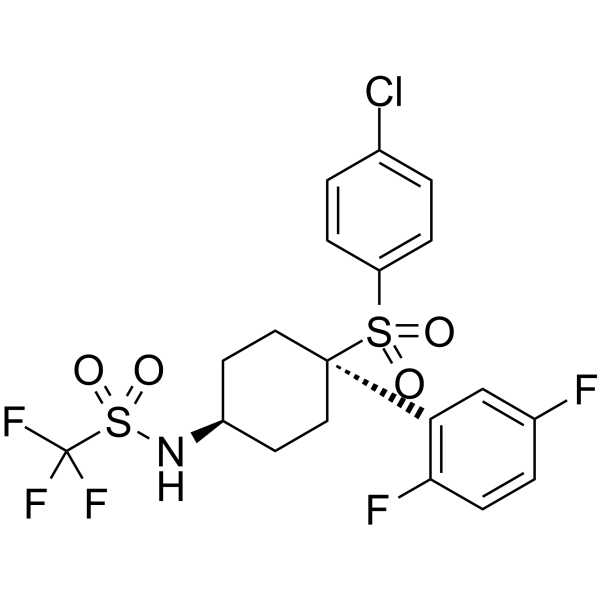
Ferumoxytol is an FDA-approved ultrasmall superparamagnetic iron oxide preparation and iron replacement agent that exerts selective activity against leukemia cells with low ferroportin expression. Ferumoxytol increases intracellular iron levels, induces reactive oxygen species (ROS) production via the Fenton reaction, and triggers oxidative stress and cell death. Ferumoxytol reduces disease burden in mouse models and patient-derived leukemia models. As an MRI contrast agent, Ferumoxytol enables imaging of vascular lesions, tumors and lymph nodes. Ferumoxytol can be used in research related to acute myeloid leukemia and blast-phase chronic myeloid leukemia .
|
-
-
- HY-14174
-
MRK-560
4 Publications Verification
|
γ-secretase
|
Neurological Disease
Cancer
|
|
MRK-560, a chemical probe, is an orally active, brain barrier-penetrated γ-Secretase inhibitor, reducing Aβ peptide in rat brain and cerebrospinal fluid. MRK-560 decreases mutant NOTCH1 processing by selectively inhibiting PSEN1. MRK-560 can be used in studies of Alzheimer's disease and T-cell acute lymphoblastic leukaemia (T-ALL) .
|
-
-
- HY-N1365
-
|
6-Hydroxy-7-methoxycoumarin
|
HBV
p38 MAPK
NF-κB
STAT
Akt
ERK
JNK
|
Infection
Inflammation/Immunology
Cancer
|
|
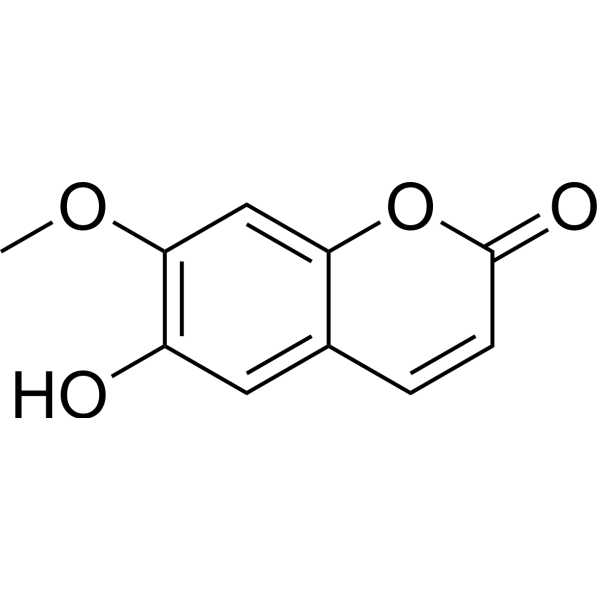
Isoscopoletin (6-Hydroxy-7-methoxycoumarin) is an active constituent in Artemisia argyi leaves. Isoscopoletin shows substantial inhibition against cell proliferation, with IC50s of 4.0 μM and 1.6 μM for human CCRF-CEM leukaemia cells and multidrug resistant subline CEM/ADR5000, respectively . Isoscopoletin (6-Hydroxy-7-methoxycoumarin) possesses inhibitory activity against HBV replication . Isoscopoletin exhibits anti-inflammatory activity through inhibition of MAPK/NF-κB/STAT/AKT signaling pathway .
|
-
-
- HY-P0132
-
YIGSR
1 Publications Verification
Laminin Fragment 929-933
|
NO Synthase
|
Cancer
|
|
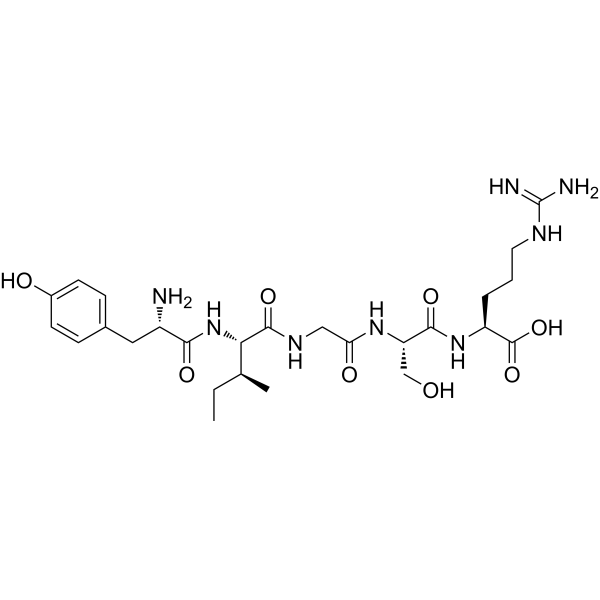
YIGSR (Laminin Fragment 929-933) is a polypeptide that inhibits tumor growth and metastasis of leukemia cells. YIGSR specifically binds to the 67kDa laminin receptor and regulates the expression of eNOS in endothelial cells. YIGSR can be used in leukemia-related research .
|
-
-
- HY-173189A
-
|
2′,5′-ApApA pentasodium; 2′,5′-trioligoadenylate pentasodium; 5'-O-Triphosphoryladenylyl-(2'→5')-adenylyl-(2'→5')-adenosine pentasodium
|
RSV
DNA/RNA Synthesis
|
Infection
Cancer
|
2-5A (2′,5′-ApApA) pentasodium solution 100 mM is a high-affinity (Ka=0.04 nM) RNase L binder. 2-5A pentasodium solution 100 mM activates the nuclease activity of latent RNase L to cleave single-stranded RNA by inducing conformational changes and dimerization of latent RNase L, thereby mediating critical antiviral responses and enhancing interferon effects. 2-5A pentasodium solution 100 mM not only effectively inhibits Rauscher murine leukemia virus replication, reduces viremia and splenomegaly, but also enhances antileukemic efficacy when combined with amphotericin B and exhibits favorable high-dose tolerance. 2-5A pentasodium solution 100 mM is an important tool molecule for investigating the pathological mechanisms of viral infection, hereditary prostate cancer and leukemia .
|
-
-
- HY-157334
-
DEG-77
1 Publications Verification
|
Molecular Glues
Casein Kinase
IKZF Family
Bcl-2 Family
CDK
Apoptosis
|
Cancer
|
|
DEG-77 is a molecular glue targeting IKZF2 and CK1α, with DC50 values of 15.3 nM and 10 nM, respectively. DEG-77 exhibits significant anti-tumor activity, inducing increased transcriptional levels of the pro-apoptotic protein Bax and the cell cycle arrest protein p21. DEG-77 is applicable to the research of acute myeloid leukemia (AmL), diffuse large B-cell lymphoma and ovarian cancer.
|
-
-
- HY-P99390
-
|
MCLA 117
|
CD3
Interleukin Related
IFNAR
TNF Receptor
|
Inflammation/Immunology
Cancer
|
|
Tepoditamab (MCLA-117) is a full-length human IgG1 bispecific monoclonal antibody that binds to CLEC12A of myeloid cells and CD3 of cytotoxic T cells. Among others, CLEC12A is a myeloid differentiation antigen. Tepoditamab kills AML leukaemia mother cells and AML leukaemia stem cells, induces T cell-mediated proliferative lysis of AML cells. Tepoditamab induces upto 30-fold T-cell expansion. Tepoditamab results in moderate to strong cytokine (IFNγ, IL-6, IL-8, IL-10, and TNFα) and IFNγ release in human whole blood and PBMC, respectively. Tepoditamab can be used in acute myeloid leukaemia (AML) research .
|
-
-
- HY-17422R
-
|
Aciclovir (Standard); Acycloguanosine (Standard)
|
Reference Standards
HSV
Apoptosis
Antibiotic
Bacterial
|
Infection
Cancer
|
|
Acyclovir (Standard) is the analytical standard of Acyclovir. This product is intended for research and analytical applications. Acyclovir (Aciclovir) is a potent, orally active antiviral agent. Acyclovir has antiherpetic activity with IC50 values of 0.85 μM and 0.86 μM for HSV-1 and HSV-2, respectively. Acyclovir induces cell cycle perturbation and apoptosis. Acyclovir prevents bacterial infections during induction therapy for acute leukaemia .
|
-
-
- HY-139410
-
|
|
c-Fms
|
Inflammation/Immunology
|
|
Sodium caseinates is a kind of sodium salts of major milk proteins, which act as protein-based biopolymers and innate immune system activators. Sodium caseinates induce granulopoiesis, activation and differentiation, promote the production of M-CSF, and increase serum levels of G-CSF and GM-CSF. Sodium caseinates inhibit the proliferation and reduce the viability of leukemia macrophage-like cells, thereby significantly improving the survival rate of mice inoculated with leukemia cells. Sodium caseinates can serve as carriers for probiotics in edible films and exhibit anti-Listeria activity. Sodium caseinates effectively protect vitamin A from degradation, enhance its stability, bioaccessibility and bioavailability, and regulate protein digestibility when complexed with vitamin A. Sodium caseinates can be applied to research related to acute monocytic leukemia and vitamin A deficiency .
|
-
-
- HY-117548
-
UNC1062
2 Publications Verification
|
TAM Receptor
Apoptosis
p38 MAPK
ERK
PI3K
Akt
JAK
STAT
|
Cardiovascular Disease
Cancer
|
|
UNC1062 is a highly selective tyrosine kinase (MERTK) inhibitor with an IC50 of 1.1 nM (Morrison Ki = 0.33 nM). UNC1062 exhibits good selectivity for the TAM family (TYRO3 IC50 = 60 nM, AXL IC50 = 85 nM). UNC1062 exhibits significant anti-proliferative effects and induces apoptosis in various cancer models (such as melanoma, gastric cancer, and acute myeloid leukemia). UNC1062 inhibits multiple pathways, including MAPK/ERK, PI3K/AKT and JAK/STAT and affects the motility of head and neck squamous cell carcinoma (HNSCC) cells through the RhoA signaling pathway. UNC1062 inhibits macrophage efferocytosis, and it suitable for research on atherosclerosis .
|
-
-
- HY-155219
-
|
|
Methylenetetrahydrofolate Dehydrogenase (MTHFD)
Apoptosis
DNA/RNA Synthesis
|
Cancer
|
|
TH9028 is an inhibitor of MTHFD1, MTHFD2 and MTHFD2L, with IC50 values of 0.5 nM, 11 nM and 27 nM, respectively. TH9028 reduces replication fork speed, induces replication stress, triggers S-phase arrest, initiates apoptosis, impairs thymidine production, and causes erroneous uracil incorporation into DNA. TH9028 can be used in research related to acute myeloid leukemia .
|
-
-
- HY-117664
-
|
|
DNA/RNA Synthesis
|
Cancer
|
|
PNR-7-02 is a dual Rev1 and human DNA polymerase η (hpol η) inhibitor, with an IC50 value of 8 μM against hpol η. PNR-7-02 binds to hpol η to disrupt the orientation of template DNA and block the catalytic function of hpol η. When used in combination with Cisplatin (HY-17394), PNR-7-02 induces DNA damage and replication stress in cells with intact hpol η function. PNR-7-02 can be used in mechanism studies related to chronic myeloid leukemia and ovarian cancer .
|
-
-
- HY-106784
-
|
|
Fungal
Apoptosis
|
Infection
Cancer
|
|
Ajoene, a garlic-derived compound, is an antithrombotic and antifungal agent. Ajoene inhibits proliferation and induces apoptosis of human leukaemia CD34-negative cells including HL-60, U937, HEL and OCIM-I. Anticancer activities .
|
-
-
- HY-50733A
-
|
|
Casein Kinase
Ras
Apoptosis
|
Cancer
|
|
CX-5011 is a CK2 inhibitor. CX-5011 also induces Rac1 activation. CX-5011 induces apoptosis and induces cancer cell death .
|
-
-
- HY-100777
-
|
|
Topoisomerase
|
Neurological Disease
Cancer
|
|
DACA (XR 5000) is a potential and blood-brain barrier-penetrating topoisomerase I and II inhibitor. DACA can be used in the research of colorectal cancer, leukemia and lung cancer .
|
-
-
- HY-120234
-
|
Z-Leu-Leu-Nle-CHO; GSII
|
γ-secretase
Proteasome
Apoptosis
|
Cancer
|
|
Z-LLNle-CHO (Z-Leu-Leu-Nle-CHO) is a γ-secretase inhibitor I. Z-LLNle-CHO induces caspase and ROS-dependent apoptosis by blocking the Akt-mediated pro-survival pathway. Z-LLNle-CHO can be used in cancer research, such as breast cancer and leukaemia .
|
-
-
- HY-N1365R
-
|
6-Hydroxy-7-methoxycoumarin (Standard)
|
Reference Standards
HBV
p38 MAPK
NF-κB
STAT
Akt
ERK
JNK
|
Infection
Inflammation/Immunology
Cancer
|
|
Isoscopoletin (Standard) is the analytical standard of Isoscopoletin. This product is intended for research and analytical applications. Isoscopoletin (6-Hydroxy-7-methoxycoumarin) is an active constituent in Artemisia argyi leaves. Isoscopoletin shows substantial inhibition against cell proliferation, with IC50s of 4.0 μM and 1.6 μM for human CCRF-CEM leukaemia cells and multidrug resistant subline CEM/ADR5000, respectively . Isoscopoletin (6-Hydroxy-7-methoxycoumarin) possesses inhibitory activity against HBV replication . Isoscopoletin exhibits anti-inflammatory activity through inhibition of MAPK/NF-κB/STAT/AKT signaling pathway .
|
-
-
- HY-N16567
-
|
|
Apoptosis
Caspase
PARP
Survivin
|
Cancer
|
|
Acrofolione A is an acetophenone dimer isolated from Acronychia pendunculata with anticancer effects. Acrofolione A induces G0/G1 phase cell cycle arrest and apoptosis in human NALM-6 pre-B cell leukaemia cells. Acrofolione A can be used for leukaemia research .
|
-
-
- HY-23120
-
|
|
Antibiotic
Virus Protease
|
Infection
Cancer
|
|
1-Hydroxyguanidine sulfate is an antitumor agent that inhibits mast cell P815, leukaemia P388, leukaemia L1210 and carcinosarcoma Walker 256 cells growth. 1-Hydroxyguanidine sulfate also has antiviral activity .
|
-
-
- HY-175003
-
|
|
Proton Pump
|
Cancer
|
|
HV1-IN-2 (Compound 14c) is a human voltage-gated proton channel (HV1) inhibitor with an IC50 of 2.14 μM. HV1-IN-2 has a potent anticancer activity with significant antiproliferative effects against THP-1 and MCF-7 cells. HV1-IN-2 can be used for cancers research, such as colorectal tumours, leukaemia, and breast cancer .
|
-
-
- HY-116894
-
|
|
Apoptosis
|
Cancer
|
|
Rotundifuran, a labdane type diterpene, is isolated from Vitex rotundifolia. Rotundifuran can inhibit the cell cycle progression and induce apoptosis in human myeloid leukaemia cells .
|
-
-
- HY-N3506
-
|
|
HIV
|
Infection
Inflammation/Immunology
Cancer
|
|
Wilfortrine is a bioactive sesquiterpene alkaloid. Wilfortrine exhibits immunosuppresive effects. Wilfortrine also can inhibit leukaemia cell growth in mice and shows anti-HIV activity .
|
-
-
- HY-13249
-
|
1α-Hydroxy vitamin D4
|
VD/VDR
|
Cancer
|
|
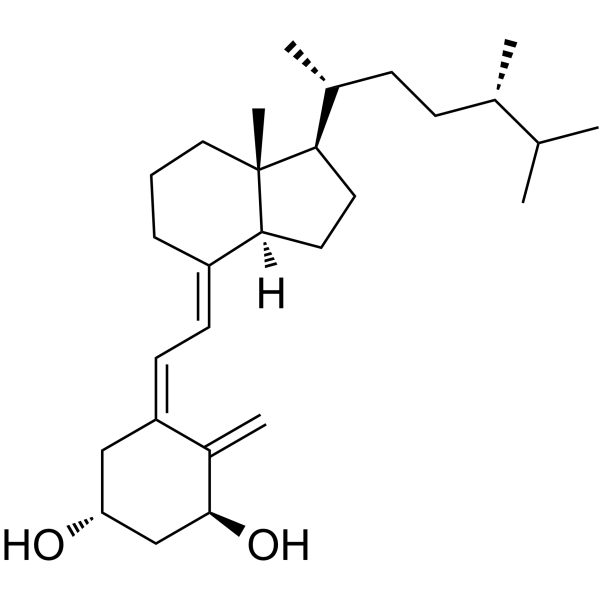
1alpha-Hydroxy VD4, a 1alpha(OH)D derivative, can effectively induce the differentiation of monoblastic leukaemia U937, P39/TSU and P31/FUJ cells.
|
-
-
- HY-W705140A
-
|
Hydroxymelphalan hydrochloride
|
Drug Metabolite
|
Cancer
|
|
Monohydroxy melphalan hydrochloride (Hydroxymelphalan hydrochloride) is a degradation product of Melphalan (HY-17575), obtained through the hydrolysis of Melphalan in aqueous solutions (including cell culture media and human plasma) .
|
-
-
- HY-157404
-
|
|
Pim
|
Cancer
|
|
Pim-1/2 kinase inhibitor 2 (compound 5b) is a competitive PIM-1 and PIM-2 kinase inhibitor with IC50s of 1.31 μM and 0.67 μM, respectively. Pim-1/2 kinase inhibitor 2 shows in-vitro low cytotoxicity against normal human lung fibroblast Wi-38 cell line and potent in-vitro anticancer activity against myeloid leukaemia (NFS-60), liver (HepG-2), prostate (PC-3), and colon (Caco-2) cancer cell lines .
|
-
-
- HY-P2620
-
|
|
Fluorescent Dye
|
Metabolic Disease
Cancer
|
|
Ac-LETD-AFC is a caspase-8 fluorogenic substrate. Ac-LETD-AFC can measure caspase-8 fluorogenic activity and can be used for the research of cancer cell apoptosis and oxidative stress metabolism .
|
-
-
- HY-108052R
-
|
Delphinidin 3-O-glucoside chloride (Standard); Delphinidin 3-O-β-glucoside chloride (Standard)
|
Reference Standards
EGFR
Apoptosis
Akt
|
Cardiovascular Disease
Cancer
|
|
Delphinidin 3-glucoside (chloride) (Standard) is the analytical standard of Delphinidin 3-glucoside (chloride). This product is intended for research and analytical applications. Delphinidin 3-glucoside chloride (Delphinidin 3-O-glucoside chloride) is an active anthocyanin found in Hibiscus sabdariffa extract. Delphinidin 3-glucoside chloride induces a pro-apoptotic effect in B cell chronic lymphocytic leukaemia (B CLL) . Delphinidin 3-glucoside chloride exerts phytoestrogen activity by binding to ERβ, with an IC50 of 9.7 μM . Delphinidin-3-O-glucoside chloride inhibits EGFR with an IC50 of 2.37 µM . Delphinidin 3-glucoside chloride exhibits antitumor effects through pAKT/IRF1/HOTAIR pathway. Delphinidin 3-glucoside chloride exhibits efficacy against oxidative stress, inhibits platelet activation and endothelial dysfunction .
|
-
-
- HY-N1665
-
|
|
Others
|
Cancer
|
|
2',4'-Dihydroxy-3',6'-dimethoxychalcone is a natural product that can be isolated from Polygonum Lapathifolium. 2',4'-Dihydroxy-3',6'-dimethoxychalcone inhibits the growth of CCRF-CEM leukaemia cells and CEM/ADR5000 cells, with IC50 values of 10.67 and 18.60 μM, respectively .
|
-
-
- HY-144755
-
|
|
Histone Demethylase
|
Cancer
|
|
MC2652 (compound 1a) is a potent LSD1 inhibitor. MC2652 displays high inhibiting effects in MV4-11 and NB4 leukaemia cells. MC2652 shows antiproliferative activity against prostate cancer LNCaP cells .
|
-
-
- HY-162237
-
|
|
RIP kinase
|
Inflammation/Immunology
|
|
RIPK1-IN-13 (compound 28) is a selective inhibitor for receptor-interacting serine/threonine-protein kinase 1 (RIPK1), the inhibitory activity is measured by ADP-Glo Kinase Assay with a pKi of 7.66. RIPK1-IN-13 inhibits human leukaemia cells U937 with a pIC50 of 7.2 .
|
-
-
- HY-144818
-
|
|
Apoptosis
Microtubule/Tubulin
|
Cancer
|
|
Tubulin inhibitor 23 is a potent Tubulin inhibitor with an IC50 of 4.8 µM. Tubulin inhibitor 23 induces cell apoptosis. Tubulin inhibitor 23 shows antiangiogenic activity in a dose-dependent manner. Tubulin inhibitor 23 has the potential for the research of leukaemia .
|
-
-
- HY-13502B
-
|
Mitozantrone diacetate; NSC 301739 diacetate
|
Topoisomerase
PKC
Orthopoxvirus
Apoptosis
Endogenous Metabolite
|
Infection
Cancer
|
|
Mitoxantrone diacetate is a potent topoisomerase II inhibitor. Mitoxantrone diacetate also inhibits protein kinase C (PKC) activity with an IC50 of 8.5 μM. Mitoxantrone diacetate induces apoptosis of B-CLL (B-chronic lymphocytic leukaemia) cells. Mitoxantrone diacetate shows antitumor activity . Mitoxantrone diacetate also has anti-orthopoxvirus activity with EC50s of 0.25 μM and and 0.8 μM for cowpox and monkeypox, respectively .
|
-
-
- HY-13502AS
-
|
Mitozantrone-d8dihydrochloride; NSC 301739-d8 dihydrochloride
|
Endogenous Metabolite
PKC
Apoptosis
Topoisomerase
Orthopoxvirus
Isotope-Labeled Compounds
|
Infection
Cancer
|
|
Mitoxantrone-d8 dihydrochloride is deuterated labeled Mitoxantrone dihydrochloride (HY-13502A). Mitoxantrone dihydrochloride is a potent topoisomerase II inhibitor. Mitoxantrone dihydrochloride also inhibits protein kinase C (PKC) activity with an IC50 of 8.5 μM. Mitoxantrone dihydrochloride induces apoptosis of B-CLL (B-chronic lymphocytic leukaemia) cells. Mitoxantrone dihydrochloride shows antitumor activity . Mitoxantrone dihydrochloride also has anti-orthopoxvirus activity with EC50s of 0.25 μM and and 0.8 μM for cowpox and monkeypox, respectively .
|
-
-
- HY-13502AR
-
|
Mitozantrone dihydrochloride (Standard); NSC 301739 dihydrochloride (Standard)
|
Reference Standards
Topoisomerase
PKC
Orthopoxvirus
Apoptosis
Endogenous Metabolite
|
Infection
Cancer
|
|
Mitoxantrone (dihydrochloride) (Standard) is the analytical standard of Mitoxantrone (dihydrochloride). This product is intended for research and analytical applications. Mitoxantrone dihydrochloride is a potent topoisomerase II inhibitor. Mitoxantrone dihydrochloride also inhibits protein kinase C (PKC) activity with an IC50 of 8.5 μM. Mitoxantrone dihydrochloride induces apoptosis of B-CLL (B-chronic lymphocytic leukaemia) cells. Mitoxantrone dihydrochloride shows antitumor activity . Mitoxantrone dihydrochloride also has anti-orthopoxvirus activity with EC50s of 0.25 μM and and 0.8 μM for cowpox and monkeypox, respectively .
|
-
-
- HY-13502R
-
|
Mitozantrone (Standard); NSC 301739 (Standard)
|
Reference Standards
Topoisomerase
PKC
Orthopoxvirus
Apoptosis
Endogenous Metabolite
|
Infection
Cancer
|
|
Mitoxantrone (Standard) is the analytical standard of Mitoxantrone. This product is intended for research and analytical applications. Mitoxantrone is a potent topoisomerase II inhibitor. Mitoxantrone also inhibits protein kinase C (PKC) activity with an IC50 of 8.5 μM. Mitoxantrone induces apoptosis of B-CLL (B-chronic lymphocytic leukaemia) cells. Mitoxantrone shows antitumor activity . Mitoxantrone also has anti-orthopoxvirus activity with EC50s of 0.25 μM and and 0.8 μM for cowpox and monkeypox, respectively .
|
-
-
- HY-N3041
-
|
Agoniadin; NSC 609065
|
Fungal
|
Infection
Cancer
|
|
Plumieride is an antifungal agent. Plumieride has strong fungitoxicity against some dermatophytes. Plumieride has little cytotoxic activity against the P388 leukaemia cell line with an IC50 of 85 μg/mL .
|
-
-
- HY-N10079
-
|
Jatrophan
|
SHP2
|
Cancer
|
|
Suchilactone (Jatrophan) is a lignan extracted from Monsonia angustifolia E.Mey. Suchilactone binds to SHP2 and inhibits SHP2 activation, thereby inhibiting ERK-mediated cell proliferation. Suchilactone can be ued in acute myeloid leukaemia (AML) .
|
-
-
- HY-17422D
-
|
Aciclovir hydrochloride; Acycloguanosine hydrochloride
|
HSV
Apoptosis
Antibiotic
Bacterial
|
Infection
Cancer
|
|
Acyclovir (Aciclovir) hydrochloride is a potent, orally active antiviral agent. Acyclovir hydrochloride has antiherpetic activity with IC50 values of 0.85 μM and 0.86 μM for HSV-1 and HSV-2, respectively. Acyclovir hydrochloride induces cell cycle perturbation and apoptosis. Acyclovir hydrochloride prevents bacterial infections during induction therapy for acute leukaemia .
|
-
-
- HY-P991425
-
|
|
Transmembrane Glycoprotein
|
Cancer
|
|
AT-1413 is a human monoclonal antibody (mAb) targeting CD43. AT-1413 induces antibody-dependent cell-mediated cytotoxicity (ADCC) in melanoma cell lines and acute myeloid leukemia (AML) cells. AT-1413 has antitumor activity in AML mouse models. AT-1413 can be used in Acute myeloid leukaemia, Breast cancer, Malignant melanoma and Myelodysplastic syndromes research. Recommended isotype control: Human IgG1 kappa, Isotype Control (HY-P99001) .
|
-
-
- HY-13502AS1
-
|
Mitozantrone-d8 hydrochloride; NSC 301739-d8 hydrochloride
|
Isotope-Labeled Compounds
Endogenous Metabolite
Apoptosis
Orthopoxvirus
PKC
Topoisomerase
|
Infection
Cancer
|
|
Mitoxantrone-d8 (hydrochloride) (Mitozantrone-d8 (hydrochloride)) is deuterium labeled Mitoxantrone (dihydrochloride). Mitoxantrone dihydrochloride is a potent topoisomerase II inhibitor. Mitoxantrone dihydrochloride also inhibits protein kinase C (PKC) activity with an IC50 of 8.5 μM. Mitoxantrone dihydrochloride induces apoptosis of B-CLL (B-chronic lymphocytic leukaemia) cells. Mitoxantrone dihydrochloride shows antitumor activity . Mitoxantrone dihydrochloride also has anti-orthopoxvirus activity with EC50s of 0.25 μM and and 0.8 μM for cowpox and monkeypox, respectively .
|
-
- HY-100777R
-
|
|
Topoisomerase
Reference Standards
|
Cancer
|
|
DACA (Standard) is the analytical standard of DACA (HY-100777). This product is intended for research and analytical applications. DACA (XR 5000) is a blood-brain barrier-penetrating topoisomerase I and II inhibitor. DACA can be used in the research of colorectal cancer, leukemia and lung cancer .
|
-
- HY-113382R
-
|
1-Methylhydantoin (Standard)
|
Reference Standards
Endogenous Metabolite
|
Others
|
|
Delphinidin 3-glucoside (chloride) (Standard) is the analytical standard of Delphinidin 3-glucoside (chloride). This product is intended for research and analytical applications. Delphinidin 3-glucoside chloride (Delphinidin 3-O-glucoside chloride) is an active anthocyanin found in Hibiscus sabdariffa extract. Delphinidin 3-glucoside chloride induces a pro-apoptotic effect in B cell chronic lymphocytic leukaemia (B CLL) . Delphinidin 3-glucoside chloride exerts phytoestrogen activity by binding to ERβ, with an IC50 of 9.7 μM . Delphinidin-3-O-glucoside chloride inhibits EGFR with an IC50 of 2.37 µM . Delphinidin 3-glucoside chloride exhibits antitumor effects through pAKT/IRF1/HOTAIR pathway. Delphinidin 3-glucoside chloride exhibits efficacy against oxidative stress, inhibits platelet activation and endothelial dysfunction .
|
-
- HY-168597
-
|
|
FGFR
Apoptosis
VEGFR
|
Cancer
|
|
FGFR1/VEGFR2-IN-3 (Compound 8m) is a dual inhibitor of FGFR1/VEGFR2. FGFR1/VEGFR2-IN-3 exhibits anti-proliferative and anti-migratory activities against cancer cells, and is capable of inducing cell apoptosis .
|
-
- HY-N17880
-
|
|
Drug Derivative
|
Inflammation/Immunology
Cancer
|
|
Monbarbatain C is a biphenanthrene compound found in the tubers of Monomeria barbata Lindl. Monbarbatain C induces cytotoxic activity against liver carcinoma and promyelocytic leukaemia cells in vitro. Monbarbatain C mediates DPPH radical scavenging activity in vitro. Monbarbatain C can be used for the research of liver carcinoma, promyelocytic leukaemia, ovarian carcinoma, and epidermoid carcinoma .
|
-
- HY-183973
-
|
|
Thymidylate Synthase
|
Inflammation/Immunology
Cancer
|
|
MTXPG5 is a long-chain Methotrexate (HY-14519) metabolite and thymidylate synthase inhibitor with a Ki of 0.047 μM. MTXPG5 inhibits 5-aminoimidazole-4-carboxamide ribonucleotide transformylase, interferes with DNA synthesis and immune cell proliferation, and inhibits pro-inflammatory cytokine production via extracellular adenosine accumulation and elevated cAMP levels. MTXPG5 can be used for the research of leukaemia and rheumatoid arthritis .
|
-
- HY-N7154
-
|
|
Others
|
Cancer
|
|
2,3-O-Isopropylidenyl euscaphic acid, a triterpenoid from the seeds of blackberry (Rubus fructicosus), exhibits cytotoxic activity towards HL-60 human leukaemia cells with IC50 value of 72.8 μM .
|
-
- HY-165532
-
|
SGX70393
|
Bcr-Abl
|
Cancer
|
|
SGX393 (SGX70393) is a Bcr-Abl kinase inhibitor. SGX393 binds to the active conformation of the kinase domains of both wild-type and T315I mutant Bcr-Abl, thereby inhibiting kinase activity. SGX393 exhibits antiproliferative effects in cells expressing wild-type or T315I mutant Bcr-Abl, and suppresses T315I-driven tumor growth. SGX393 can be used for the research of chronic myeloid leukemia .
|
-
- HY-N19224
-
|
|
Drug Derivative
Bacterial
|
Infection
Neurological Disease
Cancer
|
|
Pulvinic acid dilactone (Compound 1) is a pulvinic acid derivative and Antibacterial agent. Pulvinic acid dilactone can be isolated from the lichen Candelaria concolor. Pulvinic acid dilactone moderately inhibits the growth of Bacillus subtilis. Pulvinic acid dilactone exerts positive inotropic effects. Pulvinic acid dilactone can be used in studies related to Bacillus subtilis infections and leukemia .
|
-
- HY-138195
-
|
|
DNA/RNA Synthesis
Apoptosis
FAK
Src
MMP
Autophagy
|
Cancer
|
|
NEO212 is an orally active, blood-brain barrier permeable conjugate of Temozolomide (TMZ) (HY-17364) and Perillyl Alcohol (POH) (HY-N7000), with potent anticancer activity. NEO212 overcomes classical TMZ resistance and DNA alkylation by depleting MGMT. By inhibiting the FAK/Src signaling pathway, NEO212 reduces the production of MMP2 and MMP9, induces mesenchymal-epithelial transition, and inhibits the migration, invasion and tumor progression of glioma stem cells. NEO212 disrupts autophagy flux to enhance mitochondrial apoptosis; it induces differentiation of acute myeloid leukemia (AML) cells into macrophages and proliferation arrest .
|
-
- HY-W581798
-
|
|
Biochemical Assay Reagents
|
Metabolic Disease
Cancer
|
|
Iron(II) sulfate hydrate is an iron(II) salt with oral activity, acting as an iron supplier, and is easily oxidized to iron(III) in water. Iron(II) sulfate hydrate induces apoptotic morphological changes in cancer cells, and promotes dose‑dependent iron accumulation in rats. Iron(II) sulfate hydrate can be used in studies of leukemia, breast cancer, iron deficiency, anemia, and restless legs syndrome .
|
-
- HY-P992413
-
|
|
Integrin
|
Inflammation/Immunology
|
|
MOR102 is a fully human IgG4 monoclonal antibody and an ICAM-1 inhibitor, lacking cross-reactivity with ICAM-2 and ICAM-3. MOR102 binds to the LFA-1 binding site within ICAM-1 domain 1, blocks ICAM-1/LFA-1 interaction, binds human keratinocytes with increased binding to interferon-γ-stimulated keratinocytes. MOR102 inhibits lymphocyte adhesion, reduces lymphocyte proliferation, prevents local T-cell activation, reduces inflammatory infiltrate, restores orthokeratotic differentiation, and reduces epidermal thickness. MOR102 can be used for the research of psoriasis .
|
-
- HY-105854A
-
|
|
Ras
MEK
ERK
PI3K
Akt
MMP
Keap1-Nrf2
Heme Oxygenase (HO)
Reactive Oxygen Species (ROS)
Apoptosis
|
Cardiovascular Disease
Neurological Disease
Inflammation/Immunology
Cancer
|
|
Pipoxolan is an orally active smooth muscle relaxant, anti-inflammatory agent and anticancer agent. Pipoxolan modulates PI3K/AKT signaling pathways, and reduces the levels of Ras/MEK/p-ERK, MMP-2 and MMP-9. Pipoxolan inhibits pro-inflammatory transcription factor pathways, activates Nrf2/HO-1, and suppresses the production of pro-inflammatory mediators. Pipoxolan induces ROS generation, endogenous mitochondrial Apoptosis, and G0/G1 cell cycle arrest. Pipoxolan reduces cerebral infarction size and inhibits intimal hyperplasia. Pipoxolan can be used in research related to cerebral ischemia, intimal hyperplasia, oral squamous cell carcinoma, leukemia and lung cancer .
|
-
| Cat. No. |
Product Name |
Type |
-
- HY-139410
-
|
|
Biochemical Assay Reagents
|
|
Sodium caseinates is a kind of sodium salts of major milk proteins, which act as protein-based biopolymers and innate immune system activators. Sodium caseinates induce granulopoiesis, activation and differentiation, promote the production of M-CSF, and increase serum levels of G-CSF and GM-CSF. Sodium caseinates inhibit the proliferation and reduce the viability of leukemia macrophage-like cells, thereby significantly improving the survival rate of mice inoculated with leukemia cells. Sodium caseinates can serve as carriers for probiotics in edible films and exhibit anti-Listeria activity. Sodium caseinates effectively protect vitamin A from degradation, enhance its stability, bioaccessibility and bioavailability, and regulate protein digestibility when complexed with vitamin A. Sodium caseinates can be applied to research related to acute monocytic leukemia and vitamin A deficiency .
|
| Cat. No. |
Product Name |
Target |
Research Area |
-
- HY-P0132
-
YIGSR
1 Publications Verification
Laminin Fragment 929-933
|
NO Synthase
|
Cancer
|
|
YIGSR (Laminin Fragment 929-933) is a polypeptide that inhibits tumor growth and metastasis of leukemia cells. YIGSR specifically binds to the 67kDa laminin receptor and regulates the expression of eNOS in endothelial cells. YIGSR can be used in leukemia-related research .
|
-
- HY-120234
-
|
Z-Leu-Leu-Nle-CHO; GSII
|
γ-secretase
Proteasome
Apoptosis
|
Cancer
|
|
Z-LLNle-CHO (Z-Leu-Leu-Nle-CHO) is a γ-secretase inhibitor I. Z-LLNle-CHO induces caspase and ROS-dependent apoptosis by blocking the Akt-mediated pro-survival pathway. Z-LLNle-CHO can be used in cancer research, such as breast cancer and leukaemia .
|
-
- HY-P2620
-
|
|
Fluorescent Dye
|
Metabolic Disease
Cancer
|
|
Ac-LETD-AFC is a caspase-8 fluorogenic substrate. Ac-LETD-AFC can measure caspase-8 fluorogenic activity and can be used for the research of cancer cell apoptosis and oxidative stress metabolism .
|
-
- HY-P11435
-
|
|
Peptides
|
Cancer
|
|
KQSSKALQR is a BCR-ABL peptide. KQSSKALQR can induce CD8 +T cell responses. KQSSKALQR can be used in vaccine research for chronic myeloid leukaemia (CML) .
|
| Cat. No. |
Product Name |
Target |
Research Area |
Image |
-
- HY-P9948
-
|
Campath-IH
|
Apoptosis
|
Cancer
|
|
Alemtuzumab (Campath-IH) is a humanized monoclonal antibody against CD52. Alemtuzumab does not cross-react with murine CD52. Alemtuzumab selectively targets the CD52 antigen to induce profound lymphocyte depletion, followed by recovery of T and B cells with regulatory phenotypes. Alemtuzumab is capable of complement-dependent cytotoxicity and antibody-dependent cell-mediated cytotoxicity (ADCC), as well as induction of apoptosis. Alemtuzumab has the potential for B-cell chronic lymphocytic leukaemia research .
|
-
(5)
-
- HY-P9961
-
|
GSK1841157; OMB-157
|
CD20
|
Cancer
|
|
Ofatumumab is a fully human anti-CD20 monoclonal antibody that induces antibody-dependent cell-mediated cytotoxicity (ADCC) and complement-dependent cytotoxicity (CDC) in CD20-expressing B lymphocytes. Ofatumumab has strong lytic activity against CD20-positive B lymphocytes and eliminates CD20-positive tumor cells through ADCC and CDC. Ofatumumab is particularly effective against drug-resistant cells with low CD20 expression and can be applied to the research of chronic lymphocytic leukemia (CLL) .
|
-
(5)
-
- HY-P99189
-
|
IMC-A12; NSC742460
|
IGF-1R
|
Cancer
|
|
Cixutumumab (IMC-A12) is a human anti-IGF-1R monoclonal antibody with high affinity that inhibits ligand-dependent receptor activation and downstream signaling. Cixutumumab also mediates the internalization and degradation of IGF-IR. Cixutumumab shows broad-spectrum anti-tumour activity and can be used in studies of cancers such as lung cancer, malignancies, leukaemia, non-small cell lung cancer and prostate cancer .
|
-
(5)
-
- HY-P99390
-
|
MCLA 117
|
CD3
Interleukin Related
IFNAR
TNF Receptor
|
Inflammation/Immunology
Cancer
|
|
Tepoditamab (MCLA-117) is a full-length human IgG1 bispecific monoclonal antibody that binds to CLEC12A of myeloid cells and CD3 of cytotoxic T cells. Among others, CLEC12A is a myeloid differentiation antigen. Tepoditamab kills AML leukaemia mother cells and AML leukaemia stem cells, induces T cell-mediated proliferative lysis of AML cells. Tepoditamab induces upto 30-fold T-cell expansion. Tepoditamab results in moderate to strong cytokine (IFNγ, IL-6, IL-8, IL-10, and TNFα) and IFNγ release in human whole blood and PBMC, respectively. Tepoditamab can be used in acute myeloid leukaemia (AML) research .
|
-
(5)
-
- HY-P991425
-
|
|
Transmembrane Glycoprotein
|
Cancer
|
|
AT-1413 is a human monoclonal antibody (mAb) targeting CD43. AT-1413 induces antibody-dependent cell-mediated cytotoxicity (ADCC) in melanoma cell lines and acute myeloid leukemia (AML) cells. AT-1413 has antitumor activity in AML mouse models. AT-1413 can be used in Acute myeloid leukaemia, Breast cancer, Malignant melanoma and Myelodysplastic syndromes research. Recommended isotype control: Human IgG1 kappa, Isotype Control (HY-P99001) .
|
-
(5)
-
- HY-P992413
-
|
|
Integrin
|
Inflammation/Immunology
|
|
MOR102 is a fully human IgG4 monoclonal antibody and an ICAM-1 inhibitor, lacking cross-reactivity with ICAM-2 and ICAM-3. MOR102 binds to the LFA-1 binding site within ICAM-1 domain 1, blocks ICAM-1/LFA-1 interaction, binds human keratinocytes with increased binding to interferon-γ-stimulated keratinocytes. MOR102 inhibits lymphocyte adhesion, reduces lymphocyte proliferation, prevents local T-cell activation, reduces inflammatory infiltrate, restores orthokeratotic differentiation, and reduces epidermal thickness. MOR102 can be used for the research of psoriasis .
|
-
(5)
| Cat. No. |
Product Name |
Category |
Target |
Chemical Structure |
| Cat. No. |
Product Name |
Chemical Structure |
-
- HY-13502AS
-
|
|
|
Mitoxantrone-d8 dihydrochloride is deuterated labeled Mitoxantrone dihydrochloride (HY-13502A). Mitoxantrone dihydrochloride is a potent topoisomerase II inhibitor. Mitoxantrone dihydrochloride also inhibits protein kinase C (PKC) activity with an IC50 of 8.5 μM. Mitoxantrone dihydrochloride induces apoptosis of B-CLL (B-chronic lymphocytic leukaemia) cells. Mitoxantrone dihydrochloride shows antitumor activity . Mitoxantrone dihydrochloride also has anti-orthopoxvirus activity with EC50s of 0.25 μM and and 0.8 μM for cowpox and monkeypox, respectively .
|
-
-
- HY-13502AS1
-
|
|
|
Mitoxantrone-d8 (hydrochloride) (Mitozantrone-d8 (hydrochloride)) is deuterium labeled Mitoxantrone (dihydrochloride). Mitoxantrone dihydrochloride is a potent topoisomerase II inhibitor. Mitoxantrone dihydrochloride also inhibits protein kinase C (PKC) activity with an IC50 of 8.5 μM. Mitoxantrone dihydrochloride induces apoptosis of B-CLL (B-chronic lymphocytic leukaemia) cells. Mitoxantrone dihydrochloride shows antitumor activity . Mitoxantrone dihydrochloride also has anti-orthopoxvirus activity with EC50s of 0.25 μM and and 0.8 μM for cowpox and monkeypox, respectively .
|
-
| Cat. No. |
Product Name |
|
Classification |
-
- HY-173189A
-
|
2′,5′-ApApA pentasodium; 2′,5′-trioligoadenylate pentasodium; 5'-O-Triphosphoryladenylyl-(2'→5')-adenylyl-(2'→5')-adenosine pentasodium
|
|
Nucleotide Analogs
Adenine Nucleotide
|
2-5A (2′,5′-ApApA) pentasodium solution 100 mM is a high-affinity (Ka=0.04 nM) RNase L binder. 2-5A pentasodium solution 100 mM activates the nuclease activity of latent RNase L to cleave single-stranded RNA by inducing conformational changes and dimerization of latent RNase L, thereby mediating critical antiviral responses and enhancing interferon effects. 2-5A pentasodium solution 100 mM not only effectively inhibits Rauscher murine leukemia virus replication, reduces viremia and splenomegaly, but also enhances antileukemic efficacy when combined with amphotericin B and exhibits favorable high-dose tolerance. 2-5A pentasodium solution 100 mM is an important tool molecule for investigating the pathological mechanisms of viral infection, hereditary prostate cancer and leukemia .
|
Your information is safe with us. * Required Fields.
Inquiry Information
- Product Name:
- Cat. No.:
- Quantity:
- MCE Japan Authorized Agent:

