Search Result
Results for "
MSCs
" in MedChemExpress (MCE) Product Catalog:
2
Isotope-Labeled Compounds
| Cat. No. |
Product Name |
Target |
Research Areas |
Chemical Structure |
-
- HY-P1410
-
GsMTx4
Maximum Cited Publications
112 Publications Verification
|
TRP Channel
Piezo Channel
|
Cardiovascular Disease
Neurological Disease
Inflammation/Immunology
|
|
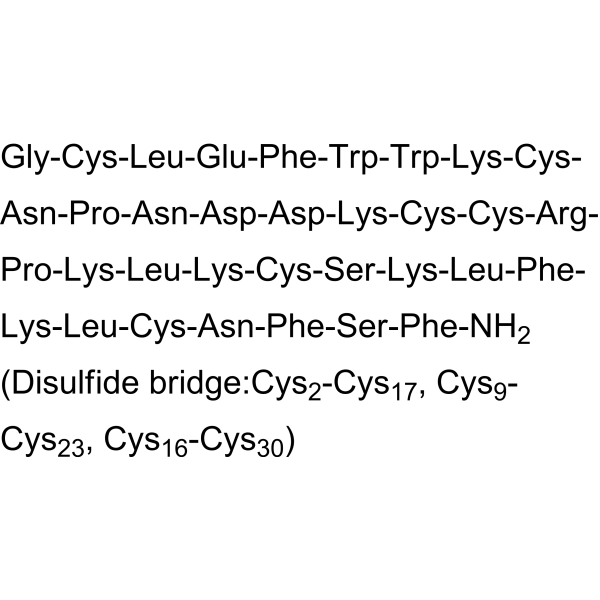
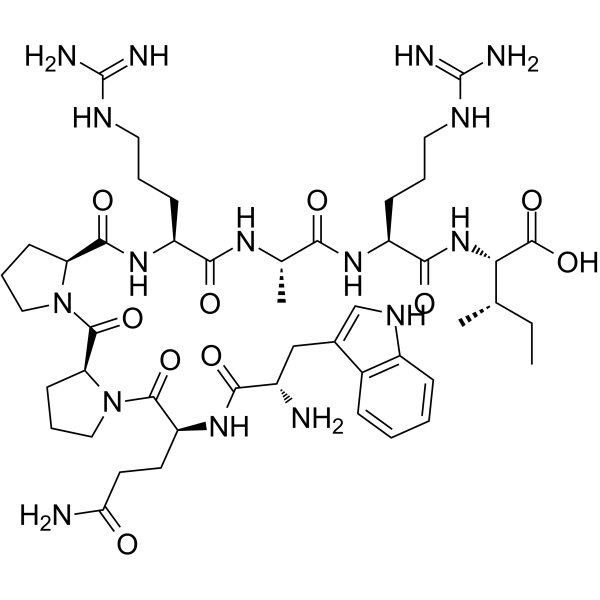
GsMTx4 is a spider venom peptide that selectively inhibits cationic-permeable mechanosensitive channels (MSCs) belonging to the Piezo and TRP channel families. GsMTx4 also blocks cation-selective stretch-activated channels (SACs) , attenuates lysophosphatidylcholine (LPC)-induced astrocyte toxicity and microglial reactivity. GsMTx4 is an important pharmacological tool for identifying the role of these excitatory MSCs in normal physiology and pathology .
|
-
-
- HY-P1410A
-
GsMTx4 TFA
Maximum Cited Publications
112 Publications Verification
|
TRP Channel
Piezo Channel
|
Cardiovascular Disease
Neurological Disease
Inflammation/Immunology
|
|
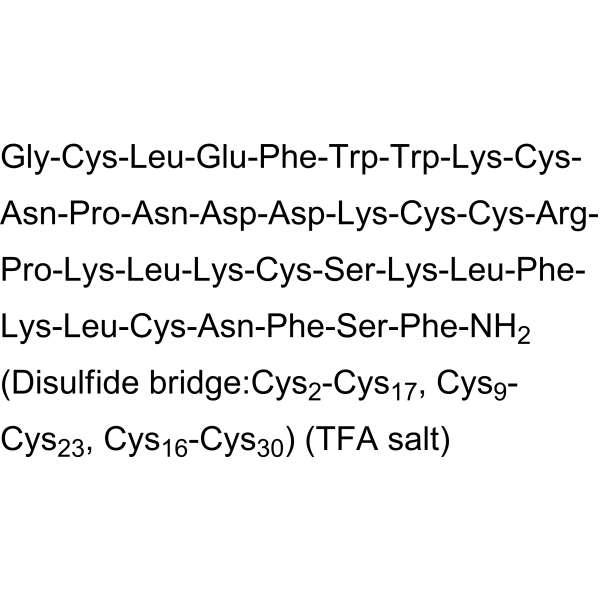
GsMTx4 TFA is a spider venom peptide that selectively inhibits cationic-permeable mechanosensitive channels (MSCs) belonging to the Piezo and TRP channel families. GsMTx4 TFA also blocks cation-selective stretch-activated channels (SACs) , attenuates lysophosphatidylcholine (LPC)-induced astrocyte toxicity and microglial reactivity. GsMTx4 TFA is an important pharmacological tool for identifying the role of these excitatory MSCs in normal physiology and pathology .
|
-
-
- HY-P1410B
-
-
-
- HY-132301
-
|
MCT4-IN-1
|
Monocarboxylate Transporter
|
Cancer
|
|
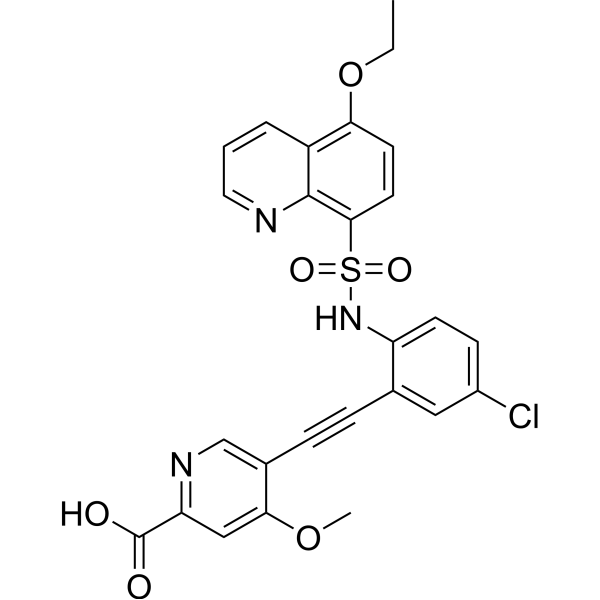
MSC-4381 (MCT4-IN-1), a chemical probe, is an orally active and selective monocarboxylate transporter 4 (MCT4/SLC16A3) inhibitor with an IC50 of 77 nM and a Ki of 11 nM. MSC-4381 targets to the cytosolic domain of MCT4. MSC-4381 results in lactate efflux inhibition and reduction of cellular viability in MCT4 high expressing cells. MSC-4381 has the potential for MCT4 transporter inhibition research . MSC-4381 is a click chemistry reagent, it contains an Alkyne group and can undergo copper-catalyzed azide-alkyne cycloaddition (CuAAc) with molecules containing Azide groups.
|
-
-
- HY-177512
-
|
|
FLAP
|
Cancer
|
|
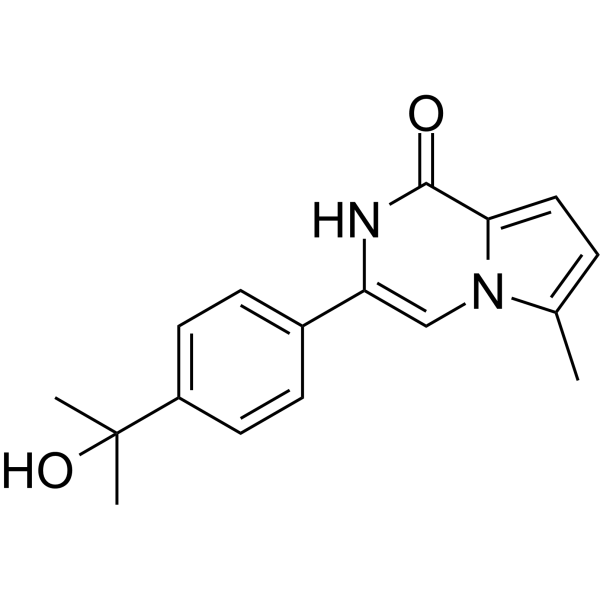
MSC778 is an effective and orally active flap endonuclease 1 (FEN1) inhibitor with an IC50 of 3 nM and a KD of 2.9 nM. MSC778 exhibits 145-fold, 516-fold, and 65-fold selectivity over EXO1, GEN1, and XPG, respectively. MSC778 selectively kills BRCA2-deficient cells and potentiates the activity of Niraparib (HY-10619) to induce tumor stasis in a BRCA2 KO DLD-1 mouse xenograft. MSC778 can be used in the research of colorectal cancer .
|
-
-
- HY-123872
-
|
|
p97
|
Cancer
|
|
MSC1094308 is a non-competitive and reversible VPS4B/p97 (VCP) (I/II type AAA ATPase) allosteric inhibitor, with IC50 values of 0.71 μM and 7.2 μM for VPS4B and p97, respectively . MSC1094308 inhibits the D2 ATPase activity by binding to a agentable hotspot of p97. MSC1094308 can be used in study of cancer .
|
-
-
- HY-101611
-
|
|
CDK
|
Cancer
|
|
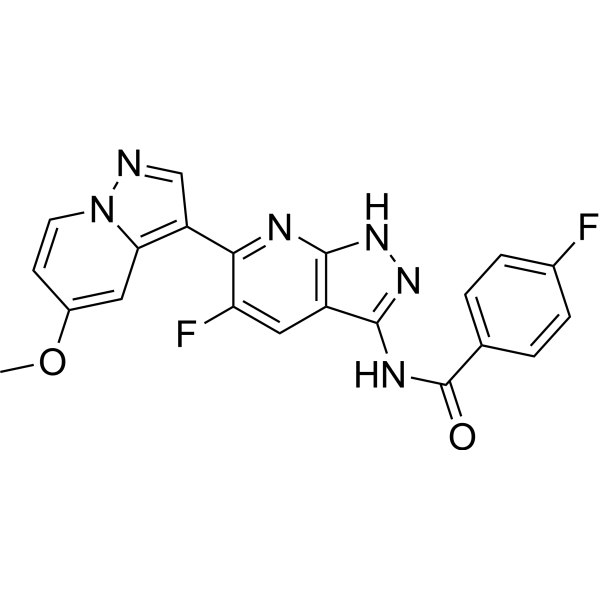
MSC2530818 is a potent, selective and orally available CDK8 inhibitor with an IC50 of 2.6 nM for CDK8.
|
-
-
- HY-N0898A
-
|
(-)-Cianidanol; (-)-Catechuic acid
|
COX
|
Cancer
|
|
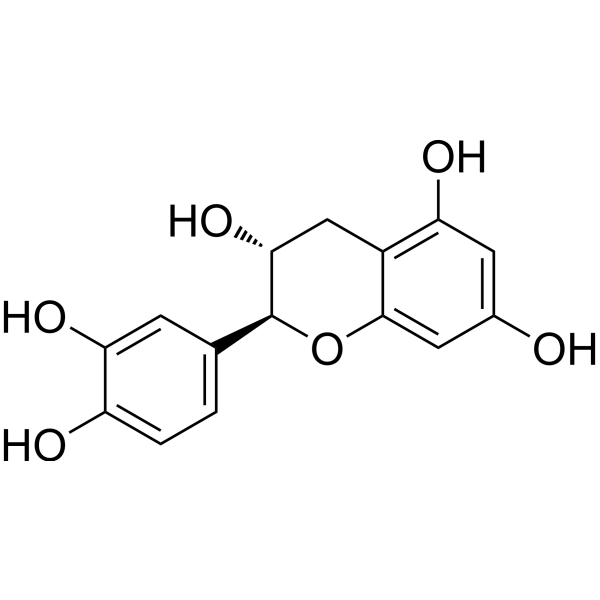
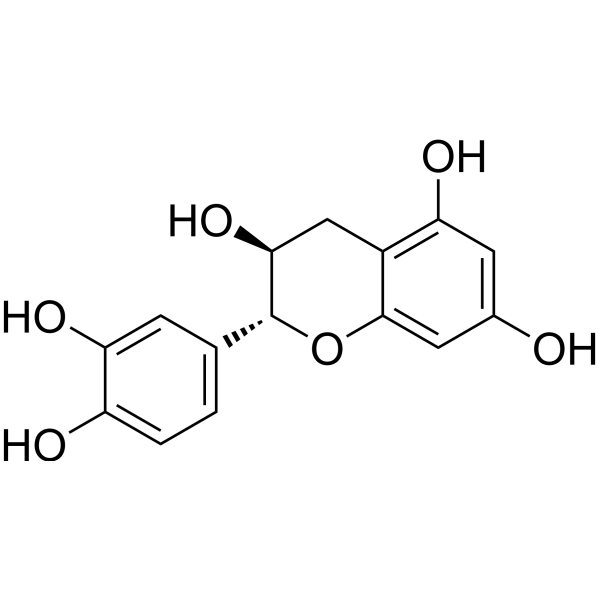
(-)-Catechin is Catechin's one kind of different structure. Catechin inhibitory enzyme-1 (COX-1), IC50 of 1.4 μM. (-)-Catechin promotes hBM-MSC adipose cell differentiation, increases fat cell differentiation, and PPARγ level .
|
-
-
- HY-B1890
-
|
rel-Cianidanol; rel-Catechuic acid
|
COX
|
Infection
Cardiovascular Disease
Neurological Disease
Inflammation/Immunology
Cancer
|
|
(±)-Catechin (rel-Cianidanol) is the racemate of the green tea polyphenol Catechin. Catechin has anticancer activity and induces apoptosis. (±)-Catechin has two forms, (+)-Catechin and its enantiomer (-)-Catechin. (+)-Catechin inhibits cyclooxygenase-1 (COX-1) with an IC50 of 1.4 μM. (-)-Catechin can effectively promote hBM-MSC adipocyte differentiation and increase adiponectin and PPARγ levels. (±)-Catechin has anti-tumor, anti-obesity, anti-diabetic, anti-cardiovascular, anti-infectious, hepatoprotective and neuroprotective effects .
|
-
-
- HY-123851
-
|
M2912
|
PARP
|
Cancer
|
|
MSC2504877 (M2912) is a potent and orally active tankyrase inhibitor with IC50s of 0.0007, 0.0008, 0.54 µM for TNKS, TNKS2, PARP1, respectively. MSC2504877 increases the expression of AXIN2 and TNKS protein levels and decreases β-catenin levels. MSC2504877 shows anti-tumor activity .
|
-
-
- HY-135827
-
|
MSC2360844; IOA-244
|
PI3K
|
Inflammation/Immunology
Cancer
|
|
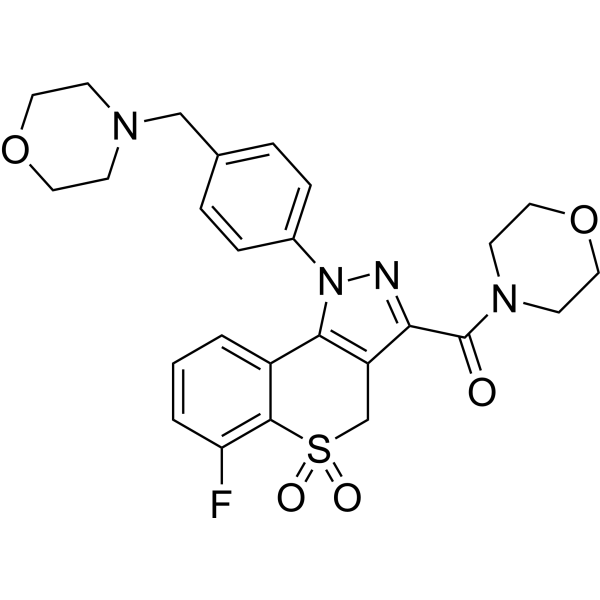
Roginolisib (MSC2360844; IOA-244) is a potent, orally active and selective PI3Kδ inhibitor, with an IC50 of 145 nM. Roginolisib shows highly selective against a panel of 278 additional kinases .
|
-
-
- HY-100501
-
M2698
1 Publications Verification
MSC2363318A
|
Ribosomal S6 Kinase (RSK)
Akt
|
Cancer
|
|
M2698 (MSC2363318A) is an orally active, ATP competitive, selective p70S6K and Akt dual-inhibitor with IC50s of 1 nM for p70S6K, Akt1 and Akt3. M2698 can cross the blood-brain barrier and has anti-cancer activity .
|
-
-
- HY-108628
-
SU16f
3 Publications Verification
|
PDGFR
|
Cancer
|
|
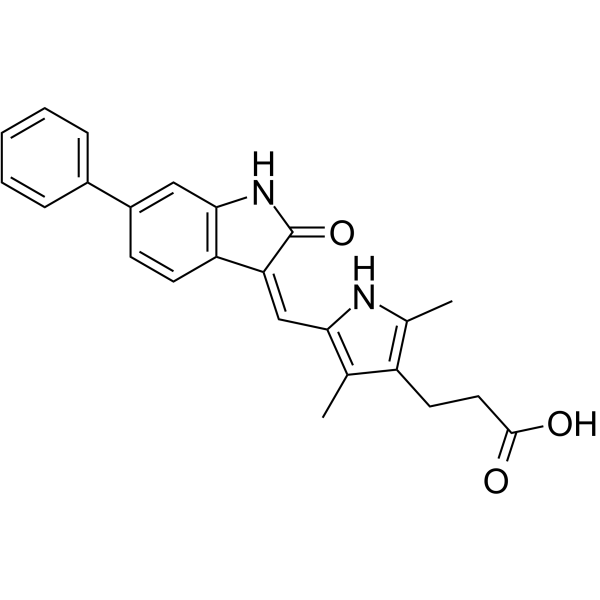
SU16f is a potent and selective PDGFRβ inhibitor with IC50s of 10 nM, 140 nM, 2.29 μM for PDGFRβ, VEGF-R2, FGF-R1, respectively . Neutralization of PDGFRβ receptor by SU16f blocks the promoting role of GC-MSCs (gastric cancer-derived mesenchymal stem cells) conditioned medium in gastric cancer cell proliferation and migration .
|
-
-
- HY-P990461
-
|
MSC-1
|
Interleukin Related
|
Inflammation/Immunology
|
|
Anti-LIF Antibody (MSC-1) is a CHO-expressed human antibody that targets LIF. Anti-LIF Antibody (MSC-1) contains huIgG1 heavy chain and huκ light chain, with a predicted molecular weight (MW) of 146.6 kDa. The isotype control for Anti-LIF Antibody (MSC-1) can refer to Human IgG1 kappa, Isotype Control (HY-P99001).
|
-
-
- HY-P1410C
-
|
|
Piezo Channel
Calcium Channel
mTOR
PI3K
Akt
|
Cardiovascular Disease
Neurological Disease
Inflammation/Immunology
|
|
D-GsMTx4 TFA is a spider peptide and the D enantiomer of GsMTx4 (HY-P1410). D-GsMTx4 TFA inhibits the mechanosensitive ion channel Piezo2. D-GsMTx4 TFA inhibits [Ca 2+]i elevation. D-GsMTx4 TFA inhibits mTOR and PI3K-Akt signaling pathways. D-GsMTx4 TFA inhibits mechanical allodynia and thermal hyperalgesia. D-GsMTx4 TFA can be used in researches of mechanical stress, chronic pain and idiopathic pulmonary fibrosis .
|
-
-
- HY-148518
-
|
|
SRPK
|
Cancer
|
|
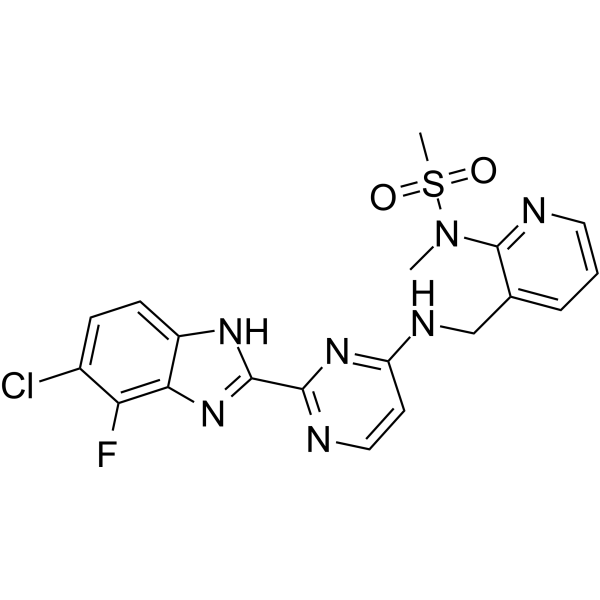
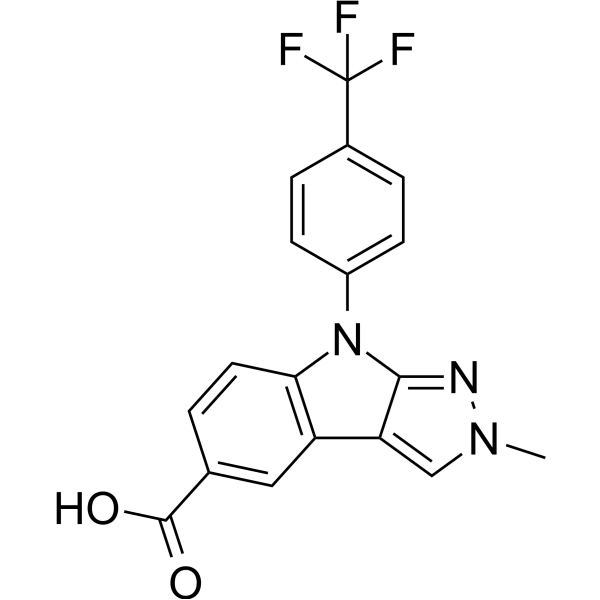
MSC-1186, a chemical probe, is a highly selective pan-SRPK inhibitor. MSC-1186 has activity for SRPK1, SRPK2 and SRPK3 with IC50 values of 2.7 nM, 81 nM and 0.6 nM, respectively. MSC-1186 can be used for the research of cancer .
|
-
-
- HY-147208
-
|
|
YAP
|
Cancer
|
|
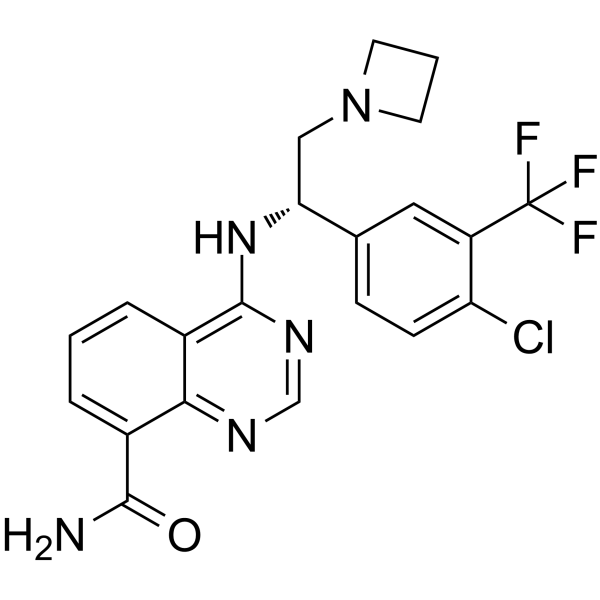
MSC-4106 is an orally active and potent inhibitor of YAP/TAZ-TEAD. MSC-4106 inhibits TEAD1 or TEAD3 auto-palmitoylation and shows inhibitory effect on NCI-H226 tumor xenograft model .
|
-
-
- HY-165607S
-
|
|
Piezo Channel
Isotope-Labeled Compounds
ERK
CaMK
|
Metabolic Disease
|
|
MCB-22-174 is a deuterated Piezo1 agonist, with an EC50 value of 6.28 μM. MCB-22-174 remarkably activates the CaMKII/ERK signaling pathway and initiates Ca 2+ influx in rMSCs. MCB-22-174 significantly decreases the expression of chondrogenesis markers (Comp, Acan) and adipogenesis markers (Lpl, Fabp4) in MSCs. MCB-22-174 can effectively improve bone quality in hind-limb unloading (HU) model rats. MCB-22-174 can be used for the study of disuse osteoporosis (OP) .
|
-
-
- HY-B1890R
-
|
rel-Cianidanol (Standard); rel-Catechuic acid (Standard)
|
Reference Standards
COX
|
Infection
Cardiovascular Disease
Neurological Disease
Inflammation/Immunology
Cancer
|
|
(±)-Catechin (Standard) is the analytical standard of (±)-Catechin. This product is intended for research and analytical applications. (±)-Catechin (rel-Cianidanol) is the racemate of the green tea polyphenol Catechin. Catechin has anticancer activity and induces apoptosis. (±)-Catechin has two forms, (+)-Catechin and its enantiomer (-)-Catechin. (+)-Catechin inhibits cyclooxygenase-1 (COX-1) with an IC50 of 1.4 μM. (-)-Catechin can effectively promote hBM-MSC adipocyte differentiation and increase adiponectin and PPARγ levels. (±)-Catechin has anti-tumor, anti-obesity, anti-diabetic, anti-cardiovascular, anti-infectious, hepatoprotective and neuroprotective effects .
|
-
-
- HY-101611R
-
|
|
Reference Standards
CDK
|
Cancer
|
|
MSC2530818 (Standard) is the analytical standard of MSC2530818. This product is intended for research and analytical applications. MSC2530818 is a potent, selective and orally available CDK8 inhibitor with an IC50 of 2.6 nM for CDK8.
|
-
-
- HY-126225
-
-
-
- HY-110218
-
CW 008
2 Publications Verification
|
PKA
Epigenetic Reader Domain
|
Others
|
|
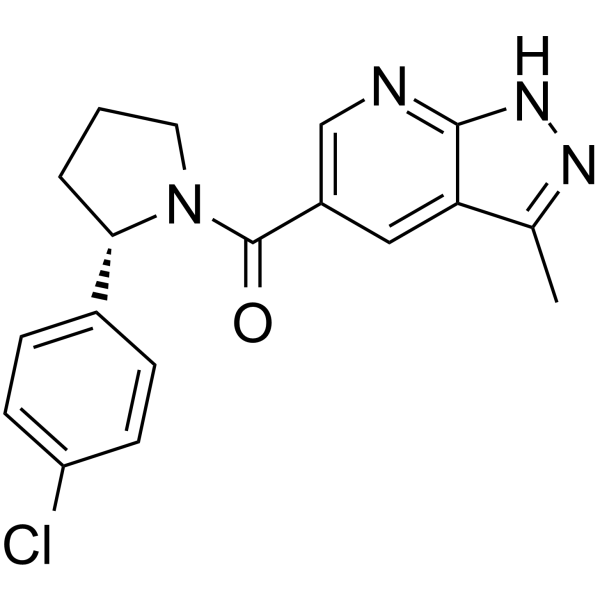
CW 008, a derivative of pyrazole-pyridine, is a CREB or PKA pathway agonist. CW 008 also is a stem cell differentiating agent. CW 008 stimulates osteoblast differentiation of human MSCs and increases bone formation in ovariectomized mice. CW008 promotes osteogenesis by activating cAMP/PKA/CREB signaling pathway and inhibiting leptin secretion .
|
-
-
- HY-160053
-
|
|
PDGFR
|
Cancer
|
|
Gint4.T aptamer sodium is a nuclease-resistant RNA aptamer-based antagonist targeting platelet-derived growth factor receptor beta (PDGFRβ) (Kd: 9.6 nM). Gint4.T aptamer sodium inhibits PDGFRβ heterodimerization and EGFR transactivation. It can significantly inhibit cell migration and proliferation, induce differentiation and prevent tumor growth in vivo. Gint4.T aptamer sodium specifically inhibits PDGFRβ-mediated tropism of mesenchymal stem cells (MSCs) toward the tumor microenvironment .
|
-
-
- HY-131032
-
|
|
Adenosine Receptor
|
Others
|
|
KI-7 is an A2B adenosine receptor positive allosteric modulator. KI-7 potentiates the cAMP accumulation induced by the non-selective A2B adenosine receptor agonist NECA (EC50=445.8 nM). KI-7 also potentiates the cAMP accumulation induced by the selective A2B adenosine receptor agonist BAY 60-6583 as well as by adenosine with EC50s of 2390 nM and 2550 nM, respectively .
|
-
-
- HY-177058
-
|
|
Toll-like Receptor (TLR)
Mitosis
|
Inflammation/Immunology
|
|
DSP30 is a phosphorothioate cpG-oligodeoxynucleotide and a TLR9 agonist. DSP30 can activate immune system cells, including B cells and dendritic cells, by inducing proliferation and cytokine production.DSP30 can enhance the immunosuppressive function of bone marrow-multipotent mesenchymal stromal cells (BM-MSC). DSP30 combined with interleukin 2 (IL2) is an effective mitotic stimulant in B-cell disorders. DSP30 can be used for the genetic characteristic research and analysis of chronic lymphocytic leukemia (CLL) .
|
-
-
- HY-P4125
-
|
|
HIV
Fluorescent Dye
|
Infection
|
|
FITC-LC-TAT (47-57) is a FITC-labeled TAT peptide (HY-P0281) (λex: 493 nm, λem: 522 nm). Derived from the trans-activator of transcription (TAT) of human immunodeficiency virus (HIV-1), TAT enhances the yield of heterologous proteins .
|
-
-
- HY-P11346
-
|
|
Cadherin
|
Inflammation/Immunology
|
|
N-Cadherin mimic peptide is a N-cadherin agonist. N-Cadherin mimic peptide promotes N-cadherin homodimerization via enhancing β-catenin signaling, inducing early chondrogenesis and cartilage matrix production in mesenchymal stem cells (MSCs). N-Cadherin mimic peptide is promising for research of MSC-based cartilage regeneration .
|
-
-
- HY-108438
-
|
|
Microtubule/Tubulin
|
Neurological Disease
|
|
TCS 2210 (compound 1) is a neuronal differentiation inducer in mesenchymal stem cells (MSCs). TCS 2210 increases expression of the neuronal markers β-III tubulin and neuron-specific enolase (NSE) .
|
-
-
- HY-N0898AR
-
|
(-)-Cianidanol (Standard); (-)-Catechuic acid (Standard)
|
Reference Standards
COX
|
Cancer
|
|
(-)-Catechin (Standard) is the analytical standard of (-)-Catechin. This product is intended for research and analytical applications. (-)-Catechin is Catechin's one kind of different structure. Catechin inhibitory enzyme-1 (COX-1), IC50 of 1.4 μM. (-)-Catechin promotes hBM-MSC adipose cell differentiation, increases fat cell differentiation, and PPARγ level .
|
-
-
- HY-170837
-
|
|
STAT
|
Cancer
|
|
STAT5-IN-3 (Compound 14a) is a STAT5 inhibitor with anticancer activity. STAT5-IN-3 blocks the tyrosine phosphorylation of STAT5A/5B at the Y694/699 sites and significantly reduces the expression of STAT5B protein, thereby inhibiting downstream gene transcription and blocking the proliferation and survival of leukemia cells. Additionally, STAT5-IN-3 holds significant value in overcoming chemotherapy resistance .
|
-
-
- HY-169332
-
|
|
Piezo Channel
ERK
|
Metabolic Disease
|
|
Piezo1 agonist 1-d2 is a Piezo1 agonist and osteogenesis promoter with an EC50 of 2.21 μM. Piezo1 agonist 1-d2 activates Piezo1 and induces calcium ion influx in mesenchymal stem cells. Piezo1 agonist 1-d2 activates the Erk signaling pathway and promotes osteogenesis of mesenchymal stem cells. Piezo1 agonist 1-d2 alleviates disuse osteoporosis in a hindlimb unloading rat model. Piezo1 agonist 1-d2 can be used for research on osteoporosis .
|
-
-
- HY-N0008R
-
|
|
Reference Standards
Wnt
|
Neurological Disease
|
|
Orcinol glucoside (Standard) is the analytical standard of Orcinol glucoside. This product is intended for research and analytical applications. Orcinol glucoside (OG) is an active constituent isolated from Curculigo orchioides, with antidepressant effects. Orcinol glucoside facilitates the shift of MSC fate to osteoblast and prevents adipogenesis via Wnt/β-catenin signaling pathway .
|
-
-
- HY-168506
-
|
|
YAP
|
Cancer
|
|
MSC-1254 is a reversible, selective and covalent TEAD1 inhibitor. MSC-1254 can be used for the study of cancer .
|
-
-
- HY-168505
-
|
|
YAP
|
Cancer
|
|
MSC-5046 is a selective TEAD1 inhibitor .
|
-
-
- HY-RS23460
-
|
|
Small Interfering RNA (siRNA)
|
Others
|
|
Msc Rat Pre-designed siRNA Set A contains three designed siRNAs for Msc gene (Rat), as well as a negative control, a positive control, and a FAM-labeled negative control.
|
-
Msc Rat Pre-designed siRNA Set A
-
- HY-RS08707
-
|
|
Small Interfering RNA (siRNA)
|
Others
|
|
MSC Human Pre-designed siRNA Set A contains three designed siRNAs for MSC gene (Human), as well as a negative control, a positive control, and a FAM-labeled negative control.
|
-
MSC Human Pre-designed siRNA Set A
-
- HY-110262
-
|
|
MAP3K
p38 MAPK
|
Inflammation/Immunology
|
|
MSC 2032964A is an orally active, selective inhibitor for apoptosis signal-regulating kinase 1(ASK1) with IC50 of 96 nM. MSC 2032964A preserves the visual responses in EAE mice model and exhibits potency in ameliorating the neuroinflammation .
|
-
-
- HY-113568
-
-
-
- HY-135827A
-
|
MSC2360844 hemifumarate; IOA-244 hemifumarate
|
PI3K
|
Inflammation/Immunology
Cancer
|
|
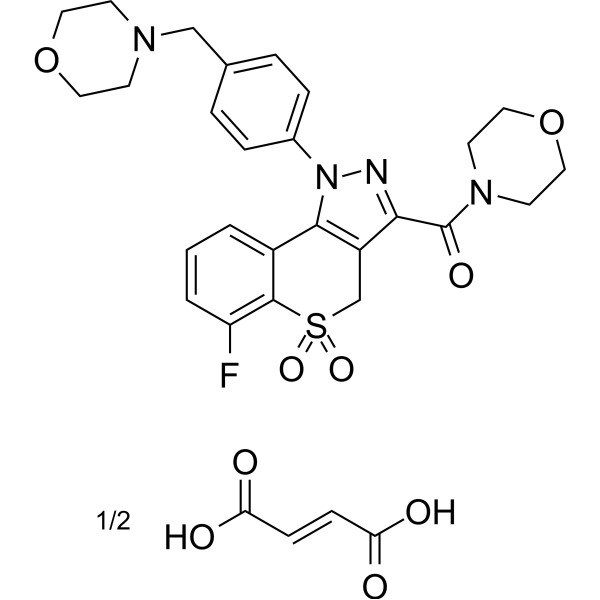
Roginolisib (MSC2360844) hemifumarate is a potent, orally active and selective PI3Kδ inhibitor, with an IC50 of 145 nM. Roginolisib hemifumarate shows highly selective against a panel of 278 additional kinases .
|
-
-
- HY-153332
-
|
|
PARP
|
Cancer
|
|
Tankyrase-IN-5 (Compound 30f), an analogue of MSC2504877 (HY-123851), is a tankyrase TNKS1 and TNKS2 inhibitor with IC50s of 2.3 nM and 7.9 nM, respectively .
|
-
-
- HY-N8917
-
|
|
Phosphatase
|
Metabolic Disease
|
|
(3R)-7-hydroxy-3-(4-hydroxybenzyl)chromane is a homoisoflavonoid. (3R)-7-hydroxy-3-(4-hydroxybenzyl)chromane increases the level of alkaline phosphatase (ALP) activity. (3R)-7-hydroxy-3-(4-hydroxybenzyl)chromane promotes mesenchymal stem cells (MSCs) osteogenesis, but cannot enhance MSCs proliferation. (3R)-7-hydroxy-3-(4-hydroxybenzyl)chromane can be used for osteoporosis research .
|
-
-
- HY-147511
-
|
|
PPAR
|
Others
|
|
PPARγ agonist 7 (Compound 3a) is a potent and selective agonist of PPARγ. PPARγ agonist 7 promotes adiponectin production in human bone marrow mesenchymal stem cells (hBM-MSCs) as a novel PPARγ full agonist (EC50, 4.34 μM) .
|
-
-
- HY-170581
-
|
|
PPAR
|
Metabolic Disease
|
|
PPARγ/δ modulator 2 (Compound 3h) is a PPARγ agonist and PPARδ antagonist. The Ki values for PPARγ and PPARδ are 2.8 μM and 43 nM, respectively. PPARγ/δ modulator 2 significantly enhances the production of Adiponectin and promotes adipogenic differentiation of human bone marrow mesenchymal stem cells (hBM-MSCs). PPARγ/δ modulator 2 can be used in the study of metabolic disorders associated with hypoadiponectinemia .
|
-
-
- HY-RS17017
-
|
|
Small Interfering RNA (siRNA)
|
Others
|
|
Msc Mouse Pre-designed siRNA Set A contains three designed siRNAs for Msc gene (Mouse), as well as a negative control, a positive control, and a FAM-labeled negative control.
|
-
Msc Mouse Pre-designed siRNA Set A
-
- HY-100501R
-
|
MSC2363318A (Standard)
|
Ribosomal S6 Kinase (RSK)
Reference Standards
Akt
|
Cancer
|
|
M2698 (Standard) is the analytical standard of M2698 (HY-100501). This product is intended for research and analytical applications. M2698 (MSC2363318A) is an orally active, ATP competitive, selective p70S6K and Akt dual-inhibitor with IC50s of 1 nM for p70S6K, Akt1 and Akt3. M2698 can cross the blood-brain barrier and has anti-cancer activity .
|
-
-
- HY-108628R
-
|
|
Reference Standards
PDGFR
|
Cancer
|
|
SU16f (Standard) is the analytical standard of SU16f (HY-108628). This product is intended for research and analytical applications. SU16f is a potent and selective PDGFRβ inhibitor with IC50s of 10 nM, 140 nM, 2.29 μM for PDGFRβ, VEGF-R2, FGF-R1, respectively . Neutralization of PDGFRβ receptor by SU16f blocks the promoting role of GC-MSCs (gastric cancer-derived mesenchymal stem cells) conditioned medium in gastric cancer cell proliferation and migration .
|
-
| Cat. No. |
Product Name |
Target |
Research Area |
-
- HY-P1410
-
GsMTx4
Maximum Cited Publications
112 Publications Verification
|
TRP Channel
Piezo Channel
|
Cardiovascular Disease
Neurological Disease
Inflammation/Immunology
|
|
GsMTx4 is a spider venom peptide that selectively inhibits cationic-permeable mechanosensitive channels (MSCs) belonging to the Piezo and TRP channel families. GsMTx4 also blocks cation-selective stretch-activated channels (SACs) , attenuates lysophosphatidylcholine (LPC)-induced astrocyte toxicity and microglial reactivity. GsMTx4 is an important pharmacological tool for identifying the role of these excitatory MSCs in normal physiology and pathology .
|
-
- HY-P1410A
-
GsMTx4 TFA
Maximum Cited Publications
112 Publications Verification
|
TRP Channel
Piezo Channel
|
Cardiovascular Disease
Neurological Disease
Inflammation/Immunology
|
|
GsMTx4 TFA is a spider venom peptide that selectively inhibits cationic-permeable mechanosensitive channels (MSCs) belonging to the Piezo and TRP channel families. GsMTx4 TFA also blocks cation-selective stretch-activated channels (SACs) , attenuates lysophosphatidylcholine (LPC)-induced astrocyte toxicity and microglial reactivity. GsMTx4 TFA is an important pharmacological tool for identifying the role of these excitatory MSCs in normal physiology and pathology .
|
-
- HY-P1410B
-
-
- HY-P1410C
-
|
|
Piezo Channel
Calcium Channel
mTOR
PI3K
Akt
|
Cardiovascular Disease
Neurological Disease
Inflammation/Immunology
|
|
D-GsMTx4 TFA is a spider peptide and the D enantiomer of GsMTx4 (HY-P1410). D-GsMTx4 TFA inhibits the mechanosensitive ion channel Piezo2. D-GsMTx4 TFA inhibits [Ca 2+]i elevation. D-GsMTx4 TFA inhibits mTOR and PI3K-Akt signaling pathways. D-GsMTx4 TFA inhibits mechanical allodynia and thermal hyperalgesia. D-GsMTx4 TFA can be used in researches of mechanical stress, chronic pain and idiopathic pulmonary fibrosis .
|
-
- HY-P0306
-
|
Heparin Binding Peptide
|
Peptides
|
Cardiovascular Disease
|
|
Fibronectin Adhesion-promoting Peptide (Heparin Binding Peptide) is one of the heparin-binding amino acid sequences found in the carboxy-terminal heparin-binding domain of fibronectin. It promotes assembly of mesenchymal stem cell (MSC) spheroids into larger aggregates. Fibronectin Adhesion-promoting Peptide directly promotes the adhesion, spreading, and migration of endothelial cells by reacting with heparin binding domains of cells .
|
-
- HY-P4125
-
|
|
HIV
Fluorescent Dye
|
Infection
|
|
FITC-LC-TAT (47-57) is a FITC-labeled TAT peptide (HY-P0281) (λex: 493 nm, λem: 522 nm). Derived from the trans-activator of transcription (TAT) of human immunodeficiency virus (HIV-1), TAT enhances the yield of heterologous proteins .
|
-
- HY-P11346
-
|
|
Cadherin
|
Inflammation/Immunology
|
|
N-Cadherin mimic peptide is a N-cadherin agonist. N-Cadherin mimic peptide promotes N-cadherin homodimerization via enhancing β-catenin signaling, inducing early chondrogenesis and cartilage matrix production in mesenchymal stem cells (MSCs). N-Cadherin mimic peptide is promising for research of MSC-based cartilage regeneration .
|
-
- HY-P3413
-
|
|
Peptides
|
Inflammation/Immunology
|
|
H-Glu-Pro-Leu-Gln-Leu-Lys-Met-OH (EM7) is a linear mesenchymal stem cells (MSC)-specific peptide. H-Glu-Pro-Leu-Gln-Leu-Lys-Met-OH can be used to prepare Gd-DOTA-peptide complexes .
|
-
- HY-P0306A
-
|
Heparin Binding Peptide TFA
|
Peptides
|
Cardiovascular Disease
|
|
Fibronectin Adhesion-promoting Peptide (Heparin Binding Peptide) is one of the heparin-binding amino acid sequences found in the carboxy-terminal heparin-binding domain of fibronectin. It promotes assembly of mesenchymal stem cell (MSC) spheroids into larger aggregates. Fibronectin Adhesion-promoting Peptide directly promotes the adhesion, spreading, and migration of endothelial cells by reacting with heparin binding domains of cells .
|
-
- HY-P3413A
-
|
|
Peptides
|
Others
|
|
H-Glu-Pro-Leu-Gln-Leu-Lys-Met-OH (EM7) acetate is a linear mesenchymal stem cell (MSC) specific peptide. H-Glu-Pro-Leu-Gln-Leu-Lys-Met-OH acetate can be used to prepare Gd-DOTA-peptide complexes.
|
-
- HY-K3112
-
|
|
|
MCE Exosome-Specific Mesenchymal Stem Cell Medium (Serum-Free, Phenol Red-Free) is specifically optimized for the production and preparation of exosomes from mesenchymal stem cells (MSCs).
|
| Cat. No. |
Product Name |
Target |
Research Area |
Image |
-
- HY-P990461
-
|
MSC-1
|
Interleukin Related
|
Inflammation/Immunology
|
|
Anti-LIF Antibody (MSC-1) is a CHO-expressed human antibody that targets LIF. Anti-LIF Antibody (MSC-1) contains huIgG1 heavy chain and huκ light chain, with a predicted molecular weight (MW) of 146.6 kDa. The isotype control for Anti-LIF Antibody (MSC-1) can refer to Human IgG1 kappa, Isotype Control (HY-P99001).
|
-
(5)
| Cat. No. |
Product Name |
Category |
Target |
Chemical Structure |
| Cat. No. |
Product Name |
Chemical Structure |
-
- HY-165607S
-
|
|
|
MCB-22-174 is a deuterated Piezo1 agonist, with an EC50 value of 6.28 μM. MCB-22-174 remarkably activates the CaMKII/ERK signaling pathway and initiates Ca 2+ influx in rMSCs. MCB-22-174 significantly decreases the expression of chondrogenesis markers (Comp, Acan) and adipogenesis markers (Lpl, Fabp4) in MSCs. MCB-22-174 can effectively improve bone quality in hind-limb unloading (HU) model rats. MCB-22-174 can be used for the study of disuse osteoporosis (OP) .
|
-
-
- HY-169332
-
|
|
|
Piezo1 agonist 1-d2 is a Piezo1 agonist and osteogenesis promoter with an EC50 of 2.21 μM. Piezo1 agonist 1-d2 activates Piezo1 and induces calcium ion influx in mesenchymal stem cells. Piezo1 agonist 1-d2 activates the Erk signaling pathway and promotes osteogenesis of mesenchymal stem cells. Piezo1 agonist 1-d2 alleviates disuse osteoporosis in a hindlimb unloading rat model. Piezo1 agonist 1-d2 can be used for research on osteoporosis .
|
-
| Cat. No. |
Product Name |
|
Classification |
-
- HY-160053
-
|
|
|
Aptamers
|
|
Gint4.T aptamer sodium is a nuclease-resistant RNA aptamer-based antagonist targeting platelet-derived growth factor receptor beta (PDGFRβ) (Kd: 9.6 nM). Gint4.T aptamer sodium inhibits PDGFRβ heterodimerization and EGFR transactivation. It can significantly inhibit cell migration and proliferation, induce differentiation and prevent tumor growth in vivo. Gint4.T aptamer sodium specifically inhibits PDGFRβ-mediated tropism of mesenchymal stem cells (MSCs) toward the tumor microenvironment .
|
-
- HY-177058
-
|
|
|
CpG ODNs
|
|
DSP30 is a phosphorothioate cpG-oligodeoxynucleotide and a TLR9 agonist. DSP30 can activate immune system cells, including B cells and dendritic cells, by inducing proliferation and cytokine production.DSP30 can enhance the immunosuppressive function of bone marrow-multipotent mesenchymal stromal cells (BM-MSC). DSP30 combined with interleukin 2 (IL2) is an effective mitotic stimulant in B-cell disorders. DSP30 can be used for the genetic characteristic research and analysis of chronic lymphocytic leukemia (CLL) .
|
-
- HY-RS23460
-
|
|
|
siRNAs
Rat Pre-designed siRNA Sets
|
|
Msc Rat Pre-designed siRNA Set A contains three designed siRNAs for Msc gene (Rat), as well as a negative control, a positive control, and a FAM-labeled negative control.
|
-
- HY-RS08707
-
|
|
|
siRNAs
Human Pre-designed siRNA Sets
|
|
MSC Human Pre-designed siRNA Set A contains three designed siRNAs for MSC gene (Human), as well as a negative control, a positive control, and a FAM-labeled negative control.
|
-
- HY-RS17017
-
|
|
|
siRNAs
Mouse Pre-designed siRNA Sets
|
|
Msc Mouse Pre-designed siRNA Set A contains three designed siRNAs for Msc gene (Mouse), as well as a negative control, a positive control, and a FAM-labeled negative control.
|
Your information is safe with us. * Required Fields.
Inquiry Information
- Product Name:
- Cat. No.:
- Quantity:
- MCE Japan Authorized Agent:

