Search Result
Results for "
Methylation inhibitor
" in MedChemExpress (MCE) Product Catalog:
1
Biochemical Assay Reagents
8
Isotope-Labeled Compounds
| Cat. No. |
Product Name |
Target |
Research Areas |
Chemical Structure |
-
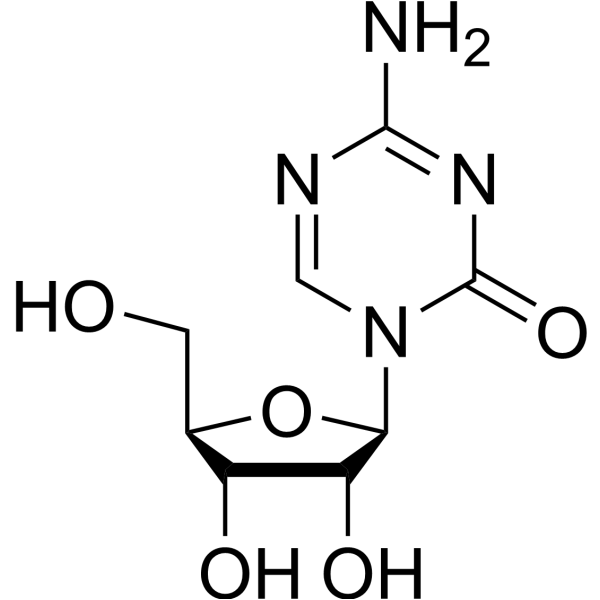
- HY-10586
-
-
-
- HY-139664
-
|
|
DNA Methyltransferase
|
Cancer
|
|
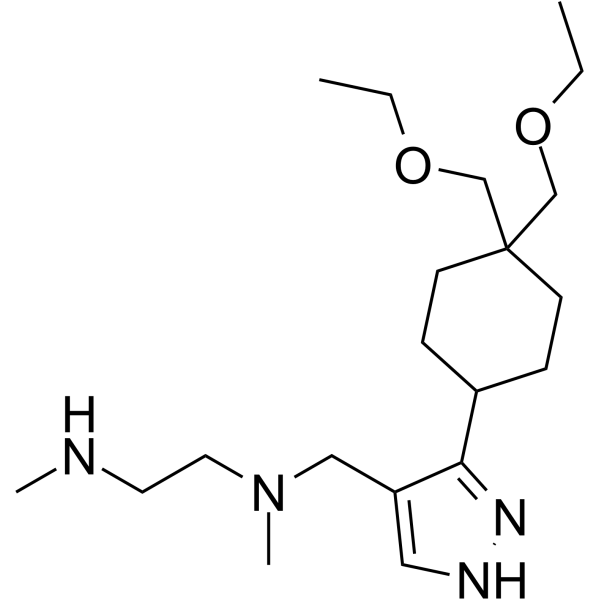
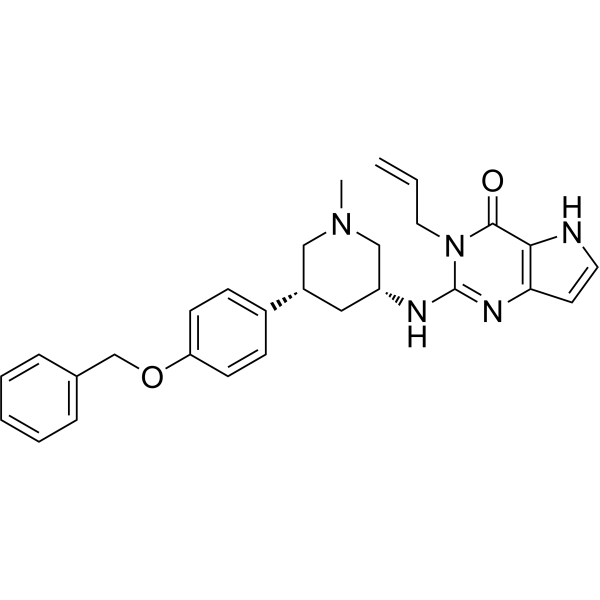
GSK-3685032 is a non-time-dependent, noncovalently, first-in-class reversible DNMT1-selective inhibitor, with an IC50 of 0.036 μM. GSK-3685032 induces robust loss of DNA methylation, transcriptional activation, and cancer cell growth inhibition .
|
-
-
- HY-101938
-
-
-
- HY-13642
-
|
N-Phthalyl-L-tryptophan
|
DNA Methyltransferase
|
Inflammation/Immunology
Cancer
|
|
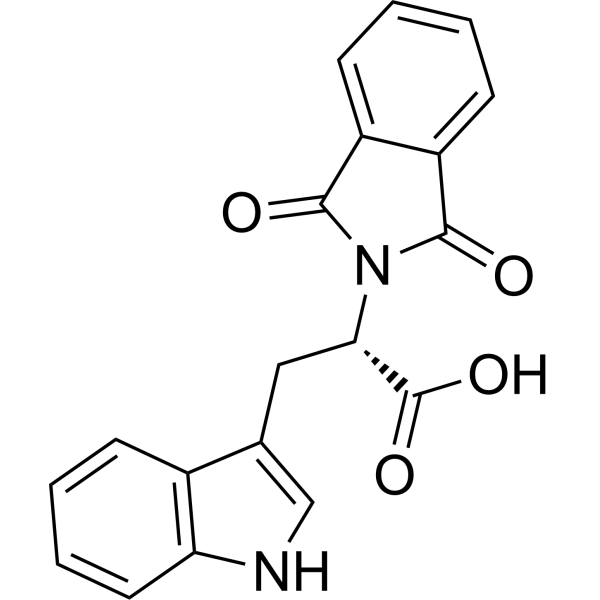
RG108 (N-Phthalyl-L-tryptophan) is a non-nucleoside DNA methyltransferases (DNMTs) inhibitor (IC50=115 nM) that blocks the DNMTs active site. RG108 (N-Phthalyl-L-tryptophan) causes demethylation and reactivation of tumor suppressor genes, but it does not affect the methylation of centromeric satellite sequences .
|
-
-
- HY-111558
-
|
|
DNA Methyltransferase
TET Protein
|
Cancer
|
|
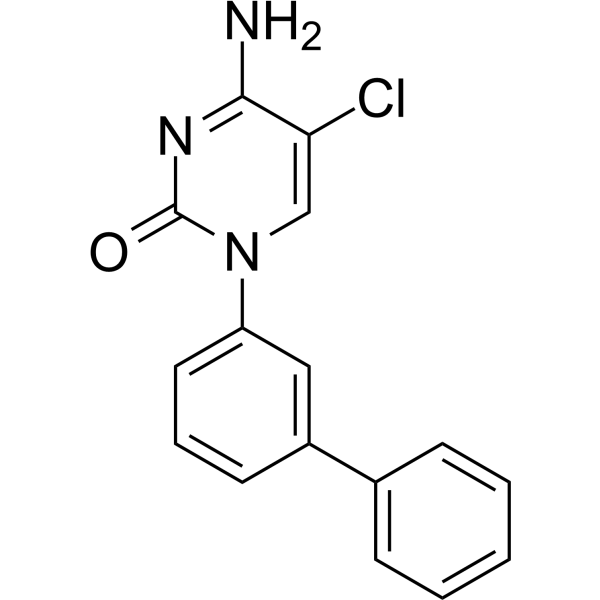
Bobcat339 is a potent and selective cytosine-based inhibitor of TET enzyme, with IC50s of 33 μM and 73 μM for TET1 and TET2, respectively. Bobcat339 is useful to the field of epigenetics and serves as a starting point for new therapeutics that target DNA methylation and gene transcription .
|
-
-
- HY-128717A
-
|
EPZ019997 dihydrochloride
|
Histone Methyltransferase
|
Cancer
|
|
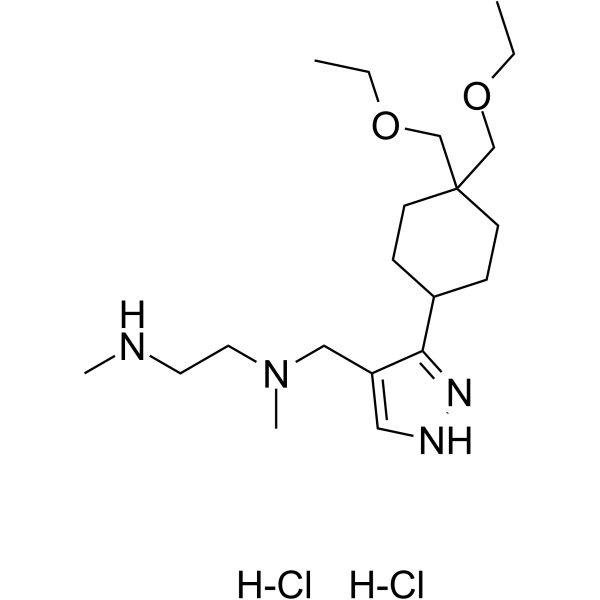
GSK3368715 dihydrochloride (EPZ019997 dihydrochloride) is an orally active, reversible, and S-adenosyl-L-methionine (SAM) uncompetitive type I protein arginine methyltransferases (PRMTs) inhibitor (IC50=3.1 nM (PRMT1), 48 nM (PRMT3), 1148 nM (PRMT4), 5.7 nM (PRMT6), 1.7 nM (PRMT8)). GSK3368715 dihydrochloride (EPZ019997 dihydrochloride) produces a shift in arginine methylation states, alters exon usage, and has strong anti-cancer activity .
|
-
-
- HY-103236
-
|
|
E1/E2/E3 Enzyme
|
Cancer
|
|
NSC232003 is a highly potent and cell-permeable UHRF1 inhibitor, which inhibits DNA methylation in vitro and disrupts DNMT1/UHRF1 interactions at a cellular level.
|
-
-
- HY-30008
-
|
|
iGluR
|
Infection
Neurological Disease
Metabolic Disease
Cancer
|
|
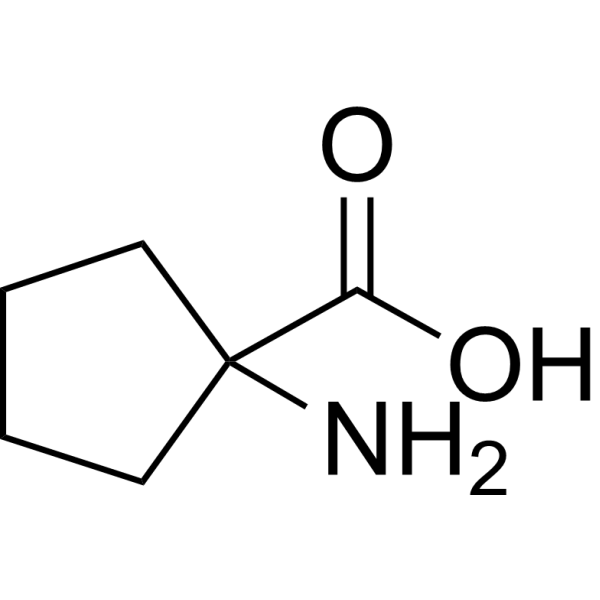
Cycloleucine is a specific inhibitor of S-adenosyl-methionine mediated methylation. Cycloleucine is antagonist of NMDA receptor associated glycine receptor, with a Ki of 600 μM. Cycloleucine is also a competitive inhibitor of ATP: L-methionine-S-adenosyl transferase in vitro. Cycloleucine has anxiolytic and cytostatic effects .
|
-
-
- HY-111558A
-
|
|
DNA Methyltransferase
TET Protein
|
Cancer
|
|
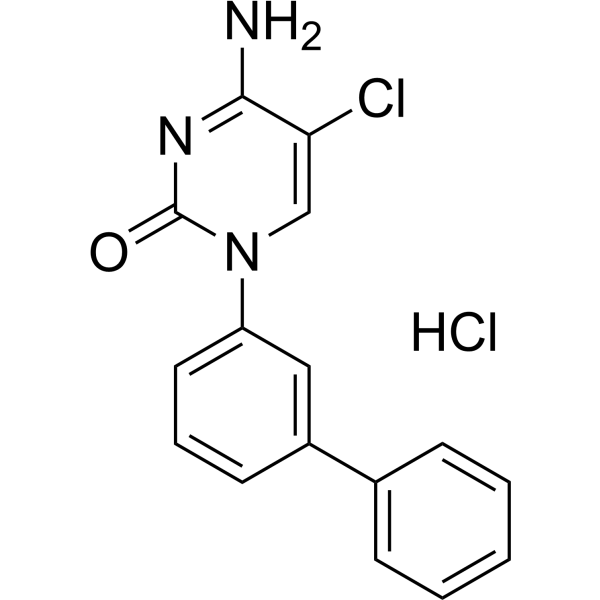
Bobcat339 hydrochloride is a potent and selective cytosine-based inhibitor of TET enzyme, with the IC50s of 33 μM and 73 μM for TET1 and TET2, respectively. Bobcat339 hydrochloride is useful to the field of epigenetics and serves as a starting point for new therapeutics that target DNA methylation and gene transcription .
|
-
-
- HY-13599
-
|
2-Chloro-2′-deoxyadenosine; CldAdo; 2CdA
|
Adenosine Deaminase
Apoptosis
|
Cardiovascular Disease
Cancer
|
|
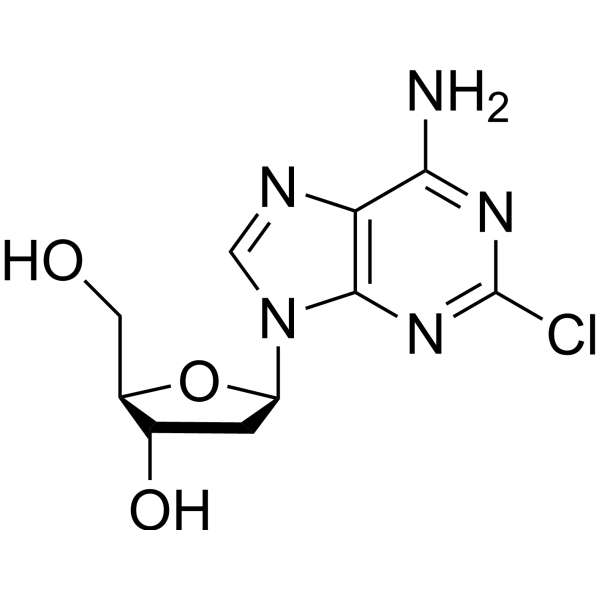
Cladribine (2-Chloro-2′-deoxyadenosine), a purine nucleoside analog, is an orally active adenosine deaminase inhibitor. Cladribine functions as an inhibitor of DNA synthesis to block the repair of the damaged DNA. Cladribine can inhibit DNA methylation. Cladribine has anti-lymphoma activity. Cladribine can be used for the research of several hematologic malignancies and multiple sclerosis .
|
-
-
- HY-128717
-
|
EPZ019997
|
Histone Methyltransferase
|
Cancer
|
|
GSK3368715 (EPZ019997) is an orally active, reversible, and S-adenosyl-L-methionine (SAM) uncompetitive type I protein arginine methyltransferases (PRMTs) inhibitor (IC50=3.1 nM (PRMT1), 48 nM (PRMT3), 1148 nM (PRMT4), 5.7 nM (PRMT6), 1.7 nM (PRMT8)). GSK3368715 (EPZ019997) produces a shift in arginine methylation states, alters exon usage, and has strong anti-cancer activity .
|
-
-
- HY-109169
-
|
IMG-7289
|
Histone Demethylase
Apoptosis
|
Cancer
|
|
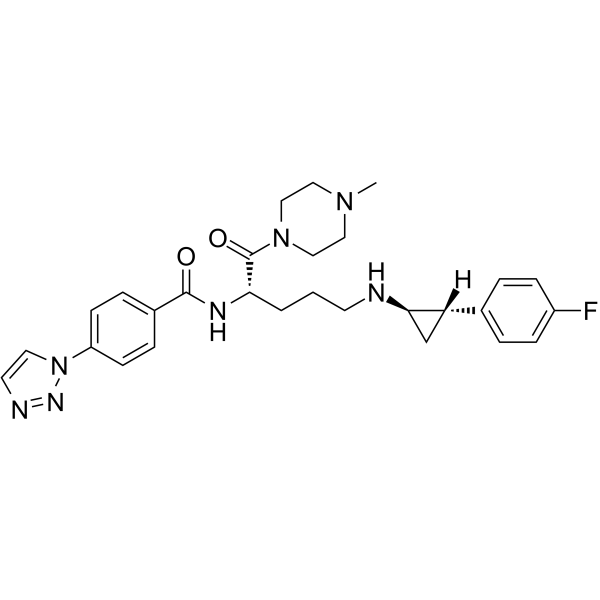
Bomedemstat (IMG-7289) is an orally active and irreversible lysine-specific demethylase 1 (LSD1) inhibitor. Bomedemstat can increase H3K4 and H3K9 methylation, and then alter gene expression. Bomedemstat shows anti-cancer activities, inhibits cancer cell proliferation and induces apoptosis .
|
-
-
- HY-124124
-
|
|
Endogenous Metabolite
Drug Metabolite
|
Cardiovascular Disease
Metabolic Disease
Cancer
|
|
N-Methylnicotinamide is an endogenous metabolite with antithrombotic effect. N-Methylnicotinamide via production/release of prostacyclin inhibits arterial thrombosis development. N-Methylnicotinamide is also the N-methylation product from nicotinamide catalyzed by N-methyltransferase within nicotinate and nicotinamide metabolism pathway .
|
-
-
- HY-W015114
-
|
(S)-2-Hydroxyglutaric acid disodium
|
Histone Demethylase
Mitochondrial Metabolism
Endogenous Metabolite
|
Cancer
|
|
L-2-Hydroxyglutaric acid disodium is an epigenetic modifier and putative oncometabolite in renal cancer. L-2-Hydroxyglutaric acid disodium can inhibit histone demethylases and hence promote histone methylation . L-2-Hydroxyglutaric acid inhibits mitochondrial creatine kinase (Mi-CK) activity with Km and Ki of 2.52 mM and 11.13 mM, respectively .
|
-
-
- HY-173156
-
|
|
Histone Methyltransferase
|
Cancer
|
|
UNC10013 is an inhibitor targeting the triple Tudor domain (3TD) of SETDB1. UNC10013 covalently binds to Cys385 of SETDB1 3TD, acts as a negative allosteric modulator of the methyltransferase domain of SETDB1, reduces the level of Akt methylation mediated by SETDB1, and blocks Tyr308 phosphorylation of Akt. UNC10013 is applicable to cancer-related research .
|
-
-
- HY-N0353
-
|
(+)-Curdione
|
Ferroptosis
Apoptosis
Reactive Oxygen Species (ROS)
Autophagy
Glutathione Peroxidase
Keap1-Nrf2
Heme Oxygenase (HO)
TGF-β Receptor
Indoleamine 2,3-Dioxygenase (IDO)
|
Cardiovascular Disease
Neurological Disease
Cancer
|
|
Curdione ((+)-Curdione) is an orally active sesquiterpenoid. Curdione inhibits platelet aggregation. Curdione induces ferroptosis in colorectal cancer via m6A methylation mediated by METTL14 and YTHDF2. Curdione inhibits ferroptosis in Isoproterenol (HY-B0468)-induced myocardial infarction by regulating the Keap1/Trx1/GPX4 signaling pathway, suppressing oxidative stress (ROS) and apoptosis. Curdione ameliorates Doxorubicin (HY-15142)-induced cardiotoxicity by inhibiting oxidative stress (ROS) and activating the Nrf2/HO-1 pathway. Curdione ameliorates sepsis-induced lung injury by inhibiting platelet-mediated neutrophil extracellular trap formation. Curdione ameliorates Bleomycin (HY-17565A)-induced pulmonary fibrosis by inhibiting TGF-β-induced fibroblast-to-myofibroblast differentiation. Curdione exhibits neuroprotective effects against focal cerebral ischemia-reperfusion injury in rats. Curdione exerts antiproliferative effects against human uterine leiomyosarcoma by targeting IDO1. Curdione protects vascular endothelial cells and atherosclerosis by regulating DNMT1-mediated ERBB4 promoter methylation. Curdione inhibits inducible prostaglandin E2 production (IC50 = 1.1 μM) and cyclooxygenase 2 expression .
|
-
-
- HY-19980A
-
PRIMA-1
2 Publications Verification
NSC-281668
|
Autophagy
MDM-2/p53
Ferroptosis
Apoptosis
|
Cancer
|
|
PRIMA-1 (NSC-281668) is a mutant p53 reactivator, restores the sensitivity of TP53 mutant-type thyroid cancer cells to the histone methylation inhibitor 3-Deazaneplanocin A.
|
-
-
- HY-178159
-
|
|
RNA MTase
|
Inflammation/Immunology
|
|
SA91-0178 is a METTL1 inhibitor. SA91-0178 inhibits m 7G methylation of RNA, reduces SARM1 stability, mitigates NAD + depletion and metabolic reprogramming in macrophages. SA91-0178 demonstrates excellent protective efficacy against multiple organ injury in cecal ligation and puncture (CLP)-induced and ischemia/reperfusion (I/R)-induced mice. SA91-0178 can be used for the study of systemic inflammatory diseases .
|
-
-
- HY-102047B
-
|
|
Histone Demethylase
|
Cancer
|
|
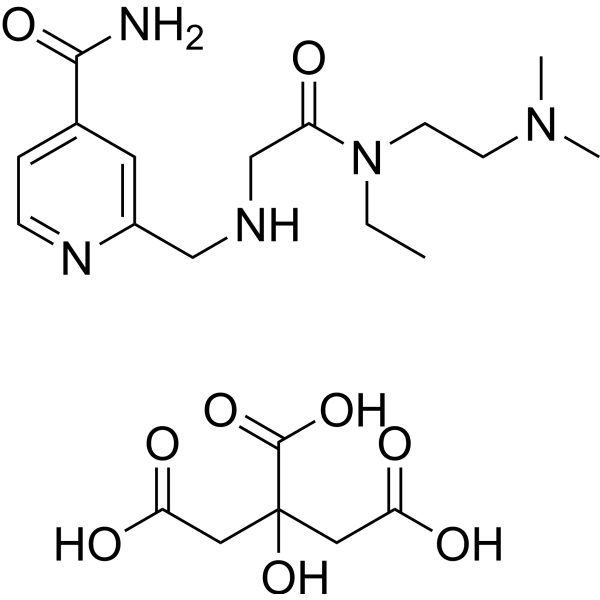
KDOAM-25 citrate is a potent and highly selective histone lysine demethylases 5 (KDM5) inhibitor with IC50s of 71 nM, 19 nM, 69 nM, 69 nM for KDM5A, KDM5B, KDM5C, KDM5D, respectively. KDOAM-25 citrate increases global H3K4 methylation at transcriptional start sites and impairs proliferation in multiple myeloma MM1S cells .
|
-
-
- HY-113039
-
|
(S)-2-Hydroxyglutaric acid
|
Histone Demethylase
Mitochondrial Metabolism
Endogenous Metabolite
|
Cancer
|
|
L-2-Hydroxyglutaric acid is an epigenetic modifier and putative oncometabolite in renal cancer. L-2-Hydroxyglutaric acid can inhibit histone demethylases and hence promote histone methylation . L-2-Hydroxyglutaric acid inhibits mitochondrial creatine kinase (Mi-CK) activity with Km and Ki of 2.52 mM and 11.13 mM, respectively .
|
-
-
- HY-112080
-
|
|
Histone Methyltransferase
|
Cancer
|
|
BAY-6035, a chemical probe, is a potent, selective and substrate-competitive inhibitor of SMYD3. BAY-6035 inhibits methylation of MEKK2 peptide with an IC50 of 88 nM .
|
-
-
- HY-157719
-
|
|
COMT
|
Others
|
|
S-Adenosylhomocysteine sulfoxide is an inhibitor of catechol-O-methyltransferase (COMT) with an IC50 value of 860 μM. S-Adenosylhomocysteine sulfoxide can be used in the research of methylation reaction modulators .
|
-
-
- HY-122635A
-
|
|
Histone Demethylase
|
Neurological Disease
|
|
T-448 is a specific, orally active, CNS-penetrant and irreversible inhibitor of lysine-specific demethylase 1 (LSD1, an H3K4 demethylase), with an IC50 of 22 nM. T-448 enhances H3K4 methylation in primary cultured rat neurons .
|
-
-
- HY-109169A
-
|
IMG-7289 ditosylate
|
Histone Demethylase
Apoptosis
|
Cancer
|
|
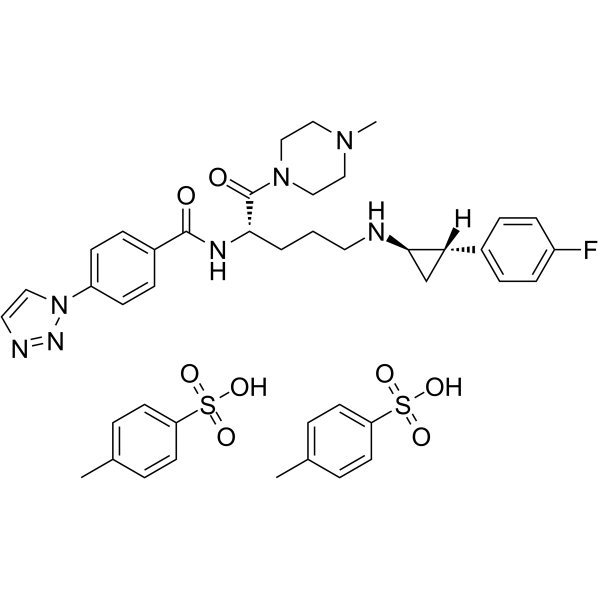
Bomedemstat (IMG-7289) ditosylate is an orally active and irreversible lysine-specific demethylase 1 (LSD1) inhibitor. Bomedemstat ditosylate can increase H3K4 and H3K9 methylation, and then alter gene expression. Bomedemstat ditosylate shows anti-cancer activities, inhibits cancer cell proliferation and induces apoptosis .
|
-
-
- HY-18684
-
|
5'-Isobutylthioadenosine; 5'-Deoxy-5'-isobutylthioadenosine
|
Nucleoside Antimetabolite/Analog
HSV
Parasite
|
Infection
Metabolic Disease
Cancer
|
|
SIBA (5'-Isobutylthioadenosine) is a transmethylation inhibitor (SAH (HY-19528) analogue), with potent anti-proliferative activity. SIBA reversibly inhibits the production of HSV-1 by blocking methylation, specifically by blocking the 5' end-capping of viral mRNA. SIBA also inhibits the growth of tumour cells in vitro and metastatic spread in vivo. SIBA can be used in cancer, HSV-1 infection and anti-malaria studies .
|
-
-
- HY-10586R
-
|
Azacitidine (Standard); 5-AzaC (Standard); Ladakamycin (Standard)
|
Organoid
Reference Standards
Nucleoside Antimetabolite/Analog
DNA Methyltransferase
Bacterial
Autophagy
Antibiotic
|
Infection
Cancer
|
|
5-Azacytidine (Standard) is the analytical standard of 5-Azacytidine. This product is intended for research and analytical applications. 5-Azacytidine (Azacitidine; 5-AzaC; Ladakamycin) is a nucleoside analogue of cytidine that specifically inhibits DNA methylation. 5-Azacytidine is incorporated into DNA to covalently trap DNA methyltransferases and contributes to reverse epigenetic changes . 5-Azacytidine induces cell autophagy .
|
-
-
- HY-P10387
-
RSM3
1 Publications Verification
|
METTL3
Apoptosis
MDM-2/p53
NF-κB
Caspase
|
Cancer
|
|
RSM3 is a METTL3-METTL14 complex inhibitor with a Kd of 3.10 μM for the METTL3-METTL14 complex. RSM3 reduces the m 6A modification level of SLC31A1 and the global RNA methylation level. RSM3 upregulates programmed cell death-related genes, enhances cell apoptosis, inhibits pro-cancer signals and suppresses tumor growth. RSM3 is applicable to the research of preeclampsia and cancer .
|
-
-
- HY-122182
-
|
|
Histone Methyltransferase
Apoptosis
|
Cancer
|
|
OTS193320, a imidazo[1,2-a]pyridine compound, is a SUV39H2 methyltransferase activity inhibitor. OTS193320 decreases global histone H3 lysine 9 tri-methylation levels in breast cancer cells and triggers apoptotic cell death. Combination of OTS193320 with Doxorubicin (HY-15142A) results in reduction of γ-H2AX levels as well as cancer cell viability compared to a single agent OTS193320 or DOX .
|
-
-
- HY-134828
-
AZ506
2 Publications Verification
|
Histone Methyltransferase
|
Cancer
|
|
AZ506 is a potent SMYD2 inhibitor with an IC50 of 17 nM. AZ506 inhibits SMYD2 methyltransferase activity in cells, leading to a decrease in the SMYD2-mediated methylation signal .
|
-
-
- HY-12759
-
|
|
Histone Methyltransferase
|
Cancer
|
|
CARM1-IN-1 (compound 7g) is a highly potent and selective inhibitor of CARM1 (IC50=8.6 μM, CARM1/PABP1), with low inhibitory activity against PRMT1 and SET7 (IC50 >667 μM). CARM1-IN-1 inhibits the methylation activity of CARM1 and the methylation levels of different substrates, such as PABP1, CA150, SmB, and H3. CARM1-IN-1 also inhibits the promoter activity of prostate-specific antigen (PSA) without significant cytotoxicity .
|
-
-
- HY-12759A
-
|
|
Histone Methyltransferase
|
Cancer
|
|
CARM1-IN-1 (compound 7g) hydrochloride is a highly potent and selective inhibitor of CARM1 (IC50=8.6 μM, CARM1/PABP1), with low inhibitory activity against PRMT1 and SET7 (IC50 >667 μM). CARM1-IN-1 hydrochloride inhibits the methylation activity of CARM1 and the methylation levels of different substrates, such as PABP1, CA150, SmB, and H3. CARM1-IN-1 hydrochloride also inhibits the promoter activity of prostate-specific antigen (PSA) without significant cytotoxicity .
|
-
-
- HY-111086
-
|
GSK1733953A
|
Bacterial
|
Infection
|
|
DG70 (GSK1733953A), a biphenyl amide, is a respiration inhibitor in Mycobacterium tuberculosis, inhibits MenG activity with an IC50 value of 2.6 ± 0.6 μM. DG70 inhibits the catalytic methylation of Mycobacterium tuberculosis demethylmenaquinone methyltransferase enzymes. DG70 can be used for Tuberculosis (TB) research .
|
-
-
- HY-109169B
-
|
IMG-7289 hydrochloride
|
Histone Demethylase
Apoptosis
|
Cancer
|
|
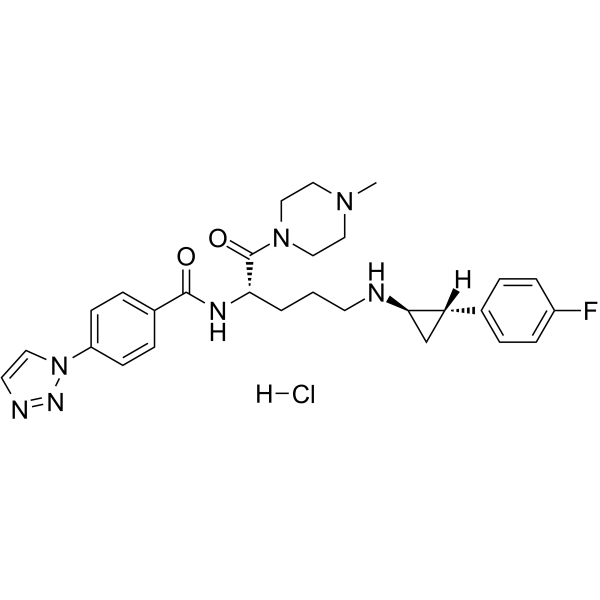
Bomedemstat (IMG-7289) hydrochloride is an orally active and irreversible lysine-specific demethylase 1 (LSD1) inhibitor. Bomedemstat hydrochloride can increase H3K4 and H3K9 methylation, and then alter gene expression. Bomedemstat hydrochloride shows anti-cancer activities, inhibits cancer cell proliferation and induces apoptosis .
|
-
-
- HY-139664A
-
|
|
DNA Methyltransferase
|
Cancer
|
|
(R)-GSK-3685032 is the R-enantiomer of GSK-3685032. GSK-3685032 is a non-time-dependent, noncovalently, first-in-class reversible DNMT1-selective inhibitor, with an IC50 of 0.036 μM. GSK-3685032 induces robust loss of DNA methylation, transcriptional activation, and cancer cell growth inhibition .
|
-
-
- HY-124124S
-
|
|
Isotope-Labeled Compounds
Endogenous Metabolite
Drug Derivative
|
Cardiovascular Disease
Metabolic Disease
Cancer
|
|
N-Methylnicotinamide-d4 is the deuterium labeled N-Methylnicotinamide (HY-124124). N-Methylnicotinamide is an endogenous metabolite with antithrombotic effect. N-Methylnicotinamide via production/release of prostacyclin inhibits arterial thrombosis development. N-Methylnicotinamide is also the N-methylation product from nicotinamide catalyzed by N-methyltransferase within nicotinate and nicotinamide metabolism pathway.
|
-
-
- HY-W004883
-
|
5A-DMP
|
E1/E2/E3 Enzyme
DNA/RNA Synthesis
|
Cancer
|
|
3-Amino-4,6-dimethylpyridine (5A-DMP) is a UHRF1 inhibitor that targets the Arg-binding cavity site within the UHRF1 TTD domain. 3-Amino-4,6-dimethylpyridine disrupts the interaction between UHRF1 and LIG1, interfering with DNA methylation, and can be utilized in cancer research .
|
-
-
- HY-124131
-
DS-437
1 Publications Verification
|
Histone Methyltransferase
|
Inflammation/Immunology
Cancer
|
|
DS-437 is a dual PRMT5/7 inhibitor (IC50s of PRMT5/7=6 μM). DS-437 is selective for PRMT5 and PRMT7 over 29 other human protein-, DNA-, and RNA-methyltransferases. DS-437 is a S-adenosylmethionine (SAM)-competitive inhibitor of PRMT5. DS-437 also inhibits DNMT3A and DNMT3B, with IC50s of 52 and 62 μM, respectively. DS-437 inhibits the methylation of FOXP3 .
|
-
-
- HY-Q36691
-
|
|
Histone Methyltransferase
|
Cancer
|
|
PRMT5-IN-30 (compound 17) is a potent and selective protein arginine methyltransferase 5 (PRMT5) inhibitor with an IC50 of 0.33 μM and a Kd of 0.987 μM. PRMT5-IN-30 exhibits a broad selectivity against a panel of other methyltransferases. PRMT5-IN-30 inhibits PRMT5 mediated SmD3 methylation .
|
-
-
- HY-121095
-
|
|
Histone Demethylase
|
Neurological Disease
Cancer
|
|
Bizine, a Phenelzine analogue, is a potent and selective LSD1 inhibitor, with a b>Ki of 59 nM. Bizine can modulate bulk histone methylation in cancer cells. Bizine shows neuroprotective effects .
|
-
-
- HY-102047
-
|
|
Histone Demethylase
|
Cancer
|
|
KDOAM-25 is a potent and highly selective histone lysine demethylases 5 (KDM5) inhibitor with IC50s of 71 nM, 19 nM, 69 nM, 69 nM for KDM5A, KDM5B, KDM5C, KDM5D, respectively. KDOAM-25 increases global H3K4 methylation at transcriptional start sites and impairs proliferation in multiple myeloma MM1S cells .
|
-
-
- HY-151229
-
|
DETC-Me; DDTC-Me; Diethyldithiocarbamic acid methyl ester
|
Aldehyde Dehydrogenase (ALDH)
|
Metabolic Disease
|
|
S-Methyl-N,N-diethylthiolcarbamate (DETC-Me; DDTC-Me) is the active metabolite of the aldehyde dehydrogenase inhibitor disulfiram (HY-B0240). It is produced by the methylation of the disulfiram metabolite diethyldithiocarbamate in mouse liver microsomes. S-Methyl-N,N-diethylthiolcarbamate (DETC-Me; DDTC-Me) inhibits rat liver low Km aldehyde dehydrogenase (ALDH) (ID50=15.5 mg/kg). When administered at a dose of 20.6 mg/kg, it decreases mean arterial pressure (MAP) and increases heart rate in rats during ethanol stimulation.
|
-
-
- HY-106689
-
-
-
- HY-109169C
-
|
IMG-7289 dihydrochloride
|
Histone Demethylase
Apoptosis
|
Cancer
|
|
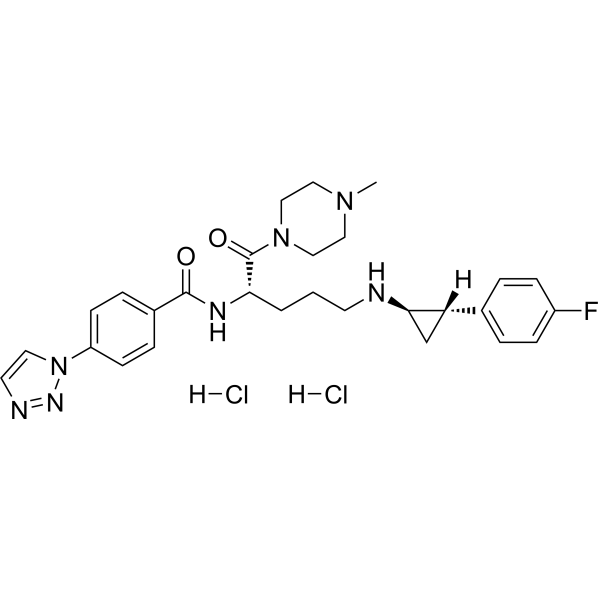
Bomedemstat (IMG-7289) dihydrochloride is an orally active and irreversible lysine-specific demethylase 1 (LSD1) inhibitor. Bomedemstat dihydrochloride can increase H3K4 and H3K9 methylation, and then alter gene expression. Bomedemstat dihydrochloride shows anti-cancer activities, inhibits cancer cell proliferation and induces apoptosis .
|
-
-
- HY-W012426
-
|
MDBP
|
Biochemical Assay Reagents
|
Neurological Disease
|
|
1-Piperonylpiperazine (MDBP) is metabolized by demethylenation and subsequent methylation to N-(4-hydroxy-3-methoxybenzyl)piperazine followedby partial glucuronidation or sulfation. 1-Piperonylpiperazine can alter the disposition and metabolism of 3,4-methylenedioxymethamphetamine (MDMA) in the brain and in peripheral organs. 1-Piperonylpiperazine can inhibit the MDMA-induced neurotoxicity .
|
-
-
- HY-P10387A
-
|
|
METTL3
Apoptosis
|
Cancer
|
|
RSM3 TFA is a METTL3-METTL14 complex inhibitor with a Kd of 3.10 μM for the METTL3-METTL14 complex. RSM3 TFA reduces the m 6A modification level of SLC31A1 and the global RNA methylation level. RSM3 TFA upregulates programmed cell death-related genes, enhances cell apoptosis, inhibits pro-cancer signals and suppresses tumor growth. RSM3 TFA is applicable to the research of preeclampsia and cancer .
|
-
-
- HY-W015114R
-
|
(S)-2-Hydroxyglutaric acid disodium (Standard)
|
Reference Standards
Histone Demethylase
Mitochondrial Metabolism
Endogenous Metabolite
|
Cancer
|
|
L-2-Hydroxyglutaric acid (disodium) (Standard) is the analytical standard of L-2-Hydroxyglutaric acid (disodium). This product is intended for research and analytical applications. L-2-Hydroxyglutaric acid disodium is an epigenetic modifier and putative oncometabolite in renal cancer. L-2-Hydroxyglutaric acid disodium can inhibit histone demethylases and hence promote histone methylation . L-2-Hydroxyglutaric acid inhibits mitochondrial creatine kinase (Mi-CK) activity with Km and Ki of 2.52 mM and 11.13 mM, respectively .
|
-
-
- HY-145654
-
|
|
Adenosine Kinase
|
Cancer
|
|
MRS-4203 is an ADK (IC50 = 88 nM) inhibitor. MRS-4203 can reduce DNA methylation. MRS-4203 is commonly used in cancer research .
|
-
-
- HY-W014004
-
|
CBHA
|
HDAC
Apoptosis
|
Others
Cancer
|
|
m-Carboxycinnamic acid bishydroxamide (CBHA) is a histone deacetylase inhibitor. m-Carboxycinnamic acid bishydroxamide modulates histone acetylation sites, alters DNA methylation and epigenetic status, increases global histone acetylation, alleviates transcription repression, and facilitates chromatin remodelling. m-Carboxycinnamic acid bishydroxamide can be used for the research of cloned embryo development and epigenetic regulation .
|
-
-
- HY-136522
-
|
|
Histone Demethylase
Apoptosis
|
Cancer
|
|
S2116, a N-alkylated tranylcypromine (TCP) derivative, is a potent lysine-specific demethylase 1 (LSD1) inhibitor. S2116 increases H3K9 methylation and reciprocal H3K27 deacetylation at super-enhancer regions. S2116 induces apoptosis in TCP-resistant T-cell acute lymphoblastic leukemia (T-ALL) cells by repressing transcription of the NOTCH3 and TAL1 genes. S2116 significantly retardes the growth of T-ALL cells in xenotransplanted mice .
|
-
-
- HY-164144
-
|
|
Histone Methyltransferase
|
Cancer
|
|
EPZ033294 is an inhibitor of SYMD2 (IC50 is 3.9 nM). SYMD2 itself has catalytic activity and can methylate the lysine residue of BTF3 to BTF3me1, which was experimentally demonstrated by detecting an IC50 of 2.9 nM for inhibition of BTF3ME1 by SYMD2, indicating an active inhibition of SYMD2 by EPZ033294. EPZ033294 (0-50 µM) has an inhibitory effect on SYMD2 and a concentration-dependent inhibitory effect in 293T .
|
-
- HY-154839
-
|
|
c-Myc
|
Cancer
|
|
c-Myc inhibitor 10 (compound 17), a c-Myc inhibitor, exhibits increased cellular potency, consistent with an increase in permeability with methylation of the morpholine nitrogen .
|
-
- HY-111589
-
|
|
Histone Methyltransferase
|
Cancer
|
|
EPZ-4777 is a selective DOT1L inhibitor which inhibits H3K79 methylation in cancer cells, blocks the expression of leukemogenic genes, and selectively kills cells that contain the translocation. EPZ-4777 can be used for cancer research .
|
-
- HY-116971
-
|
|
Histone Methyltransferase
Apoptosis
|
Cancer
|
|
DCG066 is an inhibitor of lysine methyltransferase G9a. DCG066 can bind directly to G9a and inhibit methyltransferase activity in vitro. DCG066 decreases di-methylation levels of histone H3 lysine 9 (H3K9Me2), inhibits cell proliferation and induces cell apoptosis. DCG066 displays low cytotoxicity in leukemia cell lines with high levels of G9a expression, including K562 .
|
-
- HY-13599R
-
|
2-Chloro-2′-deoxyadenosine (Standard); CldAdo (Standard); 2CdA (Standard)
|
Reference Standards
Adenosine Deaminase
Apoptosis
|
Cardiovascular Disease
Cancer
|
|
Cladribine (Standard) is the analytical standard of Cladribine. This product is intended for research and analytical applications. Cladribine (2-Chloro-2′-deoxyadenosine), a purine nucleoside analog, is an orally active adenosine deaminase inhibitor. Cladribine functions as an inhibitor of DNA synthesis to block the repair of the damaged DNA. Cladribine can inhibit DNA methylation. Cladribine has anti-lymphoma activity. Cladribine can be used for the research of several hematologic malignancies and multiple sclerosis .
|
-
- HY-139664B
-
|
|
DNA Methyltransferase
|
Cancer
|
|
(S)-GSK-3685032 is the isomer of GSK-3685032 (HY-139664), and can be used as an experimental control. GSK-3685032 is a non-time-dependent, noncovalently, first-in-class reversible DNMT1-selective inhibitor, with an IC50 of 0.036 μM. GSK-3685032 induces robust loss of DNA methylation, transcriptional activation, and cancer cell growth inhibition .
|
-
- HY-W653970
-
-
- HY-161334
-
|
|
Histone Methyltransferase
Apoptosis
|
Cancer
|
|
CARM1-IN-4 (compound 11f) is a potent CARM1 inhibitor with IC50s of 9 nM and 56 nM for CARM1 and PRMT1, respectively. CARM1-IN-4 displays significant anti-proliferative effects on colorectal cancer cell lines. CARM1-IN-4 effectively inhibits the methyltransferase activity of CARM1 and prevents methylation of downstream proteins. CARM1-IN-4 induces apoptosis and shows antitumor activity .
|
-
- HY-102047A
-
|
|
Histone Demethylase
|
Cancer
|
|
KDOAM-25 trihydrochloride is a potent and highly selective histone lysine demethylases 5 (KDM5) inhibitor with IC50s of 71 nM, 19 nM, 69 nM, 69 nM for KDM5A, KDM5B, KDM5C, KDM5D, respectively. KDOAM-25 trihydrochloride increases global H3K4 methylation at transcriptional start sites and impairs proliferation in multiple myeloma MM1S cells .
|
-
- HY-156153
-
|
|
Histone Methyltransferase
|
Cancer
|
|
PROTAC CARM1 degrader-2 (compound 3e) is a degrader (DC50=8.8 nM) of co-activator associated argininemethyltransferase (CARM1). PROTAC CARM1 degrader-2 degrades CARM1 in a VHL- and proteasome-dependent manner. Thus, PROTAC CARM1 degrader-2 inhibits methylation of CARM1 substrates such as poly(A)-binding protein PABP1 and BGR1-associated factor BAF155 and inhibits breast cancer cell migration .
|
-
- HY-146033
-
|
|
HPV
|
Cancer
|
|
HPV18-IN-1 (Compound H1) is a potent inhibitor of HPV18. HPV18-IN-1 prevents cervical cancer cells from premature cell procession and abnormal proliferation. HPV18-IN-1 supresses E7-Rb-E2F cellular pathway and DNA methylation. HPV18-IN-1 has the potential for the research of cancer diseases .
|
-
- HY-123577
-
|
|
Histone Demethylase
Apoptosis
|
Cancer
|
|
TPC-144 is a LSD1/KDM1A inhibitor. TPC-144 inhibits LSD1, and leads to a decrease in the protein level of DNMT1, causing low methylation of the LINE-1 element. TPC-144 can also produce a synergistic effect with Decitabine (HY-A0004) (a DNMT inhibitor), jointly promoting DNA demethylation and thereby inducing differentiation and apoptosis of leukemia cells. TPC-144 has also demonstrated anti-tumor efficacy in acute myeloid leukemia (AML) models. TPC-144 can be used for the study of AML .
|
-
- HY-174908
-
|
|
Histone Methyltransferase
11β-HSD
Androgen Receptor
|
Cancer
|
|
SJL2-1 is a PRMT5 inhibitor, with an IC50 of 1.56 μM. SJL2-1 suppresses proliferation, migration, and invasion in prostate cancer cells. SJL2-1 promotes apoptosis and blocks the cell cycle at the G0/G1 phase. SJL2-1 can target the binding of PRMT5 in cells and inhibit the methylation and expression of the androgen receptor. SJL2-1 can be used for the study of early androgen-sensitive prostate cancer and advanced castration-resistant prostate cancer (CRPC) .
|
-
- HY-149730
-
|
|
ICMT
|
Cancer
|
|
ICMT-IN-54 (compound 7c) is an adamantyl analogue and an ICMT inhibitor (IC50=12.4 μM), which can inhibit ICMT Methylation. ICMT-in-54 inhibits BFC (N-biotinyl-(6-aminohexanoic)-S-farnesyl-L-cysteine) methylation in saccharomyces cerevisiae expressing ICMT, which is an indirect effect of inhibiting ICMT methylation .
|
-
- HY-171132
-
|
|
Histone Methyltransferase
|
|
|
PRMT3-IN-5 (Compound 14) is an allosteric PRMT3 inhibitor (IC50: 291 nM). PRMT3-IN-5 can be used for investigating PRMT3's biological functions and disease associations .
|
-
- HY-W013500
-
|
alpha-Nitrostilbene; α-Nitrostilbene; NSC 385
|
Histone Methyltransferase
|
Others
|
|
(1-Nitroethene-1,2-diyl)dibenzene (alpha-Nitrostilbene; α-Nitrostilbene) is an inhibitor of protein arginine methyltransferase 1 (PRMT1; IC50=11 μM in histone H4 methylation assay). It also inhibits histone H4 methylation by PRMT8, but not histone H3.1 methylation by CARM1 or Set7/9, at concentrations of 10 and 100 μM.
|
-
- HY-104009
-
|
|
Histone Methyltransferase
|
Cancer
|
|
GSK2807 is a potent and selective SAM-competitive inhibitor of SMYD3, exhibiting a Ki value of 14 nM, and it may be useful for cancer treatment by preventing the methylation of MEKK2.
|
-
- HY-W242821
-
|
|
Fungal
|
Cancer
|
|
Methyl 3,4-dimethoxycinnamate is an inhibitor of uredospore germination. Methyl 3,4-dimethoxycinnamate also inhibits global DNA methylation in in Hep3B cells .
|
-
- HY-121095A
-
|
|
Histone Demethylase
|
Neurological Disease
Cancer
|
|
Bizine dihydrochloride, a Phenelzine analogue, is a potent and selective LSD1 inhibitor, with a b>Ki of 59 nM. Bizine dihydrochloride can modulate bulk histone methylation in cancer cells. Bizine dihydrochloride shows neuroprotective effects .
|
-
- HY-106689A
-
-
- HY-112080A
-
|
|
Histone Methyltransferase
|
Others
|
|
(R)-BAY-6035 is a novel inhibitor that selectively targets the methylation of MAP3K2 by SMYD3, demonstrating nanomolar potency and specificity against kinases and other protein lysine methyltransferases.
|
-
- HY-168143
-
|
|
Histone Methyltransferase
|
Cancer
|
|
YD1342 is a prodrug of YD1130, which exhibits potent inhibitory effects on cellular substrate methylation, breast cancer cell clonogenicity, and tumor growth in animal models, exceeding or matching known PRMT4-specific inhibitors. .
|
-
- HY-10587A
-
|
|
Histone Methyltransferase
Apoptosis
Autophagy
|
Cancer
|
|
BIX-01294 hydrochloride hydrate is a histone-lysine methyltransferase (HMTase) inhibitor, which selective inhibits the G9aHMTase with IC50 of 1.7 μM, reduces histone-3 lysine (9) methylation (H3K9me), induces autophagy and apoptosis in human glioma cells .
|
-
- HY-P10028
-
|
|
Fluorescent Dye
|
Cancer
|
|
HCT116 is a peptidomimetic inhibitor of N-terminal methyltransferase 1/2 (NTMT1/2) with an IC50 of 54 nM. HCT116 can inhibit the N-terminal methylation level of NTMT1/2 substrates in HCT116 cells, and is used for the study of NTMT1/2 probes.
|
-
- HY-170523
-
|
|
SARS-CoV
DNA Methyltransferase
|
Infection
|
|
RU-0415529 is an orally active inhibitor for SARS-CoV-2 nonstructural protein 14 (NSP14) with an IC50 of 356 nM. RU-0415529 binds to the SAH-stabilized cap binding pocket, inhibits viral RNA methylation and the viral replication. RU-0415529 exhibits anti-infectious activity in mouse models .
|
-
- HY-122635
-
|
|
Histone Demethylase
|
Neurological Disease
|
|
T-448 free base is a specific, orally active, CNS-penetrant and irreversible inhibitor of lysine-specific demethylase 1 (LSD1, an H3K4 demethylase), with an IC50 of 22 nM. T-448 free base enhances H3K4 methylation in primary cultured rat neurons .
|
-
- HY-124124R
-
|
|
Reference Standards
Endogenous Metabolite
Drug Metabolite
|
Cardiovascular Disease
Metabolic Disease
Cancer
|
|
N-Methylnicotinamide (Standard) is the analytical standard of N-Methylnicotinamide (HY-124124). This product is intended for research and analytical applications. N-Methylnicotinamide is an endogenous metabolite with antithrombotic effect. N-Methylnicotinamide via production/release of prostacyclin inhibits arterial thrombosis development. N-Methylnicotinamide is also the N-methylation product from nicotinamide catalyzed by N-methyltransferase within nicotinate and nicotinamide metabolism pathway.
|
-
- HY-117540
-
|
|
Histone Methyltransferase
|
Cancer
|
|
ZLD10A is a highly potent and selective EZH2 inhibitor with the activity of inhibiting H3K27 methylation. ZLD10A can inhibit wild-type and mutant EZH2 with nanomolar potency and has more than 1000-fold selectivity for the other 10 histone methyltransferases. ZLD10A inhibited cell proliferation of DLBCL cell lines in a concentration- and time-dependent manner, showing a potential antiproliferative effect. ZLD10A can be used in the study of EZH2 mutant lymphomas .
|
-
- HY-13599S2
-
|
2-Chloro-2′-deoxyadenosine-15N; Cldado-15N; 2Cda-15N
|
Isotope-Labeled Compounds
Apoptosis
Adenosine Deaminase
|
Cardiovascular Disease
Cancer
|
|
Cladribine- 15N (2-Chloro-2′-deoxyadenosine- 15N) is 15N labeled Cladribine. Cladribine (2-Chloro-2′-deoxyadenosine), a purine nucleoside analog, is an orally active adenosine deaminase inhibitor. Cladribine functions as an inhibitor of DNA synthesis to block the repair of the damaged DNA. Cladribine can inhibit DNA methylation. Cladribine has anti-lymphoma activity. Cladribine can be used for the research of several hematologic malignancies and multiple sclerosis .
|
-
- HY-13599S
-
|
2-Chloro-2′-deoxyadenosine-d4; CldAdo-d4; 2CdA-d4
|
Isotope-Labeled Compounds
|
Cardiovascular Disease
Cancer
|
|
Cladribine-d4 (2-Chloro-2′-deoxyadenosine-d4) is deuterium labeled Cladribine. Cladribine (2-Chloro-2′-deoxyadenosine), a purine nucleoside analog, is an orally active adenosine deaminase inhibitor. Cladribine functions as an inhibitor of DNA synthesis to block the repair of the damaged DNA. Cladribine can inhibit DNA methylation. Cladribine has anti-lymphoma activity. Cladribine can be used for the research of several hematologic malignancies and multiple sclerosis .
|
-
- HY-128717C
-
|
EPZ019997 hydrochloride
|
Histone Methyltransferase
|
Cancer
|
|
GSK3368715 (EPZ019997) hydrochloride is an orally active, reversible, SAM-noncompetitive type I protein arginine methyltransferase (PRMT) inhibitor with IC50 values of 3.1 nM (PRMT1), 48 nM (PRMT3), 1148 nM (PRMT4), 5.7 nM (PRMT6), and 1.7 nM (PRMT8). GSK3368715 hydrochloride induces a shift in arginine methylation states, alters exon usage, and exhibits potent anticancer activity .
|
-
- HY-P10570
-
|
|
Histone Methyltransferase
|
Cancer
|
|
[Nle20] H4 peptide (16−23) is a peptide with strong inhibitory activity against histone methyltransferase SETD8 (Kd=0.14 μM), which inhibits SETD8's methylation of histone H4 by competing with SETD8's substrate binding site. [Nle20] H4 peptide (16−23) can be used as a lead compound for anticancer therapy .
|
-
- HY-153421
-
|
|
Histone Methyltransferase
|
Cancer
|
|
PRMT5-IN-28 (compound 36) is an inhibitor of protein arginine methyltransferase 5 (PRMT5) enzyme. Protein arginine methylation is a common post-translational modification involved in gene transcription, mRNA splicing, DNA repair, protein cellular localization, cell fate determination and signal transduction, etc. Abnormal PRMT5 can promote cancer cell proliferation, resist apoptosis, enhance invasion and metastasis, and affect immune escape .
|
-
- HY-172732
-
|
|
Histone Methyltransferase
|
Cancer
|
|
PRMT5-IN-50 is an orally active and selective inhibitor of PRMT5. PRMT5-IN-50 has good metabolic stability and low clearance rate in human liver microsomes. PRMT5-IN-50 inhibits SDMA/HCT116-MTAPdel and SDMA/HCT116-MTAPwt with IC50s value of 1.0, 536 nM for arginine symmetric methylation, 19, 1620 nM for anti-proliferation, respectively. PRMT5-IN-50 inhibits tumor growth in mice .
|
-
- HY-144725
-
|
|
HDAC
Apoptosis
|
Cancer
|
|
HDAC1/6-IN-1 (compound D7) is a potent multitarget inhibitor of GLP, HDAC6 and HDAC1, with IC50 values of 1.3, 13, and 89 nM, respectively. HDAC1/6-IN-1 can inhibit the methylation and deacetylation of H3K9 on protein level. HDAC1/6-IN-1 induces cancer cell apoptosis, G0/G1 cell cycle arrest, and blocks migration and invasion .
|
-
- HY-128717B
-
|
EPZ019997 trihydrochloride
|
Histone Methyltransferase
|
Cancer
|
|
GSK3368715 trihydrochloride (EPZ019997) is an orally active, reversible, and S-adenosyl-L-methionine (SAM) uncompetitive type I protein arginine methyltransferases (PRMTs) inhibitor (IC50=3.1 nM (PRMT1), 48 nM (PRMT3), 1148 nM (PRMT4), 5.7 nM (PRMT6), 1.7 nM (PRMT8)). GSK3368715 trihydrochloride (EPZ019997) produces a shift in arginine methylation states, alters exon usage, and has strong anti-cancer activity .
|
-
- HY-13599S1
-
|
2-Chloro-2′-deoxyadenosine-13C5,15N2; CldAdo-13C5,15N2; 2CdA-13C5,15N2
|
Isotope-Labeled Compounds
|
Cardiovascular Disease
Cancer
|
|
Cladribine- 13C5, 15N2 (2-Chloro-2′-deoxyadenosine- 13C5, 15N2) is 13C and 15N labeled Cladribine. Cladribine (2-Chloro-2′-deoxyadenosine), a purine nucleoside analog, is an orally active adenosine deaminase inhibitor. Cladribine functions as an inhibitor of DNA synthesis to block the repair of the damaged DNA. Cladribine can inhibit DNA methylation. Cladribine has anti-lymphoma activity. Cladribine can be used for the research of several hematologic malignancies and multiple sclerosis .
|
-
- HY-N0353R
-
|
(+)-Curdione (Standard)
|
Reference Standards
Ferroptosis
Apoptosis
Reactive Oxygen Species (ROS)
Autophagy
Glutathione Peroxidase
Keap1-Nrf2
Heme Oxygenase (HO)
TGF-β Receptor
Indoleamine 2,3-Dioxygenase (IDO)
|
Others
|
|
Curdione (Standard) is the analytical standard of Curdione. This product is intended for research and analytical applications. Curdione ((+)-Curdione) is an orally active sesquiterpenoid. Curdione inhibits platelet aggregation. Curdione induces ferroptosis in colorectal cancer via m6A methylation mediated by METTL14 and YTHDF2. Curdione inhibits ferroptosis in Isoproterenol (HY-B0468)-induced myocardial infarction by regulating the Keap1/Trx1/GPX4 signaling pathway, suppressing oxidative stress (ROS) and apoptosis. Curdione ameliorates Doxorubicin (HY-15142)-induced cardiotoxicity by inhibiting oxidative stress (ROS) and activating the Nrf2/HO-1 pathway. Curdione ameliorates sepsis-induced lung injury by inhibiting platelet-mediated neutrophil extracellular trap formation. Curdione ameliorates Bleomycin (HY-17565A)-induced pulmonary fibrosis by inhibiting TGF-β-induced fibroblast-to-myofibroblast differentiation. Curdione exhibits neuroprotective effects against focal cerebral ischemia-reperfusion injury in rats. Curdione exerts antiproliferative effects against human uterine leiomyosarcoma by targeting IDO1. Curdione protects vascular endothelial cells and atherosclerosis by regulating DNMT1-mediated ERBB4 promoter methylation. Curdione inhibits inducible prostaglandin E2 production (IC50 = 1.1 μM) and cyclooxygenase 2 expression .
|
-
- HY-133567
-
-
- HY-178102
-
|
|
Drug Derivative
|
Cancer
|
|
SKLB-0266 is the negative control of SKLB-0124 (HY-178114) (a PRMT6 inhibitor). SKLB-0266 after undergoing methylation modification completely loses its inhibitory activity against PRMT6 .
|
-
- HY-176822
-
|
|
Epigenetic Reader Domain
|
Others
|
|
SGC-BRDVIII-NC (Compound 35) is a negative control compound of SMARCA2/4 and PB1 bromodomain (BRD) inhibitor. SGC-BRDVIII-NC completely abolishes protein-ligand binding capacity with the methylation of the phenolic hydroxyl moiety. SGC-BRDVIII-NC can be used for adipogenesis research .
|
-
- HY-101938R
-
|
Adenosyl-Ornithine (Standard); A-9145 (Standard); Antibiotic 32232RP (Standard)
|
Reference Standards
Histone Methyltransferase
Fungal
Antibiotic
Parasite
|
Infection
Inflammation/Immunology
|
|
Sinefungin (Standard) is the analytical standard of Sinefungin (HY-101938). This product is intended for research and analytical applications. Sinefungin is a potent inhibitor of virion mRNA(guanine-7-)-methyltransferase, mRNA(nucleoside-2'-)-methyltransferase, and viral multiplication . Sinefungin, a SET7/9 inhibitor, ameliorates renal fibrosis by inhibiting H3K4 methylation .
|
-
- HY-N19725
-
|
|
Interleukin Related
|
Metabolic Disease
|
|
Calonysterone is an orally effective IL-6 inhibitor. Calonysterone reduces the level of the proinflammatory cytokine IL-6. Calonysterone prevents diet-induced obesity. Calonysterone normalizes abnormal plasma adiponectin and leptin concentrations. Calonysterone increases the percentage of total DNA methylation. Calonysterone enhances antioxidant activity. Calonysterone is applicable to obesity-related research .
|
-
- HY-12970B
-
|
|
Histone Methyltransferase
Reactive Oxygen Species (ROS)
Apoptosis
|
Neurological Disease
Cancer
|
|
EPZ020411 dihydrochloride is a selective, blood-brain barrier-permeable PRMT6 inhibitor with an IC50 of 0.010 μM. EPZ020411 dihydrochloride blocks PRMT6-mediated histone H3R2 methylation, reduces ROS production, and inhibits Apoptosis. EPZ020411 dihydrochloride is applicable to research related to neuropathic pain, colorectal cancer, ototoxicity, hearing loss and glioblastoma .
|
-
- HY-179650
-
|
|
Histone Methyltransferase
Apoptosis
|
Cancer
|
|
NSD2-PWWP1-IN-5 (Compound 13) is an effective NSD2-PWWP1 inhibitor with a Kd value of 78 nM. NSD2-PWWP1-IN-5 competitively blocks the recognition of H3K36me2 and DNA by NSD2-PWWP1, thereby weakening its binding ability to nucleosomes. NSD2-PWWP1-IN-5 inhibits the proliferation of U2OS osteosarcoma cells and induces cell cycle arrest and apoptosis. NSD2-PWWP1-IN-5 can be used for the study of osteosarcoma .
|
-
- HY-181787
-
|
|
PROTACs
Histone Methyltransferase
|
Cardiovascular Disease
|
|
DOT1L705 is a PROTAC degrader that targets DOT1L. DOT1L705 recruits the VHL E3 ubiquitin ligase to induce proteasomal degradation of DOT1L. DOT1L705 reduces the viability of leukemia cells. DOT1L705 inhibits H3K79 methylation. DOT1L705 can be used in studies related to MLL-rearranged leukemia .
|
-
- HY-182486
-
|
|
Histone Methyltransferase
|
Cancer
|
|
LEM-06 is an NSD2 inhibitor with a human IC50 of 890 μM and 0.8 mM. LEM-06 binds to the histone-tail binding groove of NSD2-SET, inhibiting NSD2-mediated H3K36 histone methyltransferase activity and H3K36 mono-methylation. LEM-06 serves as a hit molecule for further optimization or derivation to explore NSD2 biology. LEM-06 can be used for the research of multiple myeloma .
|
-
- HY-115619
-
|
|
Histone Methyltransferase
Apoptosis
|
Cancer
|
|
EPZ004777 formate is an effective and selective DOT1L inhibitor, with IC50 being 0.4 nM. EPZ004777 formate reduces the levels of H3K79me2 and H3K79me1, significantly down-regulating the expression of HOXA9 and MEIS1. EPZ004777 formate selectively inhibits the proliferation of MLL rearrangement cells and promotes the differentiation and subsequent apoptosis (apoptosis) of leukemia cells. EPZ004777 formate can be used for the study of leukemia .
|
-
- HY-181975
-
|
|
Notch
|
Cancer
|
|
ATOX1-IN-1 is an inhibitor of ATOX1 (a copper chaperone protein) with a Kd value of 12.5 μM. ATOX1-IN-1 induces intracellular copper accumulation, increases the level of DNA methylation in the NOTCH1 promoter region, and inhibits the NOTCH1/HES1 signaling pathway. ATOX1-IN-1 enhances the sensitivity of hepatocellular carcinoma cells to Cisplatin (HY-17394). ATOX1-IN-1 can be used in hepatocellular carcinoma-related research .
|
-
- HY-181781
-
|
|
Histone Demethylase
CD44
Apoptosis
|
Cancer
|
|
LSD1-IN-48 is a tranylcypromine-pyrimidine derivative and selective LSD1 inhibitor with a human IC50 of 7.87 nM. LSD1-IN-48 increases H3K4me1/2 histone methylation levels. LSD1-IN-48 induces apoptosis, upregulates CD86, downregulates SOX2 and CD44, inhibits proliferation in cancer cells. LSD1-IN-48 can be used for the research of acute myeloid leukemia .
|
-
- HY-13642G
-
|
|
DNA Methyltransferase
|
Cancer
|
|
RG108 (GMP) is RG108 (HY-13642) produced by using GMP guidelines. GMP small molecules works appropriately as an auxiliary reagent for cell therapy manufacture. RG108 (N-Phthalyl-L-tryptophan) is a non-nucleoside DNA methyltransferases (DNMTs) inhibitor (IC50=115 nM) that blocks the DNMTs active site. RG108 (N-Phthalyl-L-tryptophan) causes demethylation and reactivation of tumor suppressor genes, but it does not affect the methylation of centromeric satellite sequences .
|
-
- HY-176702
-
|
|
Histone Methyltransferase
|
Cancer
|
|
PRMT5-MTA-IN-5 (Compound 7) is an orally active, irreversible PRMT5-MTA complex (PRMT5•MTA) inhibitor (IC50=1.15 nM). PRMT5-MTA-IN-5 blocks arginine methylation and inhibits ribosomal RNA processing and cell cycle-related protein expression. PRMT5-MTA-IN-5 potently inhibits proliferation in MTAP-deficient tumor cells. PRMT5-MTA-IN-5 is promising for research of MTAP-deficient solid tumors, such as liver, breast, and pancreatic cancers .
|
-
- HY-156152
-
|
|
PROTACs
Histone Methyltransferase
|
Cancer
|
|
CARM1 degrader-1 is a CARM1 PROTAC degrader (DC50 = 8.1 nM) with high selectivity over other protein arginine methyltransferases. CARM1 degrader-1 degrades CARM1 in a VHL- and proteasome-dependent manner. CARM1 degrader-1 downregulates the methylation level of CARM1 substrates in cell-based assays. CARM1 degrader-1 inhibits cancer cell migration in cell-based assays. CARM1 degrader-1 can be used for the research of breast cancer .
|
-
- HY-156152A
-
|
|
PROTACs
Histone Methyltransferase
|
Cancer
|
|
CARM1 degrader-1 hydrochloride is a CARM1 PROTAC degrader (DC50 = 8.1 nM) with high selectivity over other protein arginine methyltransferases. CARM1 degrader-1 hydrochloride degrades CARM1 in a VHL- and proteasome-dependent manner. CARM1 degrader-1 hydrochloride downregulates the methylation level of CARM1 substrates in cell-based assays. CARM1 degrader-1 hydrochloride inhibits cancer cell migration in cell-based assays. CARM1 degrader-1 hydrochloride can be used in breast cancer research .
|
-
- HY-B1455
-
|
|
Bacterial
Antibiotic
Parasite
|
Infection
Cancer
|
|
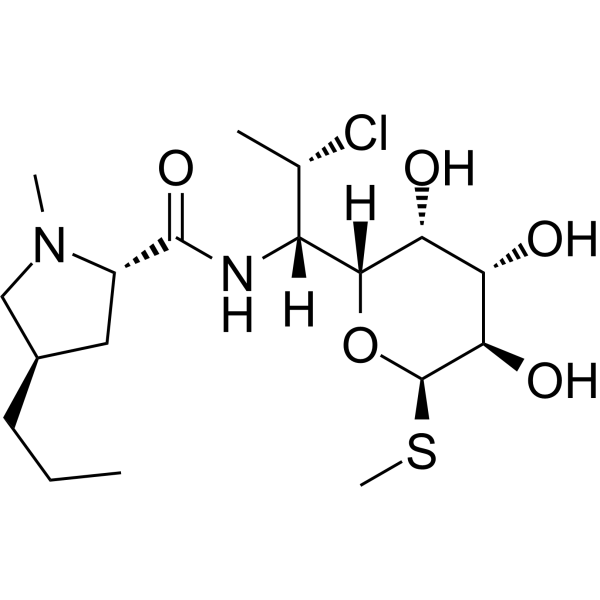
Clindamycin is an orally active and broad-spectrum bacteriostatic lincosamide antibiotic. Clindamycin can inhibit bacterial protein synthesis, possessing the ability to suppress the expression of virulence factors in Staphylococcus aureus at sub-inhibitory concentrations (sub-MICs). Clindamycin resistance results from enzymatic methylation of the antibiotic binding site in the 50S ribosomal subunit (23S rRNA). Clindamycin decreases the production of Panton-Valentine leucocidin (PVL), toxic-shock-staphylococcal toxin (TSST-1) or alpha-haemolysin (Hla). Clindamycin also can be used for researching malaria .
|
-
- HY-W744986
-
|
(2S)-2-Hydroxyglutaric acid-d5 disodium
|
Isotope-Labeled Compounds
Histone Demethylase
Mitochondrial Metabolism
Endogenous Metabolite
|
Cancer
|
|
L-2-Hydroxyglutaric acid-d5 disodium ((2S)-2-Hydroxyglutaric acid-d5 disodium) is the deuterium labeled L-2-Hydroxyglutaric acid disodium (HY-W015114). L-2-Hydroxyglutaric acid disodium is an epigenetic modifier and putative oncometabolite in renal cancer. L-2-Hydroxyglutaric acid disodium can inhibit histone demethylases and hence promote histone methylation . L-2-Hydroxyglutaric acid inhibits mitochondrial creatine kinase (Mi-CK) activity with Km and Ki of 2.52 mM and 11.13 mM, respectively .
|
-
- HY-173422
-
|
|
PROTACs
Histone Methyltransferase
|
Cancer
|
|
MS2133 is a DOT1L PROTAC degrader. MS2133 promotes ubiquitination and degradation of DOT1L in THP-1 and MV4-11 cells (DC50: 56 nM and 25 nM, respectively), and reduces H3K79 methylation. MS2133 inhibits the growth of MLL-r leukemia cells and has anticancer activity. (Pink: DOT1L ligand (HY-173423); Blue: E3 ligase VHL ligand (HY-47070); Black: Linker (HY-79577); E3 ligase VHL ligand-linker conjugate (HY-173424)) .
|
-
- HY-136523
-
|
|
Histone Demethylase
Apoptosis
|
Cancer
|
|
S2157, a N-alkylated tranylcypromine (TCP) derivative, is a potent lysine-specific demethylase 1 (LSD1) inhibitor. S2157 increases H3K9 methylation and reciprocal H3K27 deacetylation at super-enhancer regions. S2157 induces apoptosis in TCP-resistant T-cell acute lymphoblastic leukemia (T-ALL) cells by repressing transcription of the NOTCH3 and TAL1 genes. S2157 efficiently pass through the blood-brain barrier and can almost completely eradicate CNS leukemia in mice transplanted with T-ALL cells .
|
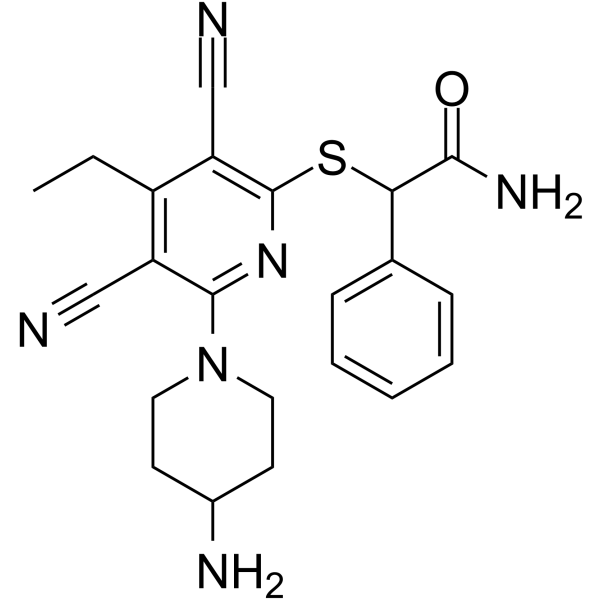
-
- HY-175988
-
|
|
DNA Methyltransferase
HDAC
|
Cancer
|
|
DNMT/HDAC-IN-2 (Compound Y7) is a DNMT and HDAC inhibitor with IC50 values for DNMT1, HDAC1, and HDAC6 of 365, 0.2, and 8.91 nM respectively. DNMT/HDAC-IN-2 inhibits the proliferation of breast cancer cells. DNMT/HDAC-IN-2 significantly reduces tumor growth in xenografts and transgenic breast cancer mouse models. DNMT/HDAC-IN-2 can be used for the study of breast cancer .
|
-
- HY-179239
-
|
|
METTL3
|
Cancer
|
|
METTL3-IN-12 (Compound 15) is a selective METTL3 inhibitor with an IC50 of 50 nM. METTL3-IN-12 exhibits significant anti-proliferative activity in various leukemia cell lines. METTL3-IN-12 can be used for research on leukemia .
|
-
- HY-114510
-
|
|
Discoidin Domain Receptor
Histone Acetyltransferase
Sirtuin
Fungal
Apoptosis
|
Infection
Cancer
|
|
PRMT/HKMT-IN-1 is an epigenetic multi-target protein arginine methyltransferases (PRMTs) and histone lysine methyltransferases (HKMTs) inhibitor. PRMT/HKMT-IN-1 inhibits Aspergillus nidulans RmtA with an IC50 of 29 μM. PRMT/HKMT-IN-1 inhibits human PRMT1, p300/CBP HAT, CARM1, SET7, SIRT1 and SIRT2. PRMT/HKMT-IN-1 inhibits methylation of histone H3K4, H4R3, and H3R17 residues. CBP/p300-IN-23 induces apoptosis, arrests cell cycle in S phase, and triggers granulocytic differentiation in leukemia cells. PRMT/HKMT-IN-1 can be used for the research of leukemia .
|
-
- HY-176701
-
|
|
Histone Methyltransferase
|
Cancer
|
|
PRMT5-MTA-IN-4 (Compound 30) is a potent irreversible protein arginine methyltransferase 5 (PRMT5) inhibitor (IC50=8 nM). PRMT5-MTA-IN-4 blocks arginine methylation, inhibiting ribosomal RNA processing and cell cycle-related protein expression. PRMT5-MTA-IN-4 exhibits antiproliferative activity in multiple tumor cell lines (e.g., IC50=0.3 μM in DLD-1 cells). PRMT5-MTA-IN-4 is promising for research of hematological malignancies, such as acute myeloid leukemia, diffuse large B-cell lymphoma .
|
-
- HY-B1455S
-
|
|
Bacterial
Antibiotic
Parasite
|
Infection
|
|
Clindamycin-d3 (hydrochloride) is the deuterium labeled Clindamycin. Clindamycin is an orally active and broad-spectrum bacteriostatic lincosamide antibiotic. Clindamycin can inhibit bacterial protein synthesis, possessing the ability to suppress the expression of virulence factors in Staphylococcus aureus at sub-inhibitory concentrations (sub-MICs). Clindamycin resistance results from enzymatic methylation of the antibiotic binding site in the 50S ribosomal subunit (23S rRNA). Clindamycin decreases the production of Panton-Valentine leucocidin (PVL), toxic-shock-staphylococcal toxin (TSST-1) or alpha-haemolysin (Hla). Clindamycin also can be used for researching malaria .
|
-
- HY-W025074
-
|
|
Sirtuin
Histone Methyltransferase
|
Cancer
|
|
BML-278 is a SIRT1 activator (EC150: 1 μM). BML-278 increases H3K9 methylation and inhibits H3K9 acetylation in both the paternal and maternal pronucleus. BML-278 improves early embryonic development. BML-278 arrests the cell cycle at the G1/S phase, and reduces senescence in primary human mesenchymal cells. BML-278 reduces tubulin acetylation in U937 cells. BML-278 also increases mitochondrial density in murine C2C12 myoblasts .
|
-
- HY-B1455R
-
|
|
Reference Standards
Bacterial
Antibiotic
Parasite
|
Infection
Cancer
|
|
Clindamycin (Standard) is the analytical standard of Clindamycin. This product is intended for research and analytical applications. Clindamycin is an orally active and broad-spectrum bacteriostatic lincosamide antibiotic. Clindamycin can inhibit bacterial protein synthesis, possessing the ability to suppress the expression of virulence factors in Staphylococcus aureus at sub-inhibitory concentrations (sub-MICs). Clindamycin resistance results from enzymatic methylation of the antibiotic binding site in the 50S ribosomal subunit (23S rRNA). Clindamycin decreases the production of Panton-Valentine leucocidin (PVL), toxic-shock-staphylococcal toxin (TSST-1) or alpha-haemolysin (Hla). Clindamycin also can be used for researching malaria .
|
-
- HY-B1455S1
-
|
|
Isotope-Labeled Compounds
Bacterial
Antibiotic
Parasite
|
Infection
|
|
Clindamycin- 13C,d3 is the 13C- and deuterium labeled Clindamycin. Clindamycin is an orally active and broad-spectrum bacteriostatic lincosamide antibiotic. Clindamycin can inhibit bacterial protein synthesis, possessing the ability to suppress the expression of virulence factors in Staphylococcus aureus at sub-inhibitory concentrations (sub-MICs). Clindamycin resistance results from enzymatic methylation of the antibiotic binding site in the 50S ribosomal subunit (23S rRNA). Clindamycin decreases the production of Panton-Valentine leucocidin (PVL), toxic-shock-staphylococcal toxin (TSST-1) or alpha-haemolysin (Hla). Clindamycin also can be used for researching malaria .
|
-
- HY-W072962
-
|
|
Histone Methyltransferase
PAK
Bcl-2 Family
KLF
|
Cancer
|
|
WX2-43 is a PRMT5-KLF4 inhibitor (Kd of 11.0 nM). WX2-43 binds to the region between amino acids L400-M500 on PRMT5. WX2-43 efficiently intercepts the interaction between KLF4 and PRMT5, and blocks KLF4 methylation. WX2-43 decreases p21 levels and increases Bax levels. WX2-43 suppresses triple negative breast tumor progression. WX2-43 can be used in the research of triple-negative breast cancer and colorectal cancer .
|
-
- HY-176283
-
|
|
Microtubule/Tubulin
Histone Demethylase
Apoptosis
Wee1
Bcl-2 Family
Caspase
|
Cancer
|
|
Tubulin/LSD1-IN-1 is an effective dual inhibitor of Tubulin polymerization and LSD1 (IC50 = 1.72 μM). Tubulin/LSD1-IN-1 has broad-spectrum antiproliferative activity against cancer cell lines. Tubulin/LSD1-IN-1 inhibits tubulin polymerization by targeting colchicine binding sites, thereby disrupting the microtubule network in gastric cancer cells. Tubulin/LSD1-IN-1 increases the methylation levels of H3K4me1/2 and H3K9me2/3, thereby achieving epigenetic regulation. Tubulin/LSD1-IN-1 induces G2/M arrest, promotes apoptosis, and effectively inhibits colony formation of gastric cancer cells .
|
-
- HY-160924
-
|
|
PROTACs
BMI1
E1/E2/E3 Enzyme
Histone Methyltransferase
|
Cancer
|
|
MS147 is a VHL-based PROTAC degrader of BMI1 and RING1B (polycomb repressive complex 1 core components). MS147 directly binds EED and VHL E3 ligase, recruiting the ligase to the EED-BMI1/RING1B complex to induce time-dependent, ubiquitination-mediated degradation of BMI1 and RING1B. MS147 reduces histone H2A Lys119 mono-ubiquitination without altering histone H3 Lys27 tri-methylation and inhibits cancer cells proliferation. MS147 can be used for the research of cancer, such as chronic myelogenous leukemia and b-cell lymphoma . (Pink: BMI1/RING1B ligand (HY-183634); Blue: VHL ligand (HY-125845); Black: linker)
|
-
- HY-141539
-
|
|
Histone Methyltransferase
Akt
|
Cancer
|
|
SETDB1-TTD-IN-1 is a SETDB1 methyltransferase activator and SETDB1-TTD competitive inhibitor (Kd of 88 nM), and selectivity for SETDB1-TTD over other tudor and bromodomain proteins. SETDB1-TTD-IN-1 stimulates methyltransferase activity via increased catalytic activity, promotes Akt1 Lys64 methylation, Akt1 Thr308 phosphorylation and activation. SETDB1-TTD-IN-1 prevents SETDB1-TTD-histone H3 peptide association, induces global gene expression changes, exhibits cellular target engagement, and acts as a tool compound for SETDB1-TTD function exploration. SETDB1-TTD-IN-1 can be used for the research of breast cancer .
|
-
- HY-172368
-
|
|
PROTACs
Histone Methyltransferase
IKZF Family
Apoptosis
|
Inflammation/Immunology
Cancer
|
|
PROTAC CARM1/IKZF3 degrader-1 (Compound 074) inhibits CARM1, reduces the methylation level of its substrate BAF155. PROTAC CARM1/IKZF3 degrader-1 is the PROTAC degrader for IKZF 1/3 through a CRBN-dependent pathway. PROTAC CARM1/IKZF3 degrader-1 inhibits the expression of MYC protein, thereby inhibiting the proliferation of a variety of multiple myeloma cells. PROTAC CARM1/IKZF3 degrader-1 induces apoptosis in cell H929. PROTAC CARM1/IKZF3 degrader-1 overcomes immunomodulatory drugs (IMiD, such as pomalidomide) resistance. PROTAC CARM1/IKZF3 degrader-1 can be used in cancer and immunology research . (Pink: ligand for target protein CARM1/IKZF3 ligand 1 (HY-172369); Active form of target protein ligand: EZM 2302 (HY-111109); Black: linker (HY-21999); Blue: ligand for E3 ligase Cereblon Thalidomide 4-fluoride (HY-41547))
|
-
- HY-170524
-
|
|
SARS-CoV
DNA Methyltransferase
Cytochrome P450
|
Infection
|
|
TDI-015051 is a highly selective, orally active antiviral agent that targets the coronavirus NSP14 guanine-N7 methyltransferase. TDI-015051 binds to substrates in a non-competitive manner and forms a stable ternary complex, precisely blocking the capping and methylation processes of viral mRNA. TDI-015051 potently inhibits a variety of coronaviruses (including SARS-CoV-2 and MERS). By impairing viral replication and translation and inducing a moderate type I interferon-mediated immune response, it significantly reduces pulmonary viral load and exhibits a synergistic effect with Nirmatrelvir (HY-138687). In addition, TDI-015051 does not inhibit non-coronavirus methyltransferases, and the drug-resistant mutations it induces impair viral fitness, demonstrating excellent antiviral properties and safety. TDI-015051 can be used for research on COVID-19 and the replication mechanism of coronaviruses .The IC50 values of TDI-015051 against SARS-CoV-2, α-hCoV-NL63, α-hCoV-229E, β-hCoV-MERS are 0.15 nM, 1.7 nM, 2.6 nM and 3.6 nM, respectively, and the Ka value against SARS-CoV-2 is 0.061 nM .
|
-
- HY-179427
-
|
|
Histone Methyltransferase
Apoptosis
Reactive Oxygen Species (ROS)
|
Cancer
|
|
NSD2/H3K36me2 modulator-1 is an orally active NSD2/H3K36me2 modulator. NSD2/H3K36me2 modulator-1 competitively binds to the SAM pocket of NSD2, potently inhibits NSD2 expression and suppresses H3K36me2 methylation. NSD2/H3K36me2 modulator-1 reverses epithelial-mesenchymal transition (EMT), inhibits cell migration, and induces G0/G1 phase arrest and apoptosis. NSD2/H3K36me2 modulator-1 induces decreased Mitochondrial membrane potential (MMP) and subsequent Reactive oxygen species (ROS) generation. NSD2/H3K36me2 modulator-1 can be used to research the NSD2-targeting epigenetic anticancer strategies for hepatocellular carcinoma (HCC) .
|
-
- HY-B1018A
-
|
|
Monoamine Oxidase
GABA Receptor
Histone Demethylase
|
Cardiovascular Disease
Neurological Disease
Metabolic Disease
Inflammation/Immunology
Cancer
|
|
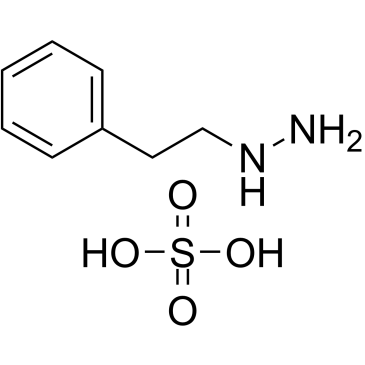
Phenelzine sulfate, an antidepressant agent, is an irreversible and orally active monoamine oxidase (MAO-A and MAO-B) inhibitor. Phenelzine sulfate inhibits GABA transaminase and primary amine oxidase (PrAO), and sequester reactive aldehydes. Phenelzine sulfate also inhibits LSD1 (Ki: 5.6 μM) and suppresses oxidative stress and lipogenesis. Phenelzine sulfate elevates neurotransmitters (serotonin, norepinephrine, dopamine). Phenelzine sulfate is studied in neurological, metabolic and cancer diseases for depression and anxiety disorders, stroke, spinal cord injury, traumatic brain injury, multiple sclerosis, Parkinson’s disease, Alzheimer’s disease, inflammatory pain, obesity and prostate cancer .
|
-
- HY-15313B
-
|
|
Histone Demethylase
|
Metabolic Disease
Cancer
|
|
CBB1007 hydrochloride is a reversible and selective LSD1 inhibitor with an IC50 of 5.27 µM for human LSD1. CBB1007 hydrochloride significantly blocks the demethylase activity of LSD1 on H3K4Me2 and H3K4Me. CBB1007 hydrochloride shows selectivity for LSD1 over LSD2 or JARID1A, and induces differentiation-related genes in pluripotent cells. CBB1007 hydrochloride is studied in non-pluripotent cancer research, targeting teratocarcinoma, embryonic carcinoma, and seminoma .
|
-
| Cat. No. |
Product Name |
Type |
-
- HY-13642G
-
|
|
Fluorescent Dyes
|
|
RG108 (GMP) is RG108 (HY-13642) produced by using GMP guidelines. GMP small molecules works appropriately as an auxiliary reagent for cell therapy manufacture. RG108 (N-Phthalyl-L-tryptophan) is a non-nucleoside DNA methyltransferases (DNMTs) inhibitor (IC50=115 nM) that blocks the DNMTs active site. RG108 (N-Phthalyl-L-tryptophan) causes demethylation and reactivation of tumor suppressor genes, but it does not affect the methylation of centromeric satellite sequences .
|
| Cat. No. |
Product Name |
Type |
-
- HY-13642G
-
|
|
Biochemical Assay Reagents
|
|
RG108 (GMP) is RG108 (HY-13642) produced by using GMP guidelines. GMP small molecules works appropriately as an auxiliary reagent for cell therapy manufacture. RG108 (N-Phthalyl-L-tryptophan) is a non-nucleoside DNA methyltransferases (DNMTs) inhibitor (IC50=115 nM) that blocks the DNMTs active site. RG108 (N-Phthalyl-L-tryptophan) causes demethylation and reactivation of tumor suppressor genes, but it does not affect the methylation of centromeric satellite sequences .
|
| Cat. No. |
Product Name |
Target |
Research Area |
-
- HY-P10387
-
RSM3
1 Publications Verification
|
METTL3
Apoptosis
MDM-2/p53
NF-κB
Caspase
|
Cancer
|
|
RSM3 is a METTL3-METTL14 complex inhibitor with a Kd of 3.10 μM for the METTL3-METTL14 complex. RSM3 reduces the m 6A modification level of SLC31A1 and the global RNA methylation level. RSM3 upregulates programmed cell death-related genes, enhances cell apoptosis, inhibits pro-cancer signals and suppresses tumor growth. RSM3 is applicable to the research of preeclampsia and cancer .
|
-
- HY-P10387A
-
|
|
METTL3
Apoptosis
|
Cancer
|
|
RSM3 TFA is a METTL3-METTL14 complex inhibitor with a Kd of 3.10 μM for the METTL3-METTL14 complex. RSM3 TFA reduces the m 6A modification level of SLC31A1 and the global RNA methylation level. RSM3 TFA upregulates programmed cell death-related genes, enhances cell apoptosis, inhibits pro-cancer signals and suppresses tumor growth. RSM3 TFA is applicable to the research of preeclampsia and cancer .
|
-
- HY-P10028
-
|
|
Fluorescent Dye
|
Cancer
|
|
HCT116 is a peptidomimetic inhibitor of N-terminal methyltransferase 1/2 (NTMT1/2) with an IC50 of 54 nM. HCT116 can inhibit the N-terminal methylation level of NTMT1/2 substrates in HCT116 cells, and is used for the study of NTMT1/2 probes.
|
-
- HY-P10570
-
|
|
Histone Methyltransferase
|
Cancer
|
|
[Nle20] H4 peptide (16−23) is a peptide with strong inhibitory activity against histone methyltransferase SETD8 (Kd=0.14 μM), which inhibits SETD8's methylation of histone H4 by competing with SETD8's substrate binding site. [Nle20] H4 peptide (16−23) can be used as a lead compound for anticancer therapy .
|
-
- HY-P5514
-
|
Amylin (22-27) [NMeG24, NMeI26], human (IAPP)
|
Peptides
|
Others
|
|
NF(N-Me)GA(N-Me)IL is a biological active peptide. (This amino acids 22 to 27 fragment is a modification of the human islet amyloid polypeptide hIAPP (NFGAIL) with N-methylation of the amide bonds at G24 and I26. The introduction of two N-methyl rests in the amyloid-core-containing sequence NFGAIL converts this amyloidogenic and cytotoxic sequence into non-amyloidogenic and non-cytotoxic peptide. The peptide is able to bind with high-affinity full-length hIAPP and to inhibit its fibrillogenesis.)
|
| Cat. No. |
Product Name |
Category |
Target |
Chemical Structure |
| Cat. No. |
Product Name |
Chemical Structure |
-
- HY-124124S
-
|
|
|
N-Methylnicotinamide-d4 is the deuterium labeled N-Methylnicotinamide (HY-124124). N-Methylnicotinamide is an endogenous metabolite with antithrombotic effect. N-Methylnicotinamide via production/release of prostacyclin inhibits arterial thrombosis development. N-Methylnicotinamide is also the N-methylation product from nicotinamide catalyzed by N-methyltransferase within nicotinate and nicotinamide metabolism pathway.
|
-
-
- HY-B1455S1
-
|
|
|
Clindamycin- 13C,d3 is the 13C- and deuterium labeled Clindamycin. Clindamycin is an orally active and broad-spectrum bacteriostatic lincosamide antibiotic. Clindamycin can inhibit bacterial protein synthesis, possessing the ability to suppress the expression of virulence factors in Staphylococcus aureus at sub-inhibitory concentrations (sub-MICs). Clindamycin resistance results from enzymatic methylation of the antibiotic binding site in the 50S ribosomal subunit (23S rRNA). Clindamycin decreases the production of Panton-Valentine leucocidin (PVL), toxic-shock-staphylococcal toxin (TSST-1) or alpha-haemolysin (Hla). Clindamycin also can be used for researching malaria .
|
-
-
- HY-W653970
-
|
|
|
5-Azacytidine- 15N4 is 13C and 15N labeled 5-Azacytidine. 5-Azacytidine (Azacitidine; 5-AzaC; Ladakamycin) is a nucleoside analogue of cytidine that specifically inhibits DNA methylation. 5-Azacytidine is incorporated into DNA to covalently trap DNA methyltransferases and contributes to reverse epigenetic changes. 5-Azacytidine induces cell autophagy .
|
-
-
- HY-B1455S
-
|
|
|
Clindamycin-d3 (hydrochloride) is the deuterium labeled Clindamycin. Clindamycin is an orally active and broad-spectrum bacteriostatic lincosamide antibiotic. Clindamycin can inhibit bacterial protein synthesis, possessing the ability to suppress the expression of virulence factors in Staphylococcus aureus at sub-inhibitory concentrations (sub-MICs). Clindamycin resistance results from enzymatic methylation of the antibiotic binding site in the 50S ribosomal subunit (23S rRNA). Clindamycin decreases the production of Panton-Valentine leucocidin (PVL), toxic-shock-staphylococcal toxin (TSST-1) or alpha-haemolysin (Hla). Clindamycin also can be used for researching malaria .
|
-
-
- HY-13599S2
-
|
|
|
Cladribine- 15N (2-Chloro-2′-deoxyadenosine- 15N) is 15N labeled Cladribine. Cladribine (2-Chloro-2′-deoxyadenosine), a purine nucleoside analog, is an orally active adenosine deaminase inhibitor. Cladribine functions as an inhibitor of DNA synthesis to block the repair of the damaged DNA. Cladribine can inhibit DNA methylation. Cladribine has anti-lymphoma activity. Cladribine can be used for the research of several hematologic malignancies and multiple sclerosis .
|
-
-
- HY-13599S
-
|
|
|
Cladribine-d4 (2-Chloro-2′-deoxyadenosine-d4) is deuterium labeled Cladribine. Cladribine (2-Chloro-2′-deoxyadenosine), a purine nucleoside analog, is an orally active adenosine deaminase inhibitor. Cladribine functions as an inhibitor of DNA synthesis to block the repair of the damaged DNA. Cladribine can inhibit DNA methylation. Cladribine has anti-lymphoma activity. Cladribine can be used for the research of several hematologic malignancies and multiple sclerosis .
|
-
-
- HY-13599S1
-
|
|
|
Cladribine- 13C5, 15N2 (2-Chloro-2′-deoxyadenosine- 13C5, 15N2) is 13C and 15N labeled Cladribine. Cladribine (2-Chloro-2′-deoxyadenosine), a purine nucleoside analog, is an orally active adenosine deaminase inhibitor. Cladribine functions as an inhibitor of DNA synthesis to block the repair of the damaged DNA. Cladribine can inhibit DNA methylation. Cladribine has anti-lymphoma activity. Cladribine can be used for the research of several hematologic malignancies and multiple sclerosis .
|
-
-
- HY-W744986
-
|
|
|
L-2-Hydroxyglutaric acid-d5 disodium ((2S)-2-Hydroxyglutaric acid-d5 disodium) is the deuterium labeled L-2-Hydroxyglutaric acid disodium (HY-W015114). L-2-Hydroxyglutaric acid disodium is an epigenetic modifier and putative oncometabolite in renal cancer. L-2-Hydroxyglutaric acid disodium can inhibit histone demethylases and hence promote histone methylation . L-2-Hydroxyglutaric acid inhibits mitochondrial creatine kinase (Mi-CK) activity with Km and Ki of 2.52 mM and 11.13 mM, respectively .
|
-
| Cat. No. |
Product Name |
|
Classification |
-
- HY-106689
-
|
DHAC; NSC 264880
|
|
Nucleoside Analogs
Cytidine
|
|
Dihydro-5-azacytidine (DHAC), the nucleoside analog, is incorporated into DNA and inhibits DNA methylation. Dihydro-5-azacytidine has an antitumor activity .
|
-
- HY-106689A
-
|
DHAC acetate; NSC 264880 acetate
|
|
Nucleoside Analogs
Cytidine
|
|
Dihydro-5-azacytidine acetate (DHAC), the nucleoside analog, is incorporated into DNA and inhibits DNA methylation. Dihydro-5-azacytidine acetate has an antitumor activity .
|
| Cat. No. |
Product Name |
Target |
Research Areas |
Chemical Structure |
-
- HY-13642G
-
|
|
DNA Methyltransferase
|
Cancer
|
|
RG108 (GMP) is RG108 (HY-13642) produced by using GMP guidelines. GMP small molecules works appropriately as an auxiliary reagent for cell therapy manufacture. RG108 (N-Phthalyl-L-tryptophan) is a non-nucleoside DNA methyltransferases (DNMTs) inhibitor (IC50=115 nM) that blocks the DNMTs active site. RG108 (N-Phthalyl-L-tryptophan) causes demethylation and reactivation of tumor suppressor genes, but it does not affect the methylation of centromeric satellite sequences .
|
-
Your information is safe with us. * Required Fields.
Inquiry Information
- Product Name:
- Cat. No.:
- Quantity:
- MCE Japan Authorized Agent:

