

1. Search Result
Search Result
Results for "

N-methyltransferase

" in MedChemExpress (MCE) Product Catalog:

58

Inhibitors & Agonists

14

Peptides

7

Natural
Products

26

Recombinant Proteins

5

Isotope-Labeled Compounds

21

Antibodies

Targets Recommended:
Cat. No. Product Name Target Research Areas Chemical Structure
  • HY-131042
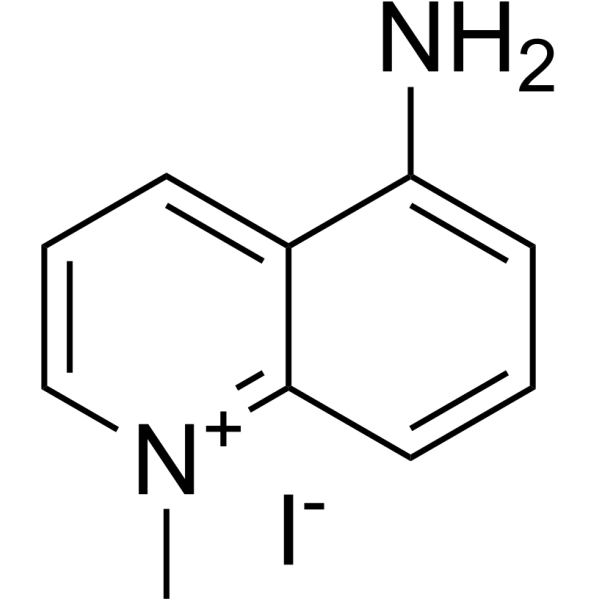
    NNMTi
    5+ Cited Publications

    Amine N-methyltransferase Metabolic Disease
    NNMTi is a potent nicotinamide N-methyltransferase (NNMT) inhibitor (IC50=1.2 μM) and selectively binds to the NNMT substrate-binding site residues . NNMTi  promotes myoblast differentiation in vitro and enhances fusion and regenerative capacity of muscle stem cells (muSCs) in aged mice .
    NNMTi
  • HY-B1322
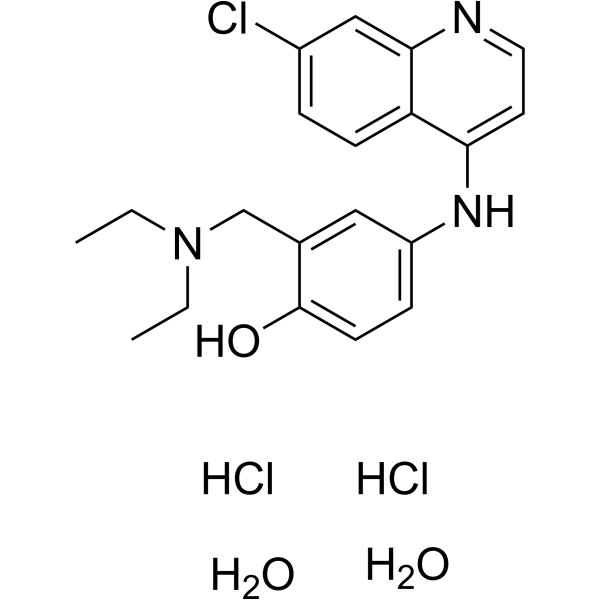
    Amodiaquine dihydrochloride dihydrate
    Maximum Cited Publications
    11 Publications Verification

    Amodiaquin dihydrochloride dihydrate

    Nuclear Hormone Receptor 4A/NR4A Parasite Histone Methyltransferase Infection Neurological Disease Inflammation/Immunology
    Amodiaquine dihydrochloride dihydrate (Amodiaquin dihydrochloride dihydrate), a 4-aminoquinoline class of antimalarial agent, is a potent and orally active histamine N-methyltransferase inhibitor. Amodiaquine dihydrochloride dihydrate is also a Nurr1 agonist and specifically binds to Nurr1-LBD (ligand binding domain) with an EC50 of ~20 μM. Anti-inflammatory effect .
    Amodiaquine dihydrochloride dihydrate
  • HY-134124

    Reactive Oxygen Species (ROS) Metabolic Disease
    Glutathione ethyl ester is a cell-permeable GSH donor and provides an efficient supply of GSH to the oocyte. Glutathione ethyl ester shows positive effect on the in vitro production of embryos by enhancement of the antioxidative defense .
    Glutathione ethyl ester
  • HY-B1322A
    Amodiaquine
    Maximum Cited Publications
    11 Publications Verification

    Amodiaquin

    Nuclear Hormone Receptor 4A/NR4A Parasite Histone Methyltransferase Infection Neurological Disease Inflammation/Immunology
    Amodiaquine (Amodiaquin), a 4-aminoquinoline class of antimalarial agent, is a potent and orally active histamine N-methyltransferase inhibitor. Amodiaquine is also a Nurr1 agonist and specifically binds to Nurr1-LBD (ligand binding domain) with an EC50 of ~20 μM. Anti-inflammatory effect .
    Amodiaquine
  • HY-175603

    Amine N-methyltransferase Cancer
    NCGC00685960 is a Nicotinamide N-methyltransferase (NNMT) inhibitor with an IC50 <10  nM. NCGC00685960 has potent antitumor activity. NCGC00685960 increases H3K27 trimethylation levels in ovarian cancer cells and inhibits α-SMA expression in NNMT-expressing ovarian fibroblasts. NCGC00685960 reduces 1-MNA levels, reverses SAM and H3K27 hypomethylation and significantly impairs collagen contractility in cancer-associated fibroblasts (CAFs). NCGC00685960 can be used for cancers research, such as ovarian cancer, breast cancer, colon cancer .
    NCGC00685960
  • HY-112584
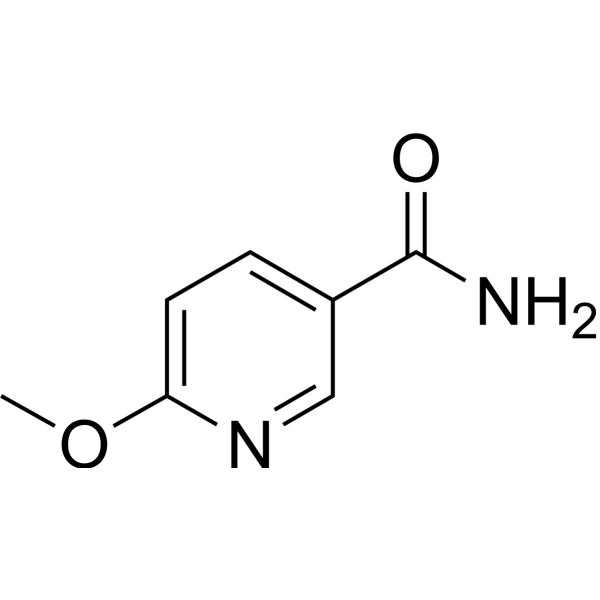
    JBSNF-000088
    5+ Cited Publications

    6-Methoxynicotinamide

    Amine N-methyltransferase Metabolic Disease
    JBSNF-000088 (6-Methoxynicotinamide), a analog of nicotinamide (NA), is a potent and orally active Nicotinamide N-methyltransferase (NNMT) inhibitor with IC50s of 1.8 µM, 2.8 µM, and 5.0 µM for human NNMT, monkey NNMT and mouse NNMT, respectively. JBSNF-000088 inhibits NNMT activity, reduces MNA levels and drives insulin sensitization, glucose modulation and body weight reduction in animal models of metabolic disease .
    JBSNF-000088
  • HY-P10272

    PTG-300

    Ferroportin Others
    Rusfertide is a peptide mimetic of natural hepcidin, which targets and degrades ferroportin, reduces serum iron and transferrin-saturation, and thus regulates the production of red blood cells. Rusfertide ameliorates the polycythemia vera, β-thalassemia and hereditary hemochromatosis .
    Rusfertide
  • HY-A0248A
    Polymyxin B1
    1 Publications Verification

    Bacterial Infection
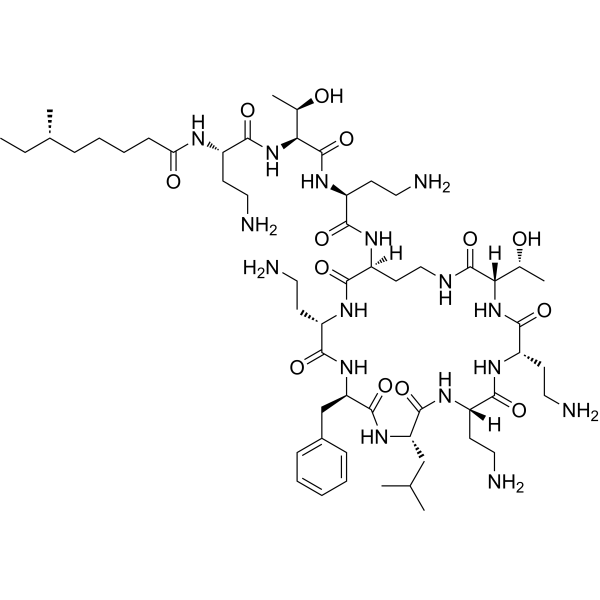
    Polymyxin B1 is a potent antimicrobial lipopeptide first derived from Bacilus polymyxa. Polymyxin B1 is the major component in Polymyxin B (HY-A0248). Polymyxin B1 can induce lysis of bacterial cells through interaction with their membranes. Polymyxin B1 has the potential for multidrug-resistant Gram-negative bacterial infections treatment .
    Polymyxin B1
  • HY-B1322B
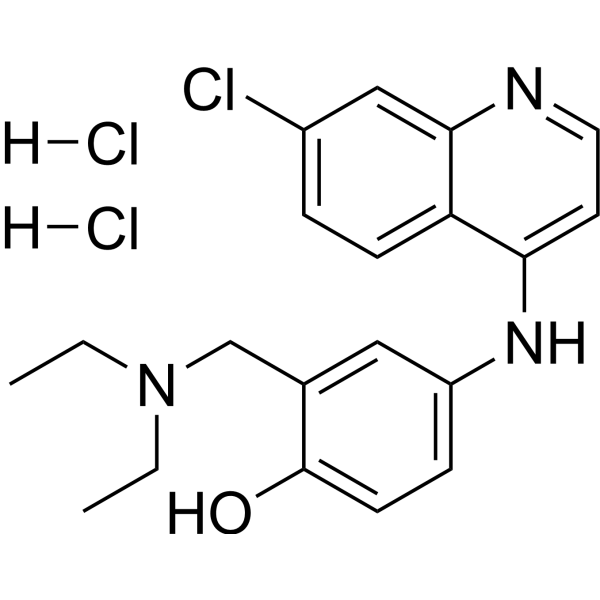
    Amodiaquine dihydrochloride
    Maximum Cited Publications
    11 Publications Verification

    Amodiaquin dihydrochloride

    Nuclear Hormone Receptor 4A/NR4A Parasite Histone Methyltransferase Infection Neurological Disease Inflammation/Immunology
    Amodiaquine dihydrochloride (Amodiaquin dihydrochloride), a 4-aminoquinoline class of antimalarial agent, is a potent and orally active histamine N-methyltransferase inhibitor with a Ki of 18.6 nM. Amodiaquine dihydrochloride is also a Nurr1 agonist and specifically binds to Nurr1-LBD (ligand binding domain) with an EC50 of ~20 μM. Anti-inflammatory effect .
    Amodiaquine dihydrochloride
  • HY-151500

    Amine N-methyltransferase Metabolic Disease
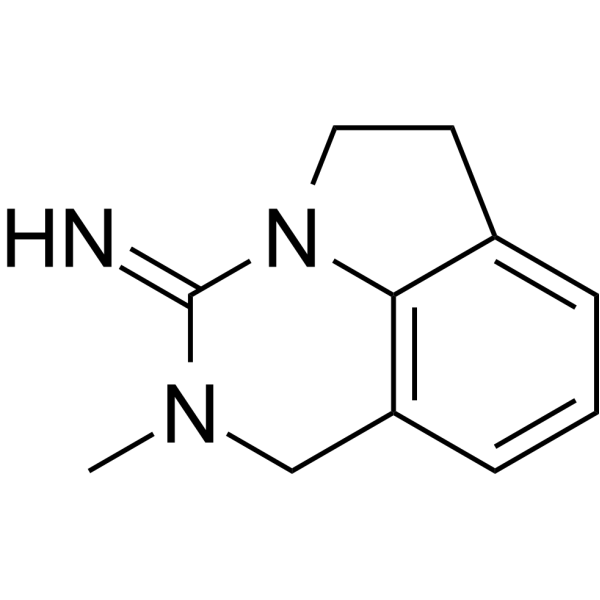
    JBSNF-00002 free base is an orally active small molecule inhibitor of the tricyclic nicotinamide N-methyltransferase (NNMT) with IC50 values for human, mouse and monkey sources of NNMT of 33, 210 and 190 nM respectively. JBSNF-00002 free base can reduce endogenous MNA levels in U2OS osteosarcoma cells, with its EC50 being 2.5 μM. JBSNF-00002 free base exhibits significant anti-obesity and anti-diabetic activities in the diet-induced obesity (DIO) model. JBSNF-00002 free base can be used for the study of metabolic diseases such as obesity, type 2 diabetes and non-alcoholic fatty liver disease .
    JBSNF-000028 free base
  • HY-124124
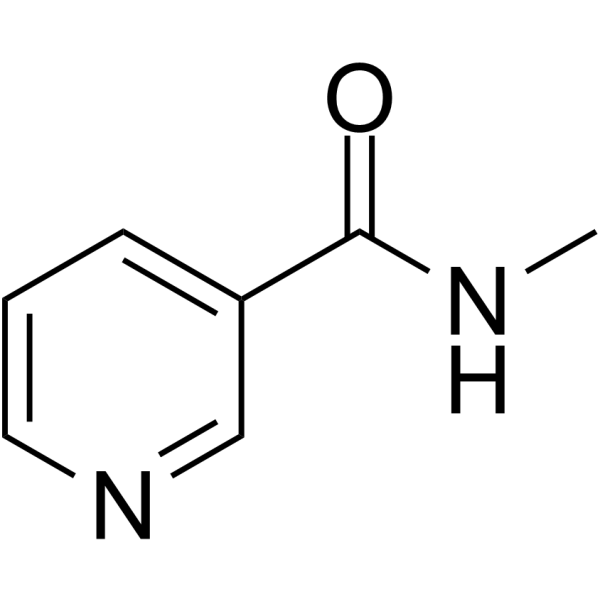
    N-Methylnicotinamide
    1 Publications Verification

    Endogenous Metabolite Drug Metabolite Cardiovascular Disease Metabolic Disease Cancer
    N-Methylnicotinamide is an endogenous metabolite with antithrombotic effect. N-Methylnicotinamide via production/release of prostacyclin inhibits arterial thrombosis development. N-Methylnicotinamide is also the N-methylation product from nicotinamide catalyzed by N-methyltransferase within nicotinate and nicotinamide metabolism pathway .
    N-Methylnicotinamide
  • HY-18962
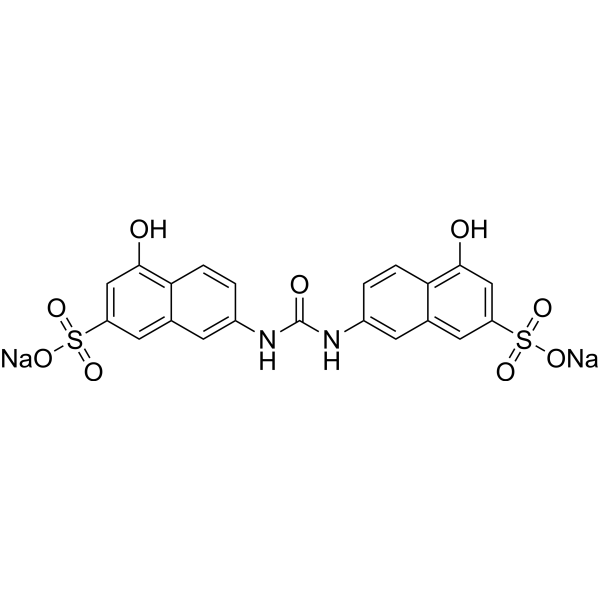
    AMI-1
    5+ Cited Publications

    Histone Methyltransferase Cancer
    AMI-1 is a potent, cell-permeable and reversible inhibitor of protein arginine N-methyltransferases (PRMTs), with IC50s of 8.8 μM and 3.0 μM for human PRMT1 and yeast-Hmt1p, respectively. AMI-1 exerts PRMTs inhibitory effects by blocking peptide-substrate binding .
    AMI-1
  • HY-151813

    Fluorescent Dye Cancer
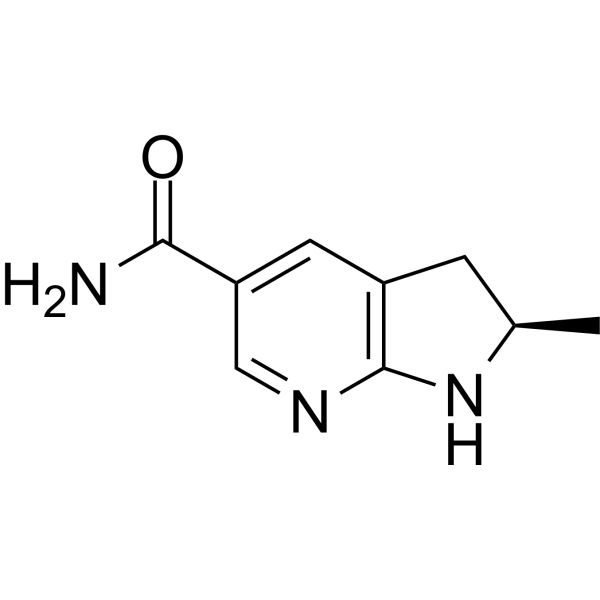
    NNMT-IN-4 (compound 38) is a selective, uncompetitive and membrane permeability nicotinamide N-methyltransferase (NNMT) inhibitor with IC50 values of 42 and 38 nM in vitro biochemical and cell-based assays, respectively. NNMT-IN-4 shows favorable PK/PD and safety profiles as well as excellent oral bioavailability and pharmaceutical properties. NNMT-IN-4 can be used as a vivo chemical probe of NNMT .
    NNMT-IN-4
  • HY-129441

    BW 197U

    Histone Methyltransferase Antifolate Neurological Disease Cancer
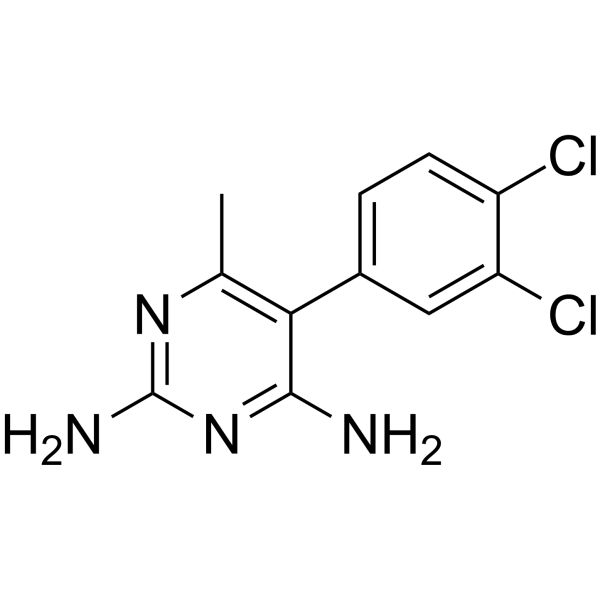
    Metoprine (BW 197U) is a potent histamine N-methyltransferase (HMT) inhibitor. Metoprine, a diaminopyrimidine derivative, can cross the blood-brain barrier and increase brain histamine levels by inhibiting HMT . Metoprine is an antifolate and antitumor agent .
    Metoprine
  • HY-138993A

    Amine N-methyltransferase Cancer
    NNMT-IN-6 hydrochloride is a selective nicotinamide N-methyltransferase (NNMT) inhibitor with an IC50 of 1.41 μM and a Kd of 5.55 μM. NNMT-IN-6 hydrochloride exhibits selectivity over PRMT1 and NSD2. NNMT-IN-6 hydrochloride inhibits cancer cell proliferation and reduces cellular N-methylnicotinamide (MNA) production. NNMT-IN-6 hydrochloride can be used for the research of oral cancer .
    NNMT-IN-6 hydrochloride
  • HY-P1108A
    Astressin 2B TFA
    1 Publications Verification

    CRFR Neurological Disease Inflammation/Immunology
    Astressin 2B TFA is a blood-brain barrier-impermeable, highly selective CRFR2 antagonist (rCRFR2, IC50=0.57 nM). Astressin 2B TFA blocks the protective effects mediated by CRFR2, thereby exacerbating indomethacin (HY-14397)-induced hemorrhagic intestinal injury in rats. Astressin 2B TFA reverses the protective effects of Urocortin 1 against intestinal hypermotility, bacterial invasion and upregulation of inflammatory mediators. Astressin 2B TFA also blocks the anxiogenic effect of Urocortin 2 and attenuates stress-induced anxiety-related behaviors. In the Clostridioides difficile toxin A (C. difficile toxin A)-mediated enteritis model, Astressin 2B TFA mimics the phenotype of CRFR2-deficient mice, significantly exacerbating intestinal epithelial damage, edema, neutrophil migration and the expression of multiple proinflammatory cytokines. Astressin 2B TFA is an important tool molecule for investigating the intestinal protective mechanisms of CRFR2 .
    Astressin 2B TFA
  • HY-P1108
    Astressin 2B
    1 Publications Verification

    CRFR Neurological Disease Inflammation/Immunology
    Astressin 2B is a blood-brain barrier-impermeable, highly selective CRFR2 antagonist (rCRFR2, IC50=0.57 nM). Astressin 2B blocks the protective effects mediated by CRFR2, thereby exacerbating indomethacin (HY-14397)-induced hemorrhagic intestinal injury in rats. Astressin 2B reverses the protective effects of Urocortin 1 against intestinal hypermotility, bacterial invasion and upregulation of inflammatory mediators. Astressin 2B also blocks the anxiogenic effect of Urocortin 2 and attenuates stress-induced anxiety-related behaviors. In the Clostridioides difficile toxin A (C. difficile toxin A)-mediated enteritis model, Astressin 2B mimics the phenotype of CRFR2-deficient mice, significantly exacerbating intestinal epithelial damage, edema, neutrophil migration and the expression of multiple proinflammatory cytokines. Astressin 2B is an important tool molecule for investigating the intestinal protective mechanisms of CRFR2 .
    Astressin 2B
  • HY-30170

    Endogenous Metabolite Adrenergic Receptor Neurological Disease
    N-Methylphenethylamine is an indirectly acting sympathomimetic amine that is formed via PNMT-catalyzed N-methylation of phenethylamine (PEA) in the human body. N-Methylphenethylamine exhibits affinity for β-adrenergic receptors on the surface of cancer cells or bacterial cells. N-Methylphenethylamine can be used for neurotransmitter research or as a pharmaceutical intermediate .
    N-Methylphenethylamine
  • HY-151500B

    Amine N-methyltransferase Metabolic Disease
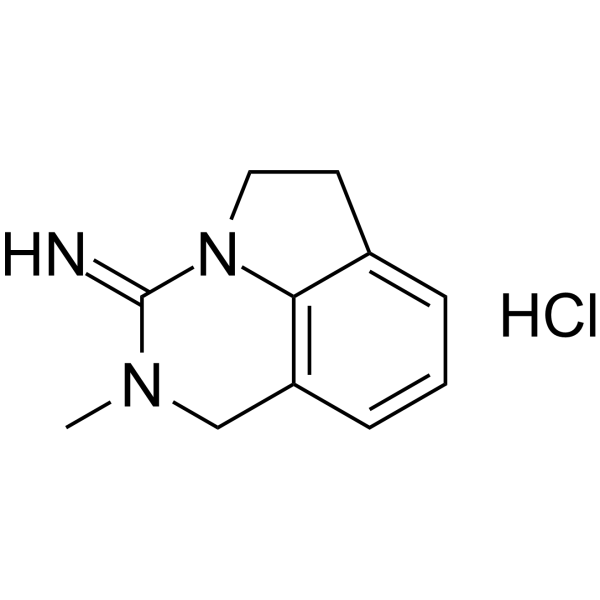
    JBSNF-00002 hydrochloride is an orally active small molecule inhibitor of the tricyclic nicotinamide N-methyltransferase (NNMT) with IC50 values for human, mouse and monkey sources of NNMT of 33, 210 and 190 nM respectively. JBSNF-00002 hydrochloride can reduce endogenous MNA levels in U2OS osteosarcoma cells, with its EC50 being 2.5 μM. JBSNF-00002 hydrochloride exhibits significant anti-obesity and anti-diabetic activities in the diet-induced obesity (DIO) model. JBSNF-00002 hydrochloride can be used for the study of metabolic diseases such as obesity, type 2 diabetes and non-alcoholic fatty liver disease .
    JBSNF-000028 hydrochloride
  • HY-W093017

    Amine N-methyltransferase Others
    4-Chloropyridine is a NNMT (Nicotinamide N-methyltransferase) substrate and suicide inhibition-based protein labeling scaffold precursor.4-Chloropyridine undergoes NNMT-catalyzed pyridine nitrogen methylation to increase C4 electrophilicity, enabling aromatic nucleophilic substitution by NNMT cysteine C159 for covalent NNMT modification and inactivation.4-Chloropyridine can be used for the research of various cancers .
    4-Chloropyridine
  • HY-107398

    Adrenergic Receptor Amine N-methyltransferase Cardiovascular Disease
    1-(2,3-Dichlorophenyl)ethanamine hydrochloride is a phenylethanolamine N-methyltransferase (PNMT) inhibitor. 1-(2,3-Dichlorophenyl)ethanamine hydrochloride effectively reduces blood pressure of spontaneously hypertensive. 1-(2,3-Dichlorophenyl)ethanamine hydrochloride can be used for the research of blood pressure .
    1-(2,3-Dichlorophenyl)ethanamine hydrochloride
  • HY-151193

    Amine N-methyltransferase Metabolic Disease Cancer
    NNMT-IN-3 (Compound 14) is a potent and selective nicotinamide N-methyltransferase (NNMT) inhibitor, with IC50 values of 1.1 nM and 0.4 μM in cell-free and cell-based assays, respectively. NNMT-IN-3 can be used in the research of diseases such as obesity, type 2 diabetes and cancer .
    NNMT-IN-3
  • HY-124124S

    Isotope-Labeled Compounds Endogenous Metabolite Drug Derivative Cardiovascular Disease Metabolic Disease Cancer
    N-Methylnicotinamide-d4 is the deuterium labeled N-Methylnicotinamide (HY-124124). N-Methylnicotinamide is an endogenous metabolite with antithrombotic effect. N-Methylnicotinamide via production/release of prostacyclin inhibits arterial thrombosis development. N-Methylnicotinamide is also the N-methylation product from nicotinamide catalyzed by N-methyltransferase within nicotinate and nicotinamide metabolism pathway.
    N-Methylnicotinamide-d4
  • HY-100967

    Homodimaprit dihydrochloride

    Histone Methyltransferase Infection Cardiovascular Disease Inflammation/Immunology
    SKF 91488 (Homodimaprit) dihydrochloride is a potent and noncompetitive histamine N-methyltransferase inhibitor with a Ki value of 0.9 μM. SKF 91488 dihydrochloride can block histamine metabolism and increase histamine concentrations. SKF 91488 dihydrochloride can increase blood pressure and enhance bronchoconstriction. SKF 91488 can be used for the researches of infection, inflammation and cardiovascular disease, such as Mycoplasma pneumonia and hemorrhagic hypotension .
    SKF 91488 dihydrochloride
  • HY-138993

    Amine N-methyltransferase Cancer
    NNMT-IN-6 is a selective nicotinamide N-methyltransferase (NNMT) inhibitor with an IC50 of 1.41 μM and a Kd of 5.55 μM. NNMT-IN-6 hydrochloride exhibits selectivity over PRMT1 and NSD2. NNMT-IN-6 inhibits cancer cell proliferation and reduces cellular N-methylnicotinamide (MNA) production. NNMT-IN-6 can be used for the research of oral cancer .
    NNMT-IN-6
  • HY-161316

    Amine N-methyltransferase Neurological Disease Metabolic Disease Cancer
    NNMT-IN-5 (Compound 3-12) is a potent nicotinamide N-methyltransferase (NNMT) inhibitor (IC50 = 47.9 ± 0.6 nM). NNMT-IN-5 also has an excellent selectivity profile over a panel of human methyltransferases. NNMT-IN-5 can be used for the research of cancer, diabetes, metabolic disorders, and neurodegenerative diseases .
    NNMT-IN-5
  • HY-18962A
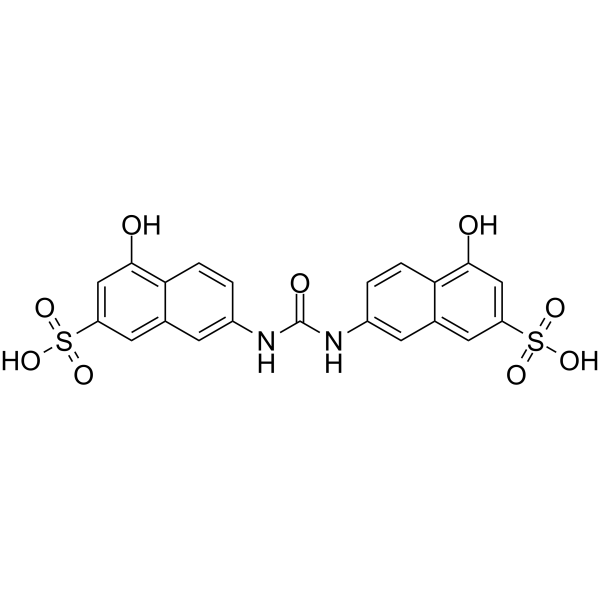
    AMI-1 free acid
    5+ Cited Publications

    Histone Methyltransferase Cancer
    AMI-1 free acid is a potent, cell-permeable and reversible inhibitor of protein arginine N-methyltransferases (PRMTs), with IC50s of 8.8 μM and 3.0 μM for human PRMT1 and yeast-Hmt1p, respectively. AMI-1 free acid exerts PRMTs inhibitory effects by blocking peptide-substrate binding .
    AMI-1 free acid
  • HY-124101

    Histone Methyltransferase Cancer
    PDAT is a noncompetitive indolethylamine-N-methyltransferase (INMT) inhibitor with a Ki of 84 μM for rabbit lung INMT (rabINMT) .
    PDAT
  • HY-P10143

    Ac-Pro-Leu-Gly-[(S)-2-mercapto-4-methyl-pentanoyl]-Leu-Gly-OEt

    MMP Others
    MMP-2/MMP-9 Substrate (Ac-Pro-Leu-Gly-[(S)-2-mercapto-4-methyl-pentanoyl]-Leu-Gly-OEt) is a synthetic chromogenic polypeptide substrate whose core structure mimics the cleavage sites of MMP-2 and MMP-9 (gelatinase A and B) in collagen. After being hydrolyzed by collagenase, MMP-2/MMP-9 Substrate reacts with 4,4'-dithiodipyridine or Ellman's Reagent via its thiol fragment to produce a product with ultraviolet absorption properties .
    MMP-2/MMP-9 Substrate
  • HY-A0248AS

    Isotope-Labeled Compounds Bacterial Infection
    Polymyxin B1-d7 TFA is the deuterium labeled Polymyxin B1 TFA (HY-A0248A). Polymyxin B1 is a potent antimicrobial lipopeptide first derived from Bacilus polymyxa. Polymyxin B1 is the major component in Polymyxin B (HY-A0248). Polymyxin B1 can induce lysis of bacterial cells through interaction with their membranes. Polymyxin B1 has the potential for multidrug-resistant Gram-negative bacterial infections treatment .
    Polymyxin B1-d7 TFA
  • HY-111367

    Amine N-methyltransferase Neurological Disease Metabolic Disease Cancer
    MS2734 is a inhibitor of nicotinamide N-methyltransferase (NNMT). MS2734 potently inhibits the methyltransferase activity of human NNMT (hNNMT) with an IC50 value of 14 μM. MS2734 can be used for the study of obesity, diabetes, Parkinson's disease, and various cancers with high NNMT expression .
    MS2734
  • HY-B1322R

    Amodiaquin dihydrochloride dihydrate (Standard)

    Nuclear Hormone Receptor 4A/NR4A Reference Standards Parasite Histone Methyltransferase Infection Neurological Disease Inflammation/Immunology
    Amodiaquine (dihydrochloride dihydrate) (Standard) is the analytical standard of Amodiaquine (dihydrochloride dihydrate). This product is intended for research and analytical applications. Amodiaquine dihydrochloride dihydrate (Amodiaquin dihydrochloride dihydrate), a 4-aminoquinoline class of antimalarial agent, is a potent and orally active histamine N-methyltransferase inhibitor. Amodiaquine dihydrochloride dihydrate is also a Nurr1 agonist and specifically binds to Nurr1-LBD (ligand binding domain) with an EC50 of ~20 μM. Anti-inflammatory effect .
    Amodiaquine dihydrochloride dihydrate (Standard)
  • HY-151500A

    Amine N-methyltransferase Metabolic Disease
    JBSNF-00002 TFA is an orally active small molecule inhibitor of the tricyclic nicotinamide N-methyltransferase (NNMT) with IC50 values for human, mouse and monkey sources of NNMT of 33, 210 and 190 nM respectively. JBSNF-00002 TFA can reduce endogenous MNA levels in U2OS osteosarcoma cells, with its EC50 being 2.5 μM. JBSNF-00002 TFA exhibits significant anti-obesity and anti-diabetic activities in the diet-induced obesity (DIO) model. JBSNF-00002 TFA can be used for the study of metabolic diseases such as obesity, type 2 diabetes and non-alcoholic fatty liver disease .
    JBSNF-000028 TFA
  • HY-W516880

    O-Demethylastemizole

    Drug Metabolite Parasite Histamine Receptor Potassium Channel Infection Cardiovascular Disease
    Desmethylastemizole (O-Demethylastemizole) , a metabolite of Astemizole (HY-12532), is a β-hematin (βH) inhibitor. Desmethylastemizole has an antiplasmodium activity against P. falciparum with IC50 of 0.12, 0.11 and 0.06  μM for Pf3D7, PfDd2, and PfItG strains, respectively. Desmethylastemizole is also a Histamine H1 receptor antagonist. Desmethylastemizole significantly blocks hERG K + channels and also inhibits histone-lysine N-methyltransferase EZH2 activity. Desmethylastemizole can be used for long QT syndrome and malaria research .
    Desmethylastemizole
  • HY-P10563

    BHV-1100

    CD38 Cancer
    Noraramtide (BHV-1100) is an antibody recruitment molecule. Noraramtide can specifically bind to CD38 molecules to recruit natural killer (NK) cells. Noraramtide enhances the ability of NK cells to kill tumor cells through antibody-dependent cellular cytotoxicity (ADCC). This mechanism allows NK cells to more effectively recognize and eliminate tumor cells while avoiding mutual killing between NK cells. Noraramtide can be used for the study of autologous cancer immunity .
    Noraramtide
  • HY-151500C

    Amine N-methyltransferase Metabolic Disease
    JBSNF-00002 is an orally active small molecule inhibitor of the tricyclic nicotinamide N-methyltransferase (NNMT) with IC50 values for human, mouse and monkey sources of NNMT of 33, 210 and 190 nM respectively. JBSNF-00002 can reduce endogenous MNA levels in U2OS osteosarcoma cells, with its EC50 being 2.5 μM. JBSNF-00002 exhibits significant anti-obesity and anti-diabetic activities in the diet-induced obesity (DIO) model. JBSNF-00002 can be used for the study of metabolic diseases such as obesity, type 2 diabetes and non-alcoholic fatty liver disease .
    JBSNF-000028
  • HY-P3066

    d(CH2)5Tyr(Et)VAVP

    Vasopressin Receptor Metabolic Disease
    SKF 100398 (d(CH2)5Tyr(Et)VAVP), an arginine vasopressin (AVP) analogue, is a specific antagonist of the antidiuretic effect of exogenous and endogenous AVP .
    SKF 100398
  • HY-B1322AR

    Amodiaquin (Standard)

    Nuclear Hormone Receptor 4A/NR4A Parasite Histone Methyltransferase Reference Standards Infection Neurological Disease Inflammation/Immunology
    Amodiaquine (Standard) is the analytical standard of Amodiaquine. This product is intended for research and analytical applications. Amodiaquine (Amodiaquin), a 4-aminoquinoline class of antimalarial agent, is a potent and orally active histamine N-methyltransferase inhibitor. Amodiaquine is also a Nurr1 agonist and specifically binds to Nurr1-LBD (ligand binding domain) with an EC50 of ~20 μM. Anti-inflammatory effect .
    Amodiaquine (Standard)
  • HY-E71133

    Biochemical Assay Reagents Others
    (S)-Tetrahydroprotoberberine N-methyltransferase (EC 2.1.1.122) is involved in the biosynthesis of isoquinoline alkaloids in plants.
    (S)-Tetrahydroprotoberberine N-methyltransferase
  • HY-B1322AS

    Parasite Histone Methyltransferase Infection Neurological Disease Inflammation/Immunology
    Amodiaquine-d10 is the deuterium labeled Amodiaquine. Amodiaquine (Amodiaquin), a 4-aminoquinoline class of antimalarial agent, is a potent and orally active histamine N-methyltransferase inhibitor. Amodiaquine is also a Nurr1 agonist and specifically binds to Nurr1-LBD (ligand binding domain) with an EC50 of ~20 μM. Anti-inflammatory effect .
    Amodiaquine-d10
  • HY-P10828

    Virus Protease Infection Inflammation/Immunology
    MAPI is a polypeptide irreversible 3C cysteine protease (SV3CP) inhibitor. MAPI inhibits SV3CP by covalently binding its C-terminal Michael-acceptor extension to the active site thiol of SV3CP Cys 139. MAPI is promising for research of noroviruses infection .
    MAPI
  • HY-129441R

    BW 197U (Standard)

    Histone Methyltransferase Antifolate Reference Standards Neurological Disease Cancer
    Metoprine (Standard) is the analytical standard of Metoprine. This product is intended for research and analytical applications. Metoprine (BW 197U) is a potent histamine N-methyltransferase (HMT) inhibitor. Metoprine, a diaminopyrimidine derivative, can cross the blood-brain barrier and increase brain histamine levels by inhibiting HMT . Metoprine is an antifolate and antitumor agent .
    Metoprine (Standard)
  • HY-B1322AS1

    Amodiaquin-d10

    Nuclear Hormone Receptor 4A/NR4A Parasite Histone Methyltransferase Isotope-Labeled Compounds Infection Neurological Disease Inflammation/Immunology
    Amodiaquine-d10 hydrochloride is deuterated labeled Amodiaquine (HY-B1322A). Amodiaquine (Amodiaquin), a 4-aminoquinoline class of antimalarial agent, is a potent and orally active histamine N-methyltransferase inhibitor. Amodiaquine is also a Nurr1 agonist and specifically binds to Nurr1-LBD (ligand binding domain) with an EC50 of ~20 μM. Anti-inflammatory effect .
    Amodiaquine-d10 hydrochloride
  • HY-B1322BR

    Amodiaquin dihydrochloride (Standard)

    Nuclear Hormone Receptor 4A/NR4A Parasite Histone Methyltransferase Reference Standards Infection Neurological Disease Inflammation/Immunology
    Amodiaquine (dihydrochloride) (Standard) is the analytical standard of Amodiaquine (dihydrochloride). This product is intended for research and analytical applications. Amodiaquine dihydrochloride (Amodiaquin dihydrochloride), a 4-aminoquinoline class of antimalarial agent, is a potent and orally active histamine N-methyltransferase inhibitor with a Ki of 18.6 nM. Amodiaquine dihydrochloride is also a Nurr1 agonist and specifically binds to Nurr1-LBD (ligand binding domain) with an EC50 of ~20 μM. Anti-inflammatory effect .
    Amodiaquine dihydrochloride (Standard)
  • HY-164497

    DNA/RNA Synthesis Histone Methyltransferase Cancer
    NSC 641396 is a ribonucleotide reductase (RNR) inhibitor with an IC50 value of 1.2 μM. NSC 641396 is also a protein arginine N-methyltransferase 9 (PRMT9) inhibitor. NSC 641396 has antitumor activity .
    NSC 641396
  • HY-124124R

    Reference Standards Endogenous Metabolite Drug Metabolite Cardiovascular Disease Metabolic Disease Cancer
    N-Methylnicotinamide (Standard) is the analytical standard of N-Methylnicotinamide (HY-124124). This product is intended for research and analytical applications. N-Methylnicotinamide is an endogenous metabolite with antithrombotic effect. N-Methylnicotinamide via production/release of prostacyclin inhibits arterial thrombosis development. N-Methylnicotinamide is also the N-methylation product from nicotinamide catalyzed by N-methyltransferase within nicotinate and nicotinamide metabolism pathway.
    N-Methylnicotinamide (Standard)
  • HY-113969

    Endogenous Metabolite Neurological Disease
    7,8-Dichloro-1,2,3,4-tetrahydroisoquinoline (compound 11), a tetrahydroisoquinoline (THIQ) derivative, is a selective phenylethanolamine N-methyltransferase (PNMT) inhibitor with a Ki value of 0.3 μM. 7,8-Dichloro-1,2,3,4-tetrahydroisoquinoline can be used in research on psychiatric disorders related to Alzheimer's disease and Parkinson's disease .
    7,8-Dichloro-1,2,3,4-tetrahydroisoquinoline
  • HY-136625

    N-myristoyltransferase Cardiovascular Disease
    LY134046 is an inhibitor of norepinephrine N-methyltransferase (NMT) with cardiovascular activity. LY134046 causes sustained reductions in mean arterial blood pressure and heart rate, but no significant reductions in norepinephrine concentrations in the rat brain. LY134046 does not interact with adrenergic or cholinergic receptors, and its hypotensive and bradycardic effects do not require neurogenic tension. LY134046 (40 mg/kg/day) causes sustained and significant inhibition of hypothalamic and brainstem NMT activity, resulting in central norepinephrine depletion.
    LY134046
  • HY-18962R

    Histone Methyltransferase Cancer
    AMI-1 (Standard) is the analytical standard of AMI-1. This product is intended for research and analytical applications. AMI-1 is a potent, cell-permeable and reversible inhibitor of protein arginine N-methyltransferases (PRMTs), with IC50s of 8.8 μM and 3.0 μM for human PRMT1 and yeast-Hmt1p, respectively. AMI-1 exerts PRMTs inhibitory effects by blocking peptide-substrate binding .
    AMI-1 (Standard)
  • HY-18962AR

    Histone Methyltransferase Cancer
    AMI-1 (free acid) (Standard) is the analytical standard of AMI-1 (free acid). This product is intended for research and analytical applications. AMI-1 free acid is a potent, cell-permeable and reversible inhibitor of protein arginine N-methyltransferases (PRMTs), with IC50s of 8.8 μM and 3.0 μM for human PRMT1 and yeast-Hmt1p, respectively. AMI-1 free acid exerts PRMTs inhibitory effects by blocking peptide-substrate binding .
    AMI-1 free acid (Standard)

Inquiry Online

Your information is safe with us. * Required Fields.

Salutation


Country or Region *

Applicant Name *


Organization Name *

Department *


Email Address *


Product Name *

Cat. No.


Requested quantity *

Phone Number *


Remarks

Inquiry Online

Inquiry Information

Product Name:
Cat. No.:
Quantity:
MCE Japan Authorized Agent:

