

1. Search Result
Search Result
Results for "

N-terminal domain

" in MedChemExpress (MCE) Product Catalog:

55

Inhibitors & Agonists

1

Screening Libraries

8

Peptides

11

Inhibitory Antibodies

3

Natural
Products

5

Recombinant Proteins

5

Antibodies

Cat. No. Product Name Target Research Areas Chemical Structure
  • HY-114855
    BT2
    Maximum Cited Publications
    9 Publications Verification

    Bcl-2 Family Metabolic Disease
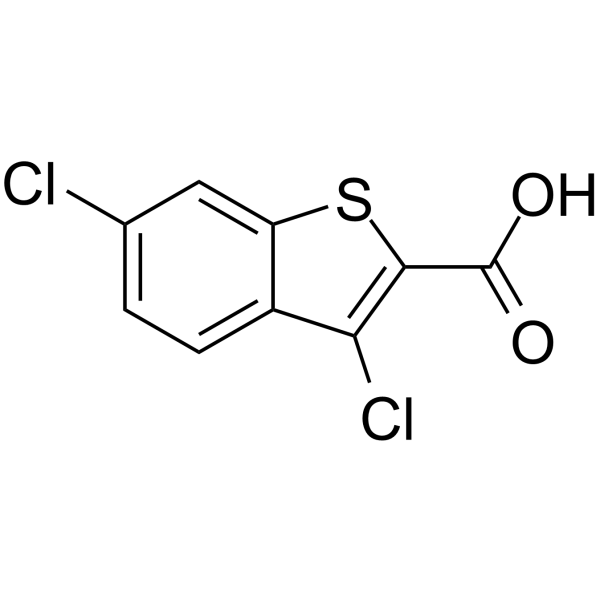
    BT2 is a BCKDC kinase (BDK) inhibitor with an IC50 of 3.19 μM. BT2 binding to BDK triggers helix movements in the N-terminal domain, resulting in the dissociation of BDK from the branched-chain α-ketoacid dehydrogenase complex (BCKDC) . BT2 (compound 4) is also a potent and selective Mcl-1 inhibitor with a Ki value of 59 μM .
    BT2
  • HY-W1128879

    SKPer1

    Molecular Glues E1/E2/E3 Enzyme Cancer
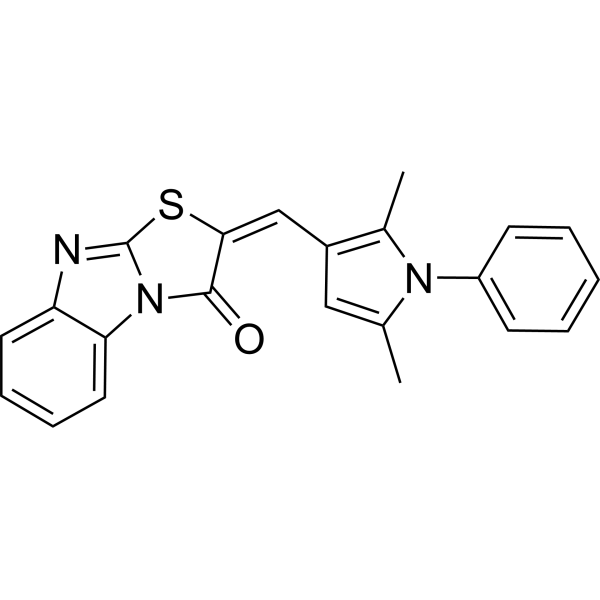
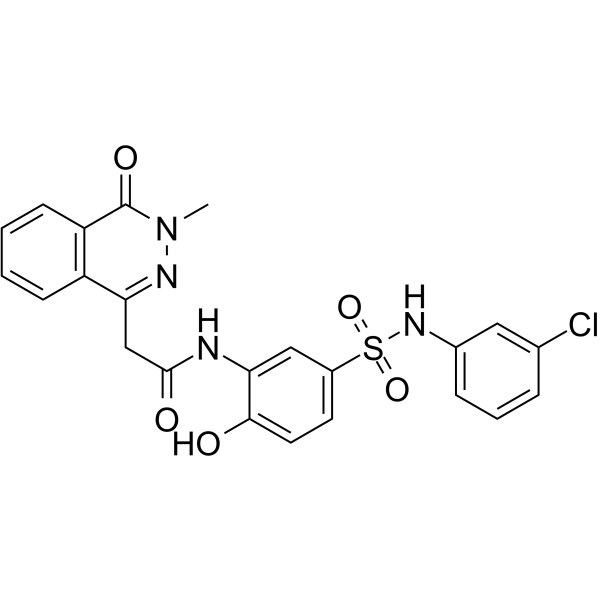
    XMU-MP-8 (SKPer1) is a potent molecular glue degrader that targets the oncoprotein SKP2. XMU-MP-8 simultaneously binds to the F-box domain of SKP2 (Kd ≈ 36 μM) and the N-terminal TPR domain of the E3 ligase STUB1 (Kd ≈ 2.5 μM), forming a stable SKP2-SKPer1-STUB1 ternary complex (Kd ≈ 8.9 nM) that induces SKP2 ubiquitination and proteasomal degradation. XMU-MP-8 selectively eliminates SKP2-expressing cancer cells. XMU-MP-8 exhibits substantial tumour suppression with good safety profiles in vivo. XMU-MP-8 can be used for cancer research, such as non-small cell lung adenocarcinoma (NSCLC) and prostatic adenocarcinoma .
    XMU-MP-8
  • HY-106723A
    AMP-PCP disodium
    2 Publications Verification

    HSP Cancer
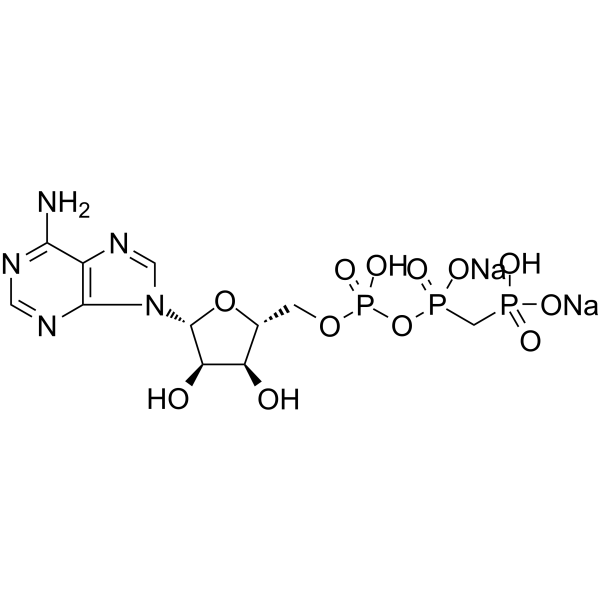
    AMP-PCP disodium is an ATP analogue and can bind to Hsp90 N-terminal domain with a Kd value of 3.8 μM. AMP-PCP disodium binding favors the formation of the active homodimer of Hsp90 .
    AMP-PCP disodium
  • HY-P10152

    Biochemical Assay Reagents Infection
    INF7 is a derivative of the N-terminal domain of the HA2 protein and is sensitive to pH. INF7 disrupts the stability of endosomal membranes through a mechanism independent of membrane fusion. INF7 can be used to enhance the endosome escape of complex or liposome-encapsulated proteins. Co-encapsulation of INF7 and molecular imaging probes in liposomes can enhance intracellular signaling and probe retention .
    INF7
  • HY-103076
    EZ-482
    1 Publications Verification

    Apolipoprotein Neurological Disease
    EZ-482, a novel ligand of apolipoprotein (apoE), binds to sites on apoE in the C-terminal domain with Kds of 5-10 μM for apoE3 and apoE4. EZ-482 binds to apoE4 by a unique N-terminal allosteric effect. EZ482 has the potential for Alzheimer’s diseas .
    EZ-482
  • HY-P99777
    Ontorpacept
    1 Publications Verification

    TTI-621

    CD47 Cancer
    Ontorpacept (TTI-621) is a soluble fusion protein that consists of the human SIRPα N-terminal (1-118) linked to the Fc region of human IgG1. The N-terminal (1-118)-fragment of ontorpacept is a binding domain for CD47 which is an inhibitor of phagocytosis by macrophages. Ontorpacept is a CD47-blocking checkpoint inhibitor with antitumor activity .
    Ontorpacept
  • HY-16663
    ITX3
    2 Publications Verification

    ROCK Others
    ITX3 is a specific and nontoxic inhibitor of TrioN (N-terminal GEF domain of the multidomain Trio protein) with an IC50 value of 76 μM. ITX3 can be used for the research of agent .
    ITX3
  • HY-138779
    ICCB-19 hydrochloride
    1 Publications Verification

    Autophagy RIP kinase Apoptosis Inflammation/Immunology
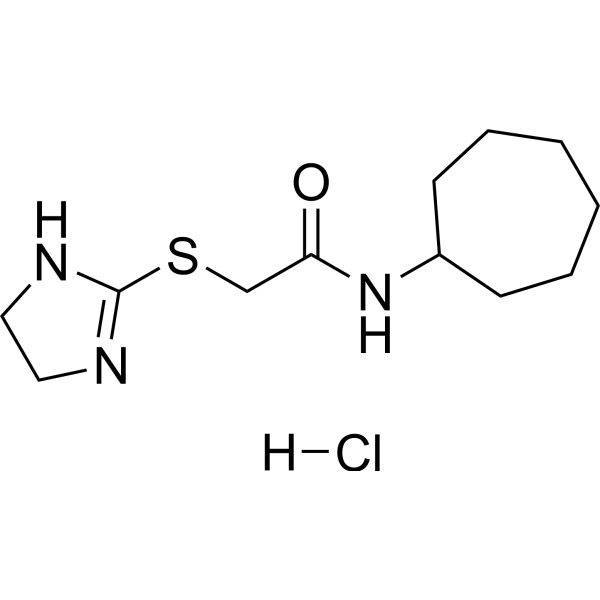
    ICCB-19 hydrochloride is a TRADD (TNFRSF1A associated via death domain) inhibitor. ICCB-19 hydrochloride binds with N-terminal domain of TRADD (TRADD-N), disrupting its binding to both TRADD-C and TRAF2. ICCB-19 hydrochloride is indirect inhibitor of RIPK1 kinase activity. ICCB-19 hydrochloride effectively induces autophagy and the degradation of long-lived proteins .
    ICCB-19 hydrochloride
  • HY-123875A

    EPI-506

    Androgen Receptor Cancer
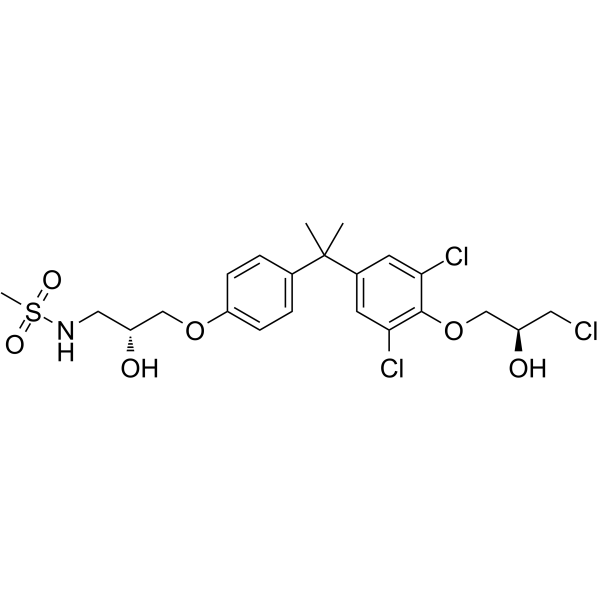
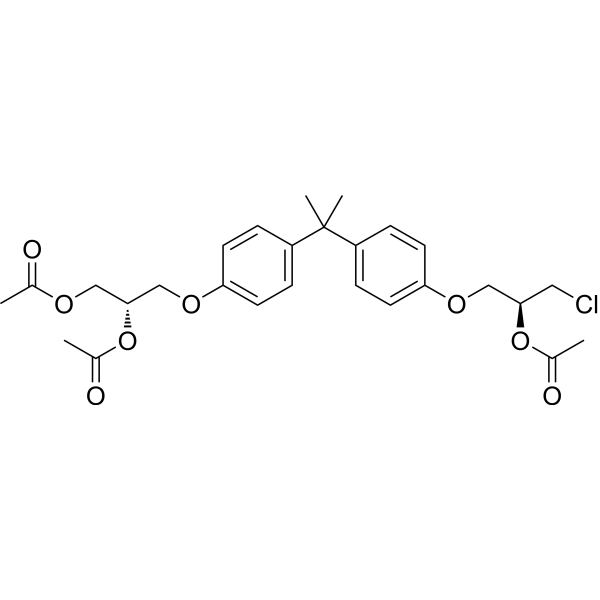
    Ralaniten triacetate (EPI-506), the pro-agent of Ralaniten, is a first-in-class, orally active androgen receptor (AR) N-terminal domain (NTD) inhibitor. Ralaniten triacetate shows activity against both full length and resistance-related AR species, including AR-v7 .
    Ralaniten triacetate
  • HY-109070

    EPI-002

    Androgen Receptor Cancer
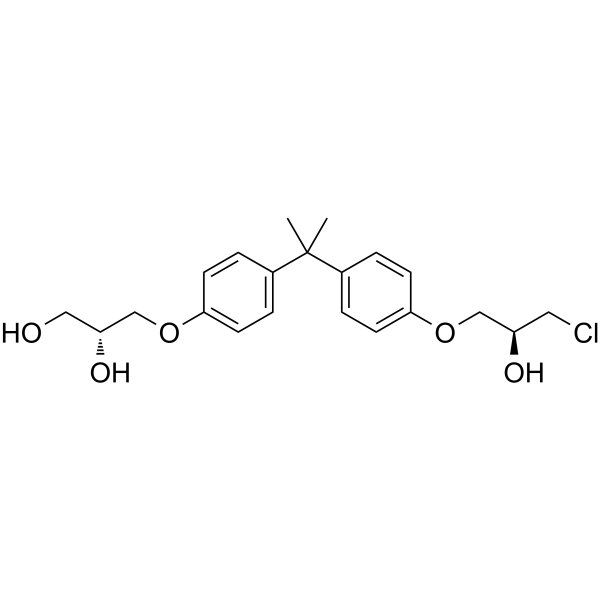
    Ralaniten (EPI-002) is a potent and orally active antagonist of the androgen receptor-N-terminal domain (AR-NTD). Ralaniten inhibits AR transcriptional activity, with IC50 of 7.4 μM. Ralaniten can be used for the research of castration-resistant prostate cancer (CRPC) .
    Ralaniten
  • HY-P990951

    REGN-5381

    Natriuretic Peptide Receptor (NPR) Cardiovascular Disease
    Vixticibart (REGN-5381) is a fully human IgG4 monoclonal antibody and NPR1 agonist that targets NPR1. Vixticibart stabilizes the receptor in an activated conformation by binding to the N-terminal domain of NPR1, and enhances the activity of endogenous ligands ANP and BNP without blocking ligand binding when these ligands are present. Vixticibart exerts vasodilatory and hypotensive effects by inducing cGMP production, preferentially dilating venous vessels to reduce systolic and venous pressure, but does not induce diuresis and may trigger a compensatory increase in heart rate. Vixticibart produces a synergistic hypotensive effect when combined with angiotensin-converting enzyme inhibitors or angiotensin receptor blockers, and is currently mainly used in research related to heart failure and hypertension .
    Vixticibart
  • HY-150102
    EPI-7170
    1 Publications Verification

    Androgen Receptor Cancer
    EPI-7170, a ralaniten analogue, is a potent androgen receptor N-terminal structural domain antagonist that blocks the transcriptional activity of full-length AR (FL-AR) and AR splice variants (AR-Vs). EPI-7170 has antitumor effects against enzalutamide resistant castration-resistant prostate cancer (CRPC) .
    EPI-7170
  • HY-P3752

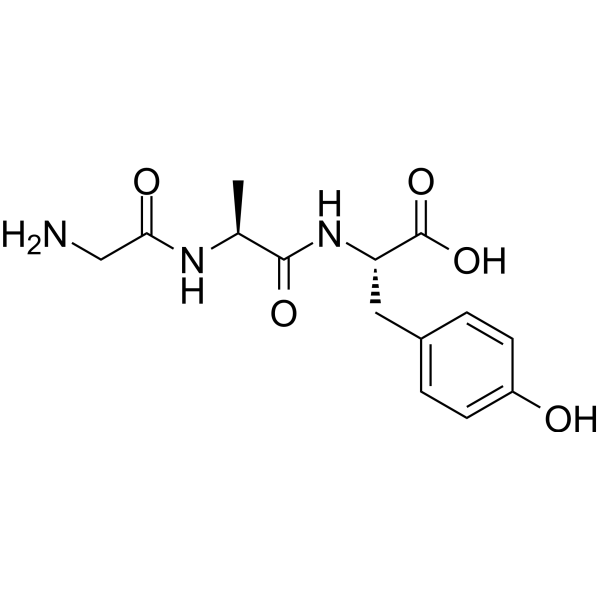
    H-Gly-Ala-Tyr-OH

    Biochemical Assay Reagents Bacterial Others
    Gly-Ala-Tyr (H-Gly-Ala-Tyr-OH) is a tripeptide substrate composed of L-glycine, alanine, and L-tyrosine joined in sequence by peptide linkages. Gly-Ala-Tyr can be hydrolyzed at both extracellular and intracellular levels by Streptococcus thermophilus, Lactobacillus delbrueckii ssp. bulgaricus, Lactobacillus acidophilus, and Bifidobacterium spp. Ala-Gly-Tyr is functionally related to L-alanine, glycine and L-tyrosine. .
    Gly-Ala-Tyr
  • HY-138155

    DNA/RNA Synthesis Cancer
    NSC15520 is a small molecular inhibitor of Replication Protein A (RPA). NSC15520 specifically recognizes the RPA N-terminal DNA binding domain (DBD), and blocks the interaction of RPA with p53 or RAD9. NSC15520 also inhibtis helix destabilization of a duplex DNA (dsDNA) oligonucleotide, involves in DNA replication, DNA repair, DNA recombination, and DNA damage response signaling .
    NSC15520
  • HY-149433

    PROTACs Androgen Receptor Apoptosis Cancer
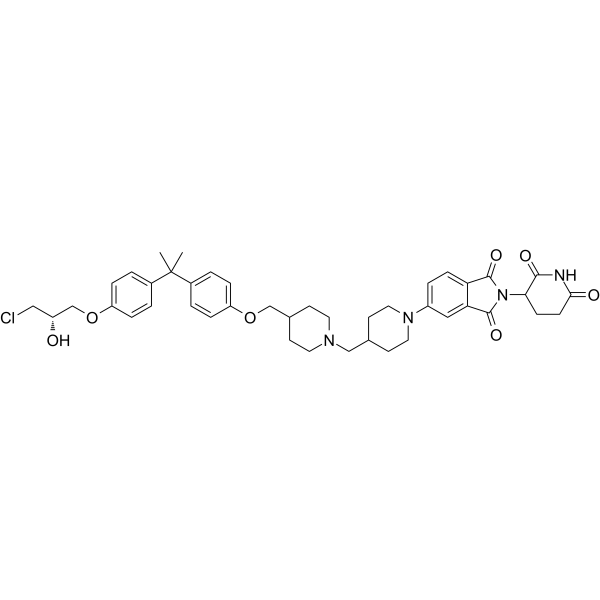
    BWA-522 is an orally active PROTAC degrader targeting full-length androgen receptor (AR-FL) and androgen receptor splice variant 7 (AR-V7). BWA-522 antagonizes the N-terminal domain (AR-NTD) of the androgen receptor, suppresses AR downstream signaling proteins and induces cancer cells apoptosis. BWA-522 inhibits tumor growth in LNCaP xenograft mouse model. BWA-522 can be used for the research of prostate cancer .
    BWA-522
  • HY-119906

    FW-04-806

    HSP Apoptosis Cancer
    Conglobatin (FW-04-806), a macrolide dilactone, is isolated from the culture of Streptomyces conglobatus. Conglobatin is an orally active Hsp90 inhibitor. Conglobatin can bind to the N-terminal domain of Hsp90 and disrupt Hsp90-Cdc37 complex formation. Conglobatin induces apoptosis in human breast cancer cells and esophageal squamous cell carcinoma cells, and exhibits antitumor activity in vivo .
    Conglobatin
  • HY-168566

    HSP Cancer
    EV206 is a Hsp70 binder and apoptosis inducer that binds to the N-terminal domain of Hsp70, promotes Hsp70 degradation via the ubiquitin-proteasome system, and reduces Hsp70 protein stability. EV206 induces apoptotic cell death, inhibits colony formation, and downregulates the expression of cancer stem cell-related markers in non-small cell lung cancer cells. EV206 inhibits the growth of H460 xenograft tumors in nude mice and can be used for the research of non-small cell lung cancer .
    EV206
  • HY-P1755

    MDM-2/p53 Cancer
    p53 (17-26) is a peptide derived from the P53 MDM2 binding domain, with a Kd of 50 nM for MDM2. p53 (17-26) causes cell lysis by damaging cancer cells and nuclear membranes, and induces cancer cell necrosis. p53 (17-26) exhibits antitumor activity and is applicable to research related to pancreatic cancer .
    p53 (17-26)
  • HY-177555

    Influenza Virus Endonuclease Infection
    AV5116 is a cap-dependent endonuclease inhibitor (CENI) that binds to the active site of the cap-dependent endonuclease (CEN) located in the N-terminal domain of the polymerase acidic. AV5116 exhibits potent inhibitory activity against influenza viruses (influenza A, B, and C viruses). AV5116 can be used for the study of influenza virus infections .
    AV5116
  • HY-155478

    Androgen Receptor Cancer
    Androgen receptor-IN-6 (compound 16) is an orally available androgen receptor (Androgen Receptor) potent inhibitor (IC50=0.12 μM in vitro), targeting the disordered N-terminal domain (NTD). Androgen receptor-IN-6 has good Caco2 cell membrane permeability and has an oral activity (F/%) of 16% in male CD-1 mice .
    Androgen receptor-IN-6
  • HY-P4933

    Tau-F protein (255-314)

    Tau Protein Neurological Disease
    Tau Peptide (255-314) (Repeat 2 Domain) (human) (Tau-F protein (255-314)) is a polypeptide. Tau Peptide (255-314) (human) is the 255-314 fragment of Tau-F (also known as Tau-4, the 2N4 isoform), a major isoform of the Tau protein. Tau Peptide (255-314) (human) contains two core driving sequences for Tau aggregation, namely PHF6* (275-280, VQIINK) and PHF6 (306-311, VQIVYK), and spans the C-terminal half of repeat domain R1, the entire repeat domain R2, and the N-terminal half of repeat domain R3 within the microtubule-binding region (MTBR).
    Tau Peptide (255-314) (Repeat 2 Domain) (human)
  • HY-P991611

    iGluR Inflammation/Immunology
    ART5803 is a humanized IgG1 monoclonal antibody inhibitor targeting NMDAR. ART5803 binds to the N-terminal domain (NTD) of the NMDAR GluN1 subunit (GluN1-NTD) with a high affinity. ART5803 blocks NMDAR internalization induced by pathogenic autoantibodies and restores cell-surface NMDAR expression and functions. ART5803 reverses behavioral abnormalities and NMDAR expression in marmoset disease models. ABT-147 can be used to study anti-NMDAR encephalitis .
    ART5803
  • HY-164373

    Androgen Receptor Apoptosis Cancer
    SC428 is an androgen receptor (AR) inhibitor that targets the N-terminal domain. SC428 potently decrease the transactivation of (AR)-V7, (AR)v567es, as well as full-length ( AR ) (AR-FL) and its LBD mutants, substantially. SC428 inhibits androgen-stimulated (AR)-FL nuclear translocation, chromatin binding, and (AR) -regulated gene transcription. SC428 inhibits the proliferation of tumor cells in vitro. SC428 inhibits tumor cell growth by inducing apoptosis in mice transplanted with 22RV1 .
    SC428
  • HY-103078

    HIV Reverse Transcriptase Infection
    I-XW-053 is a specific anti-HIV-1 capsid inhibitor (IC50=164.2 μM). By binding to the CA NTD-NTD hexamerization interface and the R173 region of CTD (Kd=66.3 μM), I-XW-053 disrupts capsid function and reduces polymerization levels. I-XW-053 effectively blocks HIV-1 uncoating, inhibits reverse transcription and early replication, and exhibits broad-spectrum activity against primary HIV-1 isolates in peripheral blood mononuclear cells. I-XW-053 can be widely used in studies related to HIV-1 infection .
    I-XW-053
  • HY-106723

    HSP Cancer
    AMP-PCP is an ATP analogue and can bind to Hsp90 N-terminal domain with a Kd value of 3.8 μM. AMP-PCP binding favors the formation of the active homodimer of Hsp90 .
    AMP-PCP
  • HY-143418

    SARS-CoV Infection
    SARS-CoV-2-IN-17 (Compound 16) is a potent SARS-CoV-2 nucleocapsid protein (NPro) inhibitor. SARS-CoV-2-IN-17 exhibits potent anti-viral activity with the EC50 of 2.18 μM. SARS-CoV-2-IN-17 binds to NPro with the low KD value of 7.82 μM, suggesting that SARS-CoV-2-IN-17 is a potent NPro ligand .
    SARS-CoV-2-IN-17
  • HY-N12982

    Others Others
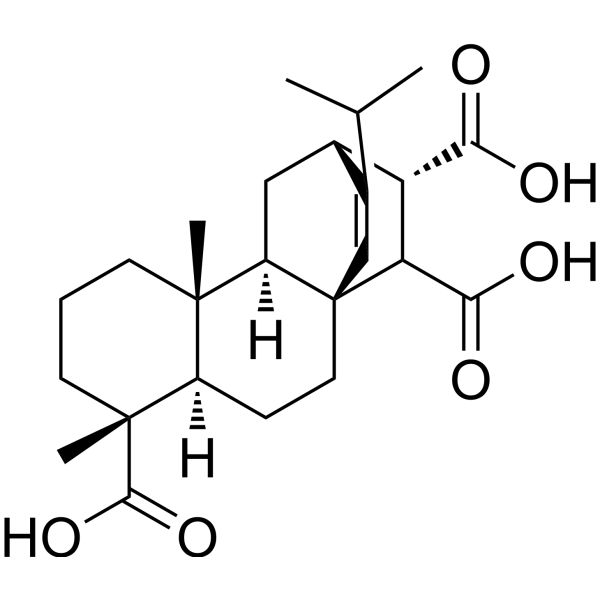
    α-Calacorene is a sesquiterpene that can be isolated from Réunion vetiver oil .
    α-Calacorene
  • HY-181846

    DNA/RNA Synthesis Neurological Disease
    nTRD22 is an RNA-binding allosteric modulator targeting TDP-43. nTRD22 binds to the N-terminal domain of TDP-43, thereby allosterically regulating the RNA-binding domain of TDP-43 and reducing its RNA-binding ability. nTRD22 decreases the TDP-43 protein level in primary motor neurons. nTRD22 alleviates motor dysfunction in amyotrophic lateral sclerosis models. nTRD22 is applicable to related research on amyotrophic lateral sclerosis .
    nTRD22
  • HY-152078

    Influenza Virus Infection
    Influenza virus-IN-6 (Compound 35) is a potent influenza N-terminal domain of the polymerase acidic protein subunit (PAN) endonuclease inhibitor with an IC50 of 0.20 μM .
    Influenza virus-IN-6
  • HY-139831

    Galectin Cancer
    Galectin-8-IN-1 is a selective ligand for the galectin-8 N-terminal domain (galectin-8N), with a Kd of 48 μM and 15-fold selectivity over galectin-3 and even better selectivity over the other mammalian galectins.
    Galectin-8-IN-1
  • HY-186018

    Clathrin Infection
    Pitstop 2d is a Clathrin inhibitor with an IC50 of <2 μM. Pitstop 2d binds to Clathrin N-terminal β-propeller domain, inhibits Clathrin function and dynamics and impairs VSV entry. Pitstop 2d inhibits Clathrin-mediated Endocytosis. Pitstop 2d does not inhibit clathrin-independent Endocytosis .
    Pitstop 2d
  • HY-P991158

    TGF-β Receptor Neurological Disease
    Rinvatercept, a fusion protein, is a glycyl (1)-chimeric N-terminal (1-108)-peptide (2-109) combined from the sequences of the extracellular domains of the human ACVR2A/B, and is fused via a G3 peptide linker (110-112) to an immunoglobulin G1 (IgG1) Fc fragment. Rinvatercept can be used for research of neuromuscular disease .
    Rinvatercept
  • HY-P5320

    Apoptosis Others
    TAT-BH4 (Bcl-xL) localized mainly at the mitochondria, prevents apoptotic cell death. TAT-BH4 (Bcl-xL) is a fusion peptide that combines the N-terminal cysteine conjugated protein transduction domain of HIV TAT protein (amino acids 49 to 57) with the Bcl-xL BH4 peptide. TAT-BH4 can be used for research of diseases caused by accelerated apoptosis .
    TAT-BH4 (Bcl-xL)
  • HY-149434

    Androgen Receptor PROTACs Apoptosis Cancer
    PROTAC AR-NTD antagonist 1 (compound 18) is a small molecule protein-targeting chimera (PROTACs) targeting the Androgen Receptor AR-V7. PROTAC AR-NTD antagonist 1 antagonizes the N-terminal domain of AR (AR-NTD), degrades AR-V7 protein, and induces apoptosis in prostate cancer (PC) cells. The efficiencies of PROTAC AR-NTD antagonist 1 in degrading AR-V7 in VCaP cells were 62.2% (1 μM) and 71.1% (5 μM), respectively .
    PROTAC AR-NTD degrader 1
  • HY-178938

    Molecular Glues Androgen Receptor Caspase Apoptosis Endocrinology Cancer
    AR Degrader-3 is an orally active molecular glue that targets AR/ARV7 and induces the degradation of AR and ARV7 through the ubiquitin-proteasome pathway (UPP). AR Degrader-3 directly interacts with the ligand-binding domain (LBD) and the N-terminal domain (NTD) of AR. AR Degrader-3 effectively suppresses the transcriptional activity of wild-type AR (AR-WT), AR mutants, and ARV7. AR Degrader-3 downregulates the mRNA and protein levels of downstream AR target genes, thereby overcoming antiandrogen resistance mediated by ARV7 and AR point mutations. AR Degrader-3 induces apoptosis in Enzalutamide (HY-70002) (ENZa)-resistant cells and increases cleaved caspase-3 protein levels. AR Degrader-3 can be used for the study of castration-resistant prostate cancer (CRPC) .
    AR Degrader-3
  • HY-P2490

    Thrombin Metabolic Disease
    Acetyl-Hirudin (54-65) (sulfated) is a acetyl-fragment of Hirudin which binds directly to thrombin-rHCII(L444R) and disrupts interactions between the N-terminal acidic domain of rHCII and anion-binding exosite I of thrombin that serves to stabilize the complex .
    Acetyl-Hirudin (54-65) sulfated
  • HY-E70691

    CDK Cancer
    CLK1 is one of the dual specificity kinases and is the founding member of the 'LAMMER' family of kinases. CLK1 activity is positively regulated by phosphorylation on either tyrosine residues or serine/threonine residues, and is negatively regulated by steric constraints mediated by the N-terminal domain, as well as, by phosphorylation on a subset of serine/threonine residues within the catalytic domain. CLK1 Recombinant Human Active Protein Kinase is a recombinant CLK1 protein that can be used to study CLK1-related functions .
    CLK1 Recombinant Human Active Protein Kinase
  • HY-W286614

    Ribosomal S6 Kinase (RSK) Inflammation/Immunology Cancer
    RSK2-IN-4 (Compound 10) is a RSK2 inhibitor, with an inhibition rate of 13.73% on RSK2 activity at 10 μM. RSK2-IN-4 binds to the ATP-binding site of RSK2 in the NTKD (N-terminal kinase domain), with the electron-donating group at the 4-position of the phenyl ring being the key determinant for its inhibitory activity .
    RSK2-IN-4
  • HY-P990986

    Interleukin Related Inflammation/Immunology Cancer
    Efdelikofusp alfa is a bispecific Fc fusion protein. Efdelikofusp alfa is formed by fusing the N-terminal extracellular domain of human CD80 (B7.1) with the Fc fragment of human immunoglobulin G4 (IgG4), and is linked to an interleukin-2 variant (IL-2v) as the C-terminal part. Efdelikofusp alfa exhibits potential immunostimulatory, immune checkpoint inhibitory, and antitumor activities.
    Efdelikofusp alfa
  • HY-P990992

    GI-102

    Interleukin Related Inflammation/Immunology Cancer
    Efzilonkofusp alfa is a bispecific Fc fusion protein. Efzilonkofusp alfa is formed by fusing the N-terminal extracellular domain of human CD80 (B7.1) with the Fc fragment of human immunoglobulin G4 (IgG4), and is linked to an interleukin-2 variant (IL-2v) as the C-terminal part. Efzilonkofusp alfa exhibits potential immunostimulatory, immune checkpoint inhibitory, and antitumor activities.
    Efzilonkofusp alfa
  • HY-P5320A

    Apoptosis Others
    TAT-BH4 (Bcl-xL) TFA is localized mainly at the mitochondria, prevents apoptotic cell death. TAT-BH4 (Bcl-xL) is a fusion peptide that combines the N-terminal cysteine conjugated protein transduction domain of HIV TAT protein (amino acids 49 to 57) with the Bcl-xL BH4 peptide. TAT-BH4 TFA can be used for research of diseases caused by accelerated apoptosis .
    TAT-BH4 (Bcl-xL) TFA
  • HY-N15327

    HIV HIV Integrase Infection
    Hyrtiosal, found in the marine sponge Hyrtios erectus, is an inhibitor of the N-terminal domain (NTD) of HIV-1 integrase (HIV-1 IN) with an IC50 value of 9.60-0.86 μM. Hyrtiosal binds to the Ser17, Trp19, and Lys34 sites on the NTD of HIV-1 IN, inhibiting the binding of HIV-1 viral DNA to integrase and interfering with the formation of the pre-integrated complex of HIV-1. Hyrtiosal is promising for research of anti-HIV agents .
    Hyrtiosal
  • HY-P990816

    SARS-CoV Infection
    Anti-SARS-CoV-2 S protein Antibody (NTD, SARS2-29) is a mouse-derived IgG1 κ type antibody inhibitor, targeting to SARS-CoV-2 S protein. Anti-SARS-CoV-2 S protein Antibody (NTD, SARS2-29) reacts with the N-terminal domain (NTD) in the spike (S) protein of SARS-CoV-2 (Severe Acute Respiratory Syndrome Coronavirus 2). Anti-SARS-CoV-2 S protein Antibody (NTD, SARS2-29) can be used for the detections of flow cytometry and ELISA in SARS-CoV-2 infection .
    Anti-SARS-CoV-2 S protein Antibody (NTD, SARS2-29)
  • HY-143417

    SARS-CoV Infection
    SARS-CoV-2-IN-16 (Compound 12) is a potent SARS-CoV-2 nucleocapsid protein (NPro) inhibitor. SARS-CoV-2-IN-16 exhibits potent anti-viral activity with the EC50 of 3.69 μM. SARS-CoV-2-IN-16 binds to NPro with the low KD value of 7.82 μM, suggesting that SARS-CoV-2-IN-16 is a potent NPro ligand .
    SARS-CoV-2-IN-16
  • HY-181933

    Clathrin Dynamin Infection
    Clathrin-IN-5 (Compound 9) is a Clathrin N-terminal domain-Amphiphysin protein-protein interaction inhibitor with an IC50 of 2.77 μM. Clathrin-IN-5 inhibits the protein-protein interaction between the clathrin N-terminal domain and amphiphysin. Clathrin-IN-5 inhibits clathrin-mediated endocytosis with an IC50 of 4.6 μM. Clathrin-IN-5 inhibits the GTPase activity of Dynamin I with an IC50 of 29.7 μM .
    Clathrin-IN-5
  • HY-P992057

    Tau Protein Neurological Disease
    Armanezumab is a monoclonal antibody that targets and inhibits tau protein, and it specifically binds to the exposed N-terminal domain of pathological tau protein. Armanezumab can be used in relevant studies on Alzheimer's disease, frontotemporal dementia, and Pick's disease .
    Armanezumab
  • HY-182722

    Androgen Receptor Cancer
    UT-105 is an orally active androgen receptor (AR) degrader. UT-105 binds to the N-terminal domain of AR and promotes its degradation. UT-105 inhibits the growth of enzalutamide-resistant breast cancer xenografts and reduces tumor cell proliferation. UT-105 can be used in the research of estrogen receptor-positive breast cancer .
    UT-105
  • HY-103076R

    Apolipoprotein Reference Standards Neurological Disease
    EZ-482 (Standard) is the analytical standard of EZ-482 (HY-103076). This product is intended for research and analytical applications. EZ-482, a novel ligand of apolipoprotein (apoE), binds to sites on apoE in the C-terminal domain with Kds of 5-10 μM for apoE3 and apoE4. EZ-482 binds to apoE4 by a unique N-terminal allosteric effect. EZ482 has the potential for Alzheimer’s diseas .
    EZ-482 (Standard)
  • HY-109070R

    EPI-002 (Standard)

    Reference Standards Androgen Receptor Cancer
    Ralaniten (Standard) is the analytical standard of Ralaniten (HY-109070). This product is intended for research and analytical applications. Ralaniten (EPI-002) is a potent and orally active antagonist of the androgen receptor-N-terminal domain (AR-NTD). Ralaniten inhibits AR transcriptional activity, with IC50 of 7.4 μM. Ralaniten can be used for the research of castration-resistant prostate cancer (CRPC) .
    Ralaniten (Standard)
  • HY-P991781

    CXCR Inflammation/Immunology
    Anti-Mouse CXCR6 Antibody (Cx6Mab-1) reacts with the N-terminal extracellular ligand-binding domain of mouse CXCR6. Recommend Isotype Controls: Rat IgG1 kappa, Isotype Control (HY-P99979) .
    Anti-Mouse CXCR6 Antibody (Cx6Mab-1)

Inquiry Online

Your information is safe with us. * Required Fields.

Salutation


Country or Region *

Applicant Name *


Organization Name *

Department *


Email Address *


Product Name *

Cat. No.


Requested quantity *

Phone Number *


Remarks

Inquiry Online

Inquiry Information

Product Name:
Cat. No.:
Quantity:
MCE Japan Authorized Agent:

