1. Search Result
Search Result
Results for "

Noncompetitive inhibition

" in MedChemExpress (MCE) Product Catalog:

48

Inhibitors & Agonists

1

Biochemical Assay Reagents

1

Peptides

10

Natural
Products

2

Isotope-Labeled Compounds

1

Oligonucleotides

Cat. No. 상품명 Target 연구분야 Chemical Structure
  • HY-15185
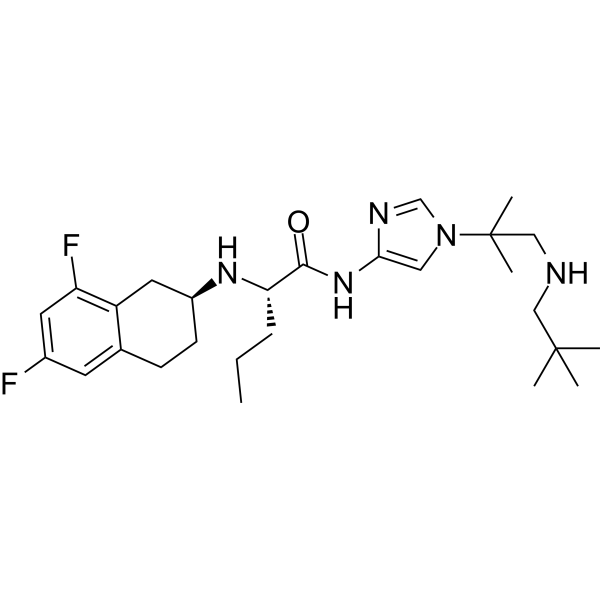
    Nirogacestat
    10+ Cited Publications

    PF-3084014

    γ-secretase Apoptosis Cancer
    Nirogacestat (PF-3084014) is a reversible, orally bioavailable, noncompetitive, and selective γ-secretase inhibitor with an IC50 of 6.2 nM. Inhibition of Notch signaling by Nirogacestat while minimizing gastrointestinal toxicity presents a promising approach for research of Notch receptor-dependent cancers .
    Nirogacestat
  • HY-13965
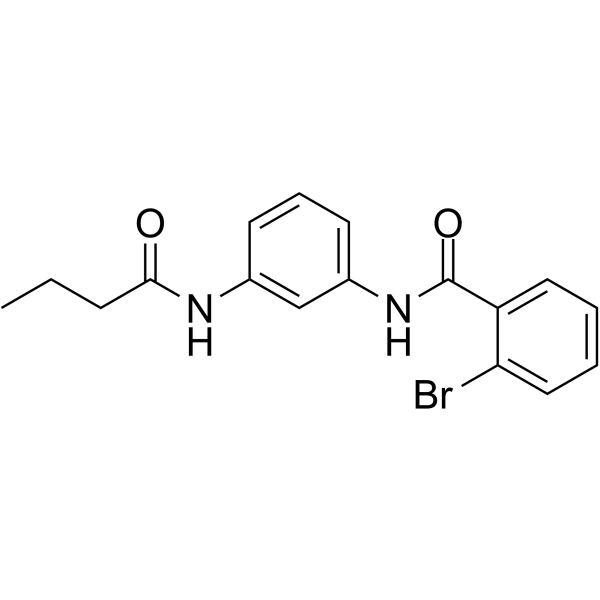
    Parmodulin 2
    5 Publications Verification

    ML161

    Protease Activated Receptor (PAR) Cardiovascular Disease
    Parmodulin 2 (ML161) is an allosteric inhibitor of protease-activated receptor 1 (PAR1) with an IC50 of 0.26 μM . Parmodulin 2 is a potent and non-competitive inhibitor of SFLLRN-induced P-selectin expression leading to inhibition of platelet aggregation in vitro and platelet thrombus formation in vivo .
    Parmodulin 2
  • HY-15185B
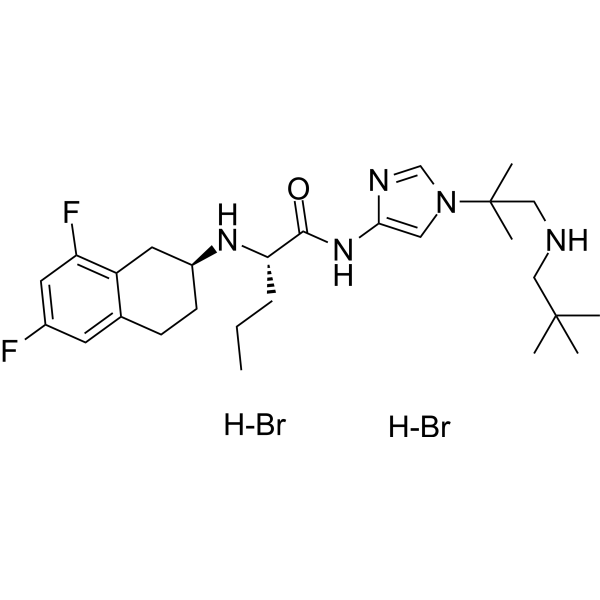
    Nirogacestat dihydrobromide
    10+ Cited Publications

    PF-3084014 dihydrobromide; PF-03084014 dihydrobromide

    γ-secretase Apoptosis Cancer
    Nirogacestat dihydrobromide (PF-3084014 dihydrobromide) is a reversible, orally bioavailable, noncompetitive, and selective γ-secretase inhibitor with an IC50 of 6.2 nM. Inhibition of Notch signaling by Nirogacestat dihydrobromide while minimizing gastrointestinal toxicity presents a promising approach for research of Notch receptor-dependent cancers .
    Nirogacestat dihydrobromide
  • HY-W015490
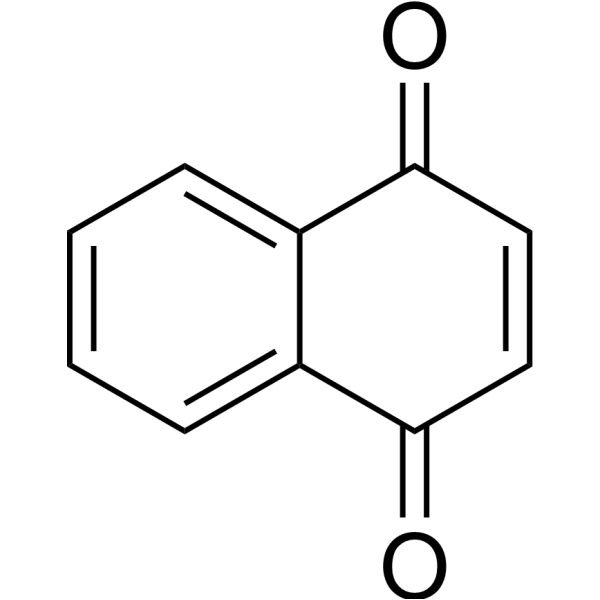
    1,4-Naphthoquinone
    3 Publications Verification

    Environmental Pollutants DNA/RNA Synthesis NF-κB Monoamine Oxidase TNF Receptor Bacterial Infection Inflammation/Immunology Cancer
    1,4-Naphthoquinone is an inhibitor with broad-spectrum inhibitory activity targeting DNA polymerase, NF-κB and monoamine oxidase (MAO-A/B), with antibacterial and anti-biofilm efficacy. 1,4-Naphthoquinone is a competitive inhibitor of MAO-B (Ki=1.4 μM) and a non-competitive inhibitor of MAO-A (Ki=7.7 μM). 1,4-Naphthoquinone inhibits DNA polymerase pol α, β, γ, δ, ε, λ with IC50 ranging from 5.57-128 μM. 1,4-Naphthoquinone inhibits tumor cell proliferation, induces apoptosis and necrosis, and has anti-angiogenic and anti-inflammatory activities by inducing oxidative stress, depleting glutathione (GSH), inhibiting DNA polymerase-mediated DNA synthesis and blocking NF-κB nuclear translocation. 1,4-Naphthoquinone can be used in anti-bacterial , anti-tumor and anti-inflammatory studies, including inhibition of melanoma and colon cancer cell growth and endothelial cell function, as well as LPS-induced inflammation models .
    1,4-Naphthoquinone
  • HY-117769

    Fatty Acid Synthase (FASN) Metabolic Disease
    GSK837149A is a selective inhibitor of human Fatty Acid Synthase (FASN) targeting the KR domain. GSK837149A has reversible inhibition effect on FASN and selectivity for type I FASN (Ki=30 nM). GSK837149A is also a competitive inhibitor of NADPH and a non-competitive inhibitor of acetoacetyl-CoA. GSK837149A can be used for the research of obesity and breast cancer .
    GSK837149A
  • HY-N2511

    Cholinesterase (ChE) Phosphatase Infection Neurological Disease
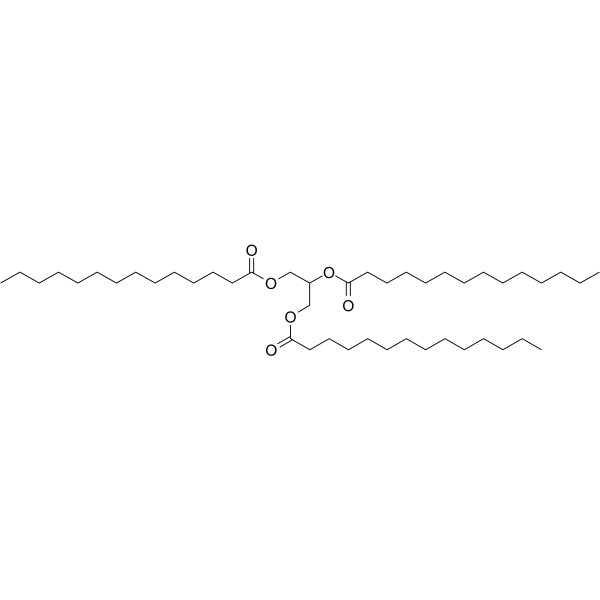
    Trimyristin is an orally active compound. Trimyristin can be isolated from the seeds of nutmeg (Myristica fragrans). Trimyristin inhibits the activities of acetylcholinesterase (AChE), ACP and ALP, with IC50 values of 0.11, 0.16 and 0.18 mM, respectively. Trimyristin exerts competitive-noncompetitive inhibition on acetylcholinesterase, uncompetitive inhibition on ACP, and competitive/noncompetitive inhibition on ALP. Trimyristin restores the downregulated acetylcholinesterase concentration in the cerebral cortex of rats exposed to sodium arsenite. Trimyristin can be used in studies related to fascioliasis and neurotoxicity .
    Trimyristin
  • HY-W719041

    HIV Reverse Transcriptase Infection
    1,6-Di-O-galloyl-β-D-glucose is a compound found in the fruit of Phyllanthus emblica. 1,6-Di-O-galloyl-β-D-glucose has HIV-1 reverse transcriptase (RT) inhibitory activity with an IC50 value of 270 μM. The inhibitory mechanism of 1,6-Di-O-galloyl-β-D-glucose is competitive inhibition of the template primer and non-competitive inhibition of the substrate (dTTP). 1,6-Di-O-galloyl-β-D-glucose can be used in anti-HIV research .
    1,6-Di-O-galloyl-β-D-glucose
  • HY-N7389A

    Endogenous Metabolite Drug Intermediate Metabolic Disease
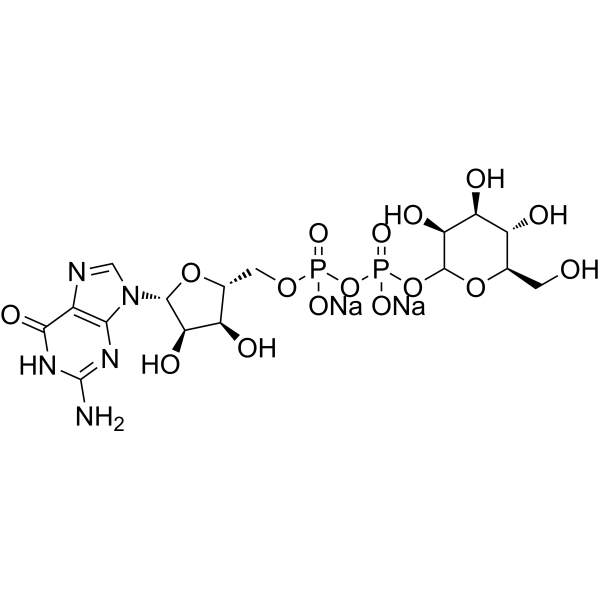
    GDP-D-mannose disodium consists of GDP-α-D-mannose (HY-N7389B) and GDP-β-D-mannose. GDP-α-D-mannose serves as a donor substrate for mannosyltransferases and acts as a precursor of GDP-β-L-fucose. GDP-α-D-mannose exerts competitive inhibition on GTP (with a Ki value of 14.7 μM) and non-competitive inhibition on mannose-1-P (with a Ki value of 115 μM). GDP-D-mannose disodium is metabolized to GDP-L-fucose (HY-134433) via GMDS (Gmd) and TSTA3 (WcaG) .
    GDP-D-mannose disodium
  • HY-70003

    CPG2 Inhibitor

    Carboxypeptidase Cancer
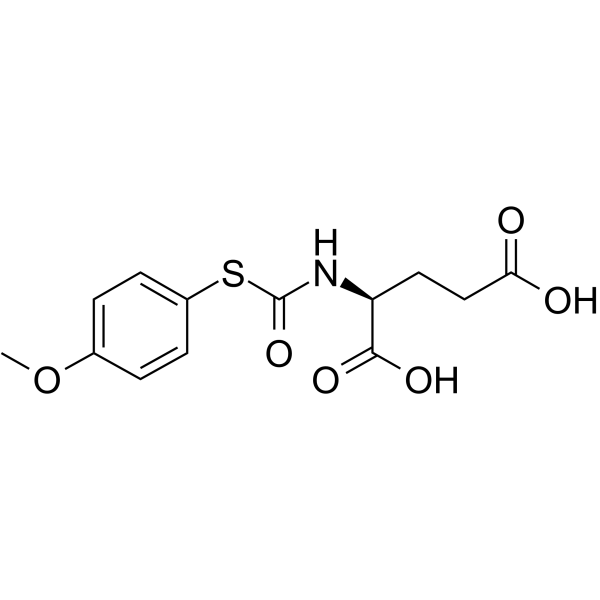
    Carboxypeptidase G2 (CPG2) Inhibitor is a novel CPG2 inhibitor with an Ki of 0.3 μM. Carboxypeptidase G2 (CPG2) Inhibitor effectively neutralizes the CPG2 activity in non-tumor sites, allowing for earlier administration of the drug and forming a complementary strategy with antibody clearance strategies. Carboxypeptidase G2 (CPG2) Inhibitor can be used for the study of antibody-directed enzyme prodrug therapy (ADEPT) .
    Carboxypeptidase G2 (CPG2) Inhibitor
  • HY-W015490S

    Isotope-Labeled Compounds DNA/RNA Synthesis NF-κB Monoamine Oxidase TNF Receptor Bacterial Infection Inflammation/Immunology Cancer
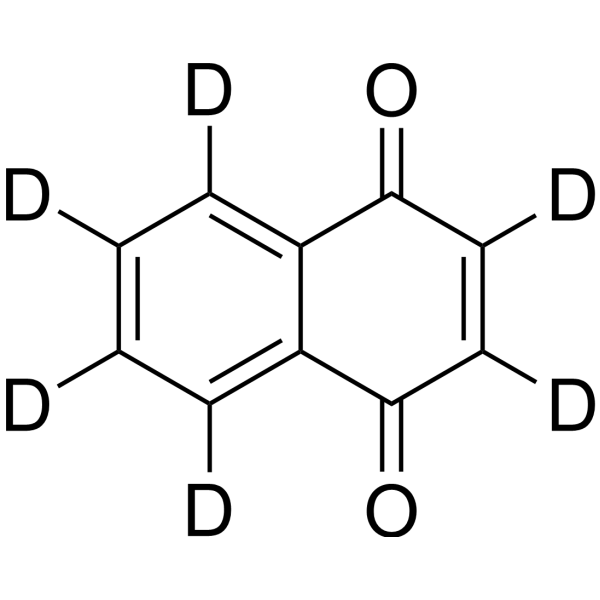
    1,4-Naphthoquinone-d6 is the deuterium labeled 1,4-Naphthoquinone. 1,4-Naphthoquinone is an inhibitor with broad-spectrum inhibitory activity targeting DNA polymerase, NF-κB and monoamine oxidase (MAO-A/B), with antibacterial and anti-biofilm efficacy. 1,4-Naphthoquinone is a competitive inhibitor of MAO-B (Ki=1.4 μM) and a non-competitive inhibitor of MAO-A (Ki=7.7 μM). 1,4-Naphthoquinone inhibits DNA polymerase pol α, β, γ, δ, ε, λ with IC50 ranging from 5.57-128 μM. 1,4-Naphthoquinone inhibits tumor cell proliferation, induces apoptosis and necrosis, and has anti-angiogenic and anti-inflammatory activities by inducing oxidative stress, depleting glutathione (GSH), inhibiting DNA polymerase-mediated DNA synthesis and blocking NF-κB nuclear translocation. 1,4-Naphthoquinone can be used in anti-bacterial , anti-tumor and anti-inflammatory studies, including inhibition of melanoma and colon cancer cell growth and endothelial cell function, as well as LPS-induced inflammation models .
    1,4-Naphthoquinone-d6
  • HY-N3394

    Others Infection
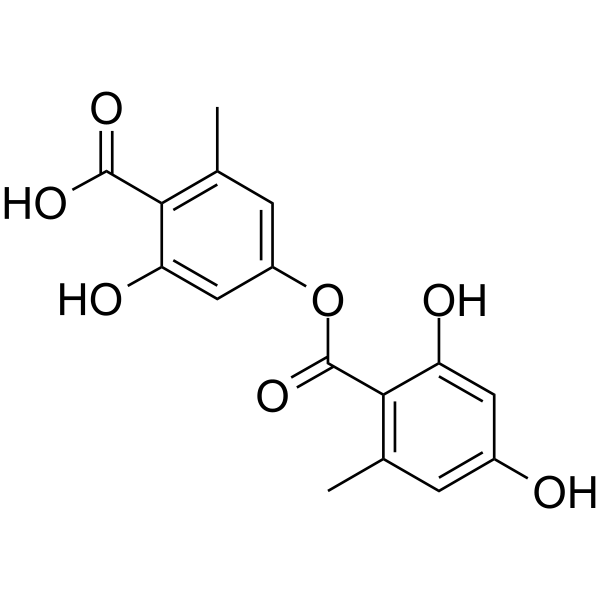
    Lecanoric acid is a histidine-decarboxylase inhibitor isolated from fungus. The inhibition by lecanoric acid is competitive with histidineand noncompetitive with pyridoxal phosphate. Lecanoric acid did not inhibit aromatic amino acid decarboxylase .
    Lecanoric acid
  • HY-120566

    NTPDase Neurological Disease Inflammation/Immunology Cancer
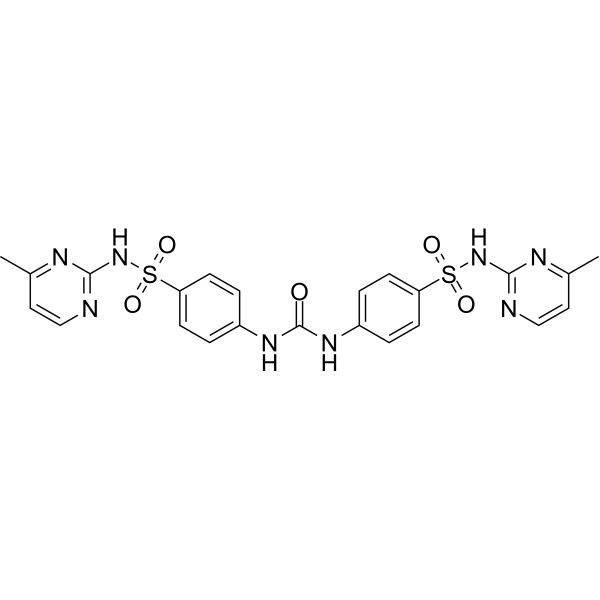
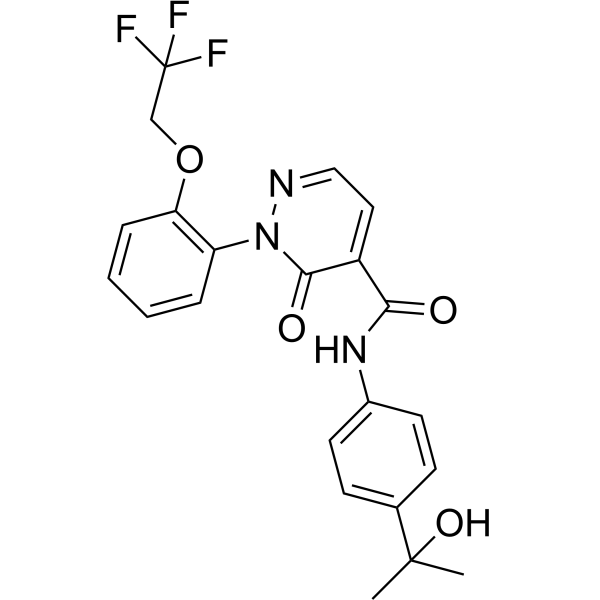
    PSB-16131 is a potent inhibitor of human NTPDase2, showing non-competitive inhibition with an IC50 of 539 nM. PSB-16131 can be used in the study of inflammation, neurodegenerative diseases and cancer .
    PSB-16131
  • HY-144267

    Glucosylceramide Synthase (GCS) Neurological Disease Metabolic Disease
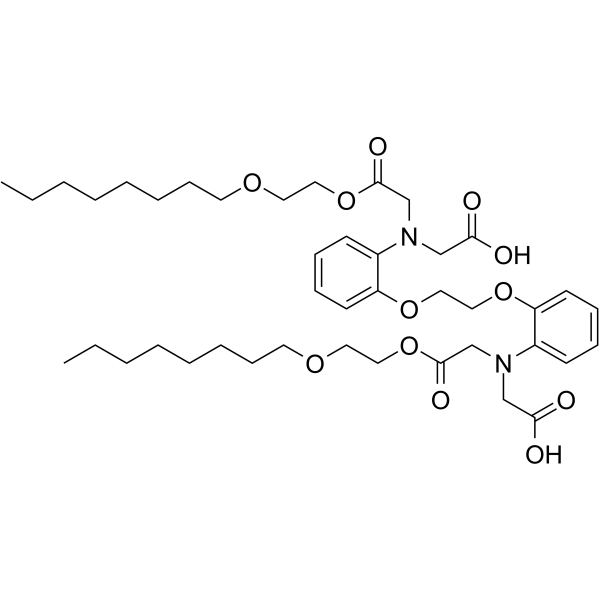
    Glucosylceramide synthase-IN-2 (compound T-690) is a potent, brain-penetrant and orally active glucosylceramide synthase (GCS) inhibitor with IC50s of 15 nM and 190 nM for human GCS and mouse GCS, respectively.Glucosylceramide synthase-IN-2 exhibits noncompetitive type inhibition with C8-ceramide and UDP-glucose.Glucosylceramide synthase-IN-2 can be used for Gaucher's disease research .
    Glucosylceramide synthase-IN-2
  • HY-69085

    Carbonic Anhydrase Others
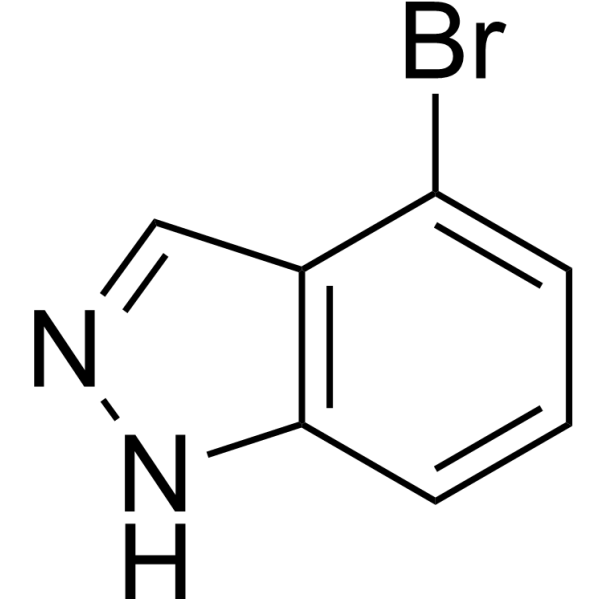
    4-Bromo-1H-indazole is a carbonic anhydrase inhibitor, with an IC50 of 0.403 mM and a Ki of 0.383 mM against hCA-I, as well as an IC50 of 0.700 mM and a Ki of 0.935 mM against hCA-II. 4-Bromo-1H-indazole reduces the catalytic activity of human I and II isoforms of carbonic anhydrase .
    4-Bromo-1H-indazole
  • HY-148545

    SHMT Cancer
    SHMT-IN-3 (Hit 1) is a SHMT1 and SHMT2 inhibitor with an IC50 of 0.53 µM for human SHMT1. SHMT-IN-3 exhibits noncompetitive inhibition against serine .
    SHMT-IN-3
  • HY-N7536

    TRP Channel Others
    Voacangine is an antagonist for TRPV1 and TRPM8 but as an agonist for TRPA1 (EC50=8 μM). Voacangine competitively blockes capsaicin binding to TRPV1 (IC50=50 μM). Voacangine competitively inhibits the binding of menthol to TRPM8 (IC50=9 μM) and it shows noncompetitive inhibition against icilin (IC50=7 μM). Voacangine selectively abrogates chemical agonist-induced TRPM8 activation and did not affect cold-induced activation. Voacangine is an alkaloid isolated from the root bark of Voacanga africana .
    Voacangine
  • HY-W661499

    Phosphatase Apoptosis Reactive Oxygen Species (ROS) Caspase Cancer
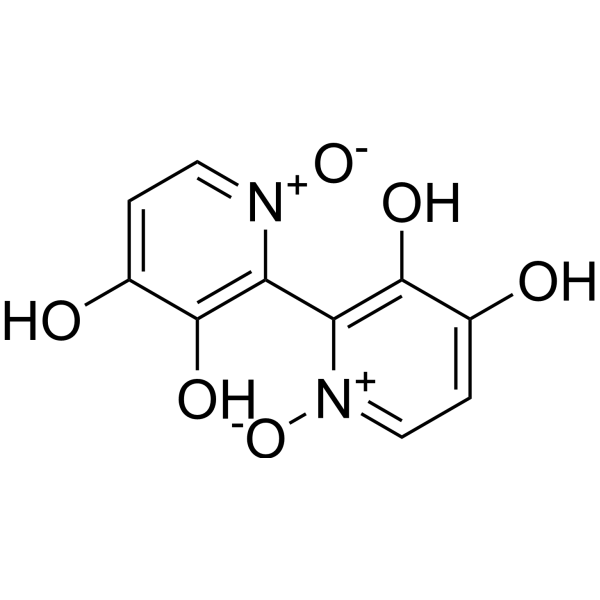
    Orellanine, a nephrotoxic alkaloid found in Cortinarius orellanus, is an orally active and selective non-competitive inhibitor of alkaline phosphatase. Orellanine chelates iron, generates reactive oxygen species (ROS), induces DNA scission, forms ortho-semiquinone radicals, downregulates antioxidant defenses, and inhibits mitochondrial function. Orellanine induces caspase 8/9-mediated apoptosis. Orellanine inhibits synthesis of proteins, RNA, DNA, and mitochondrial protein synthesis, with metabolic activation required for cell-free protein synthesis inhibition. Orellanine can be used for the research of metastatic clear cell renal cell carcinoma, acute renal failure, chronic renal insufficiency, and kidney damage .
    Orellanine
  • HY-139158

    HIV Infection
    Ainuovirine is a second-generation non-nucleoside reverse transcriptase inhibitor (NNRTI). Ainuovirine inhibits HIV replication by non-competitively binding to HIV reverse transcriptase and blocking the reverse transcription process of viral RNA. Ainuovirine can be used for human immunodeficiency virus (HIV) type 1 infection .
    Ainuovirine
  • HY-B0690

    SQ28555 free acid

    Angiotensin-converting Enzyme (ACE) Apoptosis Cardiovascular Disease
    Fosinopril (SQ28555 free acid) is the ester proagent of angiotensin-converting enzyme (ACE) inhibitor with an IC50 value of 0.18 μM. Fosinopril demonstrates a non-competitive inhibition effect on ACE activity with an Ki value of 1.675 μM .
    Fosinopril
  • HY-146142

    Cholinesterase (ChE) Amyloid-β Neurological Disease
    AChE/BuChE-IN-2 (Compound 5f) is an orally active AChE and BuChE inhibitor with IC50 values of 0.72 μM and 0.16 μM, respectively. AChE/BuChE-IN-2 shows a non-competitive inhibition with AChE and shows potent self-induced β-amyloid (Aβ) aggregation inhibition with an IC50 of 62.52 μM. AChE/BuChE-IN-2 can cross the BBB .
    AChE/BuChE-IN-2
  • HY-15185R

    PF-3084014 (Standard)

    γ-secretase Apoptosis Reference Standards Cancer
    Nirogacestat (Standard) is the analytical standard of Nirogacestat. This product is intended for research and analytical applications. Nirogacestat (PF-3084014) is a reversible, orally bioavailable, noncompetitive, and selective γ-secretase inhibitor with an IC50 of 6.2 nM. Inhibition of Notch signaling by Nirogacestat while minimizing gastrointestinal toxicity presents a promising approach for research of Notch receptor-dependent cancers .
    Nirogacestat (Standard)
  • HY-10572A

    (R)-DMP 266; (R)-EFV; (R)-L-743726

    Reverse Transcriptase Infection
    (R)-Efavirenz ((R)-DMP 266) is a non-nucleoside reverse transcriptase inhibitor that acts by non-competitive inhibition of the viral enzyme. (R)-Efavirenz can be metabolized by CYP2B6 to 8-hydroxyefavirenz in a highly stereoselective manner. (R)-Efavirenz is promising to be a useful probe for the CYP2B6 active site and catalytic mechanisms .
    (R)-Efavirenz
  • HY-16525

    Monoamine Transporter Adrenergic Receptor Neurological Disease
    XEN-2174 is a noradrenaline transporter (NET) inhibitor. XEN-2174 inhibits the reuptake of noradrenaline through non-competitive inhibition, increasing the concentration of noradrenaline in the synaptic cleft, thereby activating α2-adrenergic receptor at the spinal level and exerting analgesic effects. XEN-2174 exhibits long-lasting analgesic effects in models of neuropathic pain and postoperative pain in rats. XEN-2174 can be used in pain research .
    XEN-2174
  • HY-155238

    GABA Receptor Neurological Disease
    E2730 is a noncompetitive but selective inhibitor of gamma-aminobutyric acid (GABA) transporter 1 (GAT1) with orally available and antiepileptic activity. E2730-mediated GAT1 inhibition is positively correlated with environmental GABA levels and selectively inhibits GAT1-mediated GABA uptake. E2730 (5-50 mg/kg; po) in rat amygdala ignition model, and in mouse cornea ignition (5-50 mg/kg), drug resistance 6Hz-44mA has demonstrated in vivo efficacy in models of psychomotor epilepsy (5-50 mg/kg), fragile X syndrome (2.5-300 mg/kg), and Dravet syndrome (10 mg/kg, 20 mg/kg) .
    E2730
  • HY-162633

    Deubiquitinase Cancer
    USP1-IN-9 (Compound 1m) is reversible and noncompetitive ubiquitin-specific proteases (USP1) inhibitors with an IC50 of 8.8 nM, which is designed and synthesized to pyrido[2,3-d]pyrimidin-7(8H)-one derivative based on the disclosed structure of ML323(HY-17543) and KSQ-4279(HY-145471). USP1-IN-9 displays excellent USP1/UAF inhibition and exhibits strong antiproliferation effect in breast cancer cells. USP1-IN-9 can generate enhanced cell killing with PARP inhibitor olaparib(HY-10162) in olaparib-resistant MDA-MB-436/OP cells, which is promising for research in the field of cancer .
    USP1-IN-9
  • HY-W015490R

    Reference Standards DNA/RNA Synthesis NF-κB Monoamine Oxidase TNF Receptor Bacterial Infection Inflammation/Immunology Cancer
    1,4-Naphthoquinone is an inhibitor with broad-spectrum inhibitory activity targeting DNA polymerase, NF-κB and monoamine oxidase (MAO-A/B), with antibacterial and anti-biofilm efficacy. 1,4-Naphthoquinone is a competitive inhibitor of MAO-B (Ki=1.4 μM) and a non-competitive inhibitor of MAO-A (Ki=7.7 μM). 1,4-Naphthoquinone inhibits DNA polymerase pol α, β, γ, δ, ε, λ with IC50 ranging from 5.57-128 μM. 1,4-Naphthoquinone inhibits tumor cell proliferation, induces apoptosis and necrosis, and has anti-angiogenic and anti-inflammatory activities by inducing oxidative stress, depleting glutathione (GSH), inhibiting DNA polymerase-mediated DNA synthesis and blocking NF-κB nuclear translocation. 1,4-Naphthoquinone can be used in anti-bacterial , anti-tumor and anti-inflammatory studies, including inhibition of melanoma and colon cancer cell growth and endothelial cell function, as well as LPS-induced inflammation models .
    1,4-Naphthoquinone (Standard)
  • HY-N12427

    Tyrosinase Cancer
    Litchinol B (compound 2) is a non-competitive tyrosinase inhibitor with an inhibition constant of 5.70 μM .
    Litchinol B
  • HY-N3136

    Histamine Receptor Others
    Onitin is a natural product, that can be isolated from Onychium siliculosum. Onitin is also a non-competitive antagonist of histamine. Onitin shows activity in blocking the peristaltic reflex of the guinea-pig ileum, in inhibition of the responses of guinea-pig ileum to histamine and of inhibition of the responses of guinea-pig tracheal muscle to histamine .
    Onitin
  • HY-103562

    3,3'-Dimethoxybenzaldazine

    mGluR Neurological Disease
    DMeOB (3,3'-Dimethoxybenzaldazine) is a mGluR5 receptor negative allosteric modulator with an IC50 of 3 μM. DMeOB displays reversible non-competitive inhibition of mGlu5-mediated responses .
    DMeOB
  • HY-101370

    P2X Receptor Metabolic Disease
    2-Methylthio-ATP tetrasodium is a non-specific P2-receptor agonist. 2-Methylthio-ATP tetrasodium causes noncompetitive inhibition of ADP-induced human platelet aggregation .
    2-Methylthio-ATP tetrasodium
  • HY-121787

    OLC20

    Olfactory Receptor Others
    OX1a (OLC20) is an Orco antagonist with non-competitive activity that inhibits the activation of oxygen odor receptors (ORs). OX1a is able to reduce the activation of ORs by competitively inhibiting the effects of Orco agonists. OX1a also shows non-competitive inhibition of odor molecules, which may affect the olfactory-mediated behavior of insects. Through structural optimization, OX1a analogs have shown higher antagonistic potency, indicating that this type of compound may have application potential in a wide range of insect species .
    OX1a
  • HY-178063

    DNA/RNA Synthesis Cancer
    DNA polymerase-IN-7 is a noncompetitive inhibition of DNA Polymerase β with an IC50 of 112 nM and a Ki of 35 nM. DNA polymerase-IN-7 can inhibit DNA pol β lyase activity and the binding of the lyase domain of Pol β to DNA. DNA polymerase-IN-7 can be used for the research of cancer, such as cervical cancer .
    DNA polymerase-IN-7
  • HY-N13917

    Proteasome Bacterial Infection Cancer
    Argyrin B, a natural product cyclic peptide, is a reversible, non-competitive immunoproteasome inhibitor. Argyrin B shows selective inhibition of the β5i and β1i sites of the immunoproteasome over the β5c and β1c sites of the constitutive proteasome with nearly 20-fold selective inhibition of β1i over the homologous β1c. Argyrin B has antibacterial effects .
    Argyrin B
  • HY-B0690S

    SQ28555-d5 free acid

    Isotope-Labeled Compounds Apoptosis Angiotensin-converting Enzyme (ACE) Cardiovascular Disease
    Fosinopril-d5 (SQ28555-d5 (free acid)) is deuterium labeled Fosinopril. Fosinopril (SQ28555 free acid) is the ester proagent of angiotensin-converting enzyme (ACE) inhibitor with an IC50 value of 0.18 μM. Fosinopril demonstrates a non-competitive inhibition effect on ACE activity with an Ki value of 1.675 μM .
    Fosinopril-d5
  • HY-162073

    Influenza Virus Infection
    ZIKV-IN-8 (Compound 9b) is a noncompetitive Zika virus (ZIKV) inhibitor. ZIKV-IN-8 shows the best anti-ZIKV activity with a selectivity index of 22.4. ZIKV-IN-8 has significant inhibition of ZIKV with an IC50 value of 25.6 μM. ZIKV-IN-8 can be used for the research of ZIKV infection .
    ZIKV-IN-8
  • HY-116973

    HIV Infection
    L-738372 is a non-competitive reversible inhibitor of HIV-1 reverse transcriptase (RT) with an inhibition constant (Ki) of 140 nM against dTTP. When combined with any nucleoside analogs (such as azidothymidine triphosphate, didexoyinosine triphosphate, or didexoycytidine triphosphate), L-738372 exhibits synergistic inhibition of RT activity. L-738372 has 2-3 times more inhibitory potency against the azidothymidine-resistant RT (D67N, K70R, T215Y, K219Q) compared to the wild-type RT. L-738372 holds promise for research in the field of HIV virus treatment .
    L 738372
  • HY-118061

    Bacterial Infection
    VCC234718 is a molecule with mycobacterial growth inhibitory activity, specifically targeting Mycobacterium tuberculosis (Mtb). The primary molecular target of VCC234718 is inosine monophosphate dehydrogenase (GuaB2), and it inhibits the growth of Mtb by affecting the function of this enzyme. VCC234718 inhibits GuaB2 with a K value of 100 nM and exhibits non-competitive inhibition with IMP and NAD+. VCC234718 exerts its inhibitory effect by directly interacting with IMP and binding at the NAD+ site .
    VCC234718
  • HY-156078

    Glycosidase Metabolic Disease
    α-Glucosidase-IN-32 (compound f26) is a reversible, noncompetitive and orally active α-glucosidase inhibitor with an IC50 value of 3.07 μM. α-Glucosidase-IN-32 complex with α-glucosidase through hydrogen bonds and hydrophobic interactions, led to changes in the conformation and secondary strictures of α-glucosidase and further the inhibition of the enzymatic activity. α-Glucosidase-IN-32 can be used for diabetic disease research .
    α-Glucosidase-IN-32
  • HY-150260

    Bacterial Infection
    SA09-Cu is a noncompetitive and potent NDM-1 inhibitor with an IC50 of 9.6 nM. SA09-Cu can convert NDM-1 into an inactive state by oxidizing the Zn(II)-thiolate site of the enzyme and avoids to be reduced by intracellular thiols of bacteria. SA09-Cu exhibits excellent inhibition against a series of clinical NDM-1-producing carbapenem-resistant Enterobacteriaceae (CRE) in restoring the Meropenem (HY-13678) effect, and slows down the development of carbapenem resistance .
    SA09-Cu
  • HY-116268

    Neurokinin Receptor Neurological Disease
    GSK256471 is a non-peptide tachykinin NK3 receptor antagonist with a pKi of 8.9 for the human recombinant NK3 receptor and 8.4 for the guinea pig native receptor. GSK256471 exhibits >100-fold selectivity for NK1 (pKi = 5.2) and NK2 (pKi = 7.3) receptors. GSK256471 noncompetitively inhibits neurokinin B (NKB) (HY-P0242)-induced inositol phosphate accumulation, and this inhibition is irreversible. GSK256471 inhibits wet dog shaking behavior and suppresses dopamine release. GSK256471 could be used to study schizophrenia .
    GSK256471
  • HY-403733A

    Androgen Receptor Cancer
    (-)-JJ-450 is a non-competitive antagonist targeting the androgen receptor (AR). (-)-JJ-450 is more potent than (+)-JJ-450 (HY-403733B) in inhibiting androgen-induced AR activity, and the mechanism of AR inhibition by (+)-JJ-450 is different from that of Enzalutamide (MDV3100) (HY-70003), which may target the ligand binding domain (LBD) of AR. (-)-JJ-450 inhibits the transcriptional activity of wild-type AR and mutant AR F876L by inhibiting AR nuclear translocation and promoting nuclear degradation of unbound AR. (-)-JJ-450 can be used in the study of castration-resistant prostate cancer (CRPC) resistant to Enzalutamide .
    (–)-JJ-450
  • HY-12031B

    MEK Inflammation/Immunology
    (2Z,3Z)-U0126 is a selective inhibitor of MEK1 and MEK2, demonstrating potent antiinflammatory effects by noncompetitively inhibiting AP-1 transcriptional activity with IC50 values of 72 nM for MEK1 and 58 nM for MEK2. (2Z,3Z)-U0126 also inhibits anchorage-independent growth of Ki-ras-transformed rat fibroblasts by blocking both the extracellular signal-regulated kinase and mammalian target of rapamycin pathways. Additionally, (2Z,3Z)-U0126 can undergo isomerization and cyclization, resulting in various products that show reduced affinity for MEK and diminished AP-1 inhibition compared to the parent compound.
    (2Z,3Z)-U0126
  • HY-137921

    DNA/RNA Synthesis Cancer
    Zelpolib is a non-competitive Pol δ inhibitor. Zelpolib shows robust inhibition of Pol δ activity against dTTP with a Ki of 4.3 μM. Zelpolib inhibits cellular DNA replication. Zelpolib shows antiproliferative properties .
    Zelpolib
  • HY-165443

    Nervocidine

    Na+/K+ ATPase Cardiovascular Disease
    Cassaine (Nervocidine) is a Na +/K +-ATPase inhibitor. Cassaine stabilizes phosphorylated intermediates, slows spontaneous dephosphorylation and blocks potassium-stimulated dephosphorylation. Cassaine exhibits non-competitive inhibition with respect to K +, shows inhibition enhanced by Pi and antagonized by Na +. Cassaine induces positive inotropic effects in perfused hearts with faster inotropy offset. Cassaine can be used for research on cardiac arrhythmias .
    Cassaine
  • HY-105101

    Histamine Receptor Inflammation/Immunology
    Osutidine is a selective histamine H2 receptor antagonist, can effectively inhibit histamine-stimulated gastric acid secretion. Osutidine does not affect [ 14C]aminopyrine accumulation stimulated by carbachol or dibutyryl-cAMP. Osutidine is insurmountable and includes non-competitive inhibition. Osutidine can be used for the study of gastric mucosal injury .
    Osutidine
  • HY-50876A

    FK866 hydrochloride; APO866 hydrochloride

    NAMPT Autophagy Apoptosis mTOR p38 MAPK ERK Inflammation/Immunology Cancer
    Daporinad (FK866) hydrochloride is a non-competitive inhibitor of nicotinamide phosphoribosyltransferase (Nampt), with a Ki value of 0.3 nM. Daporinad hydrochloride depletes NAD+ and ATP levels, inhibits mTORC1 and MAPK/ERK pathways, and activates TFEB to induce autophagy. Daporinad hydrochloride causes the depletion of the endoplasmic reticulum Ca²⁺ pool, ultimately weakening the mitogen-induced Ca²⁺ signal and the activation and function of T cells. Daporinad hydrochloride induces cell cycle arrest and apoptosis, and inhibits cell proliferation. Daporinad hydrochloride can be used for the study of myeloma, liver cancer, and immunosuppression .
    Daporinad hydrochloride
  • HY-182618

    LPL Receptor Others
    XAX-162 is a highly selective sphingosine 1-phosphate receptor 2 (S1PR2) agonist with a human EC50 of 0.55 μM. XAX-162 does not activate other S1P receptors. XAX-162 exhibits noncompetitive inhibition of activity by S1PR2 antagonist JTE-013 (HY-100675) .
    XAX-162
  • HY-185668

    Adenylate Cyclase Others
    2',5'-Dideoxy-3'-ATP is an adenylate cyclase inhibitor. 2',5'-Dideoxy-3'-ATP exerts linear noncompetitive inhibition via binding to the distinct P-site. 2',5'-Dideoxy-3'-ATP binds and stabilizes the dimeric form of Mycobacterium avium adenylyl cyclase Ma1120 to inhibit activity .
    2',5'-Dideoxy-3'-ATP

온라인 문의

Your information is safe with us. * Required Fields.

호칭


Country or Region *

고객명 *


회사명 *

Department *


메일주소 *


상품명 *

Cat. No.


Requested quantity *

전화번호 *


비고

온라인 문의

Inquiry Information

상품명:
Cat. No.:
수량:
MCE Japan Authorized Agent:

