1. Search Result
Search Result
Results for "

PMN

" in MedChemExpress (MCE) Product Catalog:

45

Inhibitors & Agonists

11

Peptides

1

Inhibitory Antibodies

4

Natural
Products

1

Recombinant Proteins

3

Isotope-Labeled Compounds

3

Antibodies

Cat. No. Product Name Target Research Areas Chemical Structure
  • HY-114041
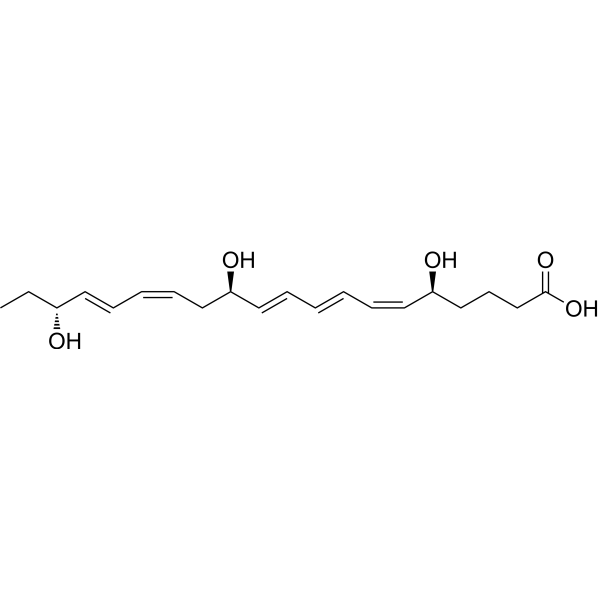
    Resolvin E1
    2 Publications Verification

    RvE1

    Endogenous Metabolite Inflammation/Immunology
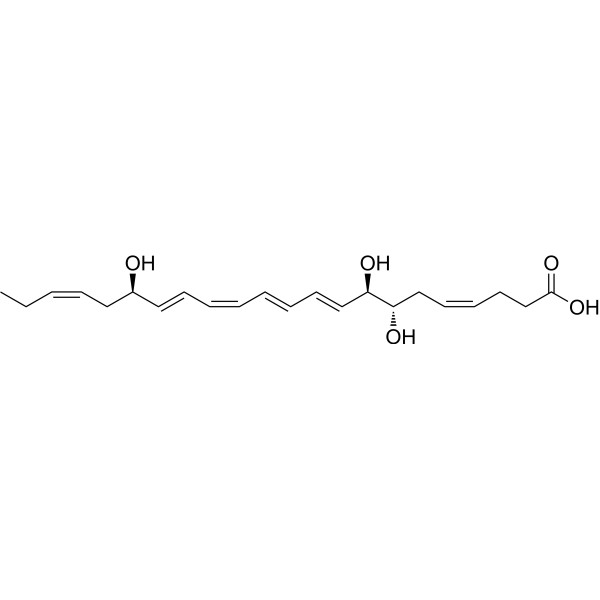
    Resolvin E1 (RvE1), a potent endogenous pro-resolving mediator of inflammation, is derived from omega-3 fatty acid eicosapentaenoic acid (EPA). Resolvin E1 is endogenously biosynthesized from EPA in the presence of Aspirin during the spontaneous resolution phase of acute inflammation, where specific cell-cell interactions occur. Resolvin E1 possesses unique counterregulatory actions that inhibit polymorphonuclear leukocyte (PMN) transendothelial migration. Resolvin E1 also acts as a potent inhibitor of leukocyte infiltration, dendritic cell migration, and IL-12 production .
    Resolvin E1
  • HY-12764
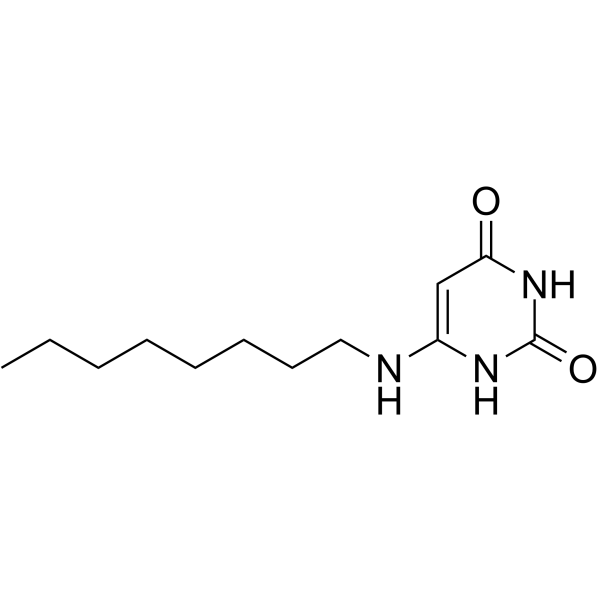
    6-OAU
    4 Publications Verification

    GTPL5846

    GPR84 ERK Bacterial Antibiotic Inflammation/Immunology
    6-OAU (GTPL5846) (6-n-octylaminouracil) is an GPR84 (G protein-coupled receptor 84) agonist, with an EC50 value of 105 nM. 6-OAU works as a chemoattractant to both PMNs and macrophages, and amplifies the proinflammatory cytokine IL-8, shows proinflammatory function. 6-OAU also displays anti-bacterial function .
    6-OAU
  • HY-P0172
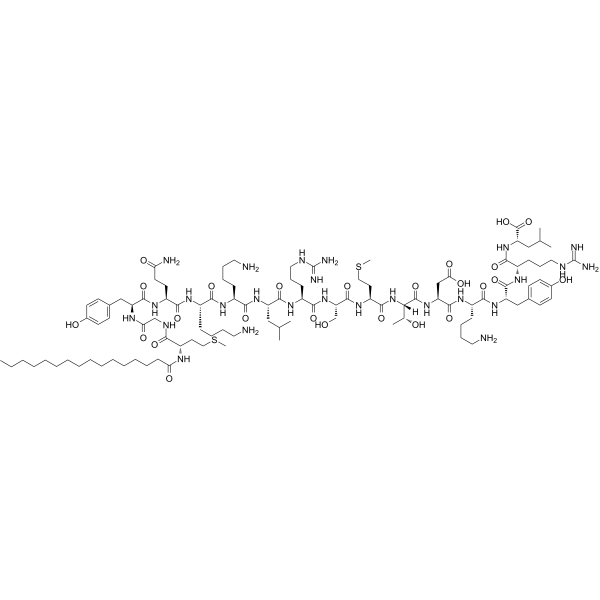
    ATI-2341
    4 Publications Verification

    CXCR Inflammation/Immunology Endocrinology Cancer
    ATI-2341 is a potent and functionally selective allosteric agonist of C-X-C chemokine receptor type 4 (CXCR4), which functions as a biased ligand, favoring Gαi activation over Gα13. ATI-2341 activates the inhibitory heterotrimeric G protein (Gi) to promote inhibition of cAMP production and induce calcium mobilization. ATI-2341 is a potent and efficacious mobilizer of bone marrow polymorphonuclear neutrophils (PMNs) and hematopoietic stem and progenitor cells (HSPCs) .
    ATI-2341
  • HY-W016733

    H-D-Cit-OH

    Endogenous Metabolite Cardiovascular Disease
    D-Citrulline (H-D-Cit-OH) is a stereoisomer of L-citrulline (HY-N0391). D-Citrulline significantly attenuates polymorphonuclear leukocyte (PMN)-induced cardiac contractile dysfunction in the isolated perfused rat heart subjected to ischemia/reperfusion via a non-NO-mediated mechanism .
    D-Citrulline
  • HY-W020790
    Sialyl-Lewis X
    1 Publications Verification

    sLeX

    Endogenous Metabolite Inflammation/Immunology
    Sialyl-Lewis X (sLeX) is a sialylated fucosylated tetrasaccharide, an endogenous antigen. Sialyl-Lewis X is a high-affinity ligand for selectins (E-, P-, and L-selectin) . Sialyl-Lewis X binds to ELAM-1 and CD62 and has the ability?to inhibits CD62-mediated neutrophil recruitment to sites of inflammation .
    Sialyl-Lewis X
  • HY-119217
    AZ084
    2 Publications Verification

    CCR Inflammation/Immunology Endocrinology Cancer
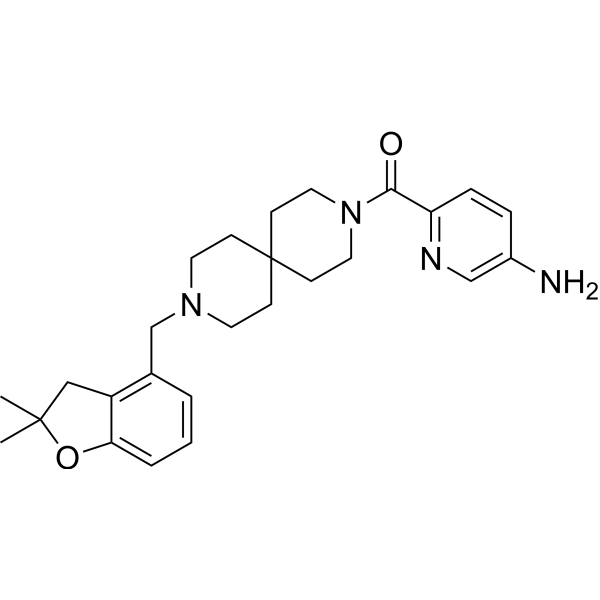
    AZ084 is a potent, selective, allosteric and oral active CCR8 allosteric antagonist, with a Ki of 0.9 nM. Has potential to treat asthma . AZ084 restrains the formation of the immunologically tolerant pre-metastatic niche (PMN) and tumor cells metastasis in lung by downregulating Treg differentiation. AZ084 can be used in studies of asthma and cancer .
    AZ084
  • HY-P0172A
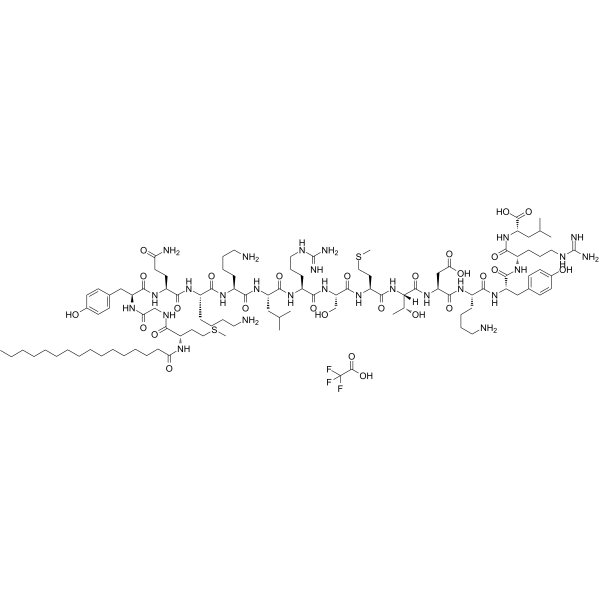
    ATI-2341 TFA
    4 Publications Verification

    CXCR Inflammation/Immunology Endocrinology Cancer
    ATI-2341 is a potent and functionally selective allosteric agonist of C-X-C chemokine receptor type 4 (CXCR4), which functions as a biased ligand, favoring Gαi activation over Gα13. ATI-2341 activates the inhibitory heterotrimeric G protein (Gi) to promote inhibition of cAMP production and induce calcium mobilization. ATI-2341 is a potent and efficacious mobilizer of bone marrow polymorphonuclear neutrophils (PMNs) and hematopoietic stem and progenitor cells (HSPCs) .
    ATI-2341 TFA
  • HY-19519A
    Ladarixin sodium
    1 Publications Verification

    DF 2156A

    CXCR Infection Inflammation/Immunology Cancer
    Ladarixin sodium (DF 2156A) is an orally active, allosteric non-competitive and dual CXCR1 and CXCR2 antagonist. Ladarixin sodium can be used for the research of COPD and asthma .
    Ladarixin sodium
  • HY-19519
    Ladarixin
    1 Publications Verification

    DF 2156A free base

    CXCR Inflammation/Immunology Cancer
    Ladarixin (DF 2156A free base) is an orally active, allosteric non-competitive and dual CXCR1 and CXCR2 antagonist. Ladarixin can be used for the research of COPD and asthma .
    Ladarixin
  • HY-14604
    Xaliproden hydrochloride
    1 Publications Verification

    SR57746A; SR57746 hydrochloride

    5-HT Receptor Dopamine Receptor Trk Receptor PKC ERK Akt JNK Neurological Disease Metabolic Disease
    Xaliproden (SR57746) hydrochloride (SR57746A) is an orally active, highly selective 5-HT1A receptor agonist. Xaliproden hydrochloride activates pertussis toxin-sensitive G protein-coupled signaling cascades, as well as the PKC, ERK1/ERK2, Akt and p21 Ras/MEK-1 pathways. Xaliproden hydrochloride also downregulates the JNK/p66/c-Jun signaling pathway, induces phosphorylation of the shc adaptor protein, regulates extracellular dopamine and 5-HT levels, and induces [ 35S]GTPγS labeling in rat brain structures rich in 5-HT1A receptors. Xaliproden hydrochloride exerts neurotrophic, neuroprotective, renoprotective, anti-inflammatory, anti-apoptotic, anti-fibrotic and analgesic effects. Xaliproden hydrochloride also enhances NGF-induced neurite outgrowth, promotes motor neuron survival, attenuates renal tubular injury and inhibits chemotherapy-induced mechanical allodynia, without activating or altering NGF-induced TrkA receptor activation. Xaliproden hydrochloride can be used in the research of motor neuron disease, diabetic nephropathy, chemotherapy-induced peripheral neuropathy, amyotrophic lateral sclerosis, Alzheimer's disease, acute tonic nociceptive pain, inflammatory pain, depression and anxiety .
    Xaliproden hydrochloride
  • HY-P0308

    Drug Intermediate Cardiovascular Disease
    [Glu1]-Fibrinopeptide B is derived from fibrinopeptide B amino acid residues 1-14. Human fibrinopeptide B (hFpB), a thrombin-derived proteolytic cleavage product of the fibrinogen B beta-chain, to stimulate neutrophils (PMN), monocytes, and fibroblasts.
    [Glu1]-Fibrinopeptide B
  • HY-12927

    CXCR Inflammation/Immunology
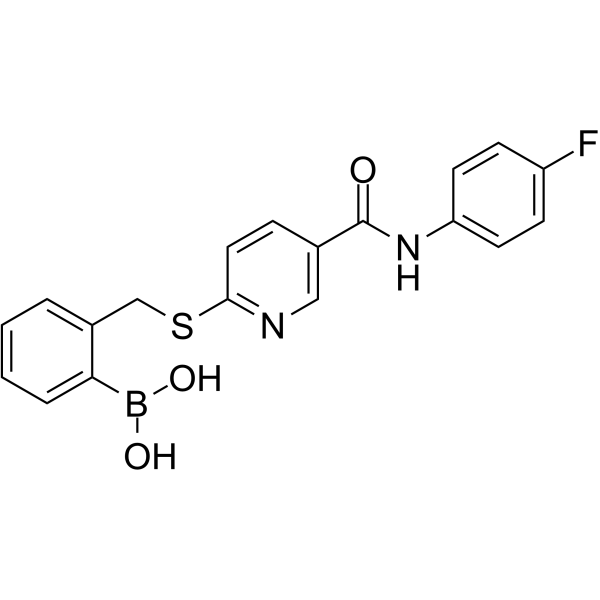
    SX-517 is a dual CXCR2/1 antagonist, containing boronic acid. SX-517 inhibits CXCL1-induced Ca 2+ flux (IC50=38 nM), and antagonizes CXCL8-induced [(35)S]GTPγS binding (IC50=60 nM) and ERK1/2 phosphorylation. SX-517 has significant ability for inflammation suppression, in both humanized polymorphonuclear (PMN) cells and in murine model .
    SX-517
  • HY-107581
    MK-1903
    1 Publications Verification

    GPR109A MMP Metabolic Disease Inflammation/Immunology
    MK-1903 is an orally active full agonist of GPR109a/HCAR2, with an EC50 of 12.9 nM. MK-1903 activates antilipolytic and vasodilatory pathways, reduces plasma free fatty acid levels, and induces skin flushing. MK-1903 stimulates the expression of HCAR2 protein and regulates the inflammatory response of microglia. MK-1903 prevents the enhanced firing activity of spinal nociceptive neurons. MK-1903 triggers the release of MMP-9 and the formation of NET. MK-1903 can be used in the research of dyslipidemia and neuroinflammation-based central nervous system diseases .
    MK-1903
  • HY-148141
    JPE-1375
    4 Publications Verification

    Complement System Inflammation/Immunology
    JPE-1375 is a complement C5a receptor 1 (C5aR1) antagonist. JPE-1375 effectively inhibits polymorphonuclear leukocyte mobilization (EC50=6.9 μM) and reduces TNF levels (EC50=4.5 μM) in mice. JPE-1375 can be used in studies of autoimmune and inflammatory diseases .
    JPE-1375
  • HY-P1194

    Neurokinin Receptor Inflammation/Immunology
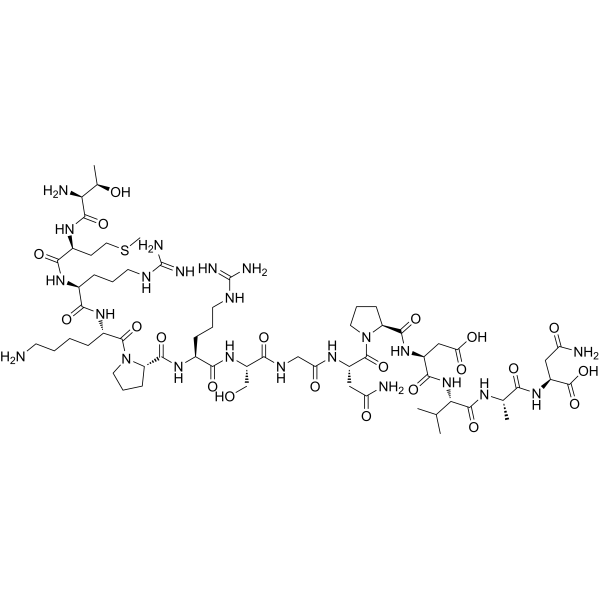
    Spantide I, a substance P analog, is a selective NK1 receptor antagonist, with Ki values of 230 nM and 8150 nM for NK1 and NK2 receptor, respectively. Spantide I provides an approach to reduce type 1 and enhance the type 2 cytokine IL-10 in the infected cornea, leading to a significant reduction in corneal perforation .
    Spantide I
  • HY-P10738

    Formyl Peptide Receptor (FPR) Infection
    N-Formyl-MMYALF is a potent mitochondrial N-formyl peptide (mtFP) that has the activity of depleting calcium ions in the endoplasmic reticulum. N-Formyl-MMYALF can inhibit the FPR-1-mediated chemotactic response of polymorphonuclear leukocytes (PMNs) to bacterial peptides .
    N-Formyl-MMYALF
  • HY-125527A
    17(R)-Resolvin D1
    1 Publications Verification

    17(R)-RvD1; AT-RvD1

    TRP Channel Inflammation/Immunology
    17R-Resolvin D1 (17R-RvD1; AT-RvD1) is an aspirin-triggered epimer of Resolvin D1, which exhibits anti-inflammatory activity in mice and human PMNs cells . 17R-Resolvin D1 specificially inhibits TRPV3 with an IC50 of 398 nM and exhibits peripheral anti-nociceptive efficacy .
    17(R)-Resolvin D1
  • HY-120314

    Apoptosis Caspase Endogenous Metabolite Inflammation/Immunology
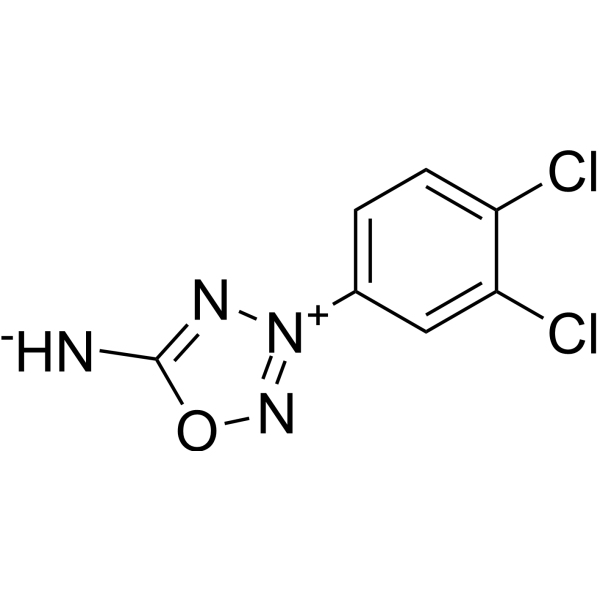
    GEA 3162 is an orally active compound that acts as a NO/ONOO⁻ donor. GEA 3162 significantly inhibits the activation of human polymorphonuclear leukocytes (PMNs) through the cGMP pathway, inhibits the release of inflammatory mediators, and exerts anti-inflammatory and protective effects. GEA 3162 induces apoptosis of neutrophils and bone marrow cells by activating caspase-2/3/8/9 through the ONOO⁻ pathway. GEA 3162 has a bidirectional effect in the rat gastric ulcer model: at low doses, it significantly reduces gastric mucosal damage, while at high doses, it aggravates the ulcer area. GEA 3162 can be used for research on inflammatory conditions such as gastric ulcers .
    GEA 3162
  • HY-114041S

    RvE1-d4

    Isotope-Labeled Compounds Endogenous Metabolite Inflammation/Immunology
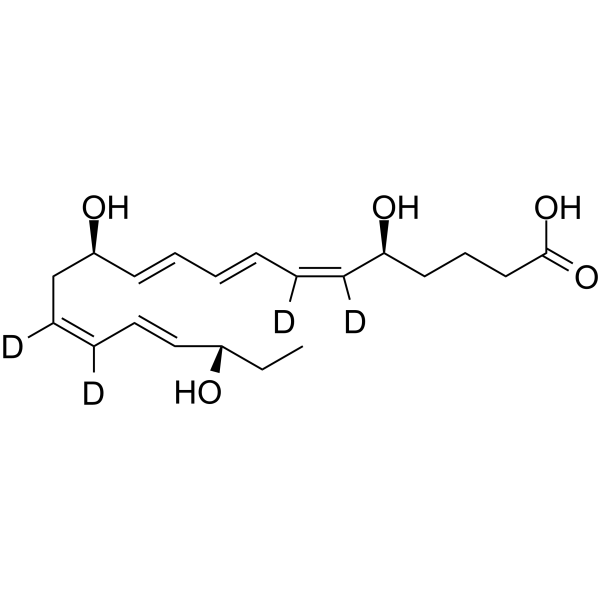
    Resolvin E1-d4 (RvE1-d4) is deuterium labeled Resolvin E1. Resolvin E1 (RvE1), a potent endogenous pro-resolving mediator of inflammation, is derived from omega-3 fatty acid eicosapentaenoic acid (EPA). Resolvin E1 is endogenously biosynthesized from EPA in the presence of Aspirin during the spontaneous resolution phase of acute inflammation, where specific cell-cell interactions occur. Resolvin E1 possesses unique counterregulatory actions that inhibit polymorphonuclear leukocyte (PMN) transendothelial migration. Resolvin E1 also acts as a potent inhibitor of leukocyte infiltration, dendritic cell migration, and IL-12 production .
    Resolvin E1-d4
  • HY-125516

    Endogenous Metabolite Others Inflammation/Immunology
    MCTR3 is a potent cytokine of pro-resolving mediating maresin conjugates in tissue regeneration (MCTR), which reduces the inflammatory response and promotes the tissue regeneration. MCTR3 exhibits potency in ameliorating LPS-induced acute lung injury and arthritis .
    MCTR3
  • HY-P991535

    Amyloid-β Neurological Disease
    PMN310 is a monoclonal antibody targeting amyloid-β oligomers (AβO). PMN310 prevents AβO-induced memory loss and reduces synaptic loss and inflammation in vivo. PMN310 is potentially useful in Alzheimer's disease research .
    PMN310
  • HY-N9975

    β-glucuronidase Inflammation/Immunology Cancer
    4'',5''-Dehydroisopsoralidin is a β-glucuronidase inhibitor (IC50: 6.3 μM). 4'',5''-Dehydroisopsoralidin has anti-inflammatory and anti-oxidative effects. 4'',5''-Dehydroisopsoralidin can be used in the research of inflammation and cancners .
    4'',5''-Dehydroisopsoralidin
  • HY-114041S1

    RvE1-d4-1

    Isotope-Labeled Compounds Endogenous Metabolite Inflammation/Immunology
    Resolvin E1-d4-1 is the deuterium labeled Resolvin E1. Resolvin E1 (RvE1), a potent endogenous pro-resolving mediator of inflammation, is derived from omega-3 fatty acid eicosapentaenoic acid (EPA). Resolvin E1 is endogenously biosynthesized from EPA in the presence of Aspirin during the spontaneous resolution phase of acute inflammation, where specific cell-cell interactions occur. Resolvin E1 possesses unique counterregulatory actions that inhibit polymorphonuclear leukocyte (PMN) transendothelial migration. Resolvin E1 also acts as a potent inhibitor of leukocyte infiltration, dendritic cell migration, and IL-12 production .
    Resolvin E1-d4-1
  • HY-P4126

    Elastase Others
    Suc-Ala-Ala-Pro-Val-AMC is a fluorescent substrate for elastase. Suc-Ala-Ala-Pro-Val-AMC can be hydrolyzed by these elastases to release the fluorescent substance 7-amino-4-methylcoumarin. Suc-Ala-Ala-Pro-Val-AMC is used for in vitro elastase activity assays and can also be applied in studies related to chronic wounds .
    Suc-Ala-Ala-Pro-Val-AMC
  • HY-106899

    Platelet-activating Factor Receptor (PAFR) Cardiovascular Disease
    MK 287 is a potent, selective and orally active antagonist of platelet-activating factor receptor (PAFR). MK 287 can inhibit [3H]C18-PAF binding to human platelet, polymorphonuclear leukocyte (PMN) and lung membranes with K1 values of 6.1, 3.2, and 5.49 nM, respectively. MK 287 can inhibit PAF-induced aggregation of platelets in plasma or gel-filtered platelets and elastase release from PMNs with ED50 values of 56, 1.5 and 4.4 nM. MK 287 can be used for the research of cardiovascular disease, such as thrombosis .
    MK 287
  • HY-P2642

    CXCR Inflammation/Immunology
    Peptide 78, a chemotactic cytokine, a 78 amino acid protein member of the IL-8 or C-X-C chemokine supergene family. ENA-78 plays an important role in the elicitation of predominantly neutrophils (PMNs) into the joints of rheumatoid arthritis (RA) .
    Peptide 78
  • HY-P2606

    Platelet-activating Factor Receptor (PAFR) Inflammation/Immunology
    Antiflammin 2 inhibits the synthesis of platelet-activating factor (PAF) with the IC50 of 100 nM .
    Antiflammin 2
  • HY-134123

    LXB4 methyl ester

    Drug Intermediate Leukotriene Receptor Metabolic Disease
    Lipoxin B4 (LXB4) methyl ester is a lipid soluble prodrug form of the transcellular metabolite LXB4. LXB4 is a positional isomer of LXA4 produced by the metabolism of 15-HETE or 15-HpETE by human leukocytes. At a concentration of 100 nM, LXB4 inhibits polymorphonuclear leukocyte (PMN) migration stimulated by leukotriene B4 (LTB4; Item No. 20110) and inhibits LTB4-induced adhesion of PMNs with an IC50 value of 0.3 nM.
    Lipoxin B4 methyl ester
  • HY-118261

    Elastase Inflammation/Immunology
    L 659286 is an inhibitor of human polymorphonuclear leukocyte elastase (PMN elastase) (Ki=0.4 μM). Intratracheal injection of L 659286 can induce lung injury in hamsters.
    L 659286
  • HY-N2247A

    Platelet-activating Factor Receptor (PAFR) Metabolic Disease
    (+)-Guaiacin is a compound extracted of the bark of Machilus wangchiana Chun. (Lauraceae). (+)-Guaiacin shows potent in vitro activities against the release of β-glucuronidase in rat polymorphonuclear leukocytes (PMNs) induced by platelet-activating factor (PAF) .
    (+)-Guaiacin
  • HY-P10738A

    Formyl Peptide Receptor (FPR) Infection
    N-Formyl-MMYALF TFA is a mitochondrial N-formyl peptide that has the activity of depleting calcium ions in the endoplasmic reticulum. N-Formyl-MMYALF TFA can inhibit the FPR-1-mediated chemotactic response of PMNs to bacterial peptides .
    N-Formyl-MMYALF TFA
  • HY-116444A

    Na+/K+ ATPase Cardiovascular Disease Inflammation/Immunology
    16-HETE is arachidonic acid metabolite through subterminal hydroxylation by cytochrome P-450. 16-HETE exhibits vasodilatory and PMN inhibitory effects and serves as biomarker for early stages of non-alcoholic fatty liver disease .
    16-HETE
  • HY-180351

    RAR/RXR Others
    CU-6PMN is a fluorescent RXR agonist. CU-6PMN has a maximum absorption wavelength of 396 nm and an emission wavelength of 453 nm in 0.1 N NaOH aqueous solution. CU-6PMN has an EC50 value of 22 nM and a Ki value of 230 nM for human RXRα. CU-6PMN can be used in research related to the screening of RXR ligands .
    CU-6PMN
  • HY-106899A

    (rel)-L-680573

    Platelet-activating Factor Receptor (PAFR) Others
    (rel)-MK 287 ((rel)-L-680573) is a relative configuration of MK 287. MK 287 is a potent, selective and orally active antagonist of platelet-activating factor receptor (PAFR). MK 287 can inhibit [3H]C18-PAF binding to human platelet, polymorphonuclear leukocyte (PMN) and lung membranes with K1 values of 6.1, 3.2, and 5.49 nM, respectively. MK 287 can inhibit PAF-induced aggregation of platelets in plasma or gel-filtered platelets and elastase release from PMNs with ED50 values of 56, 1.5 and 4.4 nM. MK 287 can be used for the research of cardiovascular disease, such as thrombosis .
    (rel)-MK 287
  • HY-117811

    L-680574

    Platelet-activating Factor Receptor (PAFR) Cardiovascular Disease
    (R,R)-MK 287 (L-680574) is a tetrahydrofuran derivative that potently inhibits the binding of [3H]C18-PAF to human platelets, polymorphonuclear leukocytes (PMNs), and lung membranes with Ki values of 6.1, 3.2, and 5.49 nM, respectively. (R,R)-MK 287 potently and selectively inhibits PAF-induced platelet aggregation (ED50=56 nM) and elastase release from PMNs (ED50=4.4 nM). (R,R)-MK 287 inhibits PAF-induced lethality in mice (ED50=0.8 mg/kg, po) and PAF-induced bronchospasm in guinea pigs (ED50=0.18 mg/kg) .
    (R,R)-MK 287
  • HY-131651

    LTB4 ethanolamide

    Endogenous Metabolite Leukotriene Receptor Cancer
    Leukotriene B4 ethanolamide (LTB4 ethanolamide) is an antagonist and a partial agonist for Leukotriene B4 (LTB4) receptor 1 (BLTR1). Leukotriene B4 ethanolamide ameliorates the tumor progression, which is only asscociated with inflammation .
    Leukotriene B4 ethanolamide
  • HY-165327

    Phospholipase Inflammation/Immunology
    AGN-190383 is a bee venom phospholipase A2 inhibitor. AGN 190383 inhibits both hormone-operated and depolarization-dependent calcium mobilization as well as fMLP stimulated increases in free cytosolic calcium. AGN-190383 has anti-inflammatory activity .
    AGN-190383
  • HY-P1194A

    Neurokinin Receptor Inflammation/Immunology
    Spantide I TFA, a substance P analog, is a selective NK1 receptor antagonist, with Ki values of 230 nM and 8150 nM for NK1 and NK2 receptor, respectively. Spantide I provides an approach to reduce type 1 and enhance the type 2 cytokine IL-10 in the infected cornea, leading to a significant reduction in corneal perforation .
    Spantide I TFA
  • HY-174313

    Bacterial Toll-like Receptor (TLR) Collagen Infection Inflammation/Immunology
    Antibacterial agent 284 (Compound 7) is an Antibacterial agent. Antibacterial agent 284 has a zinc-binding structure and potent inhibitory activity against Legionella pneumophila metalloprotease ProA (IC50: 0.96 μM) with zinc-binding structure. Antibacterial agent 284 significantly inactivates the cleavage of collagen IV and flagellin (ProA substrates) and reduces immune evasion from the TLR5-NF-κB pathway and PMN-mediated inflammation in human lung tissue explants. Antibacterial agent 284 is promising for Legionnaires' disease research .
    Antibacterial agent 284
  • HY-125527AS

    17(R)-RvD1-d5; AT-RvD1-d5

    Isotope-Labeled Compounds TRP Channel Inflammation/Immunology
    17(R)-Resolvin D1-d5 (17(R)-RvD1-d5) is deuterium labeled 17(R)-Resolvin D1. 17R-Resolvin D1 (17R-RvD1; AT-RvD1) is an aspirin-triggered epimer of Resolvin D1, which exhibits anti-inflammatory activity in mice and human PMNs cells . 17R-Resolvin D1 specificially inhibits TRPV3 with an IC50 of 398 nM and exhibits peripheral anti-nociceptive efficacy .
    17(R)-Resolvin D1-d5
  • HY-120314A

    Apoptosis Caspase Endogenous Metabolite Inflammation/Immunology
    GEA 3162 hydrochloride is an orally active compound that acts as a NO/ONOO⁻ donor. GEA 3162 hydrochloride significantly inhibits the activation of human polymorphonuclear leukocytes (PMNs) through the cGMP pathway, inhibits the release of inflammatory mediators, and exerts anti-inflammatory and protective effects. GEA 3162 hydrochloride induces apoptosis of neutrophils and bone marrow cells by activating caspase-2/3/8/9 through the ONOO⁻ pathway. GEA 3162 hydrochloride has a bidirectional effect in the rat gastric ulcer model: at low doses, it significantly reduces gastric mucosal damage, while at high doses, it aggravates the ulcer area. GEA 3162 hydrochloride can be used for research on inflammatory conditions such as gastric ulcers .
    GEA 3162 hydrochloride
  • HY-106987

    NO Synthase Cardiovascular Disease Inflammation/Immunology
    SP/W-5186 is a nitric oxide (NO) donor agent containing a cysteine structure. SP/W-5186 can improve cardiac function, reduce myocardial damage, protect vascular endothelial function and inhibit inflammation and oxidative stress. SP/W-5186 has the ability to inhibit oxidative damage induced by peroxynitrite (ONOO⁻). SP/W-5186 can be used in the research of myocardial ischemia-reperfusion injury .
    SP/W 5186
  • HY-12764R

    GTPL5846 (Standard)

    Reference Standards GPR84 ERK Bacterial Antibiotic Inflammation/Immunology
    Prochloraz manganese (Standard) is the analytical standard of Prochloraz manganese. This product is intended for research and analytical applications. Prochloraz manganese is an antifungal agent, and is used in agricultural industries .
    6-OAU (Standard)
  • HY-106463

    CXCR Inflammation/Immunology
    Hexaprofen is a 2-arylpropionic acid derivative. Hexaprofen inhibits CXCL8-induced chemotaxis, while no activity is detected against CXCL1-induced chemotaxis .
    Hexaprofen
  • HY-182557

    Lipoxygenase Cardiovascular Disease Inflammation/Immunology
    KC-11404 is an orally active antihistamine and 5-lipoxygenase inhibitor, with an IC50 of 0.9 μM against guinea pig 5-lipoxygenase. KC-11404 inhibits histamine-induced contraction of isolated guinea pig ileum with an IC50 of 0.26 μM. KC-11404 inhibits PAF-induced rabbit platelet aggregation with an IC50 of 2.0 μM. It inhibits the histamine phase of antigen-induced bronchoconstriction and PAF-induced bronchoconstriction in guinea pigs. KC-11404 can be used for the research of asthma .
    KC-11404

Inquiry Online

Your information is safe with us. * Required Fields.

Salutation


Country or Region *

Applicant Name *


Organization Name *

Department *


Email Address *


Product Name *

Cat. No.


Requested quantity *

Phone Number *


Remarks

Inquiry Online

Inquiry Information

Product Name:
Cat. No.:
Quantity:
MCE Japan Authorized Agent: