1. Search Result
Search Result
Results for "

Phosphate acetyltransferase

" in MedChemExpress (MCE) Product Catalog:

146

Inhibitors & Agonists

3

Bibliotecas de Screening

1

Fluorescent Dyes

3

Biochemical Assay Reagents

2

Peptides

27

Natural
Products

21

Recombinant Proteins

14

Isotope-Labeled Compounds

22

Antibodies

1

Click Chemistry

Cat. No. Nombre del producto Target Áreas de investigación Chemical Structure
  • HY-107455
    A-485
    95+ Cited Publications

    Epigenetic Reader Domain Histone Acetyltransferase Cancer
    A-485, a chemical probe, is a potent and selective catalytic inhibitor of p300/CBP with IC50s of 9.8 nM and 2.6 nM for p300 and CBP histone acetyltransferase (HAT), respectively .
    A-485
  • HY-13823
    C646
    90+ Cited Publications

    Histone Acetyltransferase Autophagy Epigenetic Reader Domain Apoptosis Cancer
    C646 is a selective and competitive histone acetyltransferase p300 inhibitor with Ki of 400 nM, and is less potent for other acetyltransferases .
    C646
  • HY-N0005
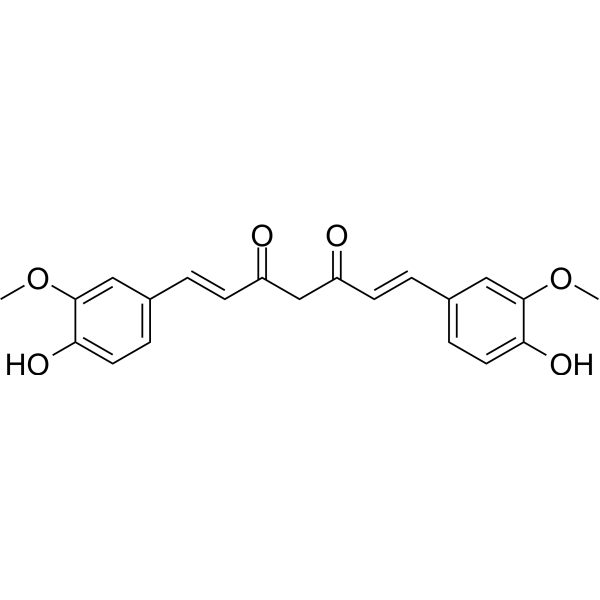
    Curcumin
    Maximum Cited Publications
    123 Publications Verification

    Diferuloylmethane; Natural Yellow 3; Turmeric yellow

    Histone Acetyltransferase Epigenetic Reader Domain Keap1-Nrf2 Autophagy Mitophagy Influenza Virus Ferroptosis Apoptosis Infection Metabolic Disease Inflammation/Immunology Cancer
    Curcumin (Diferuloylmethane), a natural phenolic compound, is a p300/CREB-binding protein-specific inhibitor of acetyltransferase, represses the acetylation of histone/nonhistone proteins and histone acetyltransferase-dependent chromatin transcription. Curcumin is a photosensitizer against microorganisms. Curcumin shows inhibitory effects on NF-κB and MAPKs, and has diverse pharmacologic effects including anti-inflammatory, antioxidant, antiproliferative and antiangiogenic activities. Curcumin induces stabilization of Nrf2 protein through Keap1 cysteine modification.
    Curcumin
  • HY-66005
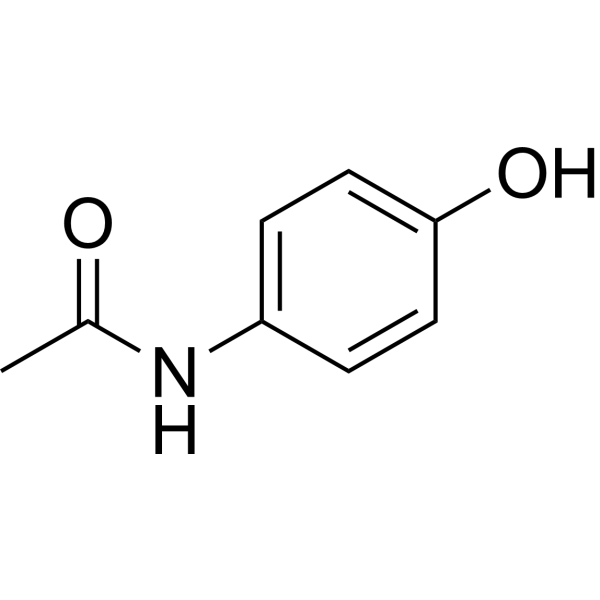
    Acetaminophen
    65+ Cited Publications

    Paracetamol; 4-Acetamidophenol; 4'-Hydroxyacetanilide

    Environmental Pollutants Endogenous Metabolite COX Histone Acetyltransferase Parasite Bacterial Ferroptosis Inflammation/Immunology Cancer
    Acetaminophen (Paracetamol) is a selective cyclooxygenase-2 (COX-2) inhibitor with an IC50 of 25.8 μM; is a widely used antipyretic and analgesic agent. . Acetaminophen is a potent hepatic N-acetyltransferase 2 (NAT2) inhibitor . Acetaminophen induces ferroptosis and leads to acute liver injury in mice model .
    Acetaminophen
  • HY-N2020
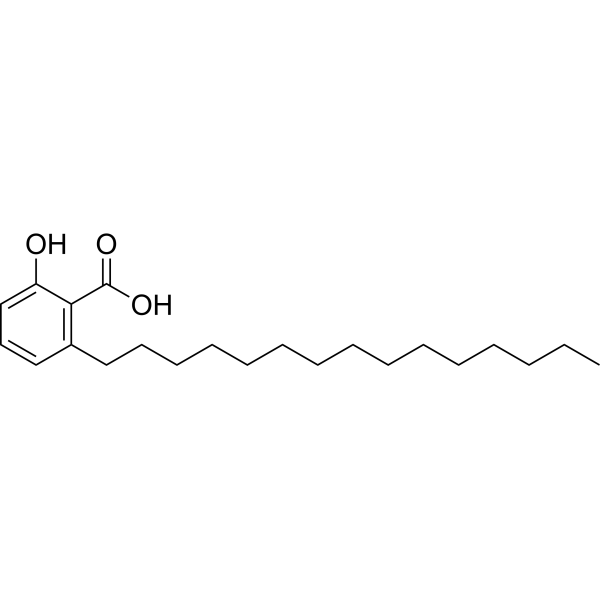
    Anacardic Acid
    15+ Cited Publications

    Hydroginkgolic acid; Ginkgolic Acid C15:0

    Histone Acetyltransferase Epigenetic Reader Domain Bacterial Cancer
    Anacardic Acid, extracted from cashew nut shell liquid, is a histone acetyltransferase inhibitor, inhibits HAT activity of p300 and PCAF, with IC50s of ∼8.5 μM and ∼5 μM, respectively.
    Anacardic Acid
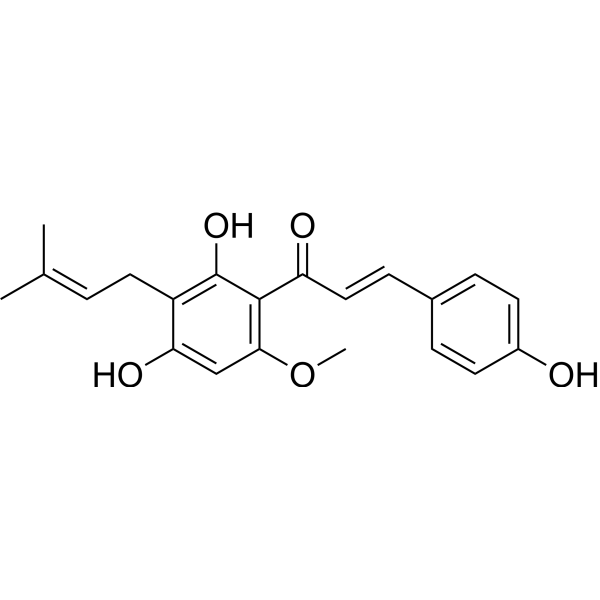
  • HY-N1067
    Xanthohumol
    15+ Cited Publications

    COX Acyltransferase Apoptosis HSV CMV Influenza Virus Infection Cancer
    Xanthohumol is one of the principal flavonoids isolated from hops, the inhibitor of diacylglycerol acetyltransferase (DGAT), COX-1 and COX-2, and shows anti-cancer and anti-angiogenic activities. Xanthohumol also has antiviral activity against bovine viral diarrhea virus (BVDV), rhinovirus, HSV-1, HSV-2 and cytomegalovirus (CMV).
    Xanthohumol
  • HY-16706
    Remodelin
    15+ Cited Publications

    Histone Acetyltransferase Cancer
    Remodelin is an orally active and selective inhibitor of acetyltransferase NAT10. Remodelin inhibits NAT10 activitity and slows DNA replication and suppresses growth of prostate cancer cells. Remodelin inhibits the growth of prostate cancer and hepatocellular carcinoma in xenograft model. Remodelin enhances the healthspan in hutchinson-gilford progeria syndrome (HGPS) mouse model .
    Remodelin
  • HY-109521A

    Manganese(Ⅱ) chloride tetrahydrate, molecular biology grade,≥99.0% (KT)

    Biochemical Assay Reagents Histone Acetyltransferase HDAC Neurological Disease
    Manganese chloride (tetrahydrate), molecular biology grade,≥99.0% (KT) is an orally active and a blood-brain barrier penetrant compound. It affects the activities of multiple enzymes in cells, such as regulating the activities of histone acetyltransferase (HAT) and histone deacetylase (HDAC), thereby affecting gene expression. It has multiple activities such as neurotoxicity, embryotoxicity, and reproductive toxicity. It is currently mainly used in neurodegenerative diseases and toxicology research.
    Manganese chloride tetrahydrate, molecular biology grade,≥99.0% (KT)
  • HY-102060
    WM-8014
    3 Publications Verification

    Histone Acetyltransferase Cancer
    WM-8014 is an inhibitor of MOZ, a member of histone acetyltransferases, with an IC50 of 55 nM.
    WM-8014
  • HY-134964
    CTB
    5+ Cited Publications

    Histone Acetyltransferase Apoptosis Neurological Disease Cancer
    CTB is a potent p300 histone acetyltransferase activator . CTB can effectively induce apoptosis in MCF-7 cells .
    CTB
  • HY-W015239
    KAT8-IN-1
    3 Publications Verification

    Acyltransferase Inflammation/Immunology Cancer
    KAT8-IN-1 is a lysine (K) acetyltransferase 8 (KAT8) inhibitor, with IC50s of 141 μM (KAT8), 221 μM (KAT2B), 106 μM (KAT3B), respectively. KAT8 inhibits histone acetyltransferases (HATs), and could result in disease states, such as cancer or inflammatory diseases .
    KAT8-IN-1
  • HY-110127
    NU9056
    5+ Cited Publications

    Histone Acetyltransferase Apoptosis Cancer
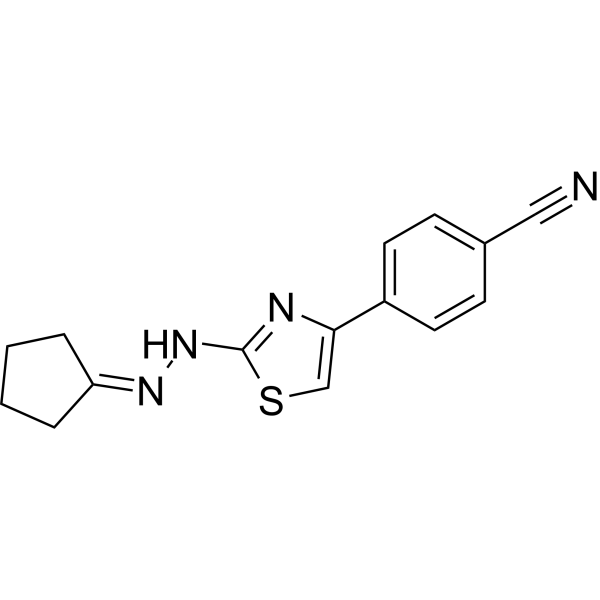
    NU9056 is a potent and selective Tip60 (KAT5) histone acetyltransferase inhibitor with an of 2 µM. NU9056 shows >16-fold selectivity for Tip60 over PCAF, p300 and GCN5. NU9056 induces apoptosis of prostate cancer cells .
    NU9056
  • HY-W013274
    CPTH2
    1 Publications Verification

    Histone Acetyltransferase Apoptosis Cancer
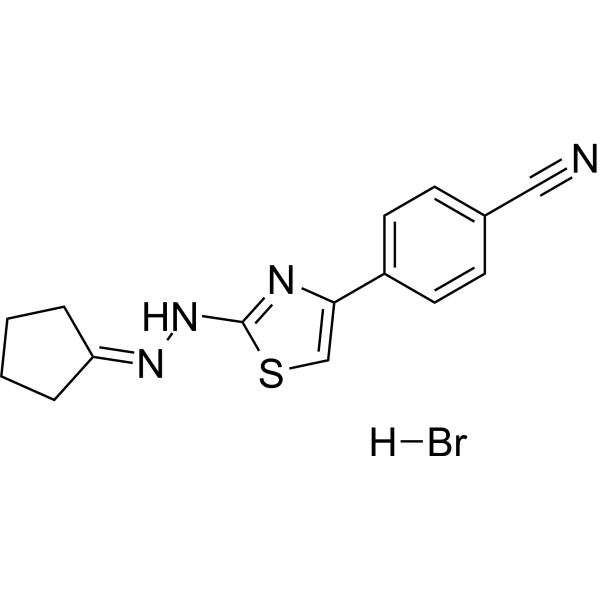
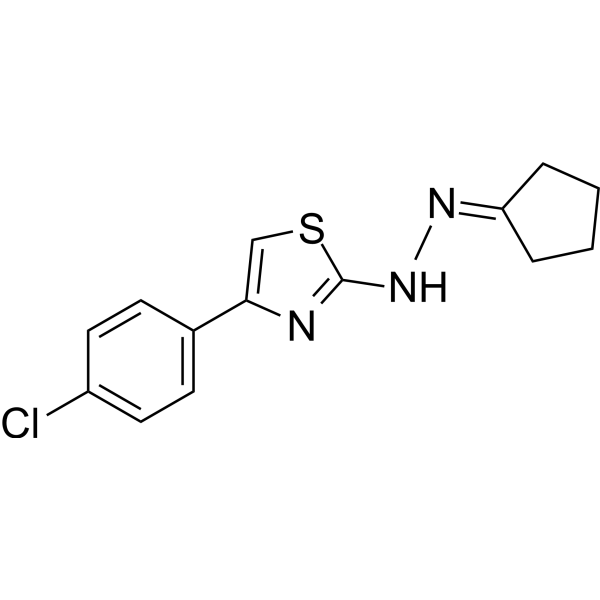
    CPTH2 is a potent histone acetyltransferase (HAT) inhibitor. CPTH2 selectively inhibits the acetylation of histone H3 by Gcn5. CPTH2 induces apoptosis and decreases the invasiveness of a clear cell renal carcinoma (ccRCC) cell line through the inhibition of acetyltransferase p300 (KAT3B) .
    CPTH2
  • HY-136285

    Histone Acetyltransferase Cancer
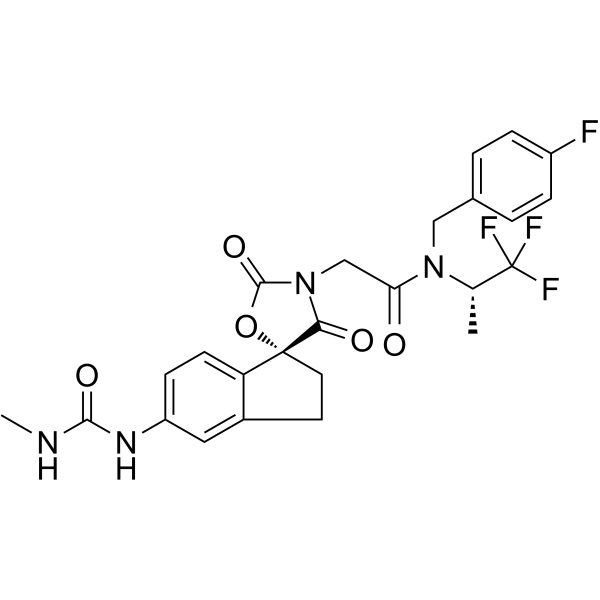
    CPI-1612 is a highly potent, orally active EP300/CBP histone acetyltransferase (HAT) inhibitor with an IC50 of 8.1 nM for EP300 HAT. CPI-1612 has an anticancer activity .
    CPI-1612
  • HY-66005S

    Paracetamol-d4; 4-Acetamidophenol-d4; 4'-Hydroxyacetanilide-d4

    COX Histone Acetyltransferase Endogenous Metabolite Inflammation/Immunology
    Acetaminophen-d4 is the deuterium labeled Acetaminophen. Acetaminophen (Paracetamol) is a selective cyclooxygenase-2 (COX-2) inhibitor with an IC50 of 25.8 μM; is a widely used antipyretic and analgesic agent . Acetaminophen is a potent hepatic N-acetyltransferase 2 (NAT2) inhibitor .
    Acetaminophen-d4
  • HY-113092

    Endogenous Metabolite Metabolic Disease
    Propionylcarnitine is metabolized by carnitine acetyltransferase from propionyl-CoA. Increased propionylcarnitine is regarded as a biomarker of vitamin B12 deficiency .
    Propionylcarnitine
  • HY-B1337S1
    Choline-d9 chloride
    3 Publications Verification

    Cholinesterase (ChE) Others
    Choline-d9 (chloride) is the deuterium labeled Choline chloride. Choline chloride is an organic compound and a quaternary ammonium salt, an acyl group acceptor and choline acetyltransferase substrate, also is an important additive in feed especially for chickens where it accelerates growth.
    Choline-d9 chloride
  • HY-N0005R
    Curcumin (Standard)
    1 Publications Verification

    Diferuloylmethane (Standard); Natural Yellow 3 (Standard); Turmeric yellow (Standard)

    Reference Standards Histone Acetyltransferase Epigenetic Reader Domain Keap1-Nrf2 Autophagy Mitophagy Influenza Virus Ferroptosis Infection Neurological Disease Inflammation/Immunology Cancer
    Curcumin (Standard) is the analytical standard of Curcumin (HY-N0005). This product is intended for research and analytical applications. Curcumin (Diferuloylmethane), a natural phenolic compound, is a p300/CREB-binding protein-specific inhibitor of acetyltransferase, represses the acetylation of histone/nonhistone proteins and histone acetyltransferase-dependent chromatin transcription. Curcumin is a photosensitizer against microorganisms. Curcumin shows inhibitory effects on NF-κB and MAPKs, and has diverse pharmacologic effects including anti-inflammatory, antioxidant, antiproliferative and antiangiogenic activities. Curcumin induces stabilization of Nrf2 protein through Keap1 cysteine modification.
    Curcumin (Standard)
  • HY-13610A

    Diethylnorspermine tetrahydrochloride; DENSPM tetrahydrochloride; BENSPM tetrahydrochloride

    Caspase mTOR Cancer
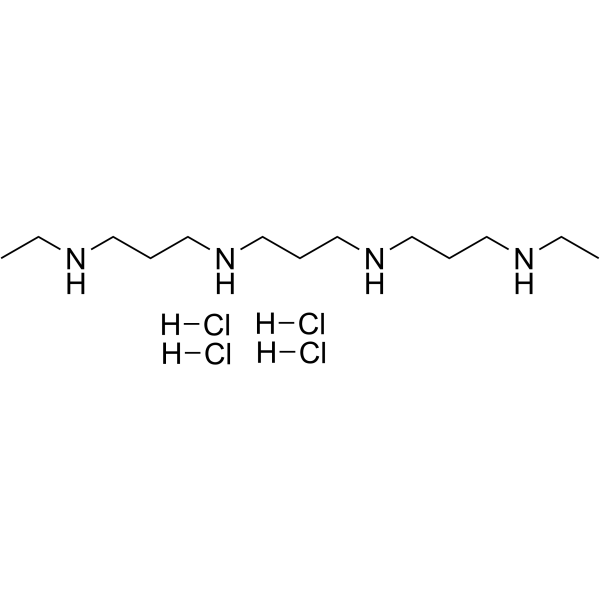
    N1, N11-Diethylnorspermine tetrahydrochloride (DENSPM tetrahydrochloride) is a potent anticancer agent. N1,N11-Diethylnorspermine tetrahydrochloride activates polyamine catabolism and downregulates mTOR protein. N1,N11-Diethylnorspermine tetrahydrochloride induces the release of cytochrome c from mitochondria, resulting in activation of caspase 3. N1,N11-Diethylnorspermine tetrahydrochloride kills glioblastoma multiforme (GBM) through induction of SSAT (spermidine/spermine N1-acetyltransferase) coupled with H2O2 production .
    N1,N11-Diethylnorspermine tetrahydrochloride
  • HY-66005R
    Acetaminophen (Standard)
    65+ Cited Publications

    Paracetamol (Standard); 4-Acetamidophenol (Standard); 4'-Hydroxyacetanilide (Standard)

    Reference Standards COX Histone Acetyltransferase Endogenous Metabolite Bacterial Parasite Inflammation/Immunology Cancer
    Acetaminophen (Standard) is the analytical standard of Acetaminophen. This product is intended for research and analytical applications. Acetaminophen (Paracetamol) is a selective cyclooxygenase-2 (COX-2) inhibitor with an IC50 of 25.8 μM; is a widely used antipyretic and analgesic agent . Acetaminophen is a potent hepatic N-acetyltransferase 2 (NAT2) inhibitor .
    Acetaminophen (Standard)
  • HY-156140

    Histone Acetyltransferase Others
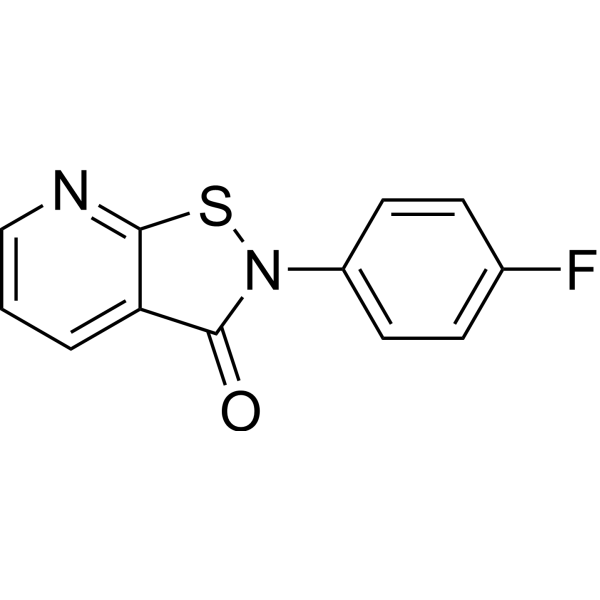
    Naa50-IN-1 is an N-alpha-acetyltransferase 50 (Naa50) inhibitor with an IC50 of 7 nM against the human protein. Naa50-IN-1 exhibits selectivity toward the related enzymes Naa10 and Naa60. Naa50-IN-1 binds to the substrate-binding pocket of Naa50, and its binding affinity is enhanced by AcCoA .
    Naa50-IN-1
  • HY-123604
    TH1834
    3 Publications Verification

    Histone Acetyltransferase Apoptosis Cancer
    TH1834 is a specific Tip60 (KAT5) histone acetyltransferase (HAT) inhibitor. TH1834 induces apoptosis and increases DNA damage in breast cancer. TH1834 does not affect the activity of related histone acetyltransferase MOF. Anticancer activity .
    TH1834
  • HY-154944
    JG-2016
    2 Publications Verification

    Histone Acetyltransferase Cancer
    JG-2016 is a potent inhibitor of histone acetyltransferase 1 (HAT1) with an IC50 of 14.8 μM. JG-2016 can inhibit the growth of multiple tumor cells and has anti-tumor activity .
    JG-2016
  • HY-113083

    APAP-glu

    Drug Metabolite Endogenous Metabolite Others
    Acetaminophen glucuronide (APAP-glu) is an inactive glucuronide metabolite of Acetaminophen (HY-66005) . Acetaminophen is a selective cyclooxygenase-2 (COX-2) inhibitor and a potent hepatic N-acetyltransferase 2 (NAT2) inhibitor .
    Acetaminophen glucuronide
  • HY-16531
    YF-2
    2 Publications Verification

    Histone Acetyltransferase Neurological Disease Cancer
    YF-2 is a highly selective, blood-brain-barrier permeable histone acetyltransferase activator, acetylates H3 in the hippocampus, with EC50s of 2.75 μM, 29.04 μM and 49.31 μM for CBP, PCAF, and GCN5, respectively, shows no effect on HDAC. Anti-cancer and anti-Alzheimer's disease .
    YF-2
  • HY-P2914

    Biochemical Assay Reagents Metabolic Disease Inflammation/Immunology
    Carnitine acetyltransferase is a mitochondrial matrix enzyme that catalyzes the interconversion of Acetyl-CoA and Acetylcarnitine (HY-126358). Carnitine acetyltransferase functions as a positive regulator of total body glucose tolerance and muscle activity of pyruvate dehydrogenase. Carnitine acetyltransferase is responsible for mitochondrial acetyl-CoA balance and regulation of fatty acid oxidation by utilizing short- and medium- chain fatty acids and their corresponding acylcarnitines as substrates. Carnitine acetyltransferase plays a crucial role in regulating glucose homeostasis. Carnitine acetyltransferase can be utilized in the research of aging, obesity, and diabetes .
    Carnitine acetyltransferase
  • HY-100734
    Histone Acetyltransferase Inhibitor II
    1 Publications Verification

    Histone Acetyltransferase Cancer
    Histone Acetyltransferase Inhibitor II (compound 2c) is a potent, selective and cell permeable p300 histone acetyltransferase inhibitor, with an IC50 of 5 µM. Histone Acetyltransferase Inhibitor II shows anti-acetylase activity in mammalian cells .
    Histone Acetyltransferase Inhibitor II
  • HY-B1337S
    Choline-d4 chloride
    1 Publications Verification

    Cholinesterase (ChE) Others
    Choline-d4 (chloride) is the deuterium labeled Choline chloride. Choline chloride is an organic compound and a quaternary ammonium salt, an acyl group acceptor and choline acetyltransferase substrate, also is an important additive in feed especially for chickens where it accelerates growth.
    Choline-d4 chloride
  • HY-128875

    Histone Acetyltransferase Cancer
    CBP/p300-IN-10 is a highly potent histone acetyltransferase EP300 and CREBBP with IC50 values of 26 nM and 39 nM, respectively. CBP/p300-IN-10 can be used to research anticancer .
    CBP/p300-IN-10
  • HY-158009
    SGF29-IN-1
    1 Publications Verification

    Histone Acetyltransferase Cancer
    SGF29-IN-1 (Compound Cpd_DC60) is a selective inhibitor for Spt-Ada-Gcn5 acetyltransferase (SAGA)–associated factor 29 (SGF29)-Tudor domain. SGF29-IN-1 exhibits activity against leukemia .
    SGF29-IN-1
  • HY-123604A
    TH1834 dihydrochloride
    3 Publications Verification

    Histone Acetyltransferase Apoptosis Cancer
    TH1834 dihydrochloride is a specific Tip60 (KAT5) histone acetyltransferase inhibitor. TH1834 dihydrochloride induces apoptosis and increases DNA damage in breast cancer. TH1834 dihydrochloride does not affect the activity of related histone acetyltransferase MOF. Anticancer activity .
    TH1834 dihydrochloride
  • HY-B1337S3

    Isotope-Labeled Compounds Endogenous Metabolite Cholinesterase (ChE) Others
    Choline-d13 (chloride) is the deuterium labeled Choline chloride. Choline chloride is an organic compound and a quaternary ammonium salt, an acyl group acceptor and choline acetyltransferase substrate, also is an important additive in feed especially for chickens where it accelerates growth.
    Choline-d13 chloride
  • HY-N0005S

    Diferuloylmethane-d6; Natural Yellow 3-d6; Turmeric yellow-d6

    Isotope-Labeled Compounds Keap1-Nrf2 Ferroptosis Autophagy Histone Acetyltransferase Epigenetic Reader Domain Mitophagy Influenza Virus Infection Metabolic Disease Inflammation/Immunology Cancer
    Curcumin-d6 (Diferuloylmethane-d6 ) is deuterium labeled Curcumin (HY-N0005). Curcumin (Diferuloylmethane), a natural phenolic compound, is a p300/CREB-binding protein-specific inhibitor of acetyltransferase, represses the acetylation of histone/nonhistone proteins and histone acetyltransferase-dependent chromatin transcription. Curcumin is a photosensitizer against microorganisms. Curcumin shows inhibitory effects on NF-κB and MAPKs, and has diverse pharmacologic effects including anti-inflammatory, antioxidant, antiproliferative and antiangiogenic activities. Curcumin induces stabilization of Nrf2 protein through Keap1 cysteine modification.
    Curcumin-d6
  • HY-B1337S4
    Choline Chloride-13C3
    1 Publications Verification

    Cholinesterase (ChE) Others
    Choline Chloride- 13C3 is the 13C-labeled Choline (chloride). Choline chloride is an organic compound and a quaternary ammonium salt, an acyl group acceptor and choline acetyltransferase substrate, also is an important additive in feed especially for chickens where it accelerates growth.
    Choline Chloride-13C3
  • HY-16531A
    YF-2 hydrochloride
    2 Publications Verification

    Histone Acetyltransferase Neurological Disease Cancer
    YF-2 hydrochloride is a highly selective, blood-brain-barrier permeable histone acetyltransferase activator, acetylates H3 in the hippocampus, with EC50s of 2.75 μM, 29.04 μM and 49.31 μM for CBP, PCAF, and GCN5, respectively, shows no effect on HDAC. Anti-cancer and anti-Alzheimer's disease .
    YF-2 hydrochloride
  • HY-149470

    Histone Acetyltransferase Cancer
    MOZ-IN-3 (Compound 6j) is a KAT6A (MOZ) acetyltransferase inhibitor (IC50: 30 nM). MOZ-IN-3 has antitumor activity against four different myeloid leukemia cell lines (HL-60, U937, SKNO-1, K562). MOZ-IN-3 has favorable metabolic stability and pharmacokinetics .
    MOZ-IN-3
  • HY-102059

    Histone Acetyltransferase Cancer
    MOZ-IN-2 is an inhibitor of protein MOZ, a member of histone acetyltransferases, with an IC50 of 125 μM.
    MOZ-IN-2
  • HY-128876

    Histone Acetyltransferase Cancer
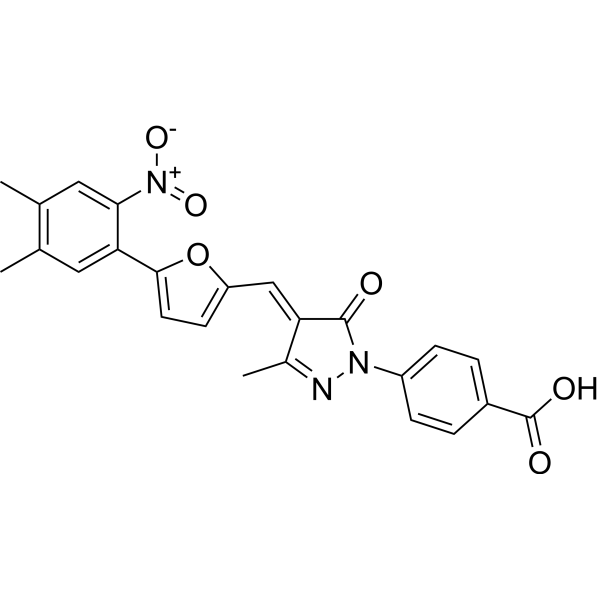
    CBP/p300-IN-3, a p300/CBP histone acetyltransferase inhibitor, Compound 6, is sourced from patent WO 2019049061 A1 .
    CBP/p300-IN-3
  • HY-66004

    Diacetamate

    Drug Intermediate Bacterial Parasite Inflammation/Immunology Cancer
    4-Acetamidophenyl acetate is an impurity of Acetaminophen (HY-66005). 4-Acetamidophenyl acetate acts as an intermediate in the synthesis of Acetaminophen. Acetaminophen is a selective COX-2 inhibitor (IC50=25.8 μM), and is a potent hepatic N-acetyltransferase 2 (NAT2) inhibitor .
    4-Acetamidophenyl acetate
  • HY-66005S1

    Paracetamol-d3; 4-Acetamidophenol-d3; 4'-Hydroxyacetanilide-d3

    COX Histone Acetyltransferase Endogenous Metabolite Inflammation/Immunology Cancer
    Acetaminophen-d3 is the deuterium labeled Acetaminophen. Acetaminophen (Paracetamol) is a selective cyclooxygenase-2 (COX-2) inhibitor with an IC50 of 25.8 μM; is a widely used antipyretic and analgesic agent . Acetaminophen is a potent hepatic N-acetyltransferase 2 (NAT2) inhibitor .
    Acetaminophen-d3
  • HY-16955A
    Plazomicin sulfate
    1 Publications Verification

    ACHN 490 sulfate

    Antibiotic Bacterial Infection
    Plazomicin (ACHN 490) sulfate is a semi-synthetic aminoglycoside Antibiotic. Plazomicin sulfate acts as a substrate for Aminoglycoside acetyltransferase and Aminoglycoside phosphotransferase. Plazomicin sulfaten is not modified by various common aminoglycoside-modifying enzymes. Plazomicin sulfate selectively inhibits MATE2-K. Plazomicin sulfate exhibits activity against multidrug-resistant bacteria, including carbapenem-resistant Enterobacterales .
    Plazomicin sulfate
  • HY-N7436

    Glutathione S-transferase Cancer
    Methyl propyl disulfide is an orally administrable volatile sulfide present in onions. Methyl propyl disulfide reduces the activity of spermine N'1-acetyltransferase (SAT), inhibits cell proliferation, and decreases the induction of placental glutathione S-transferase (GST-P)-positive hepatocyte foci in rat livers. Methyl propyl disulfide can be used in studies related to the mechanism of hepatocarcinogenesis .
    Methyl propyl disulfide
  • HY-W100403

    Choline p-toluenesulfonate

    Phospholipase Others
    Choline tosylate (Choline p-toluenesulfonate) is an intermediate and also a substrate of choline acetyltransferase (CHAT). Choline tosylate inhibits phospholipase A2 and phospholipase C .
    Choline tosylate
  • HY-100048

    AcINH

    Drug Metabolite Infection
    Acetylisoniazid is a primary Isoniazid (HY-B0329) metabolite mediated by N-acetyltransferase (NAT). Isoniazid is bactericidal to rapidly dividing mycobacteria and has anti-tuberculostatic activity .
    Acetylisoniazid
  • HY-159904

    Acyltransferase Neurological Disease Cancer
    ChAT IN-1 is a selective Choline Acetyltransferase (ChAT) inhibitor. It can be used to study mechanisms related to the overexpression of non-neuronal ChAT in cancers (e.g., colorectal and lung cancers) and Alzheimer’s disease (AD) .
    ChAT IN-1
  • HY-174868

    Ligands for Target Protein for PROTAC Histone Acetyltransferase Cancer
    iP300w (Compound 9) is a Histone acetyltransferase p300 (KAT3B) inhibitor. iP300w can be used for synthesis of PROTAC BT-O2C (HY-174866) .
    iP300w
  • HY-66005S2

    Paracetamol-d7; 4-Acetamidophenol-d7; 4'-Hydroxyacetanilide-d7

    COX Endogenous Metabolite Histone Acetyltransferase Inflammation/Immunology
    Acetaminophen-d7 is the deuterium labeled Acetaminophen. Acetaminophen (Paracetamol) is a selective cyclooxygenase-2 (COX-2) inhibitor with an IC50 of 25.8 μM; is a widely used antipyretic and analgesic agent. Acetaminophen is a potent hepatic N-acetyltransferase 2 (NAT2) inhibitor.
    Acetaminophen-d7
  • HY-161875

    Histone Acetyltransferase Metabolic Disease Cancer
    NAT1-IN-1 (compound 350) is a potent N-acetyltransferase 1 (NAT1)-targeted inhibitor, with an IC50 of 44 nM. NAT1-IN-1 can be used for the research of hypermetabolic diseases such as amyotrophic lateral sclerosis, cancer cachexia, and sepsis .
    NAT1-IN-1
  • HY-139149

    Histone Acetyltransferase Cancer
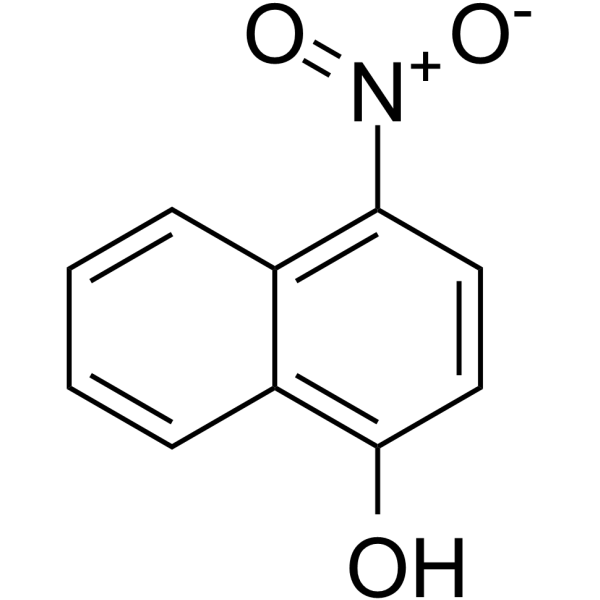
    NiCur is a potent and selective CBP histone acetyltransferase (HAT) inhibitor with an IC50 value of 0.35 μΜ. NiCur, which blocks CBP HAT activity and downregulates p53 activation upon genotoxic stress. NiCur can be used for performing mechanistic studies without affecting the expression of target proteins .
    NiCur
  • HY-145954

    APA

    Histone Acetyltransferase Cancer
    NAT2-IN-1 (APA) is an inhibitor of agent metabolic enzyme N-acetyltransferase 2 (NAT2). NAT2-IN-1 can selectively kill slow NAT2 cells .
    NAT2-IN-1

Consulta en línea

Your information is safe with us. * Required Fields.

Saludo


Country or Region *

Nombre del solicitante *


Nombre de la Organizaciòn *

Department *


Direcciòn del E-mail *


Nombre del producto *

Cat. No.


Requested quantity *

Número de teléfono *


Observaciones

Consulta en línea

Inquiry Information

Nombre del producto:
Cat. No.:
Cantidad:
MCE Japan Authorized Agent:

