Search Result
Results for "
Phospholipase Inhibitor
" in MedChemExpress (MCE) Product Catalog:
6
Biochemical Assay Reagents
5
Isotope-Labeled Compounds
| Cat. No. |
Product Name |
Target |
Research Areas |
Chemical Structure |
-
- HY-13419
-
-
-
- HY-100168
-
|
|
Phospholipase
|
Others
|
|
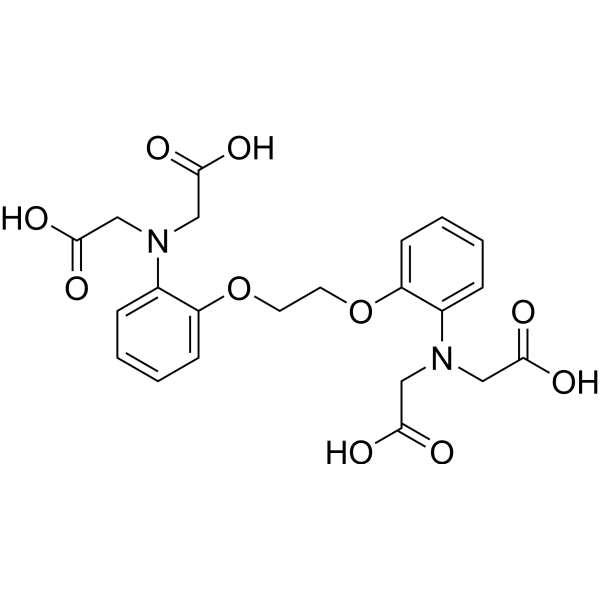
BAPTA is a selective and cell-impermeant chelator for calcium. BAPTA has high selectivity against magnesium and calcium. BAPTA can also inhibit phospholipase C activity independently of their role as Ca 2+ chelators .
|
-
-
- HY-70072
-
|
|
Phospholipase
|
Infection
Inflammation/Immunology
Cancer
|
|
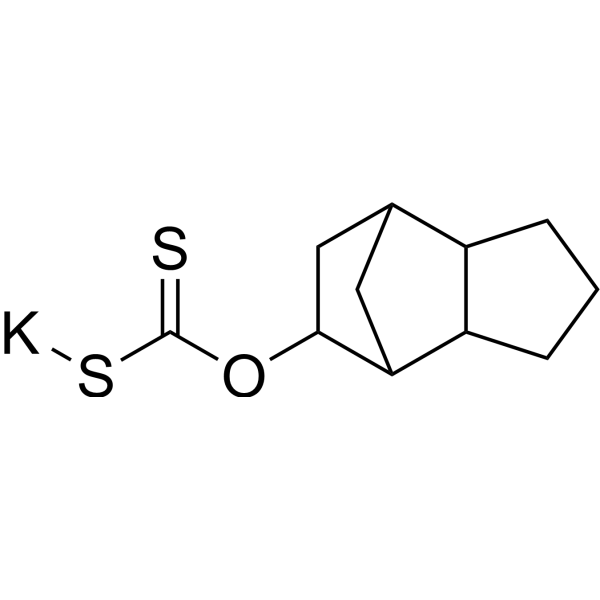
D609, an antitumoural xanthate, is a specific and competitive phosphatidyl choline-specific phospholipase C (PC-PLC) inhibitor with a Ki of 6.4 μM. D609 is an antioxidative protector and has antiviral and anti-inflammatory activity .
|
-
-
- HY-W019838
-
-
-
- HY-10801
-
|
|
Phospholipase
|
Inflammation/Immunology
|
|
CAY10650 is a highly potent cytosolic phospholipase A2α (cPLA2α) inhibitor with an IC50 value of 12 nM. CAY10650 suppresses lipid droplets formation and PGE2 secretion .
|
-
-
- HY-N9480
-
|
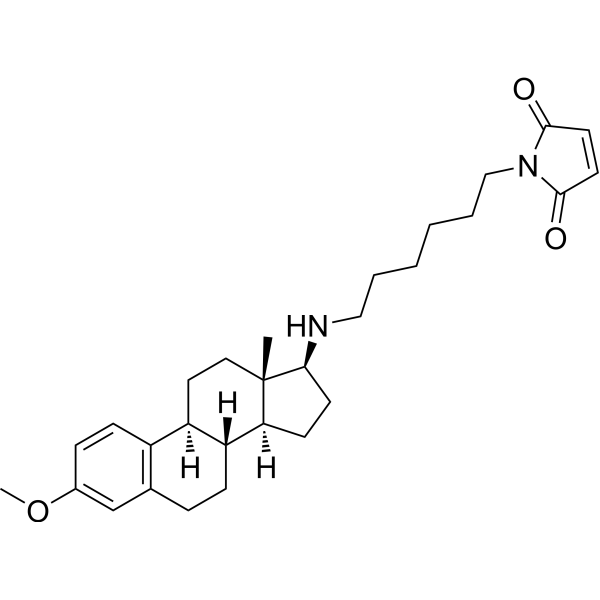
SM-345431
|
Phospholipase
Bacterial
|
Infection
Cancer
|
|
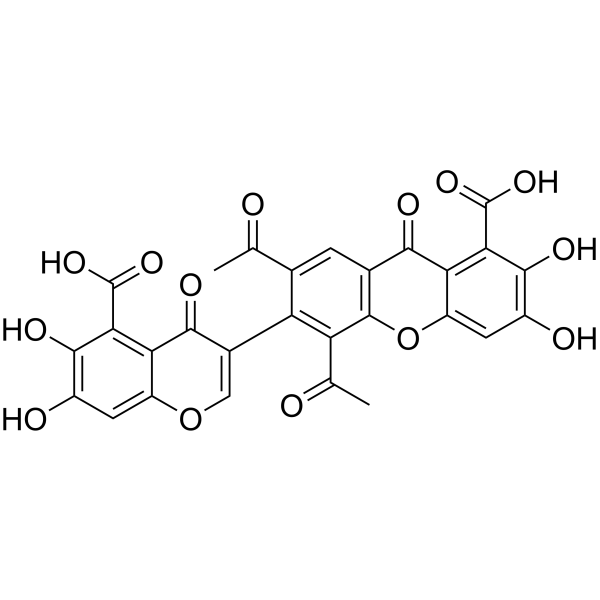
Vinaxanthone (SM-345431) is a potent and selective semaphorin3A, phospholipase C (PLC) and FabI inhibitor, with IC50s of 0.1-0.2 μM and 0.9 mM for semaphorin3A and FabI. Vinaxanthone inhibits the substrate (t-o-NAC thioester) and the cofactor (NADPH) with Kis of 3.1 μM and 1.0 μM, respectively. Vinaxanthone can be used to handle infections caused by multidrug-resistant pathogens .
|
-
-
- HY-111376
-
-
-
- HY-N7036
-
-
-
- HY-100168A
-
|
|
Phospholipase
|
Others
|
|
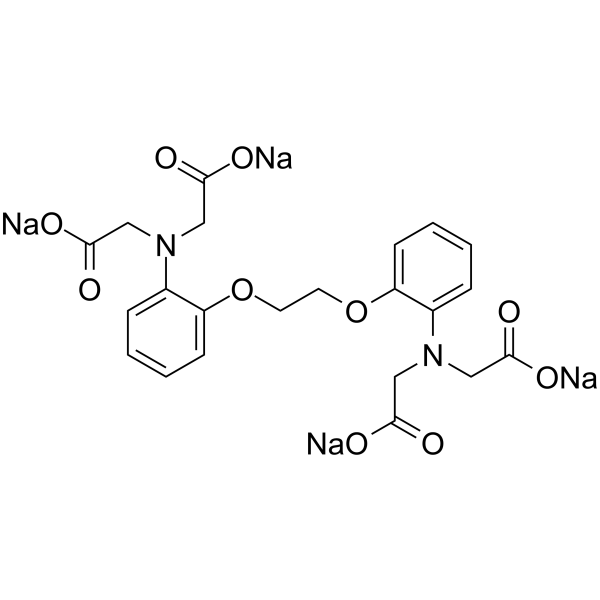
BAPTA tetrasodium is a selective and cell-impermeant chelator for calcium. BAPTA tetrasodium has high selectivity against magnesium and calcium. BAPTA can also inhibit phospholipase C activity independently of their role as Ca 2+ chelators .
|
-
-
- HY-17448
-
-
-
- HY-131181
-
LEI-401
2 Publications Verification
|
Phospholipase
|
Neurological Disease
|
|
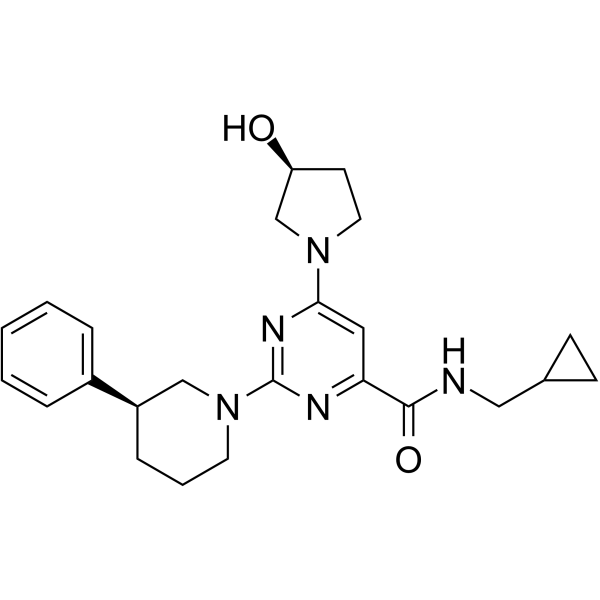
LEI-401 is a first-in-class, selective, and CNS-active NAPE-PLD (N-acylphosphatidylethanolamine phospholipase D) inhibitor, with an IC50 of 27 nM. LEI-401 modulates emotional behavior in mice .
|
-
-
- HY-111919
-
|
|
Phospholipase
Fungal
|
Infection
|
|
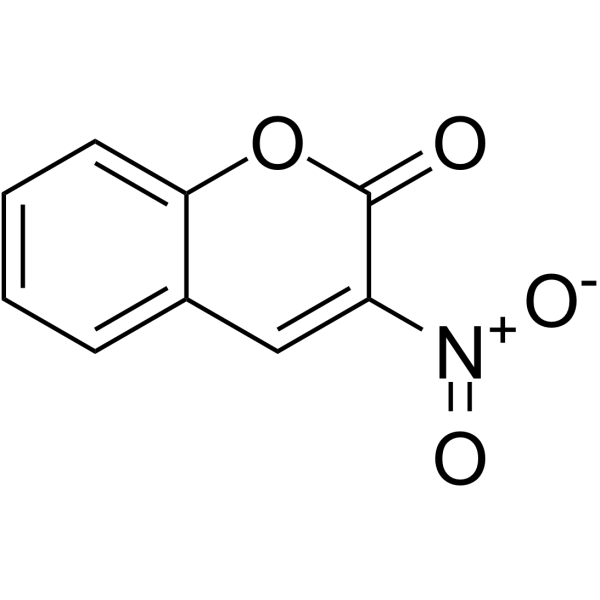
3-Nitrocoumarin is an inhibitor for phospholipase C that blocks the generation of inositol triphosphate (IP3), thereby affecting the calcium signaling pathway .
|
-
-
- HY-108612
-
|
CAY10593
|
Phospholipase
|
Cancer
|
|
VU0155069 (CAY10593), is a selective phospholipase D1 (PLD1) inhibitor with an IC50 value of 46 nM in vitro. VU0155069 (CAY10593) strongly inhibits the invasive migration of several cancer cell lines in transwell assays .
|
-
-
- HY-111208
-
|
|
Phospholipase
|
Cancer
|
|
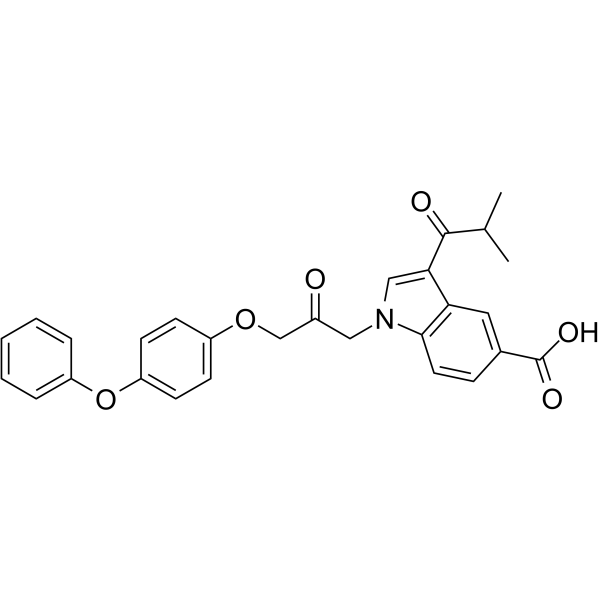
CCT129957 is an indole derivative and a potent phospholipase C-γ (PLC-γ) inhibitor with an IC50 of ~3 μM and a GC50 of 15 μM. CCT129957 inhibits Ca 2+ release in squamous carcinoma cells at ~15 μM .
|
-
-
- HY-W012595
-
-
-
- HY-108607
-
|
Palmityltrifluoromethylketone
|
Phospholipase
|
Inflammation/Immunology
|
|
PACOCF3 (Palmityltrifluoromethylketone) is a selective phospholipase A2 inhibitor with an IC50 of 3.8 μM. PACOCF3 alters Ca 2+ signaling in renal tubular cells .
|
-
-
- HY-119019
-
-
-
- HY-123070
-
|
|
Phospholipase
|
Inflammation/Immunology
|
|
ONO-RS-082 is an inhibitor of phospholipase A (PLA) . ONO-RS-082 inhibits PLA2 with the IC50 of 1.0 μM, but does not inhibit PLC even at 100 μM .
|
-
-
- HY-119093
-
-
-
- HY-102004
-
|
SB 659032
|
Phospholipase
|
Neurological Disease
Inflammation/Immunology
|
|
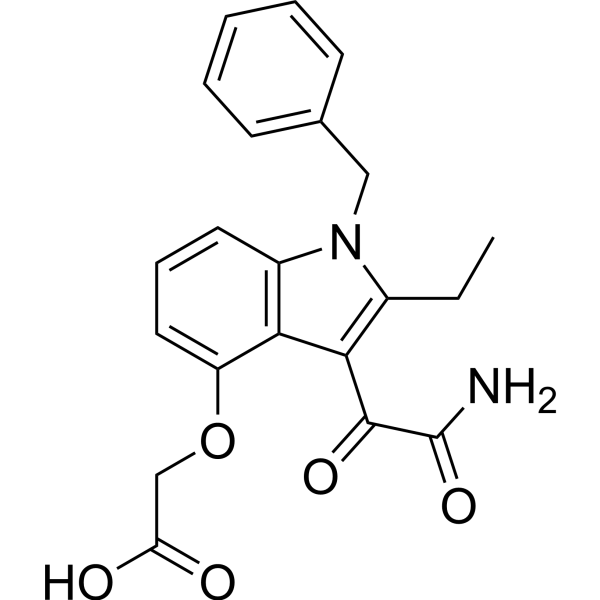
Rilapladib (SB 659032) is a selective Lp-PLA2 (lipoprotein-associated phospholipase A2) inhibitor with an IC50 of 230 pM . Rilapladib (SB 659032) is also a PAFR (Platelet Activating Factor Receptor) antagonist .
|
-
-
- HY-100168B
-
|
|
Phospholipase
|
Others
|
|
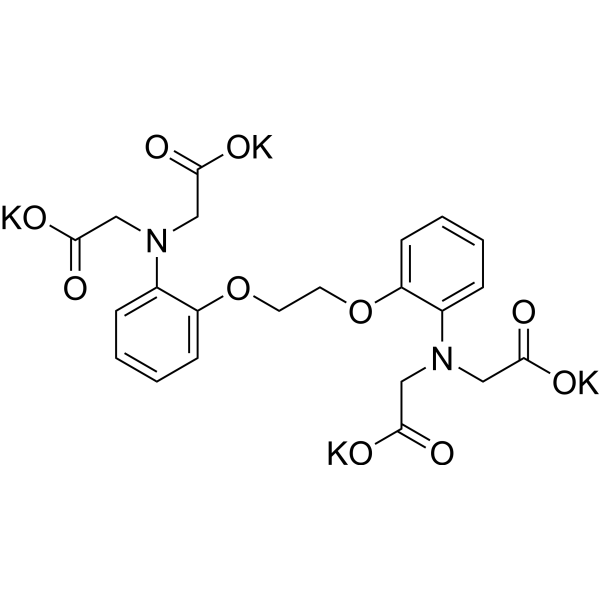
BAPTA tetrapotassium is a selective and cell-impermeant chelator for calcium. BAPTA has high selectivity against magnesium and calcium. BAPTA tetrapotassium can also inhibit phospholipase C activity independently of their role as Ca 2+ chelators .
|
-
-
- HY-100983
-
|
|
PKC
|
Cancer
|
|
Protein kinase inhibitor H-7 dihydrochloride is a potent PKC (protein kinase C) inhibitor. At 100 μM, Protein kinase inhibitor H-7 dihydrochloride completely inhibits both TPA (skin tumour promoter, 12-O-tetradecanoylphorbol-13-acetate) and phospholipase C-induced ODC (ornithine decarboxylase) .
|
-
-
- HY-120986
-
|
(S)-BEL; (S,E)-Bromoenol lactone
|
Phospholipase
|
Inflammation/Immunology
|
|
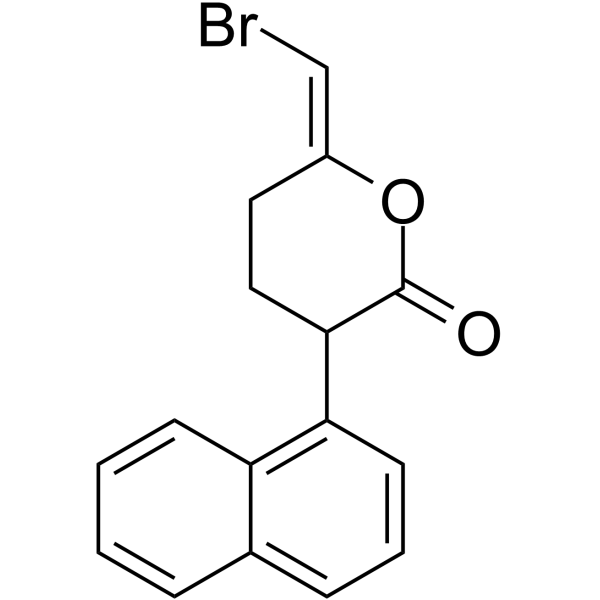
(S)-Bromoenol lactone ((S)-BEL) is an irreversible, chiral, mechanism-based inhibitor of calcium-independent phospholipase A2β (iPLA2β) that inhibits the vasopressin-induced release of arachidonate from cultured rat aortic smooth muscle (A10) cells with an IC50 of 2 µM .
|
-
-
- HY-19151
-
|
IS-741
|
Integrin
Phospholipase
|
Inflammation/Immunology
|
|
Fuzapladib (IS-741), an orally active leukocyte-function-associated antigen type 1 (LFA-1) activation inhibitor, is a leukocyte adhesion molecule. Fuzapladib is also a phospholipase A2 (PLA2) inhibitor. Fuzapladib exerts anti-inflammatory effects by inhibiting leukocyte migration into the inflammatory site .
|
-
-
- HY-P10447
-
|
Fengycin IX; SNA-60-367-3
|
Phospholipase
Fungal
|
Infection
|
|
Plipastatin A1 (Fengycin IX; SNA-60-367-3) is a lipopeptide with phospholipase A2 inhibitory activity. Plipastatin A1 inhibits conidial germination of Botrytis cinerea in vitro and reduces the incidence of gray mold on tomato leaves. Plipastatin A1 is applicable to research related to gray mold [1][2].
|
-
-
- HY-108609
-
-
-
- HY-14952
-
|
PLA-695
|
Phospholipase
|
Inflammation/Immunology
Cancer
|
|
Giripladib (PLA-695) is a indole-based inhibitor of cytosolic phospholipase A2 (cPLA2). Giripladib can be used for osteoarthritis and breast cancer research .
|
-
-
- HY-101015A
-
-
-
- HY-116273
-
|
|
Phospholipase
|
Cancer
|
|
ML299 is a selective allosteric modulator and a dual inhibitor of phospholipases D1 and D2 (IC50 values are 6 and 12 nM, respectively). ML299 decreases invasive migration in U87-MG glioblastoma cells .
|
-
-
- HY-W100403
-
|
Choline p-toluenesulfonate
|
Phospholipase
|
Others
|
|
Choline tosylate (Choline p-toluenesulfonate) is an intermediate and also a substrate of choline acetyltransferase (CHAT). Choline tosylate inhibits phospholipase A2 and phospholipase C .
|
-
-
- HY-145653
-
-
-
- HY-122756
-
-
-
- HY-120441
-
-
-
- HY-70083
-
-
-
- HY-W012595A
-
|
trans-Benzalacetone
|
Environmental Pollutants
Phospholipase
|
Inflammation/Immunology
|
|
trans-Benzylideneacetone (trans-Benzalacetone), a metabolite of gram-negative entomopathogenic bacterium Xenorhabdus nematophila, is an enzyme inhibitor against phospholipase A2 (PLA2). trans-Benzylideneacetone is an immunosuppressant .
|
-
-
- HY-W019838S
-
-
-
- HY-107393
-
|
|
Phospholipase
|
Inflammation/Immunology
|
|
LY-311727 is a potent secretory non-pancreatic phospholipase A2 (sPLA2) inhibitor (IC50 <1 μM for group IIA sPLA2). sPLA2 is an important proinflammatory enzyme .
|
-
-
- HY-U00037
-
|
PLA 725
|
Phospholipase
|
Inflammation/Immunology
|
|
Ecopladib is a sub-micromolar inhibitor of cytosolic phospholipase A2α (cPLA2α), with IC50s of 0.15 μM and 0.11 μM in the GLU micelle and rat whole blood assays, respectively.
|
-
-
- HY-17485
-
|
EB-382
|
Phospholipase
COX
|
Inflammation/Immunology
|
|
Alminoprofen (EB-382) is a nonsteroidal anti-inflammatory agent (NSAID) of the phenylpropionic acid class. Alminoprofen possesses a dual anti-inflammatory action, by inhibiting both secretory phospholipase A2 (sPLA2) and COX-2 .
|
-
-
- HY-19757
-
-
-
- HY-116301
-
|
|
Phospholipase
|
Inflammation/Immunology
|
|
CAY10502 is a potent, calcium-dependent cytosolic phospholipase A2 α (cPLA2α) inhibitor with an IC50 of 4.3 nM for isolated enzyme. CAY10502 can be used in the research of retinopathy and inflammatory diseases .
|
-
-
- HY-155342
-
|
|
Phospholipase
|
Inflammation/Immunology
|
|
A3373, a novel chemical inhibitor of Phospholipase D1 (PLD1) and PLD2, with IC50 of 325 nM and 15.15?μM, respectively, inhibits LPS-induced immune response and plays important roles in autoimmune arthritis, bone demineralization and osteoclastogenesis .
|
-
-
- HY-P10053
-
|
|
Phospholipase
|
Metabolic Disease
|
|
sPLA2-IIA Inhibitor is a cyclic pentapeptide analog of FLSYK (cyclic 2-Nal-Leu-Ser-2-Nal-Arg (c2)), that binds to hGIIA (human IIA phospholipase A2) and inhibits its hydrolytic ability. sPLA2 is a member of the esterase superfamily that catalyzes the hydrolysis of the ester bond at the sn-2 position of glycerophospholipids, releasing free fatty acids such as arachidonic acid and lysophospholipids .
|
-
-
- HY-125157
-
-
-
- HY-129944
-
|
|
Phospholipase
|
Inflammation/Immunology
|
|
MJ33-OH is a metabolite of MJ33. MJ33 is an active-site-directed, specific, competitive, and reversible phospholipase A2 (PLA2) inhibitor. MJ33 blocks the calcium-independent phospholipase A2 (iPLA2) activity of Prdx6 .
|
-
-
- HY-103097
-
|
|
Phospholipase
|
Others
|
|
ST271 is a potent inhibitor of protein tyrosine kinase (PTK), inhibits phospholipase D activation stimulated by fMet-Leu-Phe and PAF, with IC50s of 6.7 and 9 μM, respectively.
|
-
-
- HY-145384
-
|
|
Phospholipase
|
Inflammation/Immunology
|
|
ROC-0929 (compound 13a) is a potent and selective inhibitor of secreted phospholipases A2 (sPLA2s) with an IC50 of 80 nM, specially targeting hGX. ROC-0929 inhibits the phosphorylation of ERK1/2 and p-38. Secreted phospholipases A2 (sPLA2s) are a family of disulfide-rich, Ca 2+-dependent enzymes that hydrolyze the sn-2 position of glycero-phospholipids to release a fatty acid and a lysophospholipid. ROC-0929 has the potential for researching inflammation related diseases .
|
-
-
- HY-168765
-
|
LSN433771
|
Phospholipase
|
Cardiovascular Disease
|
|
LY433771 (LSN433771) (Compound 8) is a type X secretory phospholipase A2 (sPLA2) inhibitor with an IC50 value of 3 nM, which can be used in the study of cardiovascular diseases .
|
-
-
- HY-117068
-
|
(R,E)-Bromoenol lactone
|
Phospholipase
|
Others
|
|
(R)-Bromoenol lactone ((R)-BEL) is an irreversible, chiral, mechanism-based inhibitor of calcium-independent phospholipase γ (iPLA2γ). (R)-BEL inhibits human recombinant iPLA2γ with an IC50 of approximately 0.6 µM .
|
-
-
- HY-116018
-
|
|
Phospholipase
|
Neurological Disease
Inflammation/Immunology
Cancer
|
|
FKGK11 is a potent and selective inhibitor of GVIA iPLA2 (Group VIA calcium-independent phospholipase A2). FKGK11 can be used for the research of ovarian cancer and neurological disorders such as peripheral nerve injury and multiple sclerosis .
|
-
- HY-19920
-
-
- HY-118994
-
|
|
Phospholipase
|
Neurological Disease
|
|
ARN19874 is a selective, reversible uncompetitive N-acylphosphatidylethanolamine phospholipase D (NAPE-PLD) activity inhibitor with an IC50 of ~34 μM .
|
-
- HY-N1450
-
|
|
Phospholipase
|
Cancer
|
|
Aristolochic acid C is a derivative of Aristolochic acid. Aristolochic acid is a phospholipase A2 (PLA2) inhibitor, which disrupts cortical microtubule arrays and root growth in Arabidopsis .
|
-
- HY-148388
-
|
N-Stearoyl-D-sphingomyelin
|
Phospholipase
|
Cancer
|
|
N-Stearoylsphingomyelin (N-Stearoyl-D-sphingomyelin) is a sphingolipid, which can inhibit Phospholipase Cδ1 (PLCδ1) .
|
-
- HY-N8610
-
|
|
Phosphatase
|
Inflammation/Immunology
|
|
Uralsaponin D is a saponin that can be isolated from Glycyrrhiza inflata. Uralsaponin D inhibits phospholipase A2 (PLA2) with an IC50 value of 32.2 μM .
|
-
- HY-116165
-
|
|
Phospholipase
|
Cancer
|
|
ML298 is a potent and selective inhibitor of Phospholipase D2 (PLD2) with an IC50 of 355 nM. ML298 decreases invasive migration in U87-MG glioblastoma cells .
|
-
- HY-153561
-
|
|
Phospholipase
|
Neurological Disease
|
|
Lp-PLA2-IN-15 (example 2) is a lipoprotein-associated phospholipase A2 (Lp-PLA 2) inhibitor, which can be used in the research of Alzheimer's disease, etc .
|
-
- HY-108616
-
|
|
Phospholipase
|
Cancer
|
|
VU 0364739 hydrochloride is a highly selective phospholipase D2 (PLD2) inhibitor with IC50s of 20 and 1500 nM for PLD2 and PLD1, respectively. VU 0364739 hydrochloride induces apoptosis and it can be used for cancer research .
|
-
- HY-136271
-
|
|
Phospholipase
NADPH Oxidase
p38 MAPK
Akt
NF-κB
AP-1
Reactive Oxygen Species (ROS)
|
Cardiovascular Disease
Inflammation/Immunology
Cancer
|
|
MJ-33 is a competitive phospholipase A₂ (PLA₂) inhibitor with an IC50 of 0.3 μM. MJ-33 inhibits the activation of NOX2 by blocking the PLA₂ activity of Prdx6, thereby reducing the production of ROS. MJ-33 effectively inhibits the activity of acidic PLA₂ (pH 4.0), reduces the degradation of pulmonary surfactant phosphatidylcholine (PC), but has no effect on alkaline PLA₂ (pH 8.5). MJ-33 significantly alleviates lung oxidative damage induced by ischemia-reperfusion (I/R). MJ-33 significantly inhibits the invasive, migratory and adhesive abilities of prostate cancer cells by suppressing the MAPK, AKT, NF-κB and AP-1 signaling pathways. MJ-33 can be used to study ROS-related diseases and prostate cancer .
|
-
- HY-129944A
-
|
|
Phospholipase
|
Inflammation/Immunology
|
|
MJ33-OH lithium is a metabolite of MJ33. MJ33 is an active-site-directed, specific, competitive, and reversible phospholipase A2 (PLA2) inhibitor. MJ33 blocks the calcium-independent phospholipase A2 (iPLA2) activity of Prdx6 .
|
-
- HY-113560
-
-
- HY-23909
-
|
DEDA
|
Phospholipase
|
Inflammation/Immunology
|
|
7,7-Dimethyl-(5Z,8Z)-eicosadienoic acid (DEDA), a phospholipase inhibitor, is a non-metabolizable analog of arachidonic or eicosadienoic acid. 7,7-Dimethyl-(5Z,8Z)-eicosadienoic acid (DEDA) inhibits P388D1 cell phospholipase A2 (PLA2) (IC50 = 16 µM) and snake venom PLA2 (IC50 = 14 µM) .
|
-
- HY-118725
-
|
|
Phospholipase
|
Inflammation/Immunology
|
|
Luffariellolide is an inhibitor of human synovial fluid phospholipase A2 (HSF-PLA2) (IC50=5 μM). Luffariellolide effectively inhibits phorbol ester (PMA)-induced ear edema (ED50=50 μg/ear) .
|
-
- HY-128762
-
|
|
Phospholipase
|
Cancer
|
|
ML256 is a covalent lipoprotein-associated phospholipase A2 (Lp-PLA2 inhibitor. ML256 can be used for the study of neoplasms harboring a constitutively active variant of one or both of KRAS or HRAS .
|
-
- HY-155343
-
|
|
Phospholipase
|
Cancer
|
|
A4333 is biotinylated compound of A3373 (HY-155342) that inhibits Phospholipase D1 (PLD1), but not PLD2. A4333 plays an important role in antitumor activity .
|
-
- HY-W396889
-
-
- HY-116730
-
|
|
Reactive Oxygen Species (ROS)
|
Others
|
|
CHS-111 is a benzyl indazole inhibitor of superoxide anion O 2- generation. CHS-111 inhibits the cell migration, and reduces the formyl-Met-Leu-Phe- but not phorbol ester-stimulated phospholipase D activity, with the IC50 of 3.9 μM .
|
-
- HY-108607R
-
|
Palmityltrifluoromethylketone (Standard)
|
Phospholipase
Reference Standards
|
Inflammation/Immunology
|
|
PACOCF3 (Standard) is the analytical standard of PACOCF3. This product is intended for research and analytical applications. PACOCF3 (Palmityltrifluoromethylketone) is a selective phospholipase A2 inhibitor with an IC50 of 3.8 μM. PACOCF3 alters Ca2+ signaling in renal tubular cells .
|
-
- HY-149654
-
-
- HY-N14050
-
-
- HY-N14101
-
-
- HY-108132
-
-
- HY-W019838R
-
-
- HY-116671
-
|
|
Phospholipase
|
Others
|
|
Folipastatin is a potent inhibitor of phospholipase A2 with an IC50 of 39 μM. Folipastatin is a new depsidone compound from Aspergillus unguis .
|
-
- HY-N14103
-
|
|
Phospholipase
|
Others
|
|
Cinatrin C1 is a phospholipase A2 (PLA2) inhibitor that can be extracted from Circinotrichum falcatisporum RF-641 .
|
-
- HY-162368
-
|
|
Phospholipase
|
Others
|
|
cPLA2α-IN-2 (Compound 122) is an inhibitor of cytosolic phospholipase A2α (cPLA2α) .
|
-
- HY-158734
-
|
MγLnFP
|
Phospholipase
|
Others
|
|
Methyl γ-linolenyl fluorophosphonate (MγLnFP) is a close analog of a well-characterized, irreversible inhibitor of phospholipases, methyl arachidonyl fluorophosphonate (MAFP) .
|
-
- HY-N14104
-
|
|
Phospholipase
|
Others
|
|
Cinatrin C2 is a phospholipase A2 (PLA2) inhibitor with an IC50 of 800 μM and can be extracted from Circinotrichum falcatisporum RF-641 .
|
-
- HY-N14105
-
|
|
Phospholipase
|
Others
|
|
Cinatrin C3 is a phospholipase A2 (PLA2) inhibitor with an IC50 of 70 μM and can be extracted from Circinotrichum falcatisporum RF-641 .
|
-
- HY-138871
-
-
- HY-112738
-
|
|
Phospholipase
|
Inflammation/Immunology
|
|
AX048 is an inhibitor for calcium-dependent phospholipase A2 cPLA2 with a XI(50) of 0.022 mole fraction and reveals an antihyperalgesic efficacy .
|
-
- HY-106555
-
|
|
Phospholipase
|
Inflammation/Immunology
|
|
Protizinic acid is an orally active non-steroidal antiinflammatory agent with antiinflammatory and antipyretic activity. Protizinic acid inhibits phospholipase A2 (PLA2) activity, and the IC50 value is 210 μM .
|
-
- HY-124305
-
|
|
Endogenous Metabolite
|
Infection
|
|
ML395 is a potent and selective allosteric inhibitor of phospholipase D2 with antiviral activity. The cellular PLD1 IC50 value of ML395 exceeds 30,000 nM, while its cellular PLD2 IC50 value is 360 nM. ML395 shows excellent pharmacokinetic characteristics in vitro and physiochemical properties superior to other reported phospholipase inhibitors. ML395 shows interesting antiviral activity in cell-based assays against multiple influenza virus strains (H1, H3, H5, and H7) .
|
-
- HY-153561A
-
|
|
Phospholipase
|
Neurological Disease
|
|
Lp-PLA2-IN-16 (example 1) is a lipoprotein-associated phospholipase A2 (Lp-PLA 2) inhibitor, which can be used in the research of Alzheimer's disease, etc .
|
-
- HY-108612A
-
|
CAY10593 hydrochloride
|
Phospholipase
|
Cancer
|
|
VU0155069 hydrochloride (CAY10593 hydrochloride) is a potent selective phospholipase D (PLD) inhibitor. The IC50 values for PLD1 and PLD2 are 46 and 933 nM, respectively. VU0155069 hydrochloride inhibits migration of human and mouse breast cancer cell lines .
|
-
- HY-P10658
-
|
|
Phospholipase
|
Others
|
|
ARF1 (2-17) inhibits both ARF-independent (PLC-β) and ARF-dependent (PLD) pathways. ARF1 (2-17) inhibits GTP-γ-S-stimulated PLD activity, phospholipase C-β (PLC-β), and exocytosis .
|
-
- HY-101579
-
|
|
COX
Lipoxygenase
Phospholipase
|
Inflammation/Immunology
|
|
LY 178002 is a potent inhibitor of 5-lipoxygenase (5-LPO), phospholipase A2, with IC50 of 0.6 μM for 5-lipoxygenase, inhibits cellular production of LTB4 by human polymorphonuclear leukocytes, and shows relatively weak inhibition on cyclooxygenase.
|
-
- HY-133148
-
|
|
Phospholipase
|
Inflammation/Immunology
|
|
Lp-PLA2-IN-2 is a potent and selective lipoprotein-associated phospholipase A2 (Lp-PLA2) inhibitor, with an IC50 0f 120 nM for recombinant human Lp-PLA2 .
|
-
- HY-165327
-
|
|
Phospholipase
|
Inflammation/Immunology
|
|
AGN-190383 is a bee venom phospholipase A2 inhibitor. AGN 190383 inhibits both hormone-operated and depolarization-dependent calcium mobilization as well as fMLP stimulated increases in free cytosolic calcium. AGN-190383 has anti-inflammatory activity .
|
-
- HY-142670
-
|
|
Phospholipase
|
Neurological Disease
Metabolic Disease
|
|
Lp-PLA2-IN-5 is a potent inhibitor of lipoprotein-associated phospholipase A2 (Lp-PLA2). Lp-PLA2 previously known as platelet- activating factor acetylhydrolase (PAF-AH), is a phospholipase A2 enzyme involved in hydrolysis of lipoprotein lipids or phospholipids. Lp-PLA2-IN-5 has the potential for the research of diseases associated with the activity of Lp-PLA2, for example atherosclerosis, Alzheimer's disease (extracted from patent WO2021228159A1, compound 32) .
|
-
- HY-142669
-
|
|
Phospholipase
|
Neurological Disease
Metabolic Disease
|
|
Lp-PLA2-IN-4 is a potent inhibitor of lipoprotein-associated phospholipase A2 (Lp-PLA2). Lp-PLA2 previously known as platelet- activating factor acetylhydrolase (PAF-AH), is a phospholipase A2 enzyme involved in hydrolysis of lipoprotein lipids or phospholipids. Lp-PLA2-IN-4 has the potential for the research of diseases associated with the activity of Lp-PLA2, for example atherosclerosis, Alzheimer's disease (extracted from patent WO2021228159A1, compound 38) .
|
-
- HY-133149
-
|
|
Phospholipase
|
Cardiovascular Disease
|
|
Lp-PLA2-IN-3 is a potent and orally bioavailable lipoprotein-associated phospholipase A2 (Lp-PLA2) inhibitor, with an IC50 of 14 nM for recombinant human Lp-PLA2 (rhLpPLA2) .
|
-
- HY-142779
-
|
|
Phospholipase
|
Neurological Disease
Metabolic Disease
|
|
Lp-PLA2-IN-11 is a potent inhibitor of lipoprotein-associated phospholipase A2 (Lp-PLA2). Lp-PLA2 previously known as platelet- activating factor acetylhydrolase (PAF-AH), is a phospholipase A2 enzyme involved in hydrolysis of lipoprotein lipids or phospholipids. Lp-PLA2-IN-11 has the potential for the research of diseases associated with the activity of Lp-PLA2, for example atherosclerosis, Alzheimer's disease (extracted from patent WO2014114249A1, compound E145) .
|
-
- HY-W414803
-
-
- HY-115855
-
-
- HY-P2139
-
|
|
Neurokinin Receptor
Phospholipase
|
Others
|
|
Ranakinin is a NK1R agonist. Ranakinin inhibits the binding of selective NK1 radioligands to NK1 receptors. Ranakinin activates phospholipase C (Phospholipase C), thereby enhancing polyphosphoinositide hydrolysis. Ranakinin stimulates inositol phosphate production and reduces membrane polyphosphoinositide levels. Ranakinin stimulates corticosterone and aldosterone secretion .
|
-
- HY-182680
-
|
|
Phospholipase
|
Inflammation/Immunology
|
|
Manoalogue is an irreversible secretory phospholipase A2 (sPLA2) inhibitor. Manoalogue covalently modifies K94 of bee venom phospholipase A2 (bvPLA2) to inactivate the enzyme and shows selective inhibition on bvPLA2. Manoalogue can suppress PLA2-mediated contractions of guinea pig lung pleural strips. Manoalogue is used for sPLA2 mechanism and respiratory physiology research .
|
-
- HY-126072
-
|
|
Drug Isomer
|
Others
|
|
(Rac)-GK563 is the isomer of GK563 (HY-138990). GK563 is a Ca 2+-independent group VI phospholipase A2 (GVIA iPLA2) inhibitor .
|
-
- HY-182452
-
|
|
Phosphodiesterase (PDE)
Phospholipase
|
Cardiovascular Disease
|
|
U 84569 is a potent low-Km cAMP-dependent Phosphodiesterase inhibitor, with an IC50 value of 300 nM in platelet cytosol. By inhibiting phosphodiesterase and elevating cAMP levels, U 84569 indirectly blocks receptor-mediated Phospholipase C activation, thereby inhibiting platelet aggregation .
|
-
- HY-W778574
-
|
|
Phospholipase
|
Cardiovascular Disease
Others
Neurological Disease
|
|
BAPTA tetracesium is a selective and cell-impermeant chelator for calcium. BAPTA tetracesium has high selectivity against magnesium and calcium. BAPTA tetracesium can also inhibit phospholipase C activity independently of their role as Ca 2+ chelators .
|
-
- HY-19151A
-
|
IS-741 sodium
|
Integrin
Phospholipase
|
Inflammation/Immunology
|
|
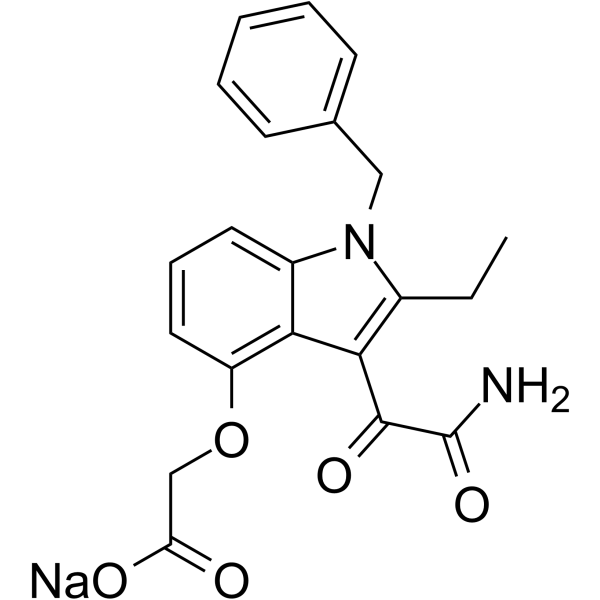
Fuzapladib (IS-741) sodium, an orally active leukocyte-function-associated antigen type 1 (LFA-1) activation inhibitor, is a leukocyte adhesion molecule. Fuzapladib sodium is also a phospholipase A2 (PLA2) inhibitor. Fuzapladib sodium exerts anti-inflammatory effects by inhibiting leukocyte migration into the inflammatory site .
|
-
- HY-19151B
-
|
IS-741 potassium
|
Integrin
Phospholipase
|
Inflammation/Immunology
|
|
Fuzapladib (IS-741) potassium, an orally active leukocyte-function-associated antigen type 1 (LFA-1) activation inhibitor, is a leukocyte adhesion molecule. Fuzapladib potassium is also a phospholipase A2 (PLA2) inhibitor. Fuzapladib potassium exerts anti-inflammatory effects by inhibiting leukocyte migration into the inflammatory site .
|
-
- HY-N2330
-
|
|
Lipase
|
Metabolic Disease
|
|
Lipstatin is a pancreatic lipase inhibitor (IC50=0.14 μM), whose structure is closely related to the known inhibitor, Esterastin. Lipstatin inhibits the absorption of triglycerides without affecting the absorption of oleic acid. Lipstatin has no inhibitory effects on other pancreatic enzymes, such as phospholipase A2 and trypsin (<200 μM) .
|
-
- HY-19151C
-
|
IS-741 calcium
|
Integrin
Phospholipase
|
Inflammation/Immunology
|
|
Fuzapladib calcium, an orally active leukocyte-function-associated antigen type 1 (LFA-1) activation inhibitor, is a leukocyte adhesion molecule. Fuzapladib calcium is also a phospholipase A2 (PLA2) inhibitor. Fuzapladib calcium exerts anti-inflammatory effects by inhibiting leukocyte migration into the inflammatory site .
|
-
- HY-N1450R
-
|
|
Reference Standards
Phospholipase
|
Cancer
|
|
Aristolochic acid C (Standard) is the analytical standard of Aristolochic acid C. This product is intended for research and analytical applications. Aristolochic acid C is a derivative of Aristolochic acid. Aristolochic acid is a phospholipase A2 (PLA2) inhibitor, which disrupts cortical microtubule arrays and root growth in Arabidopsis .
|
-
- HY-N16481
-
|
|
COX
Phospholipase
|
Inflammation/Immunology
|
|
Parameritannin A-1 is a tetrameric proanthocyanidin (PAC) that can be isolated from the bark of Parameria laevigata Moldenke (Apocynaceae). Parameritannin A-1 is a COX-2 inhibitor. Parameritannin A-1 also inhibits the activity of phospholipase A2 (PLA2) .
|
-
- HY-133233
-
|
1-Palmitylthio-2-palmitoylamido-1,2-dideoxy-sn-glycero-3-phosphorylcholine
|
Endogenous Metabolite
Phospholipase
|
Metabolic Disease
|
|
Thioetheramide-PC (1-Palmitylthio-2-palmitoylamido-1,2-dideoxy-sn-glycero-3-phosphorylcholine) is a structurally modified phospholipid that acts as a competitive, reversible inhibitor of secretory phospholipase A2 (sPLA2). Thioetheramide-PC has an IC50 value of 2 μM at a substrate concentration of 0.5 mM. In addition to binding to the catalytic site of sPLA2, Thioetheramide-PC also binds to the activation site of the enzyme. Thioetheramide-PC binds more tightly to the activation site than to the catalytic site. As a result of this dual interaction, at low concentrations, Thioetheramide-PC may activate phospholipase activity rather than inhibit it.
|
-
- HY-142778
-
|
|
Phospholipase
|
Neurological Disease
Metabolic Disease
|
|
Lp-PLA2-IN-10 is a potent inhibitor of lipoprotein-associated phospholipase A2 (Lp-PLA2). Lp-PLA2 previously known as platelet- activating factor acetylhydrolase (PAF-AH), is a phospholipase A2 enzyme involved in hydrolysis of lipoprotein lipids or phospholipids. Lp-PLA2-IN-10 has the potential for the research of neurodegenerative-related diseases such as Alzheimer's disease (AD), glaucoma, age-related macular degeneration (AMD), or cardiovascular diseases including atherosclerosis (extracted from patent WO2022001881A1, compound 4) .
|
-
- HY-156041
-
|
Lyso-PE (egg); LPE (egg); L-α-lysophosphatidylethanolamine
|
Endogenous Metabolite
|
Metabolic Disease
|
|
Lysophosphatidylethanolamine (LPE) is a naturally-occurring lysophospholipid that can be generated via deacylation of phosphatidylethanolamine by phospholipase A2 (PLA2). It increases the phosphorylation of ERK1/2 in PC12 cells, an effect that can be blocked by the MEK inhibitors U-0126 (HY-12031A) and PD 98059 (HY-12028) and the EGFR inhibitor AG-1478 (HY-13524).1 LPE also increases neurite outgrowth and expression of neurofilament M in PC12 cells. LPE inhibits the activity of phospholipase D (PLD) partially purified from cabbage.3 This product contains lysophosphatidylethanolamine molecular species with variable fatty acyl chain lengths at the sn-1 position and a hydroxy group at the sn-2 position.
|
-
- HY-W339757
-
|
|
mTOR
Endogenous Metabolite
|
Cancer
|
|
Dioctanoylphosphatidic acid sodium functions as a modulator of phagocyte respiratory burst, acts as a precursor to diacylglycerol and lysophosphatidic acid, and influences the phosphorylation of the mammalian target of rapamycin (mTOR) while enhancing the viability of gallbladder carcinoma cells treated with histone deacetylase inhibitors (HDACIs); it is derived from glycerophospholipid through the action of phospholipase D.
|
-
- HY-103097R
-
|
|
Reference Standards
Phospholipase
|
Others
|
|
ST271 (Standard) is the analytical standard of ST271 (HY-103097). This product is intended for research and analytical applications. ST271 is a potent inhibitor of protein tyrosine kinase (PTK), inhibits phospholipase D activation stimulated by fMet-Leu-Phe and PAF, with IC50s of 6.7 and 9 μM, respectively.
|
-
- HY-107411
-
|
(6E)-Bromoenol lactone
|
Phospholipase
|
Inflammation/Immunology
|
|
Bromoenol lactone ((6E)-Bromoenol lactone) is a suicide-based irreversible, selective, potent inhibitor of calcium-independent phospholipase A2 (iPLA2β) with an IC50 value of approximately 7 μM, which inhibits antigen-stimulated mast cell exocytosis without blocking Ca 2+ influx .
|
-
- HY-N7036R
-
-
- HY-100287
-
|
|
Prostaglandin Receptor
Phospholipase
|
Endocrinology
|
|
2-(E-2-decenoylamino)ethyl 2-(cyclohexylethyl) sulfide is a compound that inhibits stress-induced ulcer and low toxicity, and can maintain the content of phospholipase A2 and prostaglandin E2 in ulcerated rats induced by water immersed restrained stress.
|
-
- HY-W012595AR
-
|
trans-Benzalacetone (Standard)
|
Reference Standards
Phospholipase
|
Inflammation/Immunology
|
|
trans-Benzylideneacetone (Standard) is the analytical standard of trans-Benzylideneacetone. This product is intended for research and analytical applications. trans-Benzylideneacetone (trans-Benzalacetone), a metabolite of gram-negative entomopathogenic bacterium Xenorhabdus nematophila, is an enzyme inhibitor against phospholipase A2 (PLA2). trans-Benzylideneacetone is an immunosuppressant[1].
|
-
- HY-11059
-
|
|
Phospholipase
|
Inflammation/Immunology
|
|
KH064, a D-tyrosine derivative, is an orally active, potent secretory phospholipase A2 (sPLA2) inhibitor with an IC50 of 29 nM for human nonpancreatic secretory PLA2 isoform IIa (hnpsPLA2-IIa). KH064 has anti-inflammatory activity .
|
-
- HY-119093R
-
|
|
Phospholipase
Dopamine Receptor
|
Neurological Disease
Cancer
|
|
Halopemide (Standard) is the analytical standard of Halopemide. This product is intended for research and analytical applications. Halopemide is a potent phospholipase D (PLD) inhibitor, with IC50s of 220 and 310 nM for human PLD1 and PLD2, respectively. Halopemid is a dopamine receptors antagonist, and acts a psychotropic agent .
|
-
- HY-118628
-
|
N-(p-Amylcinnamoyl) anthranilic acid; ACA
|
Phospholipase
TRP Channel
|
Cardiovascular Disease
|
|
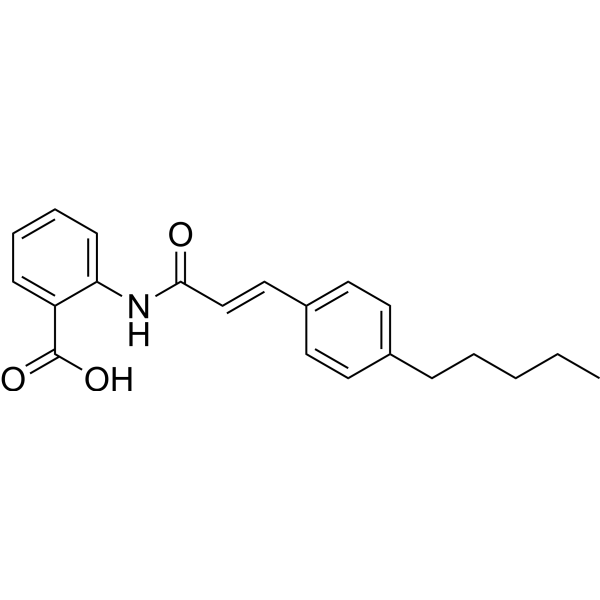
(E/Z)-BML264 (N-(p-amylcinnamoyl) Anthranilic Acid) is a broad spectrum Phospholipase A2 (PLA2) inhibitor and TRP channel blocker . (E/Z)-BML264 (N-(p-amylcinnamoyl) Anthranilic Acid) is also an effective reversible inhibitor of calcium-activated chloride channels, has potential to treat arrhythmia .
|
-
- HY-112605
-
|
|
Phospholipase
|
Cardiovascular Disease
|
|
sPLA2-X Inhibitor 31 is a selective secreted phospholipase A2 type X (sPLA2-X) inhibitor with IC50s of 26 nM, 310 nM, and 2230 nM for sPLA2-X, sPLA2-IIa, and sPLA2-V, respectively .
|
-
- HY-125986
-
|
|
Phospholipase
|
Neurological Disease
|
GK187 is a potent and selective Group VIA calcium-independent phospholipase A2 (GVIA iPLA2) inhibitor with an XI(50) value of 0.0001. GK187 can be used for researching various neurological disorders .
[The XI(50) is the mole fraction of the inhibitor in the total substrate interface required to inhibit the enzyme by 50%.]
|
-
- HY-173335
-
|
|
Phospholipase
|
Infection
|
|
PLA2-IN-1 (Compound 7) is a potent and selective inhibitor of phospholipase A2 (PLA2) with an IC50 value of 1 nM PLA2-IN-1 inhibits PLA2-induced coagulopathy in vitro. PLA2-IN-1 is promising for research of snakebite envenomation caused by cobra venom .
|
-
- HY-108630
-
|
|
Phospholipase
|
Others
|
|
U-73343, works as a protonophore, is an inactive analog of U-73122 and can be used as a negative control. U-73343 dose-dependently inhibits acid secretion irrespective of the stimulant. U-73122 is a phospholipase C (PLC) and 5-LO (5-lipoxygenase) inhibitor with an IC50 of 1-2.1 μM for PLC .
|
-
- HY-W012595R
-
|
Benzalacetone (Standard)
|
Reference Standards
Endogenous Metabolite
Antibiotic
Bacterial
Tyrosinase
Phospholipase
|
Infection
Metabolic Disease
Inflammation/Immunology
|
|
Benzylideneacetone (Standard) is the analytical standard of Benzylideneacetone. This product is intended for research and analytical applications. Benzylideneacetone (Benzalacetone) is an orally active antibiotic, tyrosinase inhibitor, phospholipase A2 inhibitor, and immunosuppressant. Benzylideneacetone has antibacterial activity against some gram-negative plant-pathogenic bacteria. Benzylideneacetone can also be used in the synthesis of chemicals and drugs, and as a flavoring additive for some foods .
|
-
- HY-17485R
-
|
EB-382 (Standard)
|
Reference Standards
Phospholipase
COX
|
Inflammation/Immunology
|
|
Alminoprofen (Standard) is the analytical standard of Alminoprofen. This product is intended for research and analytical applications. Alminoprofen (EB-382) is a nonsteroidal anti-inflammatory agent (NSAID) of the phenylpropionic acid class. Alminoprofen possesses a dual anti-inflammatory action, by inhibiting both secretory phospholipase A2 (sPLA2) and COX-2 .
|
-
- HY-130592
-
|
C48/80 trihydrochloride
|
Phospholipase
|
Neurological Disease
|
|
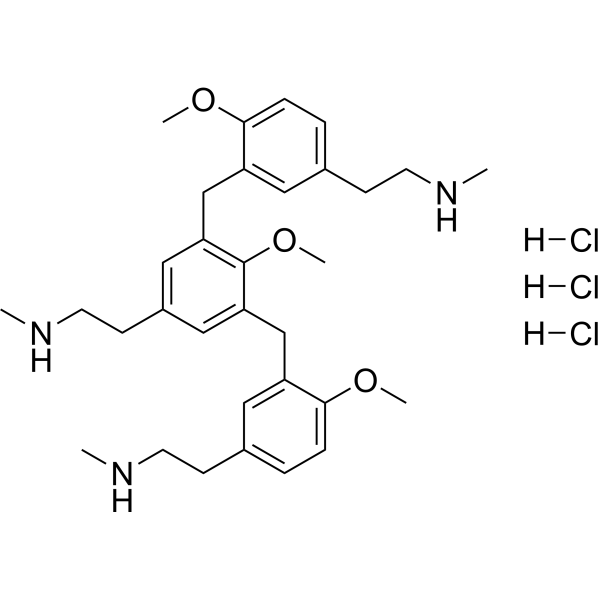
Compound 48/80 trihydrochloride (C48/80 trihydrochloride) is a mixture of condensation products of N-methyl-p-methoxyphenethylamine with formaldehyde. Compound 48/80 trihydrochloride is also a histamine releaser and a mast cell degranulator. Compound 48/80 inhibits phosphatidylinositol-specific phospholipase C activity from human platelets .
|
-
- HY-12807A
-
|
5-Fluoro-2-indolyl deschlorohalopemide hydrochloride
|
Phospholipase
|
Cardiovascular Disease
Neurological Disease
Inflammation/Immunology
Cancer
|
|
FIPI hydrochloride is a phospholipase D (PLD) inhibitor with an IC50 for PLD1 and PLD2 of about 25 nM. FIPI hydrochloride regulates cytoskeletal recombination, cell diffusion and chemotaxis. FIPI hydrochloride can be used in cancer research. In addition, FIPI hydrochloride can enhance the secretion and aggregation of platelet dense particles, inhibit thrombosis, reduce ischemic stroke infarct volume and improve nerve function .
|
-
- HY-177218
-
|
NSC 119910
|
Phospholipase
Opioid Receptor
|
Neurological Disease
|
|
M119 (NSC 119910) is a selective Gβγ-subunit inhibitor. M119 selectively potentiates μ-opioid-dependent antinociception. M119 inhibits μ-receptor-dependent phospholipase (PLC) activation. M119 can enhance opioid analgesia and attenuate its acute tolerance and dependence in mice. M119 can be used for pain research .
|
-
- HY-108612R
-
|
CAY10593 (Standard)
|
Reference Standards
Phospholipase
|
Cancer
|
|
VU0155069 (Standard) is the analytical standard of VU0155069 (HY-108612). This product is intended for research and analytical applications. VU0155069 (CAY10593), is a selective phospholipase D1 (PLD1) inhibitor with an IC50 value of 46 nM in vitro. VU0155069 (CAY10593) strongly inhibits the invasive migration of several cancer cell lines in transwell assays .
|
-
- HY-12807
-
FIPI
5 Publications Verification
5-Fluoro-2-indolyl deschlorohalopemide
|
Phospholipase
|
Cardiovascular Disease
Neurological Disease
Inflammation/Immunology
Cancer
|
|
FIPI is a phospholipase D (PLD) inhibitor with an IC50 for PLD1 and PLD2 of about 25 nM. FIPI regulates cytoskeletal recombination, cell diffusion and chemotaxis. FIPI can be used in cancer research. In addition, FIPI can enhance the secretion and aggregation of platelet dense particles, inhibit thrombosis, reduce ischemic stroke infarct volume and improve nerve function .
|
-
- HY-114095
-
-
- HY-178123
-
|
|
Others
|
Inflammation/Immunology
|
|
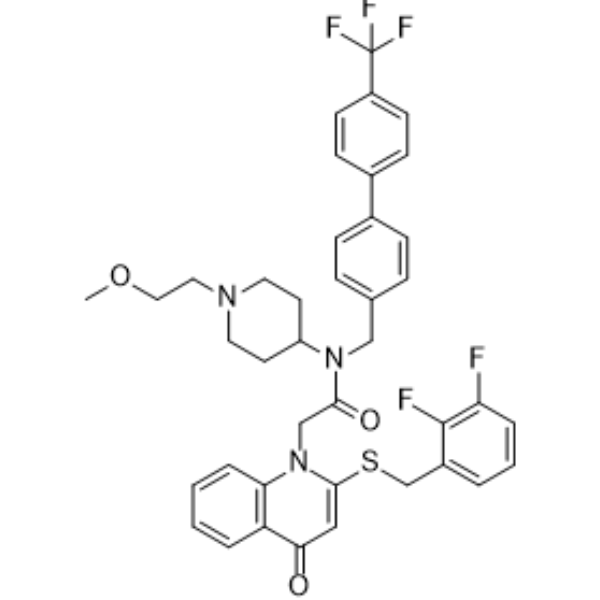
BAY-439 is a human Group V Phospholipase A2 (hPLA2-G5) inhibitor. BAY-439 can be used as a chemical probe for investigating hPLA2-G5-mediated inflammatory-related diseases, especially inflammatory pain.
|
-
- HY-101015
-
|
|
Phospholipase
Apoptosis
|
Inflammation/Immunology
|
|
(2E)-OBAA is a potent phospholipase A2 (PLA2) inhibitor, with an IC50 of 70 nM. (2E)-OBAA induces apoptosis of HUVEC cells. (2E)-OBAA blocks Melittin-induced Ca 2+ influx in Trypanosoma brucei, with an IC50 of 0.4 μM .
|
-
- HY-120621
-
|
|
Phospholipase
|
Inflammation/Immunology
|
|
BMS-229724 is an orally active and tight-binding cytosolic phospholipase A2 (cPLA2) inhibitor with an IC50 of 2.8 μM. BMS-229724 can inhibit the production of arachidonic acid and eicosanoids in U937 cells, neutrophils, platelets, and other cells. BMS-229724 has anti-inflammatory activity and can be used in the research of diseases such as skin inflammation .
|
-
- HY-10801R
-
|
|
Reference Standards
Phospholipase
|
Inflammation/Immunology
|
|
CAY10650 (Standard) is the analytical standard of CAY10650 (HY-10801). This product is intended for research and analytical applications. CAY10650 is a highly potent cytosolic phospholipase A2α (cPLA2α) inhibitor with an IC50 value of 12 nM. CAY10650 suppresses lipid droplets formation and PGE2 secretion .
|
-
- HY-102004R
-
|
SB 659032 (Standard)
|
Reference Standards
Phospholipase
|
Neurological Disease
Inflammation/Immunology
|
|
Rilapladib (Standard) is the analytical standard of Rilapladib (HY-102004). This product is intended for research and analytical applications. Rilapladib (SB 659032) is a selective Lp-PLA2 (lipoprotein-associated phospholipase A2) inhibitor with an IC50 of 230 pM . Rilapladib (SB 659032) is also a PAFR (Platelet Activating Factor Receptor) antagonist .
|
-
- HY-100983R
-
|
|
Reference Standards
PKC
|
Cancer
|
|
Protein kinase inhibitor H-7 (dihydrochloride) (Standard) is the analytical standard of Protein kinase inhibitor H-7 (dihydrochloride). This product is intended for research and analytical applications. Protein kinase inhibitor H-7 dihydrochloride is a potent PKC (protein kinase C) inhibitor. At 100 μM, Protein kinase inhibitor H-7 dihydrochloride completely inhibits both TPA (skin tumour promoter, 12-O-tetradecanoylphorbol-13-acetate) and phospholipase C-induced ODC (ornithine decarboxylase) .
|
-
- HY-119094
-
|
|
Phospholipase
|
Inflammation/Immunology
|
|
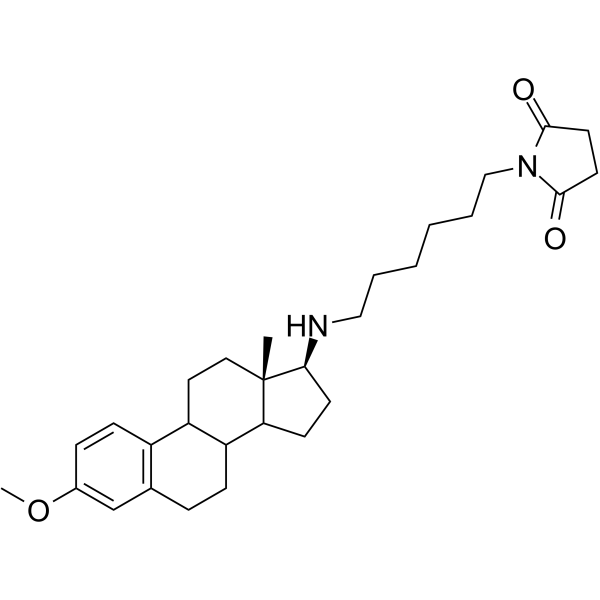
WAY-196025 is a selective and orally active indole cytosolic phospholipase A2 alpha (cPLA2α) inhibitor with an IC50 of 0.01μM and a Kd of 0.013 μM. WAY-196025 can inhibit the production of prostaglandins (such as PGE2) and leukotrienes (such as LTB4), and reduce the release of inflammatory mediators. WAY-196025 can be used for the researches of inflammation and immunology, such as asthma .
|
-
- HY-175982
-
|
|
Aurora Kinase
|
Cancer
|
|
AURKA-IN-3 (Compound AL8) is an irreversible covalent Aurora kinase A (AURKA) inhibitor with an IC50 value of 23.0 nM. AURKA-IN-3 inhibits the activation of cAMP signaling pathway and phospholipase C (PLC) signaling pathway mediated by AURKA, and reduces the autophosphorylation level of AURKA. AURKA-IN-3 is promising for research of malignant tumors associated with high AURKA expression (e.g., leukemia, lymphoma) .
|
-
- HY-117068S
-
|
(R,E)-Bromoenol lactone-d7
|
Isotope-Labeled Compounds
Phospholipase
|
Others
|
|
(R)-Bromoenol lactone-d7 ((R,E)-Bromoenol lactone-d7) is deuterium labeled (R)-Bromoenol lactone. (R)-Bromoenol lactone ((R)-BEL) is an irreversible, chiral, mechanism-based inhibitor of calcium-independent phospholipase γ (iPLA2γ). (R)-BEL inhibits human recombinant iPLA2γ with an IC50 of approximately 0.6 μM .
|
-
- HY-176008
-
|
|
Drug Derivative
|
Inflammation/Immunology
|
|
Lauric acid leelamide is the lauric acid (C-12) amide analog of Leelamine (HY-W005629). Leelamine exhibits inhibitory activity against pyruvate dehydrogenase kinase (PDHK) with an IC50 value of 9.5 µM. Leelamine derivatives possess anti-inflammatory effects and can inhibit phospholipase A2 activity from various sources .
|
-
- HY-115403
-
FKGK18
1 Publications Verification
|
Phospholipase
Apoptosis
|
Metabolic Disease
|
|
FKGK18 is a selective group VIA calcium-independent phospholipase A2 (GVIA iPLA2) inhibitor. FKGK18 is a fluoroketone (FK)-based compound with IC50s of 50 nM and 3 μM for iPLA2β and iPLA2γ. FKGK18 can be used for the research of beta-cell apoptosis and diabetes .
|
-
- HY-114873
-
|
LY25684
|
Phospholipase
COX
Lipoxygenase
Leukotriene Receptor
|
Inflammation/Immunology
|
|
LY256548 (LY25648) is an orally available anti-ischemic and anti-inflammatory compound with central nervous system activity. LY256548 is an inhibitor of phospholipase A2, 5-lipoxygenase (5-LOX), and COX, and inhibits A23187 (HY-N6687)-stimulated leukotriene B4 production. LY256548 inhibits bone damage and paw swelling in the rat Freund's complete adjuvant-induced arthritis (FCA) model .
|
-
- HY-14117
-
-
- HY-13402A
-
|
LY315920 sodium
|
Phospholipase
|
Inflammation/Immunology
|
|
Varespladib sodium (LY315920 sodium) is a potent and selective group IIA, secretory phospholipase A2 (sPLA2) inhibitor with an IC50 of 9 nM. Varespladib sodium exhibits the significant inhibitory effect on sPLA2 activity in serum from various species including rat, rabbit, guinea pig and human with IC50s of 8.1 nM, 5.0 nM, 3.2 nM and 6.2 nM, respectively .
|
-
- HY-13402
-
|
LY315920
|
Phospholipase
|
Inflammation/Immunology
|
|
Varespladib (LY315920) is a potent and selective group IIA, secretory phospholipase A2 (sPLA2) inhibitor with an IC50 of 9 nM. Varespladib exhibits the significant inhibitory effect on sPLA2 activity in serum from various species including rat, rabbit, guinea pig and human with IC50s of 8.1 nM, 5.0 nM, 3.2 nM and 6.2 nM, respectively .
|
-
- HY-131688R
-
|
|
PARP
Caspase
Reference Standards
|
Inflammation/Immunology
|
|
Neomycin (sulfate) (Standard) is the analytical standard of Neomycin (sulfate). This product is intended for research and analytical applications. Neomycin sulfate, an aminoglycoside antibiotic, exerts antibacterial activity through irreversible binding of the nuclear 30S ribosomal subunit, thereby blocking bacterial protein synthesis. Neomycin sulfate is a known phospholipase C (PLC) inhibitor. Neomycin sulfate potently inhibits both nuclear translocation of angiogenin and angiogenin-induced cell proliferation and angiogenesis .
|
-
- HY-128061
-
|
|
Phospholipase
Reactive Oxygen Species (ROS)
|
Inflammation/Immunology
|
|
CDIBA is a cytosolic phospholipase A2 (cPLA2) inhibitor. CDIBA inhibits the activation of cPLA2 in rat diaphragm tissue. CDIBA reduces the level of mitochondrial reactive oxygen species in rat diaphragm tissue after prolonged mechanical ventilation. CDIBA attenuates protein degradation, muscle atrophy and decreased muscle strength in the diaphragm of rats after prolonged mechanical ventilation. CDIBA can be used in studies related to ventilator-induced diaphragmatic dysfunction .
|
-
- HY-B0470R
-
|
|
Reference Standards
Bacterial
Antibiotic
Phospholipase
|
Infection
Cancer
|
|
Neomycin (sulfate) (Standard) is the analytical standard of Neomycin (sulfate). This product is intended for research and analytical applications. Neomycin sulfate, an aminoglycoside antibiotic, exerts antibacterial activity through irreversible binding of the nuclear 30S ribosomal subunit, thereby blocking bacterial protein synthesis. Neomycin sulfate is a known phospholipase C (PLC) inhibitor. Neomycin sulfate potently inhibits both nuclear translocation of angiogenin and angiogenin-induced cell proliferation and angiogenesis .
|
-
- HY-N7327
-
|
|
Phospholipase
|
Inflammation/Immunology
|
|
Ochnaflavone is an inhibitor of IIA-type secretory phospholipase A2 (sPLA2-IIA) with an IC50 of 3.45 µM. Ochnaflavone exhibits significant anti-inflammatory and liver-protective effects, capable of inhibiting the degradation of phosphatidylethanolamine (PE) and lipid peroxidation induced by carbon tetrachloride (CCl4) in rat liver, with an IC50 of 7.16 µM for lipid peroxidation. Ochnaflavone can be used in research on liver damage and inflammatory diseases .
|
-
- HY-101293
-
-
- HY-153213A
-
|
|
TSH Receptor
|
Endocrinology
|
|
Org 274178-0 is a selective thyroid-stimulating hormone receptor (TSHR) antagonist with a pIC50 value for TSHR is 5.03. Org 274178-0 inhibits the activation of cAMP signaling pathway and phospholipase C (PLC) signaling pathway mediated by thyroid-stimulating hormone (TSH) and TSH receptor-stimulating immunoglobulins (TSIs). Org 274178-0 is promising for research of Graves’ disease and Graves’ ophthalmopathy .
|
-
- HY-150135B
-
|
Inositol 1,4,5-trisphosphate tripotassium; Ins(1,4,5)-P3 tripotassium
|
Calcium Channel
|
Neurological Disease
|
|
D-myo-Inositol 1,4,5-trisphosphate tripotassium, a second messenger, elicits Ca 2+ mobilization. D-myo-Inositol 1,4,5-trisphosphate tripotassium inhibits the binding of phosphoinositide-specific phospholipase C-delta 1 (PLC-delta 1) to bilayer membranes composed of phosphatidylcholine (PC) and phosphatidylinositol 4,5-bisphosphate (PIP2) .
|
-
- HY-N16849
-
|
YM 26567-1
|
COX
Prostaglandin Receptor
Fungal
|
Infection
Inflammation/Immunology
|
|
Myristinin A (YM 26567-1) is a trans-isomer flavan compound found in Horsfieldia amygdaline and Myristica cinnamomea. Myristinin A can selectively inhibit COX-2 activity with an IC50 of 16.9 μg/mL. Myristinin A can reduce the production of prostaglandin E2 (PGE2) and inhibit phospholipase A2 (PLA2), thereby blocking the release of inflammatory mediators. Myristinin A can inhibit Candida albicans with an IC50 of 8.8 μg/mL. Myristinin A can be used for the research of inflammation and infection, such as rheumatoid arthritis .
|
-
- HY-127110
-
|
|
Phospholipase
|
Others
Neurological Disease
Inflammation/Immunology
|
|
AK106-001616 is a potent and selective inhibitor of cytosolic phospholipase A2 (cPLA2) (IC50=3.8 nmol/L). AK106-001616 is able to reduce the production of prostaglandins (PG) E2 and leukotrienes (LT) B4 by stimulated cells. AK106-001616 can be used in the study of inflammatory diseases, neuropathic pain and pulmonary fibrosis .
|
-
- HY-134082A
-
|
|
Phospholipase
|
Inflammation/Immunology
|
|
(Z)-Oleyloxyethyl phosphorylcholine ((Z)-OPC) is an isomer of Oleyloxyethyl phosphorylcholine (OPC). Oleyloxyethyl phosphorylcholine is an inhibitor of secreted Phospholipase A2 (sPLA2), which is involved in the biosynthesis of proinflammatory lipid media. Oleyloxyethyl phosphorylcholine can be used to study inflammatory diseases. Oleyloxyethyl phosphorylcholine also modified the red blood membrane and was used to bind the oxygen-carrying liquid perfluorocarbons as an antivenom agent to reduce toxin-induced hemolysis .
|
-
- HY-138990
-
|
|
Phospholipase
Apoptosis
|
Inflammation/Immunology
|
|
GK563 is a selective Ca 2+-independent phospholipase A2 (GVIA iPLA2) inhibitor with an IC50 value of 1 nM. GK563 is 22000 times more active against GVIA iPLA2 than GIVA cPLA2. GK563 reduces β-cell apoptosis induced by proinflammatory cytokines, raising the possibility that it can be beneficial in countering autoimmune diseases, such as type 1 diabetes .
|
-
- HY-108611
-
AACOCF3
4 Publications Verification
Arachidonyl trifluoromethyl ketone
|
Phospholipase
|
Cardiovascular Disease
|
|
AACOCF3 (Arachidonyl trifluoromethyl ketone) is a cell-permeant trifluoromethyl ketone analog of arachidonic acid. AACOCF3 is a potent and selective slow binding inhibitor of the 85-kDa cytosolic phospholipase A2 (cPLA2). AACOCF3 blocks production of arachidonate and 12-hydroxyeicosatetraenoic acid by calcium ionophore-challenged platelets. AACOCF3 inhibits glucose-induced insulin secretion from isolated rat islets. AACOCF3 has the potential for the research of cardiovascular disease .
|
-
- HY-108630R
-
|
|
Reference Standards
Phospholipase
|
Others
|
|
U-73343 (Standard) is the analytical standard of U-73343 (HY-108630). This product is intended for research and analytical applications. U-73343, works as a protonophore, is an inactive analog of U-73122 and can be used as a negative control. U-73343 dose-dependently inhibits acid secretion irrespective of the stimulant. U-73122 is a phospholipase C (PLC) and 5-LO (5-lipoxygenase) inhibitor with an IC50 of 1-2.1 μM for PLC .
|
-
- HY-120078
-
|
|
Phospholipase
|
|
|
AZD2716 is a selective sPLA2 (secretory phospholipase A2) inhibitor. AZD2716 significantly reduces the production of pro-inflammatory lipids by inhibiting sPLA2-IIa (IC50 = 10 nM), sPLA2-V (IC50 = 40 nM), and sPLA2-X (IC50 = 400 nM), thereby decreasing macrophage activation and foam cell formation. AZD2716 is promising for studying mechanisms related to atherosclerosis and inflammatory diseases associated with sPLA2 .
|
-
- HY-120050
-
|
|
Phospholipase
|
Inflammation/Immunology
|
|
GK470 (compound 28) is an inhibitor of group IVA cytosolic phospholipase A2 (GIVA cPLA2) with an IC50 of 300 nM in vesicle assays. GK470 has anti-inflammatory activity, inhibiting the release of arachidonic acid in SW982 fibroblast-like synoviocytes with an IC50 value of 0.6 μM. GK470 exhibits comparable anti-inflammatory effects to Methotrexate (HY-14519) in a preventive collagen-induced arthritis model and significantly reduces plasma PGE2 levels .
|
-
- HY-N1773
-
|
|
Others
|
Cancer
|
|
5,7,3' -tri-O-Methyl (-)-epicatechin (Compound 13) is a phospholipase Cγ1 (PLCγ1) inhibitor. 5,7,3' -tri-o-methyl (-)-epicatechin has a methylene dioxy benzene ring and can express inhibitory activity against PLCγ1. 5,7,3' -tri-O-Methyl (-)-epicatechin can be used in the study of chemotherapy and chemopexic agents for cancer .
|
-
- HY-182434
-
|
|
Phosphatase
FAP
|
Inflammation/Immunology
|
|
CL 118326 is a potent, selective, competitive inhibitor of mammalian pancreatic phospholipase A2 (PLA2) and a weak antagonist of platelet-activating factor receptor (PAF receptor). CL 118326 competitively inhibits mammalian pancreatic PLA2 (porcine: IC50 = 1.55 μg/mL), and shows no activity against snake venom or bee venom PLA2. CL 118326 inhibits PAF-induced and thrombin-induced platelet aggregation, as well as the release of leukotriene (LTC4) and histamine from basophil-enriched leukocytes. CL 118326 can be used for research on inflammation and allergic reactions .
|
-
- HY-13402AR
-
|
LY315920 sodium (Standard)
|
Phospholipase
Reference Standards
|
Inflammation/Immunology
|
|
Varespladib (sodium) (Standard) is the analytical standard of Varespladib (sodium). This product is intended for research and analytical applications. Varespladib sodium (LY315920 sodium) is a potent and selective group IIA, secretory phospholipase A2 (sPLA2) inhibitor with an IC50 of 9 nM. Varespladib sodium exhibits the significant inhibitory effect on sPLA2 activity in serum from various species including rat, rabbit, guinea pig and human with IC50s of 8.1 nM, 5.0 nM, 3.2 nM and 6.2 nM, respectively .
|
-
- HY-13402R
-
|
LY315920 (Standard)
|
Phospholipase
Reference Standards
|
Inflammation/Immunology
|
|
Varespladib (Standard) is the analytical standard of Varespladib. This product is intended for research and analytical applications. Varespladib (LY315920) is a potent and selective group IIA, secretory phospholipase A2 (sPLA2) inhibitor with an IC50 of 9 nM. Varespladib exhibits the significant inhibitory effect on sPLA2 activity in serum from various species including rat, rabbit, guinea pig and human with IC50s of 8.1 nM, 5.0 nM, 3.2 nM and 6.2 nM, respectively .
|
-
- HY-171909
-
|
GroPIns-4-P
|
Adenylate Cyclase
ROCK
|
Cancer
|
|
Glycerophosphoinositol 4-phosphate (GroPIns-4-P) is a metabolite of phospholipase A and an inhibitor of adenylylcyclase. Glycerophosphoinositol 4-phosphate can regulate cAMP-dependent cellular functions. Glycerophosphoinositol 4-phosphate can also induce the formation of membrane ruffles and stress fibers in serum-starved Swiss 3T3 cells by activating the small GTPases Rac and Rho, respectively. Glycerophosphoinositol 4-phosphate can be used in research on cancer cell motility and invasiveness .
|
-
- HY-W127380
-
|
|
Biochemical Assay Reagents
|
Others
|
|
Arachidonoyl Thio-PC is a substrate of many phospholipase A2 (PLA2), including sPLA2, cPLA2 and iPLA2. Cleavage of sn-2 fatty acids by PLA2 results in the production of free thiols, which react with chromogenic reagents such as DTNB (Ellman's reagent) and DTP, allowing quantification of PLA2 activity. Isozyme-specific cPLA2 activity can be measured by depleting or inhibiting sPLA2 and iPLA2 activity in the assay.
|
-
- HY-N16865
-
|
|
COX
Prostaglandin Receptor
Fungal
|
Infection
Inflammation/Immunology
|
|
Myristinin B/C is a mixture of Myristinin B and Myristinin C. Myristinin B/C is a flavan compound found in Horsfieldia amygdaline and Myristica cinnamomea. Myristinin B/C can selectively inhibit COX-2 activity with an IC50 of 2.1 μg/mL. Myristinin B/C can reduce the production of prostaglandin E2 (PGE2) and inhibit phospholipase A2 (PLA2), thereby blocking the release of inflammatory mediators. Myristinin B/C can inhibit Candida albicans with an IC50 of 6 μg/mL. Myristinin B/C can be used for the research of inflammation and infection, such as rheumatoid arthritis .
|
-
- HY-135564A
-
|
|
Phosphatase
Phospholipase
HIV Protease
ERK
Autophagy
|
Infection
Cancer
|
|
RK-682 is the inhibitor for protein tyrosine phosphatase (PTPase), heparanase, phospholipase A2 and HIV-1 protease. RK-682 inhibits the dephosphorylation of CD45 (IC50 is 54 μM) and VHR (IC50 is 2.0 μM), and thereby inhibits the ERK signaling pathway. RK-682 inhibits the cell viability of cancer cell MGH-U3, T24 and UROtsa with IC50s of 78.2, 43.2 and 145 nM, respectively, arrests the cell cycle at G1/S phase, inhibits the cell migration and autophagy in MGH-U3 and T24 .
|
-
- HY-W612338
-
|
9-ONA
|
Acetyl-CoA Carboxylase
|
Inflammation/Immunology
|
|
9-Oxononanoic acid (9-ONA) is an orally active acetyl-CoA carboxylase inhibitor. 9-Oxononanoic acid inhibits acetyl-CoA carboxylase via accumulation of long-chain acyl-CoA. 9-Oxononanoic acid increases carnitine palmitoyltransferase, isocitrate dehydrogenase and glucose 6-phosphate dehydrogenase activity to elevate β-oxidation and support NADPH (HY-113324) supplyactivity. 9-Oxononanoic acid stimulates phospholipase A2 activity via post-translational, non-transcriptional mechanisms. 9-Oxononanoic acid can be used for the research of atherothrombosis .
|
-
- HY-173371
-
|
|
Phospholipase
|
Neurological Disease
|
|
BRI-50460 is an inhibitor of cytosolic calcium-dependent phospholipase A2 (cPLA2) that has the ability to penetrate the blood-brain barrier, with an IC50 of 0.88 nM. BRI-50460 exerts the activities of regulating neuroinflammation and restoring lipid homeostasis by inhibiting cPLA2, regulating the downstream inflammatory lipid signaling pathway, and alleviating the effects of amyloid β42 oligomers on the activation of cPLA2, the hyperphosphorylation of tau protein, and the reduction of synapses and dendrites. BRI-50460 can be applied to the research in the fields of Alzheimer's disease and other neurodegenerative diseases .
|
-
- HY-171909A
-
|
GroPIns-4-P disodium
|
Adenylate Cyclase
ROCK
|
Cancer
|
|
Glycerophosphoinositol 4-phosphate (GroPIns-4-P) disodium is a metabolite of phospholipase A and an inhibitor of adenylylcyclase. Glycerophosphoinositol 4-phosphate disodium can regulate cAMP-dependent cellular functions. Glycerophosphoinositol 4-phosphate disodium can also induce the formation of membrane ruffles and stress fibers in serum-starved Swiss 3T3 cells by activating the small GTPases Rac and Rho, respectively. Glycerophosphoinositol 4-phosphate disodium can be used in research on cancer cell motility and invasiveness .
|
-
- HY-100168R
-
|
|
Reference Standards
Phospholipase
|
Others
|
|
BAPTA (Standard) is the analytical standard of BAPTA. This product is intended for research and analytical applications. BBAPTA is a selective and cell-impermeant chelator for calcium. BAPTA, as calcium indicator, has high selectivity against magnesium and calcium. BAPTA is widely used as an intracellular buffer for investigating the effects of Ca 2+ release from intracellular stores or influx via Ca 2+-permeable channels in the plasma membrane. BAPTA can also inhibit phospholipase C activity independently of their role as Ca 2+ chelators .
|
-
- HY-13402S
-
|
LY315920-d7
|
Isotope-Labeled Compounds
Phospholipase
|
Inflammation/Immunology
|
|
Varespladib-d7 (LY315920-d7) is a deuterated labeled Varespladib (HY-13402). Varespladib is a potent and selective group IIA, secretory phospholipase A2 (sPLA2) inhibitor with an IC50 of 9 nM. Varespladib exhibits the significant inhibitory effect on sPLA2 activity in serum from various species including rat, rabbit, guinea pig and human with IC50s of 8.1 nM, 5.0 nM, 3.2 nM and 6.2 nM, respectively .
|
-
- HY-W403046A
-
|
|
Drug Metabolite
Calcium Channel
|
Neurological Disease
|
|
D-myo-Inositol-4-phosphate monoammonium is a metabolite of D-myo-Inositol 1,4,5-trisphosphate. D-myo-Inositol 1,4,5-trisphosphate, a second messenger, elicits Ca 2+ mobilization. D-myo-Inositol 1,4,5-trisphosphate inhibits the binding of phosphoinositide-specific phospholipase C-delta 1 (PLC-delta 1) to bilayer membranes composed of phosphatidylcholine (PC) and phosphatidylinositol 4,5-bisphosphate (PIP2) .
|
-
- HY-P991964
-
|
Rendomab-B49
|
Endothelin Receptor
|
Cancer
|
|
Rendomab B4 (Rendomab-B49) is a monoclonal antibody targeting ETB. Rendomab B4 preferentially binds to ETB in the active conformational state and exhibits selectivity for ETB on melanoma cells. Rendomab B4 inhibits the G protein-dependent phospholipase C (PLC) pathway, blocks ET-3-induced Gαi/o-mediated inhibition of adenylate cyclase, and does not affect the activation of the ERK1/2 pathway. Rendomab B4 is applicable to melanoma-related research .
|
-
- HY-101293R
-
|
CID-53361951 (Standard); ML-270 (Standard)
|
Phospholipase
Reference Standards
Fungal
|
Infection
Neurological Disease
Metabolic Disease
Inflammation/Immunology
Cancer
|
|
VU0359595 (Standard) is the analytical standard of VU0359595 (HY-101293). This product is intended for research and analytical applications. VU0359595 (CID-53361951; ML-270) is a potent and selective pharmacological phospholipase D1 (PLD1) inhibitor with an IC50 of 3.7 nM. VU0359595 is >1700-fold selective for PLD1 over PLD2 (IC50 of 6.4 μM). VU0359595 can be used for the research of cancer, diabetes, neurodegenerative and inflammatory diseases .
|
-
- HY-150520
-
|
|
Antibiotic
Phospholipase
|
Infection
Cancer
|
|
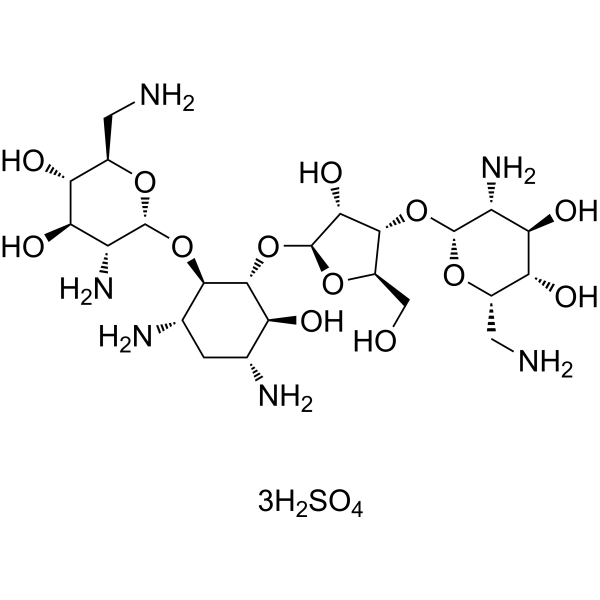
Neomycin, an aminoglycoside antibiotic, exerts antibacterial activity through irreversible binding of the nuclear 30S ribosomal subunit, thereby blocking bacterial protein synthesis. Neomycin is a known phospholipase C (PLC) inhibitor. Neomycin potently inhibits both the nuclear translocation of angiogenin and angiogenin-induced cell proliferation and angiogenesis. Neomycin inhibits IP3-mediated Ca 2+ release, MgATP-dependent Ca 2+ uptake, and electrical excitation-evoked skeletal muscle Ca 2+ transients. Neomycin depletes gut microbiota in specific mouse models, causes hearing impairment, and kidney damage with prolonged exposure. Neomycin can be used for the research of cancer .
|
-
- HY-12246
-
XEN445
1 Publications Verification
|
Lipase
|
Cardiovascular Disease
Metabolic Disease
Cancer
|
|
XEN445 is a potent, selective and orally active endothelial lipase (EL) inhibitor with an IC50 value of 0.237 μM. XEN445 selectively inhibits phospholipase enzymatic activity of LIPG. XEN445 raises plasma HDL and cholesterol levles. XEN445 induces G1 cell cycle arrest, reduces cell viability, suppresses cancer stem cell self-renewal, and inhibits tumor formation in LIPG-expressing triple-negative breast cancer cells, while showing no inhibitory effect on invasiveness or cancer stem cell stemness in these cells. XEN445 can be used for the research of cancer and metabolic disease, such as triple-negative breast cancer .
|
-
- HY-B0470
-
|
|
Environmental Pollutants
Antibiotic
Phospholipase
Bacterial
|
Infection
Metabolic Disease
Cancer
|
|
Neomycin sulfate, an aminoglycoside antibiotic, exerts antibacterial activity through irreversible binding of the nuclear 30S ribosomal subunit, thereby blocking bacterial protein synthesis. Neomycin sulfate is a known phospholipase C (PLC) inhibitor. Neomycin sulfate potently inhibits both the nuclear translocation of angiogenin and angiogenin-induced cell proliferation and angiogenesis. Neomycin sulfate inhibits IP3-mediated Ca 2+ release, MgATP-dependent Ca 2+ uptake, and electrical excitation-evoked skeletal muscle Ca 2+ transients. Neomycin sulfate depletes gut microbiota in specific mouse models, causes hearing impairment, and kidney damage with prolonged exposure. Neomycin sulfate can be used for the research of cancer .
|
-
- HY-100168AR
-
|
|
Reference Standards
Phospholipase
|
Others
|
|
BAPTA tetrasodium (Standard) is the analytical standard of BAPTA tetrasodium. This product is intended for research and analytical applications. BAPTA tetrasodium is a selective and cell-impermeant chelator for calcium. BAPTA tetrasodium, as calcium indicator, has high selectivity against magnesium and calcium. BAPTA tetrasodium is widely used as an intracellular buffer for investigating the effects of Ca 2+ release from intracellular stores or influx via Ca 2+-permeable channels in the plasma membrane. BAPTA tetrasodium can also inhibit phospholipase C activity independently of their role as Ca 2+ chelators .
|
-
- HY-N1393
-
|
NSC 3778; O-Methylsalicylic acid; Salicylic acid methyl ether
|
Carbonic Anhydrase
Phospholipase
|
Cardiovascular Disease
|
|
2-Methoxybenzoic acid (NSC 3778; O-Methylsalicylic acid; Salicylic acid methyl ether) is a natural compound with potential salicylate-like effect. 2-Methoxybenzoic acid inhibits carbonic anhydrase activity, elevates intraplatelet cyclic guanosine monophosphate level, and suppresses cytosolic phospholipase A2 phosphorylation. 2-Methoxybenzoic acid suppresses platelet reactivity, including decreased spreading, retraction, and aggregation in platelets. 2-Methoxybenzoic acid ameliorates arterial thrombosis in a dose-dependent manner without affecting normal hemostasis in mice. 2-Methoxybenzoic acid can be used for the research of arterial thrombosis .
|
-
- HY-135564
-
|
|
Phosphatase
Phospholipase
HIV Protease
ERK
Autophagy
|
Infection
Cancer
|
|
RK-682 hemicalcium is the hemicalcium salt form of RK-682 (HY-135564A). RK-682 hemicalcium is the inhibitor for protein tyrosine phosphatase (PTPase), heparanase, phospholipase A2 and HIV-1 protease. RK-682 hemicalcium inhibits the dephosphorylation of CD45 (IC50 is 54 μM) and VHR (IC50 is 2.0 μM), and thereby inhibits the ERK signaling pathway. RK-682 hemicalcium inhibits the cell viability of cancer cell MGH-U3, T24 and UROtsa with IC50s of 78.2, 43.2 and 145 nM, respectively, arrests the cell cycle at G1/S phase, inhibits the cell migration and autophagy in MGH-U3 and T24 [2] .
|
-
- HY-100168BR
-
|
|
Reference Standards
Phospholipase
|
Others
|
|
BAPTA tetrapotassium (Standard) is the analytical standard of BAPTA tetrapotassium (HY-100168B). This product is intended for research and analytical applications. BAPTA tetrapotassium is a selective and cell-impermeant chelator for calcium. BAPTA tetrapotassium, as calcium indicator, has high selectivity against magnesium and calcium. BAPTA tetrapotassium is widely used as an intracellular buffer for investigating the effects of Ca 2+ release from intracellular stores or influx via Ca 2+-permeable channels in the plasma membrane. BAPTA tetrapotassium can also inhibit phospholipase C activity independently of their role as Ca 2+ chelators .
|
-
- HY-115062
-
|
|
Phospholipase
NADPH Oxidase
p38 MAPK
Akt
NF-κB
AP-1
Reactive Oxygen Species (ROS)
|
Cardiovascular Disease
Inflammation/Immunology
Cancer
|
|
MJ-33 lithium salt is a competitive phospholipase A2 (PLA2) inhibitor with an IC50 of 0.3 μM. MJ-33 lithium salt inhibits NOX2 activation and reduces ROS production by blocking the PLA2 activity of Prdx6. MJ-33 lithium salt effectively inhibits the activity of acidic PLA2 (pH 4.0) and reduces the degradation of alveolar surfactant phosphatidylcholine (PC), but exerts no effect on alkaline PLA2 (pH 8.5). MJ-33 lithium salt significantly alleviates lung oxidative injury induced by ischemia-reperfusion (I/R). MJ-33 lithium salt significantly inhibits the invasion, migration and adhesion abilities of prostate cancer cells by suppressing the MAPK, AKT, NF-κB and AP-1 signaling pathways. MJ-33 lithium salt can be used for the research of ROS-related diseases and prostate cancer .
|
-
- HY-N1393R
-
|
NSC 3778 (Standard); O-Methylsalicylic acid (Standard); Salicylic acid methyl ether (Standard)
|
Reference Standards
Carbonic Anhydrase
Phospholipase
|
Cardiovascular Disease
|
|
2-Methoxybenzoic acid (NSC 3778; O-Methylsalicylic acid; Salicylic acid methyl ether) (Standard) is the analytical standard of 2-Methoxybenzoic acid (HY-N1393). 2-Methoxybenzoic acid is a natural compound with potential salicylate-like effect. 2-Methoxybenzoic acid inhibits carbonic anhydrase activity, elevates intraplatelet cyclic guanosine monophosphate level, and suppresses cytosolic phospholipase A2 phosphorylation. 2-Methoxybenzoic acid suppresses platelet reactivity, including decreased spreading, retraction, and aggregation in platelets. 2-Methoxybenzoic acid ameliorates arterial thrombosis in a dose-dependent manner without affecting normal hemostasis in mice. 2-Methoxybenzoic acid can be used for the research of arterial thrombosis .
|
-
- HY-169262
-
|
|
Phospholipase
Apoptosis
|
Cancer
|
|
PLD-IN-1 (Compound 3r) is an orally active inhibitor for phospholipase D with an IC50 of 1.97 μM. PLD-IN-1 reduces the expression of CD24, CD47 and PD-L1, enhances the calreticulin expression, and thus modulates the immune evasion mechanism in lung cancer cells by promoting the phagocytosis of cancer cells by macrophages. PLD-IN-1 inhibits the cell viability of lung cancer cell A549, HCC44, H460 and HCC15 with IC50 of 18.44, 22.31, 24.85 and 21.45 μM, respectively. PLD-IN-1 can induce apoptosis and inhibits migration in cell A549. PLD-IN-1 enhances the level of pro-inflammatory M1 macrophages and decreases the level of anti-inflammatory M2 macrophages, exhibits antitumor efficacy in mouse model .
|
-
- HY-N1393S1
-
|
NSC 3778-d3; O-Methylsalicylic acid-d3; Salicylic acid methyl ether-d3
|
Isotope-Labeled Compounds
Carbonic Anhydrase
Phospholipase
|
Cardiovascular Disease
|
|
2-Methoxybenzoic acid (NSC 3778; O-Methylsalicylic acid; Salicylic acid methyl ether)-d3 is deuterium-labeled 2-Methoxybenzoic acid (HY-N1393). 2-Methoxybenzoic acid is a natural compound with potential salicylate-like effect. 2-Methoxybenzoic acid inhibits carbonic anhydrase activity, elevates intraplatelet cyclic guanosine monophosphate level, and suppresses cytosolic phospholipase A2 phosphorylation. 2-Methoxybenzoic acid suppresses platelet reactivity, including decreased spreading, retraction, and aggregation in platelets. 2-Methoxybenzoic acid ameliorates arterial thrombosis in a dose-dependent manner without affecting normal hemostasis in mice. 2-Methoxybenzoic acid can be used for the research of arterial thrombosis .
|
-
- HY-18540
-
KT109
1 Publications Verification
|
MAGL
DAGL
|
Metabolic Disease
Inflammation/Immunology
|
|
KT109 is a potent and an isoform-selective inhibitor of diacylglycerol lipase-β (DAGLβ) with an IC50 of 42 nM. KT109 has ~60-fold selectivity for DAGLβ over DAGLα. KT109 shows inhibitory activity against PLA2G7 (IC50=1 µM). KT109 shows negligible activity against FAAH, MGLL, ABHD11, and cytosolic phospholipase A2 (cPLA2 or PLA2G4A). KT109 perturbs a lipid network involved in macrophage inflammatory responses and lowers 2-Arachidonoylglycerol (HY-W011051), Arachidonic acid (HY-109590) and eicosanoids in mouse peritoneal macrophages .
|
-
- HY-N1393S
-
|
NSC 3778-13C6; O-Methylsalicylic acid-13C6; Salicylic acid methyl ether-13C6
|
Isotope-Labeled Compounds
Carbonic Anhydrase
Phospholipase
|
Cardiovascular Disease
|
|
2-Methoxybenzoic acid (NSC 3778; O-Methylsalicylic acid; Salicylic acid methyl ether)- 13C6 is the 13C-labeled 2-Methoxybenzoic acid (HY-N1393). 2-Methoxybenzoic acid is a natural compound with potential salicylate-like effect. 2-Methoxybenzoic acid inhibits carbonic anhydrase activity, elevates intraplatelet cyclic guanosine monophosphate level, and suppresses cytosolic phospholipase A2 phosphorylation. 2-Methoxybenzoic acid suppresses platelet reactivity, including decreased spreading, retraction, and aggregation in platelets. 2-Methoxybenzoic acid ameliorates arterial thrombosis in a dose-dependent manner without affecting normal hemostasis in mice. 2-Methoxybenzoic acid can be used for the research of arterial thrombosis .
|
-
| Cat. No. |
Product Name |
Type |
-
- HY-100168
-
|
|
Biochemical Assay Reagents
|
|
BAPTA is a selective and cell-impermeant chelator for calcium. BAPTA has high selectivity against magnesium and calcium. BAPTA can also inhibit phospholipase C activity independently of their role as Ca 2+ chelators .
|
-
- HY-100168B
-
|
|
Biochemical Assay Reagents
|
|
BAPTA tetrapotassium is a selective and cell-impermeant chelator for calcium. BAPTA has high selectivity against magnesium and calcium. BAPTA tetrapotassium can also inhibit phospholipase C activity independently of their role as Ca 2+ chelators .
|
-
- HY-W100403
-
|
Choline p-toluenesulfonate
|
Biochemical Assay Reagents
|
|
Choline tosylate (Choline p-toluenesulfonate) is an intermediate and also a substrate of choline acetyltransferase (CHAT). Choline tosylate inhibits phospholipase A2 and phospholipase C .
|
-
- HY-W127380
-
|
|
Biochemical Assay Reagents
|
|
Arachidonoyl Thio-PC is a substrate of many phospholipase A2 (PLA2), including sPLA2, cPLA2 and iPLA2. Cleavage of sn-2 fatty acids by PLA2 results in the production of free thiols, which react with chromogenic reagents such as DTNB (Ellman's reagent) and DTP, allowing quantification of PLA2 activity. Isozyme-specific cPLA2 activity can be measured by depleting or inhibiting sPLA2 and iPLA2 activity in the assay.
|
-
- HY-100168R
-
|
|
Biochemical Assay Reagents
|
|
BAPTA (Standard) is the analytical standard of BAPTA. This product is intended for research and analytical applications. BBAPTA is a selective and cell-impermeant chelator for calcium. BAPTA, as calcium indicator, has high selectivity against magnesium and calcium. BAPTA is widely used as an intracellular buffer for investigating the effects of Ca 2+ release from intracellular stores or influx via Ca 2+-permeable channels in the plasma membrane. BAPTA can also inhibit phospholipase C activity independently of their role as Ca 2+ chelators .
|
-
- HY-100168BR
-
|
|
Biochemical Assay Reagents
|
|
BAPTA tetrapotassium (Standard) is the analytical standard of BAPTA tetrapotassium (HY-100168B). This product is intended for research and analytical applications. BAPTA tetrapotassium is a selective and cell-impermeant chelator for calcium. BAPTA tetrapotassium, as calcium indicator, has high selectivity against magnesium and calcium. BAPTA tetrapotassium is widely used as an intracellular buffer for investigating the effects of Ca 2+ release from intracellular stores or influx via Ca 2+-permeable channels in the plasma membrane. BAPTA tetrapotassium can also inhibit phospholipase C activity independently of their role as Ca 2+ chelators .
|
| Cat. No. |
Product Name |
Target |
Research Area |
-
- HY-P10447
-
|
Fengycin IX; SNA-60-367-3
|
Phospholipase
Fungal
|
Infection
|
|
Plipastatin A1 (Fengycin IX; SNA-60-367-3) is a lipopeptide with phospholipase A2 inhibitory activity. Plipastatin A1 inhibits conidial germination of Botrytis cinerea in vitro and reduces the incidence of gray mold on tomato leaves. Plipastatin A1 is applicable to research related to gray mold [1][2].
|
-
- HY-P10053
-
|
|
Phospholipase
|
Metabolic Disease
|
|
sPLA2-IIA Inhibitor is a cyclic pentapeptide analog of FLSYK (cyclic 2-Nal-Leu-Ser-2-Nal-Arg (c2)), that binds to hGIIA (human IIA phospholipase A2) and inhibits its hydrolytic ability. sPLA2 is a member of the esterase superfamily that catalyzes the hydrolysis of the ester bond at the sn-2 position of glycerophospholipids, releasing free fatty acids such as arachidonic acid and lysophospholipids .
|
-
- HY-113560
-
-
- HY-P10658
-
|
|
Phospholipase
|
Others
|
|
ARF1 (2-17) inhibits both ARF-independent (PLC-β) and ARF-dependent (PLD) pathways. ARF1 (2-17) inhibits GTP-γ-S-stimulated PLD activity, phospholipase C-β (PLC-β), and exocytosis .
|
-
- HY-P2139
-
|
|
Neurokinin Receptor
Phospholipase
|
Others
|
|
Ranakinin is a NK1R agonist. Ranakinin inhibits the binding of selective NK1 radioligands to NK1 receptors. Ranakinin activates phospholipase C (Phospholipase C), thereby enhancing polyphosphoinositide hydrolysis. Ranakinin stimulates inositol phosphate production and reduces membrane polyphosphoinositide levels. Ranakinin stimulates corticosterone and aldosterone secretion .
|
| Cat. No. |
Product Name |
Target |
Research Area |
Image |
-
- HY-P991964
-
|
Rendomab-B49
|
Endothelin Receptor
|
Cancer
|
|
Rendomab B4 (Rendomab-B49) is a monoclonal antibody targeting ETB. Rendomab B4 preferentially binds to ETB in the active conformational state and exhibits selectivity for ETB on melanoma cells. Rendomab B4 inhibits the G protein-dependent phospholipase C (PLC) pathway, blocks ET-3-induced Gαi/o-mediated inhibition of adenylate cyclase, and does not affect the activation of the ERK1/2 pathway. Rendomab B4 is applicable to melanoma-related research .
|
-
(5)
| Cat. No. |
Product Name |
Category |
Target |
Chemical Structure |
-
- HY-B0470
-
-
-
- HY-W019838
-
-
-
- HY-N9480
-
-
-
- HY-N7036
-
-
-
- HY-W012595
-
-
-
- HY-N1393
-
-
-
- HY-N7327
-
|
|
Structural Classification
Flavonoids
Ochna atropurpurea DC.
Plants
Biflavones
Source Classification
|
Phospholipase
|
|
Ochnaflavone is an inhibitor of IIA-type secretory phospholipase A2 (sPLA2-IIA) with an IC50 of 3.45 µM. Ochnaflavone exhibits significant anti-inflammatory and liver-protective effects, capable of inhibiting the degradation of phosphatidylethanolamine (PE) and lipid peroxidation induced by carbon tetrachloride (CCl4) in rat liver, with an IC50 of 7.16 µM for lipid peroxidation. Ochnaflavone can be used in research on liver damage and inflammatory diseases .
|
-
-
- HY-N1773
-
-
-
- HY-W012595A
-
-
-
- HY-B0470R
-
-
-
- HY-W612338
-
|
9-ONA
|
Structural Classification
Arachis hypogaea L.
Leguminosae
Ketones, Aldehydes, Acids
Plants
Source Classification
|
Acetyl-CoA Carboxylase
|
|
9-Oxononanoic acid (9-ONA) is an orally active acetyl-CoA carboxylase inhibitor. 9-Oxononanoic acid inhibits acetyl-CoA carboxylase via accumulation of long-chain acyl-CoA. 9-Oxononanoic acid increases carnitine palmitoyltransferase, isocitrate dehydrogenase and glucose 6-phosphate dehydrogenase activity to elevate β-oxidation and support NADPH (HY-113324) supplyactivity. 9-Oxononanoic acid stimulates phospholipase A2 activity via post-translational, non-transcriptional mechanisms. 9-Oxononanoic acid can be used for the research of atherothrombosis .
|
-
-
- HY-N2330
-
|
|
Microorganisms
Ketones, Aldehydes, Acids
Source Classification
|
Lipase
|
|
Lipstatin is a pancreatic lipase inhibitor (IC50=0.14 μM), whose structure is closely related to the known inhibitor, Esterastin. Lipstatin inhibits the absorption of triglycerides without affecting the absorption of oleic acid. Lipstatin has no inhibitory effects on other pancreatic enzymes, such as phospholipase A2 and trypsin (<200 μM) .
|
-
-
- HY-N1450
-
-
-
- HY-N8610
-
-
-
- HY-118725
-
-
-
- HY-N14050
-
-
-
- HY-N14101
-
-
-
- HY-W019838R
-
-
-
- HY-116671
-
-
-
- HY-N14103
-
-
-
- HY-N14104
-
-
-
- HY-N14105
-
-
-
- HY-N1450R
-
-
-
- HY-N16481
-
-
-
- HY-N7036R
-
-
-
- HY-W012595AR
-
-
-
- HY-W012595R
-
-
-
- HY-N1393R
-
|
NSC 3778 (Standard); O-Methylsalicylic acid (Standard); Salicylic acid methyl ether (Standard)
|
Structural Classification
Microorganisms
Ketones, Aldehydes, Acids
Endogenous metabolite
Source Classification
|
Reference Standards
Carbonic Anhydrase
Phospholipase
|
|
2-Methoxybenzoic acid (NSC 3778; O-Methylsalicylic acid; Salicylic acid methyl ether) (Standard) is the analytical standard of 2-Methoxybenzoic acid (HY-N1393). 2-Methoxybenzoic acid is a natural compound with potential salicylate-like effect. 2-Methoxybenzoic acid inhibits carbonic anhydrase activity, elevates intraplatelet cyclic guanosine monophosphate level, and suppresses cytosolic phospholipase A2 phosphorylation. 2-Methoxybenzoic acid suppresses platelet reactivity, including decreased spreading, retraction, and aggregation in platelets. 2-Methoxybenzoic acid ameliorates arterial thrombosis in a dose-dependent manner without affecting normal hemostasis in mice. 2-Methoxybenzoic acid can be used for the research of arterial thrombosis .
|
-
-
- HY-N16849
-
-
-
- HY-N16865
-
-
| Cat. No. |
Product Name |
Chemical Structure |
-
- HY-W019838S
-
|
|
|
D-Erythro-dihydrosphingosine-d7 is the deuterium labeled D-Erythro-dihydrosphingosine. D-Erythro-dihydrosphingosin directly inhibits cytosolic phospholipase A2α (cPLA2α) activity.
|
-
-
- HY-13402S
-
|
|
|
Varespladib-d7 (LY315920-d7) is a deuterated labeled Varespladib (HY-13402). Varespladib is a potent and selective group IIA, secretory phospholipase A2 (sPLA2) inhibitor with an IC50 of 9 nM. Varespladib exhibits the significant inhibitory effect on sPLA2 activity in serum from various species including rat, rabbit, guinea pig and human with IC50s of 8.1 nM, 5.0 nM, 3.2 nM and 6.2 nM, respectively .
|
-
-
- HY-117068S
-
|
|
|
(R)-Bromoenol lactone-d7 ((R,E)-Bromoenol lactone-d7) is deuterium labeled (R)-Bromoenol lactone. (R)-Bromoenol lactone ((R)-BEL) is an irreversible, chiral, mechanism-based inhibitor of calcium-independent phospholipase γ (iPLA2γ). (R)-BEL inhibits human recombinant iPLA2γ with an IC50 of approximately 0.6 μM .
|
-
-
- HY-N1393S
-
|
|
|
2-Methoxybenzoic acid (NSC 3778; O-Methylsalicylic acid; Salicylic acid methyl ether)- 13C6 is the 13C-labeled 2-Methoxybenzoic acid (HY-N1393). 2-Methoxybenzoic acid is a natural compound with potential salicylate-like effect. 2-Methoxybenzoic acid inhibits carbonic anhydrase activity, elevates intraplatelet cyclic guanosine monophosphate level, and suppresses cytosolic phospholipase A2 phosphorylation. 2-Methoxybenzoic acid suppresses platelet reactivity, including decreased spreading, retraction, and aggregation in platelets. 2-Methoxybenzoic acid ameliorates arterial thrombosis in a dose-dependent manner without affecting normal hemostasis in mice. 2-Methoxybenzoic acid can be used for the research of arterial thrombosis .
|
-
-
- HY-N1393S1
-
|
|
|
2-Methoxybenzoic acid (NSC 3778; O-Methylsalicylic acid; Salicylic acid methyl ether)-d3 is deuterium-labeled 2-Methoxybenzoic acid (HY-N1393). 2-Methoxybenzoic acid is a natural compound with potential salicylate-like effect. 2-Methoxybenzoic acid inhibits carbonic anhydrase activity, elevates intraplatelet cyclic guanosine monophosphate level, and suppresses cytosolic phospholipase A2 phosphorylation. 2-Methoxybenzoic acid suppresses platelet reactivity, including decreased spreading, retraction, and aggregation in platelets. 2-Methoxybenzoic acid ameliorates arterial thrombosis in a dose-dependent manner without affecting normal hemostasis in mice. 2-Methoxybenzoic acid can be used for the research of arterial thrombosis .
|
-
Your information is safe with us. * Required Fields.
Inquiry Information
- Product Name:
- Cat. No.:
- Quantity:
- MCE Japan Authorized Agent:

